
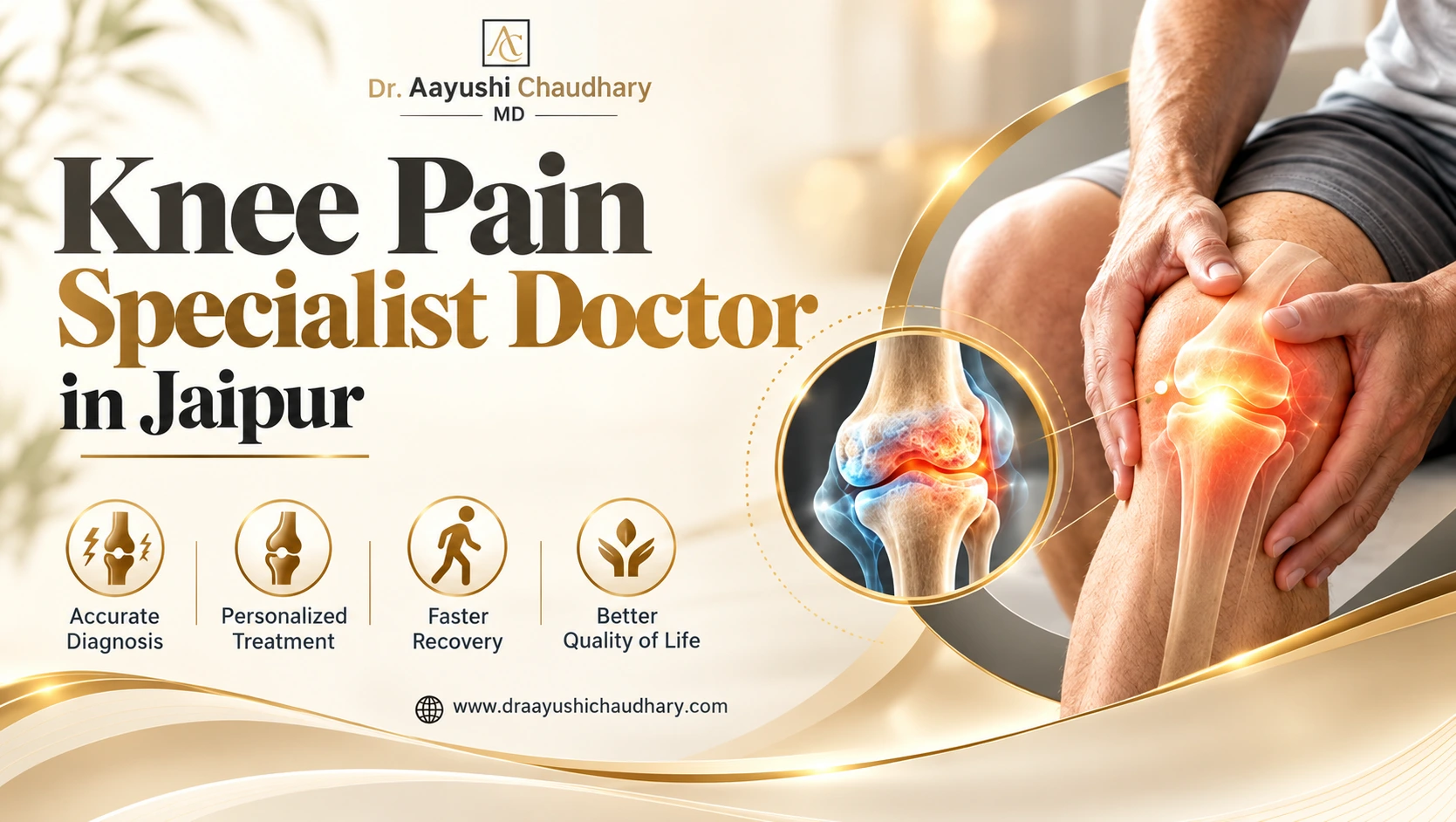
By Dr. Aayushi Choudhary | Pain, Musculoskeletal Medicine, Rehabilitation and Knee Pain Specialist | Purple Heron Hospitals, Jaipur
Many people dismiss mild knee discomfort while walking, exercising, or climbing stairs, unaware that timely specialist assessment can help identify the underlying issue and support better everyday movement and function.
If you feel symptoms persistently, then consult a knee pain specialist doctor in Jaipur who can assist you to identify problems and evaluate whether intervention, medication, or rehabilitation is appropriate.
This blog explores the role of Dr. Aayushi Choudhary as a knee pain specialist at Purple Heron Hospital in identifying common causes of knee pain, warning signs, modern diagnostic approaches, advanced treatment options, and the importance of personalised rehabilitation for lasting functional improvement.
Exploring the Common Causes Behind Persistent Knee Pain
Knee pain is a condition surrounded by several symptoms. It can emerge because of the problems impacting ligaments, meniscus, nerves, surrounding tissues, tendons or the joint itself. Understanding the source is the foremost step to select a suitable treatment pathway.
Some causes may develop gradually, while others can appear after a sudden injury, repetitive activity, or change in physical function. Common contributors include:
- Osteoarthritis: Progressive changes can be seen in the joint that can cause pain, swelling, stiffness and difficulty with movement.
- Ligament injuries: ACL and ligament injuries may impact knee stability.
- Meniscus tears: Age-related changes or twisting injuries can impact meniscus and lead to restricted movement or pain.
- Patellar conditions: Problems surrounding cartilage or the kneecap may cause pain across the front area of the knee.
- Tendon disorders: Patellar tendinitis can result in producing pain during physical activity or loading.
- Rheumatoid arthritis: Inflammatory joint disease can cause stiffness, pain and swelling.
- Bursitis: Inflammation of the small fluid-filled sacs around the knee can contribute to localised discomfort.
Because different conditions can produce similar symptoms, simply identifying where the knee hurts does not always reveal why it hurts. A detailed clinical evaluation by a specialist can help distinguish the possible pain generator and establish an appropriate management plan.
How Do You Know When Knee Pain Needs Care?
Occasionally knee discomfort after usual activity may get restored with suitable care and rest. However, symptoms that recur, interfere, or persist with everyday activities require more attention. Knee pain while walking can be significant when it causes limitations to mobility or causes changes in the movement of the people.
At the same time, knee pain climbing stairs may indicate that loads or movement are aggravating an underlying muscle, tendon, joint, or movement-associated problem. The importance of a symptom relies on the severity, impact on function, duration, and related findings.
Consider seeking professional assessment when:
- Does the pain continue despite activity modification and reasonable rest?
- Is walking becoming uncomfortable, difficult, or slower?
- Does the knee repeatedly feel unstable or rather swell?
- Is stiffness causing a limitation during normal straightening or bending?
- Does pain interfere with work, exercise, sleep, or everyday activities?
- Have previous treatments provided only temporary improvement?
- Did the symptoms begin after a sports injury, fall, twisting movement, or other trauma?
- Are you gradually avoiding stairs, longer walks, or activities you previously enjoyed?
These symptoms do not automatically indicate a serious condition. However, these symptoms can signal to you that the knee needs a proper assessment rather than repeated temporary pain relief.
Multidisciplinary Approach Matters in Comprehensive Care
Effective knee care from a knee pain specialist begins with the knowledge of the complete clinical assessment. A specialist may consider movement, joint function, physical examination, symptom pattern, and the patient's history before recommending a treatment approach.
There can be overlapping between knee pain causes. Pain related to the osteoarthritis may need a diverse strategy in comparison with pain associated with a meniscal problem, ligament injury, tendon disorder, or nerve-related condition. In the wake of the same diagnosis, functional limitations and severity may vary for individuals.
Dr. Aayushi Choudhary embraces a comprehensive approach that combines musculoskeletal assessment, pain medicine, rehabilitation, and interventional techniques. With a strong foundation in specialised pain and rehabilitation care, she is a MBBS and MD in physical medicine and rehabilitation, Gold Medalist with a Fellowship in interventional pain management and advanced musculoskeletal ultrasound training from Lisbon, Portugal. She combines advanced clinical expertise, personalised musculoskeletal and knee pain management.
Her goal is not only to recognise the area surrounding the pain rather to understand how the pain impacts movement and evaluate which treatment process may be appropriate. A well-planned evaluation can help answer questions such as whether conservative rehabilitation is sufficient or whether an image-guided procedure may have a role in it.
Advancing Recovery through Modern Treatment Approaches
Once the underlying condition has been assessed, treatment can be tailored according to the patient's symptoms, diagnosis, functional goals, and response to previous care. Knee joint pain treatment does not necessarily mean one fixed procedure for every patient by a specialist.
Dr. Aayushi Choudhary follows a knee-care protocol that includes conservative management alongside selected image-guided and minimally invasive interventions. Her conservative care can take a personalised, multi-dimensional approach to supporting knee function and managing symptoms.
Customised physiotherapy may incorporate targeted exercises to strengthen the muscles around the knee, improve flexibility, and encourage smoother functional movement. Physical modalities, including heat, cold, ultrasound, or electrical stimulation, can be added when clinically appropriate to complement the rehabilitation process.
Alongside these measures, lifestyle modification may involve adapting everyday activities and movement patterns to minimise avoidable stress on the knee. When required and medically appropriate, medication management can also be incorporated by her into your overall treatment plan to support symptom control while rehabilitation progresses. For selected patients, she even chooses advanced image-guided procedures.
These interventions are not automatically suitable for everyone. The role of the interventions depends on the diagnosis and individual clinical assessment. This is why advanced technology works best when it is guided by accurate diagnosis rather than being treated as the starting point.
Developing Individualised Strategies for Restoring Movement
Persistent knee symptoms require more than short-term relief when these symptoms begin affecting mobility and quality of life. A knee pain specialist in Jaipur can help you understand available treatment pathways and determine which combination of care may suit your specific condition.
Her approach combines non-surgical treatment, image-guided interventions, rehabilitation, and other advanced options when clinically appropriate. The focus is on restoring function and mobility while considering surgery when necessary.
For someone seeking treatment for chronic knee pain, the journey may involve several stages rather than one isolated procedure. Depending on the diagnosis and individual needs, advanced image-guided interventions by her may include:
- Intra-articular interventions: Image-guided intra-articular blocks and viscosupplementation to manage joint pain and support mobility.
- Nerve blocks: Genicular, sciatic, adductor canal, and popliteal nerve blocks, along with cryoneurolysis and radiofrequency ablation (RFA), for targeted pain management.
- Regenerative medicine: Prolotherapy, Growth Factor Concentrate (GFC) therapy, and selected stem cell-based approaches to support tissue healing when clinically appropriate.
- Baker’s cyst and knee effusion management: Image-guided aspiration and arthrocentesis to address fluid accumulation, swelling, and discomfort.
- Fat pad microneedling: Ultrasound-guided treatment targeting an inflamed infrapatellar fat pad associated with anterior knee pain.
- Osteopore implants: Bioresorbable scaffold-based treatment for selected subchondral defects to support bone regeneration.
- High-Volume Image-Guided Injection (HVIGI): A targeted injection approach used for selected tendon-related conditions such as patellar tendinopathy.
- Perineural Injection Therapy (PIT): Ultrasound-guided dextrose injections around peripheral nerves for selected chronic nerve-related pain conditions.
However, restoring knee function goes beyond addressing the immediate source of pain. Comprehensive rehabilitation protocols may further include orthotic corrections for biomechanical imbalances, medial offloader (unloader) braces for medial compartment knee osteoarthritis, and targeted management through patellar maltracking. Where appropriate, robotic-assisted rehabilitation and advanced magnetic technologies may complement personalised rehabilitation to support better movement, stability, and long-term function.
Robotic-assisted rehabilitation can support more controlled, repetitive, and precisely guided movement during knee recovery. Advanced magnetic technologies may be incorporated into rehabilitation protocols as non-invasive supportive modalities
A comprehensive functional assessment may also incorporate force and stress tests, including the Valgus Stress Test, Varus Stress Test, Lachman Test, Posterior Drawer Test, and Patellar Grind Test, to evaluate knee stability and guide treatment planning. Depending on the condition and clinical requirements, care may include Computer-Assisted Total Knee Arthroplasty (CATKA), ultrasound-guided knee interventions, custom orthotics, and other regenerative medicine options.
Platelet-rich plasma (PRP), stem cell therapy, and microfragmented fat (AMAT) are some of the biological treatments as part of the regenerative medicine that repair joint tissues and decrease inflammation. Contrastingly, nutritional optimisation with calcium, vitamin D, protein, omega-3 fatty acids, fluid and energy intake can maintain bone health and support musculoskeletal function. When clinically appropriate, these approaches can be integrated with rehabilitation and movement-focused care to support functional recovery and long-term knee health.
Her appropriate intervention depends on your underlying diagnosis, clinical findings, treatment history, and individual goals, making personalised assessment an essential part of your advanced knee pain care. The important principle is individualisation. Treatment should respond to the condition rather than forcing every patient into the same protocol.
The Bottom Line
Knowing when to see a knee pain specialist can make an important difference when symptoms persist, repeatedly return, or begin restricting everyday movement. Knee pain can arise from osteoarthritis, ligament or meniscal injuries, tendon disorders, inflammatory conditions, and several other causes, so identifying the underlying problem is essential before selecting treatment.
Dr. Aayushi Choudhary, as a knee pain specialist doctor in Jaipur, can evaluate the symptoms, understand their functional impact, and develop a treatment pathway that may include rehabilitation, lifestyle changes, medication, or appropriately selected advanced interventions. On top of that, her goal is not only to treat the pain but also to improve the quality of life of her patients with care and dedication.
You have to understand that your knee pain deserves more than temporary solutions. Seek expert evaluation from Dr. Aayushi Choudhary at Purple Heron Hospital, Jaipur and explore a personalised approach focused on improving comfort, movement, and everyday function.
FAQs
1. When should I consult a knee pain specialist doctor in Jaipur?
You should consider consulting a knee pain specialist doctor when knee pain persists, repeatedly returns, affects walking, sleep, exercise, or daily activities, or is accompanied by swelling, stiffness, or instability. Dr. Aayushi Choudhary at Purple Heron Hospital, Jaipur, can assess the underlying cause and develop an appropriate treatment plan for you.
2. What can cause knee pain while walking?
Knee pain while walking can be associated with conditions such as osteoarthritis, ligament injuries, meniscus tears, tendon disorders, patellar problems, or inflammatory conditions. A detailed clinical evaluation can help identify the likely source of pain and its effect on movement.
3. What can cause knee pain climbing stairs?
Knee pain climbing stairs may occur when stair movement places additional load on the knee and aggravates an underlying joint, muscle, tendon, or movement-related problem. Its significance depends on factors such as duration, severity, functional limitations, and other symptoms.
4. What does knee joint pain treatment involve?
Knee joint pain treatment with Dr. Aayushi Choudhary is tailored according to the diagnosis, symptoms, functional goals, and previous treatment response. Her approach may include physiotherapy, lifestyle modification, medication, physical modalities, and selected image-guided or minimally invasive interventions when clinically appropriate.
5. What options are available for treatment for chronic knee pain?
Treatment for chronic knee pain under Dr. Aayushi Choudhary may involve a combination of rehabilitation, lifestyle changes, medication, and advanced image-guided interventions. Depending on the condition and clinical assessment, options may include nerve blocks, intra-articular interventions, regenerative approaches, aspiration, RFA, or other targeted procedures.
RAGs
Understanding the Knee Pain Causes
Knee pain causes can range from osteoarthritis and meniscus injuries to ligament, tendon, patellar, nerve, and inflammatory conditions. Dr. Aayushi Choudhary uses comprehensive assessment to understand the underlying pain source and its effect on movement.
When Knee Pain Needs Professional Assessment
Persistent or recurring symptoms, difficulty walking, swelling, instability, or stiffness may indicate the need for professional evaluation. She considers symptoms, movement, physical findings, and medical history when developing an appropriate care pathway.
Personalised Knee Pain Management
Knee pain management may combine physiotherapy, lifestyle modification, medication, and selected advanced interventions according to individual clinical requirements. She focuses on personalised care aimed at supporting mobility and functional recovery.
Exploring Advanced Treatment Options
Selected patients may benefit from image-guided approaches such as nerve blocks, intra-articular interventions, regenerative medicine, aspiration, or radiofrequency ablation. The suitability of these treatments depends on the diagnosis and individual clinical assessment.
Supporting Long-Term Knee Function
Long-term knee care involves addressing more than temporary pain relief by considering mobility, function, and everyday activities. Dr. Aayushi Choudhary and Purple Heron Hospital emphasise personalised rehabilitation and appropriately selected treatments to support functional improvement.
 Understanding Spine Disorders: Expert Care by a Spine Specialist
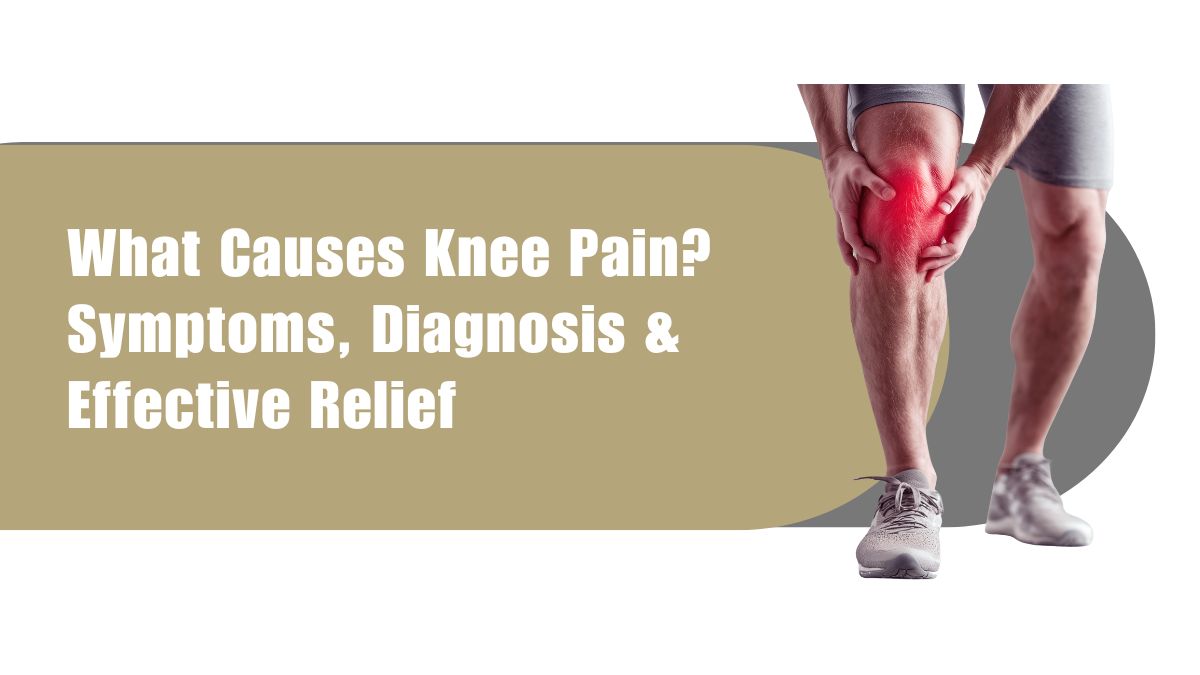 What Causes Knee Pain? Symptoms, Diagnosis & Effective Relief
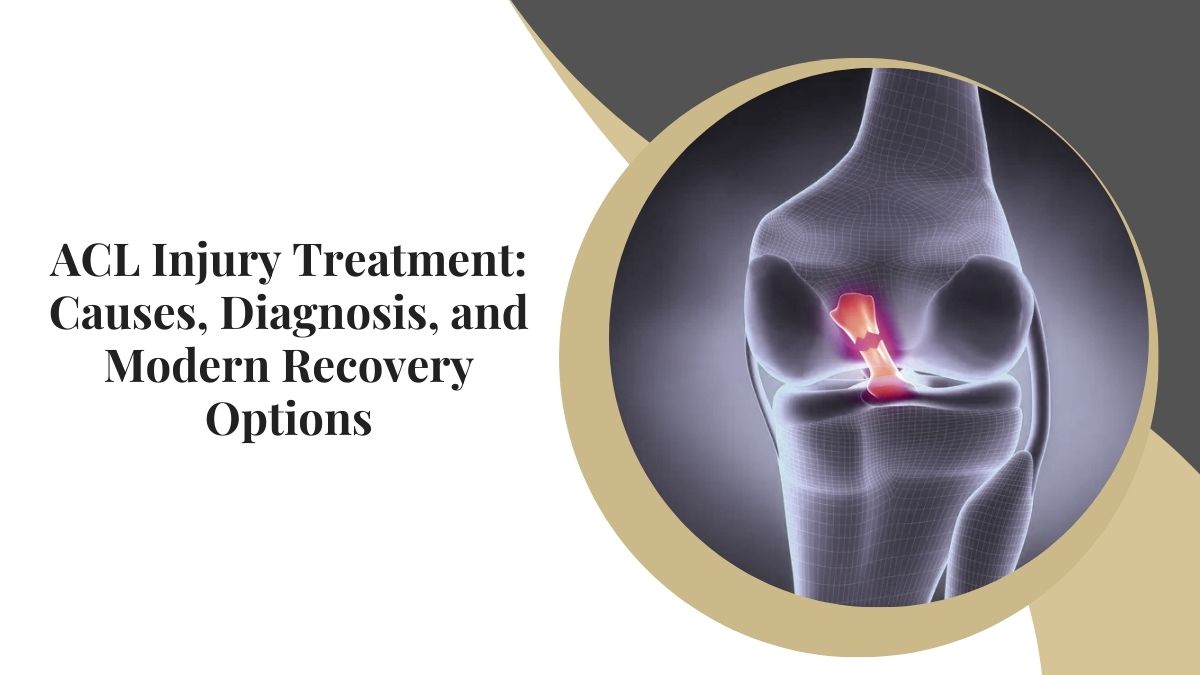 ACL Injury Treatment: Causes, Diagnosis, and Modern Recovery Options
.jpg) How Lifestyle Choices Impact Your Risk of Stroke
How Lifestyle Choices Impact Your Risk of Stroke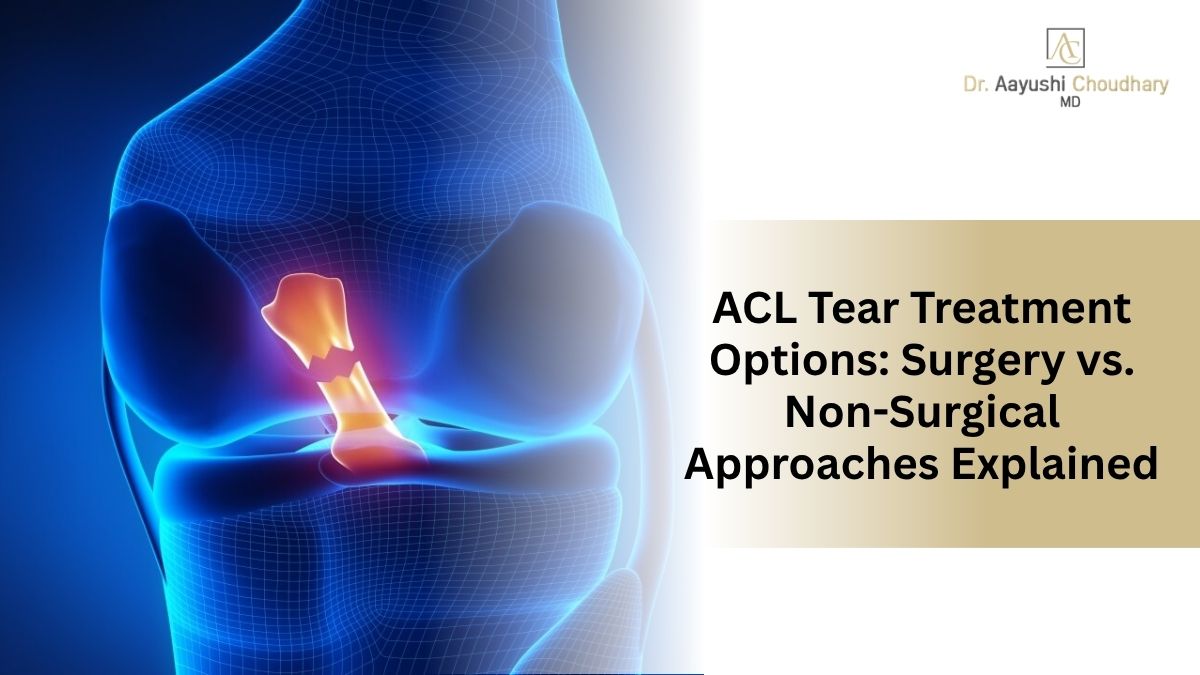 ACL Tear Treatment Options: Surgery vs. Non-Surgical Approaches Explained
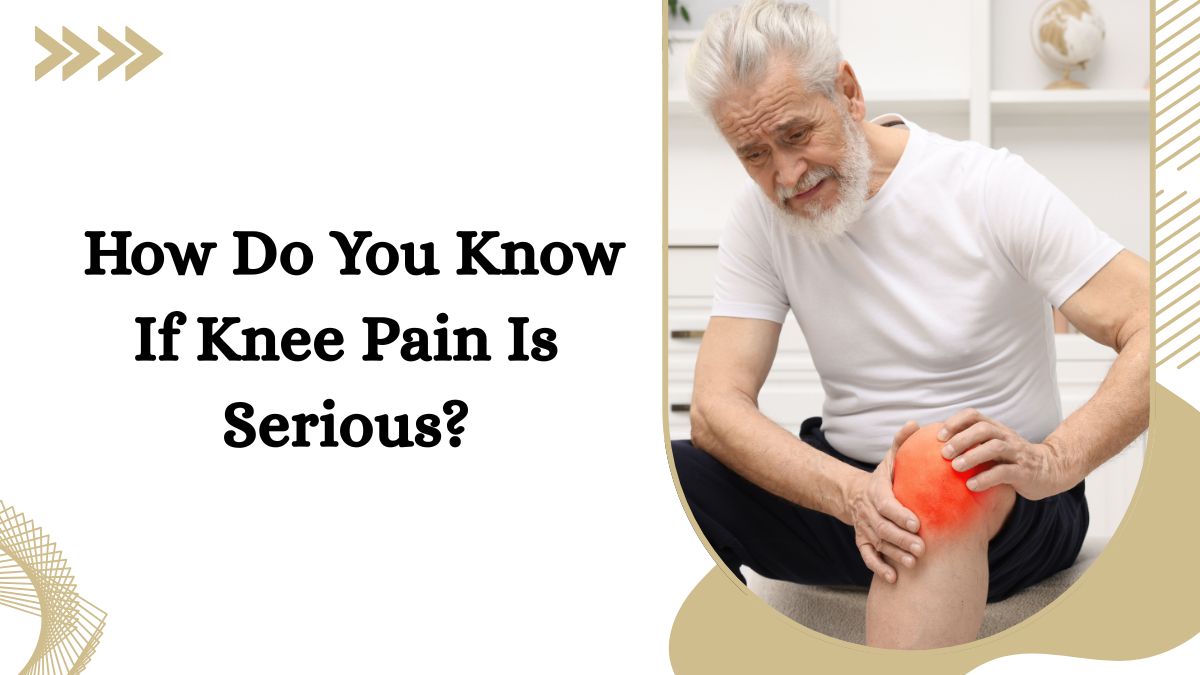 How Do You Know If Knee Pain Is Serious?
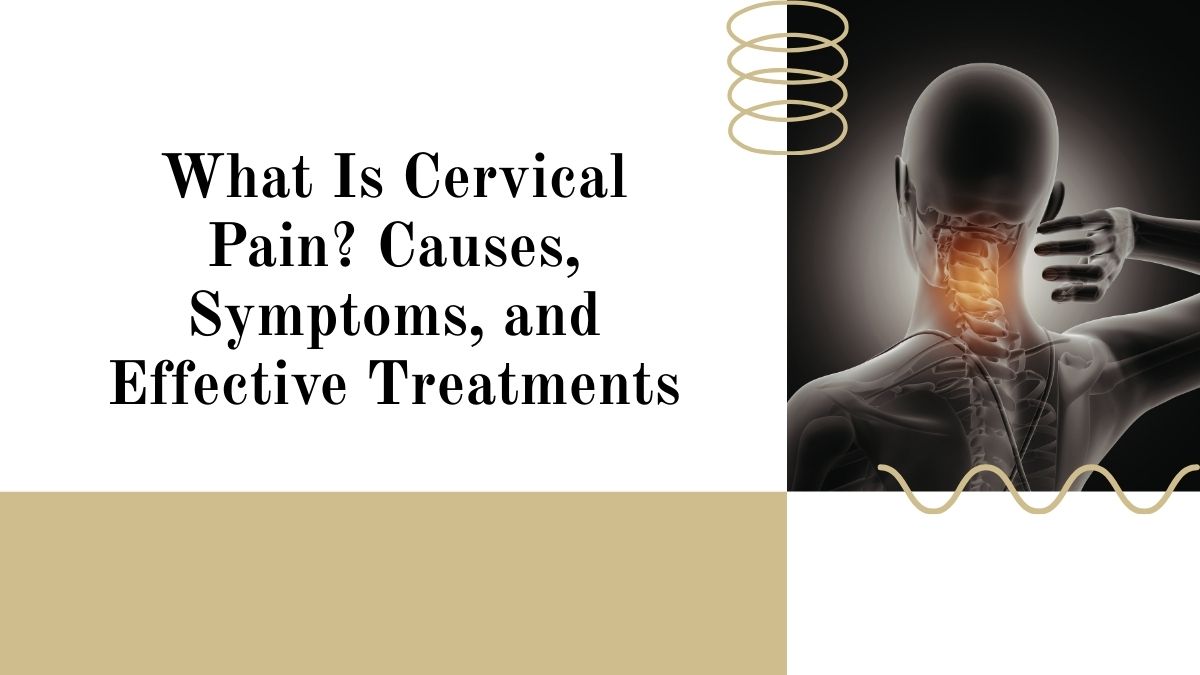 What Is Cervical Pain? Causes, Symptoms, and Effective Treatments
 When Should You Consult a Pain Specialist? Signs You Should Not Ignore
 What Causes Shoulder Pain? Symptoms & Treatment
 Common Sports Injuries and How to Prevent Them: A Complete Guide
 Don’t Ignore These Signs of Paralysis – It Could Be Serious
 Paralysis Treatment & Neurorehabilitation: A 360° Approach to Spastic and Flaccid Paralysis Recovery
 Why Does My Back Hurt? Understanding the Root Causes of Spinal Pain
 Top 10 Early Signs of Stroke You Should Never Ignore
 Daily Activity Tips to Manage Frozen Shoulder Pain
 When Kids with Cerebral Palsy Grow Up: A Simple Guide for Families
 How to Safely Return to Sports After an ACL Injury
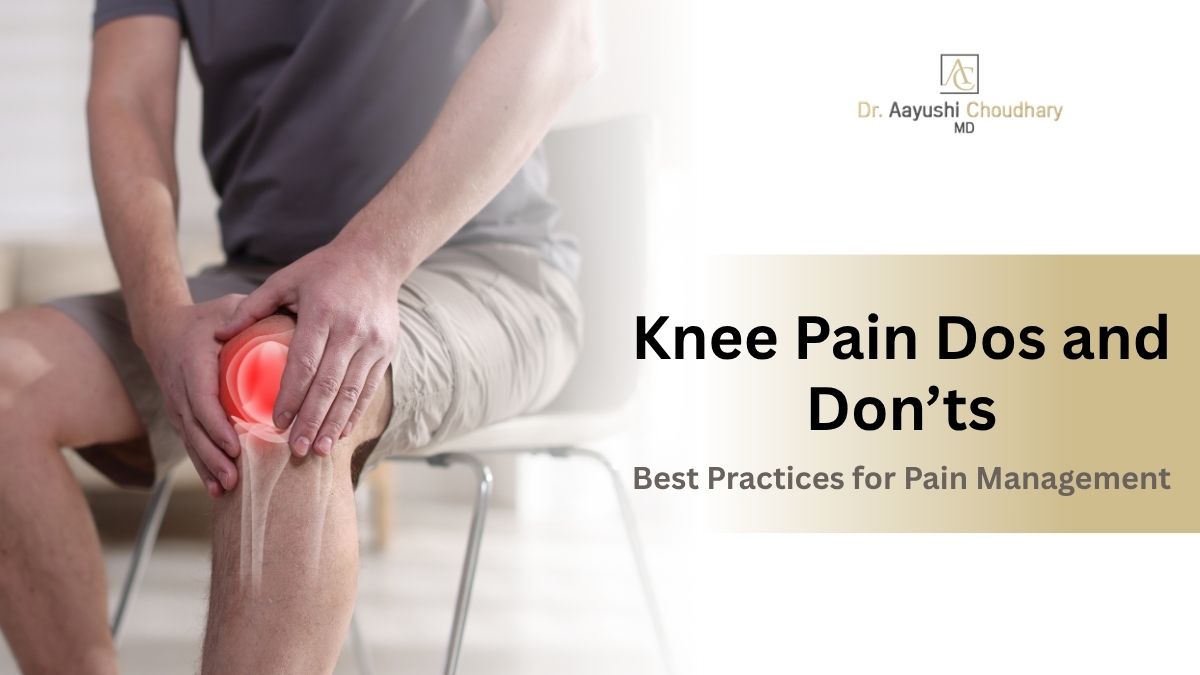 Knee Pain Dos and Don’ts: Best Practices for Pain Management
 Why Are Young People Suffering from Chronic Back Pain?
 8 Common Causes of Neck Pain & Effective Treatment Options
 Pain Management: When to Visit a Pain Specialist or Pain Hospital
 Comprehensive Guide to Managing Musculoskeletal Pain and Body Aches
 Neck Pain Treatment for Working Professionals: Daily Care Tips
 Got Injured While Playing Sports? Here’s What to Do Next
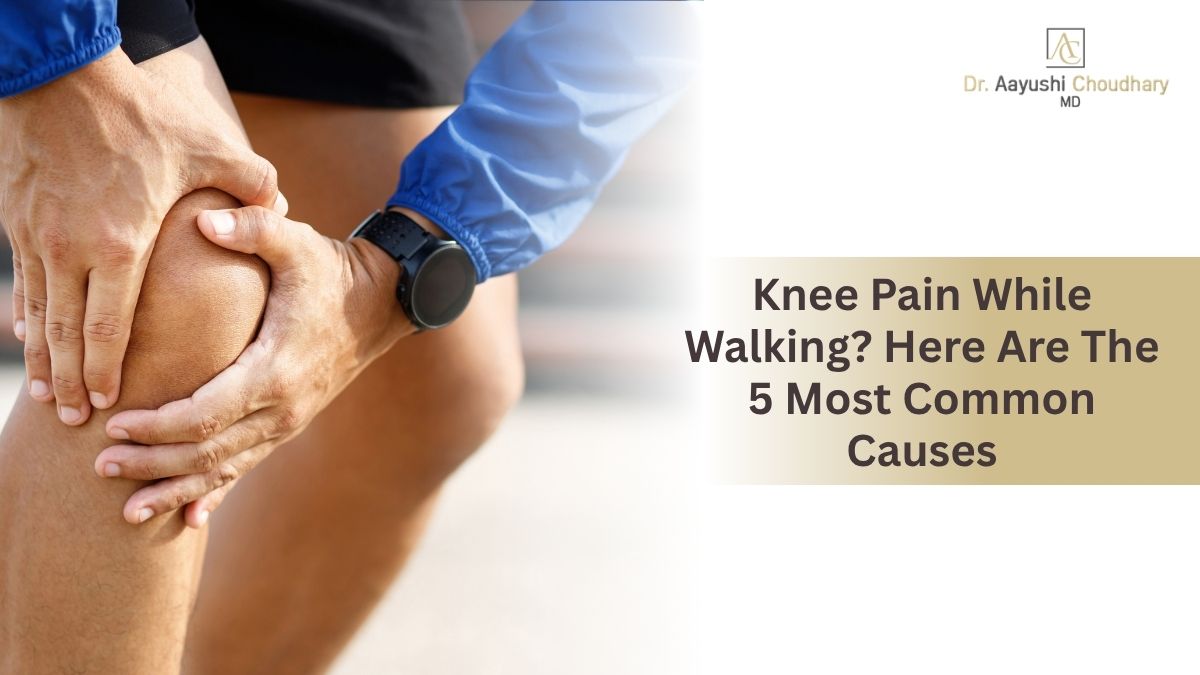 Knee Pain While Walking? Here Are The 5 Most Common Causes
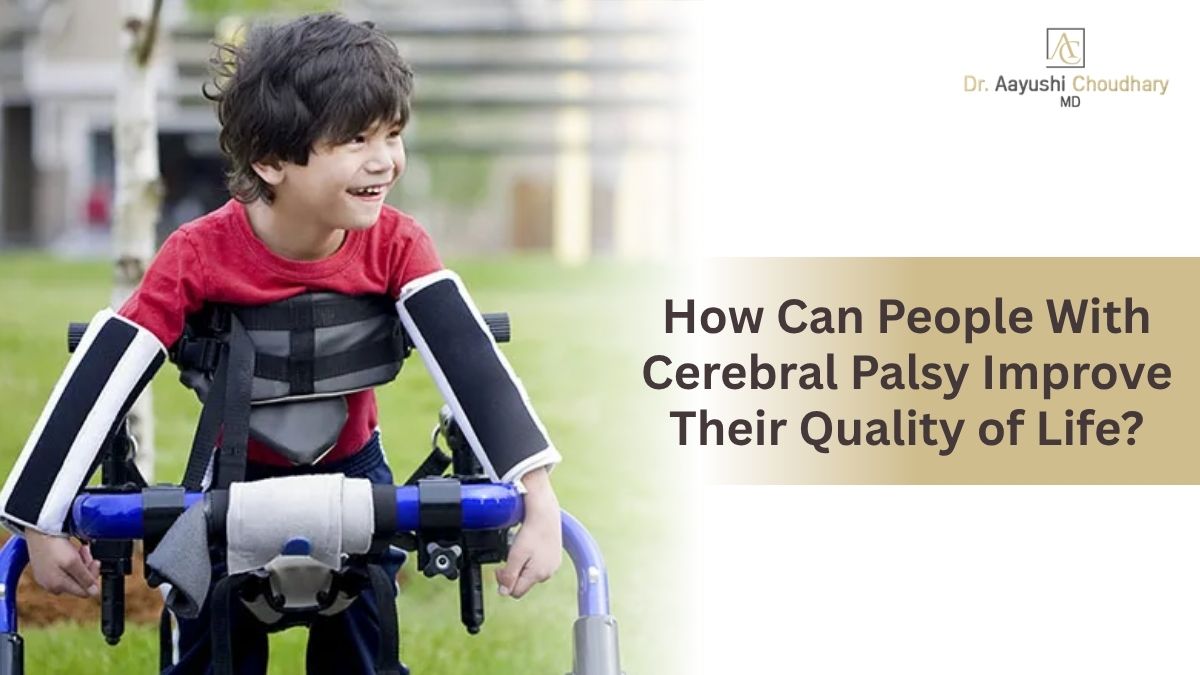 How Can People With Cerebral Palsy Improve Their Quality of Life?
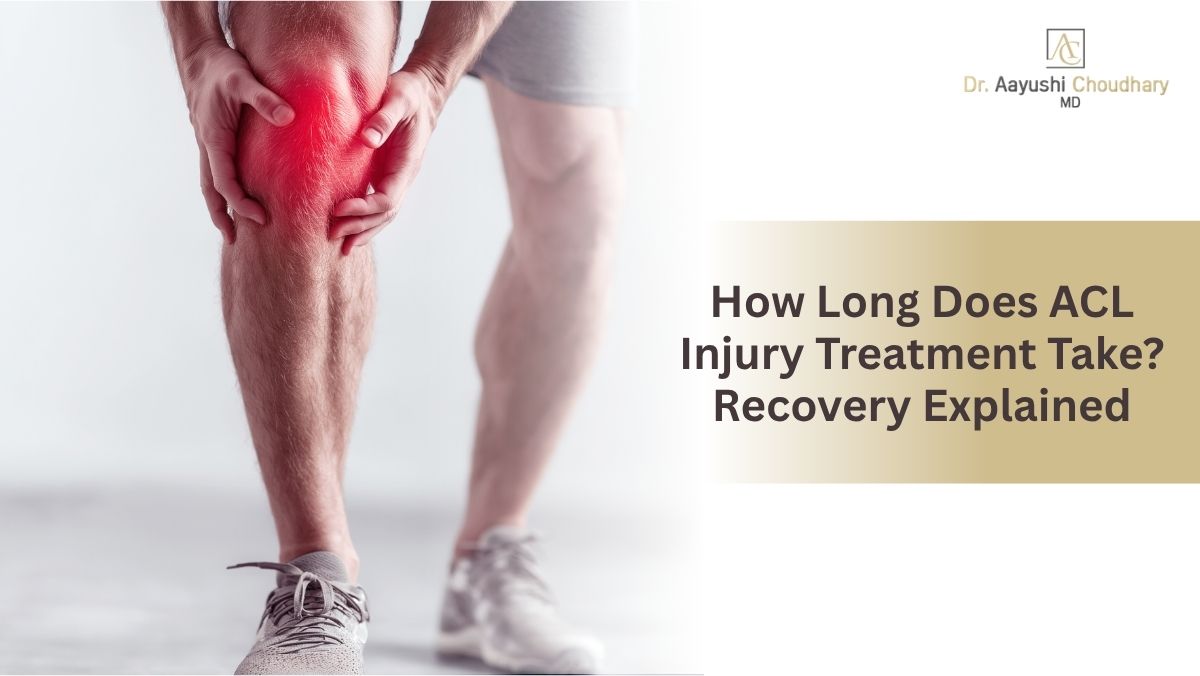 How Long Does ACL Injury Treatment Take? Recovery Explained
 How Does Paralysis Begin & What Treatments Help Recovery?
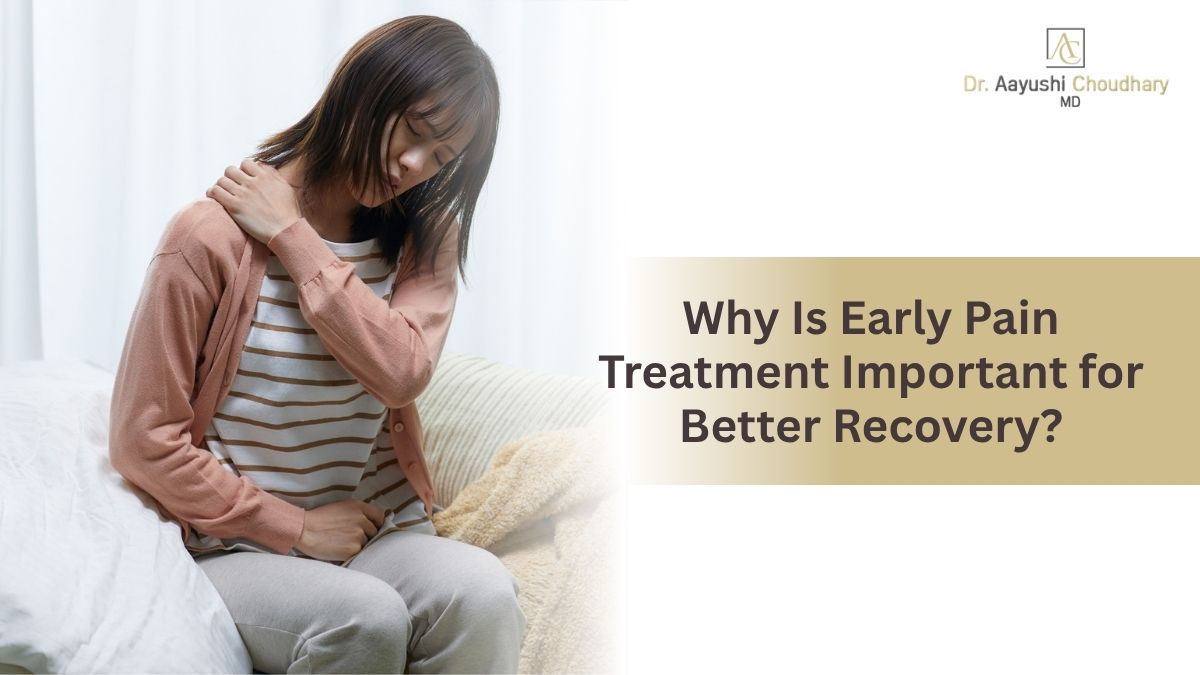 Why Is Early Pain Treatment Important for Better Recovery?
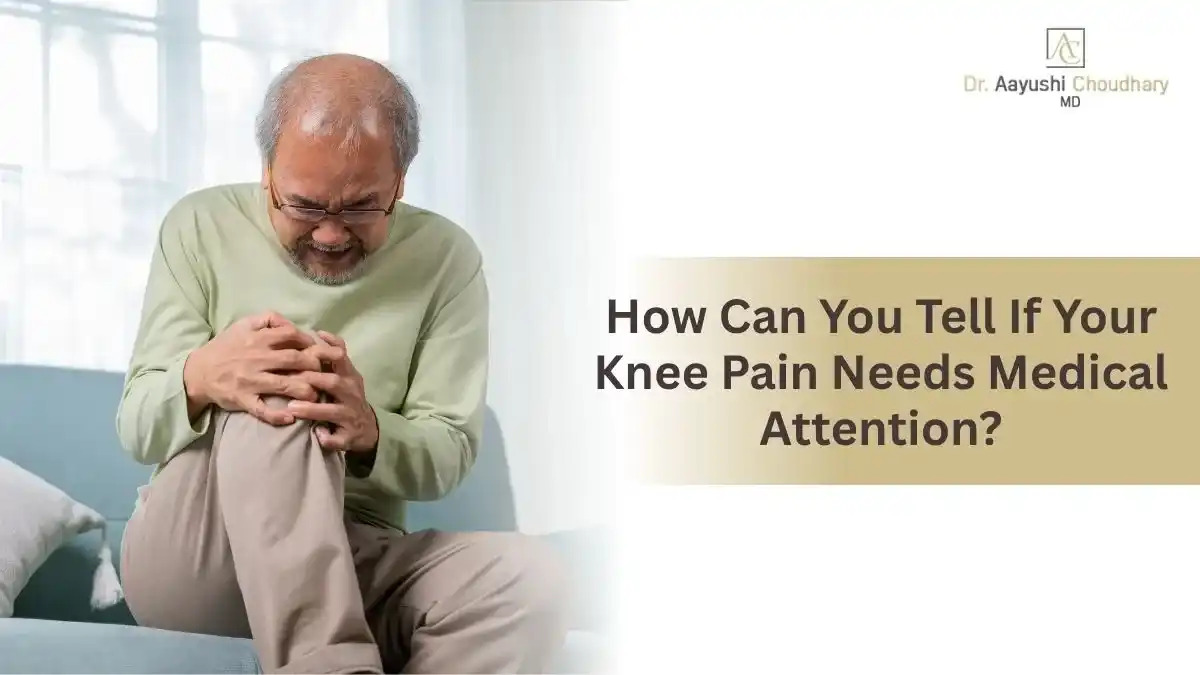 How Can You Tell If Your Knee Pain Needs Medical Attention?
 How Screen Time and Mobile Usage Trigger Cervical Pain?
 Everyday Habits That May Be Damaging Your Spine
 Best Ways to Manage Slip Disc and Improve Spine Health
 Body Ache: Symptoms, Causes and Treatment Explained
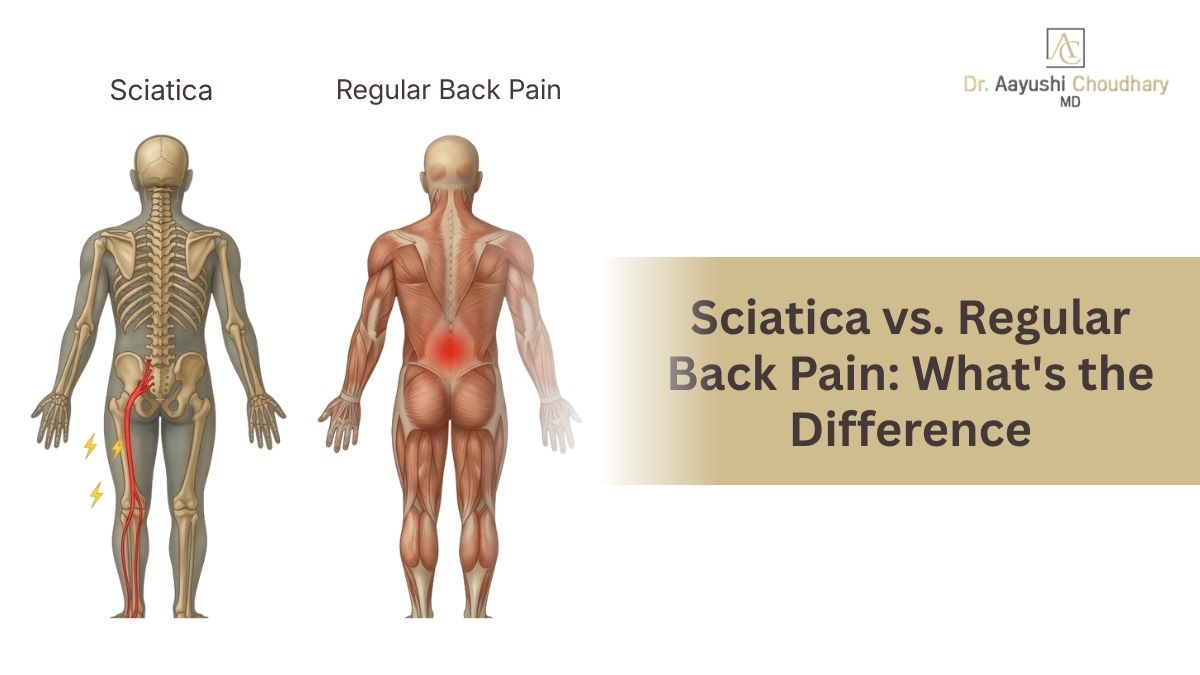 Sciatica vs. Regular Back Pain: What's the Difference? | Expert Guide
 Why Is Joint Pain More Common in Women? | Expert Medical Guide
 Why Do Gym Injuries Happen? | Expert Medical Guide
 Spine Preservation: Why the Future of Medicine Is About Preserving the Human Spine, Not Replacing It
 Rehabilitation: The Missing Fourth Pillar of Modern Medicine-Why the Future of Healthcare Is Not Just About Saving Lives, But Restoring Them
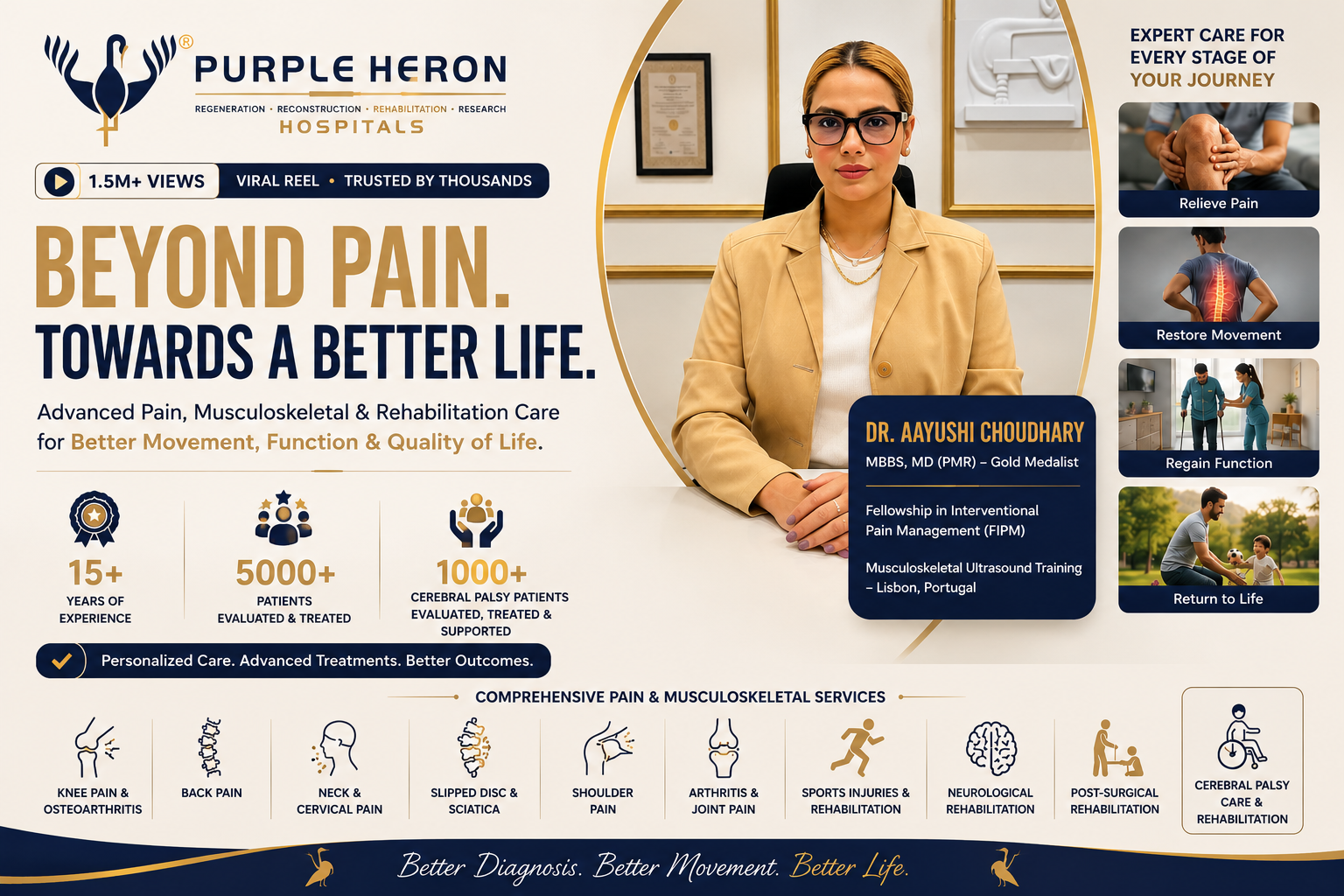 Advanced Pain & Musculoskeletal Care by Dr. Aayushi Choudhary in Jaipur
 Interventional Pain Medicine: Pain Is Not Enemy; Rather Body's Language. Why Does Future of Pain Medicine Lie in Treating Cause, Not Silencing Symptom?
 Cerebral Palsy Is Not a Deformity Problem, a Movement Problem. Why Correcting a Child’s Legs Does Not Always Help Them Walk?
 Regenerative Medicine: The Future of Healthcare Will Not Be Replacement but Preservation. Why Next Decade in Medicine Will Be Defined by Saving Human Tissue, Not Simply Replacing It
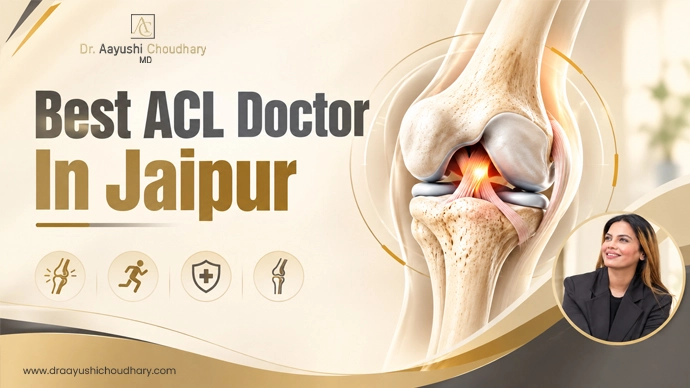 Best ACL Doctor in Jaipur for Complete Musculoskeletal Care
 Neck Pain Treatment in Jaipur: Causes, Symptoms and Care
 Stroke Treatment in Jaipur: A Practical Guide to Recovery and Rehabilitation