
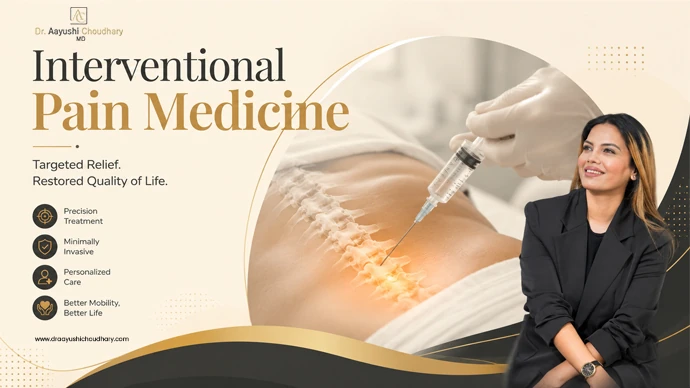
By Dr. Aayushi Choudhary | Pain, Musculoskeletal Medicine & Rehabilitation Specialist | Purple Heron Hospitals, Jaipur
Every day, I meet patients who begin their conversation with the same sentence: “Doctor, please remove my pain.” It is perhaps the most understandable request in medicine. Pain is exhausting; it steals sleep, confidence, movement, and joy.
Naturally, every patient wants a reduction of pain quickly. But over the years, I have learnt something that has completely changed the way I practise medicine. Pain is rarely the problem; rather, pain is the messenger. Interventional pain medicine is a specialised area of pain care that uses targeted, minimally invasive procedures to help diagnose and manage certain sources of pain.
And before we silence the messenger, we owe it to the patient to understand the message. The blog will discuss a story that paves the way towards the occurrence of the pain, the importance of pain medicine, an effective approach towards multidisciplinary pain management, and the option of personalised pain management.
Pain Diagnosis: Understanding the Story Behind Pain
Imagine driving your car when suddenly the engine warning light appears. Would the best mechanic simply disconnect the warning light? Of course not. Because the light is not the problem. It is warning you that something underneath needs attention.
Pain works exactly the same way. It is one of the oldest survival mechanisms in human evolution. Understanding the source and nature of pain is an important step in choosing an appropriate pain treatment. Long before hospitals, medicines, or surgery existed, pain protected us. It told us when a bone had fractured.
- When a joint had become unstable.
- When a nerve was compressed.
- When inflammation had begun.
- When tissues were being overloaded.
Without pain, human survival would have been impossible. Pain is the body’s language; it is how the nervous system asks us to pay attention. Unfortunately, modern healthcare has often reduced pain management to a simple equation where pain is equal to medicine, injection and surgery.
But the truth is rarely that simple. Two patients may arrive with identical MRI scans and completely different pain. Another two patients may have severe pain while their imaging appears almost normal. In this situation, the question lies in the fact, "What is the reason behind that different and severe pain?”.
This is where pain diagnosis becomes important, as understanding the underlying source, pattern, and contributing factors of pain can help guide a more appropriate treatment approach. With comprehensive pain assessment, you can easily identify causes of the pain for further treatment.
Because pain is not produced by scans, it is produced by biology, movement, inflammation, nerves, biomechanics, muscles, psychology, lifestyle, and brain. We have to understand that pain comes with a story.
Exploring the Role of Pain Medicine in Modern Pain Care
Pain medicine, as a specialised field of health, ensures identification, evaluation, and management of pain while addressing the factors associated with it.
And unless we understand the entire story, treating only the symptom is unlikely to produce lasting results. This is where interventional pain medicine is often misunderstood. Many people believe it is a speciality that performs injections; it is not.
Interventional pain medicine is the science of identifying the exact pain generator and using precision, evidence-based techniques to address it when appropriate.
The procedure is never the objective, while the diagnosis is. A nerve block is not a treatment because it involves a needle. It is a treatment, as it answers an important clinical question that is, “Is this nerve actually responsible for the patient’s pain?”.
A Radiofrequency Ablation (RFA) is not performed because of the existence of the technology. It is performed only when careful clinical evaluation, examination, imaging, and diagnostic interventions indicate that it is the right treatment for the right patient.
Technology should never replace clinical reasoning; rather, technology should strengthen it. At Purple Heron Hospitals, every patient enters a much larger conversation than simply, “Where does it hurt?”
We ask:
- Why does it hurt?
- When did it begin?
- What movements trigger it?
- What movements relieve it?
- How has the body adapted?
- Has weakness developed?
- Has balance changed?
- Has gait changed?
- Has posture changed?
- Has fear of movement become part of the disease?
- Has the nervous system become sensitised?
Because pain is rarely isolated, it influences how people walk, how they breathe, how they sleep, how they work, how they think, and how they participate in life. Treating pain without understanding these changes is like reading only the final chapter of a book.
A Comprehensive Approach Through Multidisciplinary Pain Management
Multidisciplinary pain management recognises that persistent pain can have multiple contributing factors and may require more than one form of care. Instead of focusing on a single symptom or treatment, this approach brings together different areas of expertise to understand the individual’s pain experience more comprehensively.
One of the greatest mistakes in medicine is assuming that every painful structure should simply be numbed. Sometimes pain exists because a joint is degenerating, muscles have become weak, posture has deteriorated, a tendon has failed, a nerve is trapped, and movement itself has become dysfunctional.
If inflammation is driving the pain, we address inflammation. If biomechanics are abnormal, we restore biomechanics. If muscles have become weak, rehabilitation becomes the treatment. If instability exists, stability must be restored. If degeneration has begun, joint preservation and spine preservation become priorities.
If regenerative potential remains, regenerative medicine and orthobiologic treatments, when medically appropriate, may become part of the strategy. And only when conservative measures have been exhausted and the diagnosis is clear, go for image-guided minimum interventions, as these interventions are the next logical step. The intervention should always serve the diagnosis, not replace it.
Integration of Interventional Pain Strategies for Patients
Modern image-guided interventional pain medicine has transformed how we manage complex pain. Using Ultrasound Guidance (USG) and C-arm fluoroscopy, today’s procedures allow remarkable precision while minimising unnecessary tissue injury. These include:
- Diagnostic and Therapeutic Nerve Blocks
- Selective Nerve Root Blocks
- Epidural Interventions
- Facet Joint Procedures
- Sacroiliac Joint Interventions
- Radiofrequency Ablation (RFA)
- Peripheral Nerve Procedures
- Hydrodissection
- Musculoskeletal Ultrasound-Guided Interventions
- Regenerative Medicine Procedures
But the greatest technology in the room is still not the ultrasound machine; it is clinical judgement. Knowing who needs an intervention is just as important as knowing how to perform one.
Pain medicine also extends far beyond the spine. At Purple Heron Hospitals, interventional pain strategies are integrated into the care of patients with:
- Chronic Back Pain
- Neck Pain
- Sciatica
- Slipped Disc
- Cervical and Lumbar Spondylosis
- Knee Osteoarthritis
- Shoulder Disorders
- Hip Pain
- Sports Injuries
- Tendon Disorders
- Peripheral Nerve Entrapments
- Cancer-Related Pain
- Post-Surgical Pain
- Neuropathic Pain
- Complex Regional Pain Syndrome (CRPS)
Yet every intervention is viewed as one component of a much larger rehabilitation journey. Because pain relief without restoring function is only half the job. One philosophy has guided my practice from the beginning. We do not treat pain; we treat the reason why the pain exists. Chronic pain management involves understanding persistent pain and developing a treatment plan based on its potential causes, patterns, and impact on daily life.
Sometimes the answer is an intervention, rehabilitation, regenerative medicine, and surgery. However, intervention, rehabilitation, surgery, and regenerative medicine can only be applied after identifying the root cause of chronic pain. Sometimes it is simply teaching the body how to move correctly again. The patient does not need every technology but rather needs the right technology at the right time and for the right reason.
Personalised Pain Management for Individual Care Needs
The future of interventional pain medicine will not be defined by who performs the most procedures. It will be defined by who understands pain most deeply because pain is not merely an electrical signal. It is the body’s conversation with the mind. It is biology communicating through sensation.
Personalised pain management focuses on understanding each individual’s pain pattern, underlying factors, lifestyle, and treatment needs to develop a care approach suited to their specific condition and goals.
When we listen carefully, pain becomes one of our greatest diagnostic tools. When we ignore its meaning, we risk treating symptoms while disease quietly progresses. At Purple Heron Hospitals, interventional pain medicine is integrated with spine preservation, joint preservation, physical medicine & rehabilitation (PM&R), functional restoration, and others.
Image-guided minimum interventions, regenerative medicine, robotics-assisted rehabilitation, gait analysis, and comprehensive musculoskeletal care are some of the other procedures that are chosen by people in the hospitals. These procedures have proved to be beneficial for the people.
The Final Thoughts
Our goal is not simply to make pain disappear but rather to understand why it appeared in the first place. Because pain was never meant to be silenced without being understood.
A key part of interventional pain medicine is combining targeted procedures with a broader treatment plan when needed. Physical rehabilitation, appropriate medication, movement strategies, and other forms of care may complement interventional treatment.
It combines careful assessment with appropriate treatment approaches to identify contributing factors and support better function, comfort, and quality of life. It was meant to guide us toward healing. And when we truly understand its language, we do far more than relieve suffering. We restore movement, confidence, and lives.
 Understanding Spine Disorders: Expert Care by a Spine Specialist
 What Causes Knee Pain? Symptoms, Diagnosis & Effective Relief
 ACL Injury Treatment: Causes, Diagnosis, and Modern Recovery Options
.jpg) How Lifestyle Choices Impact Your Risk of Stroke
How Lifestyle Choices Impact Your Risk of Stroke ACL Tear Treatment Options: Surgery vs. Non-Surgical Approaches Explained
 How Do You Know If Knee Pain Is Serious?
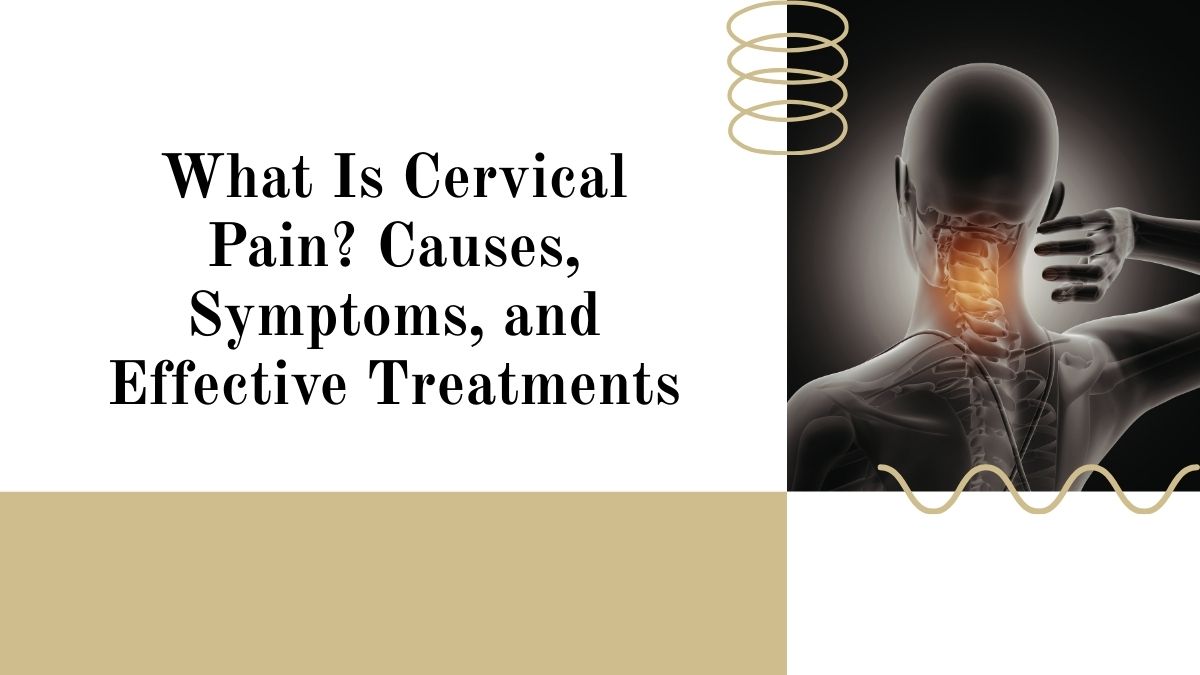 What Is Cervical Pain? Causes, Symptoms, and Effective Treatments
 When Should You Consult a Pain Specialist? Signs You Should Not Ignore
 What Causes Shoulder Pain? Symptoms & Treatment
 Common Sports Injuries and How to Prevent Them: A Complete Guide
 Don’t Ignore These Signs of Paralysis – It Could Be Serious
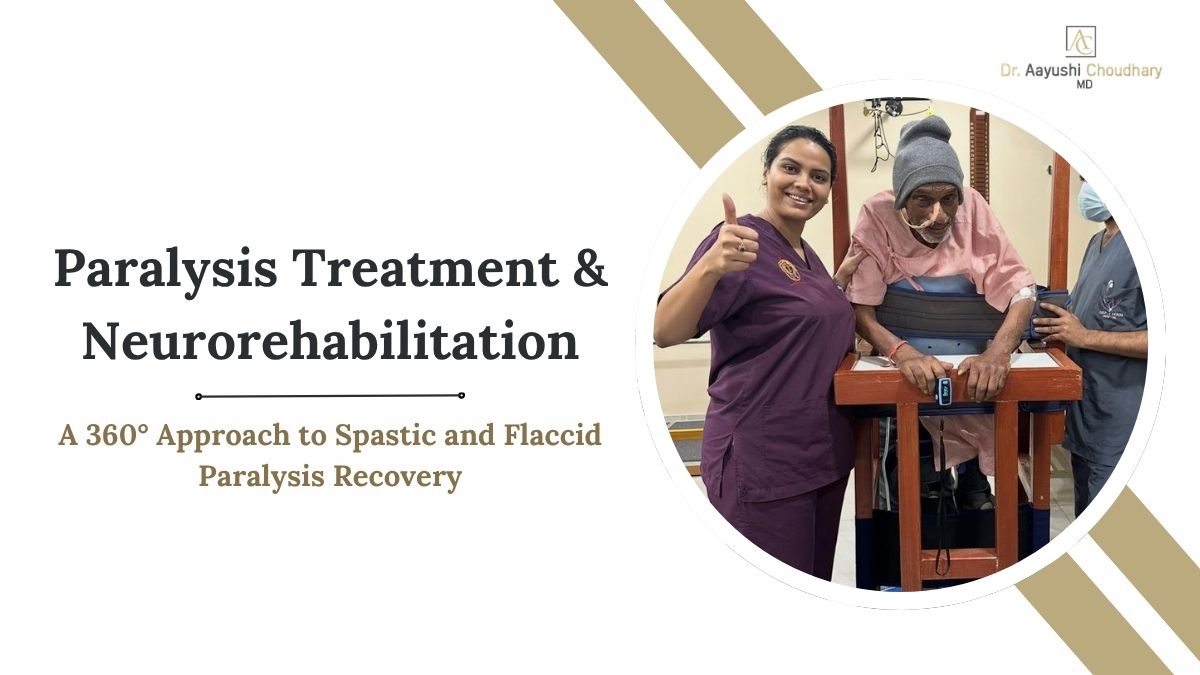 Paralysis Treatment & Neurorehabilitation: A 360° Approach to Spastic and Flaccid Paralysis Recovery
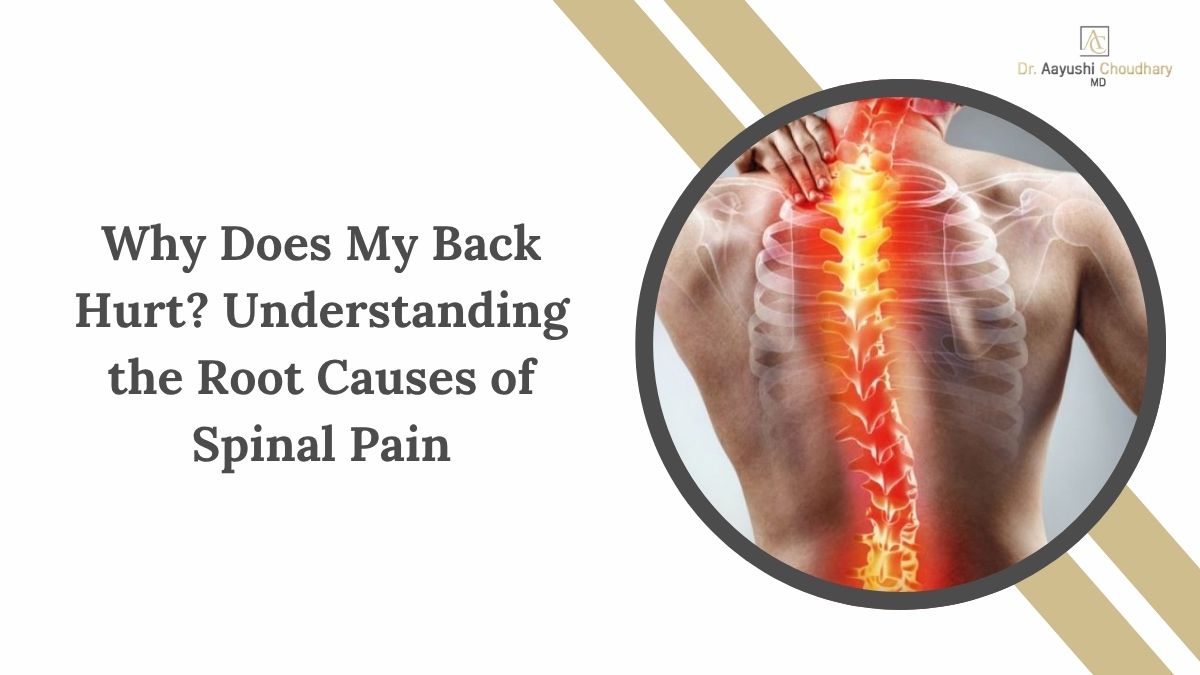 Why Does My Back Hurt? Understanding the Root Causes of Spinal Pain
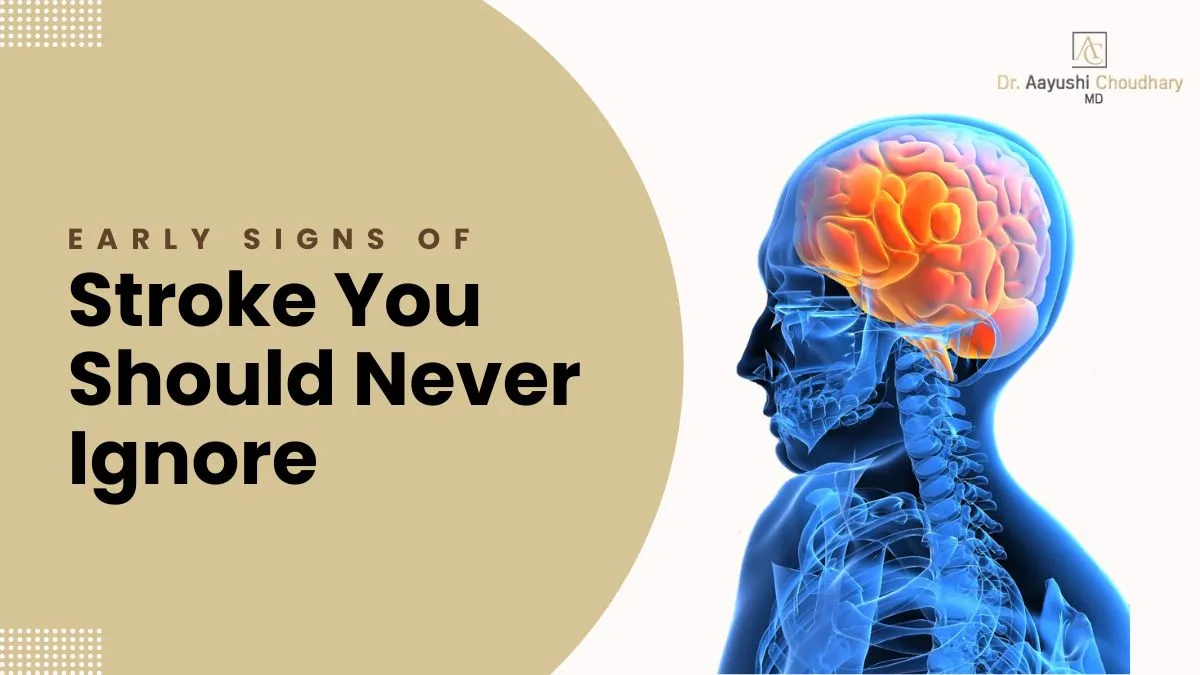 Top 10 Early Signs of Stroke You Should Never Ignore
 Daily Activity Tips to Manage Frozen Shoulder Pain
 When Kids with Cerebral Palsy Grow Up: A Simple Guide for Families
 How to Safely Return to Sports After an ACL Injury
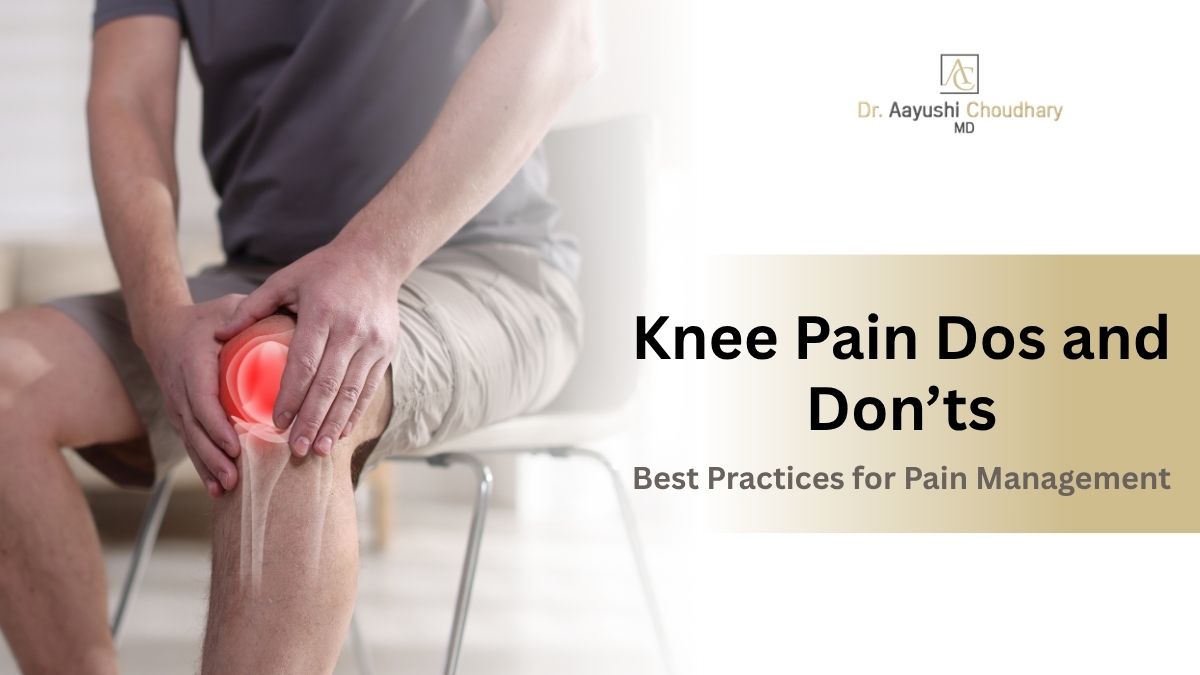 Knee Pain Dos and Don’ts: Best Practices for Pain Management
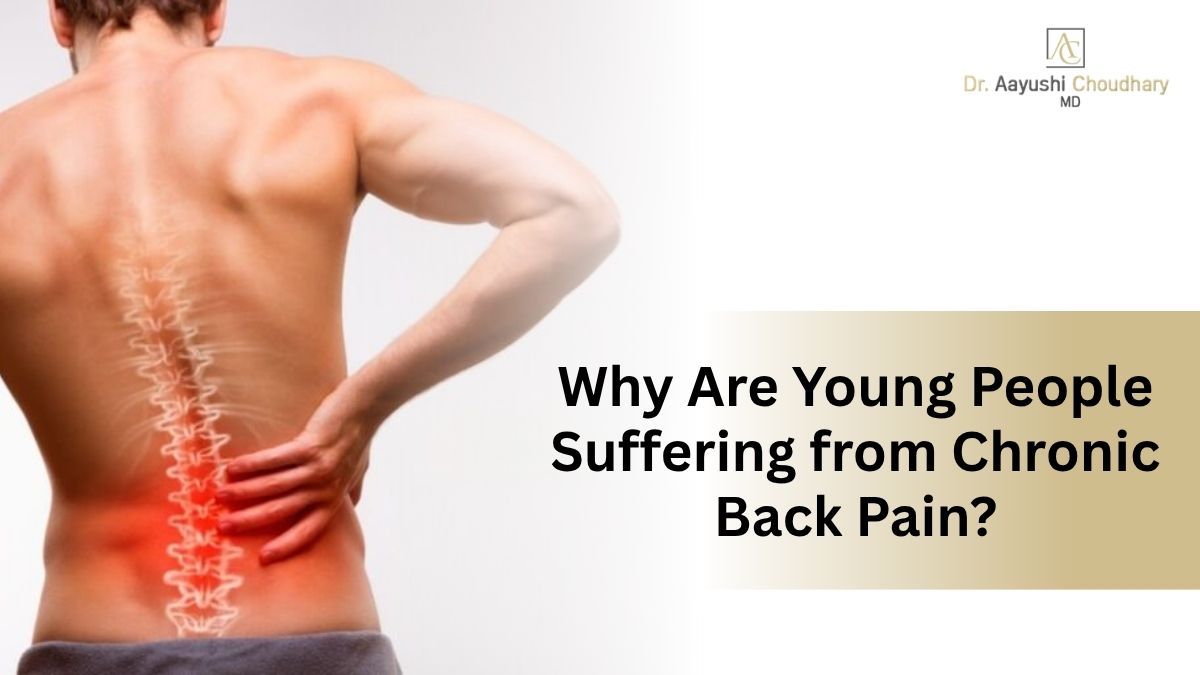 Why Are Young People Suffering from Chronic Back Pain?
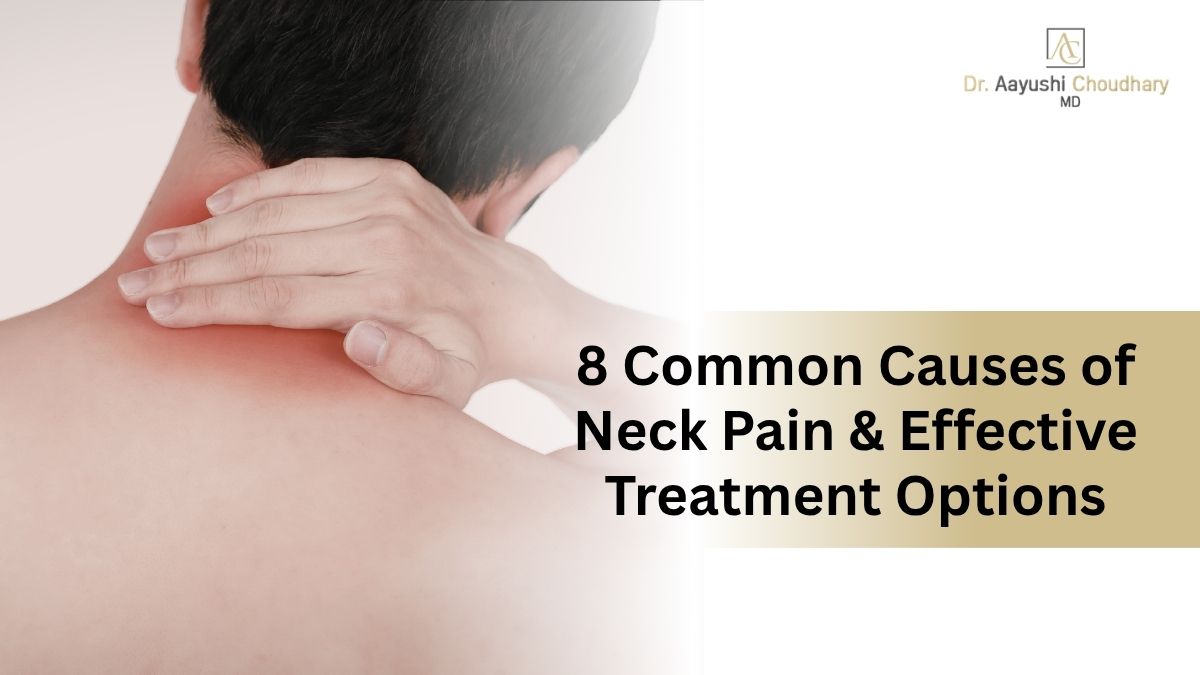 8 Common Causes of Neck Pain & Effective Treatment Options
 Pain Management: When to Visit a Pain Specialist or Pain Hospital
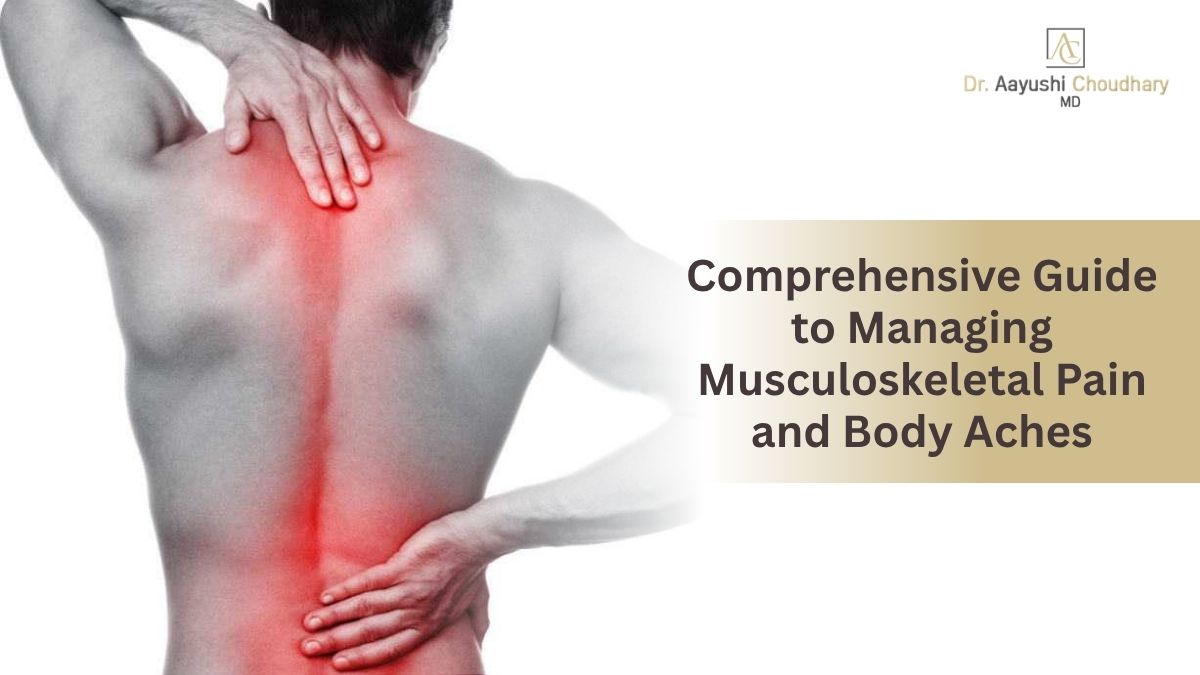 Comprehensive Guide to Managing Musculoskeletal Pain and Body Aches
 Neck Pain Treatment for Working Professionals: Daily Care Tips
 Got Injured While Playing Sports? Here’s What to Do Next
 Knee Pain While Walking? Here Are The 5 Most Common Causes
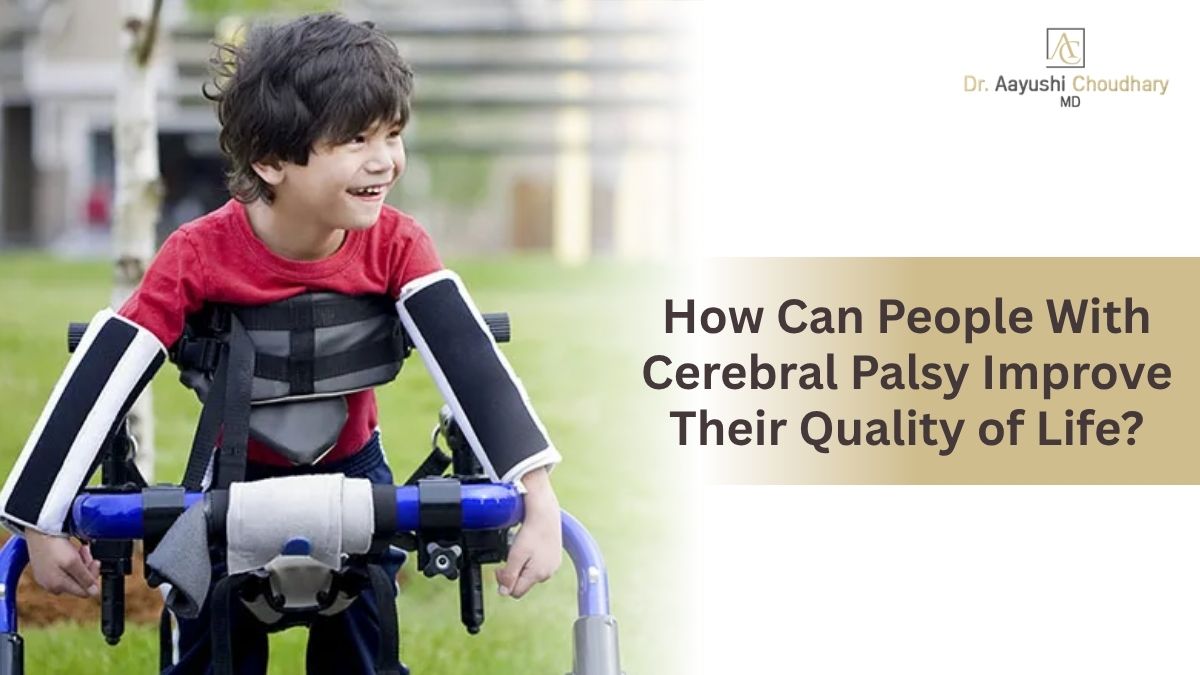 How Can People With Cerebral Palsy Improve Their Quality of Life?
 How Long Does ACL Injury Treatment Take? Recovery Explained
 How Does Paralysis Begin & What Treatments Help Recovery?
 Why Is Early Pain Treatment Important for Better Recovery?
 How Can You Tell If Your Knee Pain Needs Medical Attention?
 How Screen Time and Mobile Usage Trigger Cervical Pain?
 Everyday Habits That May Be Damaging Your Spine
 Best Ways to Manage Slip Disc and Improve Spine Health
 Body Ache: Symptoms, Causes and Treatment Explained
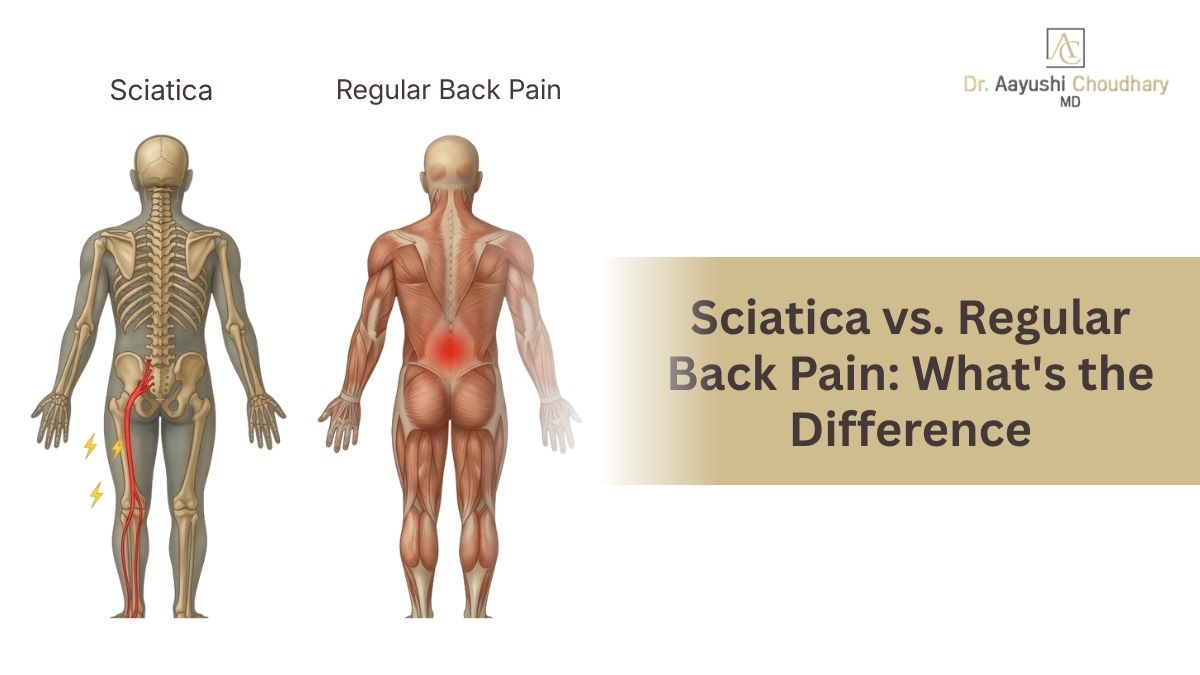 Sciatica vs. Regular Back Pain: What's the Difference? | Expert Guide
 Why Is Joint Pain More Common in Women? | Expert Medical Guide
 Why Do Gym Injuries Happen? | Expert Medical Guide
 Spine Preservation: Why the Future of Medicine Is About Preserving the Human Spine, Not Replacing It
 Rehabilitation: The Missing Fourth Pillar of Modern Medicine-Why the Future of Healthcare Is Not Just About Saving Lives, But Restoring Them
 Advanced Pain & Musculoskeletal Care by Dr. Aayushi Choudhary in Jaipur
 Cerebral Palsy Is Not a Deformity Problem, a Movement Problem. Why Correcting a Child’s Legs Does Not Always Help Them Walk?
 Regenerative Medicine: The Future of Healthcare Will Not Be Replacement but Preservation. Why Next Decade in Medicine Will Be Defined by Saving Human Tissue, Not Simply Replacing It
 Best ACL Doctor in Jaipur for Complete Musculoskeletal Care
 Neck Pain Treatment in Jaipur: Causes, Symptoms and Care
 When Should You See a Knee Pain Specialist? Understanding the Causes, Advanced Treatment and Personalised Recovery
 Stroke Treatment in Jaipur: A Practical Guide to Recovery and Rehabilitation
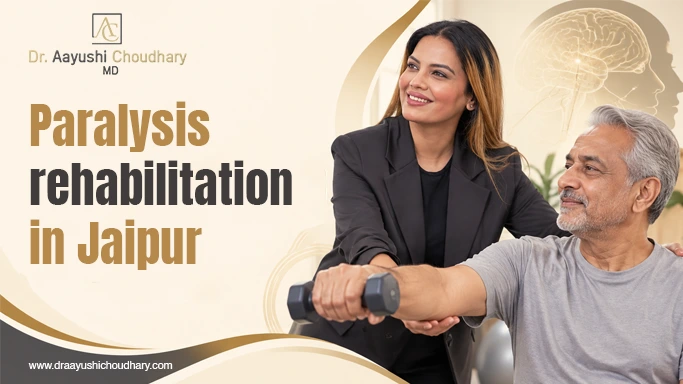 How Can Paralysis Rehabilitation in Jaipur Improve Strength, Mobility, and Everyday Function? A Patient-Focused Overview of Recovery and Care
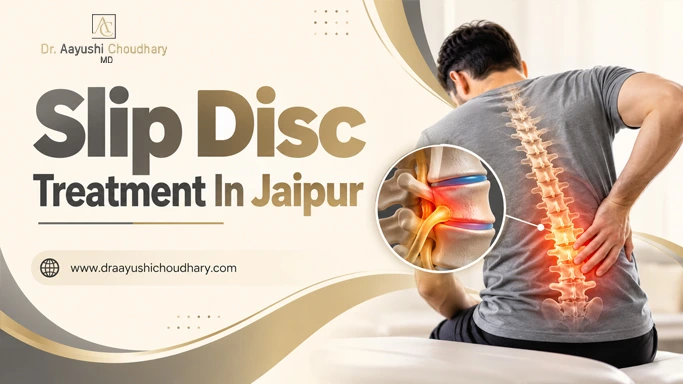 Can Slip Disc Treatment in Jaipur Help You Avoid Surgery? Understanding Conservative Care Options