Neurorehabilitation Specialist in Jaipur

Advanced Neurorehabilitation for Maximum Functional Recovery

The goal is not merely to treat the neurological condition. It is to restore the person’s ability to live beyond it.

Dr. Aayushi Chaudhary is an internationally trained, world-renowned Pain, Musculoskeletal Medicine and Rehabilitation Specialist whose approach is built around one defining belief:

Every person deserves the fullest possible opportunity to return to normalcy, regain independence and reclaim life after a neurological condition.

Neurological disability is never limited to a diagnosis. It can affect the way a person moves, walks, speaks, swallows, thinks, works, controls the bladder and bowel, uses the hands or performs the simplest activities of everyday life. It can leave someone dependent on a catheter, feeding tube, wheelchair, brace or caregiver sometimes without a detailed assessment of whether that dependence can be reduced.

At Purple Heron Hospitals in Jaipur, neurorehabilitation is not treated as a routine exercise programme or a single phase after hospital discharge. It is a comprehensive, physician-led pathway that identifies what the neurological condition has changed, what is preventing recovery and what may still be restored, retrained, corrected, compensated for or made independent.

Make an Appointment
Neck Pain Treatment in Jaipur
Dr. Aayushi Choudhary, Pain and Musculoskeletal Medicine Specialist in Jaipur

Dr. Aayushi Choudhary

  • MBBS
  • MD (Physical Medicine & Rehabilitation) – Gold Medalist
  • Fellowship in Interventional Pain Management (FIPM)
  • Musculoskeletal Ultrasound (MSK USG – USPRM), Lisbon, Portugal
  • President's Award 2022 European Society of Physical & Rehabilitation Medicine

Neurorehabilitation Specialist in Jaipur

Modern life, however, has changed faster than our bodies have evolved.

Neurorehabilitation is often understood as a series of exercises prescribed after a neurological illness or injury. But meaningful neurological rehabilitation is much wider, deeper and more individualised than that.

Physiotherapy is an important part of neurorehabilitation but it is only one part of the complete recovery pathway.

Comprehensive neurorehabilitation begins with understanding why a person is unable to perform a particular function. Is walking limited by weakness, spasticity, poor balance, pain, sensory loss, joint stiffness, contracture or skeletal deformity? Is the hand non-functional because of muscle tightness, nerve involvement, impaired motor control or an unsuitable position? Is the person still dependent on a catheter, feeding tube, wheelchair or caregiver because the condition makes it unavoidable or because the possibility of greater independence has never been fully evaluated?

Under the leadership of Dr Aayushi Choudhary, neurological rehabilitation is planned around the person’s complete functional needs. Depending on the barriers identified, the programme may include:

  • Medical management of pain, spasticity, dystonia, neuropathic symptoms, sleep, fatigue and associated complications
  • Image-guided interventions and targeted procedures that can make movement or training more effective
  • Botulinum toxin injections, nerve or muscle procedures, serial casting and structured spasticity management
  • Surgical rehabilitation for contractures, deformities, tendon imbalance or structural barriers to function
  • Physiotherapy for movement, strength, balance, endurance, transfers and mobility
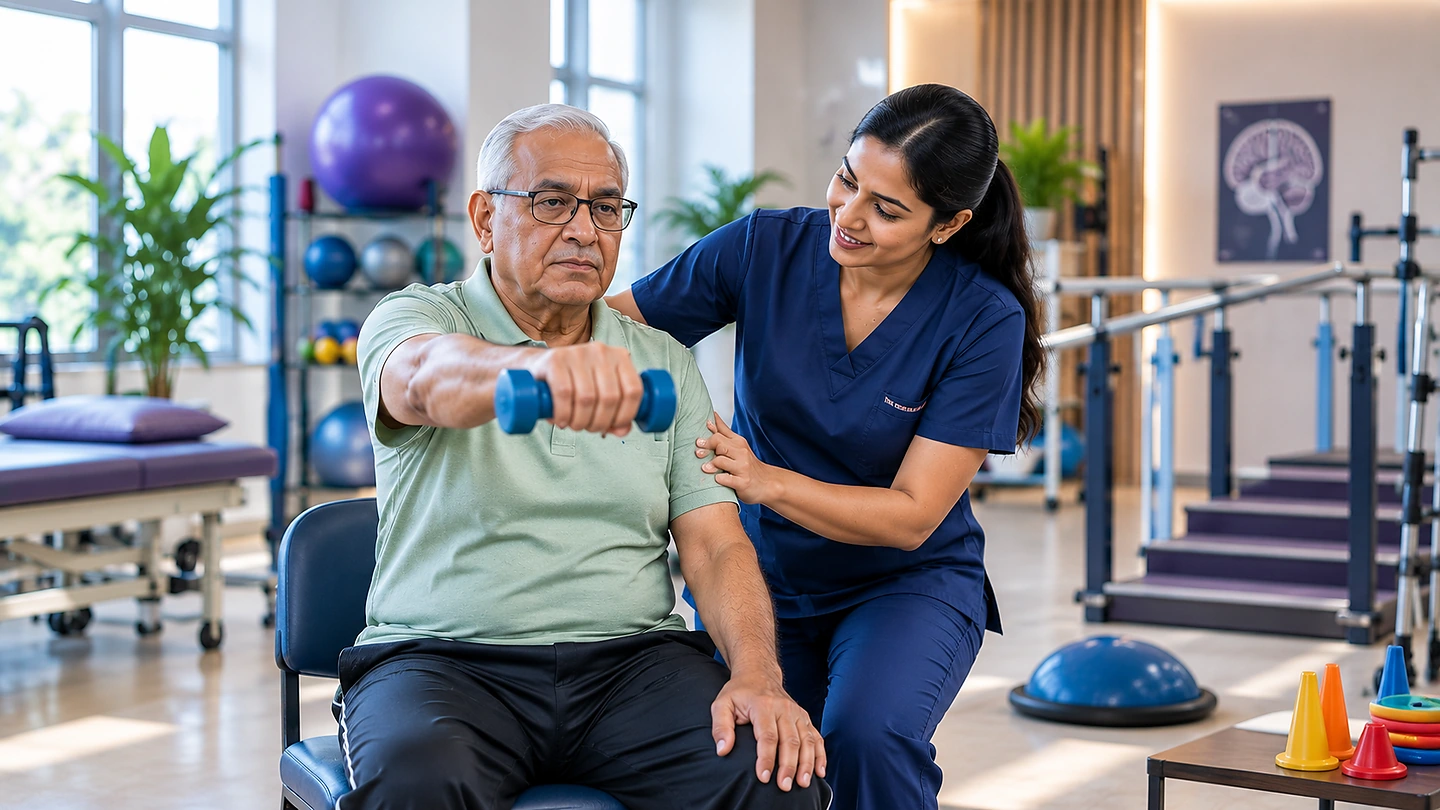
  • Occupational rehabilitation for hand function, self-care and activities of daily living
  • Speech, language, communication and swallowing rehabilitation
  • Cognitive and behavioural rehabilitation
  • Bladder and bowel rehabilitation
  • Gait analysis, posture correction and biomechanical retraining
  • Customised orthotics, prosthetics, footwear and assistive-device prescription
  • Robotics, functional electrical stimulation and technology-assisted rehabilitation

Every part of the programme must serve a functional purpose.

An injection is not rehabilitation merely because it reduces spasticity. It becomes part of rehabilitation when reducing that spasticity allows the hand to open, improves hygiene, enables brace fitting or makes walking safer.

Surgery is not separate from rehabilitation when correcting a contracture or deformity creates the alignment required for standing, walking or using a limb effectively.

A brace is not simply a support. When correctly designed, it can improve alignment, conserve energy, prevent deformity and make functional movement possible.

Likewise, physiotherapy is most effective when the medical, mechanical and neurological barriers preventing movement have first been properly identified and addressed.

One person may need to regain sitting balance. Another may need correction of an abnormal gait. Someone else may require hand rehabilitation, bladder and bowel training, swallowing care, communication support or workplace reintegration. A child’s programme must consider growth, development, schooling and prevention of future deformity, while an adult’s plan may focus on independence, parenting, employment or community mobility.

That is why Dr Aayushi Choudhary designs rehabilitation around the individual not around a standard protocol.
Neurological Rehabilitation

Who Can Benefit from Neurorehabilitation?

Neurorehabilitation is for anyone whose ability to move, communicate, think, care for themselves or participate in everyday life has been affected by a condition involving the brain, spinal cord, nerves, muscles or neuromuscular system.

Recovery Can Begin at Any Stage

Rehabilitation Can Start When You Need It

It may begin immediately after an acute neurological event, continue after hospital discharge or be reconsidered monthsβ€”even yearsβ€”later when recovery has slowed or important aspects of function remain unaddressed.

You do not need to be completely bedridden or severely disabled to benefit. Persistent imbalance, abnormal gait, repeated falls, fatigue, stiffness or growing dependence in daily life may all indicate the need for specialist neurorehabilitation assessment.

The need for rehabilitation is determined by the person's functional difficultyβ€”not simply by the diagnosis written on a report.
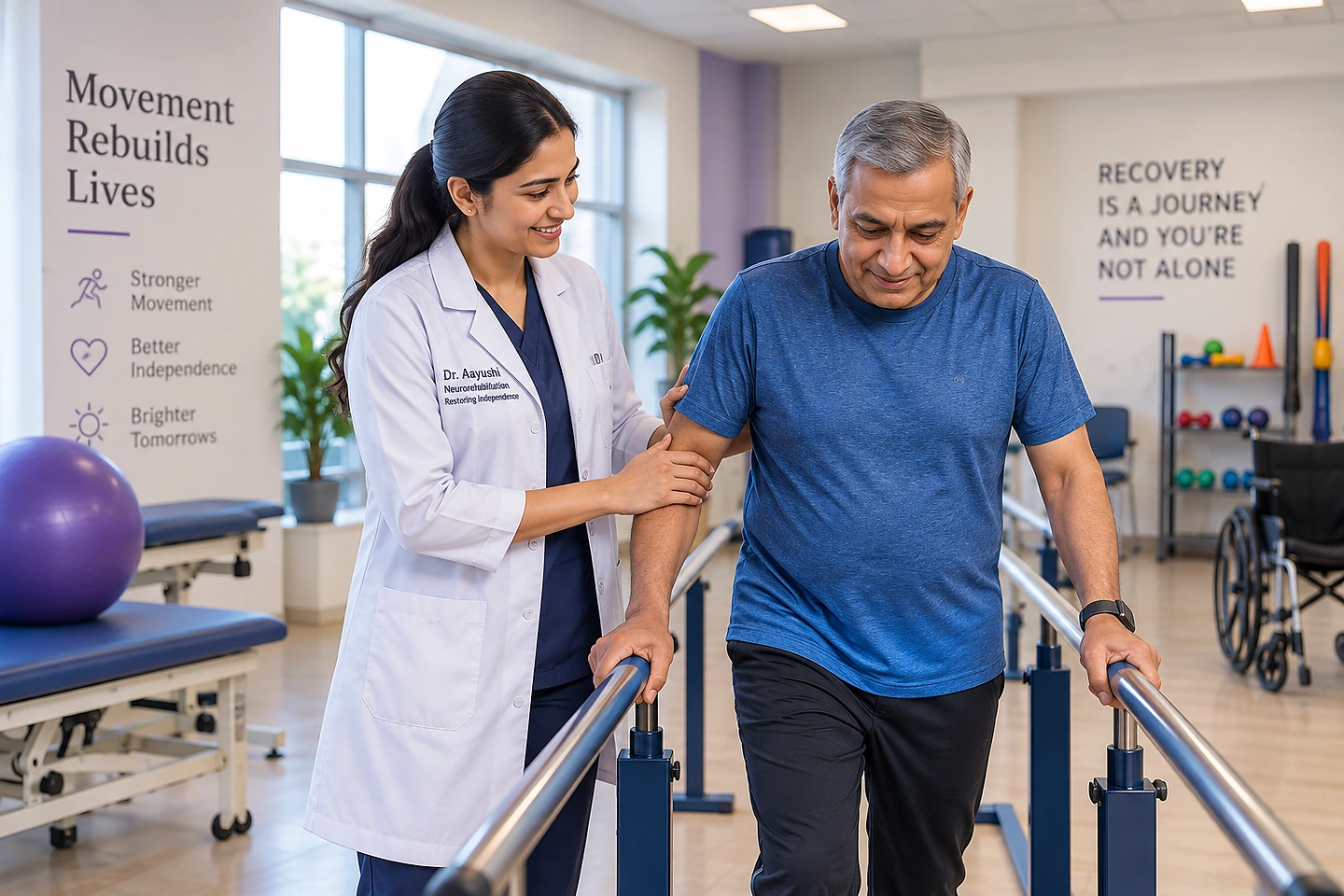
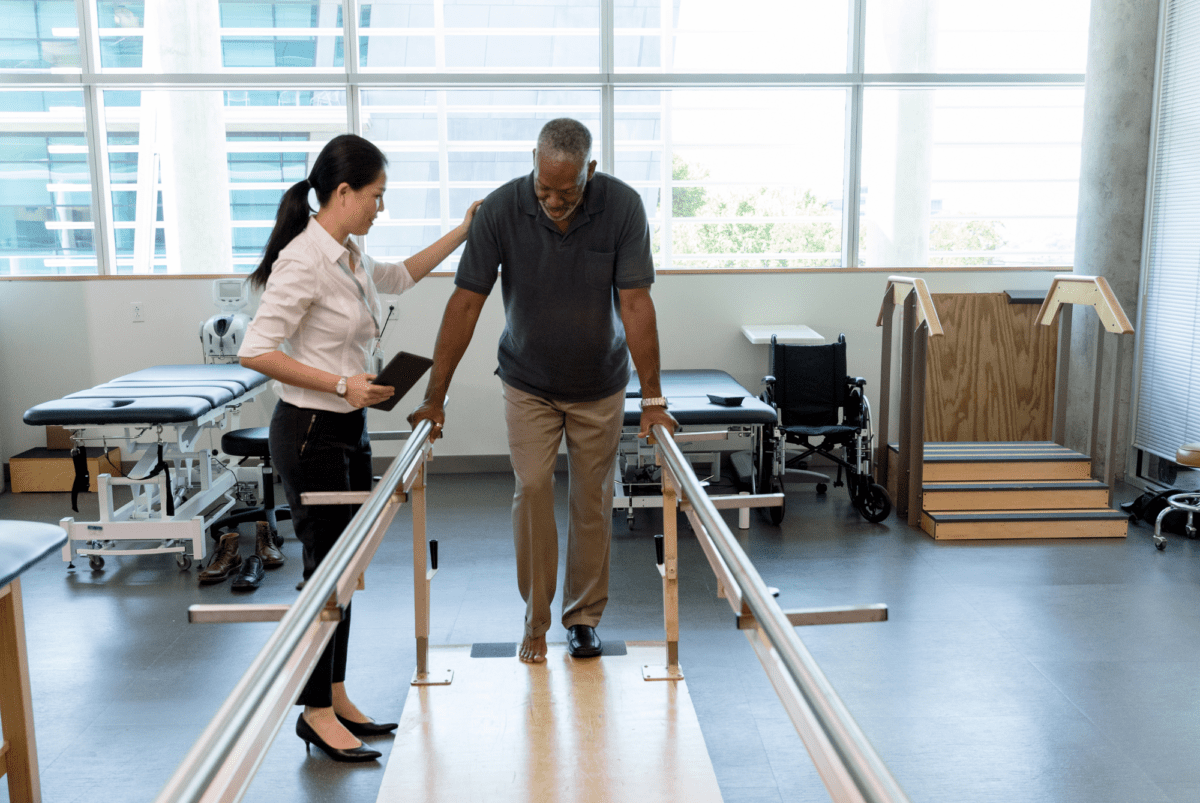
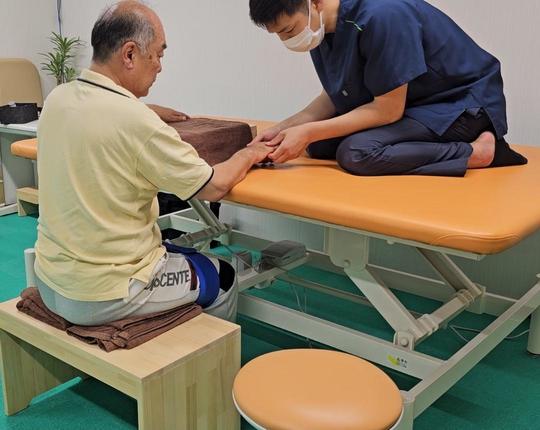
Neurorehabilitation specialist assisting an adult patient with walking and mobility recovery
01Brain and neurological rehabilitation for stroke and acquired brain injury

Conditions Affecting the Brain

Conditions involving the brain can affect much more than limb strength. They may alter balance, coordination, speech, swallowing, memory, behaviour, judgement, vision and the ability to perform familiar activities.

  • Stroke or recurrent stroke
  • Traumatic brain injury
  • Hypoxic or anoxic brain injury
  • Brain tumour treatment
  • Brain surgery
  • Encephalitis or neurological infections
  • Movement or coordination disorders
  • Acquired brain injury after critical care
The rehabilitation plan is determined by the functions affectedβ€”not simply by the location or name of the brain injury.
02Spinal cord rehabilitation and recovery programme

Conditions Affecting the Spinal Cord

A spinal cord condition may affect movement, sensation, bladder and bowel control, breathing, skin integrity and the ability to sit, transfer, stand or walk.

  • Traumatic spinal cord injury
  • Paraplegia or quadriplegia
  • Paraparesis or quadriparesis
  • Spinal cord compression
  • Cervical or thoracic myelopathy
  • Transverse myelitis
  • Spinal cord tumour or infection
  • Postoperative neurological weakness
The programme may include pressure prevention, bladder–bowel rehabilitation, wheelchair skills, orthotics, standing, gait training and community reintegration.
03Supportive rehabilitation for progressive and neurodegenerative neurological conditions

Progressive & Neurodegenerative Conditions

Neurorehabilitation is also important for maintaining function, slowing avoidable decline and preserving independence in progressive neurological conditions.

  • Parkinson’s disease
  • Parkinsonian syndromes
  • Multiple sclerosis
  • Motor neuron disease
  • Ataxia
  • Muscular dystrophy
  • Neuropathies
  • Other progressive neurological disorders
Goals may evolve from improving function to conserving energy, preventing falls, maintaining mobility and protecting breathing or swallowing.
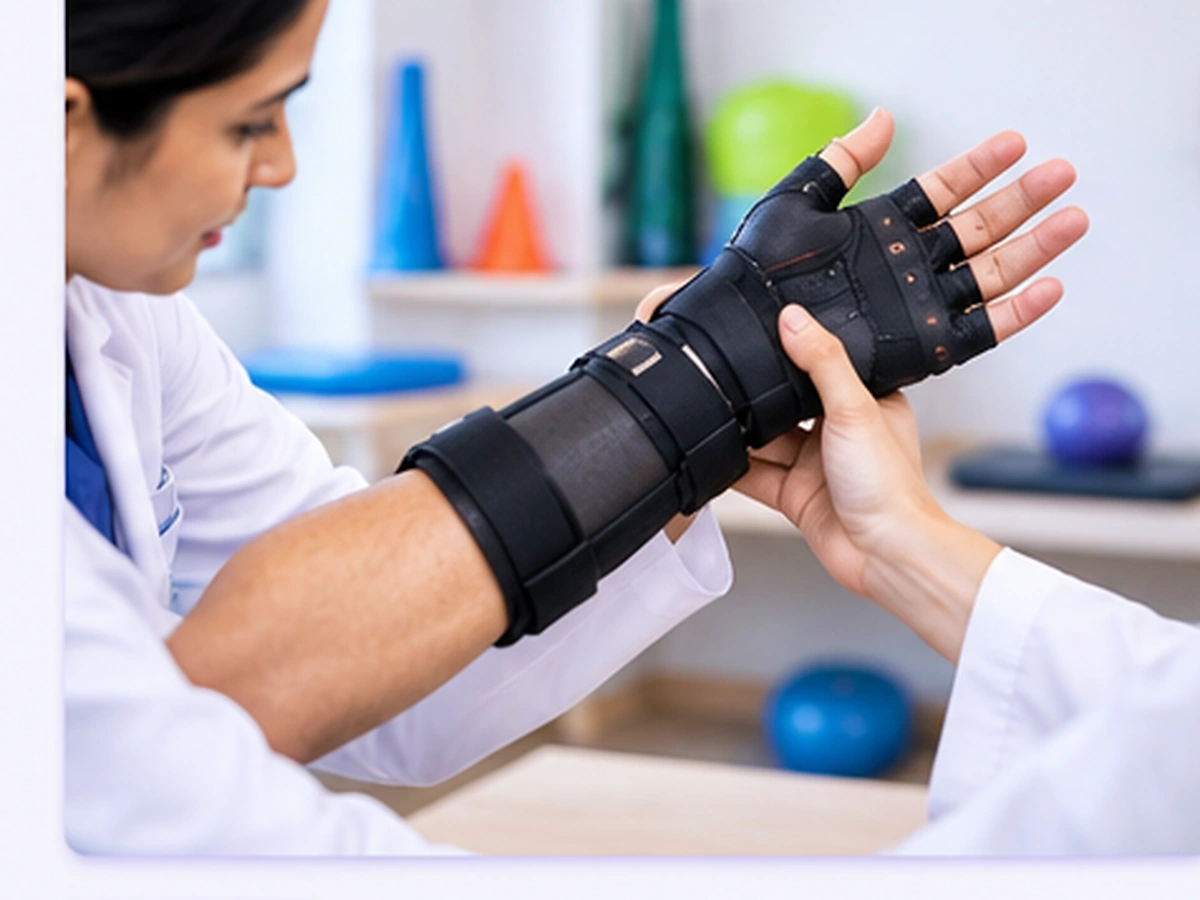
04Peripheral nerve and hand rehabilitation with supportive orthosis

Peripheral Nerve & Neuromuscular Conditions

Damage to peripheral nerves, nerve plexus or the neuromuscular system may cause weakness, altered sensation, muscle imbalance, deformity or loss of precise hand and foot function.

  • Peripheral nerve injuries
  • Brachial or lumbosacral plexus injuries
  • Foot drop
  • Facial nerve dysfunction
  • Guillain–BarrΓ© syndrome
  • Critical illness neuropathy or myopathy
  • Postoperative nerve injury
  • Neuromuscular weakness
Treatment may combine muscle and nerve assessment, splinting, orthotics, motor retraining, sensory re-education, pain management and targeted procedures.
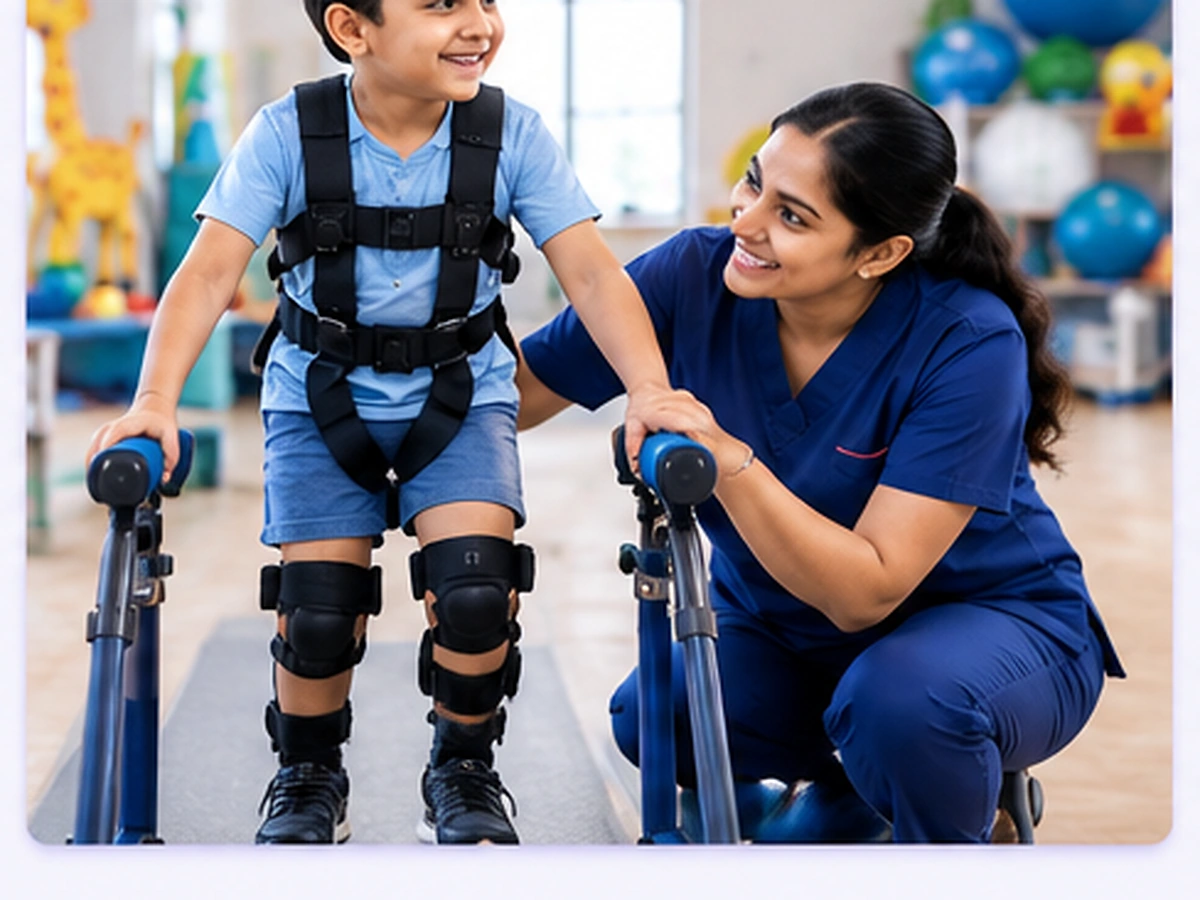
05Paediatric neurorehabilitation for cerebral palsy and childhood neurological conditions

Cerebral Palsy & Paediatric Neurological Conditions

Children require a rehabilitation programme that evolves with growthβ€”not a smaller version of adult rehabilitation.

  • Cerebral palsy
  • Hypoxic-ischaemic brain injury
  • Developmental motor disorders
  • Spina bifida
  • Childhood brain or spinal cord injury
  • Neuromuscular disorders
  • Abnormal tone, posture or gait
  • Delayed functional milestones
The objective is to guide growth, prevent avoidable deformity and build the greatest possible independence for the future.
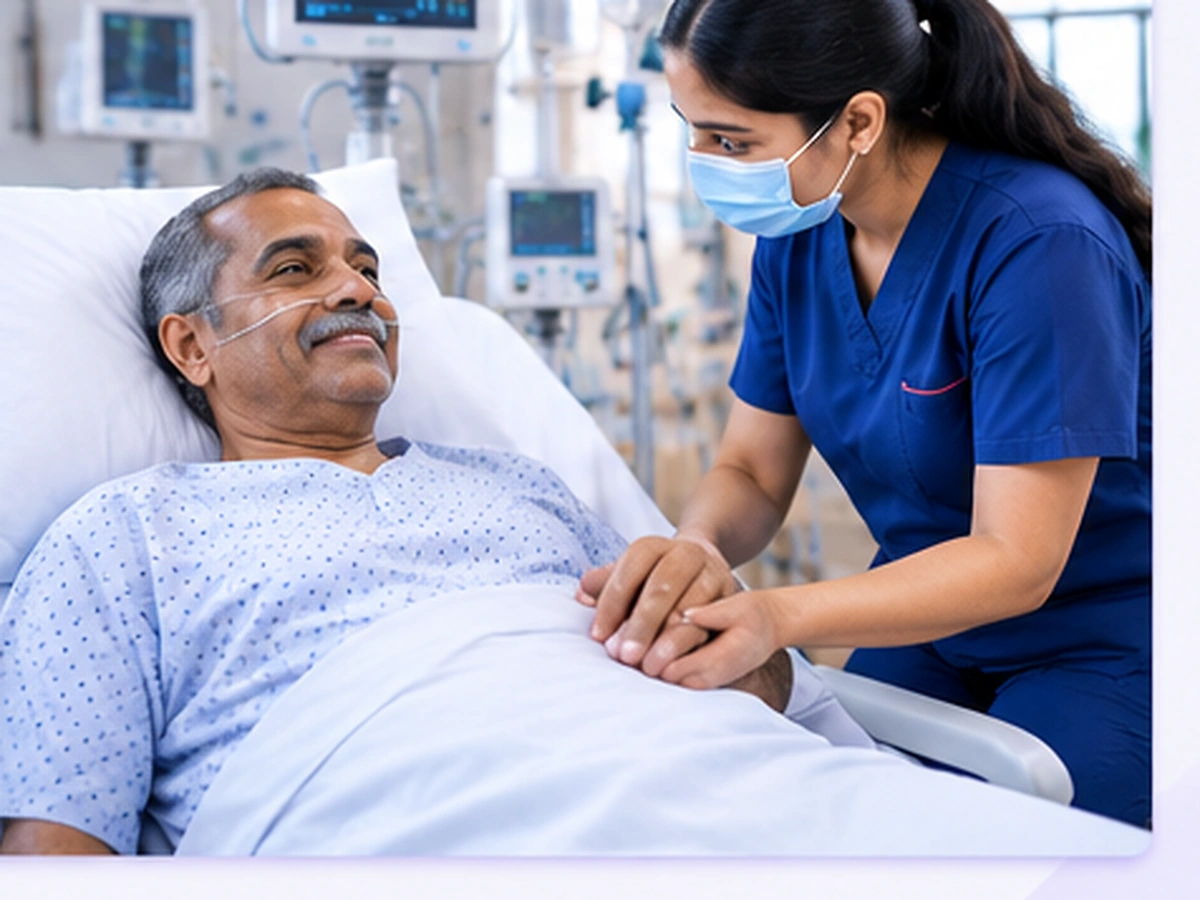
06Post ICU neurological rehabilitation for mobility and strength recovery

Post ICU & Post Hospitalisation Neurological Recovery

After prolonged ventilation, critical illness, major surgery or an extended hospital stay, a person may survive the original illness but develop profound weakness and loss of function.

  • Difficulty sitting, standing or walking
  • Severe muscle wasting
  • Reduced endurance
  • Critical illness neuropathy or myopathy
  • Breathing or swallowing difficulties
  • Cognitive changes
  • Dependence for transfers and self-care
  • Fear of movement
Early, medically supervised rehabilitation can help rebuild strength, respiratory capacity, mobility and everyday independence.
When to Seek Assessment

When Should a Neurorehabilitation Assessment Be Considered?

A specialist assessment should be considered when neurological symptoms or limitations begin to interfere with movement, communication, self-care or everyday participation.

  • New or persistent weakness
  • Difficulty sitting, standing or walking
  • Abnormal or painful gait
  • Frequent falls or poor balance
  • Spasticity or stiffness
  • Reduced hand function
  • Speech or communication problems
  • Memory or attention difficulties
  • Difficulty chewing or swallowing
  • Wheelchair or caregiver dependence
  • Loss of bladder or bowel independence
  • Pressure sores
  • Difficulty returning to work or school
  • Declining function despite exercises
  • A perceived plateau in recovery
A plateau does not always mean recovery has ended.

Sometimes pain, spasticity, deformity, poor alignment, an unsuitable orthosis or an incomplete functional diagnosis is the true barrier preventing further progress.

Specialist Neurorehabilitation Assessment

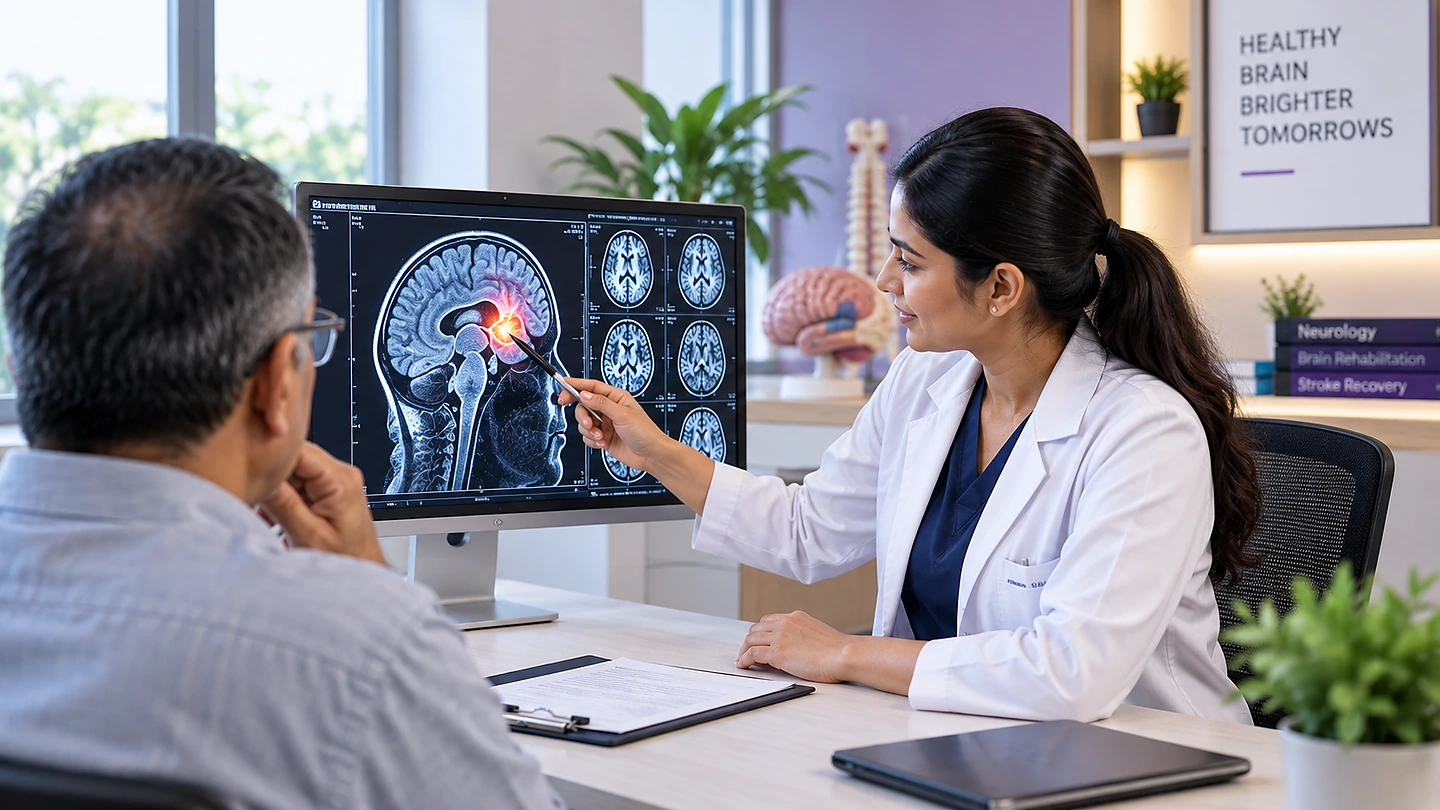
Dr Aayushi Choudhary evaluates what may be limiting recovery and which combination of medical, interventional, rehabilitative, orthotic or surgical care may provide the most meaningful functional improvement.

Book an Assessment β†’
Neurorehabilitation Consultation

When Should You Seek a Neurorehabilitation Consultation?

Rehabilitation should begin when the patient is medically stable enough to participate safely. The goal is not to rush activity, but to protect recovery potential, prevent avoidable complications, and create a clear roadmap for function.

Start EarlyAs soon as medical and haemodynamic stability allows.
Prevent ComplicationsProtect joints, skin, breathing, mobility and function.
Measure ProgressTrack meaningful change instead of relying only on impressions.
Person-Centred PlanBuilt around function, goals, home and caregiver needs.

Important: Early rehabilitation means the right intervention at the right time. Patients with unstable or evolving medical problems may need further stabilisation before active rehabilitation is progressed.

The Right Time Matters

Three Important Consultation Windows

The need for specialist neurorehabilitation changes across the recovery journey. These are common points when assessment can be particularly valuable.

01Acute / ICU

During Acute Hospital or ICU Care

Specialist rehabilitation input can begin alongside medical treatment when the patient is stable enough.

  • Weakness after neurological illness, injury or surgery
  • Severe deconditioning after ventilation or prolonged ICU stay
  • Swallowing, communication or positioning concerns
  • Early spasticity, stiffness or abnormal posture
  • Dependence for turning, sitting or transfers
  • Discharge planning and caregiver training
02After Discharge

Soon After Returning Home

The hospital-to-home transition is a key point where a coordinated functional plan can reduce unnecessary dependence.

  • Difficulty with sitting, standing, transfers or walking
  • Upper limb or hand not becoming functionally useful
  • Speech, swallowing, memory or behaviour remains affected
  • Catheter, feeding tube or tracheostomy still present
  • Pain or spasticity interfering with movement
  • No complete roadmap beyond exercises
03Reassessment

When Recovery Appears to Plateau

A plateau may indicate an untreated barrier rather than the end of recovery potential.

  • Spasticity, pain or contracture limiting progress
  • Orthosis or walking aid may need modification
  • Alignment or deformity is affecting movement
  • Fear of falling or poor balance persists
  • Goals no longer match current function
  • Interventional or surgical options may need review
Why Early Review Helps

Do Not Wait for Preventable Problems to Become Permanent Barriers

Weakness and immobility can be compounded by secondary problems that make later recovery more complex.

Contractures & painful deformity
Muscle wasting & low endurance
Shoulder pain & joint stiffness
Pressure injuries
Unsafe / energy-consuming gait
Falls & secondary injuries
Bladder / bowel complications
Loss of confidence & participation
Review Dependence

Catheter, Wheelchair or Feeding Tube Should Be Reviewed β€” Not Simply Accepted

Some patients genuinely need long-term support. However, ongoing dependence should follow proper medical and functional evaluation, periodic review and realistic rehabilitation planning.

Bladder Support Review bladder behaviour, infection risk and safe alternatives.
Wheelchair Use Ensure safety while still evaluating transfers, standing and walking potential.
Feeding Support Review swallowing safety, nutrition and ongoing need with the treating team.
Evaluation Before Intervention

Because No Two Neurological Conditions Create the Same Disability

A diagnosis describes where disease or injury began. A neurorehabilitation evaluation explains how it has changed the person’s movement, independence, communication, comfort and daily life.

We begin with three questions: What can the person do? What is preventing them from doing more? And what do they most want and need to regain?

Comprehensive Neurological Examination

Assessment of cognition, speech, swallowing, strength, motor control, tone, reflexes, sensation, balance, coordination and mobility.

StrengthSpasticityBalanceSensation

Musculoskeletal & Deformity Assessment

Identifies joint stiffness, muscle shortening, contracture, alignment problems, limb-length discrepancy, painful joints and pressure areas.

ROMAlignmentContractureFoot posture

Video-Assisted Gait Analysis

Studies trunk, pelvis, hip, knee, ankle and foot mechanics to identify compensations, fall risk and inefficient walking patterns.

Foot dropCrouchScissoringGait safety

Specialised Investigations

Selected only when they clarify diagnosis, identify a treatable barrier or change the rehabilitation plan.

MRI / CTEMG / NCSMSK USGScanogram

Functional & Disability Assessment

Validated measures convert observations into measurable information so progress can be tracked objectively over time.

BarthelFIMBerg10MWT / 6MWT

Individual Rehabilitation Diagnosis & Plan

The final strategy combines medical stability, current abilities, reversible barriers, home needs and patient priorities.

GoalsOrthoticsInterventionsAssistive tech
Quantifiable Recovery

Turning Qualitative Improvement Into Measurable Progress

Small functional changes can be clinically meaningful. Repeating selected measures, videos and functional assessments helps the team understand what is improving, what is limiting progress and when the plan should change.

MobilitySitting, transfers, gait & endurance
FunctionDaily activities & assistance required
SafetyBalance, fall risk & device suitability
GoalsPatient and family priorities over time

A Plan Built Around the Person β€” Not Just the Diagnosis

Dr. Aayushi Choudhary brings neurological, musculoskeletal and functional findings together to create an individualised neurorehabilitation roadmap focused on meaningful recovery, safety and independence.

Book a Consultation β†’

Medical information is for patient education only. Assessment, investigations and rehabilitation intensity must be individualised by the treating clinical team.

Advanced Neurorehabilitation β€’ Treatment Protocols

From diagnosis to measurable function.

Four physician-led pathways focused on the barrier, the treatment decision and the functional outcome.

01 Treatment Protocol

Comprehensive Spasticity Management in Neurorehabilitation

Spasticity Should Be Treated for Functionβ€”not Simply for Muscle Tightness

Function firstAssessment before intervention
Individual roadmapBarrier β†’ correction β†’ retraining
Measure progressFunctional change over impressions
Spasticity management and functional rehabilitation
Physician-led neurorehabilitation β€’ Purple Heron Hospitals
Overview

Spasticity is common after stroke, spinal cord injury, brain injury, cerebral palsy and other neurological conditions, but not every tight muscle needs treatment.

At Purple Heron Hospitals, treatment begins by identifying whether abnormal tone is actually blocking walking, hand use, transfers, positioning, hygiene, sleep or comfort.

The aim is not simply to reduce tone. It is to reduce only the activity that limits function while preserving useful strength and stability.

Assessment Before Treatment

The rehabilitation physician assesses the pattern and severity of tone, voluntary control, weakness, joint range, dynamic versus fixed restriction and the effect on real-life function.

Where appropriate, measures such as the Modified Ashworth Scale, Modified Tardieu Scale, range-of-motion testing and video-assisted gait analysis may be used to document the problem objectively.

Conservative and Medical Management

Pain, infection, constipation, urinary problems, poor positioning, pressure injuries and sleep disturbance can increase tone and should be addressed first.

Management may then include positioning, controlled stretching, strengthening, weight bearing, task-specific retraining, splinting, orthotics and carefully selected oral medication when needed.

Medication is judged by whether the patient becomes more comfortable and functionalβ€”not simply by whether the limb feels less stiff.

Focused Botulinum Toxin Treatment

For focal spasticity, ultrasound-guided botulinum toxin may be considered when selected overactive muscles are clearly interfering with a functional goal.

Muscle selection is based on the movement pattern rather than treating every muscle that appears tight.

The key question is: which muscle activity is preventing the next useful movement?

Rehabilitation After Tone Reduction

Botulinum toxin creates a window for rehabilitation; it is not the endpoint.

After tone is reduced, the programme may focus on range, antagonist activation, selective motor control, grasp-and-release, foot clearance, gait mechanics or orthotic fitting according to the goal.

When Spasticity Becomes Contracture

If passive range is no longer available even when the muscle is relaxed, the problem may have progressed beyond dynamic tone to muscle-tendon shortening or fixed deformity.

At that stage, repeated escalation of antispasticity treatment alone cannot correct the structural limitation.

02 Treatment Protocol

Contractures, Muscle Imbalance and Neurological Deformity

When a Neurological Problem Gradually Becomes a Musculoskeletal Deformity

Function firstAssessment before intervention
Individual roadmapBarrier β†’ correction β†’ retraining
Measure progressFunctional change over impressions
Neurological deformity and mobility rehabilitation
Physician-led neurorehabilitation β€’ Purple Heron Hospitals
Overview

Neurological weakness, spasticity, abnormal positioning and repeated dysfunctional movement can gradually change muscles, tendons, joints and even the growing skeleton.

Treatment depends on whether the deformity is still dynamic and correctable or has become structurally fixed.

Dynamic or Fixed?

A pointed foot, flexed wrist, clenched hand or bent knee can look similar in different patients but arise from very different mechanisms.

Assessment asks whether the position is driven by spasticity, true shortening, joint stiffness or skeletal deformityβ€”and what function it is preventing.

Preventing Contracture

Early positioning, range preservation, stretching, active movement, weight bearing, antagonist strengthening, splinting, orthotics and caregiver education can help prevent flexible limitations from becoming fixed.

The purpose is functional: better sitting, standing, hygiene, orthotic fit, transfers, hand opening or progression towards walking.

Serial Casting and Orthotic Maintenance

When useful passive correction remains, serial casting may progressively improve muscle-tendon length and joint range in selected patients.

A practical sequence may be: control the deforming force β†’ regain range β†’ maintain the correction with an orthosis β†’ retrain the new range during function.

When Structural Correction Is Needed

If the deformity is fixed or structural malalignment itself prevents function, conservative treatment may no longer remove the main barrier.

Selected patients may require soft-tissue release, tendon balancing or transfer, contracture correction or other deformity-corrective procedures based on the functional objective.

Function Determines Success

A corrected limb still needs retraining. Post-correction rehabilitation may include range restoration, strengthening, orthotic support, balance, standing and gait retraining.

Success is measured by what the patient can do betterβ€”stand, walk, transfer, use the hand, tolerate an orthosis or receive care more easilyβ€”not simply by a straighter limb.

03 Treatment Protocol

From Bedridden or Wheelchair-Dependent to Maximum Mobility

Rebuilding Mobility One Functional Milestone at a Time

Function firstAssessment before intervention
Individual roadmapBarrier β†’ correction β†’ retraining
Measure progressFunctional change over impressions
Mobility rehabilitation from supported standing to walking
Physician-led neurorehabilitation β€’ Purple Heron Hospitals
Overview

Mobility rehabilitation is planned as a progression from bed mobility to sitting, transfers, standing, stepping and walking wherever neurologically and medically achievable.

The central question is not β€œCan this patient walk?” but β€œWhat is preventing the next functional milestone?”

Why Is the Patient Still Bedridden?

Barriers may include weakness, poor trunk control, impaired balance, spasticity, sensory loss, contracture, pain, orthostatic intolerance, respiratory limitation, deconditioning, pressure injuries or fear of movement.

Several barriers often coexist and may be individually treatable.

Bed Mobility, Sitting and Transfers

Early goals may include rolling, repositioning, moving to the edge of the bed, sitting with better head and trunk control and transferring safely between the bed, wheelchair, chair and toilet.

These milestones can substantially reduce caregiver dependence even before independent walking becomes possible.

Standing and Preparing to Step

Before standing, the physician assesses medical readiness, upright tolerance, joint range, pain, knee stability, foot position, spasticity and the need for orthotic support.

Standing then progresses to weight shifting, balance reactions and controlled unloading of one limb to prepare for stepping.

From First Steps to Better Walking

Taking steps is only the beginning. Walking must also be safe, repeatable, biomechanically efficient and sustainable.

Video-assisted gait analysis may be used to identify foot drop, equinus, scissoring, crouch, knee instability, poor foot clearance and excessive trunk or pelvic compensation.

Orthotics, FES and Technology

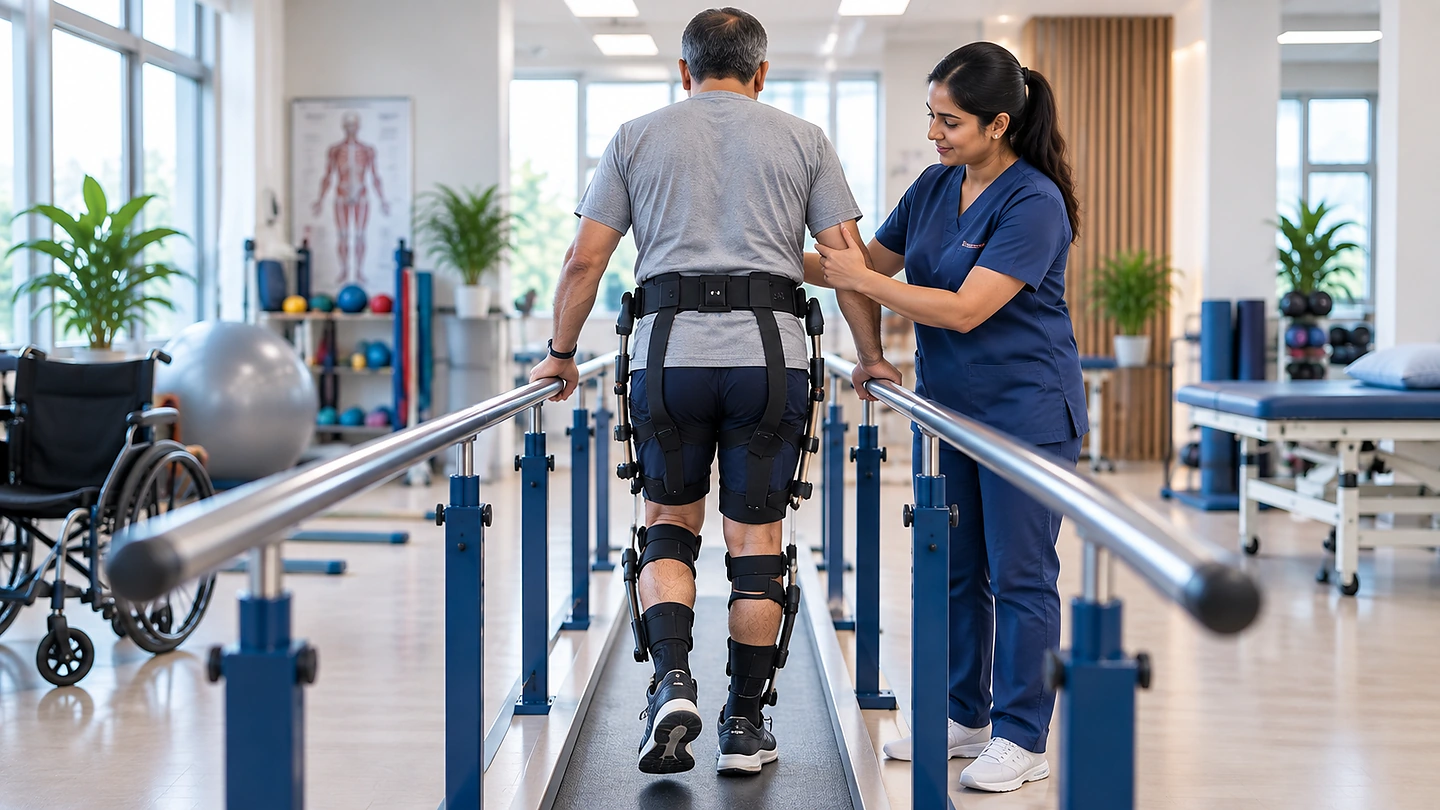
Depending on the barrier, treatment may include a customised orthosis, walking aid, functional electrical stimulation, robotic gait training, body-weight support or exoskeleton-assisted practice.

Technology is selected according to the patient’s functional problem; it does not replace clinical diagnosis.

Endurance, Falls and Real-Life Mobility

Recovery is not complete if the patient can take a few steps but cannot use that walking safely in daily life.

Speed, endurance, fall risk, assistance required and home or community mobility are therefore reassessed as recovery progresses.

For some patients, the best outcome may combine walking for shorter distances with wheelchair mobility for longer distances. Maximum mobility means maximum safe independence.

04 Treatment Protocol

Abnormal Gait, Balance Problems and Recurrent Falls

Walking Is Not Enough. The Goal Is to Walk Safely, Efficiently and With the Least Possible Compensation.

Function firstAssessment before intervention
Individual roadmapBarrier β†’ correction β†’ retraining
Measure progressFunctional change over impressions
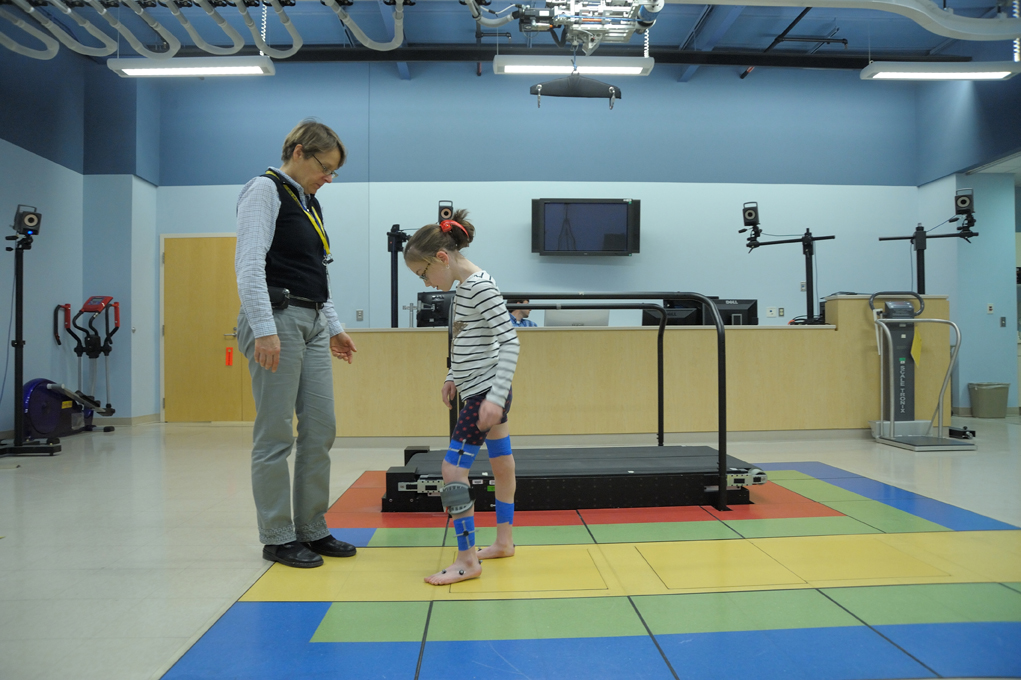
Video-assisted gait analysis and neurological gait rehabilitation
Physician-led neurorehabilitation β€’ Purple Heron Hospitals
Overview

Walking again does not necessarily mean walking safely or efficiently. Neurological gait may include foot drop, equinus, knee instability, circumduction, scissoring, crouch, trunk compensation or recurrent falls.

The first step is to establish a functional gait diagnosis rather than simply label the walking pattern.

Video-Assisted Gait Analysis

Video analysis helps examine the trunk, pelvis, hip, knee, ankle and foot through the gait cycle and distinguish the primary impairment from compensatory movement.

It can also compare walking with and without an orthosis or walking aid to see whether biomechanics actually improve.

Common Gait Problems

Foot drop, equinus, stiff-knee gait, knee buckling, knee hyperextension, circumduction, hip hiking, scissoring and crouch can arise from different combinations of weakness, spasticity, contracture, sensory loss, poor motor control or skeletal alignment.

Treatment therefore follows the mechanismβ€”not just the visible pattern.

Balance and Recurrent Falls

Repeated falls may result from impaired balance, sensation, proprioception, vision, vestibular function, cognition, weakness, footwear, orthoses or environmental hazards.

The circumstances of the fallβ€”turning, darkness, fatigue, obstacles or sit-to-standβ€”often help reveal the underlying problem.

Orthotic and Technology-Assisted Correction

A customised orthosis may improve foot clearance, ankle alignment, knee stability or efficiency when prescribed according to the complete gait pattern.

Selected patients may also benefit from FES, robotics, body-weight support or sensor-based feedback when these technologies improve actual function.

When a Structural Barrier Limits Gait

A fixed equinus, severe contracture, rotational deformity or joint malalignment may make efficient walking mechanically impossible.

In such cases, detailed clinical examination, gait analysis and appropriate imaging help determine whether deformity-corrective or rehabilitative surgery should be considered.

Measure What Changed

Progress may be tracked through walking speed, distance, assistance required, balance, falls, endurance, orthotic dependence and performance in real-world environments.

The meaningful question is not simply whether rehabilitation was completed, but what objectively changed because of it.

05 / Advanced Orthotics

Advanced Orthotics, Splinting & Biomechanical Correction

An orthosis is not simply a brace. It is a functional prescription.

In neurological rehabilitation, two patients with the same diagnosis may need completely different orthotic solutions. The rehabilitation physician first identifies the movement or alignment problem, the cause, and the function that needs to improve.

Core PrinciplePrescribe the biomechanics first β€” then select, customise and test the device during real function.
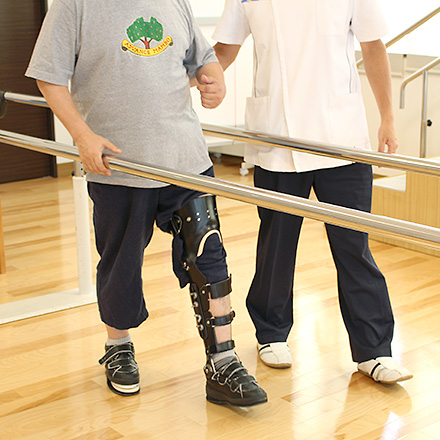
Neurological rehabilitation and orthotic gait training
Orthotics should support the minimum amount necessary for safer, more efficient function.
AssessCorrect RangePrescribeFitTest in Function
01

Functional Diagnosis Before the Brace

Prescription considers strength, spasticity or dystonia, selective motor control, active and passive range, contracture, joint stability, sensation, skin, pain, balance and the functional task. Lower-limb orthotics are assessed across the trunk, pelvis, hip, knee, ankle and foot rather than one joint in isolation.

02

Dynamic vs Fixed Deformity

A flexible posture caused by spasticity is very different from a fixed contracture. Tone management, serial casting or structural correction may be required before effective orthotic fitting.

tone control β†’ regain range β†’ align β†’ maintain with orthosis β†’ retrain function
03

AFO, KAFO & Neurological Gait

AFOs may assist foot clearance, ankle control, mediolateral stability and knee mechanics. Patients with greater knee-and-ankle instability may require KAFO support. The goal is the minimum external support that provides useful safety and function.

04

Stroke, Spinal Cord Injury & Cerebral Palsy

Orthotic needs vary with neurological level, recovery, gait pattern, growth, joint range and mobility goals. In children, alignment and range must also be protected during growth. Orthoses should be reassessed as function changes.

05

Upper-Limb Splinting & Hand Positioning

Upper-limb orthoses may preserve range, protect joints, improve hygiene or position the wrist, thumb and fingers for useful function. A splint should not simply make the hand look straighter if it reduces residual grasp or voluntary movement.

06

After Botox, Casting or Surgery

Orthotics often work best as part of a sequence. Botulinum toxin may reduce a deforming force, casting may regain range, and surgery may correct a structural barrier. The orthosis then helps maintain the new position while the patient learns to use it.

07

Fit, Skin Safety & Reassessment

The device must be tested during standing, walking or upper-limb function. Pressure areas, pain, skin breakdown, poor tolerance or new compensations require reassessment. As recovery, growth or biomechanics change, the prescription should change too.

08

The Purple Heron Approach

We begin with the missing function, identify the biomechanics preventing it and prescribe the minimum effective support required. Orthotics may be integrated with gait analysis, spasticity management, FES, serial casting, pain treatment, robotics and corrective procedures when clinically indicated.

Robotic and technology-assisted neurorehabilitation
06 / Rehabilitation Technology

Robotics, Exoskeletons & Technology-Assisted Neurorehabilitation

Technology should follow the functional diagnosis β€” not lead it.

Robotics, exoskeletons, functional electrical stimulation and sensor-based systems can increase repetition, provide controlled assistance and measure performance. But the technology is useful only when it addresses a clearly defined functional barrier.

We do not ask which machine can be used. We ask which functional problem needs to be solved β€” and whether technology can help solve it.
01

Robotic & Body-Weight-Supported Gait Training

Selected patients may use robotic or partially unloaded systems to practise repeated stepping when independent over-ground walking is not yet safe or sufficiently repetitive. Assistance should reduce as voluntary participation improves.

02

Exoskeleton-Assisted Standing & Walking

Exoskeletons may support upright standing and stepping in carefully selected patients. Joint range, bone health, alignment, skin, cardiovascular tolerance, cognition and neurological status are part of selection. They are not a universal route to independent walking.

03

Functional Electrical Stimulation

FES may assist a specific functional movement, such as selected cases of foot drop or upper-limb activation. The important question is whether stimulation improves the intended task, not simply whether a muscle contracts.

04

Upper-Limb Robotics, Sensors & Biofeedback

Technology may provide high-repetition practice, movement feedback and objective tracking for reaching, wrist control, hand tasks, weight distribution, balance and gait. Gains must ultimately transfer into real-life activity.

05

Technology Cannot Replace Missing Range or Untreated Barriers

A robot cannot reverse a fixed contracture, correct severe skeletal malalignment or compensate indefinitely for uncontrolled pain and spasticity. Sometimes the most advanced decision is to treat the barrier first, then use technology to reinforce the newly available movement.

identify barrier β†’ treat barrier β†’ create movement opportunity β†’ use technology when useful β†’ transfer into real-life function
06

Measure Real Functional Benefit

Outcomes may include less assistance, better walking speed or distance, improved balance, greater hand use, more active participation or improved independence. Performance while attached to a device is not the final outcome.

07

The Purple Heron Approach

The neurorehabilitation physician determines when robotic gait training, exoskeletons, FES, body-weight support, upper-limb robotics, sensors or other systems add value within the wider rehabilitation plan.

07 / Neurological Pain

Pain in the Neurological Patient

Pain can be the reason rehabilitation stops.

After neurological injury, pain may prevent sitting, transfers, orthotic use, hand opening, standing, sleep or walking. The pain may be neuropathic, musculoskeletal, spasticity-related, contracture-related, spinal, joint or peripheral-nerve pain β€” and several mechanisms may coexist.

The key question is not only β€œWhere does it hurt?” but β€œWhat is causing the pain, what function is it blocking, and what will improve if we treat it?”
Pain assessment during neurological rehabilitation
FUNCTION-FIRST PAIN CARETreat the pain generator, then restore the activity it was preventing.
NeuropathicMusculoskeletalSpasticity / ContractureBiomechanical
01

Identify the Pain Generator

Neurological patients may have central or peripheral neuropathic pain, joint or soft-tissue pain, spasticity-related pain, contracture, spinal pain, nerve entrapment or pain from prolonged positioning and abnormal biomechanics. Treatment follows the mechanism.

02

Stroke, Spinal Cord Injury & Painful Spasticity

Post-stroke shoulder pain, central post-stroke pain, spinal cord injury pain and painful spasms require different strategies. In selected focal spasticity, image-guided botulinum toxin may form part of a wider positioning, orthotic and movement plan.

03

Musculoskeletal & Biomechanical Pain

Wheelchair transfers, abnormal gait, prolonged sitting, weak shoulder mechanics and joint overload can create secondary pain. The painful structure is assessed together with posture, movement and the mechanical chain that is repeatedly loading it.

04

Ultrasound & Image-Guided Interventions

Musculoskeletal ultrasound, electrodiagnostic testing or other investigations may be used when clinically indicated. If a defined pain generator continues to block rehabilitation, selected ultrasound- or C-arm-guided minimally invasive interventions may be considered.

05

Positioning, Orthotics & Medication Must Support Function

Poor seating, bed positioning or an unsuitable orthosis can itself create pain. Medication must also be balanced against sedation, dizziness and cognition because pain relief is not useful if treatment prevents active rehabilitation.

06

Break the Pain–Immobility Cycle

Pain reduces movement; reduced movement increases weakness, stiffness and dependence. Once pain is controlled, the patient should progressively return to the task that was previously limited.

treat pain β†’ restore movement β†’ retrain function β†’ measure change
07

Measure More Than the Pain Score

Meaningful outcomes include better sleep, longer sitting tolerance, easier transfers, improved orthotic tolerance, greater hand use, safer standing or increased walking distance. The aim is functional recovery, not pain reduction in isolation.

SHOULDERELBOWWRISTHANDFUNCTION
08 / Upper-Limb Restoration

Upper-Limb & Functional Hand Restoration

The goal is not simply movement in the arm. It is a hand that can participate in life.

Upper-limb dysfunction may result from weakness, spasticity, dystonia, sensory loss, pain, poor selective control, contracture, tendon imbalance, peripheral nerve involvement or several of these together. Treatment therefore begins by identifying what is actually preventing useful function.

Upper limb and hand neurorehabilitation
Reach→Orient→Open→Grasp→Manipulate→Release
01

Why Is the Hand Not Working?

The problem may be weakness, spasticity, poor motor control, sensation, pain, stiffness, contracture, peripheral nerve dysfunction, tremor or incoordination. The physician identifies the specific barrier before selecting treatment.

02

Shoulder, Elbow & Wrist Create the Platform for Hand Function

Scapular control and shoulder stability position the arm in space. Elbow and forearm control bring the hand to the task, while wrist position strongly influences finger mechanics. Pain, instability, abnormal tone or fixed restriction at any level can limit hand use.

03

Clenched Hand, Thumb-in-Palm & Spasticity

A clenched hand may interfere with hygiene, dressing, skin care, orthotic fitting and grasp-release. Treatment distinguishes dynamic spasticity from fixed contracture. Focused botulinum toxin, positioning, splinting and retraining may be considered when appropriate.

Not all tone should be eliminated. Residual flexor activity may sometimes contribute to useful grasp.
04

Grasp Is Only Half the Task

Useful hand function requires reaching, opening, grasping, holding, manipulating and releasing. Many neurological patients can close the hand more easily than they can open it, so rehabilitation targets the exact step that is failing.

05

Sensation, Coordination & Peripheral Nerve Function

Touch, proprioception and object recognition are essential for safe manipulation. Tremor, dystonia, poor coordination and superimposed median, ulnar, radial or plexus problems may also limit function and may require electrodiagnostic or ultrasound evaluation when indicated.

06

Orthotics, FES & Technology-Assisted Training

Upper-limb orthoses can support positioning, protection, hygiene or functional assistance. Selected patients may also use FES, robotics or sensor-based systems when they improve a meaningful movement or provide useful high-repetition practice.

07

From Movement to Real-World Tasks

Rehabilitation progresses towards the activities the patient actually needs: holding a glass, feeding, dressing, grooming, writing, using a phone or keyboard, operating a wheelchair and performing household or work tasks. The required task determines the movement that must be restored.

08

When Conservative Rehabilitation Is Not Enough

Fixed contracture, tendon imbalance or structural deformity may create a mechanical barrier that exercise cannot correct. Selected patients may require soft-tissue release, tendon lengthening, tendon balancing or tendon transfer, followed by structured postoperative rehabilitation.

09

Function Also Includes Comfort, Hygiene & Ease of Care

When sophisticated voluntary hand recovery is limited, treatment can still improve hygiene, positioning, skin protection, dressing, comfort and caregiver ease. These are meaningful rehabilitation outcomes.

10

The Purple Heron Approach

From shoulder to fingertip, treatment is built around the barrier preventing useful hand function. Medical management, botulinum toxin, pain or peripheral nerve interventions, sensory-motor retraining, customised orthotics, FES, robotics and reconstructive procedures may be combined when clinically indicated.

Success is measured by how much of daily life the patient can perform with the arm and hand β€” not by movement on examination alone.

12 β€’ Higher Function Rehabilitation

Cognition, Behaviour & the Brain’s Return to Real Life

Physical recovery does not automatically create independence. Attention, memory, processing speed, executive function, judgement, insight and behaviour determine whether a patient can safely use the abilities they have regained.

Cognitive rehabilitation assessment after neurological injury
Functional cognitionThe key question is not only whether the patient is awake or speaking β€” but whether they can plan, remember, judge risk and function independently.

Attention

Build focus from quiet tasks toward real environments with distraction and dual-task demands.

Processing Speed

Allow enough time to understand and respond before assuming confusion or poor ability.

Memory

Train useful routines and introduce calendars, alarms, checklists and digital supports when helpful.

Executive Function

Restore planning, sequencing, problem-solving, self-monitoring and task completion.

Judgement & Insight

Physical ability is only independent when the patient can use it safely without unnecessary supervision.

Behaviour

Impulsivity, agitation or disinhibition are assessed in neurological, medical and environmental context.

β€œCan the patient use recovered physical abilities safely, appropriately and independently in real life?”
Measure recovery by independence

Fewer prompts, safer choices, better medication management, improved navigation, return to school or work and more reliable participation are often more meaningful than a cognitive test score alone.

13 β€’ Chronic Bedridden States

Pressure Injury Care That Rebuilds Mobility

Being bedridden is not a diagnosis. Pressure injuries, contractures, muscle wasting, respiratory decline, pain and severe deconditioning can become new barriers unless they are actively prevented and treated.

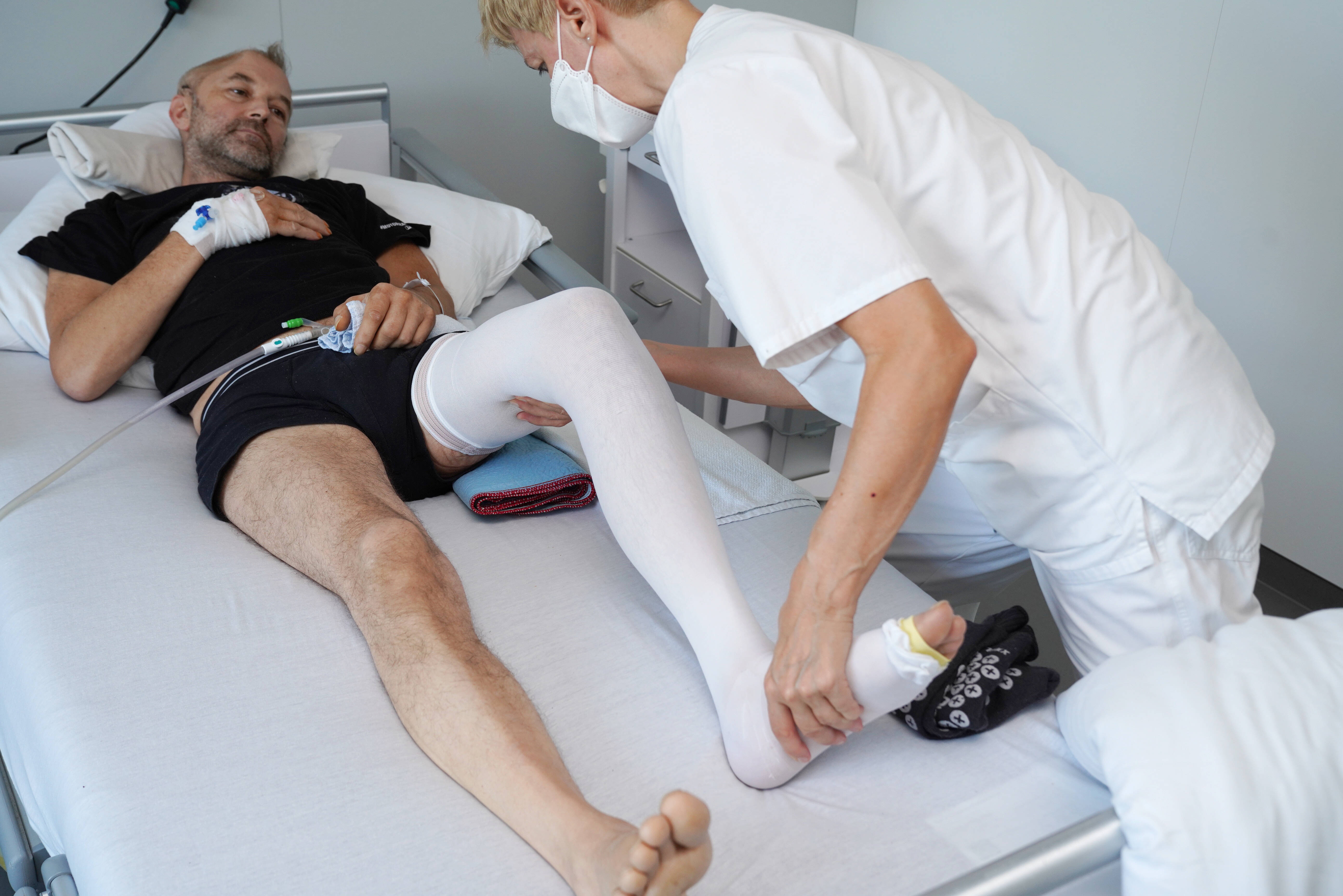
Bedridden neurological patient receiving rehabilitation and positioning care
Treat the wound. Correct the cause. Rebuild mobility.
01

Find Why the Pressure Injury Developed

Review positioning, ability to turn, sensation, mattress or cushion, moisture, nutrition, contracture, wheelchair fit and caregiver technique. A dressing alone does not correct the cause.

02

Off-load and Protect the Skin

Pressure redistribution, structured turning, support surfaces, wheelchair seating and regular visual inspection are central β€” especially when sensation is impaired.

03

Coordinate Wound, Nutrition and Continence Care

Healing may require local wound management alongside nutrition, bladder-bowel control, infection assessment and skin protection. Complex wounds may need surgical or flap reconstruction.

04

Prevent Secondary Disability

Positioning, range preservation, tone management, respiratory care and progressive mobilisation help limit contractures, muscle loss, pain and severe deconditioning.

05

Move Beyond Bed Dependence

Progress may move from turning and sitting tolerance to wheelchair mobility, transfers, supported standing and the highest safe level of independence achievable.

RepositionIndividual 24-hour positioning strategy
Seat CorrectlyPressure redistribution + posture
RemobiliseRespiratory capacity + endurance
Prevent RecurrenceFix the environment that caused the wound
14 β€’ Activities of Daily Living

From Ability to Independence

The final measure of rehabilitation is not what a patient can demonstrate during therapy. It is how much of everyday life they can perform with less human assistance β€” safely, consistently and sustainably.

Wheelchair user practising daily living activities during rehabilitation
Real-life function is the endpoint.Movement becomes meaningful when it reduces dependence.
Functional rehabilitation assessment
Bed Mobility
Transfers
Toileting
Dressing
Feeding
Digital Use
Home Mobility

Build independence one activity at a time

  • Break each activity into the specific barrier: strength, balance, hand function, cognition, sequencing, sensation or environment.
  • Translate hand recovery into real tasks such as grasping a cup, managing clothing or using a phone.
  • Measure effort and fatigue β€” an activity is not truly independent if it consumes the patient’s entire day.
  • Use equipment when it reduces human assistance rather than simply adding devices.

Complete independence is not the only meaningful outcome

One caregiver instead of two, partial self-feeding, independent pressure relief, supervised transfers or communicating toileting needs can all represent major functional gains.

When full independence is not possible, the goal becomes the highest sustainable level of independence with intelligent use of equipment, environmental adaptation and only the assistance that is genuinely required.

The question is simple: What can the person now do that previously required another human being?
15 β€’ Reintegration

Make Recovery Work Where Life Actually Happens

A patient may perform well in a rehabilitation room but still remain dependent at home, school or work because the environment creates barriers. Reintegration combines neurological ability with biomechanics, accessibility, equipment and real-world demands.

Bedroom

Bed height, wheelchair approach, positioning, dressing space and transfer mechanics can determine independence.

Bathroom

Toilet height, grab support, doorway access, wet-floor safety and transfer space may remove major barriers.

School

Seating, handwriting, toileting, communication, mobility and fatigue all affect meaningful classroom participation.

Workplace

Ergonomics, endurance, dexterity, cognition and the commute must match the demands of the actual job.

Wheelchair accessible bathroom designed for greater independence
The environment can increase or reduce disability.The goal is not maximum equipment β€” it is the minimum effective change that creates safer, more independent function.
AccessDoorways β€’ ramps β€’ level changes
TransfersBed β€’ chair β€’ toilet β€’ vehicle
MobilityWheelchair β€’ aids β€’ orthotics
ParticipationSchool β€’ work β€’ social roles
ReassessEnvironment evolves as recovery changes
Successful neurorehabilitation does not end when the patient leaves the hospital.
It succeeds when recovery translates into the bedroom, bathroom, classroom, workplace and community with the greatest possible safety, dignity and independence.
Purple Heron Hospital
Typically replies instantly
×

Hi there πŸ‘‹

Ready to book an appointment, inquire about our health packages, or request a callback?
πŸ“… πŸ’Ό πŸ“ž

Click here to take the next step and get the care you deserve!

Start Chat