Everyday Life
Living with Lower Back Pain
Small Everyday Decisions Can Make a Big Difference to Your Spine
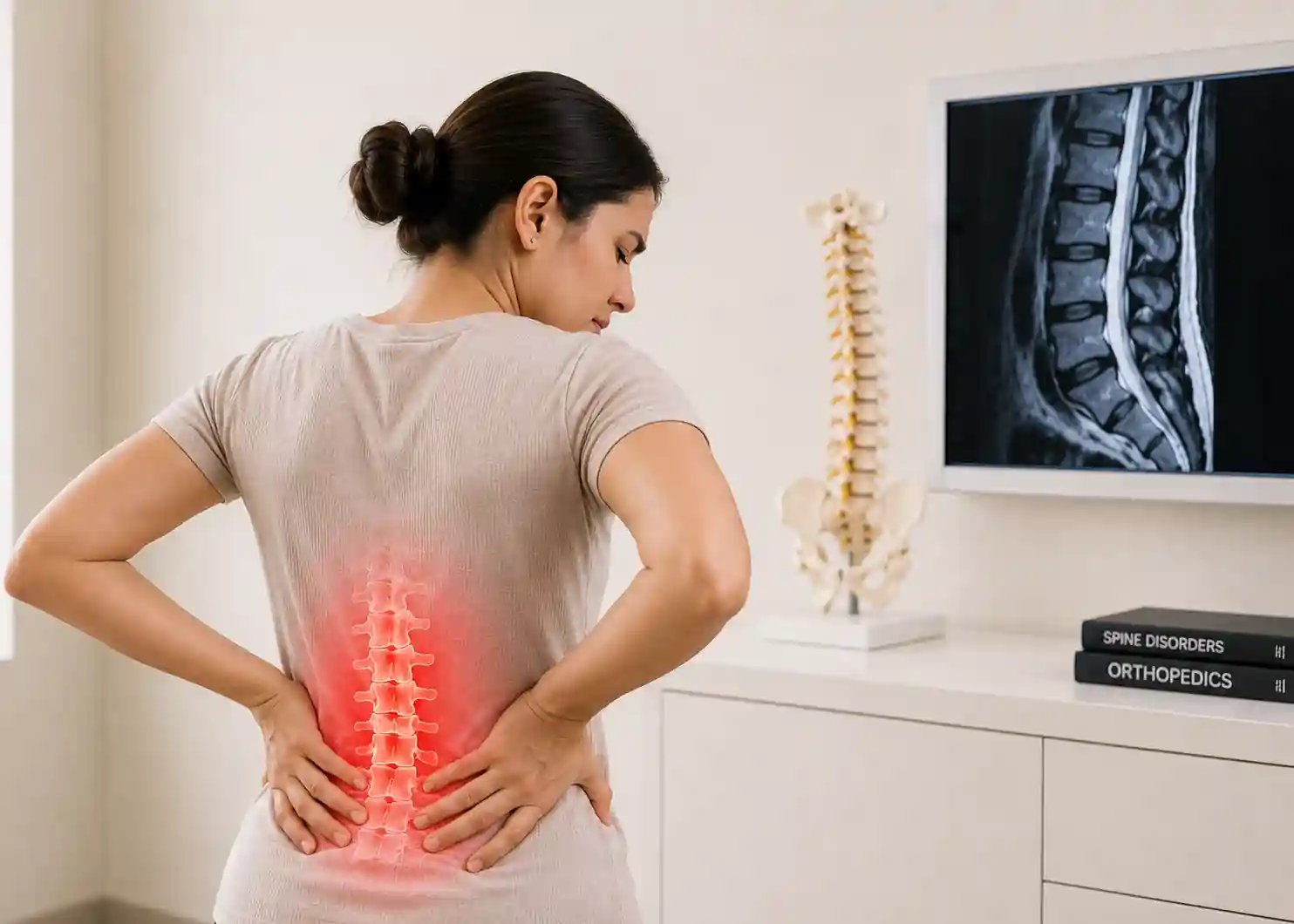
Lower back pain is not experienced only during a consultation. It affects the way people wake up in the morning, sit through meetings, drive to work, lift groceries, play with their children, exercise, travel, sleep, and perform countless everyday activities.
For many people, the greatest frustration is not the pain itself but the uncertainty that accompanies it.
- "Can I bend?"
- "Should I continue walking?"
- "Will exercise make my slipped disc worse?"
- "Should I avoid travelling?"
- "Do I need complete bed rest?"
These are important questions because the choices made outside the hospital often influence recovery just as much as the treatment provided inside it.
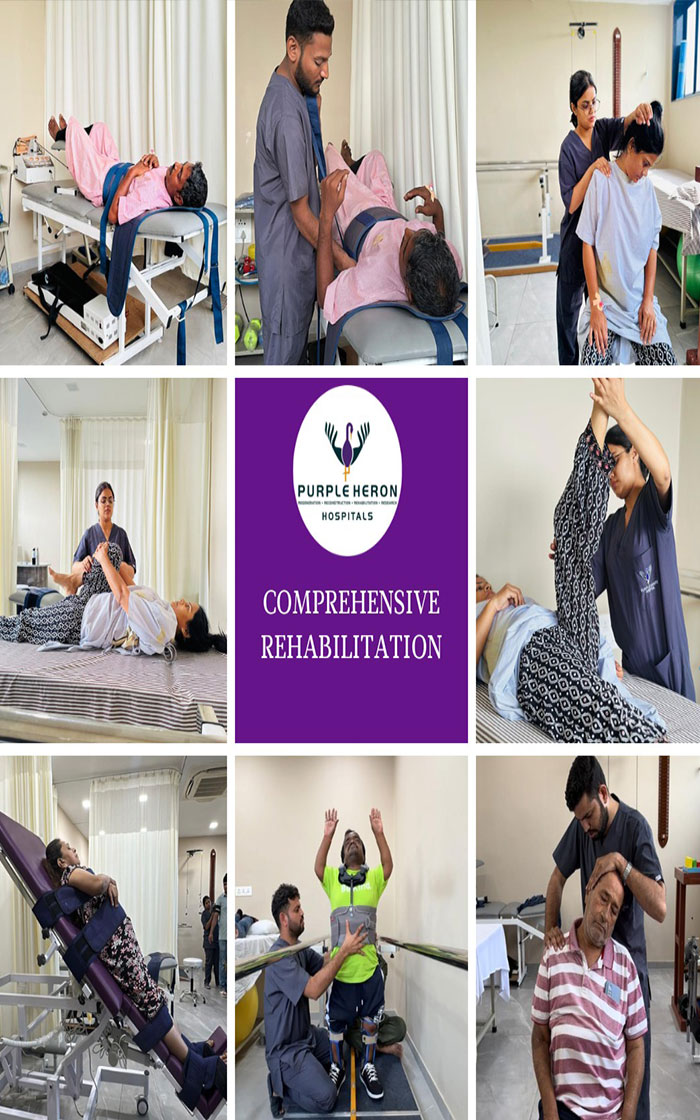
At Purple Heron Hospitals, we believe that successful spine care extends beyond procedures and prescriptions. We work closely with patients to help them understand how everyday habits, movement patterns, and lifestyle choices can either support recovery or delay it.
Keep Moving — But Move Wisely
One of the biggest myths surrounding lower back pain is that complete bed rest is the fastest route to recovery. While a brief period of relative rest may be necessary during severe pain, prolonged inactivity often weakens muscles, reduces endurance, increases joint stiffness, and delays functional recovery.
The spine is designed to move. Gentle walking, appropriately prescribed exercises, and gradual return to activity usually help maintain circulation, preserve muscle function, and improve confidence in movement.
The key is not to avoid movement altogether but to choose movements that are appropriate for your diagnosis and stage of recovery.
Your Spine Likes Variety
Contrary to popular belief, there is no single "perfect posture" that can be maintained throughout the day. The spine is healthiest when it changes position regularly.
Whether you are working at a desk, driving, studying, or watching television, remaining in one position for prolonged periods may place sustained stress on the muscles, ligaments, discs, and joints of the lower back.
Simple habits such as standing up every 30–45 minutes, taking short walking breaks, stretching gently, and changing sitting positions throughout the day may reduce unnecessary mechanical loading and improve comfort.
The goal is not rigid posture correction. The goal is regular, comfortable movement.
Exercise Should Be Individualised
Not every patient with lower back pain requires the same exercises. The exercise programme recommended for someone recovering from a lumbar disc herniation differs significantly from that of a patient with lumbar canal stenosis, facet joint arthritis, spondylolisthesis, osteoporosis, or central sensitisation.
Beginning an exercise programme found on social media or copied from a friend may aggravate symptoms if it does not match the underlying diagnosis. Exercise should always be prescribed according to the patient's clinical condition, current functional capacity, and recovery goals.
Weight, Sleep and Nutrition Influence Recovery
Recovery depends on far more than the spine alone. Poor sleep, obesity, nutritional deficiencies, smoking, diabetes, chronic stress, and physical inactivity all influence healing, pain sensitivity, muscular recovery, and overall function.
Improving spinal health therefore requires attention to the whole person. Simple lifestyle improvements — including adequate sleep, balanced nutrition, maintaining a healthy body weight, regular physical activity, and stress management — often enhance the effectiveness of rehabilitation and medical treatment.
Listen to Your Body, Not Your Fear
Many patients become fearful after experiencing severe back pain. They avoid bending, lifting, exercising, travelling, or even walking because they worry that every movement will cause further damage.
While certain movements may need temporary modification during the acute stage, excessive fear of movement can become a barrier to recovery. Under appropriate medical guidance, most patients benefit from gradually rebuilding confidence through progressive activity rather than permanently restricting normal movement.
Understanding the difference between discomfort associated with recovery and symptoms that require medical review is an important part of long-term spine care.
Building a Spine That Lasts a Lifetime
Our aim is not simply to help patients recover from one painful episode. We want to help them develop a stronger, healthier, and more resilient spine for the future.
That means building muscular endurance, maintaining flexibility, staying physically active, managing body weight, optimising ergonomics, protecting bone health, improving balance, and continuing regular exercise long after the pain has settled.
The spine responds remarkably well to consistent care. Small improvements made every day often produce the greatest benefits over the years.
"Because lasting recovery is not achieved through one injection, one operation, or one exercise session. It is built through thousands of healthy movements performed over a lifetime."