Because Your Neck Deserves More Than Temporary Relief

Stop Letting Neck Pain Control Your Life: Meet Your Cervical Pain Specialist in Jaipur

  • Comprehensive Cervical Spine Care
  • Accurate Diagnosis and Personalised Treatment
  • Advanced Image-Guided Pain Management
  • Structured Rehabilitation and Movement Restoration
  • Surgery When Clinically Necessary

Your neck plays a vital role in everyday activities, from working and driving to exercising and enjoying a comfortable night's sleep. However, persistent stiffness, shoulder discomfort, or pain radiating down the arm can disrupt your routine and affect your quality of life. Ignoring recurring symptoms delays appropriate care. Consulting an experienced cervical pain specialist in Jaipur can help identify the underlying cause and guide effective treatment. At Purple Heron Hospitals, Jaipur, Dr. Aayushi Choudhary provides personalised, evidence-based cervical pain care focused on accurate diagnosis, suitable treatment options, and restoring comfortable movement according to each patient's needs.

Our approach is simple: identify the cause, treat the right structure, restore movement, and preserve healthy spinal structures whenever medically appropriate.
Make an Appointment
Back Pain Specialist Doctor in Jaipur
Dr. Aayushi Choudhary, Pain and Musculoskeletal Medicine Specialist in Jaipur

Dr. Aayushi Choudhary

  • MBBS
  • MD (Physical Medicine & Rehabilitation) – Gold Medalist
  • Fellowship in Interventional Pain Management (FIPM)
  • Musculoskeletal Ultrasound (MSK USG – USPRM), Lisbon, Portugal
  • President's Award 2022 European Society of Physical & Rehabilitation Medicine

Cervical Pain Specialist in Jaipur – Personalised Care with Dr. Aayushi Choudhary

In today’s modern life, the neck has to endure a lot. Prolonged computer work, constant use of smartphones, repetitive tasks, extensive driving, lack of exercise, and inadequate rest can all cause neck pain. Nevertheless, aging, injuries, disc pathologies, and nerve compression might be involved as well.

But not all people who suffer from neck pain have the same problem. Some patients can suffer from muscle tension because of long desk work, while others might suffer from cervical joint deterioration or irritation of the nerves that supply the arm. Such similar symptoms might need completely different approaches to treatment.

At Purple Heron Hospitals, the focus of our approach lies with the individual rather than the symptoms or X-ray results.

Dr. Aayushi Choudhary, a cervical pain specialist in Jaipur, combines clinical assessment, musculoskeletal expertise, evidence-based pain management, and rehabilitation-focused care to help patients understand their condition and make informed decisions about treatment.

Why Lower Back Pain Has Become One of the Fastest Growing Health Problems of Modern Life

  • Identifying the likely source of pain.
  • Understanding how symptoms affect daily activities.
  • Determining whether muscles, joints, discs, nerves, or other structures are involved.
  • Exploring appropriate non-surgical options.
  • Considering image-guided procedures when clinically indicated.
  • Improving strength, mobility, and functional confidence.
  • Recognising situations that require specialist surgical assessment.

Why Cervical Pain Has
Become So Common in Modern Life

Cervical vertebrae are built to facilitate movement. However, much of everyday life entails holding one position for prolonged periods of time with little breaks in between or exercise.

An office worker will be staring at his computer screen all day long. A student will study with his head down. A driver will have to maintain one position for hours on end, and those doing manual labor will bend, stretch, or turn their heads.

None of this automatically means that cervical disease is going to set in. Nevertheless, this kind of behavior can increase the risk of discomfort in vulnerable patients.

01

Prolonged Screen Exposure

Looking at a phone or laptop for extended periods can encourage sustained neck flexion or forward-head positioning. When this posture continues without breaks, the muscles supporting the head become fatigued.

The solution is not to maintain one supposedly perfect posture all day. Regular movement, a comfortable screen position, and suitable breaks are often more practical than rigid posture rules.

02

Repetitive Work and Occupational Strain

Certain occupations involve repeated head movements, overhead work, prolonged driving, or extended periods at a workstation. When these demands exceed a person's current capacity to recover, discomfort may develop.

Cervical pain treatment in Jaipur therefore includes examining work routines and adjusting the demands placed on the neck.

03

Reduced Physical Activity

The muscles supporting the neck and upper back benefit from regular movement and appropriate strengthening. Low activity levels may reduce general conditioning and make prolonged tasks more difficult to tolerate.

A gradual, individualised exercise plan can help rebuild strength and confidence when clinically appropriate.

04

Stress and Poor Sleep

Stress, fatigue, and disrupted sleep can influence pain sensitivity and muscle tension. These may also make it harder to recover from an existing cervical problem.

These factors do not mean that the pain is imaginary. These are part of the wider picture that need attention alongside physical treatment.

05

Age-Related Changes and Previous Injuries

Disc degeneration, joint changes, previous injuries, and other medical conditions can contribute to cervical symptoms. However, age-related changes seen on imaging are not always the source of pain.

A careful assessment helps distinguish clinically relevant findings from changes that may simply be present without causing symptoms.

Dr. Aayushi Choudhary consulting a patient at Purple Heron Hospital, Jaipur
1000+ Patients
treated

Purple Heron Hospital

Personalized care, evidence-based treatment

Every condition gets a plan built around you not a one-size-fits-all protocol.

Root-Cause Diagnosis

Conditions That Commonly
Cause Cervical Pain

Cervical pain is a symptom rather than a single diagnosis. Identifying the underlying condition is essential because cervical pain treatment in Jaipur that is suitable for muscular pain may not be appropriate for significant nerve compression or spinal cord involvement.

Dr. Aayushi Choudhary consulting a patient at Purple Heron Hospital, Jaipur
1000+ Patients
treated

Purple Heron Hospital

Personalized care, evidence-based treatment

Every condition gets a plan built around you not a one-size-fits-all protocol.

01

Cervical Spondylosis

Cervical spondylosis treatment in Jaipur refers to age-related degeneration that affects the discs and joints of the cervical spine.

This can be in the form of decreased disc height, joint involvement, or bony outgrowths called osteophytes. While there are individuals who do not manifest any symptoms despite having these findings, some develop pain and stiffness with particular movements.

If degeneration causes narrowing of the space for nerves or the spinal cord, this will give rise to further symptoms. This needs proper assessment since the management is based on the level of compression.

02

Cervical Disc Bulge or Herniation

The discs present in between the cervical vertebrae help in load distribution as well as in motion. Sometimes, there might be a disc bulge or prolapse, which leads to irritation of a nerve root.

Symptoms, depending on their localization and intensity, might range from neck pain, pain radiating into the shoulder or arm, tingling, numbness, or even weakness.

Imaging results should be correlated with physical examination. Disc pathology found on an MRI does not necessarily cause a patient’s symptoms.

03

Cervical Radiculopathy

Cervical radiculopathy occurs when a nerve root in the neck becomes irritated or compressed. Symptoms extend from the neck into the shoulder, arm, forearm, or hand.

  • Shooting or burning pain.
  • Tingling or pins-and-needles sensations.
  • Numbness in part of the arm or hand.
  • Changes in muscle strength.
  • Symptoms that worsen with certain neck positions.

Cervical pain treatment in Jaipur depends on the cause, severity, duration, and presence of neurological changes.

04

Muscular Strain and Myofascial Pain

Muscles and their surrounding connective tissues can be painful as a result of repetitive movement, overuse, long periods of being in a certain position, or injury.

Symptoms experienced by patients include feeling tightness, tenderness, stiffness, or pain in the neck and shoulder areas. Trigger points could also cause pain, either localized or referred in some selected cases.

Evaluation determines whether the problem is primarily muscle-related or in addition to other joint, disk, or nerve conditions.

05

Cervical Facet Joint Pain

The small facet joints provide a channel for guiding movement at the adjacent vertebral segments. Problems or degeneration of these joints could be one cause of the pain felt in the neck area.

In selected cases, further investigations can be performed to determine if these joints are the cause of the symptoms. These tests are not necessary in all patients with cervical pain.

06

Post-Traumatic Cervical Pain

Whiplash injuries, falls, sports injuries, and road traffic accidents affect the muscles, ligaments, joints, discs, or bones of the cervical spine.

Severe pain after trauma, especially when accompanied by weakness, numbness, difficulty walking, or other neurological symptoms, requires urgent medical assessment. Suspected spinal injury should not be managed through unsupervised stretching or manipulation.

07

Cervical Spinal Canal or Foraminal Stenosis

Stenosis refers to narrowing of a space within the spine. Depending on its location, it affects a nerve root or the spinal cord.

Nerve root involvement causes radiating arm symptoms. Spinal cord compression can lead to more concerning features, such as hand clumsiness, balance problems, altered walking, or progressive weakness.

08

Other Medical Causes

Less common causes of cervical pain include inflammatory disorders, infection, fractures, and tumours. These conditions require additional investigations and specialist management.

Fever, significant trauma, unexplained weight loss, a history of cancer, or rapidly worsening symptoms should be discussed with a medical professional promptly.

Symptoms of Cervical Pain: What Is Your Neck Telling You?

The pattern of symptoms can help guide the evaluation, although symptoms alone cannot confirm a diagnosis.

Make an Appointment
DR. AAYUSHI CHOUDHARY Β· JAIPUR
Detailed three-dimensional cervical spine anatomy with nerve rootsCERVICAL SPINE
ANATOMICAL STUDY
PRECISION β€’ MOVEMENT β€’ RECOVERY
01

Pain and Stiffness

Common complaints include:

  • Persistent aching in the neck.
  • Difficulty turning the head comfortably.
  • Stiffness after sleeping.
  • Discomfort after prolonged sitting.
  • Pain during particular movements.
  • Tightness around the upper shoulders.
  • Reduced range of neck movement.

These symptoms may occur with muscular strain, joint disorders, cervical spondylosis, and other conditions.

02

Pain Travelling into the Shoulder or Arm

Pain that extends beyond the neck may indicate involvement of a nerve or another structure in the shoulder and upper limb.

Patients may experience burning, shooting discomfort, tingling, numbness, or changes in strength. The distribution of symptoms and neurological examination help determine which structures may be involved.

Common symptoms include:

  • Sharp or shooting pain into the shoulder.
  • Burning sensations along the arm.
  • Tingling or pins-and-needles sensations.
  • Numbness in the fingers or hand.
  • Reduced grip strength or muscle weakness.
  • Pain that changes with certain neck movements.
03

Headaches Associated with the Neck

Some headaches may be associated with cervical joints, muscles, or other neck structures. These are sometimes described as cervicogenic headaches.

However, not every headache originates in the neck. New, severe, unusual, or rapidly worsening headaches require appropriate medical assessment, particularly when accompanied by neurological symptoms or fever.

Possible symptoms include:

  • Pain beginning at the base of the skull.
  • Headaches associated with neck stiffness.
  • Discomfort that worsens with neck movement.
  • Pain spreading from the neck towards the forehead.
  • Reduced neck mobility during a headache.
  • Headaches accompanied by shoulder or upper-neck discomfort.
04

Functional Difficulties

Pain in the cervical region can have an impact on daily activities that could be overlooked easily.

Someone can find it difficult to make sure blind spots are covered while driving, attend meetings, sleep comfortably, exercise, carry shopping bags, or focus at work.

This is important when considering the course of action. It should not only involve the quantification of pain levels but also the activities one wishes to engage in.

You may experience:

  • Difficulty checking blind spots while driving.
  • Discomfort while sitting at a desk.
  • Trouble finding a comfortable sleeping position.
  • Reduced ability to exercise or play sports.
  • Difficulty carrying objects or performing household tasks.
  • Reduced concentration due to persistent discomfort.

Warning Signs That Need Urgent Attention

New hand clumsiness, frequent dropping of objects, or changes in coordination also warrant prompt medical assessment, particularly when these symptoms are progressing.

Seek urgent medical care if neck pain is accompanied by:

  • Sudden or progressive weakness in an arm or leg.
  • New difficulty walking or maintaining balance.
  • Loss of bladder or bowel control.
  • Significant trauma or a suspected spinal injury.
  • Fever with severe neck pain.
  • Rapidly worsening numbness or neurological symptoms.
02CERVICAL SPINE CARE / JAIPUR

When Should You Consult a Specialist?

Not every neck discomfort requires advanced investigation or doctor consultation. Mild symptoms may settle with appropriate activity modification and basic care. However, an assessment becomes important when symptoms persist, recur frequently, interfere with everyday life, or extend into the arms.

Consider arranging a consultation if:

  • Neck pain continues despite reasonable self-care.
  • Stiffness regularly restricts movement.
  • Pain interferes with sleep or work.
  • Symptoms travel into the shoulder, arm, or hand.
  • Tingling or numbness keeps returning.
  • You notice reduced grip strength or weakness.
  • Previous treatments have not provided lasting improvement.
  • An imaging report has raised concerns that you do not understand.

Consulting a cervical pain specialist in Jaipur can help clarify whether the symptoms are related to muscular dysfunction, degenerative changes, disc disease, nerve involvement, or another cause.

The purpose of an appointment is not to commit you to a particular procedure. It is to understand the problem, discuss reasonable options, and establish a safe, practical treatment plan.

CLINICAL ASSESSMENT FIRST
WHEN TO CONSIDER AN APPOINTMENT
Schedule a consultation
03CERVICAL SPINE CARE / JAIPUR

How We Diagnose Cervical Pain

CLINICAL REASONING
BEFORE INVESTIGATIONS

We Look Beyond the Symptom to Understand the Cause

The cervical vertebrae have closely related structures, and there exist a number of diseases that can cause very similar symptoms. Thus, diagnosing a problem involves more than just identifying the pain location.

The MRI might indicate some degeneration or herniation, but not all such findings will explain the patient's symptoms. The clinical assessment is needed to determine the relevance of the finding, the involvement of other structures, or possibly even multiple factors.

Purple Heron Hospital's diagnostic procedure might involve the following aspects.

01

01. Detailed Medical History

The consultation begins with a discussion of when the pain started, how it has changed, what makes it better or worse, and how it affects daily activities.

We discuss:

  • Symptom onset and progression
  • Previous neck injuries
  • Occupation and work routine
  • Daily activities and exercise habits
  • Sleep quality and lifestyle factors
  • Previous treatments and medical conditions
  • Personal recovery goals and expectations

This history helps narrow the possible causes and identify features that require further assessment.

02

02. Physical Examination

A physical examination may assess neck movement, tenderness, muscle function, posture, shoulder mechanics, and movements that reproduce or ease symptoms.

The findings help the clinician understand whether muscular, joint-related, or other mechanical factors may be involved.

We assess:

  • Neck movement and range of motion
  • Cervical joint mobility
  • Muscle strength and endurance
  • Muscle tightness and tenderness
  • Trigger points and painful areas
  • Shoulder mechanics and movement
  • Spinal alignment and functional movements
03

03. Neurological Assessment

When symptoms suggest nerve or spinal cord involvement, the examination may include muscle strength, sensation, reflexes, coordination, grip function, and walking or balance assessment.

These findings can help determine whether additional investigations or specialist referral are needed.

We assess:

  • Muscle power in the arms and hands
  • Reflex responses
  • Sensation and numbness patterns
  • Coordination and movement control
  • Grip strength and hand function
  • Balance and walking pattern
  • Fine hand movements and neurological warning signs
04

04. Posture, Movement, and Ergonomics

Daily activities can influence how cervical symptoms develop or persist. The assessment may therefore consider workstation arrangement, screen use, driving posture, repetitive movements, lifting demands, and exercise technique.

The purpose is not to blame posture for every symptom. It is to identify modifiable factors that may be contributing to discomfort or limiting recovery.

We assess:

  • Head and neck positioning
  • Sitting and standing posture
  • Workstation and laptop setup
  • Smartphone usage habits
  • Repetitive work movements
  • Lifting techniques and physical demands
  • Driving posture and exercise mechanics
05

05. Imaging and Other Investigations

Clinicians select imaging based on clinical findings rather than ordering it automatically for every patient.

Depending on the situation, investigations may include X-rays, MRI, CT, or other tests. Blood tests or additional investigations may be considered when the history suggests an inflammatory, infectious, or other medical cause.

Each investigation has a specific purpose, and its findings must be interpreted alongside the patient's symptoms and examination.

May include:

  • Cervical spine X-rays
  • Dynamic X-rays, when appropriate
  • MRI of the cervical spine
  • CT scans for selected conditions
  • Additional investigations when clinically necessary
  • Blood tests when specific medical causes are suspected
  • Review of previous imaging and diagnostic reports
06

06. Musculoskeletal Ultrasound

Musculoskeletal ultrasound can help evaluate selected muscles, tendons, ligaments, and peripheral nerves. It may also assist with image-guided procedures when the relevant structure can be visualised appropriately.

It does not replace MRI or other investigations when deeper spinal structures need to be assessed.

Can help assess:

  • Selected neck and shoulder muscles
  • Tendons and ligaments
  • Accessible peripheral nerves
  • Soft-tissue abnormalities
  • Dynamic soft-tissue movement
  • Selected structures around the shoulder
  • Anatomical targets for appropriate ultrasound-guided procedures
07

07. Functional Assessment

Pain intensity is only one part of the picture. The assessment may also consider whether the patient can sleep, work, drive, exercise, lift objects, or perform household activities comfortably.

These goals help establish meaningful cervical pain treatment in Jaipur priorities and provide practical measures of progress.

A cervical pain specialist in Jaipur evaluates your ability to:

  • Work comfortably
  • Drive and turn your head
  • Sleep without significant discomfort
  • Exercise and stay physically active
  • Lift and carry everyday objects
  • Perform household activities
  • Participate in sports and daily routines
β€œ
04CARE PHILOSOPHY

Precision Before Procedures

The evaluation findings guide the next steps. Some patients may need education and rehabilitation alone. Others may benefit from medication or a targeted procedure. A smaller group may require surgical assessment.

The appropriate pathway depends on the individual diagnosisβ€”not on a desire to use the most advanced treatment available.

Make an AppointmentΒ Β 

04
05CERVICAL SPINE CARE / JAIPUR

From Accurate Diagnosis to the Right Treatment Pathway

There is no single neck pain treatment in Jaipur that is suitable for every cervical condition. Effective care involves selecting an approach that matches the diagnosis, symptom pattern, medical history, and functional needs.

At Purple Heron Hospitals, the treatment philosophy prioritises appropriate, evidence-based options and avoids unnecessary intervention wherever possible.

01

STEP 1. Understand the Condition

Patients should understand what the assessment suggests, what remains uncertain, and why a particular treatment is being recommended.

During consultation, the discussion may cover:

  • The likely source of symptoms.
  • The meaning and limitations of imaging findings.
  • The expected course of the condition.
  • Activities that may need temporary adjustment.
  • Treatment options and alternatives.
  • Potential benefits and risks.
  • Signs that should prompt reassessment.
  • Whether a procedure or surgical opinion may be appropriate.

Clear explanations help patients make informed decisions and participate more confidently in recovery.

02

STEP 2. Personalised Conservative Management

Conservative management is often an important starting point when there is no urgent indication for a different approach.

It may include several elements rather than relying on medication alone.

Medical management: A clinician may recommend medication when appropriate to help manage pain or inflammation. The choice depends on the diagnosis, other medical conditions, possible interactions, and individual risks.

Activity modification: Temporarily adjusting aggravating activities may help reduce excessive loading. Complete bed rest is generally not the goal; safe movement and a gradual return to normal routines are encouraged when appropriate.

Education: Understanding the condition can reduce uncertainty and help patients avoid unnecessary fear of movement.

Lifestyle support: Sleep routines, suitable physical activity, stress management, and recovery habits may contribute to overall pain management.

Ergonomic adjustments: Screen height, chair arrangement, work breaks, and driving setup may be reviewed when relevant.

The objective is to help the patient remain as active as safely possible while addressing factors that may be maintaining symptoms.

03

STEP 3. Targeted Rehabilitation

Rehabilitation may help restore movement, strength, endurance, and confidence. The programme should reflect the patient's diagnosis and tolerance rather than follow a rigid routine.

Depending on the clinical assessment, it may involve:

  • Gradual neck mobility exercises.
  • Strengthening of appropriate neck and upper-back muscles.
  • Shoulder blade control and endurance work.
  • General physical conditioning.
  • Movement coordination.
  • Gradual return to work or sport.
  • Strategies for managing symptom flare-ups.

Exercises that aggravate symptoms significantly should be reviewed with the treating professional. New weakness, worsening numbness, or other concerning neurological changes should not be managed simply by continuing the exercise programme.

04

STEP 4. Image-Guided Pain Interventions

When conservative care has not provided sufficient benefit, or when the diagnosis supports a targeted procedure, an interventional pain specialist may consider an appropriate option.

The purpose may be to investigate a suspected pain source, reduce symptoms, or help the patient participate more effectively in rehabilitation.

A procedure is not automatically necessary because an MRI shows degeneration or because pain has lasted a certain number of weeks. The expected benefit, alternatives, risks, and individual circumstances should all be considered.

05

STEP 5. Advanced Surgical Assessment When Needed

Certain cervical disorders need to be assessed by a spine surgeon, especially in cases where there is considerable compression of the spinal cord, ongoing neurological deterioration, spinal instability, or any other structural disorder that can potentially benefit from surgery.

The decision to operate on a patient depends on the patient’s diagnosis, symptoms, degree, progression, and general health status. Where surgery is indicated, the patient needs to understand its purpose, potential benefits, risks, and options.

06

STEP 6. Follow-Up and Long-Term Recovery

Cervical pain may fluctuate during recovery. Follow-up helps assess progress, review treatment effectiveness, and make adjustments when necessary.

The wider goal is to help patients return to meaningful activities, maintain suitable physical conditioning, and recognise when new or worsening symptoms require further assessment.

06CERVICAL SPINE CARE / JAIPUR

Experience the Advanced Image-Guided Precision Interventions

Medical line illustration of cervical nerve pathways
THE ANATOMY OF PRECISE CARE β†—

Targeted Treatment Should Begin With a Clear Clinical Reason

The cervical region contains important nerves, blood vessels, joints, and the spinal cord. Any intervention in this area requires appropriate training, careful patient selection, and attention to procedural safety.

Image guidance may be useful for selected procedures because it helps the clinician visualise relevant anatomical structures and position instruments at the intended target. The type of imaging used depends on the structure being treated and the procedure being considered.

Not every patient requires an injection or other intervention. These options are considered only when the clinical findings support them and the anticipated benefits justify the risks.

01. Ultrasound-Guided Procedures

Ultrasound provides real-time images of selected soft tissues, including muscles, tendons, ligaments, and some peripheral nerves.

When clinically appropriate, it may assist with procedures involving particular soft-tissue conditions or nerve entrapments around the neck and shoulder region.

The suitability of ultrasound depends on the target structure and the clinical question. It cannot visualise every deep spinal structure adequately.

02. Fluoroscopy-Guided Spine Procedures

Fluoroscopy, often using a C-arm imaging system, provides real-time X-ray guidance for selected spinal interventions.

Depending on the diagnosis, procedures may involve specific joints, nerve-related structures, or the epidural space. These interventions require appropriate assessment, technical expertise, and procedural precautions.

Fluoroscopy is not a guarantee of pain relief. It is a guidance method intended to improve anatomical targeting for procedures in which it is indicated.

03. Diagnostic Nerve Blocks

A diagnostic nerve block may be considered when the clinical assessment suggests that a particular nerve or nerve-related structure could be contributing to pain.

The clinician administers an appropriate local anaesthetic at a selected target and assesses whether the response provides useful diagnostic information.

The result must be interpreted carefully. A nerve block does not always provide a definitive answer, and it is not appropriate for every patient.

04. Therapeutic Nerve Blocks

Selected nerve blocks may be used to help manage certain pain conditions. Their suitability depends on the diagnosis, the intended target, prior treatment, and the patient's medical history.

Potential benefits and limitations should be discussed before the procedure. Patients should understand that symptom relief may vary and may be temporary.

05. Facet Joint and Medial Branch Procedures

When symptoms and examination findings suggest that cervical facet joints may be contributing to pain, a clinician may consider specific diagnostic procedures.

In selected cases, a positive diagnostic response may help determine whether a further treatment, such as radiofrequency ablation, is worth considering.

These procedures are not suitable for every patient with cervical spondylosis, and imaging changes alone are not sufficient to establish that a facet joint is the source of pain.

06. Epidural or Selective Nerve Root Procedures

Certain patients with radiating arm pain related to cervical nerve root irritation may be considered for a targeted injection.

The decision depends on the diagnosis, symptom severity, clinical examination, imaging when indicated, previous treatment, and individual risk factors. Cervical procedures in this region require particular care because of the nearby critical structures.

Potential risks, expected benefits, alternatives, and procedural precautions should be explained before proceeding.

07. Radiofrequency Ablation

Radiofrequency ablation uses controlled thermal energy to interrupt selected nerve pathways involved in transmitting pain. It may be considered for specific chronic pain conditions when diagnostic assessment supports the proposed target.

It does not correct every structural cause of cervical pain, and it is not an appropriate treatment for all forms of disc disease or nerve compression.

Patient selection and a clear clinical rationale are essential.

08. Regenerative Medicine and Orthobiologic Options

Some treatments are promoted as regenerative approaches for musculoskeletal conditions. However, the evidence, regulatory status, suitability, and expected outcomes vary according to the specific treatment and diagnosis.

Such options should not be presented as guaranteed solutions or replacements for established care. A clinician should explain the quality of available evidence, uncertainties, costs, potential risks, and reasonable alternatives before any decision is made.

Precision Is Only One Part of Recovery

A technically appropriate procedure may help selected patients, but lasting functional improvement often also depends on rehabilitation, activity management, and follow-up.

The decision to proceed should always be individualised. The objective is to choose a reasonable treatment for the right clinical problemβ€”not to perform a procedure simply because it is available.

07CERVICAL SPINE CARE / JAIPUR

Cervical Spondylosis: Understanding Your Treatment Options

The term cervical spondylosis refers to degeneration in the neck region. This degeneration can affect discs, joints, and structures around them. While it increases with aging, the extent of the degeneration on radiological reports does not always correspond with the extent of the symptoms.

Some individuals have extensive degeneration but no pain. Other patients complain of stiffness and reduced mobility.

In cervical spondylosis treatment in Jaipur, it is best to start with the assessment of the patient’s symptoms first.

01

What May Treatment Involve?

Depending on the patient's condition, treatment may include:

  • Explanation of the diagnosis and imaging findings.
  • Appropriate medication for symptom management.
  • Activity modification and ergonomic guidance.
  • Rehabilitation to improve movement and physical conditioning.
  • Selected image-guided interventions when indicated.
  • Further investigation or specialist referral for neurological concerns.
  • Surgical assessment when significant compression or another relevant structural problem is present.

There is no universal treatment sequence that fits every patient. The appropriate plan depends on whether the main issue is local pain, nerve root irritation, spinal cord compression, or another condition.

02

When Is Surgery Considered?

Surgery can be considered if there is a structural cause for significant neurological impairment, progressive symptoms, or a situation where the potential gain from surgery exceeds the potential gains with non-surgical intervention.

When there are progressive signs of weakness, signs that the spinal cord is involved, or other severe neurological signs, then assessment by a specialist is required urgently. In this case, the delay in assessment due to pursuing further non-surgical treatments can be risky.

The goal is to make sure the right therapy is selected without using unnecessary treatment.

Cervical nerve pathway illustration
08CERVICAL SPINE CARE / JAIPUR

Cervical Nerve Pain: When Symptoms Travel Into the Arm

Cervical nerve pain may develop when a nerve root becomes irritated or compressed as it leaves the spinal canal. Symptoms can extend from the neck into the shoulder, arm, forearm, or hand.

Some people describe sharp or electric-like pain. Others experience burning, tingling, numbness, or changes in muscle strength. The precise pattern varies depending on the nerve involved and the underlying cause.

01

How Is Cervical Nerve Pain Evaluated?

The assessment may include a review of symptom distribution, muscle strength, sensation, reflexes, neck movement, and relevant imaging.

The clinician also considers other potential causes of arm symptoms, including shoulder conditions and peripheral nerve problems. This distinction matters because pain travelling into the arm does not always originate in the cervical spine.

02

Treatment Depends on the Cause

Cervical nerve pain treatment in Jaipur may involve conservative management, suitable medication, rehabilitation, or selected image-guided procedures, depending on the diagnosis.

Patients with progressive weakness, significant neurological changes, or signs of spinal cord involvement may need urgent assessment or a surgical opinion.

Treatment should not be based solely on the intensity of pain. The underlying cause, neurological findings, symptom progression, and expected benefit of each option all matter.

09CERVICAL SPINE CARE / JAIPUR

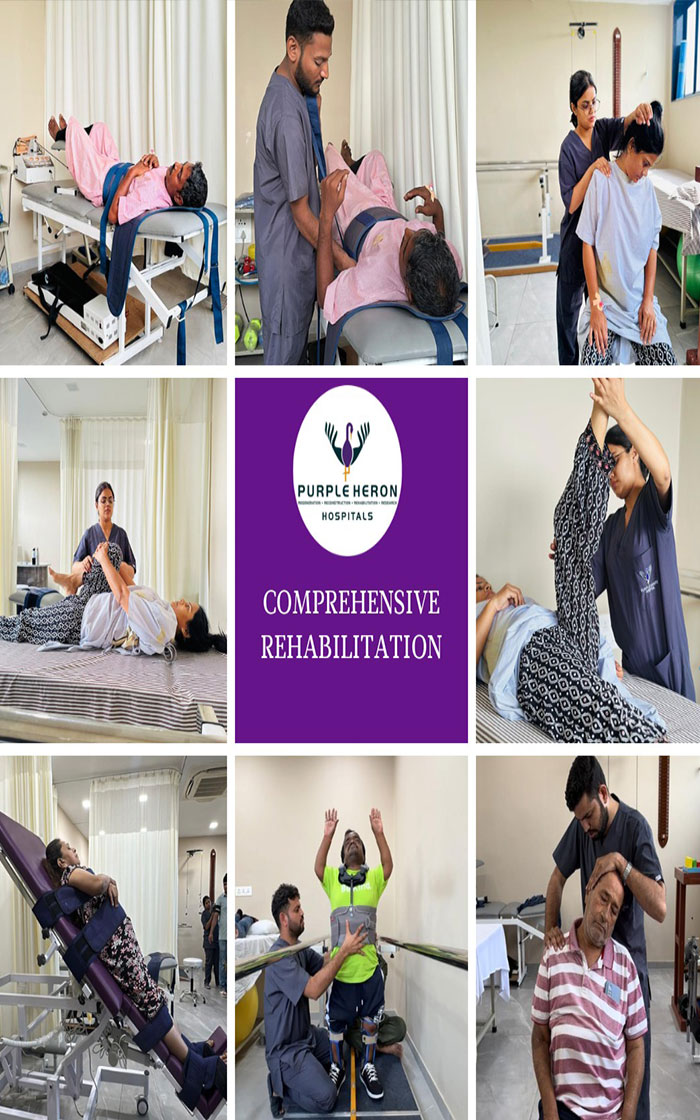
Comprehensive 360Β° Rehabilitation: Restore Movement and Confidence

Reducing pain is important, but it is not the only measure of recovery. Patients also need to regain the ability to work, sleep, exercise, drive, and perform daily activities with greater confidence.

A rehabilitation plan from a cervical specialist in Jaipur should be matched to the patient's diagnosis, current function, and tolerance for activity.

Rehabilitation exercises with clinical staff at Purple Heron Hospitals
COMPREHENSIVE
REHABILITATION
01

01. Restoring Comfortable Movement

When appropriate, gentle and progressive movement may help reduce stiffness and improve the ability to perform everyday tasks.

The type and range of exercise depend on the clinical findings. Patients should not force movements that produce severe pain or new neurological symptoms.

02

02. Improving Strength and Endurance

The neck, shoulders, and upper back work together to support the head and coordinate movement. Depending on the assessment, a programme may include targeted strengthening and endurance exercises.

Progression should be gradual, allowing the patient to build capacity without repeatedly provoking significant symptoms.

03

03. Improving Workstation Habits

For people who spend long periods at a desk, practical adjustments may reduce unnecessary strain and make work more comfortable.

Useful measures can include positioning the screen at a comfortable height, supporting the forearms, changing positions regularly, and taking short movement breaks.

The goal is flexibility rather than maintaining one rigid posture throughout the day.

04

04. Returning to Exercise and Sport

Avoiding all physical activity for extended periods can contribute to reduced conditioning. When safe, a gradual return to exercise may help rebuild capacity and confidence.

The timing and intensity depend on the underlying condition, particularly when a recent injury or neurological problem is present.

05

05. Managing Flare-Ups

Some patients experience temporary increases in symptoms during recovery. Understanding how to adjust activity, pace demanding tasks, and seek advice when symptoms change can make the process less stressful.

New or worsening weakness, balance problems, or other concerning neurological symptoms should prompt medical reassessment rather than simply being treated as an ordinary flare-up.

06

06. Measuring Progress Through Function

Progress can be reflected in several ways: improved neck movement, fewer activity limitations, better sleep, increased exercise tolerance, or greater confidence at work.

Follow-up helps determine whether the treatment plan is working and whether adjustments are needed.

10CERVICAL SPINE CARE / JAIPUR

Clinical Decision-Making

CLINICAL DISCUSSION / 01

When Is Advanced Cervical Treatment or Spine Surgery Recommended?

Many cervical spine conditions can be managed with appropriate non-surgical care. However, certain situations require prompt specialist assessment, targeted interventions, or surgical evaluation to protect nerve function and support the best possible recovery.

01 Progressive weakness in the arms, wrists, hands, or fingers.

02 Signs of cervical myelopathy, indicating possible spinal cord compression.

03 Significant or worsening neurological deficits, including changes in sensation or muscle strength.

04 Severe cervical disc herniation causing persistent nerve compression and symptoms that warrant further intervention.

05 Increasing difficulty with walking, balance, coordination, or maintaining stability.

06 Loss of hand dexterity, frequent dropping of objects, or increasing difficulty with fine movements.

07 Cervical spinal instability or structural abnormalities that compromise spinal stability.

08 Cervical fractures or traumatic injuries requiring specialised spinal assessment.

09 Progressive cervical deformity or significant structural changes affecting spinal function.

10 Suspected space-occupying lesions, including selected tumours or infections affecting the cervical spine.

11 Persistent, disabling neck or arm pain that has not improved with appropriate evidence-based conservative treatment, when surgery is expected to offer meaningful benefit.

Every treatment recommendation is based on the complete clinical pictureβ€”including symptoms, neurological examination, imaging findings, functional limitations, and overall health. MRI findings alone do not determine the need for surgery.

At Purple Heron Hospitals, Dr. Aayushi Choudhary’s treatment approach prioritises accurate diagnosis, appropriate non-surgical options, and timely surgical referral when clinically necessary. The objective is to preserve neurological function, avoid unnecessary procedures, and help patients make informed decisions about their cervical spine health.

Progressive weakness, new walking difficulties, loss of coordination, or other signs of spinal cord involvement require prompt medical assessment. Severe neurological symptoms or loss of bladder or bowel control warrant emergency evaluation.

CLINICAL DISCUSSION / 02

Advanced Cervical Spine Care with a Multidisciplinary Team

Whereas a situation necessitates specialized intervention and surgery in cases of cervical pain, the scope of treatment goes beyond just the actual surgery. This is beneficial to the patient in terms of having coordination of services from the time of diagnosis up to the process of rehabilitation.

Cervical spine treatment at Purple Heron Hospitals, Jaipur, can be done based on the needs of each individual patient, with all necessary specialists coordinating in dealing with pain and other issues related to their condition.

Cervical Spine Surgeons | Neurosurgeons | Physical Medicine & Rehabilitation (PM&R) Specialists | Interventional Pain Specialists | Anaesthesia & Critical Care Teams | Physiotherapists | Occupational Therapists | Nursing Professionals | Orthotic Specialists | Nutrition Professionals

CLINICAL DISCUSSION / 03

Precision β€’ Safety β€’ Personalised Care

CLINICAL DISCUSSION / 04

Advanced Cervical Pain Treatment & Clinical Support

At Purple Heron Hospitals, Jaipur, cervical pain care is guided by accurate diagnosis, appropriate treatment planning, and access to suitable medical technology. From detailed assessment to image-guided interventions and rehabilitation, each step is selected according to the patient's condition and clinical needs.

01

Image-Guided Pain Procedures

Ultrasound or fluoroscopy guidance may support selected procedures by helping clinicians visualise relevant anatomical structures.

02

Musculoskeletal Ultrasound

Real-time imaging can assist in evaluating selected muscles, tendons, and peripheral nerves when clinically appropriate.

03

Advanced Diagnostic Imaging

MRI, X-rays, CT scans, and other investigations may help assess cervical spine conditions when indicated.

04

Individualised Treatment Planning

Each care plan considers symptoms, examination findings, medical history, functional limitations, and suitable treatment options.

05

Specialist-Led Pain Management

Evidence-based medical care and selected minimally invasive interventions may be considered according to the diagnosis and expected benefits.

06

Rehabilitation and Recovery Support

Structured rehabilitation can help improve mobility, strength, activity tolerance, and confidence in everyday movement.

07

Coordinated Specialist Referral

When findings suggest significant spinal cord compression, progressive neurological problems, or another condition requiring surgery, appropriate surgical evaluation can be arranged.

Technology is valuable when supported by sound clinical judgment.

Accurate diagnosis, careful patient selection, transparent discussions about treatment options, procedural safety, and personalised rehabilitation all contribute to responsible cervical pain care.

11CERVICAL SPINE CARE / JAIPUR

Everyday Habits That May Support Cervical Health

Daily habits cannot prevent every cervical condition, and lifestyle changes are not a substitute for medical assessment when symptoms are concerning. However, certain practical measures may help reduce avoidable strain and support recovery.

01

Keep Moving Regularly

Change positions throughout the day instead of remaining still for long periods. Short movement breaks can be easier to maintain than attempting to follow a demanding exercise routine during a busy schedule.

02

Make Your Workstation Comfortable

Position screens so that you can look at them without repeatedly bending your neck into an uncomfortable position. Adjust the chair and desk to suit your body, and vary your position when possible.

03

Use Your Phone More Comfortably

Bring the device closer to eye level when practical, support your arms, and take breaks during prolonged use. There is no need to maintain a perfectly fixed posture at every moment.

04

Build Physical Activity Gradually

Regular activity supports general conditioning. If you have an established cervical condition, ask your clinician which exercises are appropriate and how to progress safely.

05

Pay Attention to Sleep and Recovery

Choose a sleeping arrangement that allows you to rest comfortably. Persistent pain that disrupts sleep deserves assessment rather than endless experimentation with pillows.

06

Avoid Self-Prescribing Treatment

Repeatedly taking pain medication, using unverified remedies, or attempting forceful neck manipulation may be inappropriate for some conditions. Discuss persistent or worsening symptoms with a qualified clinician.

Dr. Aayushi Choudhary, official portrait
DR. AAYUSHI CHOUDHARY 01 / 01
12CERVICAL SPINE CARE / JAIPUR

Why Choose Dr. Aayushi Choudhary for Cervical Pain Care?

01

01. A Diagnosis-Led Approach

Treatment should follow an assessment of the patient's symptoms, examination findings, medical history, and functional needs. Imaging is considered when indicated and interpreted in the context of the clinical picture.

02

02. Expertise Across Pain and Rehabilitation

Dr. Aayushi's training in Physical Medicine and Rehabilitation, interventional pain management, and musculoskeletal ultrasound supports an approach that considers both pain reduction and functional recovery.

03

03. Individualised Treatment Planning

A treatment plan may differ considerably between patients, even when their symptoms appear similar. Care is adapted to the underlying diagnosis, symptom severity, overall health, and personal goals.

04

04. Consideration of Non-Surgical Options

Many cervical conditions can initially be managed without surgery. Appropriate options may include education, medication, activity modification, exercise-based rehabilitation, and selected pain procedures.

05

05. Image-Guided Procedures When Appropriate

Certain interventions can be performed using imaging guidance to help the clinician reach the intended anatomical target. These procedures are considered selectively after evaluation, with their potential benefits and risks discussed beforehand.

06

06. Surgery When Clinically Necessary

Surgery may be appropriate in selected cases, particularly when significant structural compression or progressive neurological impairment is present. The decision depends on the diagnosis and specialist assessment.

Patients seeking the best cervical pain doctor in Jaipur should look beyond promotional promises and consider relevant qualifications, a clear diagnostic process, appropriate treatment choices, and transparent discussions about benefits, risks, and alternatives.

13NEXT STEPS / GET IN TOUCH

Your Next Step Towards Better Neck Health

Persistent pain in the cervical spine shouldn’t be tackled using hit-and-trial methods or a course of treatment based only on the imaging report. Identification of the causative factor can help in understanding what treatments are applicable, which aren’t, and when consultation from a specialist becomes necessary.

Purple Heron Hospitals takes an evidence-based approach to treatment plans by Dr. Aayushi Choudhary. The treatment plan starts from conservative management, if it’s necessary, goes onto a definitive intervention, or in case of any significant structural problem, the patient can be referred to surgery.

If you are looking for a cervical spine specialist in Jaipur, choose a consultation that gives you the opportunity to discuss your symptoms, understand your diagnosis, and explore the available options.

Take the First Step Towards More Comfortable Movement

You do not have to ignore persistent pain or assume that surgery is inevitable. An informed assessment can help you understand the problem and make decisions based on your individual circumstances.

Dr. Aayushi Choudhary
Pain and Musculoskeletal Medicine Specialist
Purple Heron Hospitals, Jaipur

Call for an appointment: +91 90907 57585

Book Your Consultation

Individual treatment recommendations depend on clinical assessment. No treatment can guarantee a particular outcome, and urgent or progressive neurological symptoms require timely medical evaluation.

Dr. Aayushi Choudhary at Purple Heron Hospital
PERSONALISED CERVICAL CAREJAIPUR Β· RAJASTHAN

Got Questions?

Frequenty Asked Questions

Cervical pain may arise from muscle strain, joint disorders, disc degeneration, nerve irritation, injury, or other medical conditions. The cause varies between individuals, so a clinical assessment is important when symptoms persist or are accompanied by concerning features.

Consider an appointment if pain persists, repeatedly returns, limits daily activities, or travels into the arm. New weakness, worsening numbness, difficulty walking, or other neurological symptoms require prompt medical attention. Severe symptoms following trauma may require emergency assessment.

Many patients with cervical spondylosis can begin with non-surgical management, depending on their symptoms and examination findings. Options may include education, medication, activity modification, and rehabilitation. Significant spinal cord compression or progressive neurological impairment may require surgical assessment.

No. MRI can show disc, joint, and other structural changes, but some findings are present in people who have no symptoms. The results should be interpreted alongside the medical history and clinical examination.

Local neck pain may arise from muscles, joints, discs, or other structures. Cervical nerve pain may extend into the shoulder, arm, or hand and can include tingling, numbness, burning, or weakness. Symptoms alone do not establish the cause.

No. Treatment depends on the diagnosis and may involve education, activity modification, rehabilitation, medication, selected image-guided procedures, or referral for surgical assessment when necessary. Not every patient requires every treatment.

Posture may contribute to discomfort, especially when combined with prolonged static positions, repetitive loading, or limited recovery. However, cervical pain has multiple possible causes, and it should not automatically be attributed to posture.

No. They are considered only for selected conditions when the expected benefit justifies the risks. The appropriate procedure, if any, depends on the clinical assessment, the target structure, previous treatment, and individual medical circumstances.

Recovery varies according to the underlying condition, symptom duration, severity, general health, and treatment response. Some episodes improve relatively quickly, while persistent or complex conditions may need longer-term management. A clinician can provide a more relevant estimate after evaluation.

Urgent assessment is important when symptoms include progressive weakness, new difficulty walking, loss of coordination, loss of bladder or bowel control, or other significant neurological changes. Severe pain after an accident or neck pain accompanied by fever may also require urgent care.

Some movements may aggravate particular conditions, especially when exercises are performed forcefully or are unsuitable for the diagnosis. An appropriately selected, gradual programme can help many patients, but exercises should be modified if they cause significant worsening. New neurological symptoms require reassessment.

Bring previous investigation reports, imaging when available, a list of medicines, and details of any treatments already tried. It may also help to note when symptoms occur, what aggravates them, and which activities have become difficult.

Got Questions?

Summary of The Page - RAG-Ready Highlights

Cervical pain can interfere with everyday activities, including working, driving, sleeping, and exercising. At Purple Heron Hospitals, Jaipur, Dr. Aayushi Choudhary focuses on identifying the underlying cause of neck discomfort and developing individualised treatment plans. Her qualifications include MBBS, MD in Physical Medicine and Rehabilitation (Gold Medalist), Fellowship in Interventional Pain Management, and training in musculoskeletal ultrasound. The care approach emphasises accurate diagnosis, evidence-based treatment, improved mobility, and preserving healthy spinal structures whenever medically appropriate.

Cervical pain may result from cervical spondylosis, disc bulges, nerve irritation, muscular strain, facet joint disorders, injuries, or spinal canal narrowing. Symptoms can include neck stiffness, restricted movement, shoulder discomfort, radiating arm pain, tingling, numbness, and weakness. Persistent symptoms deserve medical evaluation, particularly when they interfere with daily routines. Progressive weakness, balance difficulties, new coordination problems, or loss of bladder or bowel control require urgent medical assessment.

Effective cervical pain management begins with a structured clinical evaluation. Dr. Aayushi Choudhary's assessment approach may include medical history, physical examination, neurological testing, posture and ergonomic evaluation, functional assessment, and appropriate diagnostic investigations. Depending on clinical findings, X-rays, MRI, CT scans, or musculoskeletal ultrasound may support diagnosis. Interpreting investigation results alongside symptoms helps distinguish clinically relevant abnormalities from incidental imaging findings and guides appropriate treatment decisions.

Cervical pain treatment may involve conservative management, medication when appropriate, activity modification, rehabilitation, and selected image-guided procedures. Ultrasound or fluoroscopy may assist with specific interventions when clinically indicated. Options such as nerve blocks, facet joint procedures, and radiofrequency ablation require appropriate patient selection and clear clinical justification. Surgery may be considered when significant structural compression, progressive neurological impairment, or another condition warrants specialist assessment. No procedure guarantees a particular outcome.

Successful cervical pain management extends beyond symptom reduction. Personalised rehabilitation can support neck mobility, muscular strength, endurance, and confidence during daily activities. Practical measures include regular movement breaks, comfortable workstation arrangements, gradual physical activity, appropriate sleep habits, and professional guidance when symptoms persist. At Purple Heron Hospitals, Jaipur, the treatment philosophy prioritises informed decisions, patient safety, functional recovery, and avoiding unnecessary interventions while recognising situations requiring timely specialist referral.

Purple Heron Hospital
Typically replies instantly
×

Hi there πŸ‘‹

Ready to book an appointment, inquire about our health packages, or request a callback?
πŸ“… πŸ’Ό πŸ“ž

Click here to take the next step and get the care you deserve!

Start Chat