Restore Movement. Relieve Pain. Reclaim Your Quality of Life

Advanced Pain and Musculoskeletal Specialist in Jaipur – Dr. Aayushi Choudhary

  • Comprehensive Pain and Musculoskeletal Care
  • Precision-Based Diagnosis
  • Advanced Image-Guided Interventions
  • Regenerative Treatment Options
  • Personalised Functional Rehabilitation
Understand the cause. Reduce pain. Restore movement. Preserve function.

Pain can alter your daily routine, transforming even the easiest actions into a struggle each day. Back pain, neck tightness, knee problems, shoulder pain, and many other symptoms caused by the nerves could affect your sleep, work, exercise routines, and favorite hobbies. A lasting solution comes from knowing what causes these symptoms and not just treating their manifestations. Purple Heron Hospital, Jaipur, with Dr. Aayushi Choudhary, uses her skills in rehabilitation and interventional pain management to provide specialized treatment.

Make an Appointment
Back Pain Specialist Doctor in Jaipur
Dr. Aayushi Choudhary, Pain and Musculoskeletal Medicine Specialist in Jaipur

Dr. Aayushi Choudhary

  • MBBS
  • MD (Physical Medicine & Rehabilitation) – Gold Medalist
  • Fellowship in Interventional Pain Management (FIPM)
  • Musculoskeletal Ultrasound (MSK USG – USPRM), Lisbon, Portugal
  • President's Award 2022 European Society of Physical & Rehabilitation Medicine

Pain and Musculoskeletal Specialist in Jaipur

The stress experienced by the musculoskeletal system can result from modern-day living styles, hard-working schedules, age, injuries, and other diseases. The muscles, bones, joints, ligaments, tendons, nerves, and soft tissues are integrated into one complex system that allows for movement.

In some cases, patients have immediate symptoms after having fallen, experiencing a sports injury, performing an unusual action, or lifting a heavy object. Other patients may experience symptoms slowly due to repetitive actions, a sedentary lifestyle, lack of physical activity, or joint deterioration. Pain can remain even after healing an injury due to increasing the sensitivity of the nervous system.

Purple Heron Hospital provides diagnoses of musculoskeletal problems with the aim of determining possible causes and impacts on patients' quality of life. A proper diagnostic process will help to choose treatment options depending on the patient's needs rather than on a common treatment protocol.

No matter whether a patient has back pain, neck pain, shoulder pain, knee problems, arthritis, tendinopathy, sports injury, nerve irritation, or any other problems, treatment planning will take into account both the disease and the objectives of the patient.

For those seeking a pain and musculoskeletal specialist in Jaipur, Dr. Aayushi Choudhary offers an integrated approach combining clinical assessment, conservative treatment, minimally invasive procedures, and rehabilitation when appropriate.

The priorities are evident: find the origin of the pain, determine any factors that may contribute to it, select treatment based on evidence, restore function and strength, and ensure recovery while using only necessary procedures.

The pain itself cannot be measured only using numbers. The nature of the pain, its course, accompanying symptoms, and impact on the patient’s life are all equally important. Pain in the knee when climbing stairs, pain accompanied by swelling from an injury, and back pain because of nerve compression are different problems that need different solutions.

It is essential to understand the person who experiences the pain. If pain does not go away, repeats, intensifies, or impacts the patient's daily activities, it would be wise to undergo a clinical examination.
Root-Cause Diagnosis

Why Pain and Musculoskeletal Problems Have Become Increasingly Important in Modern Life

Pain and musculoskeletal disorders occur in people regardless of age, occupation, or physical fitness level. Desk jockeys may suffer from lower back pain due to long periods of sitting, athletes may injure their tendons, and the elderly may feel stiff joints. There are many causes, which can work together at one time.

01

Why Does Pain Develop?

Pain can signal injury or potential tissue damage, but it does not always reflect the extent of physical damage. Acute injuries may cause sudden discomfort, while degenerative conditions develop gradually. Chronic pain can also involve increased nervous system sensitivity.

02

Changing Daily Habits

Prolonged sitting, repetitive tasks, heavy lifting, and extended standing can place stress on muscles and joints. Pain often reflects a combination of workload, physical conditioning, recovery, and individual health not posture alone.

03

The Importance of Movement

Reduced physical activity can weaken muscles, limit mobility, and lower endurance. Gradually rebuilding strength and movement tolerance can support recovery and improve daily function.

04

Repetitive Strain

Sudden increases in activity or repeated loading without adequate recovery may irritate muscles and tendons, contributing to shoulder pain, running-related tendon problems, or lower-back discomfort.

05

Ageing and Joint Changes

Osteoarthritis and degenerative disc disease may cause pain and stiffness. However, imaging findings do not always match symptoms, making clinical assessment essential.

06

Stress, Sleep, and Recovery

Poor sleep, persistent stress, and emotional strain can influence pain sensitivity and recovery. These factors do not make pain imaginary; they highlight its complex nature.

07

Persistent Pain Needs Broader Assessment

Ongoing pain may require diagnostic evaluation, rehabilitation, medication review, selected procedures, or support with sleep and activity.

08

Every Patient Is Different.

Shoulder or back pain can arise from different structures and conditions. A thorough evaluation helps identify likely causes and guide appropriate, individualised treatment.

Dr. Aayushi Choudhary consulting a patient at Purple Heron Hospital, Jaipur
1000+ Patients
treated

Purple Heron Hospital

Personalized care, evidence-based treatment

Every condition gets a plan built around you not a one-size-fits-all protocol.

Understand the signals

Conditions Commonly Evaluated in Pain and Musculoskeletal Medicine

Pain is a symptom rather than a diagnosis. It may arise from muscles, joints, bones, tendons, ligaments, nerves, or other structures. In some cases, inflammatory, neurological, metabolic, or systemic conditions may contribute.

Chronic Pain and Myofascial Disorders

Chronic pain usually refers to pain lasting more than three months. It may arise from an injury, surgical procedure, degeneration, or long-term irritation of tissues.

In some people, muscular trigger points and myofascial pain are responsible for the pain that arises in the localized area or radiates to other parts of the body.

Conditions may include:

  • Chronic musculoskeletal pain
  • Persistent lower-back pain
  • Chronic neck and shoulder discomfort
  • Myofascial pain syndrome
  • Muscular trigger points
  • Recurrent muscle spasms
  • Persistent pain following injury
  • Selected complex regional and chronic pain syndromes

Treatment depends on the underlying diagnosis and may involve education, activity modification, rehabilitation, medication when appropriate, and selected interventional procedures.

Arthritis and Joint Disorders

Joint pain can arise from cartilage changes, inflammation, injury, mechanical overload, or other joint-related conditions.

Symptoms may include discomfort during movement, stiffness after periods of inactivity, swelling, reduced range of motion, and difficulty performing everyday activities.

Common conditions include:

  • Osteoarthritis
  • Rheumatoid arthritis
  • Selected inflammatory joint disorders
  • Knee joint pain
  • Shoulder joint pain
  • Hip joint discomfort
  • Ankle and foot joint problems
  • Selected joint-related functional limitations

Accurate assessment is important because degenerative joint disease, inflammatory arthritis, and acute joint injuries may require different management strategies.

Tendon, Ligament, and Soft Tissue Conditions

Tendons connect muscles to bones, while ligaments help stabilise joints. Injury, repetitive loading, or degenerative changes affecting these structures may produce pain and reduced function.

Examples include:

  • Tendinopathy
  • Tendon inflammation
  • Rotator cuff disorders
  • Tennis elbow and golfer's elbow
  • Ligament sprains
  • Selected ligament injuries
  • Bursitis
  • Soft tissue strains

Treatment may involve load modification, rehabilitation, appropriate medication, and image-guided procedures for selected cases.

Spinal and Nerve-Related Pain

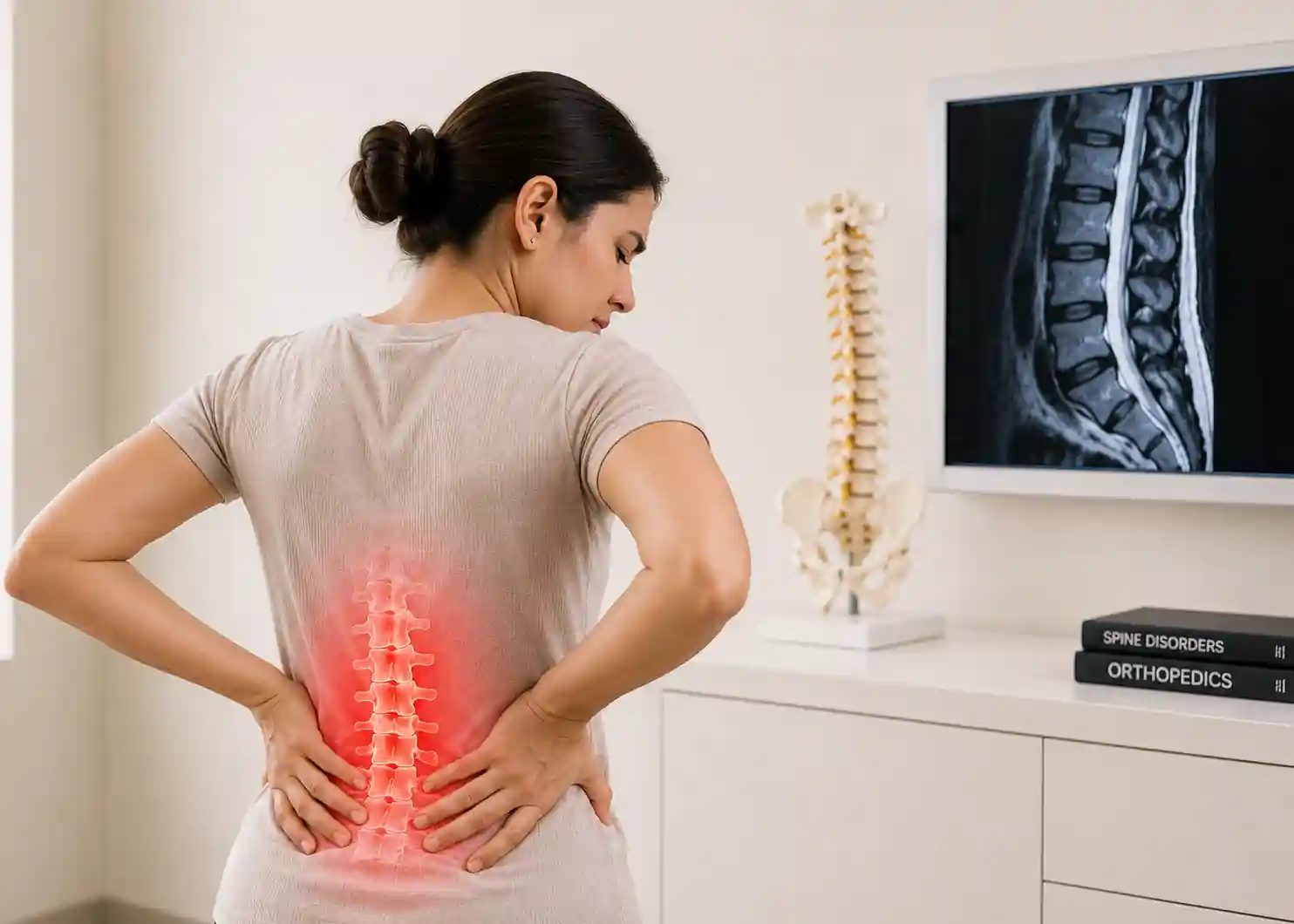
The spine supports movement and protects important neurological structures. Conditions involving spinal joints, discs, nerve roots, or surrounding tissues may produce local pain or symptoms extending into the arms and legs.

Conditions may include:

  • Cervical spondylosis
  • Lumbar spondylosis
  • Herniated or prolapsed discs
  • Disc-related pain
  • Selected cases of spinal stenosis
  • Cervical radiculopathy
  • Lumbar radiculopathy
  • Nerve root irritation
  • Selected peripheral nerve entrapments
  • Pain radiating into the limbs

Numbness, tingling, weakness, and changes in coordination may indicate neurological involvement and require appropriate evaluation.

Sports and Overuse Injuries

Sports and physical activities place varying demands on muscles, tendons, ligaments, and joints. Injuries may occur suddenly or develop gradually through repeated loading.

Common problems include:

  • Muscle strains
  • Tendon injuries
  • Ligament sprains
  • Shoulder overuse injuries
  • Runner's knee
  • Patellofemoral pain
  • Ankle sprains
  • Repetitive strain injuries
  • Sports-related back pain
  • Selected ACL-related rehabilitation needs

Treatment aims to support safe recovery, restore strength and movement, and guide an appropriate return to activity.

Occupational and Postural Disorders

Certain work environments involve prolonged sitting, repetitive movements, lifting, or sustained physical effort. These demands may contribute to musculoskeletal discomfort, particularly when combined with inadequate recovery or reduced physical conditioning.

Examples include:

  • Work-related neck pain
  • Occupational back pain
  • Shoulder overuse
  • Repetitive strain disorders
  • Muscular fatigue
  • Postural discomfort
  • Ergonomic-related functional problems

Assessment may include reviewing workstation setup, work demands, activity patterns, movement tolerance, and opportunities for practical modifications.

Osteoporosis and Bone-Related Conditions

Reduced bone strength can increase the risk of fractures, particularly in older adults and people with relevant medical risk factors.

Conditions requiring assessment may include:

  • Osteoporosis-related pain
  • Suspected vertebral compression fractures
  • Bone-related functional limitations
  • Selected post-fracture rehabilitation needs

Sudden back pain following minor trauma in someone at increased fracture risk warrants prompt medical assessment.

Occupational and Postural Disorders

Certain work environments involve prolonged sitting, repetitive movements, lifting, or sustained physical effort. These demands may contribute to musculoskeletal discomfort, particularly when combined with inadequate recovery or reduced physical conditioning.

Relevant clinical concerns may include:

  • Functional limitations after neurological injury
  • Selected neuro-rehabilitation needs
  • Weakness following prolonged illness
  • Mobility difficulties
  • Post-injury movement limitations
  • Recovery following orthopaedic procedures
  • Ergonomic-related functional problems

The appropriate plan depends on the diagnosis, neurological status, functional needs, and rehabilitation potential.

Why Accurate Diagnosis Matters

Symptoms that are similar can actually be caused by completely different disorders. Knee pain might have different causes, including osteoarthritis, tendinopathy, ligament tear, and referred pain. The cause of shoulder pain could include the shoulder joint, rotator cuff, surrounding muscles, and cervical spine.

The application of the same approach to all patients may ignore some important individual peculiarities.

Comprehensive assessment could involve a thorough patient history, physical and neurological examinations, movement analysis, relevant images, and necessary additional investigations.

The goal is to combine the results of the assessment with the patient’s complaints and functional limitations.

After the probable cause of the pain has been established, the treatment can be developed taking into consideration the nature of the disorder, its seriousness, and individual characteristics of the patient.

Understand the Signals

Symptoms That May Need a Pain & Musculoskeletal Evaluation

Musculoskeletal conditions do not always present the same way. Some cause local pain and stiffness, others produce radiating discomfort, weakness, swelling, or trouble with everyday activities.

Pain & Stiffness

Persistent back or neck pain, shoulder discomfort, and reduced range of motion are common in degenerative, muscular, joint, and tendon conditions.

Back or neck painKnee pain walkingStiffness after restMuscle spasmsPain when liftingDifficulty bendingPain after sitting

Joint, Tendon & Soft Tissue

The pattern of symptoms and the circumstances in which they occur help guide further assessment.

Joint swellingTendon tendernessOverhead painStair-climbing painWeak gripPain running or jumpingDifficulty bearing weight

Nerve-Related Symptoms

Nerve irritation or compression can produce symptoms beyond the affected area. Progressive weakness or new neurological symptoms need prompt assessment, not home exercises alone.

Radiating arm or leg painTinglingNumbnessBurningElectric-shock painLimb weaknessPoor coordination

Functional Difficulties

Pain affects far more than the painful body part. The goal of treatment is to help people do meaningful activities comfortably and safely.

Poor sleepReduced work abilityShort walking distanceFear of movementFatigueLost independenceLower confidence

Seek Urgent Medical Assessment If You Notice

  • Sudden or progressive weakness in an arm or leg
  • Loss of bladder or bowel control
  • Numbness around the groin or saddle region
  • Significant trauma or suspected fracture
  • A hot, swollen joint with fever
  • Fever with severe spinal pain
  • Rapidly worsening neurological symptoms
  • Severe back pain with new neurological changes

Persistent unexplained pain, a history of cancer with new spinal pain, or unexplained weight loss alongside ongoing symptoms also warrants prompt evaluation.

Root-Cause Evaluation

How Dr. Aayushi Choudhary Assesses Pain

Each patient has a unique presentation, medical background, functional capacity, and goals. The aim is to find the probable cause, identify contributing factors, and decide whether further investigation is needed. Imaging is always interpreted in the context of history and examination.

01

Detailed Clinical History

Onset, location, aggravating factors, previous injuries and treatments, medication, work, activity, sleep, and your own goals.

02

Comprehensive Physical Examination

Range of motion, strength, endurance, tenderness, joint stability, movement quality, and relevant special tests.

03

Neurological Assessment

Muscle power, sensation, reflexes, coordination, grip, walking, and balance when nerve involvement is suspected.

04

Movement, Biomechanics & Ergonomics

Sitting tolerance, walking, lifting patterns, workstation setup, and sports movements to reduce unnecessary strain.

05

Imaging & Investigations

X-ray, MRI, CT, ultrasound, bone density, or lab tests, chosen only by clinical findings. Not every patient needs imaging.

06

Musculoskeletal Ultrasound

Real-time imaging of tendons, ligaments, muscles, bursae, and peripheral nerves, guided by dedicated international training.

07

Functional Assessment

Walking, stairs, work, lifting, household tasks, exercise, and sleep set meaningful measures of progress.

Precision Before Procedures

We assess the person, understand the condition, and then plan the treatment. The objective is a clinically relevant path, not jumping into a procedure.

From Diagnosis to Recovery

A Personalised Treatment Pathway

There is no single treatment for every painful condition. Not every patient needs every stage, and the plan adjusts as symptoms and function change.

Understand Your Condition

The likely source, role of muscles, joints or nerves, what investigations mean, treatment options, and warning signs.

Conservative Management

Medication when appropriate, activity modification, lifestyle and sleep support, and ergonomic optimisation.

Image-Guided Precision Interventions

Considered for selected patients when conservative care has not been enough.

Selected Regenerative Options

Only after diagnosis, with honest discussion of evidence, costs, and risks.

Comprehensive Functional Rehabilitation

Mobility, strength, endurance, balance, and confidence rebuilt step by step.

Follow-Up & Reassessment

The plan is adjusted as symptoms and abilities change.

Image-Guided Pain Procedures

See the Target. Treat With Precision.

When pain persists despite appropriate conservative treatment, ultrasound or fluoroscopy guidance may offer another option. Image guidance improves accuracy but carries risks and no guarantee of success, so patient selection and diagnosis are key.

Procedure 01

Ultrasound-Guided MSK Procedures

Real-time guidance for tendons, bursae, muscles, trigger points, peripheral nerves, and joints.

Procedure 02

Fluoroscopy-Guided Spinal Procedures

Live X-ray (C-arm) for epidural, selective nerve root, facet joint, and medial branch procedures.

Procedure 03

Diagnostic Nerve Blocks

Local anaesthetic near a selected nerve to see whether your familiar symptoms change.

Procedure 04

Therapeutic Nerve Blocks

Medication near a nerve to reduce symptoms. Relief varies and may be temporary.

Procedure 05

Facet Joint Interventions

Targeted blocks when facet joints may drive spinal pain. Scan changes alone do not prove the cause.

Procedure 06

Epidural & Nerve Root Procedures

For carefully selected cases of radiating arm or leg pain from irritated nerve roots.

Procedure 07

Radiofrequency Ablation

Controlled thermal energy to affect selected pain-carrying nerves, after assessment and diagnostic blocks.

A procedure may reduce pain without restoring strength, mobility, or confidence. Rehabilitation often remains important afterwards. The aim is not more procedures, but the right intervention for the right patient.
Regenerative Treatment Options

Considered Only After Proper Diagnosis

Regenerative therapies differ widely in how they act and in the strength of their evidence. They should never be presented as guaranteed cures.

01

Platelet-Rich Plasma (PRP)

Made from your own blood to concentrate platelets. Studied for selected tendon, ligament, and joint conditions, with varying results. Not a guaranteed cartilage fix.

02

Growth Factor Concentrates

Blood-derived preparations considered for selected conditions. Role depends on the preparation, condition, and available evidence.

03

Other Regenerative Approaches

Evidence, regulation, and safety vary. Stem cell therapies are not established for every degenerative condition.

Regenerative medicine is only one part of the landscape. Rehabilitation, load management, medication, or an image-guided intervention may suit you better. Evidence, suitability, and informed choice should guide every decision.
Beyond Pain Relief

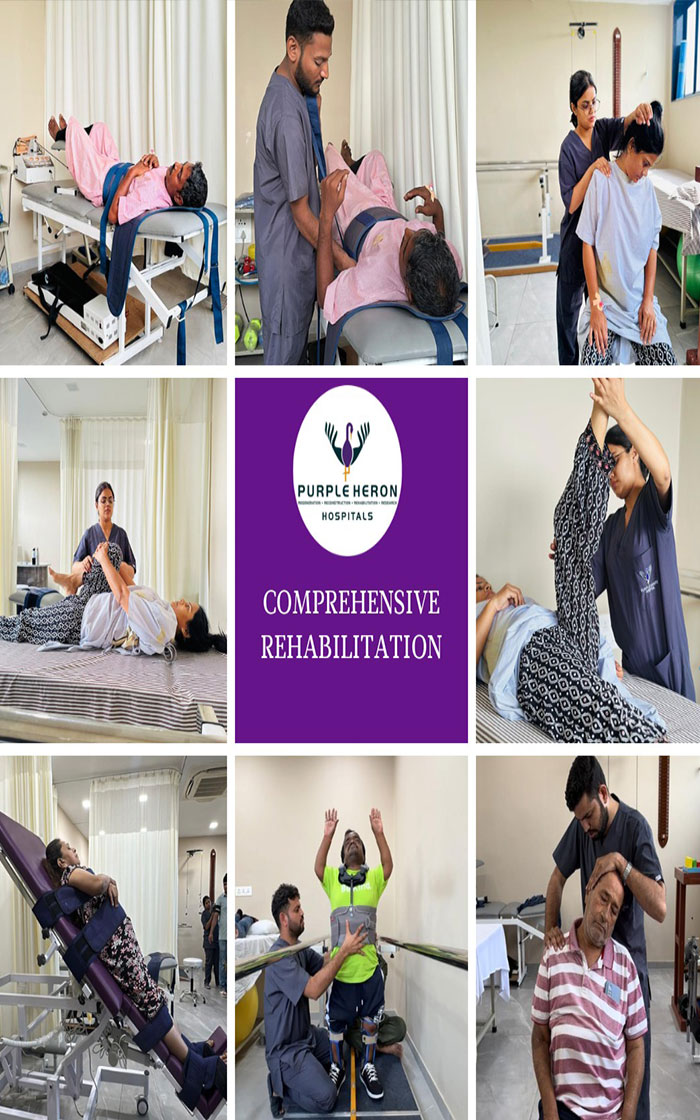
Comprehensive 360° Functional Rehabilitation

Physician-led planning. Individualised progression. Continuous reassessment. Rehabilitation is a medical process, not just a list of exercises, and is measured by meaningful gains in movement and function, not only pain scores.

Pain Education

Mobility Restoration

Strength Development

Muscular Endurance

Movement Coordination

Balance & Stability

Functional Training

Occupational Adaptation

Sports-Specific Preparation

Recovery Planning

Confidence in Movement

Reassessment & Progression

Advanced care · Evidence first

Regenerative Treatment Options for Selected Musculoskeletal Conditions

Explore biological treatments for selected tendon, joint and soft-tissue problems after appropriate clinical diagnosis. Suitability and results vary.

✦ Image-guided options● Individualised planning✓ Evidence-led decisions
Our approach

Evidence first.
Individual needs always.

Assessment · Options · Rehabilitation

01

Platelet-Rich Plasma (PRP)

Prepared from a sample of the patient's own blood to concentrate platelets. PRP has been investigated for selected tendon, ligament and joint conditions, but outcomes vary with the diagnosis, preparation and technique.

Important: PRP does not guarantee cartilage regeneration or pain relief.

02

Growth Factor Concentrates

Certain blood-derived preparations concentrate biological components and may be considered in selected situations. Their role depends on the preparation used, the condition and the quality of supporting evidence.

Potential benefits, uncertainties, alternatives and risks should be discussed.

03

Other Regenerative Approaches

Biological treatments differ greatly in clinical evidence, regulatory status, availability and safety. Stem cell-based interventions should not be presented as established treatments for all degenerative conditions.

Ask about the specific intervention, its evidence and suitability.

Choosing the right treatment: Rehabilitation, load management, medication or appropriate image-guided procedures may be more suitable depending on diagnosis. Evidence, suitability and informed choice should guide decisions.
The doctor behind the treatment

Why Choose Dr. Aayushi Choudhary?

Pain and musculoskeletal care in Jaipur with rehabilitation expertise, interventional pain training and patient-specific treatment plans.


MD (PMR) · Gold Medalist

Fellowship in Interventional Pain Management

MSK USG training · Lisbon, Portugal

President’s Award 2022 · ESPRM

Book a Consultation ↗
01 / EXPERTISE

Gold Medalist in PMR

Postgraduate expertise in movement, physical impairment, musculoskeletal conditions and rehabilitation.

02 / EXPERTISE

Interventional Pain Fellowship

Additional training for targeted pain interventions in appropriately selected patients.

03 / EXPERTISE

International MSK Ultrasound Training

Training in Lisbon supports selected assessments and image-guided procedures.

04 / EXPERTISE

President's Award 2022

Professional recognition from the European Society of Physical & Rehabilitation Medicine.

05 / EXPERTISE

Focus on Root Causes

History, examination and relevant investigations guide clinical assessment.

06 / EXPERTISE

Personalised Treatment

Options are tailored to diagnosis and can include conservative care, procedures and rehabilitation.

07 / EXPERTISE

Function-Focused Care

Attention to mobility, strength, work, sport and meaningful daily activity.

08 / EXPERTISE

Responsible Intervention

Benefits, risks, alternatives and limitations considered before a procedure.

09 / EXPERTISE

Long-Term Recovery Support

Individualised rehabilitation and reassessment to support activity tolerance.

10 / EXPERTISE

Hospital-Based Care in Jaipur

Assessment and coordinated musculoskeletal care at Purple Heron Hospital.

Whole-person pain management

Chronic Pain, Central Sensitisation & Emotional Well-Being

Pain persisting or recurring for more than three months can affect activity, sleep, work, relationships and confidence—not only the original painful area.

UNDERSTANDING PAIN

Chronic pain can involve the nervous system, not only injured tissue.

In some people, central sensitisation increases nervous-system sensitivity. Pain may spread or become amplified, even by light stimulation. This does not mean the pain is imagined.

Physical Effects

Reduced activity, weakness, poor conditioning, joint stiffness, fatigue and interrupted sleep may affect daily activities.

Emotional Effects

Frustration, stress, worry and reduced confidence can accompany ongoing pain and deserve appropriate attention.

01

Comprehensive Assessment

Explore diagnosis, pain mechanisms, lifestyle, sleep, previous care and functional limitations.

02

Whole-Person Treatment

Appropriate medical management, pain education, physical rehabilitation, gradual activity and psychological support when needed.

03

Meaningful Recovery Goals

Improved sleep, longer walks, a return to work and confidence in movement can matter as much as reduced pain.

Recovery is about more than pain scores: better sleep, walking tolerance, daily activity and confidence in movement can all be meaningful goals.

Better decisions · Better recovery

Aftercare & Long-Term Musculoskeletal Health

Follow-up, rehabilitation and activity progression should reflect each patient's diagnosis, treatment and recovery needs.

01

Follow Your Treatment Plan

Understand medication, any activity restrictions, wound care where relevant and your clinician's follow-up instructions.

02

Return to Activity Gradually

Increase activity based on healing, symptoms and clinical guidance, rather than rushing back to strenuous tasks.

03

Continue Rehabilitation

Build mobility, strength, coordination and tolerance with an individually progressed rehabilitation programme.

04

Monitor New Symptoms

Report significant worsening or unexpected changes. New neurological symptoms or fever after a procedure may require prompt assessment.

05

Support Daily Health

Movement, strength training, ergonomics, sleep and appropriate recovery strategies can support long-term health.

06

Attend Recommended Follow-Ups

Review progress, treatment response and whether reassessment or a different management plan is needed.

Got Questions?

Frequenty Asked Questions

A pain and musculoskeletal specialist treats conditions affecting muscles, joints, bones, tendons, ligaments, nerves, and soft tissues, including back pain, arthritis, sports injuries, and persistent pain. Treatment may include medication, rehabilitation, conservative care, or selected image-guided procedures.

Seek an assessment if pain persists, returns frequently, disrupts sleep, or limits daily activities. Sudden weakness, major trauma, or loss of bladder or bowel control requires urgent medical attention.

Many conditions improve with appropriate non-surgical care, including rehabilitation, activity modification, and medication when indicated. Some cases require surgery or specialist referral, depending on clinical findings.

Musculoskeletal ultrasound provides real-time images of selected muscles, tendons, ligaments, and nerves. It can help assess soft tissue problems and guide certain procedures but does not replace other imaging when needed.

No. Suitability depends on the diagnosis, symptoms, and treatment history. Your clinician should explain potential benefits, risks, limitations, and alternatives.

Acute pain typically follows a recent injury or illness. Chronic pain persists or recurs for longer than three months and may affect physical function and well-being.

Yes. Individualised rehabilitation may improve strength, mobility, endurance, and confidence in movement.

Bring medical records, imaging reports, test results, medication details, and previous treatment information.

No. Imaging depends on symptoms, examination findings, and clinical necessity.

Call +91 90907 57585 or visit the official contact page to request an appointment.

Got Questions?

Summary of The Page - RAG-Ready Highlights

Dr. Aayushi Choudhary at Purple Heron Hospital, Jaipur, provides specialised assessment and treatment for pain and musculoskeletal conditions affecting muscles, joints, bones, tendons, ligaments, nerves, and soft tissues. Her expertise includes Physical Medicine and Rehabilitation, interventional pain management, musculoskeletal ultrasound, and functional rehabilitation. Care focuses on identifying underlying causes, reducing discomfort, restoring mobility, and improving quality of life through personalised, evidence-based treatment plans. Patients with back pain, neck pain, arthritis, shoulder problems, knee conditions, sports injuries, and persistent musculoskeletal symptoms can receive appropriate clinical evaluation and guidance.

Accurate diagnosis is central to effective pain management. Dr. Aayushi Choudhary evaluates symptoms, medical history, physical function, neurological signs, movement patterns, and relevant investigations to identify potential pain sources. Assessment may include physical examination, ergonomic analysis, X-rays, MRI, musculoskeletal ultrasound, and other investigations when clinically indicated. The approach recognises that similar symptoms can arise from different conditions and that imaging findings must be interpreted alongside clinical evidence. This comprehensive evaluation supports informed treatment decisions, appropriate referrals, and individualised care based on each patient's diagnosis, functional limitations, medical needs, and recovery goals.

Treatment options may include conservative medical management, activity modification, medication when appropriate, rehabilitation, and selected minimally invasive procedures. Ultrasound-guided and fluoroscopy-guided interventions may help clinicians target specific anatomical structures in suitable patients. Options can include diagnostic nerve blocks, therapeutic injections, facet joint interventions, epidural procedures, selective nerve root blocks, and radiofrequency ablation. Regenerative approaches, including platelet-rich plasma and growth factor concentrates, may be considered for selected conditions, depending on evidence and suitability. Every intervention requires careful assessment of potential benefits, risks, limitations, and alternatives. Procedures are not necessary for every patient, and outcomes cannot be guaranteed.

Comprehensive rehabilitation aims to improve strength, flexibility, endurance, balance, coordination, mobility, and confidence in movement. Individualised programmes may support recovery after injury, improve daily activities, and guide a gradual return to work, exercise, or sport. Chronic pain management also considers sleep, stress, emotional well-being, physical conditioning, and nervous system sensitivity. Education, progressive activity, appropriate medical care, and regular reassessment help address the broader effects of persistent pain and support realistic recovery goals.

Dr. Aayushi Choudhary is an MBBS and MD (Physical Medicine and Rehabilitation) Gold Medalist, holds a Fellowship in Interventional Pain Management, and has musculoskeletal ultrasound training from Lisbon, Portugal. She received the ESPRM President's Award in 2022. Consultations are available at Purple Heron Hospital, 26, S.B. Vihar, Swej Farm, Civil Line Zone, Jaipur – 302019. Call +91 90907 57585 or visit the official contact page to request an appointment.

Purple Heron Hospital
Typically replies instantly
×

Hi there 👋

Ready to book an appointment, inquire about our health packages, or request a callback?
📅 💼 📞

Click here to take the next step and get the care you deserve!

Start Chat