Restore Movement. Relieve Pain. Reclaim Your Quality of Life

Professional Sports Injury Specialist Doctor in Jaipur Dr. Aayushi Choudhary

  • Comprehensive Sports Injury Assessment
  • Precision Diagnosis and Image-Guided Care
  • Advanced Non-Surgical Sports Injury Management
  • Athlete-Centred Rehabilitation
  • Safe Return to Sport and Injury Prevention
An injury should not define your sporting journey.

Sports are activities that depend on movement, strength, speed, coordination, and determination. No matter if you are a professional player, a footballer practicing each evening, a marathon runner, or you enjoy workouts in the gym on a regular basis, your body adapts to physical stress all the time. Muscles give strength, tendons transmit force, ligaments fixate joints, and bones are loaded again and again. It is easy to move when all of these structures function as one. It becomes hard even to perform a simple movement when an injury happens.

Make an Appointment
Back Pain Specialist Doctor in Jaipur
Dr. Aayushi Choudhary, Pain and Musculoskeletal Medicine Specialist in Jaipur

Dr. Aayushi Choudhary

  • MBBS
  • MD (Physical Medicine & Rehabilitation) – Gold Medalist
  • Fellowship in Interventional Pain Management (FIPM)
  • Musculoskeletal Ultrasound (MSK USG – USPRM), Lisbon, Portugal
  • President's Award 2022 European Society of Physical & Rehabilitation Medicine

Sports Injury Treatment in Jaipur

Injuries can occur when turning suddenly, landing badly, having an impact, lifting too much, and even during regular training sessions. Some injuries result from an immediate onset of pain or inflammation. Other injuries arise due to gradual wear from continuous activities that put too much strain on muscles, tendons, bones, and joints.

The repercussions go beyond the injured limb. Knee injuries impact one’s ability to run or jump. Shoulder injuries mean that one cannot lift or throw things. An Achilles tendon injury leads to pain when running and walking and even when making efforts to push off from the floor. A mild ankle sprain can affect one's balance and coordination for quite a while after the inflammation disappears.

It is because of this that sports injuries need more than just temporary relief from pain. The type of injury, the body part affected by the injury, the fitness level of the athlete, the type of sport played, and the phase of recovery all play a role in the kind of treatment that needs to be offered.

At Purple Heron Hospital, Dr. Aayushi Choudhary provides patient-focused care for sports injuries. Being a Gold Medalist in MD Physical Medicine & Rehabilitation, she offers special knowledge about musculoskeletal functions and pain management.

What we want to accomplish is to get a sense of what happened, determine what was damaged, take care of the pain management issue, regain strength and function, and move toward each individual’s functional goal. The management could range from conservative management, physiotherapy, modification of activities, image-guided intervention, or surgical evaluation.

Whether you are dealing with a ligament injury, muscle strain, tendon problem, stress fracture, cartilage damage, or recurring discomfort associated with training, an early assessment can help establish the next steps. A sports injury specialist doctor in Jaipur should consider not only the immediate symptoms but also the physical demands you expect your body to meet after recovery.

Recovery is not simply about making the pain disappear. It is about rebuilding the strength, control, and confidence required to move again.

The goal at Purple Heron Hospital is to enable a safe return to appropriate levels of exercise for the patients, minimizing avoidable setbacks and safeguarding long-term musculoskeletal well-being. The decision regarding when an athlete will resume playing the sport will be dependent on their injury, rate of healing, functional assessment, and medical advice.

Should you experience any pain, swelling, joint instability, weakness, or impaired mobility that interferes with your training or daily activities, it would be advisable to seek professional advice regarding whether rehabilitation, further tests, or specialist treatment may be required.
Root-Cause Assessment

WWhy Sports Injuries Need More Than Rest and Pain Relief in Current Modern Day-to-Day Life

Sports injuries occur to people regardless of their age, level of fitness, or sporting experience. Sports injuries happen to people from professional athletes to students, runners, gym-goers, dancers, and even recreational cyclists. This usually happens when physical tissues are subjected to stress that exceeds their capacity to adapt or cope.

01

Training Load Might Exceed Physiological Adaptation Capacity

It takes time for muscles, tendons, ligaments and bones to adapt to the training load. A rapid increase in its intensity, volume, or frequency could compromise this adaptation. Rapid increase in mileage, weightlifting or a return to the game after a long layoff may cause higher injury risks.

02

Modern Training Methods Might Make Things Even More Difficult

Insufficient sleep, stressful lifestyle, lack of recovery, repetitive training, inappropriate footwear, as well as playing surface changes might influence an athlete's physiological abilities. None of them would guarantee an injury, but they all might pose additional injury risk together with demanding activity.

03

Pre-existing injury might affect the biomechanics of the body

Foot sprain, knee injury, or muscle strain might influence an athlete's movement pattern in an unconscious way. If the recovery was not complete due to poor strength, balance, flexibility or coordination, return to training might put excessive stress on other parts.

04

It Is Not Always a Question of Poor Technique

Technique matters, but injury rarely has a single cause. Training load, fatigue, conditioning, anatomy, recovery habits, previous injuries, and sport-specific demands all influence risk.

05

Repeated Pain Is a Signal Worth Investigating

Recurring pain during running, jumping, throwing, lifting, or turning deserves attention. Training through persistent symptoms may aggravate certain injuries or delay recovery. The appropriate response depends on the pain's location, severity, and cause.

06

Recovery Requires a Structured Plan

Rest can help early in some injuries, but prolonged inactivity is not always beneficial. Recovery may involve gradual strengthening, protected movement, imaging, or specialist care. A sports injury specialist doctor in Jaipur can assess the injury and recommend an approach suited to the patient's condition and sporting goals.

07

The goal is not to stop movement indefinitely. It is to restore the ability to move safely.

1000+ Patients guided away from unnecessary surgery, as highlighted in the doctor's profile.

08

Personalised care, evidence-based treatment

Every injury deserves an individual plan based on the diagnosis, tissue involved, functional limitations, and recovery goals—not a standard exercise routine applied to everyone.

Dr. Aayushi Choudhary consulting a patient at Purple Heron Hospital, Jaipur
1000+ Patients
treated

Purple Heron Hospital

Personalized care, evidence-based treatment

Every condition gets a plan built around you not a one-size-fits-all protocol.

Understand the signals

Conditions That Commonly Affect Athletes and Active Individuals

Sports injuries can occur in ligaments, tendons, cartilage, muscle, and bones, interfering with the normal functioning of the body and even affecting athletic performance and other movements. They have different functions; some stabilize joints, while others absorb shock. Symptoms that seem to be similar can be due to different issues. Knee pain, for example, can be caused by a torn ligament, damaged meniscus, tendonitis, or stress in the bones.

Ligament Injuries

Ligaments connect bones and help stabilise joints. Sudden twisting, awkward landings, collisions, and rapid changes of direction can stretch or tear these structures. Knee and ankle ligament injuries are particularly relevant to sports involving jumping, pivoting, sprinting, and contact.

Common ligament injuries include:

  • Anterior cruciate ligament
  • Medial collateral ligament
  • Lateral collateral ligament
  • Posterior cruciate ligament
  • Ankle ligament sprains
  • Shoulder ligament injuries
  • Recurrent joint instability following previous injury

Symptoms may include swelling, pain, difficulty bearing weight, a feeling that the joint is giving way, and reduced confidence during movement. The appropriate treatment depends on the severity of the injury, joint stability, associated damage, and the patient's sporting goals.

Meniscus and Cartilage Injuries

The menisci help distribute loads within the knee, while articular cartilage supports smooth movement between joint surfaces. Twisting under load, direct trauma, or degenerative changes may affect these structures.

Common conditions include:

  • Meniscus tears
  • Articular cartilage injuries
  • Osteochondral lesions
  • Cartilage defects
  • Joint irritation following impact
  • Persistent swelling after knee trauma

Patients may experience knee pain, stiffness, swelling, catching sensations, or difficulty squatting and turning. Some symptoms require further investigation to determine whether the problem involves cartilage, a meniscus, a ligament, or another structure.

Muscle Strains and Tears

Muscle injuries may occur when a muscle is stretched beyond its tolerance or forced to contract intensely under load. Sprinting, acceleration, jumping, kicking, and sudden changes of direction can place substantial demands on muscle tissue.

Examples include:

  • Hamstring strains
  • Quadriceps strains
  • Calf muscle injuries
  • Groin and adductor strains
  • Hip flexor injuries
  • Muscle tears
  • Recurrent muscle strains during training

Pain may begin suddenly and be accompanied by tenderness, swelling, bruising, weakness, or difficulty producing force. Rehabilitation must account for the severity of the injury and the demands of the activity to which the patient intends to return.

Tendon Injuries

Tendons transmit force from muscles to bones. Repetitive loading, abrupt changes in training, and insufficient recovery may contribute to tendon pain and reduced function.

Conditions may include:

  • Achilles tendinopathy
  • Patellar tendinopathy
  • Rotator cuff tendinopathy
  • Tennis elbow
  • Golfer's elbow
  • Shoulder tendon injuries
  • Tendon tears and partial ruptures

Pain in tendons can occur gradually and become worse during certain activities. Pain at the onset of exercise or after exercise could also be experienced by some patients. Sudden pop, weakness, or being unable to move the injured limb are signs of more severe injuries.

Shoulder and Upper-Limb Injuries

Throwing, swimming, racket sports, gymnastics, weightlifting, and contact sports can place substantial demands on the shoulder, elbow, wrist, and hand. Repeated overhead activity may contribute to tendon problems, while falls or collisions can cause acute injuries.

Common problems include:

  • Rotator cuff injuries
  • Shoulder instability
  • Shoulder sprains
  • Tennis elbow
  • Golfer's elbow
  • Wrist ligament injuries
  • Repetitive strain conditions
  • Selected peripheral nerve entrapments

Symptoms may include pain while lifting the arm, reduced throwing power, restricted movement, grip weakness, or discomfort during weight-bearing through the upper limb. Assessment considers both the affected joint and the movement patterns required by the sport.

Ankle and Foot Injuries

The ankle and foot absorb impact, maintain balance, and provide the foundation for running, jumping, landing, and changing direction. Injuries can interfere with both sporting performance and ordinary walking.

Examples include:

  • Ankle sprains
  • Recurrent ankle instability
  • Achilles tendon injuries
  • Plantar heel pain
  • Stress injuries of the foot
  • Midfoot sprains
  • Tendon irritation around the ankle

Persistent swelling, difficulty bearing weight, instability, or pain that worsens with repeated impact should be evaluated. A careful assessment can help distinguish soft-tissue injuries from fractures or other conditions requiring a different management approach.

Bone Stress Injuries and Sports-Related Fractures

Bones respond to repeated loading, but they require sufficient recovery to maintain healthy structure. When repetitive forces exceed the bone's capacity to adapt, a stress injury may develop. Acute trauma can also cause a fracture during sport.

Conditions requiring assessment may include:

  • Stress reactions
  • Stress fractures
  • Tibial stress injuries
  • Foot stress fractures
  • Wrist fractures following falls
  • Sports-related traumatic fractures

Pain may initially occur only during exercise and later become more persistent. Suspected bone stress injuries require appropriate assessment because continuing high-impact activity may worsen the damage.

Overuse and Training-Related Conditions

Not all sports injuries result from a single incident. Repetitive movements and sudden increases in activity may produce symptoms over days or weeks.

Relevant clinical concerns may include:

  • Shin splints
  • Patellofemoral pain
  • Repetitive strain injuries
  • Overuse-related shoulder pain
  • Tendon overload
  • Running-related knee pain
  • Training-related muscle discomfort

Management often involves reviewing training volume, intensity, recovery, strength, movement mechanics, and the athlete's progression back to full activity.

Sports Injuries in Young Athletes

Children and adolescents have developing bones and growth plates that may respond differently to sporting forces than adult tissues. Rapid growth, intense training, and early specialisation can affect injury patterns.

Young athletes require age-appropriate assessment and rehabilitation. Return-to-sport decisions should account for growth, symptoms, physical development, and the demands of the activity.

Potential concerns include:
  • Growth plate injuries
  • Traction-related pain around tendon attachments
  • Recurrent knee pain during running and jumping
  • Ankle injuries
  • Overuse-related bone stress
  • Shoulder and elbow overuse in throwing sports
Root-cause evaluation

Why an Accurate Diagnosis Matters

Sports injuries can look similar but require very different care. Knee pain and swelling, for example, may result from ligament damage, a meniscus tear, tendon irritation or a fracture.

Dr. Aayushi Choudhary, a sports injury specialist doctor in Jaipur, assesses how an injury occurred, your medical history, movement limitations and clinical findings before recommending treatment. Imaging or surgical referral may be needed when appropriate.

The right diagnosis guides the right recovery.
Athlete during sports conditioning and movement assessment
Beyond the symptomsInjury mechanism • Clinical assessment • Functional goals
Understand the signals

Symptoms of a Sports Injury

Some injuries cause immediate pain or swelling. Others become noticeable only during specific movements or after demanding training. The timing, triggers and effects on everyday function help inform a proper assessment.

Your symptoms provide clues — not a diagnosis on their own.

Pain, Swelling & Restricted Movement

Pain during activity, swollen joints and reduced mobility may occur after muscle, ligament, tendon or bone injuries.

Sudden painJoint swellingStiffnessReduced motion
  • Sudden pain during running, jumping, lifting or landing
  • Swelling around an injured joint
  • Tenderness over muscles, tendons, ligaments or bone
  • Bruising after impact or a muscle tear
  • Stiffness after exercise or rest
  • Difficulty bending or straightening a joint
  • Pain while walking or bearing weight
  • Reduced range of motion
  • Muscle tightness or spasms
  • Discomfort when returning to training
  • Pain that increases with repeated movement
  • Difficulty completing workouts
  • Reduced strength during specific activities
  • Tightness around an injured area

Instability, Weakness & Performance

An injured joint may feel unreliable even with mild pain, affecting balance, power, coordination or confidence.

Knee giving wayPoor balanceReduced strengthLoss of speed
  • Knee giving way during turning
  • Ankle instability on uneven ground
  • Reduced jumping height or sprint speed
  • Difficulty accelerating or decelerating
  • Reduced throwing power or lifting strength
  • Difficulty balancing on one leg
  • Reduced grip strength
  • Poor control during landing
  • Hesitation during cutting or pivoting
  • Decline in sporting performance after injury

Tendon & Overuse Symptoms

Overuse problems can develop gradually after repeated activity or rapid changes in training load.

Achilles painKneecap tendernessShin painRecurring discomfort
  • Achilles tendon pain during running
  • Tenderness below the kneecap
  • Elbow pain when gripping or lifting
  • Shoulder pain during overhead exercise
  • Heel pain during first steps after rest
  • Shin pain during running
  • Discomfort after increasing training intensity
  • Stiffness at the beginning of exercise
  • Pain recurring after workouts
  • Reduced tolerance for repetition

Everyday Functional Difficulties

Sports injuries can interfere with stairs, walking, work, sleep and a confident return to exercise.

Stair difficultyDisrupted sleepGym limitationsFear of re-injury
  • Difficulty climbing stairs or rising from a chair
  • Pain during longer walks
  • Difficulty carrying shopping bags
  • Problems sleeping comfortably
  • Reduced ability to complete household tasks
  • Difficulty returning to gym sessions
  • Less participation in recreational activity
  • Fear of repeating an injury
  • Reduced movement confidence
  • Frustration from interrupted training
Individualised care

Same Symptoms.
Different Injuries.
Different Treatment Plans.

Two athletes with similar knee pain may need very different care if one has a muscle injury while the other has a ligament or bone injury. Clinical evaluation identifies the probable source and guides appropriate next steps.

01 Injury history
02 Movement examination
03 Imaging, if needed
04 Recovery planning
Healthcare professional in clinical consultation
Know when to seek help

Warning Signs You Shouldn't Ignore

Some injuries need prompt assessment, while potentially serious trauma requires immediate emergency care.

Prompt Specialist Assessment

Arrange timely evaluation for these symptoms:

  • Joint deformity after injury
  • A sudden pop with severe pain or instability
  • Rapid or substantial joint swelling
  • Inability to bear weight
  • Marked weakness or loss of movement
  • Suspected tendon rupture
  • Persistent, focal bone pain with impact activity
  • New numbness or progressive weakness
  • Severe pain despite appropriate initial care

Emergency Warning Signs

Seek urgent emergency medical attention for:

  • An open fracture or serious open wound
  • A cold, pale or discoloured limb after trauma
  • Loss of sensation or circulation in a limb
  • Severe head injury, confusion or loss of consciousness
  • Neck or back trauma with weakness or numbness
  • Severe chest pain or breathing difficulty after injury
  • Significant deformity or rapidly worsening symptoms
Every symptom deserves the right evaluation

Understand the Injury. Plan the Recovery.

At Purple Heron Hospital, the aim is to understand how your injury happened, identify affected structures and function, and recommend the next appropriate step in care.

Make an Appointment Dr. Aayushi Choudhary · Sports Injury & Musculoskeletal Care · Jaipur
How We Diagnose Sports Injuries

A Sports Injury Is Often More Complex Than It First Appears

Pain in one joint may involve other structures. Knee problems can affect hip and ankle movement, while shoulder pain may relate to the rotator cuff, joint stability, upper-back mobility, or repeated overhead activity.

Imaging abnormalities do not always explain symptoms. Findings must be considered alongside the injury history, physical examination, and functional limitations.

Our Comprehensive Evaluation

Each assessment is tailored to the suspected injury, the athlete's age, activity level, and recovery goals. A sports injury specialist doctor in Jaipur should consider both the immediate problem and its impact on performance.

Injury timing and cause Sudden or gradual onset Pain and swelling Twists, falls, or collisions Previous injuries and treatment Training and workload changes Footwear or surface changes Return-to-sport goals

Joint, Tendon & Soft Tissue

The pattern of symptoms and the circumstances in which they occur help guide further assessment.

Joint swellingTendon tendernessOverhead painStair-climbing painWeak gripPain running or jumpingDifficulty bearing weight

Nerve-Related Symptoms

Nerve irritation or compression can produce symptoms beyond the affected area. Progressive weakness or new neurological symptoms need prompt assessment, not home exercises alone.

Radiating arm or leg painTinglingNumbnessBurningElectric-shock painLimb weaknessPoor coordination

Functional Difficulties

Pain affects far more than the painful body part. The goal of treatment is to help people do meaningful activities comfortably and safely.

Poor sleepReduced work abilityShort walking distanceFear of movementFatigueLost independenceLower confidence
How We Diagnose Sports Injuries

More Complex Than It First Appears

Pain in one joint may involve other structures — knee problems can affect hip and ankle movement; shoulder pain may relate to the rotator cuff, stability, upper-back mobility or overhead load.

Imaging abnormalities don't always explain symptoms. Findings are weighed with history, examination and function.

1000+Patients treated
PM&RGold Medalist
MSK USGLisbon trained
Athlete during movement assessment
We assess the athlete, not just the injured part.
Functional Assessment

Less Pain ≠ Ready for Sport

Walking comfortably doesn't mean you're ready to sprint or jump. We re-assess throughout recovery.

  • Walk & climb stairs
  • Strengthening exercises
  • Maintain balance
  • Control landings
  • Tolerate more load
  • Sport-specific tasks
Precision first: a sprain needs rehab, a suspected fracture or rupture needs a different pathway.
Diagnosis → Right Treatment

The Right Intervention — Not the Fastest One

1

Understand

Diagnosis & demands

2

Conservative Care

Protect & modify

3

Image-Guided

Selected conditions

4

Rehabilitation

Strength restored

5

Surgical Opinion

If clinically needed

6

Return & Prevent

Confident comeback

Personalised Conservative Management

Heal the Injury, Keep You Moving

Medical Management

Only when appropriate — never to mask pain so you can train unrestricted.

Activity Modification

Restrict risky actions; keep fitness through alternatives.

Progressive Loading

Guided by healing & response, not a calendar.

Support & Protection

Braces or taping — never a substitute for strength.

Recovery & Lifestyle

Sleep, nutrition, hydration, rest between sessions.

Advanced Image-Guided Interventions

See the Target. Treat the Right Structure.

Not needed for every athlete — and never a replacement for rehabilitation.

01

Ultrasound-Guided

Real-time view of soft tissue.

02

Fluoroscopy-Guided

X-ray guidance for deeper structures.

03

Diagnostic Injections & Blocks

Find the pain source or relieve it.

04

Joint & Soft-Tissue Injections

After thorough assessment.

05

Radiofrequency

Selected chronic pain only.

06

PRP & Orthobiologics

Evidence varies; no guaranteed results.

07

Fluid Aspiration

Significant swelling or cysts.

08

Persistent Tendon Care

After assessment & rehab.

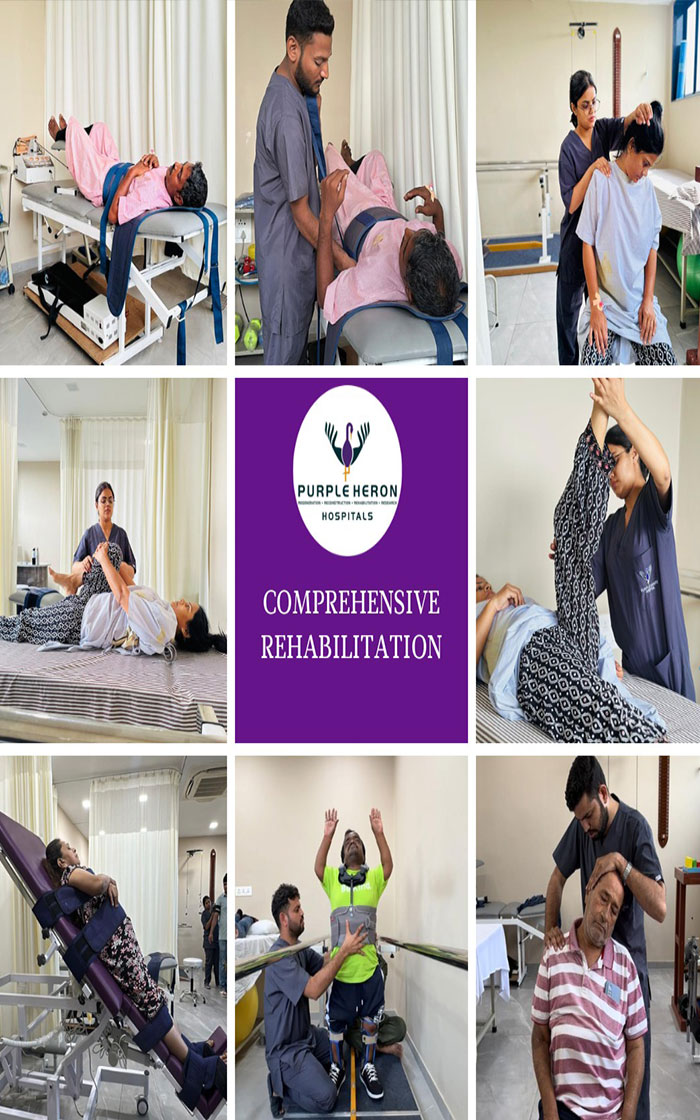
Comprehensive Rehabilitation

Beyond Pain Relief

Regain strength, mobility, balance, coordination and tolerance for your sport.

01

Mobility

Restore range where stiffness limits function.

02

Strength & Endurance

Injured area plus supporting muscles.

03

Balance & Control

For landing, turning and running.

04

Functional Movement

Stepping, squatting, hopping, throwing.

05

Sport Conditioning

Progressively demanding, sport-like tasks.

06

Monitoring

Plan adjusted if progress stalls.

Rehab isn't a race against the calendar — return is based on measurable functional progress.
When Is Surgery Necessary?

Choose the Treatment That Best Fits the Injury

  • Complete ligament tears with substantial instability
  • Meniscus injuries with persistent mechanical symptoms
  • Significant tendon ruptures
  • Displaced or unstable fractures
  • Some cartilage injuries
  • Injuries still limiting function despite proper treatment

Not every tear needs an operation — but delaying necessary treatment can be harmful.

Rehab Before & After Surgery

  • Before: mobility, conditioning, planning
  • Early: follow surgeon's precautions
  • Strength: progress with healing
  • Return: sport tasks & functional testing
When Pain Persists

Persistent Pain Shouldn't Become Your New Normal

Pain can linger from incomplete healing, ongoing loading, or a more sensitive nervous system (central sensitization). It's real — and recovery needs more than treating the original injury.

FrustrationFear of re-injuryLower confidencePoor sleepReturn anxiety

Treating the Whole Athlete

  • Review diagnosis
  • Training load & recovery
  • Strength & mobility
  • Gradual re-exposure
  • Medical management
  • Guided procedures
  • Sleep guidance
  • Confidence support
  • Specialist referral
Why Choose Dr. Aayushi Choudhary

Pain, Movement, Performance & Recovery — Understood

Gold Medalist MD (PM&R) · Interventional pain management · MSK ultrasound · ESPRM President's Award 2022

Specialist MSK Knowledge

Joint function, performance, rehab needs.

International Training

MSK ultrasound, Lisbon, Portugal.

Individualised Plans

Built around injury & sporting demands.

Non-Surgical First

Surgical referral when truly needed.

Coordinated Care

With surgeons & physiotherapists.

Long-Term Function

Mobility, strength, stability.

Book a Consultation

Don't Let an Injury Keep You Off the Field

Knee pain, ankle sprain, tendon issues, muscle strain or an old injury — get a personalised plan.

+91 90907 57585 Make an Appointment

Purple Heron Hospital, 26, S.B. Vihar, Swej Farm, Civil Line Zone, Jaipur – 302019 · Mon–Sat, 10 AM–7 PM

Got Questions?

Frequenty Asked Questions

Consult a specialist if pain, swelling, weakness, instability, or restricted movement persists after an injury or repeatedly returns during exercise. Seek urgent medical assessment for suspected fractures, severe swelling, deformity, or loss of circulation or sensation.

Many sports injuries can be managed without surgery, depending on their type and severity. Treatment may involve activity modification, appropriate medical care, physiotherapy, and progressive rehabilitation. Some significant injuries require surgical assessment, so the decision should follow a proper diagnosis.

No. Many injuries can initially be assessed through a detailed history and physical examination. X-rays, ultrasound, MRI, or other investigations may be recommended when the findings are likely to clarify the diagnosis or change treatment.

Recovery time varies according to the injury, its severity, the tissue involved, the patient's health, and the demands of the sport. A minor strain may recover relatively quickly, while a significant ligament injury or fracture may require a longer period of treatment and rehabilitation.

Return to training depends on the diagnosis, healing progress, strength, mobility, stability, and ability to perform relevant movements safely. Follow the guidance of your treating clinician and do not use pain relief alone as evidence that you are ready to resume full activity.

Yes. Recurring symptoms may be associated with incomplete rehabilitation, repeated overload, persistent tendon problems, joint instability, or another underlying condition. A fresh assessment may help identify why the symptoms have returned.

A sports medicine doctor in Jaipur evaluates and manages conditions related to physical activity, exercise, and sport. Depending on their qualifications and scope of practice, care may include injury assessment, conservative treatment, rehabilitation planning, and coordination with other specialists.

Her profile highlights Gold Medalist qualifications in PM&R, training in interventional pain management, international musculoskeletal ultrasound training, and an emphasis on personalised, evidence-based care. Treatment recommendations depend on the patient's diagnosis and individual clinical needs.

Got Questions?

Summary of The Page - RAG-Ready Highlights

Dr. Aayushi Choudhary, a Gold Medalist in Physical Medicine and Rehabilitation (PM&R) at Purple Heron Hospital, Jaipur, provides individualised care for sports-related musculoskeletal conditions. Her qualifications include a Fellowship in Interventional Pain Management, international training in musculoskeletal ultrasound in Lisbon, Portugal, and the European Society of Physical & Rehabilitation Medicine President’s Award 2022. Her rehabilitation-focused approach emphasises accurate assessment, appropriate treatment, pain management, and functional recovery. The aim is to help athletes and active individuals regain movement, strength, and confidence while making informed decisions about returning to physical activity.

Sports injuries can affect ligaments, tendons, muscles, cartilage, bones, and joints. Common conditions include ACL and meniscus injuries, muscle strains, Achilles tendinopathy, ankle sprains, shoulder problems, stress fractures, shin splints, and overuse injuries. Dr. Choudhary’s assessment considers injury history, symptoms, training intensity, movement limitations, joint stability, strength, and sporting demands. Depending on clinical findings, investigations may include X-rays, MRI, ultrasound, or CT scans. Accurate diagnosis helps distinguish between conditions with similar symptoms and guides appropriate treatment, reducing the risk of unsuitable rehabilitation or premature return to demanding activities.

Sports injury management may involve activity modification, medication when appropriate, supportive devices, progressive loading, and personalised rehabilitation. For selected conditions, ultrasound-guided procedures, fluoroscopy-guided interventions, injections, nerve blocks, or radiofrequency procedures may be considered according to clinical indications. Options such as platelet-rich plasma (PRP) require careful consideration because evidence and outcomes vary by condition. Surgery is not necessary for every injury, but significant ligament tears, tendon ruptures, fractures, or persistent mechanical problems may require specialist surgical assessment. Treatment decisions depend on diagnosis, injury severity, individual goals, and the potential benefits and risks of available options.

Sports injury rehabilitation focuses on restoring mobility, strength, endurance, balance, coordination, and sport-specific function. Individual programmes may include progressive strengthening, movement training, functional exercises, and gradual exposure to sporting activities. Recovery plans account for tissue healing, symptoms, previous injuries, fitness levels, and training demands. Reduced pain alone does not guarantee readiness to compete. Athletes should demonstrate appropriate functional progress and follow clinical guidance before resuming intensive activity. Structured rehabilitation also helps identify modifiable risk factors, address lingering limitations, and support a more confident return to exercise, training, and competition.

Purple Heron Hospital offers a patient-focused pathway for managing sports injuries, persistent pain, and rehabilitation needs under Dr. Aayushi Choudhary’s specialist guidance. Her approach considers the athlete’s physical condition, everyday responsibilities, recovery expectations, and sporting ambitions. Persistent pain, instability, weakness, swelling, or restricted movement warrants appropriate assessment, while suspected fractures, severe injuries, or circulation problems require prompt medical attention. Patients can book a consultation by calling +91 90907 57585. The hospital is located at 26, S.B. Vihar, Swej Farm, Civil Line Zone, Jaipur, and operates Monday to Saturday, 10:00 AM–7:00 PM.

Purple Heron Hospital
Typically replies instantly
×

Hi there 👋

Ready to book an appointment, inquire about our health packages, or request a callback?
📅 💼 📞

Click here to take the next step and get the care you deserve!

Start Chat