Neurorehabilitation is often understood as a series of exercises prescribed after a neurological illness or injury. But meaningful neurological rehabilitation is much wider, deeper and more individualised than that.
Physiotherapy is an important part of neurorehabilitation but it is only one part of the complete recovery pathway.
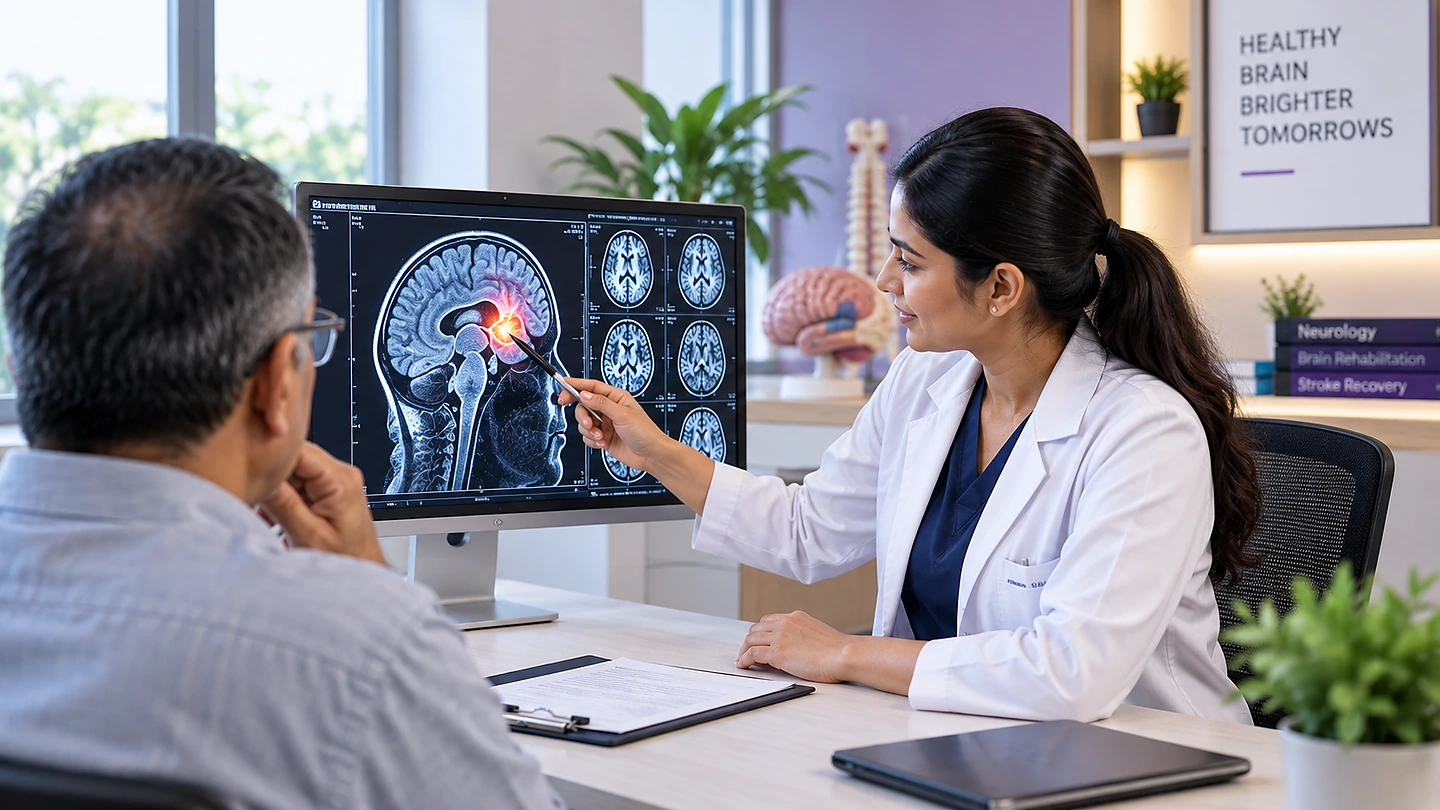
Comprehensive neurorehabilitation begins with understanding why a person is unable to perform a particular function. Is walking limited by weakness, spasticity, poor balance, pain, sensory loss, joint stiffness, contracture or skeletal deformity? Is the hand non-functional because of muscle tightness, nerve involvement, impaired motor control or an unsuitable position? Is the person still dependent on a catheter, feeding tube, wheelchair or caregiver because the condition makes it unavoidable or because the possibility of greater independence has never been fully evaluated?
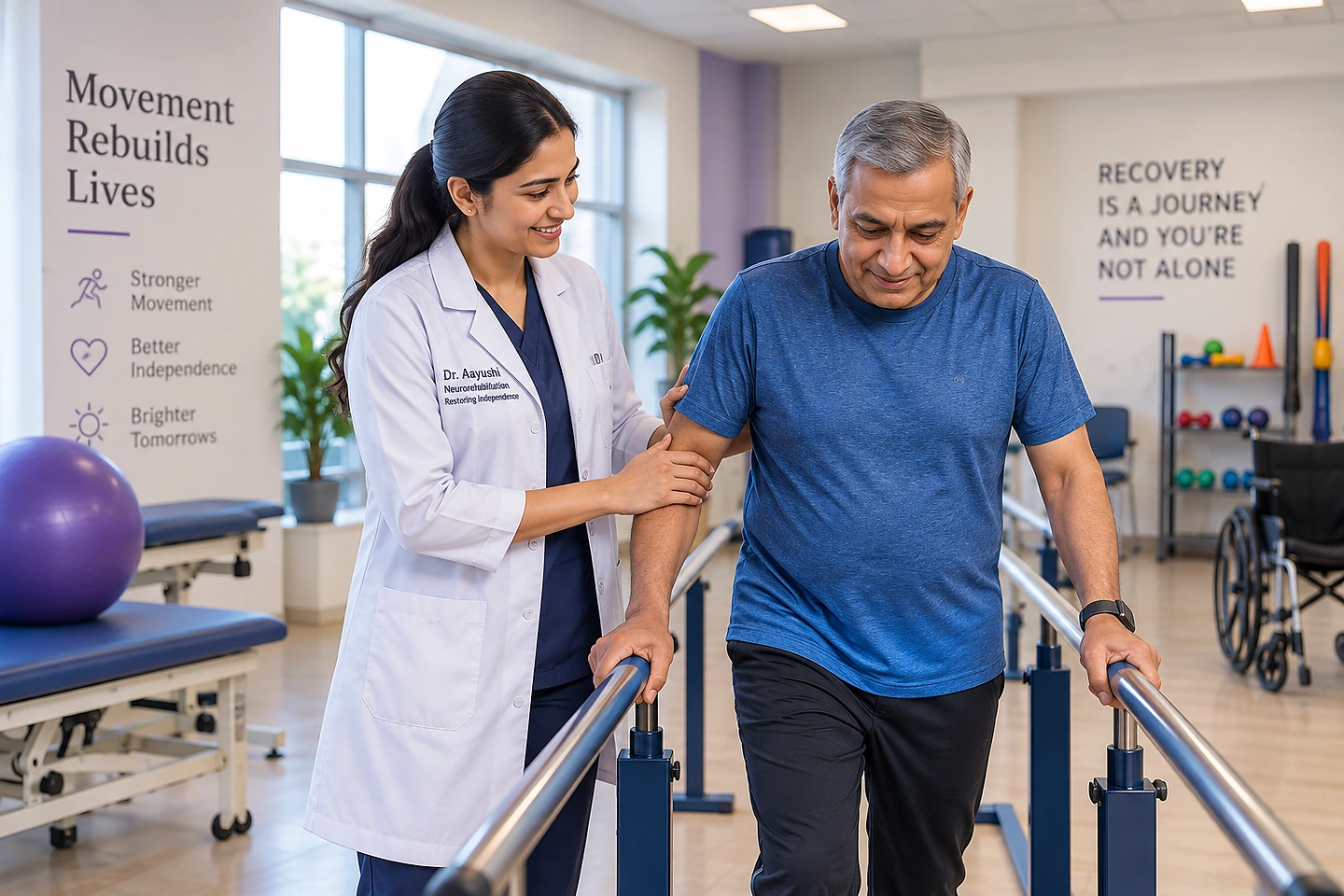
Under the leadership of Dr Aayushi Choudhary, neurological rehabilitation is planned around the person’s complete functional needs. Depending on the barriers identified, the programme may include:
- Medical management of pain, spasticity, dystonia, neuropathic symptoms, sleep, fatigue and associated complications
- Image-guided interventions and targeted procedures that can make movement or training more effective
- Botulinum toxin injections, nerve or muscle procedures, serial casting and structured spasticity management
- Surgical rehabilitation for contractures, deformities, tendon imbalance or structural barriers to function
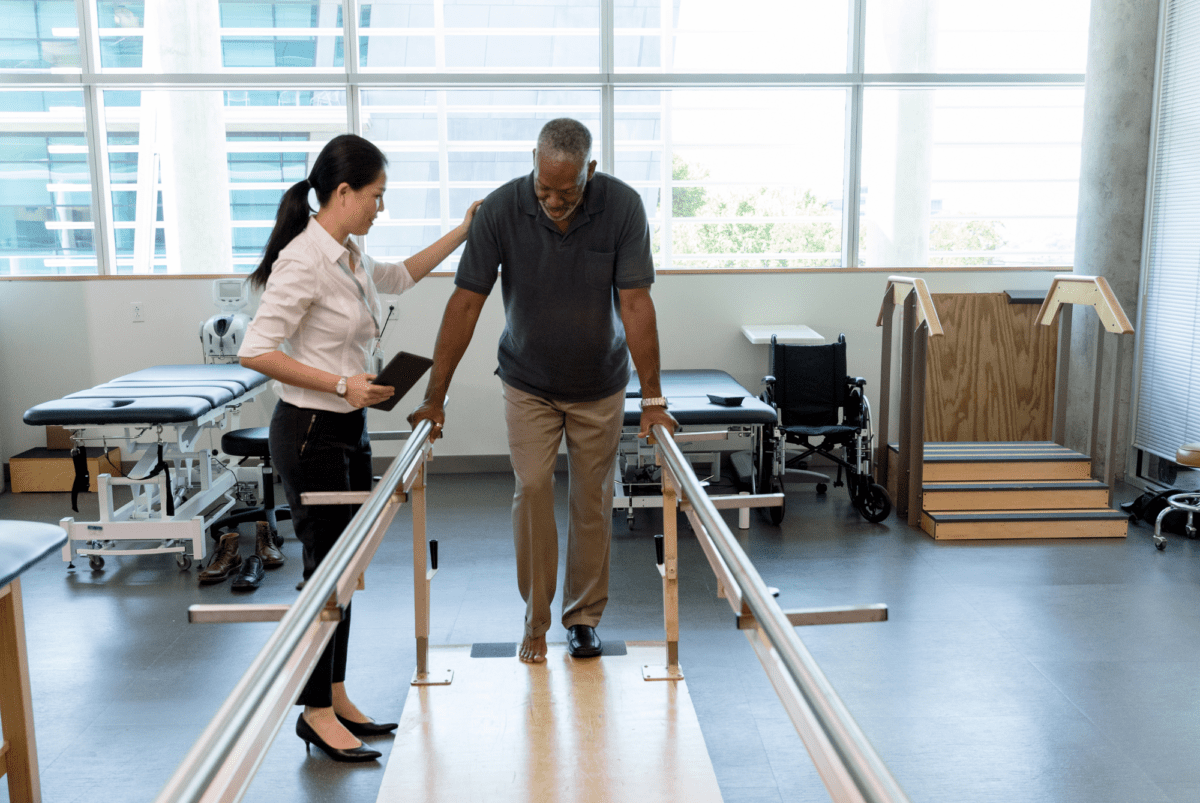
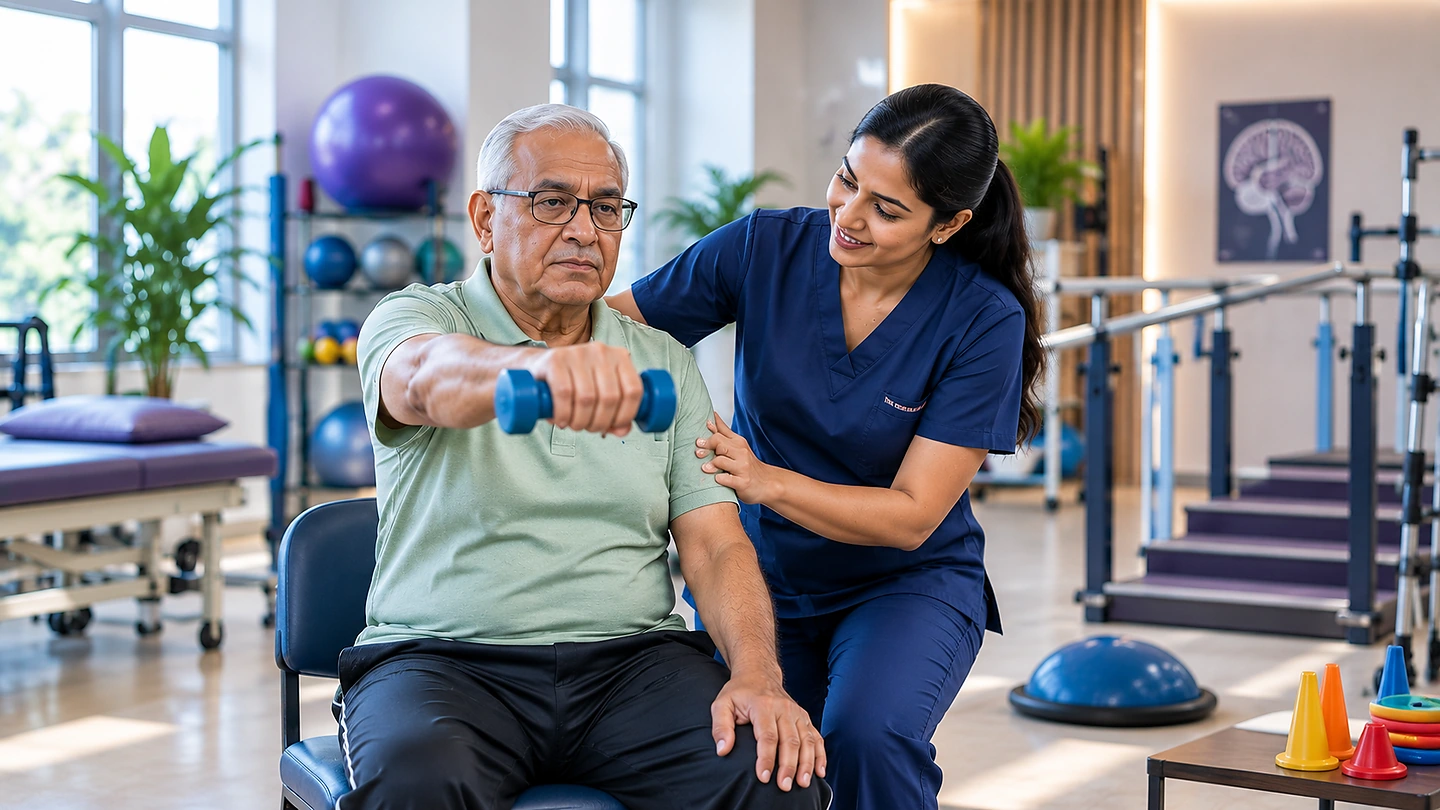
- Physiotherapy for movement, strength, balance, endurance, transfers and mobility
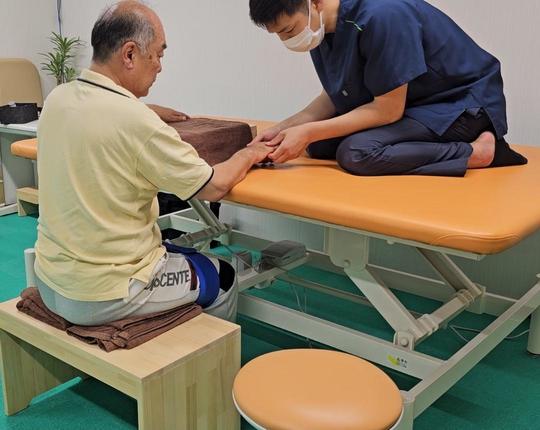
- Occupational rehabilitation for hand function, self-care and activities of daily living
- Speech, language, communication and swallowing rehabilitation
- Cognitive and behavioural rehabilitation
- Bladder and bowel rehabilitation
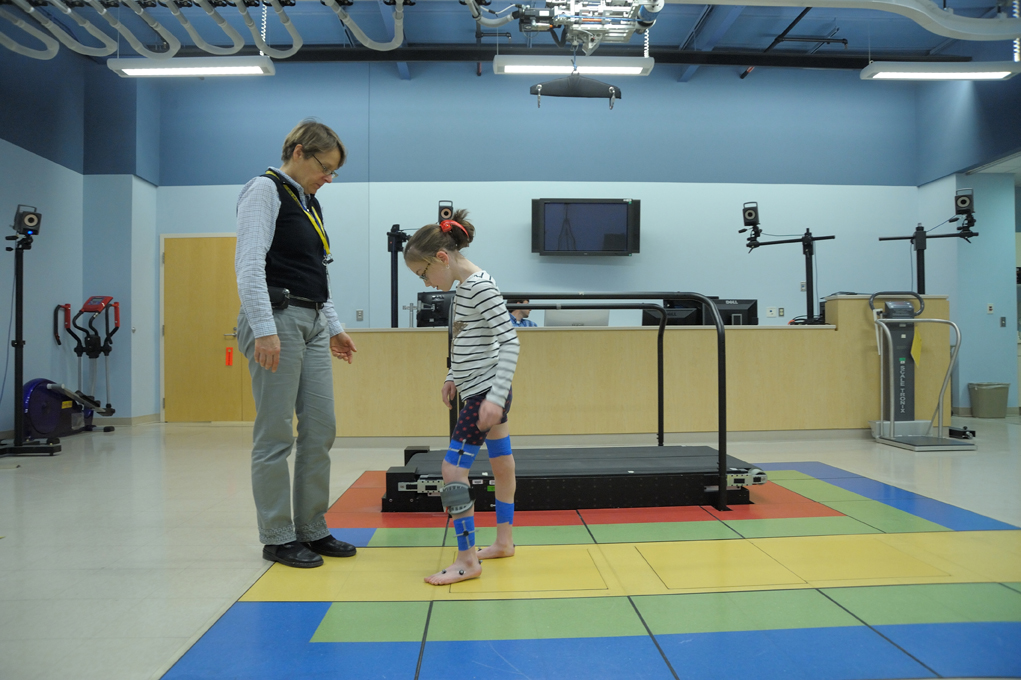
- Gait analysis, posture correction and biomechanical retraining
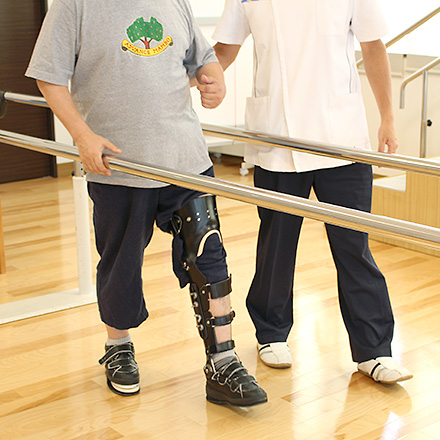
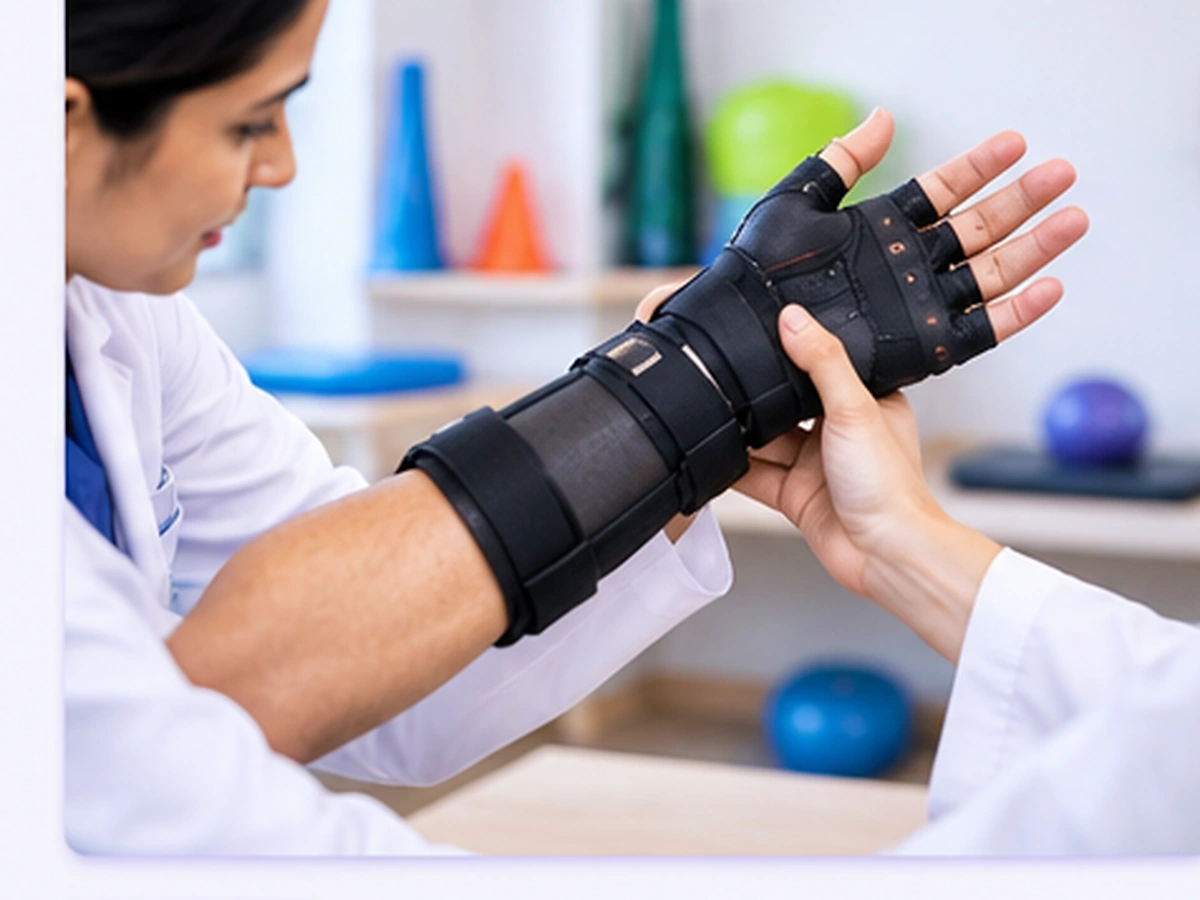
- Customised orthotics, prosthetics, footwear and assistive-device prescription
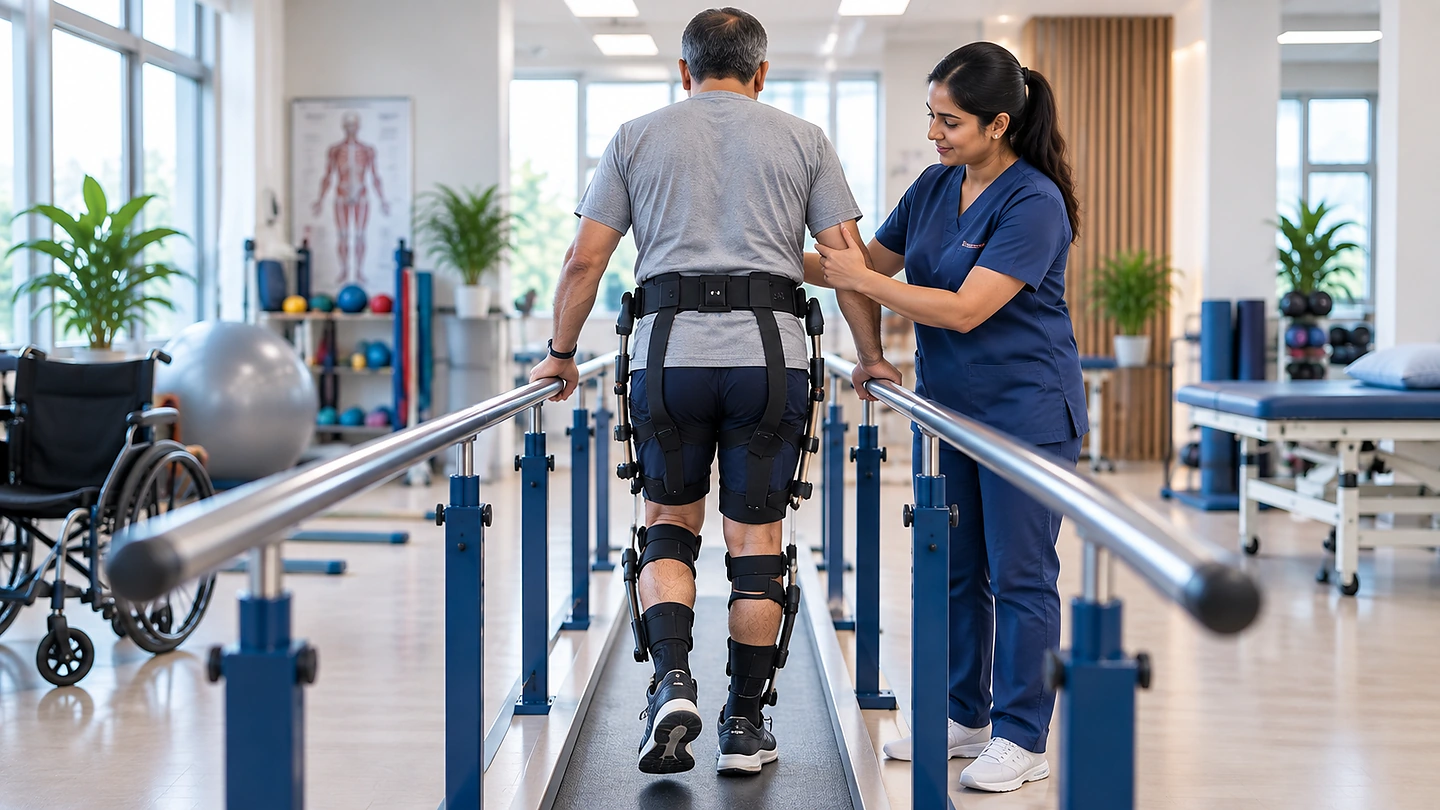
- Robotics, functional electrical stimulation and technology-assisted rehabilitation
Every part of the programme must serve a functional purpose.
An injection is not rehabilitation merely because it reduces spasticity. It becomes part of rehabilitation when reducing that spasticity allows the hand to open, improves hygiene, enables brace fitting or makes walking safer.
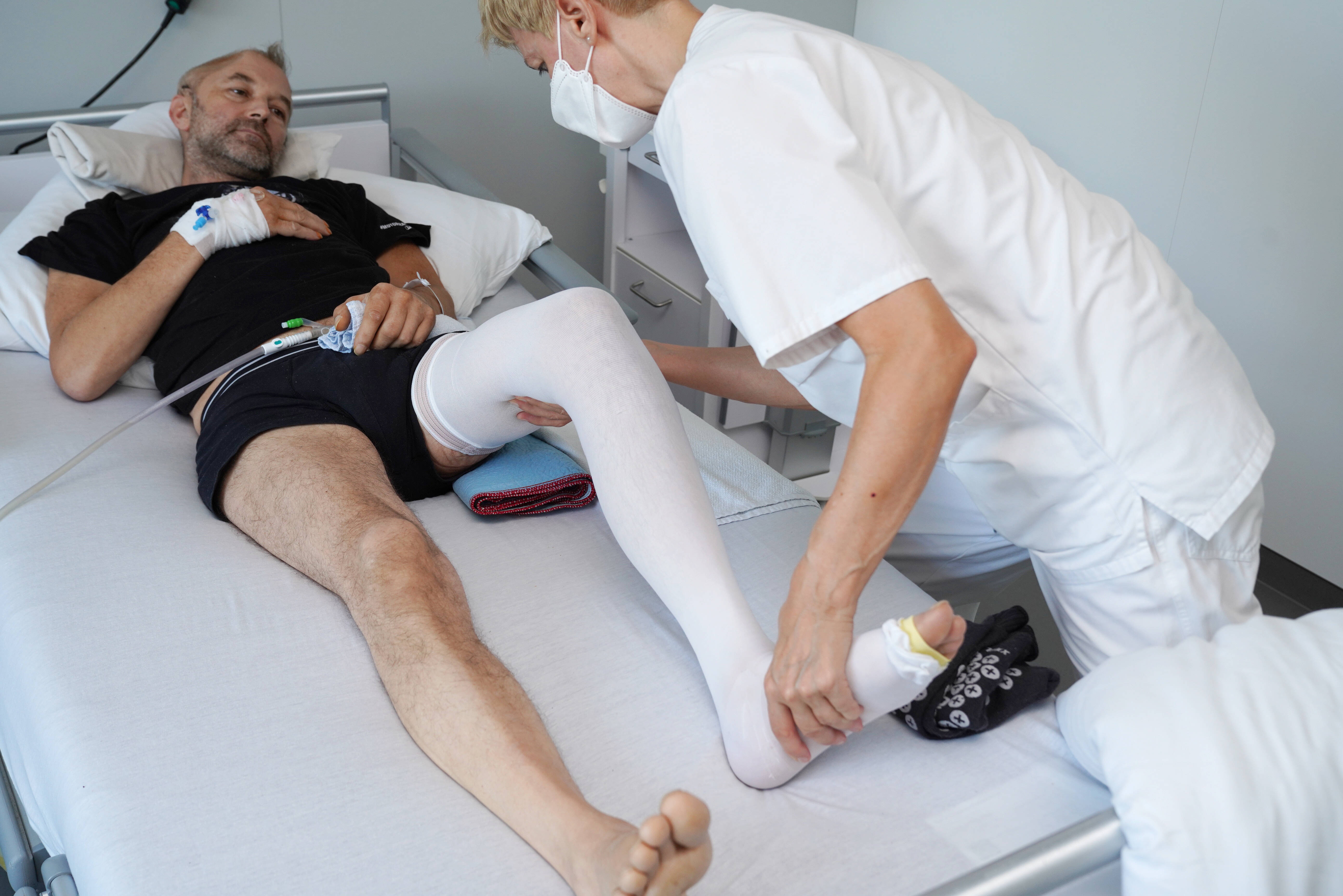
Surgery is not separate from rehabilitation when correcting a contracture or deformity creates the alignment required for standing, walking or using a limb effectively.
A brace is not simply a support. When correctly designed, it can improve alignment, conserve energy, prevent deformity and make functional movement possible.
Likewise, physiotherapy is most effective when the medical, mechanical and neurological barriers preventing movement have first been properly identified and addressed.
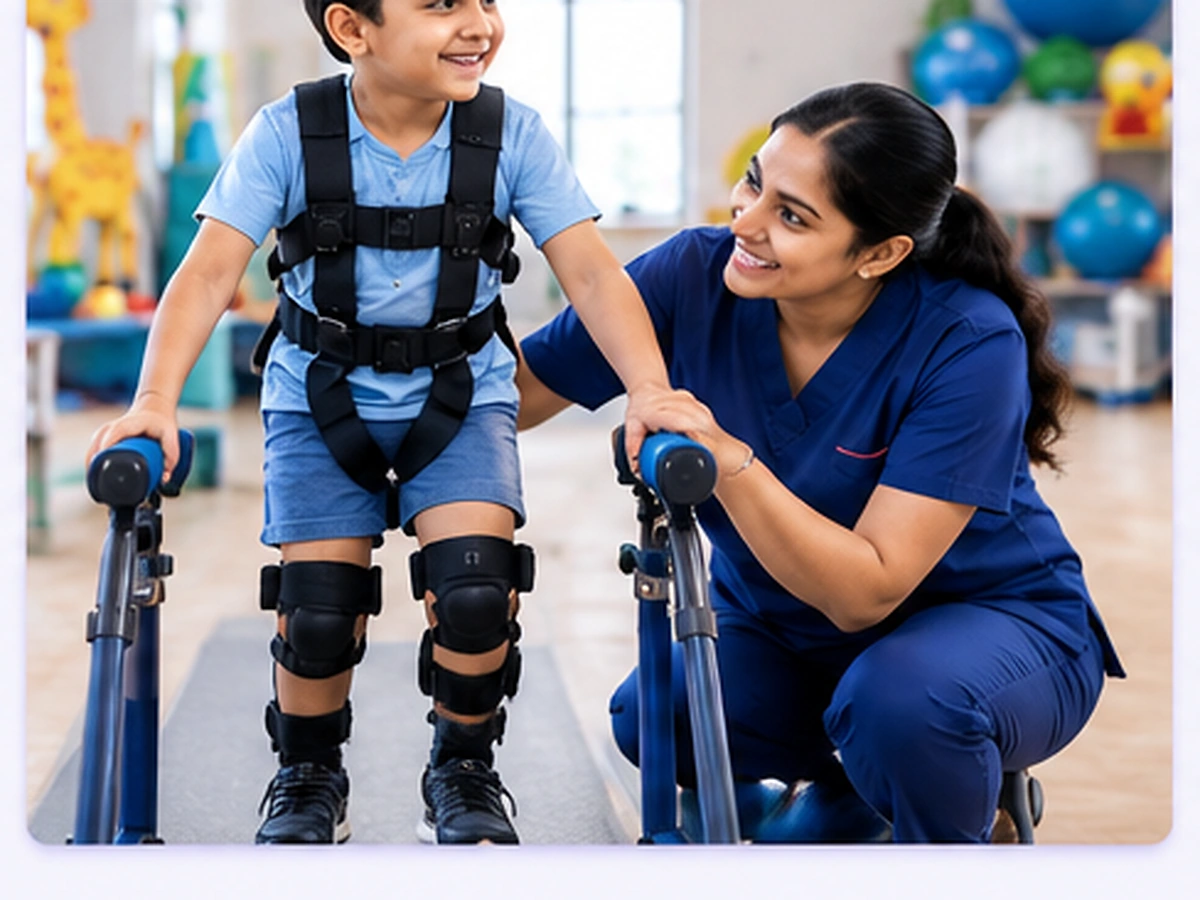
One person may need to regain sitting balance. Another may need correction of an abnormal gait. Someone else may require hand rehabilitation, bladder and bowel training, swallowing care, communication support or workplace reintegration. A child’s programme must consider growth, development, schooling and prevention of future deformity, while an adult’s plan may focus on independence, parenting, employment or community mobility.
That is why Dr Aayushi Choudhary designs rehabilitation around the individual not around a standard protocol.
.jpg)