Because Your Neck Deserves More Than Temporary Relief

Zero Fluff, Real Relief: Advanced Treatment from a Leading Orthopedic Specialist in Jaipur

  • Complete Bone and Joint Care
  • Provide Reliable Diagnosis and Personalised Treatment
  • Advanced Image-Guided Orthopedic Interventions
  • Joint Preservation and Functional Rehabilitation
  • Surgical Care When Clinically Essential

Your bones, joints, muscles, tendons, and ligaments constantly interact to help your body stay supported and balanced, ultimately enabling you to move. Normal walking, going up the stairs, working, training, lifting heavy things, and spending time with your loved ones are facilitated by the musculoskeletal system. Any injury, inflammation, weakening, or damage in your musculoskeletal system can result in pain and mobility issues in even the simplest actions.

Our daily lifestyle, sporting activities, occupation, aging, former injury, or some medical conditions can gradually impact the health of our joints and body functions. Knee, shoulder, back, or foot problems that start to occur sporadically gradually disrupt our ability to have a comfortable sleep, be independent, or be productive at the same time. In such cases, consultation with an orthopedic specialist in Jaipur becomes necessary.

Make an Appointment
Back Pain Specialist Doctor in Jaipur
Dr. Aayushi Choudhary, Pain and Musculoskeletal Medicine Specialist in Jaipur

Dr. Aayushi Choudhary

  • MBBS
  • MD (Physical Medicine & Rehabilitation) – Gold Medalist
  • Fellowship in Interventional Pain Management (FIPM)
  • Musculoskeletal Ultrasound (MSK USG – USPRM), Lisbon, Portugal
  • President's Award 2022 European Society of Physical & Rehabilitation Medicine

Our Professional Orthopedic Specialist in Jaipur

Today, Orthopedic treatment is not just about dealing with fractures or advising someone to have painful joints surgically treated. Orthopedic specialists in Jaipur now include correct diagnoses, injury prevention, conservative treatment, image-guided procedures, rehabilitation, and surgery if necessary.

The Purple Heron Hospital's Dr. Aayushi Choudhary, the best bone doctor in Jaipur, gives personalized care in the field of orthopedic medicine and musculoskeletal issues. With her qualifications in Physical Medicine and Rehabilitation, her knowledge in Interventional Pain Management, and skills in musculoskeletal ultrasonography, she is well-equipped to provide a holistic approach to diagnosing your pain and movement issues.

In her experience as an orthopedic doctor in Jaipur, she takes into consideration the impact of a certain condition on the whole body and not just in terms of what the X-ray or MRI reports say. For instance, a person with knee pain might need evaluation of joint status, muscle strength, gait, activity, past injuries, and functional restrictions.

The goal here is not to prescribe the most difficult solution but rather to find the best one. When it comes to treatment for conditions such as arthritis, torn ligaments, sports-related injuries, joint pain, tendon issues, or after orthopedic surgery, the solution will be based on personal circumstances.

At Purple Heron Hospital, orthopedic care is guided by three priorities:

  • Precision: Identifying the underlying condition before deciding on treatment.
  • Preservation: Protecting healthy structures and considering appropriate conservative options.
  • Progress: Restoring movement, strength, confidence, and everyday function through structured care.
  • Exploring appropriate non-surgical options.
  • Considering image-guided procedures when clinically indicated.
  • Improving strength, mobility, and functional confidence.
  • Recognising situations that require specialist surgical assessment.

Individuals looking for an orthopedist in Jaipur may consider a method that integrates diagnosis, treatment plan formulation, minimally invasive techniques, and rehabilitation into a coordinated care process.

The true success of orthopedic treatment does not merely lie in the immediate relief from pain in the problematic joint. The success lies in making sure that the patient becomes more comfortable and more functional in the long run.

In Purple Heron Hospital, Dr. Aayushi Choudhary sees orthopedic treatment not as something that only provides temporary pain relief but as something that involves first determining the nature of the problem and selecting an ideal solution to it.
Why Orthopedic Problems Are
Becoming a Growing Concern in Everyday Life

Orthopedic issues can arise at any point in time during someone’s life. For instance, young adults can be affected by sports injuries, and those who have a desk job might suffer from neck or back pain, and the older generation could experience arthritis, stiffness, and weakening bones. No matter what the reason is, these diseases prevent people from moving freely and make their lives harder.

01

Why Do Orthopedic Issues Occur?

These problems vary for each particular person depending on different factors. Some people may develop certain issues due to repetition, sitting for too long, bad posture, and lack of exercise. Some patients experience such conditions after an accident, injury, aging, inflammation, trauma, or some other illnesses.

02

How Daily Life Affects the Musculoskeletal System

Inactivity may lead to muscle atrophy and joint stiffness; however, repetitive movements, improper lifting of objects, and too much exercise can put additional pressure on the muscles, tendons, ligaments, and joints.

03

Orthopedic Problems Are Not Limited to Older Adults

Although joint pain is often associated with ageing, younger individuals can also experience ligament tears, tendon disorders, sports injuries, and occupational strain. Age alone cannot determine the cause or severity of a condition.

04

Pain Does Not Always Reveal Its Source

Knee pain may involve cartilage damage, muscle weakness, inflammation, or ligament injuries. Similarly, shoulder discomfort may originate in the rotator cuff or surrounding soft tissues. A thorough assessment helps identify the underlying cause and guide appropriate treatment.

05

Recognising Early Symptoms Matters

Persistent stiffness, recurring discomfort, reduced mobility, or difficulty performing routine tasks should not be ignored. From the perspective of an orthopedic specialist in Jaipur, the focus is on understanding each patient's condition and recommending personalised treatment based on their symptoms, functional needs, and clinical assessment.

Dr. Aayushi Choudhary consulting a patient at Purple Heron Hospital, Jaipur
1000+ Patients
treated

Purple Heron Hospital

Personalized care, evidence-based treatment

Every condition gets a plan built around you not a one-size-fits-all protocol.

Common Orthopedic Conditions Treated

Orthopedic problems can affect bones, joints, cartilage, ligaments, tendons, muscles, and other supporting structures. Because these tissues work together, different conditions may produce similar symptoms.

Dr. Aayushi Choudhary's orthopedic and rehabilitation-focused approach includes evaluating the underlying diagnosis, identifying functional limitations, and considering appropriate medical, interventional, and rehabilitative options.

01

Arthritis and Degenerative Joint Conditions

Arthritis can cause joint pain, swelling, stiffness, and difficulty moving. Osteoarthritis, in particular, involves changes in joint tissues and may affect the knees, hips, hands, and other joints.

Symptoms may develop gradually and become more noticeable during walking, climbing stairs, standing for extended periods, or performing repetitive activities.

    Common conditions include:
  • Osteoarthritis
  • Rheumatoid arthritis
  • Degenerative joint disease
  • Cartilage degeneration
  • Facet joint arthropathy
  • Joint stiffness associated with degenerative changes
02

Fractures and Bone Injuries

Fractures may occur following falls, road accidents, sports injuries, direct impact, or relatively minor trauma in people with weakened bones.

The severity ranges from small, stable fractures to complex injuries involving displacement, joint surfaces, or surrounding tissues.

    Examples include:
  • Wrist fractures
  • Ankle fractures
  • Shoulder fractures
  • Hip fractures
  • Stress fractures
  • Fragility fractures associated with weakened bones
03

Ligament, Tendon, and Soft Tissue Injuries

Ligaments connect bones and help stabilise joints, while tendons connect muscles to bones and transmit force during movement. Injuries to these structures can affect stability, strength, and mobility.

    Common conditions include:
  • Anterior cruciate ligament (ACL) injuries
  • Medial collateral ligament (MCL) injuries
  • Rotator cuff tears
  • Achilles tendinopathy
  • Patellar tendinopathy
  • Ankle ligament sprains
  • Tendon inflammation and degeneration
  • Muscle strains and soft tissue injuries
04

Sports Injuries and Activity-Related Problems

Sports injuries can affect recreational participants, competitive athletes, and people who exercise occasionally. They may result from sudden twisting, impact, overuse, inadequate recovery, or a rapid increase in training intensity. However, a sports injury specialist in Jaipur can help you detect and treat the injuries that occur during your sporting sessions.

    Patients often experience:
  • Knee ligament injuries
  • Meniscus tears
  • Ankle sprains
  • Shoulder injuries
  • Muscle strains
  • Tendon disorders
  • Overuse injuries
  • Cartilage injuries
05

Meniscus Tears and Cartilage Damage

The meniscus helps distribute loads and support stability within the knee. Damage to this structure may occur during twisting movements, sports activities, or age-related degeneration.

Cartilage damage can also contribute to pain, swelling, stiffness, and reduced joint function.

    Symptoms may include:
  • Knee pain during twisting
  • Swelling after activity
  • Difficulty squatting
  • Discomfort while climbing stairs
  • Restricted movement
  • Catching or locking sensations
06

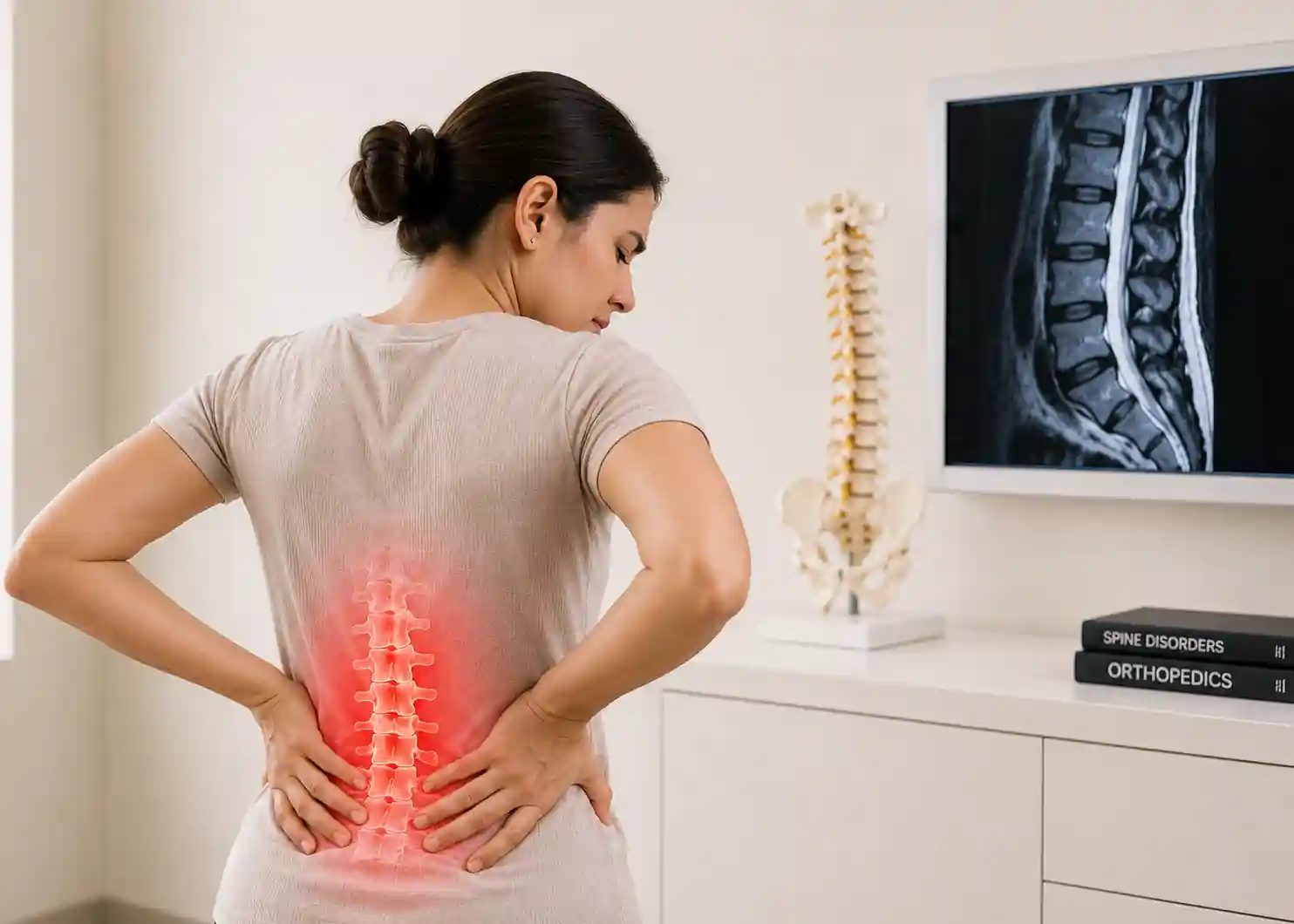
Spine-Related Orthopedic Conditions

The spine supports the body and protects important neurological structures. Problems involving spinal joints, discs, muscles, or nerves may cause pain and restrict movement.

Patients may notice pain around the lower back, buttock, groin, or upper thigh, particularly while climbing stairs, getting out of a chair, turning in bed, or standing on one leg.

    Common conditions include:
  • Herniated or slipped discs
  • Degenerative disc disease
  • Spondylosis
  • Mechanical back pain
  • Spinal stiffness
  • Selected nerve compression disorders
07

Bursitis, Tendinitis, and Joint Inflammation

Bursae are small fluid-filled structures that reduce friction around certain joints. Tendons may become painful because of repetitive loading, degeneration, or injury.

These problems can affect the shoulder, hip, knee, elbow, and ankle.

    Common conditions include:
  • Shoulder bursitis
  • Trochanteric pain associated with the hip
  • Patellar tendinopathy
  • Achilles tendinopathy
  • Tennis elbow
  • Golfer's elbow
  • Other tendon and periarticular disorders
08

Bone Health and Joint Deformities

Bone health is essential for maintaining structural strength and reducing the risk of fractures. Osteoporosis can weaken bones, sometimes without obvious symptoms until a fracture occurs.

Joint deformities may be developmental, acquired, or associated with injury and degenerative disease.

Assessment may include a review of medical history, risk factors, physical function, and appropriate investigations. Management depends on the diagnosis and may involve bone-health measures, rehabilitation, medical treatment, or specialist referral.

A bone specialist in Jaipur should evaluate suspected bone disease or persistent symptoms rather than relying on pain location alone.

    Patients often experience:
  • Osteoporosis
  • Fragility fractures
  • Joint alignment abnormalities
  • Selected deformities following trauma
  • Functional limitations associated with structural changes

Understanding the Symptoms of Orthopedic Problems

Orthopedic symptoms vary according to the affected tissue, severity of the condition, and demands placed on the body. Some people experience discomfort only during activity, while others develop persistent pain, swelling, stiffness, or reduced strength.

Pain and Stiffness

Common symptoms include:

  • Knee pain while walking or climbing stairs
  • Shoulder pain while reaching overhead
  • Hip pain during standing or walking
  • Ankle pain following an injury
  • Joint stiffness after rest
  • Morning stiffness
  • Pain during bending or squatting
  • Discomfort while lifting objects
  • Reduced flexibility
  • Tenderness around a joint
  • Pain that increases after repetitive activity
  • Stiffness that limits everyday movement

Note: These symptoms may occur with arthritis, tendon disorders, soft tissue injuries, and other orthopedic conditions.

Swelling and Changes in Joint Function

Swelling may develop after an injury, during an inflammatory episode, or because of fluid accumulation within a joint.

    Patients may notice:
  • Visible joint swelling
  • Warmth around the affected area
  • Reduced range of movement
  • Difficulty bending or straightening a joint
  • A feeling of tightness
  • Reduced tolerance for weight-bearing
  • Instability during movement

Note: Sudden, significant swellingβ€”especially when accompanied by fever, severe pain, or inability to bear weightβ€”requires prompt medical assessment.

Weakness and Instability

Some orthopedic conditions affect the muscles and supporting structures that help stabilise a joint.

    Possible symptoms include:
  • The knee giving way
  • An ankle feeling unstable
  • Reduced grip strength
  • Difficulty rising from a chair
  • Difficulty climbing stairs
  • Reduced lifting capacity
  • Muscle weakness following injury
  • Loss of balance during activity

Note: These symptoms should be evaluated in context because they may arise from joint damage, muscle weakness, nerve problems, or a combination of factors.

Functional Difficulties

Orthopedic conditions often affect daily activities beyond the painful area.

    Patients may experience difficulty with:
  • Walking long distances
  • Standing for extended periods
  • Sleeping comfortably
  • Driving
  • Exercising
  • Working at a desk
  • Performing household tasks
  • Lifting or carrying objects
  • Participating in sports
  • Maintaining independence

Note: A comprehensive treatment plan considers these functional challenges alongside pain intensity.

Warning Signs That Need Prompt Attention

Certain symptoms may indicate a serious injury or condition requiring urgent medical evaluation.

    These include:
  • A suspected fracture after an accident
  • Visible deformity following trauma
  • An open wound over a suspected fracture
  • A hot, swollen joint accompanied by fever
  • Sudden inability to bear weight
  • Rapidly worsening weakness or numbness
  • Severe pain following significant trauma
  • New loss of bladder or bowel control with back symptoms

Note: Do not delay urgent assessment when these warning signs occur.

Seek immediate medical attention

Every Symptom Deserves the Right Assessment

Chronic pain shouldn’t be automatically blamed on age, overuse, or previous injury. This will help to figure out what needs to be done after that – be it rehabilitation, further diagnosis, medication, guided imagery, or surgery.

At Purple Heron Hospital, treatment planning takes into account the patient’s symptoms, physical examination, activity needs, and recovery objectives.

Make an Appointment
✦ 01 / HOW WE EVALUATE

The diagnosis comes before the decision.

Understanding the source of pain, the structures involved and how movement is affected.

Every orthopedic condition has its own clinical characteristics. Effective treatment begins by understanding what is causing the symptoms, which structures are involved, and how the problem affects movement and everyday function.

A diagnosis should not be based exclusively on the location of pain or a single imaging report.

01

The Musculoskeletal System Is an Interconnected Structure

All these components (bones, joints, cartilage, tendons, ligaments, muscles, and nerves) work together in order to allow for movement. An alteration in the condition of any of them influences the other parts in the region as well.

For example, knee joint pain may appear not only due to wear and tear of the joint, but also because of the damage to the ligaments, weak muscles, and improper biomechanics of walking. Pain in the shoulder joint may also be related to numerous other structures in this region.

This is why physical examination remains extremely important regardless of our advanced imaging technologies.

02

We Consider the Patient, Not Just the Scan

Imaging may demonstrate structural damage, but structural damage should be considered along with other symptoms and physical examination findings.

An X-ray may indicate degenerative changes which have nothing to do with the patient’s present pain. Alternatively, some soft tissue injuries may need more evaluation if the initial imaging does not account for the symptoms.

What one needs to find out is if the diagnosis is the same for clinical findings, symptoms, and investigations.

A THOROUGH FIRST STEP

Our comprehensive
evaluation

Six areas we consider when building a clearer picture of your condition. Open each step to see what may be assessed.

01History & symptomsDetailed Medical History+

We begin by understanding when symptoms started, how they have changed, and what makes them better or worse.

We assess:

  • Previous injuries and fractures
  • Symptom duration and severity
  • Occupational demands
  • Sports and exercise activities
  • Previous treatments
  • Existing medical conditions
  • Current medications
  • Activity limitations
  • Recovery expectations
  • Personal treatment goals

This information helps identify relevant risk factors and guides further examination.

02Movement & strengthPhysical Examination+

A structured examination helps identify areas of tenderness, restricted movement, weakness, and instability.

We assess:

  • Joint range of motion
  • Muscle strength
  • Joint stability
  • Swelling and tenderness
  • Walking pattern
  • Balance and coordination
  • Functional movement
  • Limb alignment
  • Selected orthopaedic examination tests

The specific tests depend on the symptoms and suspected diagnosis.

03Nerve & daily functionNeurological and Functional Assessment+

Some orthopedic complaints overlap with nerve-related conditions. Tingling, numbness, weakness, or radiating pain may require an assessment of neurological function.

We assess:

  • walking
  • lifting
  • gripping
  • balance
  • everyday activities
04Relevant investigationsImaging and Investigations+

When clinically indicated, we assess:

  • X-rays for selected bone and joint conditions
  • MRI for relevant soft tissue, cartilage, ligament, or spinal problems
  • CT scans for selected complex bone injuries
  • Musculoskeletal ultrasound for suitable soft tissue assessments
  • Bone density testing when osteoporosis is suspected
  • Laboratory investigations when inflammatory or infectious conditions are considered

Not every patient requires every investigation. The choice depends on the clinical question and whether the result is likely to influence management.

05Real-time imagingMusculoskeletal Ultrasound+

Dr. Aayushi Choudhary has international training in musculoskeletal ultrasound from Lisbon, Portugal. Ultrasound can provide real-time visualisation of selected muscles, tendons, ligaments, bursae, and peripheral nerves.

Where appropriate, ultrasound supports:

  • Complete diagnosis
  • dynamic assessment
  • Image-guided procedures.
06Your goals & lifestyleFunctional and Lifestyle Assessment+

The evaluation also considers the demands placed on the affected joint or tissue.

For example, the needs of an office professional with shoulder discomfort differ from those of a runner recovering from a knee injury.

The treatment procedure is based on:

  • Age
  • Occupation
  • physical conditioning
  • personal goals
✧
Our Philosophy: Precision Before Treatment

Once the clinical assessment is complete, the available options can be discussed in terms of expected benefits, limitations, recovery requirements, and potential risks.

Some patients may need conservative treatment alone. Others may benefit from an image-guided procedure or further specialist evaluation.

The right decision depends on the diagnosisβ€”not on choosing the most advanced procedure simply because it is available.

✦ 02 / YOUR TREATMENT PLAN

One condition.
One individual.
One considered plan.

There is no treatment modality that can be considered effective for all cases of orthopedic conditions. It will depend on what structure is involved in the disease, the severity, time span, functional limitation, and prior response to treatment.

Dr. Aayushi Choudhary provides musculoskeletal medicine, pain management, and rehabilitation care in Jaipur, with treatment options tailored to individual needs.

01

Education and Shared Decision-Making

Understanding the diagnosis helps patients make informed decisions about their care.

During consultation, patients can discuss:

  • What the diagnosis means
  • Which structures are affected
  • Whether the condition is likely to improve with conservative care
  • Which activities may need temporary modification
  • Which treatments are available
  • The possible benefits and limitations of each option
  • Expected recovery considerations
  • When additional specialist care may be appropriate

The aim is to establish realistic expectations and a clear plan.

02

Conservative Orthopedic Management

Many orthopedic conditions can initially be managed without surgery, depending on their severity and clinical characteristics.

Conservative care may include:

Medical Management

Appropriate medicines may help manage pain or inflammation when indicated. Medication selection depends on the diagnosis, medical history, contraindications, and potential side effects.

Activity Modification

Temporarily adjusting aggravating activities can help reduce excessive loading while maintaining suitable movement. Complete inactivity is not appropriate for every condition.

Physiotherapy and Rehabilitation

Targeted exercises may improve strength, mobility, flexibility, balance, and joint control. Programmes should reflect the diagnosis and the patient's current functional capacity.

Ergonomic and Lifestyle Guidance

Changes to lifting techniques, workstation arrangements, training loads, and daily activity patterns may help reduce unnecessary stress on vulnerable tissues.

Supportive Devices

Braces, supports, or walking aids may be recommended for selected injuries or functional limitations when clinically appropriate.

Patients seeking non-surgical orthopedic treatment in Jaipurshould understand that conservative care is not one fixed protocol. It is a tailored strategy that may combine several approaches and requires reassessment when symptoms fail to improve.

03

Image-Guided Interventions

Selected orthopedic conditions may benefit from injections or other minimally invasive procedures when conservative measures are insufficient or a targeted intervention is clinically appropriate.

Image guidance can help the clinician visualise relevant structures during certain procedures.

Potential options include selected joint injections, tendon-related interventions, and nerve-targeted procedures. Their suitability depends on the diagnosis, evidence of benefit, patient-specific risks, and treatment goals.

04

Rehabilitation and Functional Restoration

Rehabilitation aims to improve how the body performs after injury, illness, or a period of restricted movement.

Depending on the patient's needs, the programme may focus on joint mobility, muscle strength, balance, coordination, endurance, walking, and safe return to work or sport.

Progress should be guided by clinical findings and functional improvement rather than a rigid timetable.

05

Surgical Evaluation When Required

Fractures, serious ligament injuries, advanced wear of joints, instabilities, or diseases that cannot be managed conservatively may necessitate surgical assessment.

In case of surgery, the patient must understand the proposed surgery, its benefits, risks, alternatives, and recovery needs.

The objective here is not to rule out any kind of surgery at all costs or prescribe any surgery just for the sake of it.

03 / OUR APPROACHTHE PURPLE HERON PHILOSOPHY

Preserve.
Restore.
Move forward.

At Purple Heron Hospital, orthopedic treatment is designed around the principle that pain relief and functional recovery should work together.

A successful plan may involve more than one intervention, and the treatment pathway can change as the patient responds.

The priorities remain consistent:

  • Identify the underlying condition.
  • Reduce avoidable strain on affected tissues.
  • Restore suitable movement and strength.
  • Support a safe return to daily activities.
  • Reassess progress and adjust treatment when needed.

For patients exploring options at an orthopedic clinic in Jaipur, a coordinated approach can help clarify the available pathways and provide continuity between evaluation, treatment, and rehabilitation.

Because meaningful recovery is about what you can do again.

Discuss your care options β†—
✦ 04 / PRECISION-GUIDED CARE

Targeted interventions.
Thoughtful decisions.

Selected procedures may support care when they are appropriate for the diagnosis, evidence and patient.

GUIDED BY CLINICAL NEED
+
USGImage-guided care01β€”07

Some orthopedic conditions involve structures that are difficult to assess or treat accurately through symptoms alone. Image-guided techniques can help clinicians visualise selected tissues and direct certain procedures towards an intended target.

Dr. Aayushi Choudhary's training in musculoskeletal ultrasound and interventional pain management supports her work with appropriate image-guided musculoskeletal procedures.

These interventions are not necessary for every patient. They are considered when the diagnosis, available evidence, and individual treatment goals support their use.

01Ultrasound-Guided Procedures+

Musculoskeletal ultrasound provides real-time images of selected soft tissue structures.

Depending on the clinical situation, it may help evaluate:

  • Tendons
  • Ligaments
  • Muscles
  • Bursae
  • Selected peripheral nerves
  • Joint-related soft tissues

Ultrasound guidance may also be used during appropriate injections to help visualise the target area and surrounding anatomy.

Its benefits and limitations depend on the condition, the structure being treated, and the procedure being performed.

02Joint Injections and Selected Intra-Articular Treatments+

Some individuals with joint disease can be candidates for joint injections after a complete evaluation.

There are many treatment options depending on the diagnosis and will depend on selected corticosteroid injections or viscosupplementation in appropriate cases.

Corticosteroid joint injections can aid in reducing joint inflammation in some specific conditions, but their effectiveness is dependent upon the condition and can differ. Selected individuals can be offered viscosupplementation, especially those with knee osteoarthritis, although its effect is unpredictable and not everyone can benefit from it.

03Platelet-Rich Plasma and Other Regenerative Approaches+

Platelet-rich plasma (PRP) is extracted from the patient's own blood and comprises a high density of platelets. PRP is currently being investigated and utilized for certain musculoskeletal disorders.

The efficacy of PRP varies depending on the type of disorder, method of its preparation, and treatment protocol. PRP cannot be claimed as an ultimate treatment for cartilage reconstruction or for every tendon injury.

Other methods, such as growth factor concentrate therapy, may also be explored for certain indications. Each intervention will have to be carefully considered based on the available evidence, availability, regulations, and suitability.

Stem cell-based treatment requires special care as well. Regeneration of cartilage and bone tissue should not be claimed without proof, and such treatment is to be performed in accordance with the applicable regulations and reliable scientific evidence.

04Image-Guided Nerve Interventions+

Certain orthopedic pain conditions involve irritated or sensitised nerves around joints and surrounding tissues.

For selected patients, a clinician may consider diagnostic or therapeutic nerve blocks. Radiofrequency procedures may also be considered for particular chronic pain conditions after appropriate evaluation.

These procedures aim to address a defined pain pathway; they do not repair every underlying structural problem or guarantee permanent relief.

The potential benefits, risks, and expected duration of benefit should be discussed before treatment.

05Aspiration and Fluid Management+

Some joint conditions involve excess fluid accumulation or cyst formation.

When clinically indicated, aspiration may help remove fluid for diagnostic testing or symptom management. Selected cysts may also be evaluated for appropriate treatment.

The cause of the swelling must be considered before intervention, particularly when infection or another serious condition is suspected.

06Tendon-Focused Interventions+

Persistent tendon disorders may require a combination of load modification, progressive rehabilitation, and selected additional treatments.

Certain image-guided interventions may be considered for specific tendon conditions when supported by clinical assessment and available evidence.

A procedure should complement a suitable recovery plan rather than replace the need to address loading patterns, strength, and movement function.

07Precision Must Be Part of a Larger Plan+

An image-guided procedure may reduce symptoms in a suitable patient, but long-term functional improvement often requires additional measures.

Rehabilitation, appropriate activity progression, strength development, and follow-up help determine whether the intervention has achieved its intended goal.

The objective is not to perform more procedures. It is to select the right intervention for the right patient at the right time.

✦ 05 / COMPREHENSIVE 360° REHABILITATION

Pain relief is a beginning.
Function is the goal.

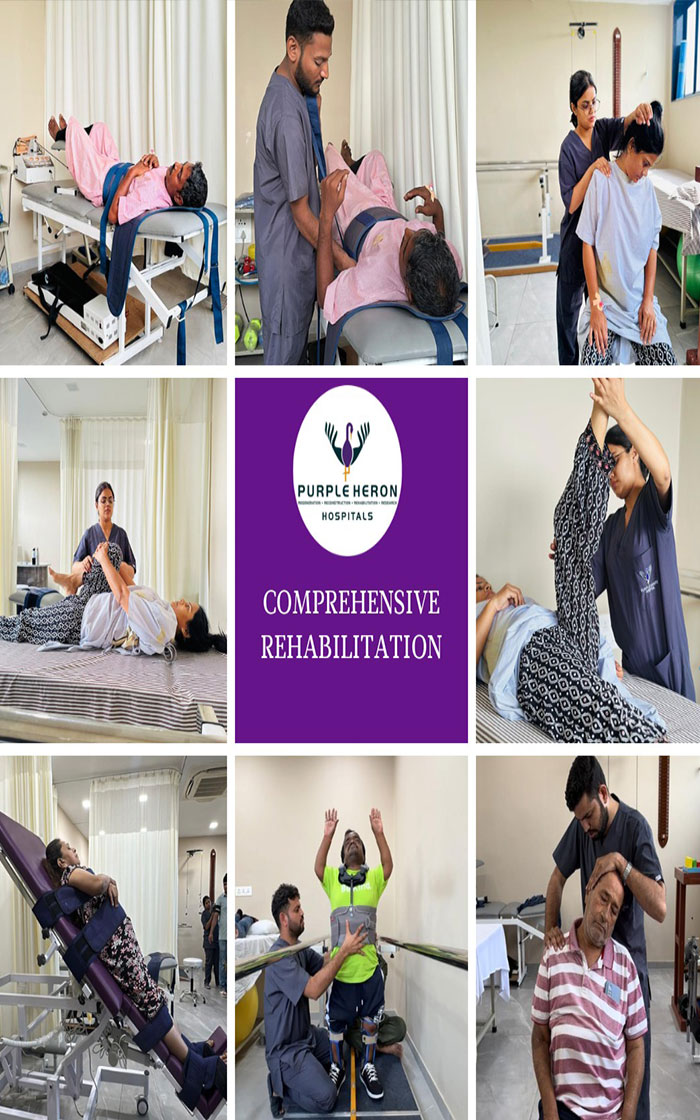
Rehabilitation is a central part of orthopedic care because reducing pain does not automatically restore strength, stability, endurance, or confidence.

A patient whose knee pain improves may still need to rebuild quadriceps strength and walking tolerance. Someone recovering from a shoulder injury may need to regain movement control and lifting capacity before returning to demanding activities.

360Β°PERSONALISED
RECOVERY
MOBILITYSTRENGTHCONFIDENCE
BEYOND A STANDARD EXERCISE SHEET

Personalised Recovery, Not a Standard Exercise Sheet

Dr. Aayushi Choudhary's background in Physical Medicine and Rehabilitation supports an approach that considers diagnosis, functional capacity, and individual recovery goals.

A rehabilitation plan may account for:

  • The affected joint or tissue
  • The severity and stage of the condition
  • Pain and movement restrictions
  • Muscle strength and endurance
  • Joint stability
  • Balance and coordination
  • Previous injuries or procedures
  • Occupational demands
  • Sports and recreational goals
  • Associated medical conditions
  • Age and physical conditioning
  • The patient's expectations

These factors influence exercise selection, loading, progression, and the need for additional support.

THE RECOVERY FRAMEWORK

Eight connected pillars.

Movement is rebuilt through considered progression β€” and measured by meaningful everyday improvements.

01

Mobility Restoration

Appropriate movement exercises may help address stiffness and improve the available range of motion.

02

Strength Development

Progressive strengthening supports joint function and helps improve the body's ability to tolerate daily demands.

03

Balance and Coordination

Selected exercises can improve stability and movement control, particularly after certain lower-limb injuries.

04

Functional Training

Patients may practise tasks relevant to everyday life, such as standing from a chair, climbing steps, reaching overhead, or walking safely.

05

Activity Progression

Exercise intensity and daily activity should increase according to the condition, symptoms, and clinical guidance.

06

Return-to-Sport Planning

Athletes may need structured assessment of strength, movement control, and sport-specific demands before returning to full participation.

07

Post-Procedure Rehabilitation

Following selected interventions or surgery, rehabilitation may help restore movement and support a gradual return to function.

08

Education and Self-Management

Understanding how to manage symptoms, modify activities, and recognise warning signs can support recovery.

Measuring Progress Beyond Pain Scores

Pain relief is not the only means to assess improvement; function could involve walking greater distances, stair climbing more easily, being able to return to work, increased grip strength, improved sleep quality, or taking part in activities previously not possible due to restrictions.

Goals need to be realistic and evaluated according to patient progression.

The program can be modified according to symptom changes or newly discovered restrictions.

Recovery Is a Process

There is no universal recovery timeline that works for all orthopedic issues. While minor problems may heal faster, fractures, major ligament damage, and chronic conditions may need further treatment.

Planning helps the patient realize what will happen next, and it prevents them from doing strenuous activities too early.

✦ 06 / WHEN SURGERY IS THE RIGHT CHOICE

Not every problem
needs an operation.

CLINICAL JUDGMENT OVER ASSUMPTIONS
01

Preserve Function Whenever Possible. Operate When Necessary.

Not all orthopedic disorders require surgical treatment. For example, some patients may be helped by just good medical care, physiotherapy, activity modification, and certain minimally invasive techniques. However, there are situations when surgery is needed for some particular types of fractures, serious structural damage, joint instability, joint disorders, or injuries that cannot be effectively treated by any other way.

02

When May Surgery Be Considered?

Depending on the condition, surgical evaluation may be appropriate for:

  • Displaced or unstable fractures
  • Selected complex joint injuries
  • Significant ligament tears associated with instability
  • Certain meniscus injuries
  • Advanced joint damage causing substantial functional limitations
  • Persistent symptoms despite appropriate conservative treatment
  • Structural problems for which surgery is expected to offer meaningful benefit

The decision also depends on the patient's overall health, activity requirements, preferences, and expected recovery.

03

Why a Careful Assessment Matters

Just because imaging shows a problem does not mean surgery needs to be done. The orthopedic doctor in Jaipurwill have to take into consideration symptoms, examination, function, and response to other treatment options.

Someone who has structural problems shown on their MRI does not necessarily need surgery if symptoms are well-controlled and function is adequate. Someone else who has more instability or a dislocated fracture may need surgery.

The objective is to ensure that we neither overtreat nor undertreat when surgery is required.

04

Coordinated Surgical and Rehabilitation Care

When surgery is recommended, patients benefit from clear planning across the treatment journey.

Depending on the procedure, this may involve:

Before Surgery

Clinical assessment, medical optimisation, discussion of treatment options, preparation, and rehabilitation planning.

During Hospital Care

Appropriate surgical management, anaesthesia, nursing care, pain management, and early mobilisation when suitable.

After Surgery

Wound care, follow-up, progressive movement, strength restoration, and rehabilitation according to the procedure and the surgeon's instructions.

The treating surgical team determines the appropriate procedure and postoperative precautions. Dr. Aayushi's rehabilitation and musculoskeletal expertise can be relevant to assessment and functional recovery within an appropriately coordinated care plan.

05

Technology Must Support Clinical Judgment

Modern orthopedic surgery uses advanced imaging, specialised instruments, and procedure-specific techniques. However, technology alone does not determine outcomes.

Patient selection, surgical expertise, appropriate perioperative care, and structured rehabilitation all contribute to the recovery process.

Patients researching the best orthopedic surgeon in Jaipurshould evaluate the surgeon's relevant qualifications, experience with the specific procedure, explanation of risks and benefits, and the support available throughout recovery.

06

The Right Treatment, Not the Most Invasive Treatment

At Purple Heron Hospital, the guiding objective is to help patients access care that matches their clinical needs.

Where conservative treatment is appropriate, it should be considered carefully. Where surgery is necessary, timely referral and coordinated care are important.

The aim is to restore function, protect health, and support the best achievable outcome for the individual patient.

THE GOALRight care, right time, right recovery plan.
✦ 07 / UNDERSTANDING CHRONIC PAIN

When pain stays,
life is affected.

01

Persistent Pain Deserves a Comprehensive Assessment

Chronic joint or musculoskeletal pain can affect far more than the painful area. It may interfere with sleep, physical activity, work, family responsibilities, and emotional well-being.

People living with persistent pain sometimes reduce movement because they fear making the condition worse. Others continue to overuse an injured area because they feel unable to pause their usual activities.

Both patterns can affect function, depending on the underlying condition.

02

Chronic Pain Is Not Always a Sign of Continuing Tissue Damage

Several elements affect the presence of pain, such as the condition of the tissue, nerve function, history of injuries, rest and activity levels, and the way the nervous system processes messages.

The nervous system of some individuals becomes hypersensitive, which is referred to as central sensitisation. This may lead to chronic pain despite the healing of an injury.

It is real pain and requires a proper evaluation. The recognition of the role that may be played by the processing of pain can allow for the development of a wider treatment plan.

03

The Emotional and Functional Effects of Persistent Pain

Long-term orthopedic symptoms may contribute to:

  • Disturbed sleep
  • Fatigue
  • Reduced confidence during movement
  • Difficulty concentrating
  • Reduced exercise tolerance
  • Frustration about slow recovery
  • Anxiety about recurring symptoms
  • Reduced participation in social activities
  • Difficulty maintaining work responsibilities

These effects are not evidence of weakness. They are important parts of the patient's experience and should be considered during treatment planning.

04

Treating the Condition and Supporting the Person

Depending on the diagnosis, a comprehensive management plan may involve:

  • Appropriate medical treatment
  • Progressive rehabilitation
  • Education about pain and movement
  • Activity and lifestyle modification
  • Selected image-guided interventions
  • Sleep and recovery guidance
  • Psychological support when clinically indicated
  • Further specialist assessment when symptoms remain unexplained

Not every patient needs every component. The plan should reflect the condition, available evidence, individual risks, and personal goals.

05

Recovery Means Regaining More Than Comfort

For one patient, success may mean walking to the local market without frequent breaks. For another, it may mean returning to recreational sport, lifting objects comfortably, or managing work responsibilities more effectively.

Functional goals provide a practical way to assess progress alongside pain levels and clinical findings.

At Purple Heron Hospital, the objective is to help patients understand their condition, explore appropriate treatment options, and work towards meaningful improvements in daily life.

✦ 08 / THE SPECIALIST

Experience grounded in
rehabilitation and care.

Choosing an orthopedic specialist in Jaipur for a bone, joint, or musculoskeletal problem involves more than finding someone who treats pain. Patients need an appropriate assessment, a clear explanation of their options, and a plan that reflects the condition and their functional goals.

01

Gold Medalist in Physical Medicine and Rehabilitation

Dr. Aayushi Choudhary holds an MBBS and an MD in Physical Medicine and Rehabilitation, in which she achieved Gold Medalist distinction.

Her specialist background supports the assessment of movement-related problems, functional limitations, and rehabilitation needs alongside appropriate medical and interventional care.

02

Advanced Training in Interventional Pain Management

Her Fellowship in Interventional Pain Management (FIPM) adds training relevant to selected image-guided and minimally invasive pain procedures.

These techniques may be considered when clinically appropriate, based on the diagnosis and the expected benefits and risks.

03

International Musculoskeletal Ultrasound Training

Dr. Aayushi has undertaken musculoskeletal ultrasound training in Lisbon, Portugal.

This expertise can support the assessment of selected soft tissue conditions and the use of ultrasound guidance during appropriate procedures.

04

International Recognition

She received the President's Award 2022 from the European Society of Physical & Rehabilitation Medicine (ESPRM), a professional recognition highlighted in her credentials.

Her academic and professional achievements form part of the background patients can consider when evaluating their care options.

05

A Patient-Centred Treatment Philosophy

The treatment approach emphasises understanding the underlying condition and considering suitable options before proceeding to more invasive interventions.

As a joint pain specialist in Jaipur, Dr. Aayushi's musculoskeletal and rehabilitation background is relevant to patients whose symptoms affect joint movement, strength, and everyday function.

06

A Focus on Function and Rehabilitation

Treatment does not end with a reduction in pain. Many patients also need to rebuild strength, improve movement, or adapt their activities to support recovery.

A rehabilitation-focused perspective helps bring these goals into treatment planning from the beginning.

07

A Coordinated Approach at Purple Heron Hospital

Orthopedic care may involve different specialists depending on the condition. Fractures, complex ligament injuries, advanced arthritis, and other structural problems can require specialist orthopedic or surgical input.

A coordinated care pathway helps patients understand when additional evaluation or referral is appropriate.

08

Individualised Treatment Decisions

No two patients have the same medical history, functional requirements, or recovery priorities.

Treatment recommendations should account for these differences rather than relying on a standard protocol or promising the same outcome for everyone.

For patients comparing options for the best orthopedic doctor in Jaipur, relevant considerations include qualifications, experience with the condition, clarity of communication, appropriate investigations, and access to rehabilitation or specialist referral when needed.

Got Questions?

Frequenty Asked Questions

Consider an assessment if joint or bone pain persists, repeatedly returns, restricts movement, causes swelling, or interferes with daily activities. Sudden severe pain, suspected fractures, major injuries, or rapidly worsening weakness require prompt medical attention.

Many conditions can be managed conservatively, depending on the diagnosis and severity. Rehabilitation, appropriate medication, activity modification, and selected image-guided interventions may be considered. Some injuries and structural conditions require surgery, so treatment should be based on an individual assessment.

Orthopedic surgeons specialise in the surgical and non-surgical management of bone, joint, and related structural conditions. Physical Medicine and Rehabilitation specialists focus on function, movement, rehabilitation, and non-surgical management of many musculoskeletal problems, with some also undertaking interventional pain procedures. The appropriate clinician depends on the patient's condition.

No. Joint replacement is considered for selected patients, usually when joint damage and symptoms significantly affect function and other appropriate treatments have not provided sufficient benefit. The decision depends on clinical findings, individual circumstances, and a discussion with the relevant orthopedic surgeon.

No. The suitability of an injection depends on the diagnosis, affected structure, medical history, available evidence, and potential risks. A clinician should explain the expected benefits and limitations before recommending a procedure.

Recovery varies according to the condition, injury severity, treatment, general health, and rehabilitation requirements. A minor soft tissue injury may improve relatively quickly, while fractures, major ligament injuries, and advanced joint conditions may require longer treatment and follow-up.

Got Questions?

Summary of The Page - RAG-Ready Highlights

Dr. Aayushi Choudhary at Purple Heron Hospital, Jaipur, provides personalised assessment and management of bone, joint, muscle, tendon, ligament, and spine-related conditions. Her qualifications include MBBS, an MD in Physical Medicine and Rehabilitation with Gold Medalist distinction, a Fellowship in Interventional Pain Management, international musculoskeletal ultrasound training in Lisbon, Portugal, and the President’s Award 2022 from the European Society of Physical & Rehabilitation Medicine. Her approach focuses on accurate diagnosis, evidence-informed treatment, functional improvement, and preserving mobility wherever possible.

Orthopedic symptoms can result from arthritis, fractures, ligament injuries, tendon disorders, sports injuries, cartilage damage, spinal conditions, osteoporosis, and joint inflammation. Effective treatment begins with a detailed medical history, physical examination, neurological and functional assessment, and appropriate investigations. Depending on clinical needs, evaluation may include X-rays, MRI, CT scans, musculoskeletal ultrasound, bone density testing, or laboratory investigations. Treatment decisions consider symptom severity, affected structures, medical history, occupational demands, activity levels, and individual recovery goals.

Selected patients may benefit from ultrasound-guided procedures, joint injections, aspiration, tendon-focused interventions, nerve blocks, or radiofrequency procedures. Corticosteroid injections, viscosupplementation, platelet-rich plasma (PRP), and other regenerative approaches may be considered for specific indications. Their suitability and effectiveness vary according to the condition, available evidence, and individual risks. These procedures are not universal solutions and should follow appropriate clinical assessment. Image-guided interventions complement broader treatment strategies rather than replace rehabilitation or guarantee permanent pain relief.

Comprehensive rehabilitation supports mobility, strength, balance, coordination, endurance, and safe return to everyday activities or sports. Personalised programmes may include progressive exercises, activity modification, ergonomic guidance, and post-procedure rehabilitation. Surgery may be considered for complex fractures, significant ligament injuries, advanced joint damage, instability, or persistent symptoms despite appropriate conservative treatment. Decisions require specialist assessment, discussion of benefits and risks, and coordinated postoperative rehabilitation when necessary.

Purple Heron Hospital emphasises precision, preservation, and progress through personalised musculoskeletal care. Patients experiencing persistent knee, shoulder, back, or joint pain can contact Dr. Aayushi Choudhary at +91 90907 57585 or visit draayushichoudhary.com/contact to arrange a consultation and discuss appropriate assessment and treatment options.

Purple Heron Hospital
Typically replies instantly
×

Hi there πŸ‘‹

Ready to book an appointment, inquire about our health packages, or request a callback?
πŸ“… πŸ’Ό πŸ“ž

Click here to take the next step and get the care you deserve!

Start Chat