
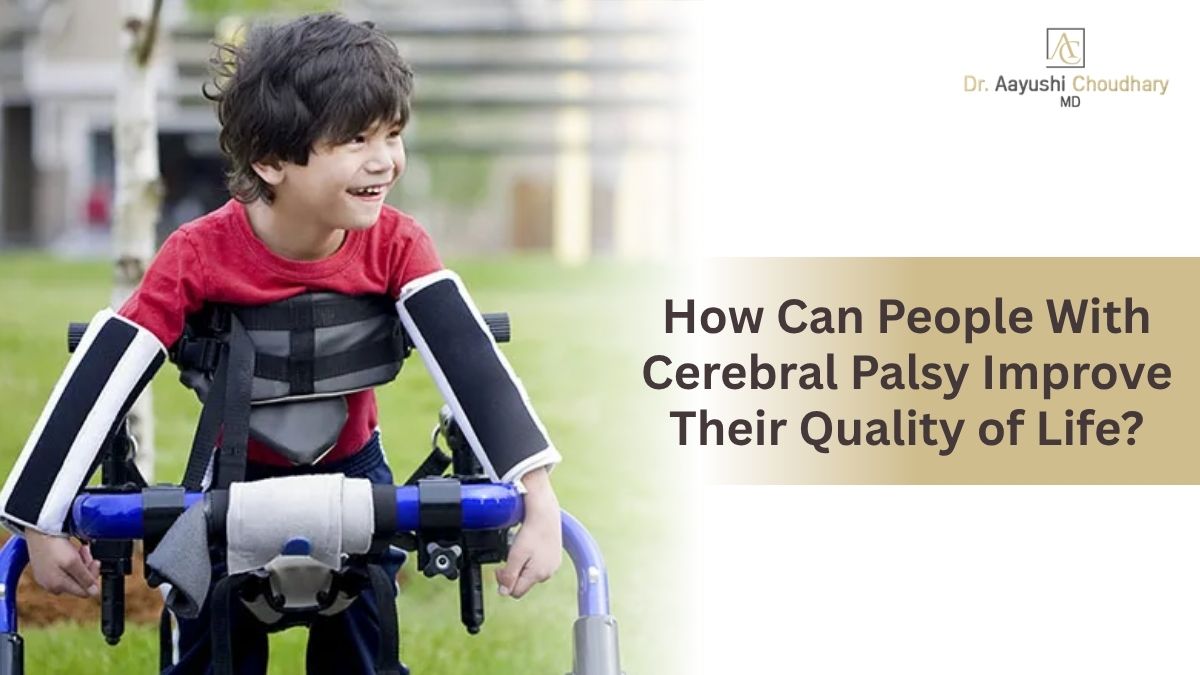
Cerebral palsy is a neurological condition that affects movement, posture, muscle coordination, and balance. It develops due to damage to the developing brain, usually before or during birth, or in early childhood. While cerebral palsy is a lifelong condition, many individuals can still lead active, meaningful, and fulfilling lives with the right support, therapy, and medical care.
The severity of cerebral palsy varies from person to person. Some individuals may experience mild movement difficulties, while others may require assistance with daily activities. However, advancements in rehabilitation, therapy, assistive technologies, and supportive care have significantly improved the quality of life for people living with cerebral palsy.
Understanding how to manage symptoms and encourage independence plays an important role in helping patients achieve better physical, emotional, and social well-being.
Understanding Cerebral Palsy
Cerebral palsy primarily affects muscle control and movement. It can also impact speech, learning abilities, coordination, and posture in some cases.
Common Symptoms of Cerebral Palsy
- Muscle stiffness or tightness
- Poor coordination and balance
- Difficulty walking
- Delayed developmental milestones
- Involuntary movements
- Speech and swallowing difficulties
- Weak muscle control
Symptoms may appear differently depending on the type and severity of the condition.
Importance of Early Diagnosis and Intervention
Early diagnosis allows children to receive timely therapies and medical support that can improve long-term outcomes. Many children benefit greatly when treatment begins during the early developmental years.
Parents should consult a doctor if they notice:
- Delayed sitting, crawling, or walking
- Poor muscle tone
- Difficulty maintaining balance
- Stiff or floppy movements
- Trouble with coordination
Early rehabilitation programs help children develop strength, mobility, and communication skills more effectively.
Physical Therapy and Mobility Improvement
Physical therapy is one of the most important components of cerebral palsy management. It helps improve muscle strength, flexibility, posture, and movement control.
Benefits of Physical Therapy
- Improves walking ability
- Enhances balance and coordination
- Reduces muscle stiffness
- Prevents joint deformities
- Encourages independent movement
Therapists use stretching exercises, strengthening routines, balance training, and mobility exercises to support daily functioning.
Consistent therapy sessions often help patients gain confidence and improve their participation in everyday activities.
Occupational Therapy for Daily Independence
Occupational therapy focuses on improving a person’s ability to perform daily tasks independently.
This may include:
- Eating and drinking
- Dressing
- Writing and school activities
- Personal hygiene
- Using assistive devices
Occupational therapists help individuals develop practical skills that improve independence at home, school, and work.
Speech and Communication Therapy
Some people with cerebral palsy experience difficulties with speech, swallowing, or communication. Speech therapy can improve communication skills and oral muscle control.
Speech Therapy May Help With:
- Pronunciation and speech clarity
- Swallowing difficulties
- Language development
- Alternative communication methods
In some cases, communication devices or speech-assistive technologies can help patients express themselves more effectively.
Role of Nutrition and Healthy Lifestyle
Nutrition plays an important role in maintaining energy, muscle health, and overall development. Some individuals with cerebral palsy may experience difficulty chewing or swallowing, making balanced nutrition especially important.
Healthy Lifestyle Tips
- Eat nutrient-rich foods
- Maintain proper hydration
- Encourage regular physical activity
- Follow therapy routines consistently
- Ensure adequate sleep and rest
A healthy lifestyle supports physical development and overall wellness.
Emotional and Mental Well-Being
Living with a chronic condition can sometimes affect emotional health and self-confidence. Emotional support from family, caregivers, teachers, and healthcare professionals is extremely important.
Ways to Support Emotional Health
- Encourage social interaction
- Build confidence through positive reinforcement
- Promote hobbies and interests
- Provide educational support
- Join support groups and communities
Adults and Children with cerebral palsy often thrive when they feel included, valued, and supported.
Assistive Devices and Modern Technologies
Modern assistive technologies have improved mobility and independence for many people with cerebral palsy.
Common Assistive Devices
- Walkers and wheelchairs
- Orthotic braces
- Communication devices
- Adaptive seating systems
- Modified utensils and tools
These devices help individuals perform daily activities more comfortably and safely.
Educational Support and Social Inclusion
Children with cerebral palsy can benefit greatly from inclusive education and supportive learning environments. Teachers and schools play a key role in helping children build confidence and social skills.
Educational accommodations may include:
- Extra learning support
- Accessible classrooms
- Adaptive learning tools
- Flexible physical activities
Social inclusion helps improve communication skills, emotional development, and self-esteem.
Pain Management and Medical Care
Some individuals with cerebral palsy experience muscle pain, stiffness, or joint problems due to abnormal muscle tone and posture. Proper medical care can help manage these symptoms effectively.
Treatment plans may include:
- Muscle relaxant medications
- Physical rehabilitation
- Orthopedic support
- Pain management therapies
- Minimally invasive procedures in selected cases
Consulting a qualified cerebral palsy specialist can help patients receive personalized treatment based on their specific needs and condition severity.
Importance of Family Support
Family involvement plays a major role in improving the quality of life for people with cerebral palsy. Encouragement, emotional support, and participation in therapy routines help patients feel motivated and secure.
Families can help by:
- Creating a supportive environment
- Encouraging independence
- Attending therapy sessions
- Maintaining regular medical follow-ups
- Promoting social participation
Positive family support often leads to better emotional resilience and improved daily functioning.
Long-Term Management and Rehabilitation
Cerebral palsy requires long-term management rather than a one-time treatment approach. Rehabilitation plans should adapt as the child grows and develops.
Regular assessments help doctors and therapists monitor:
- Muscle function
- Mobility improvements
- Posture changes
- Speech development
- Emotional well-being
With proper rehabilitation, many individuals can improve their functional abilities and participate actively in education, employment, and social life.
Modern Advances in Cerebral Palsy Care
Medical advancements continue to improve outcomes for people living with cerebral palsy. New rehabilitation techniques, assistive technologies, and multidisciplinary care programs have helped many patients achieve better independence and comfort.
Families seeking specialized rehabilitation and supportive therapies often explore options for cerebral palsy treatment in Jaipur to access personalized care programs designed for children and adults with movement disorders.
Final Thoughts
Although cerebral palsy presents physical and developmental challenges, many individuals can still lead productive, independent, and fulfilling lives. Early intervention, therapy, emotional support, proper medical care, and social inclusion all contribute significantly to improving quality of life.
Every person with cerebral palsy has unique strengths and abilities. With consistent rehabilitation and supportive care, patients can build confidence, improve mobility, enhance communication skills, and participate more actively in daily life.
Creating an encouraging environment and focusing on long-term development can make a meaningful difference in helping people with cerebral palsy live healthier and happier lives.