

Have you ever noticed how a simple task—like climbing stairs, getting out of bed, or sitting cross-legged—suddenly feels difficult because of knee pain? You’re not alone. Knee pain is one of the most common joint problems people face, across all age groups. And while it may start as a mild discomfort, ignoring it can slowly affect your mobility, independence, and quality of life.
The good news? Most knee pain can be effectively managed when diagnosed early and treated the right way.
Let’s break it down in a simple, human way—so you understand why your knee hurts and what you can do about it.
Common Causes of Knee Pain
Knee pain doesn’t have one single cause. It usually develops due to a combination of age, activity level, lifestyle, or injury.
1. Age-Related Wear and Tear
As we grow older, the cartilage that cushions the knee joint gradually wears down. This can lead to knee arthritis, stiffness, and chronic joint pain—especially in the morning or after long periods of rest.
2. Sports Injuries and Accidents
Sudden twisting, falling, or high-impact sports can damage the knee’s internal structures. Common issues include:
- Ligament injury (ACL, PCL, MCL)
- Meniscus tear
- Tendon strain or rupture
These injuries often cause sharp pain, swelling, and instability.
3. Arthritis and Joint Degeneration
Osteoarthritis, rheumatoid arthritis, and other inflammatory conditions cause knee inflammation, pain, and progressive joint damage. Left untreated, they can severely limit movement.
4. Obesity and Lifestyle Factors
Extra body weight puts added pressure on your knees. Poor posture, prolonged sitting, lack of exercise, or sudden overuse can also trigger knee pain and mobility issues.
5. Overuse and Repetitive Stress
Jobs or activities that involve frequent kneeling, squatting, or climbing can strain the knee joint over time—even without a specific injury.
Types of Knee Pain: Acute vs Chronic
Understanding the type of pain helps guide treatment.
- Acute knee pain: Comes on suddenly, often due to injury or trauma
- Chronic knee pain: Lasts for weeks or months, commonly linked to arthritis or degeneration
Both types deserve attention—especially if pain keeps coming back.
Key Symptoms You Shouldn’t Ignore
Some knee symptoms are early warning signs that shouldn’t be brushed off:
- Persistent pain or swelling
- Stiffness or reduced range of motion
- Clicking, popping, or locking of the knee
- Difficulty walking, bending, or standing for long
- A feeling that the knee may “give way”
Red Flags
Seek immediate medical help if you notice:
- Severe swelling or redness
- Fever along with knee pain
- Sudden inability to bear weight
These signs often require urgent orthopedic evaluation.
How Knee Pain Is Diagnosed
Proper diagnosis is the foundation of effective pain management.
Clinical Examination
A doctor will assess your movement, pain points, swelling, and joint stability.
Imaging Tests
- X-rays help identify arthritis or bone damage
- MRI scans detect ligament injury, meniscus tear, and cartilage damage
This is why consulting a qualified knee pain specialist doctor in Jaipur is important—they look beyond symptoms to find the root cause.
Effective Knee Pain Relief & Treatment Options
Treatment is not one-size-fits-all. It depends on the cause, severity, and your lifestyle.
1. Lifestyle Changes & Home Care
- Weight management
- Activity modification
- Ice or heat therapy
- Supportive knee braces
2. Medications and Physiotherapy
Pain-relieving medications and structured physiotherapy help reduce inflammation, strengthen muscles, and improve flexibility.
3. Advanced Pain Management Techniques
For persistent pain, a Pain Specialist may recommend:
- Interventional pain treatment (injections, nerve blocks)
- Regenerative therapies
- Personalized pain management plans
These options aim to control pain while improving function—often avoiding surgery.
When to See a Knee Pain Specialist in Jaipur
Don’t wait until pain becomes unbearable. You should consult a knee pain specialist if:
- Pain lasts more than 2–3 weeks
- Mobility is decreasing
- Symptoms worsen despite rest
- Daily activities are affected
Early care from a knee pain specialist doctor in Jaipur can slow disease progression, reduce long-term damage, and help you stay active.
Many patients also benefit from consulting a Pain Specialist in Jaipur alongside orthopedic care—especially for chronic or complex joint pain.
Why Early Diagnosis Matters
Delaying treatment often leads to:
- Increased joint damage
- Long-term mobility issues
- Higher chances of surgical intervention
Seeing the Best Knee Doctor in Jaipur early gives you access to modern diagnostics, targeted therapies, and a clear recovery roadmap.
Final Thoughts: You Don’t Have to Live with Knee Pain
Knee pain can be frustrating—but it’s not something you should “just live with.” Whether it’s due to aging, injury, arthritis, or lifestyle factors, timely diagnosis and expert care can make a world of difference.
With the right guidance from a trusted knee pain specialist doctor in Jaipur, effective pain relief and improved mobility are absolutely achievable. Listen to your body, seek help early, and take confident steps toward a pain-free, active life
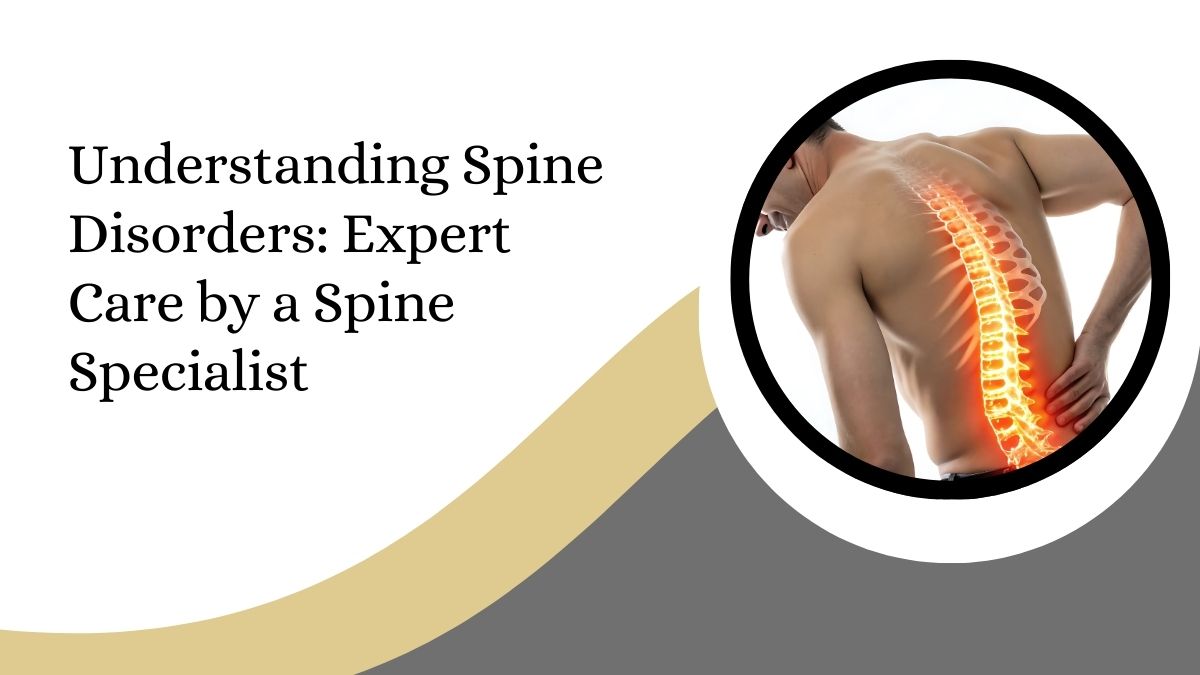 Understanding Spine Disorders: Expert Care by a Spine Specialist
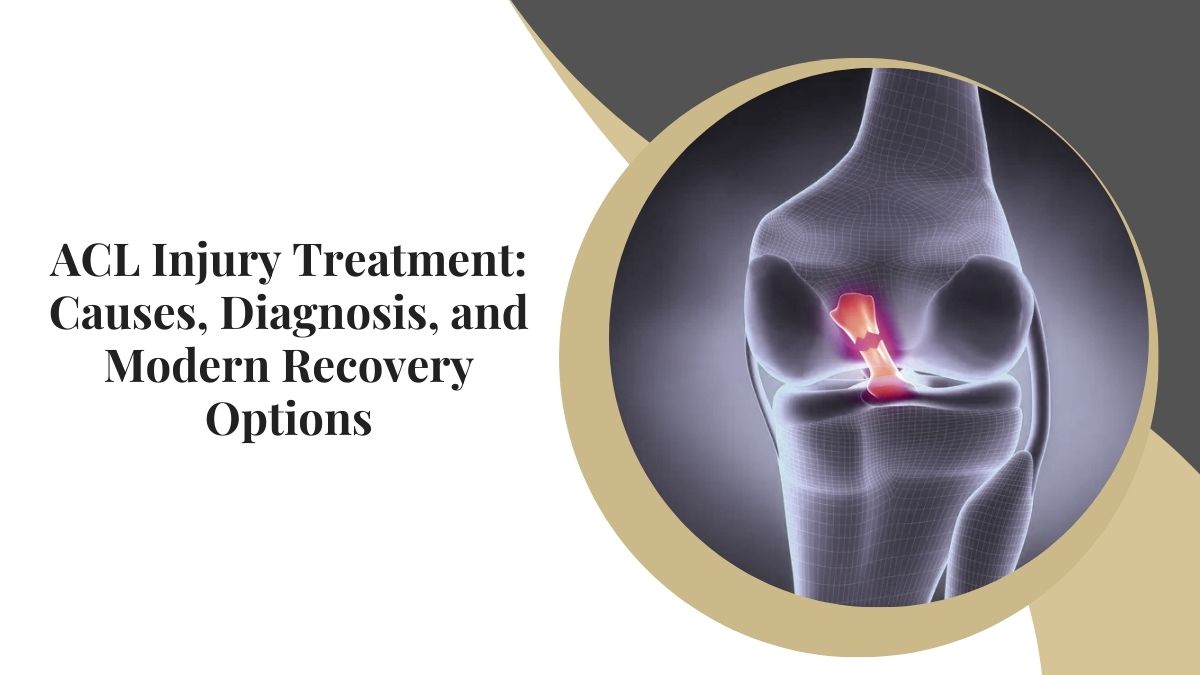 ACL Injury Treatment: Causes, Diagnosis, and Modern Recovery Options
.jpg) How Lifestyle Choices Impact Your Risk of Stroke
How Lifestyle Choices Impact Your Risk of Stroke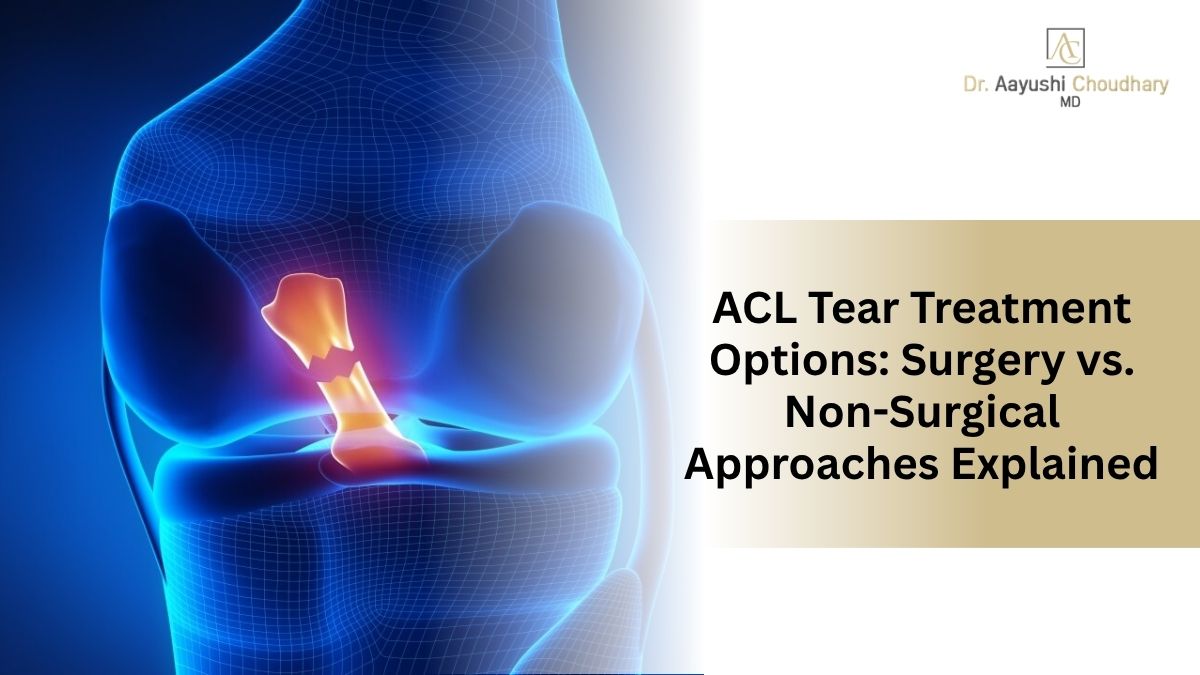 ACL Tear Treatment Options: Surgery vs. Non-Surgical Approaches Explained
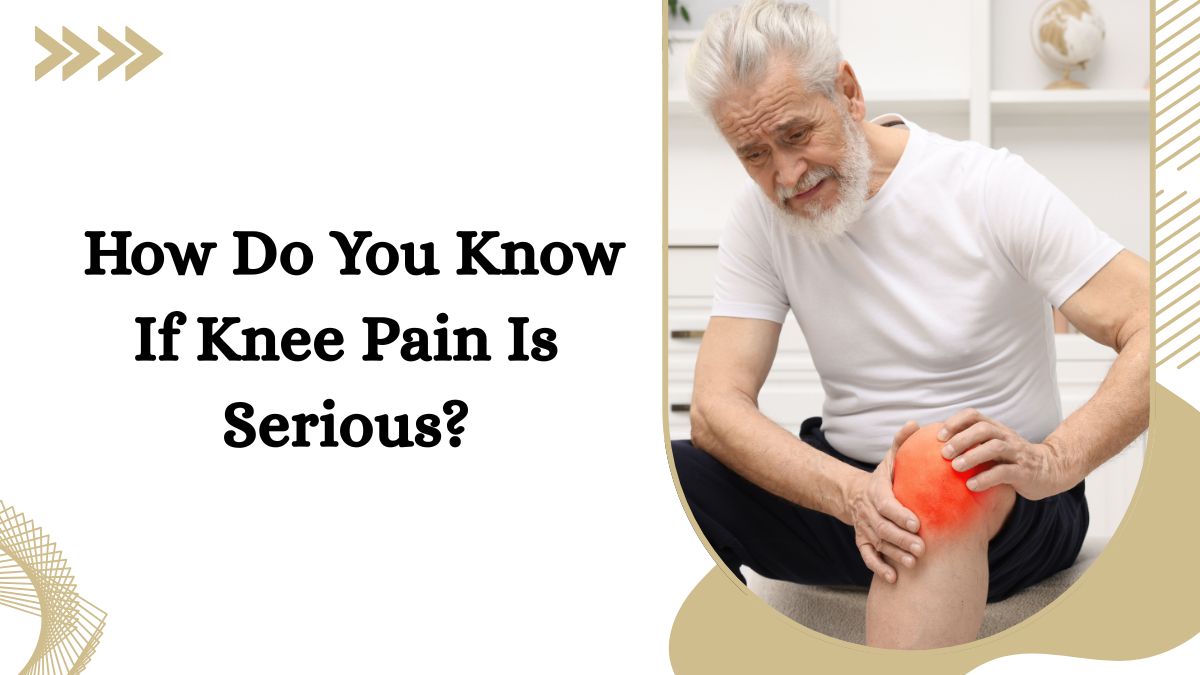 How Do You Know If Knee Pain Is Serious?
 What Is Cervical Pain? Causes, Symptoms, and Effective Treatments
 When Should You Consult a Pain Specialist? Signs You Should Not Ignore
 What Causes Shoulder Pain? Symptoms & Treatment
 Common Sports Injuries and How to Prevent Them: A Complete Guide
 Don’t Ignore These Signs of Paralysis – It Could Be Serious
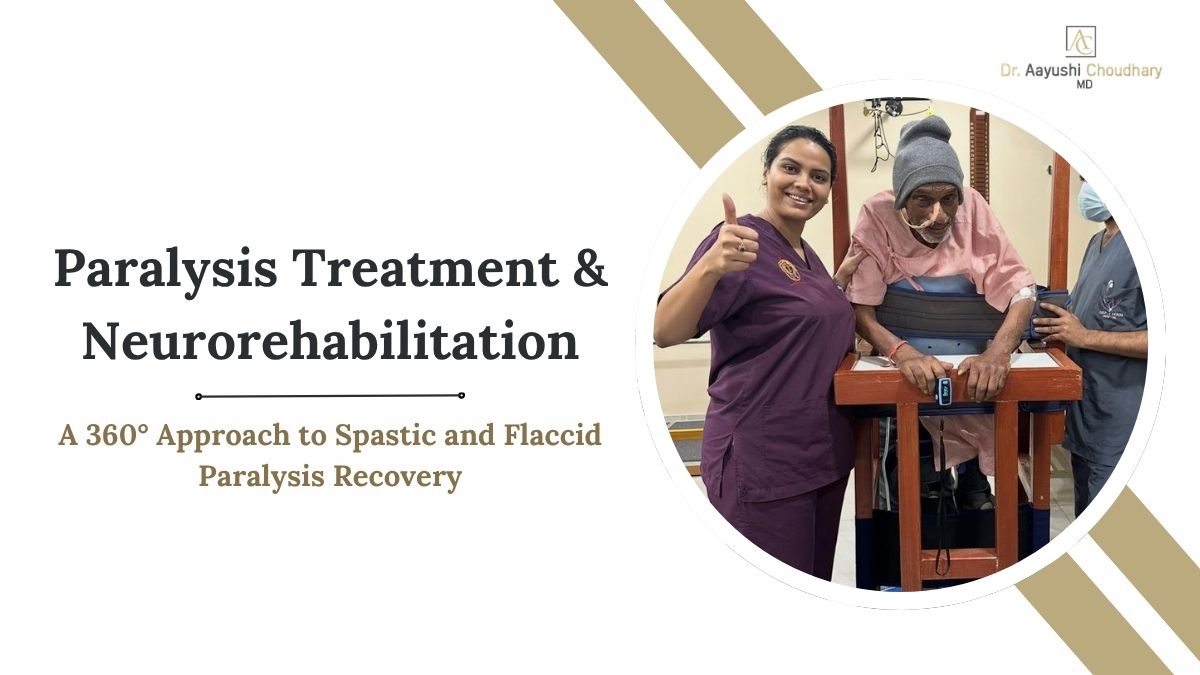 Paralysis Treatment & Neurorehabilitation: A 360° Approach to Spastic and Flaccid Paralysis Recovery
 Why Does My Back Hurt? Understanding the Root Causes of Spinal Pain
 Top 10 Early Signs of Stroke You Should Never Ignore
 Daily Activity Tips to Manage Frozen Shoulder Pain
 When Kids with Cerebral Palsy Grow Up: A Simple Guide for Families
 How to Safely Return to Sports After an ACL Injury
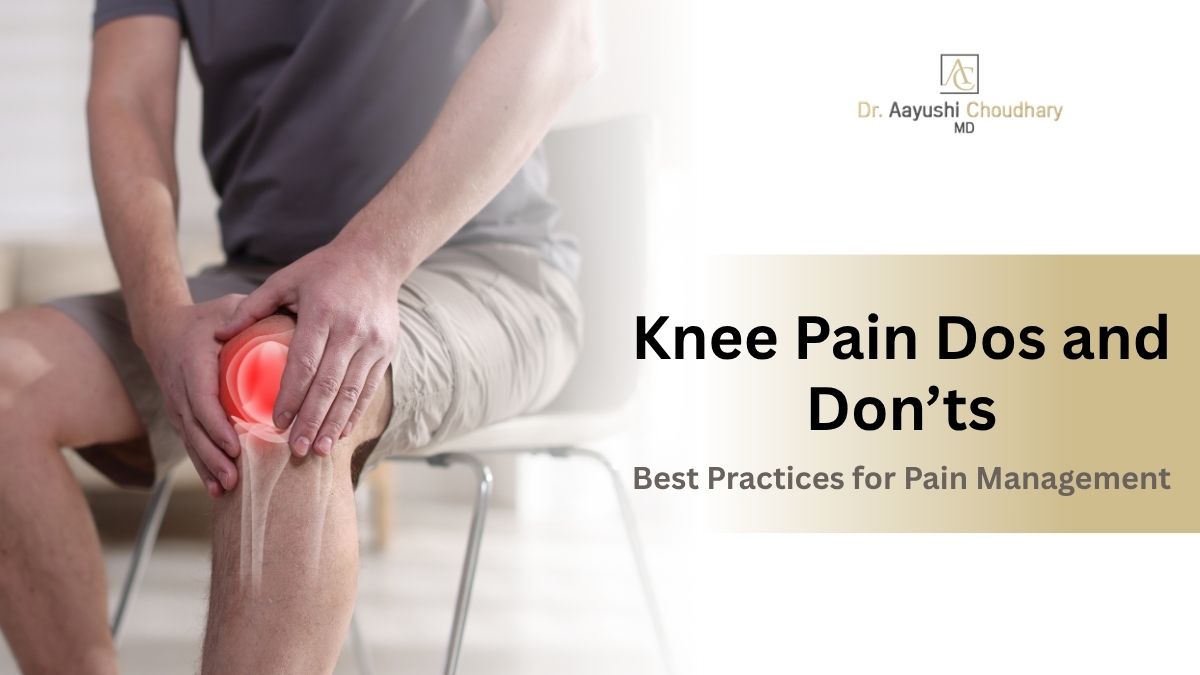 Knee Pain Dos and Don’ts: Best Practices for Pain Management
 Why Are Young People Suffering from Chronic Back Pain?
 8 Common Causes of Neck Pain & Effective Treatment Options
 Pain Management: When to Visit a Pain Specialist or Pain Hospital
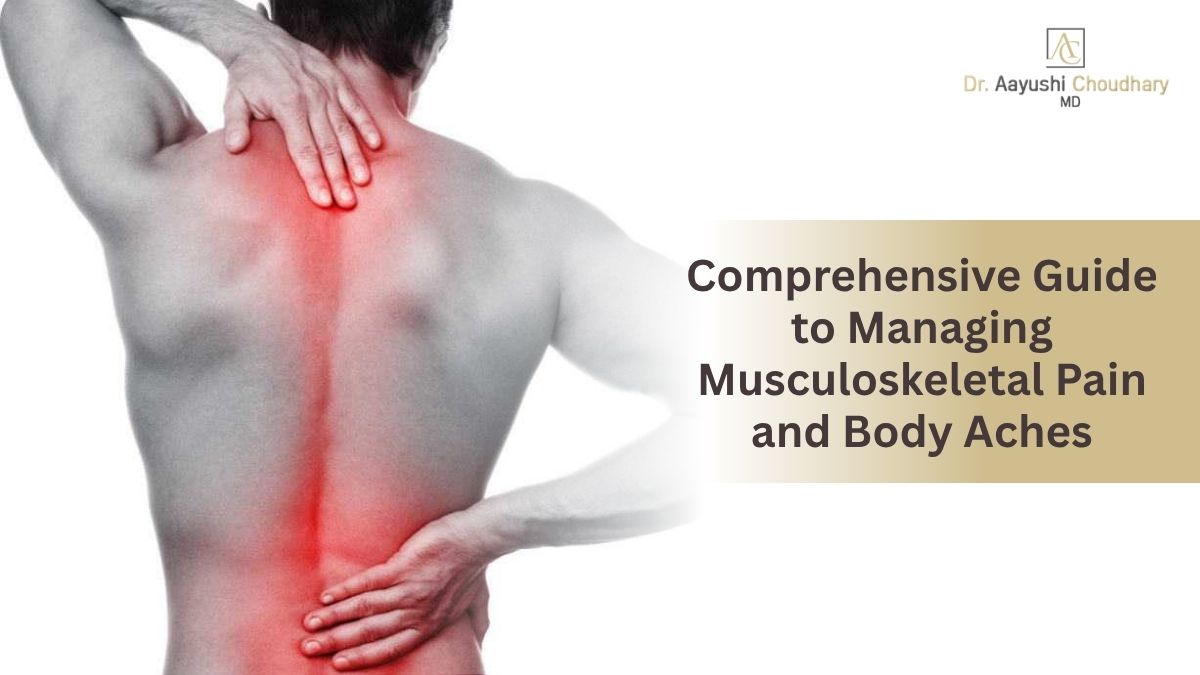 Comprehensive Guide to Managing Musculoskeletal Pain and Body Aches
 Neck Pain Treatment for Working Professionals: Daily Care Tips
 Got Injured While Playing Sports? Here’s What to Do Next
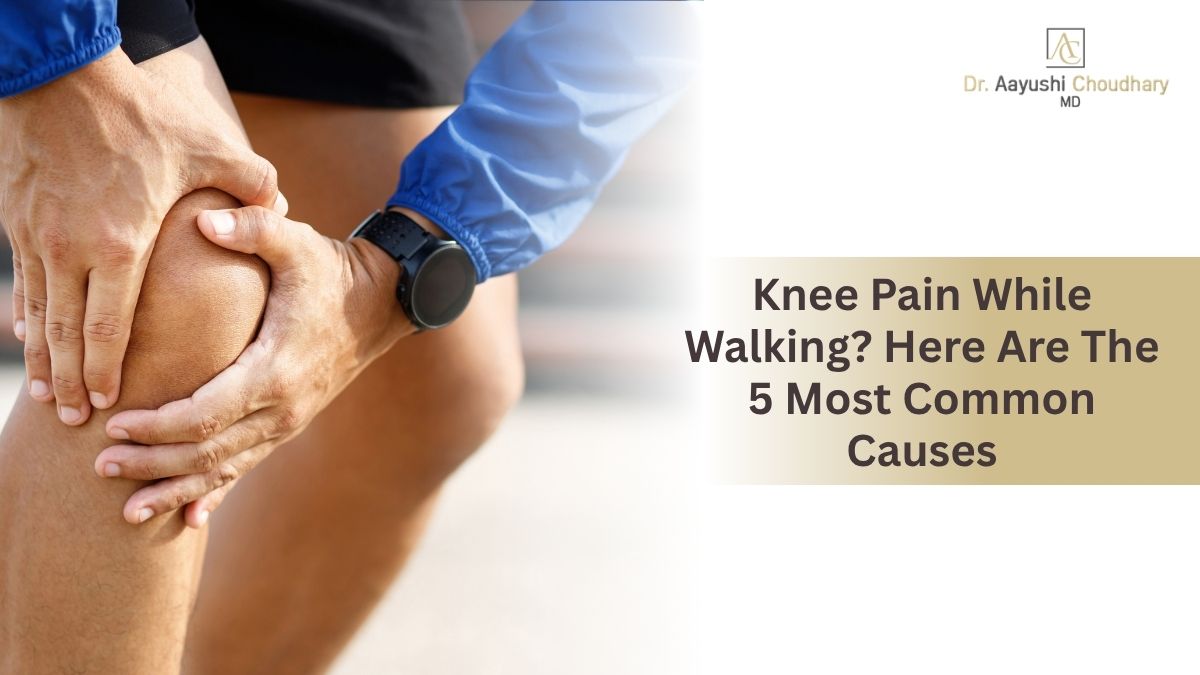 Knee Pain While Walking? Here Are The 5 Most Common Causes
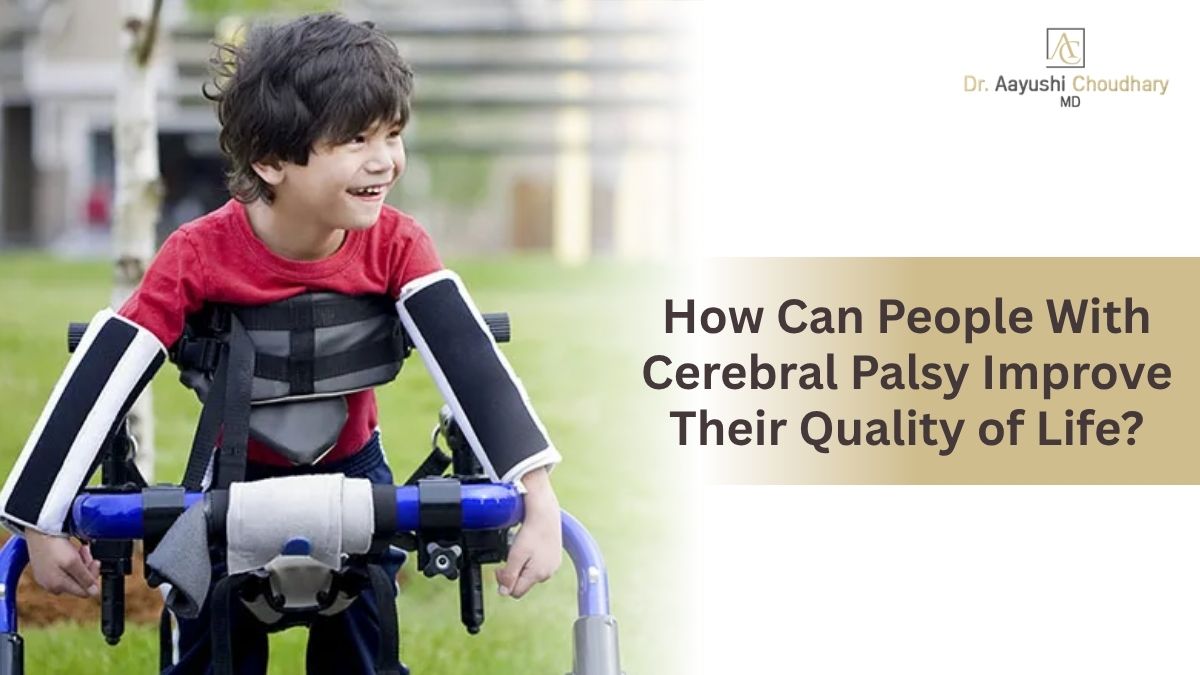 How Can People With Cerebral Palsy Improve Their Quality of Life?
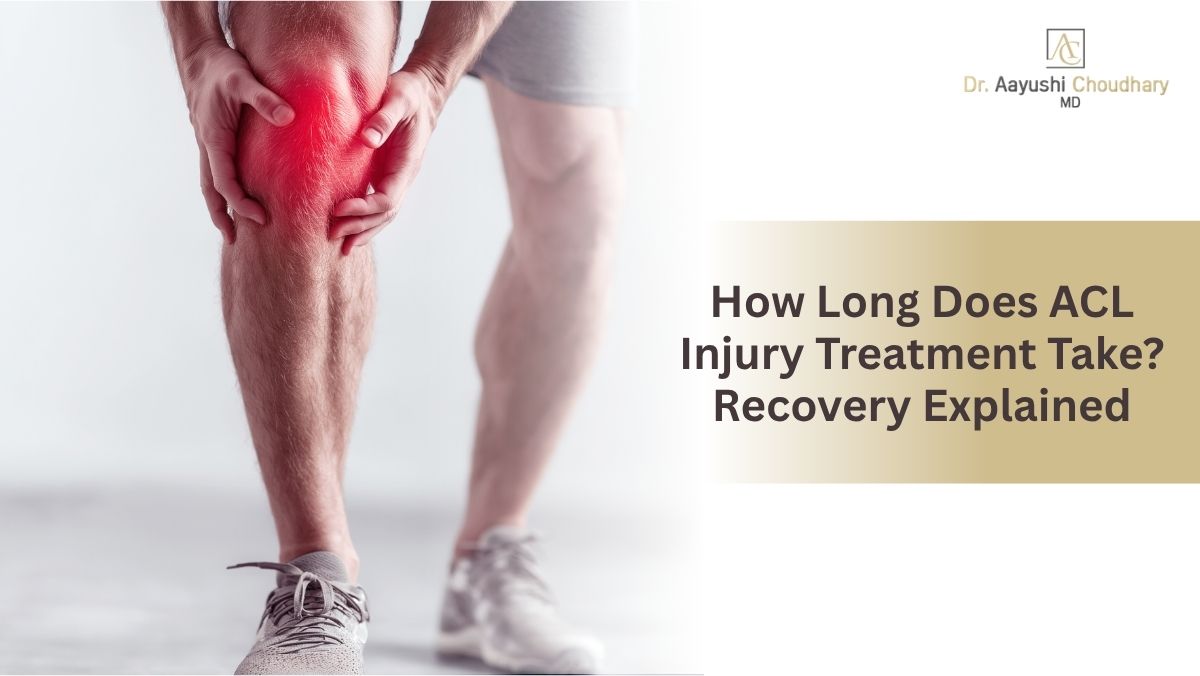 How Long Does ACL Injury Treatment Take? Recovery Explained
 How Does Paralysis Begin & What Treatments Help Recovery?
 Why Is Early Pain Treatment Important for Better Recovery?
 How Can You Tell If Your Knee Pain Needs Medical Attention?
 How Screen Time and Mobile Usage Trigger Cervical Pain?
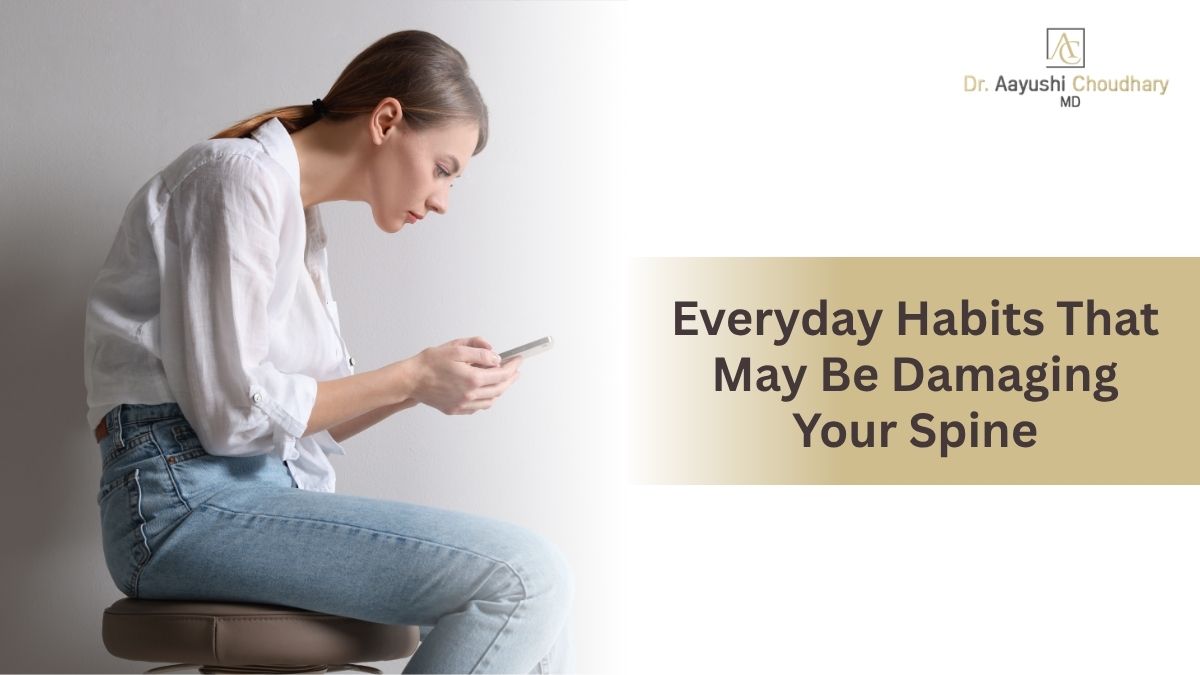 Everyday Habits That May Be Damaging Your Spine
 Best Ways to Manage Slip Disc and Improve Spine Health
 Body Ache: Symptoms, Causes and Treatment Explained
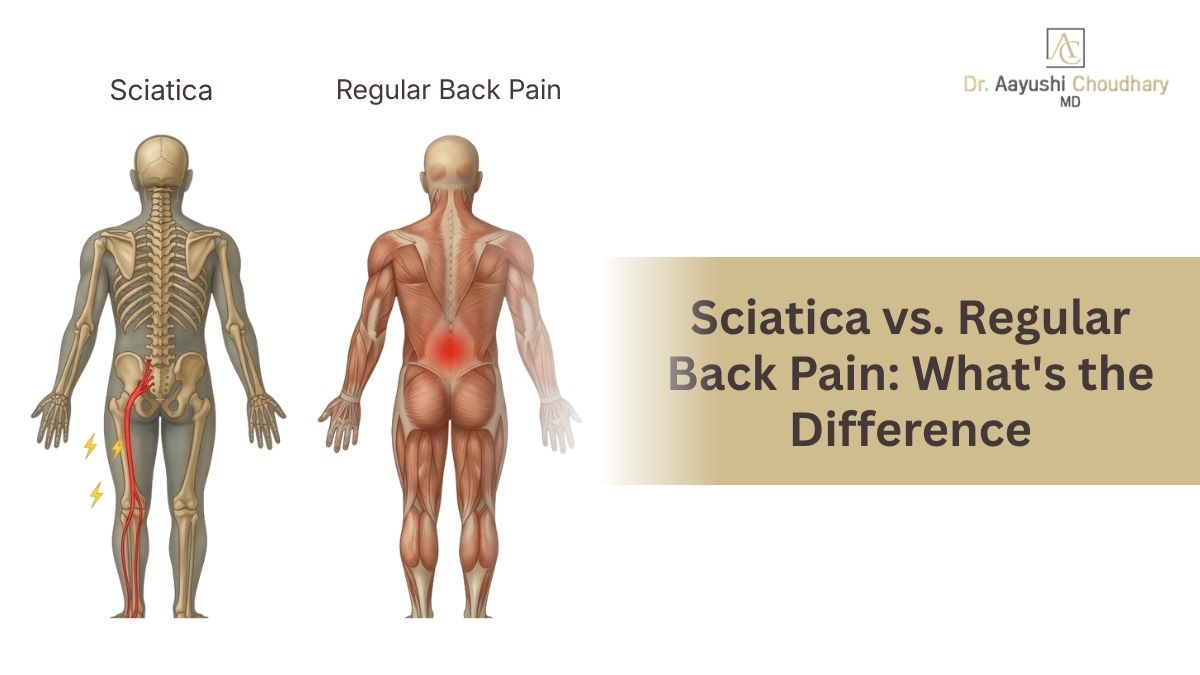 Sciatica vs. Regular Back Pain: What's the Difference? | Expert Guide
 Why Is Joint Pain More Common in Women? | Expert Medical Guide
 Why Do Gym Injuries Happen? | Expert Medical Guide
 Spine Preservation: Why the Future of Medicine Is About Preserving the Human Spine, Not Replacing It
 Rehabilitation: The Missing Fourth Pillar of Modern Medicine-Why the Future of Healthcare Is Not Just About Saving Lives, But Restoring Them
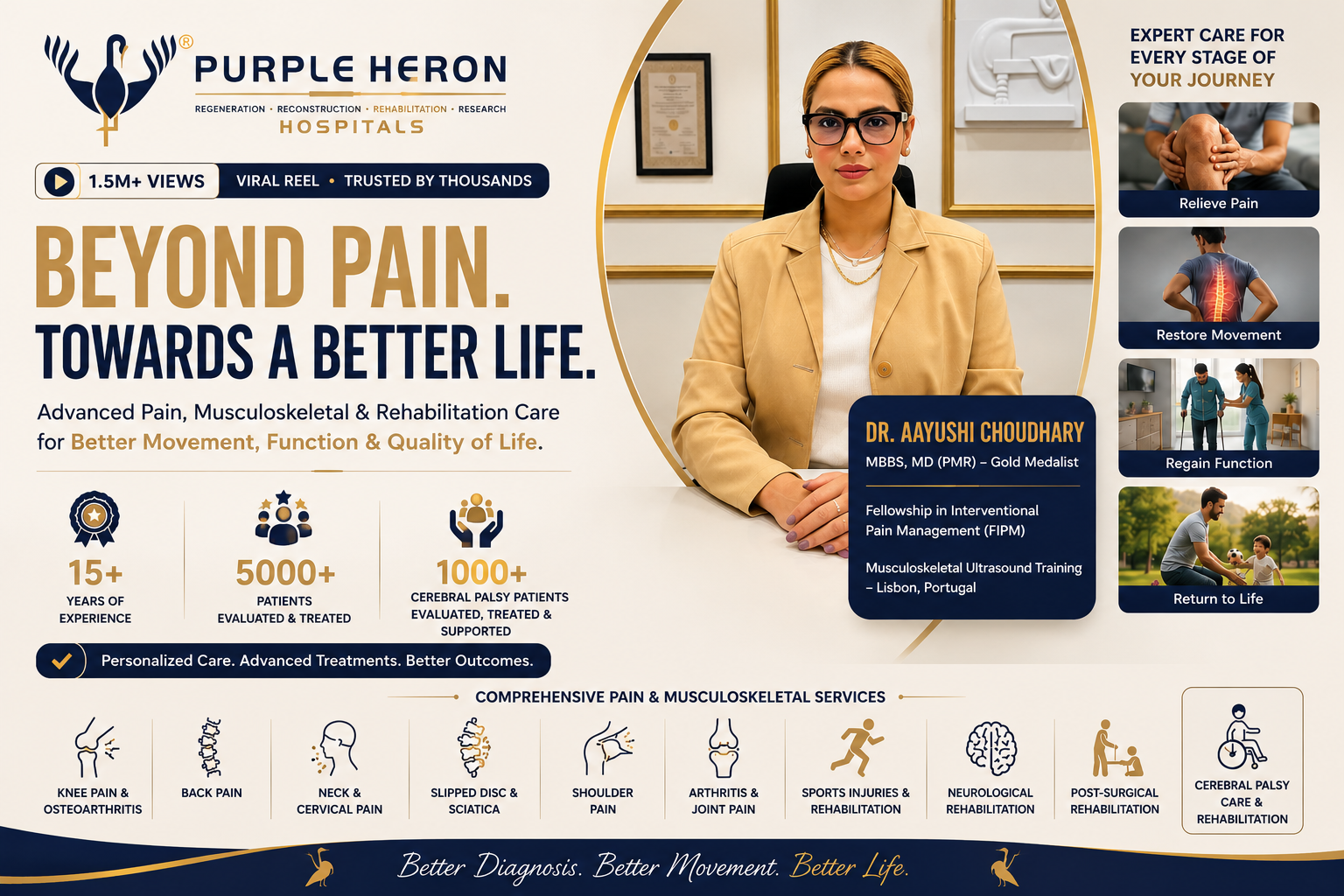 Advanced Pain & Musculoskeletal Care by Dr. Aayushi Choudhary in Jaipur
 Interventional Pain Medicine: Pain Is Not Enemy; Rather Body's Language. Why Does Future of Pain Medicine Lie in Treating Cause, Not Silencing Symptom?
 Cerebral Palsy Is Not a Deformity Problem, a Movement Problem. Why Correcting a Child’s Legs Does Not Always Help Them Walk?
 Regenerative Medicine: The Future of Healthcare Will Not Be Replacement but Preservation. Why Next Decade in Medicine Will Be Defined by Saving Human Tissue, Not Simply Replacing It
 Best ACL Doctor in Jaipur for Complete Musculoskeletal Care