
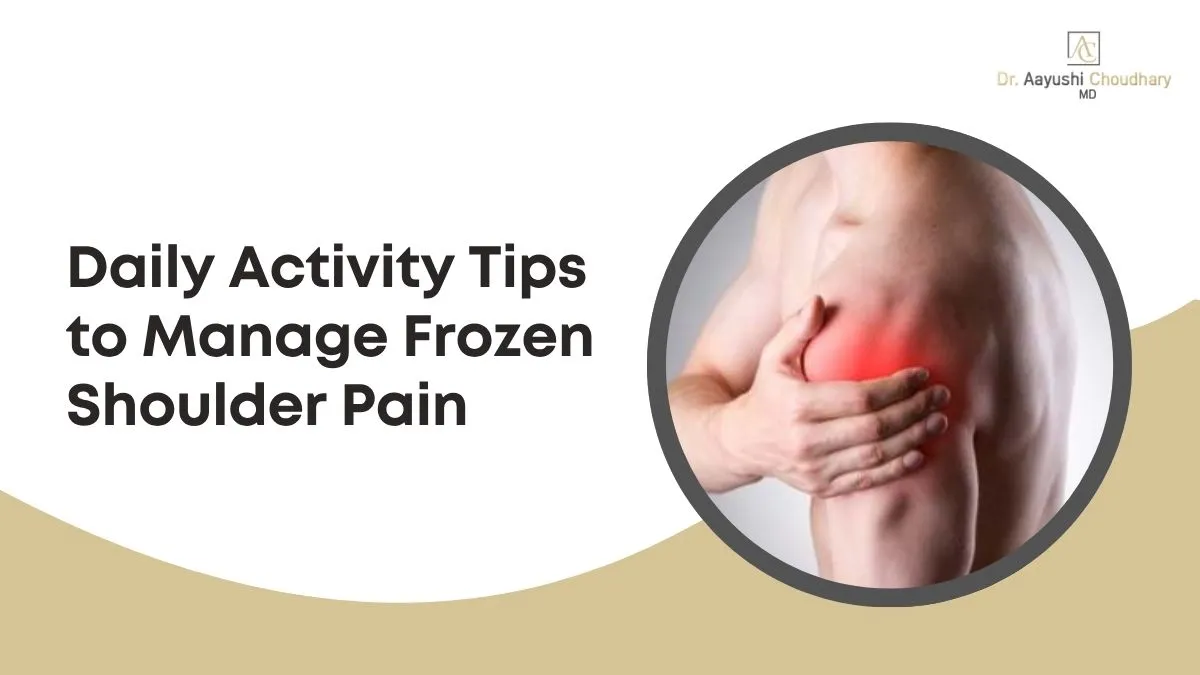
Frozen shoulder, medically known as adhesive capsulitis, is a condition that causes pain, stiffness, and restricted movement in the shoulder joint. It can significantly impact your daily life, making simple tasks like dressing, sleeping, or even reaching for objects extremely difficult.
While medical care is important, your daily habits and activities play a major role in managing pain and speeding up recovery. By making small but effective changes in your routine, you can reduce discomfort and support healing.
In this comprehensive guide, we will share practical and easy-to-follow daily activity tips to manage frozen shoulder pain, along with expert advice on recovery and when to seek professional help.
Understanding Frozen Shoulder and Its Impact
Frozen shoulder develops when the connective tissues around the shoulder joint become inflamed, thickened, and tight. This restricts movement and causes persistent pain.
The condition usually progresses in three stages:
- Freezing Stage – Pain increases gradually, and movement becomes difficult
- Frozen Stage – Pain may reduce slightly, but stiffness remains severe
- Thawing Stage – Movement improves slowly over time
During these stages, performing daily activities can become challenging. This is why combining lifestyle adjustments with proper frozen shoulder treatment is essential for recovery.
Why Modifying Daily Activities is Important
Continuing with regular activities without adjustments can worsen your condition. On the other hand, smart modifications can:
- Reduce stress on the shoulder joint
- Prevent further stiffness
- Improve mobility gradually
- Support faster healing
- Enhance overall comfort
These changes, along with guidance from a Shoulder pain specialist, can make a significant difference in your recovery journey.
1. Make Dressing Easier and Pain-Free
Dressing is often one of the most uncomfortable tasks for people with frozen shoulder.
Tips to follow:
- Choose loose-fitting clothes
- Prefer front-open shirts or jackets
- Avoid tight sleeves or overhead clothing
- Put the affected arm in first while dressing
- Remove clothing by taking the unaffected arm out first
These small changes reduce unnecessary strain and make the process smoother.
2. Adjust Your Sleeping Position
Pain often worsens at night, affecting sleep quality.
Best sleeping practices:
- Sleep on your back or the unaffected side
- Use a pillow to support your affected arm
- Avoid putting pressure on the painful shoulder
- Maintain a comfortable and aligned posture
Proper sleep positioning can significantly reduce nighttime discomfort.
3. Be Careful While Lifting and Carrying Objects
Lifting heavy items can increase pain and delay recovery.
Smart lifting tips:
- Avoid lifting heavy weights
- Use both hands when carrying objects
- Keep items close to your body
- Avoid sudden movements
- Ask for help when needed
Protecting your shoulder during daily tasks is crucial for healing.
4. Maintain Proper Posture Throughout the Day
Poor posture can increase tension in your shoulders and worsen symptoms.
Posture improvement tips:
- Sit upright with your back straight
- Keep shoulders relaxed, not hunched
- Avoid slouching while sitting or standing
- Use ergonomic furniture if possible
Good posture reduces strain and supports better shoulder alignment.
5. Modify Your Work Environment
If you spend long hours working on a computer or desk, your setup matters.
Make these adjustments:
- Keep your screen at eye level
- Position your keyboard and mouse within easy reach
- Support your arms on armrests
- Take breaks every 30–45 minutes
- Avoid repetitive shoulder movements
A comfortable workspace helps prevent additional stress on your shoulders.
6. Avoid Overhead Activities
Reaching overhead can be painful and harmful for a frozen shoulder.
What to avoid:
- Placing items on high shelves
- Reaching suddenly above shoulder level
- Repetitive overhead movements
What to do instead:
- Keep frequently used items within easy reach
- Use step stools instead of stretching
- Ask for assistance when necessary
Reducing overhead strain is essential for pain management.
7. Use Heat and Cold Therapy for Relief
Pain management is an important part of daily life with frozen shoulder.
How to use:
- Apply a warm compress to relax muscles
- Use cold packs to reduce swelling
- Limit application to 15–20 minutes
Heat and cold therapy can provide quick and effective relief when used correctly.
8. Stay Active with Safe Movements
Avoiding movement completely can worsen stiffness. Gentle activity is important.
Safe practices:
- Perform slow and controlled movements
- Avoid sudden or jerky actions
- Follow prescribed exercises regularly
A structured exercise plan, as part of your frozen shoulder treatment, helps restore mobility.
9. Plan Your Daily Routine Smartly
Managing your energy and activities can reduce pain.
Tips:
- Schedule tasks when pain is minimal
- Break large tasks into smaller steps
- Take regular rest breaks
- Avoid overexertion
Planning helps you stay productive without worsening symptoms.
10. Follow a Consistent Exercise Routine
Exercises are essential for recovery, but must be done correctly.
Recommended exercises:
- Pendulum exercises
- Shoulder stretches
- Range-of-motion exercises
Always consult a shoulder pain doctor or physiotherapist before starting any exercise routine to avoid injury.
Activities You Should Avoid
To prevent worsening of your condition, avoid:
- Heavy lifting
- Sudden jerky movements
- Ignoring pain signals
- Sleeping on the affected shoulder
- Skipping physiotherapy sessions
Avoiding these mistakes can speed up your recovery.
Importance of Professional Care
While daily activity modifications help, medical guidance is essential.
A Shoulder pain specialist can:
- Diagnose the condition accurately
- Recommend personalized treatment
- Monitor progress
- Adjust therapy as needed
Professional frozen shoulder treatment may include:
- Physiotherapy
- Medications
- Steroid injections
- Advanced procedures in severe cases
Role of Physiotherapy in Daily Life
Physiotherapy is a key part of recovery.
Benefits include:
- Improved flexibility
- Reduced stiffness
- Better range of motion
- Increased strength
Regular sessions combined with proper daily habits ensure the best results.
Tips for Faster Recovery
To speed up healing:
- Stay consistent with treatment
- Perform exercises regularly
- Maintain a healthy lifestyle
- Manage underlying conditions like diabetes
- Stay patient and positive
Recovery from frozen shoulder takes time, but consistency leads to success.
When to Consult a Doctor
Seek medical help if you experience:
- Severe or worsening pain
- Persistent stiffness
- Difficulty performing daily activities
- No improvement with home care
Early treatment can prevent complications and improve outcomes.
Conclusion
Frozen shoulder can make daily life challenging, but with the right approach, it is manageable. By making simple adjustments—such as improving posture, avoiding strain, and following safe movement practices—you can significantly reduce pain and support recovery.
Combining these daily tips with expert-guided frozen shoulder treatment ensures better results and faster healing. If your symptoms persist, consulting a qualified shoulder pain specialist is the best step toward regaining mobility and living pain-free.
Along with managing daily activities, understanding the root cause of shoulder pain is essential. Don’t miss our guide on what causes shoulder pain.
 Understanding Spine Disorders: Expert Care by a Spine Specialist
 What Causes Knee Pain? Symptoms, Diagnosis & Effective Relief
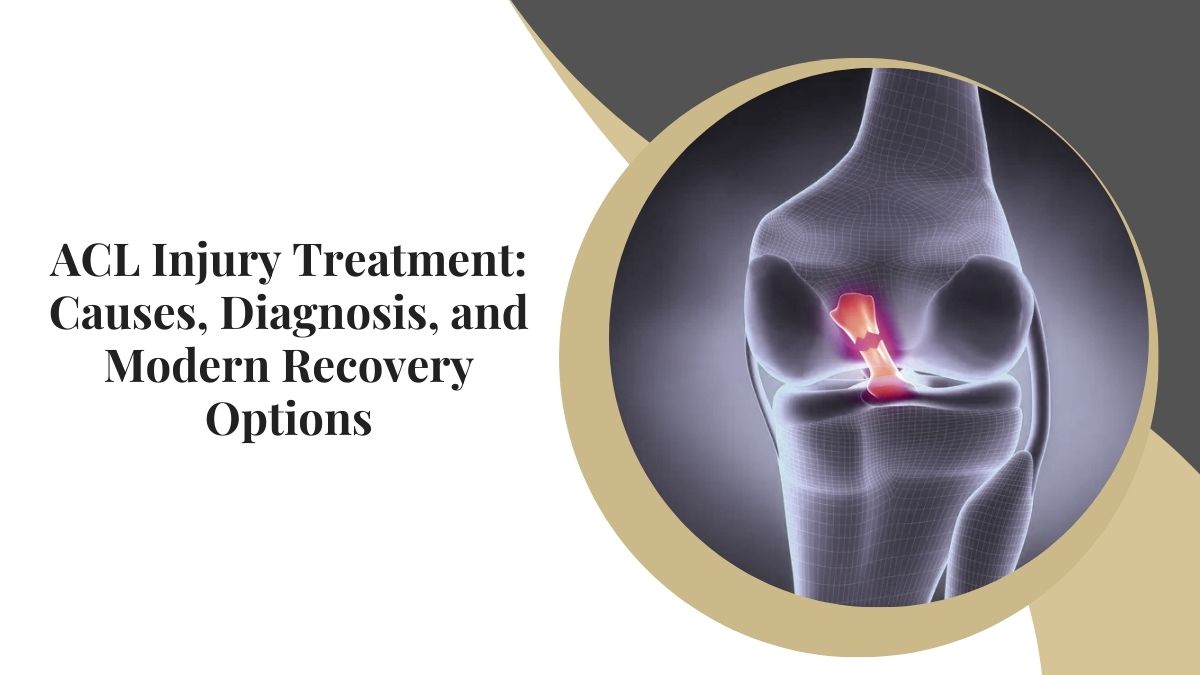 ACL Injury Treatment: Causes, Diagnosis, and Modern Recovery Options
.jpg) How Lifestyle Choices Impact Your Risk of Stroke
How Lifestyle Choices Impact Your Risk of Stroke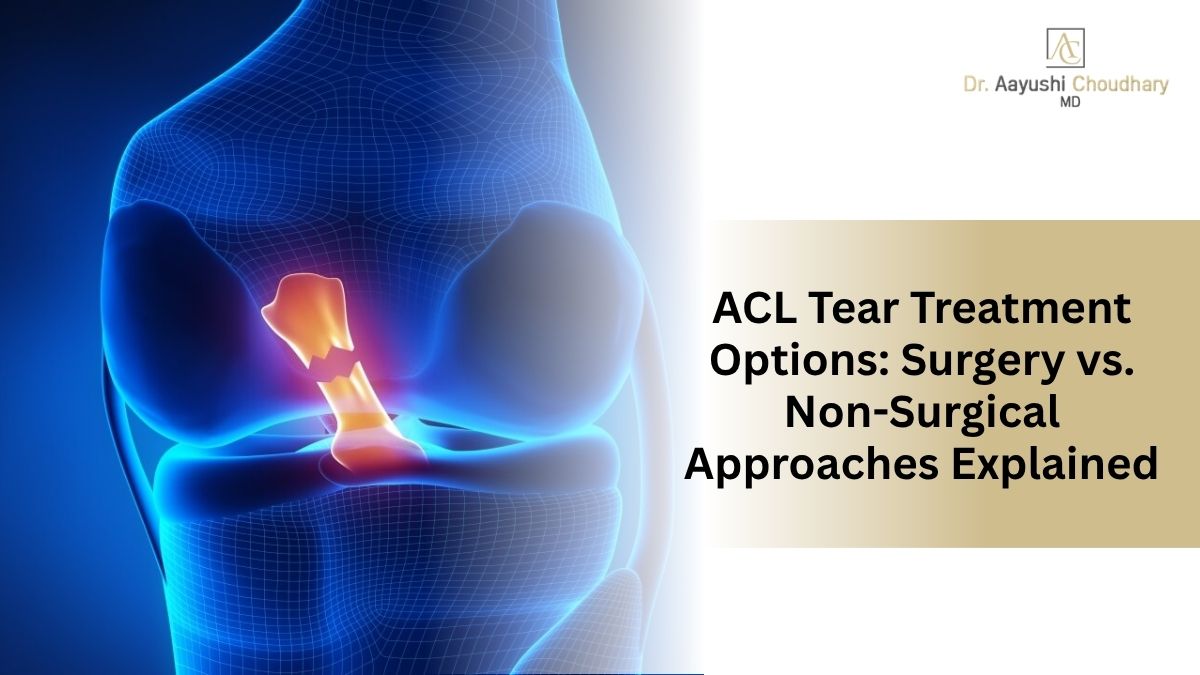 ACL Tear Treatment Options: Surgery vs. Non-Surgical Approaches Explained
 How Do You Know If Knee Pain Is Serious?
 What Is Cervical Pain? Causes, Symptoms, and Effective Treatments
 When Should You Consult a Pain Specialist? Signs You Should Not Ignore
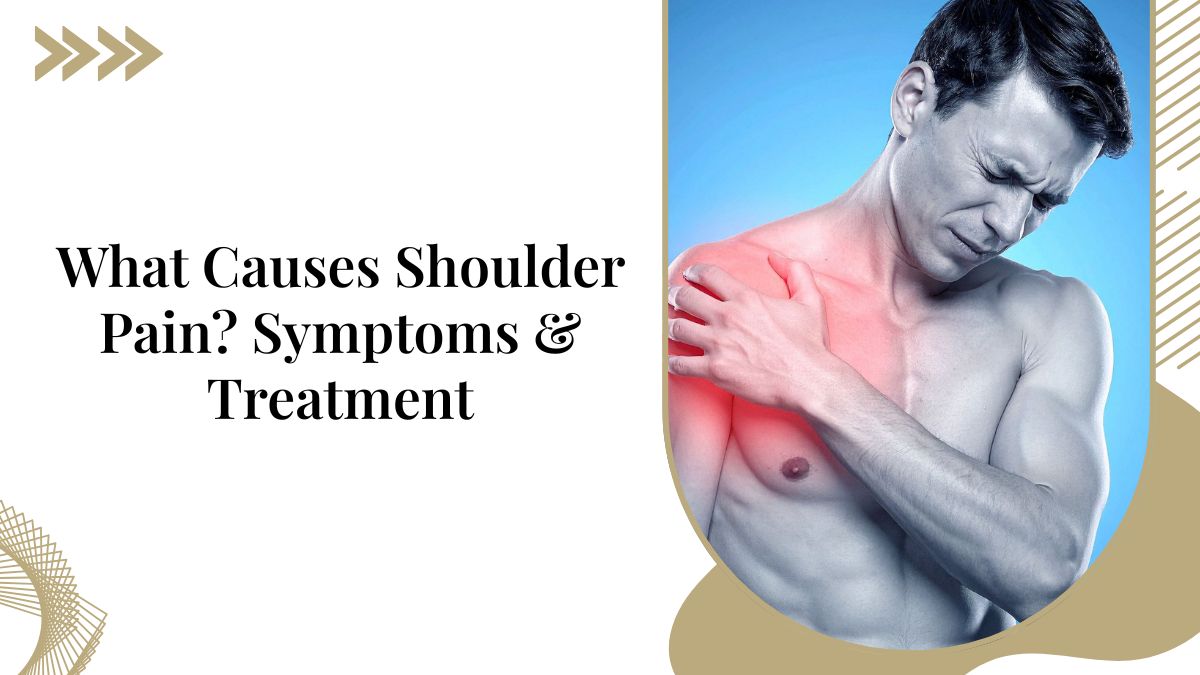 What Causes Shoulder Pain? Symptoms & Treatment
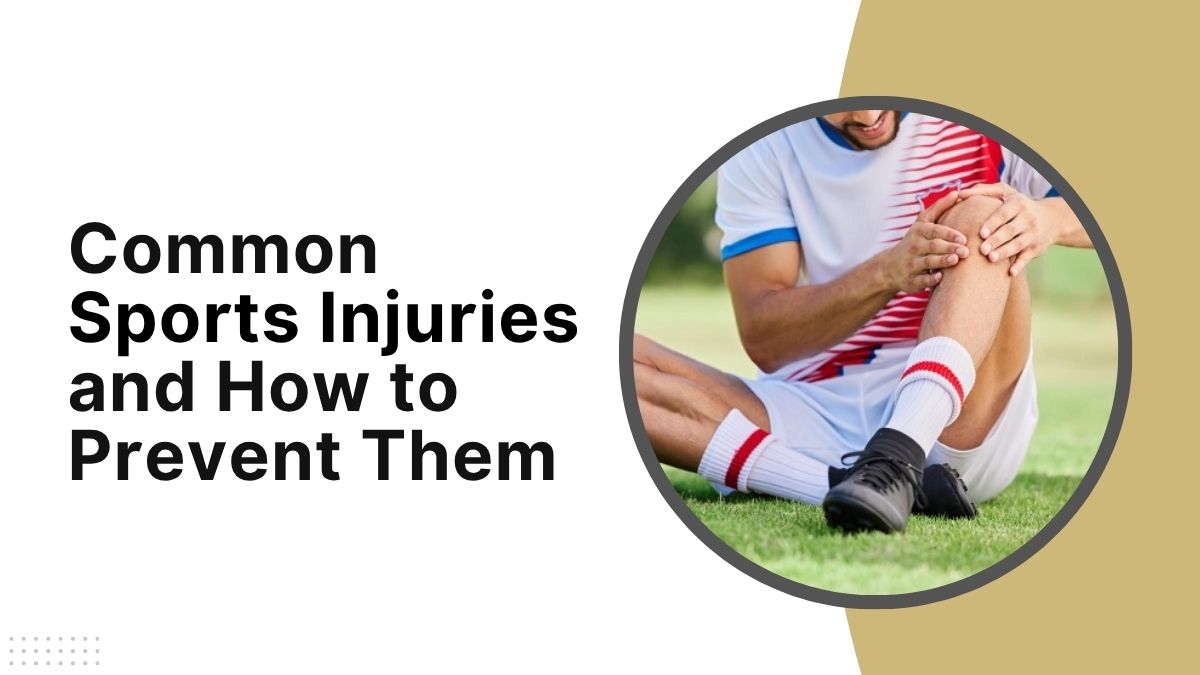 Common Sports Injuries and How to Prevent Them: A Complete Guide
 Don’t Ignore These Signs of Paralysis – It Could Be Serious
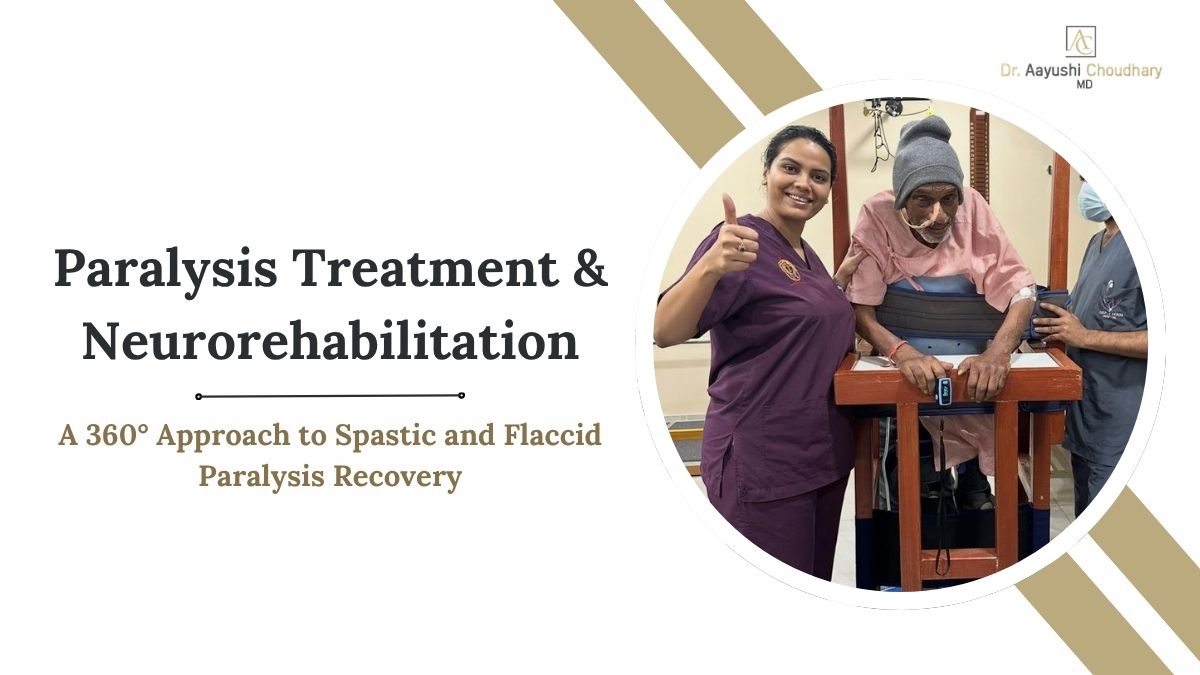 Paralysis Treatment & Neurorehabilitation: A 360° Approach to Spastic and Flaccid Paralysis Recovery
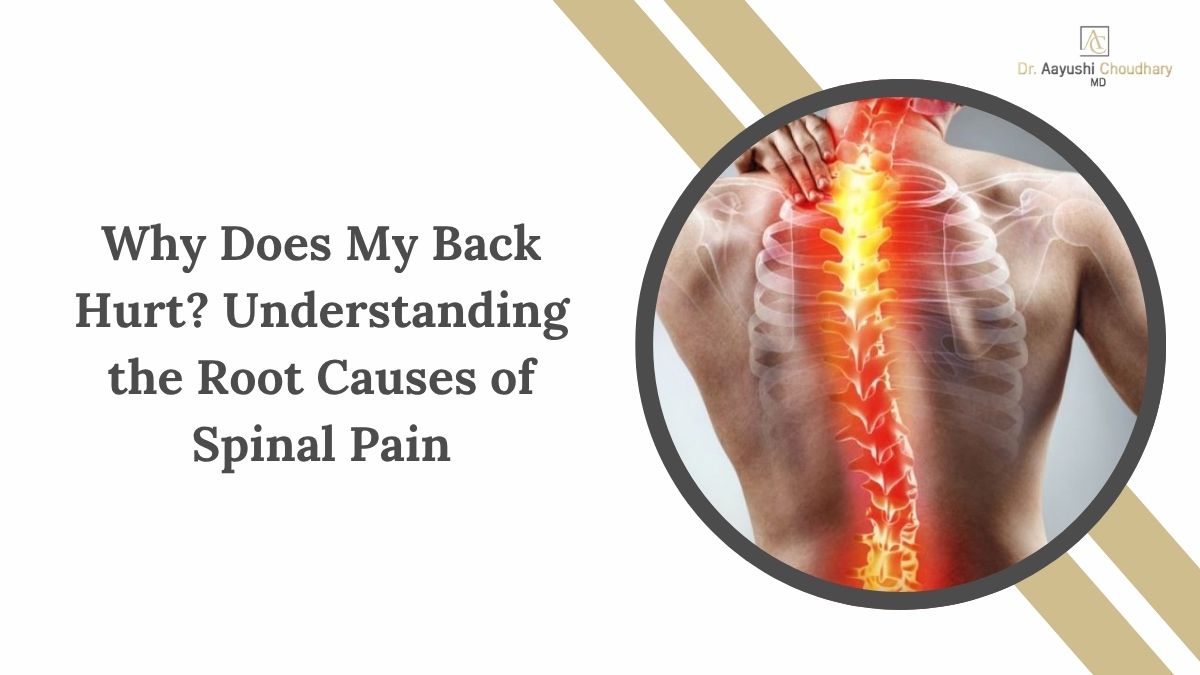 Why Does My Back Hurt? Understanding the Root Causes of Spinal Pain
 Top 10 Early Signs of Stroke You Should Never Ignore
 When Kids with Cerebral Palsy Grow Up: A Simple Guide for Families
 How to Safely Return to Sports After an ACL Injury
 Knee Pain Dos and Don’ts: Best Practices for Pain Management
 Why Are Young People Suffering from Chronic Back Pain?
 8 Common Causes of Neck Pain & Effective Treatment Options
 Pain Management: When to Visit a Pain Specialist or Pain Hospital
 Comprehensive Guide to Managing Musculoskeletal Pain and Body Aches
 Neck Pain Treatment for Working Professionals: Daily Care Tips
 Got Injured While Playing Sports? Here’s What to Do Next
 Knee Pain While Walking? Here Are The 5 Most Common Causes
 How Can People With Cerebral Palsy Improve Their Quality of Life?
 How Long Does ACL Injury Treatment Take? Recovery Explained
 How Does Paralysis Begin & What Treatments Help Recovery?
 Why Is Early Pain Treatment Important for Better Recovery?
 How Can You Tell If Your Knee Pain Needs Medical Attention?
 How Screen Time and Mobile Usage Trigger Cervical Pain?
 Everyday Habits That May Be Damaging Your Spine
 Best Ways to Manage Slip Disc and Improve Spine Health
 Body Ache: Symptoms, Causes and Treatment Explained
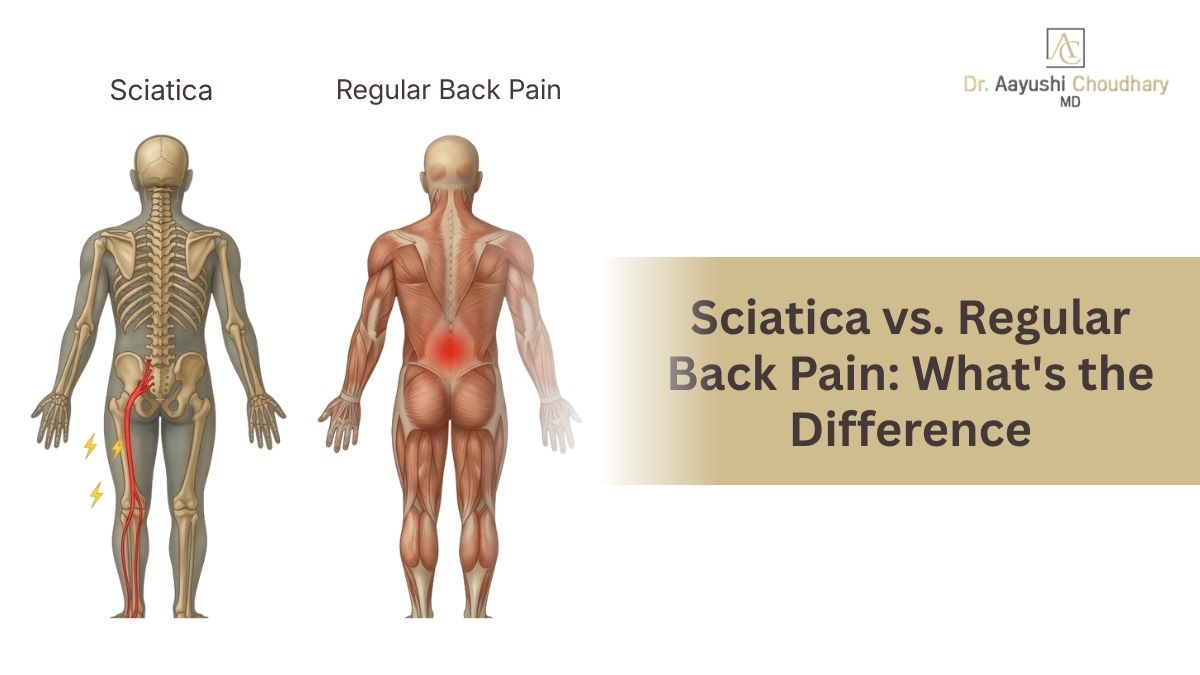 Sciatica vs. Regular Back Pain: What's the Difference? | Expert Guide
 Why Is Joint Pain More Common in Women? | Expert Medical Guide
 Why Do Gym Injuries Happen? | Expert Medical Guide
 Spine Preservation: Why the Future of Medicine Is About Preserving the Human Spine, Not Replacing It
 Rehabilitation: The Missing Fourth Pillar of Modern Medicine-Why the Future of Healthcare Is Not Just About Saving Lives, But Restoring Them
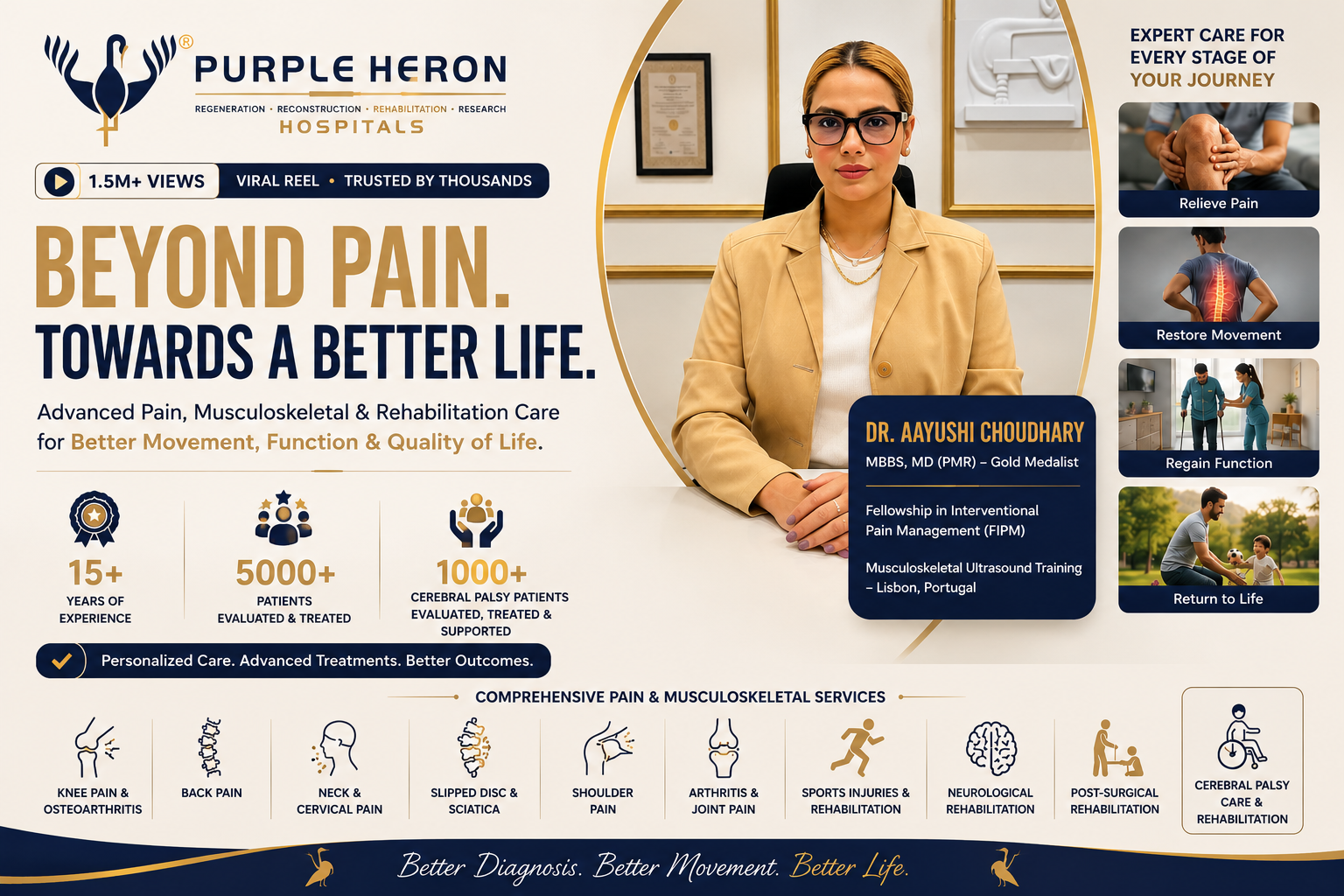 Advanced Pain & Musculoskeletal Care by Dr. Aayushi Choudhary in Jaipur
 Interventional Pain Medicine: Pain Is Not Enemy; Rather Body's Language. Why Does Future of Pain Medicine Lie in Treating Cause, Not Silencing Symptom?
 Cerebral Palsy Is Not a Deformity Problem, a Movement Problem. Why Correcting a Child’s Legs Does Not Always Help Them Walk?
 Regenerative Medicine: The Future of Healthcare Will Not Be Replacement but Preservation. Why Next Decade in Medicine Will Be Defined by Saving Human Tissue, Not Simply Replacing It
 Best ACL Doctor in Jaipur for Complete Musculoskeletal Care
 Neck Pain Treatment in Jaipur: Causes, Symptoms and Care
 When Should You See a Knee Pain Specialist? Understanding the Causes, Advanced Treatment and Personalised Recovery
 Stroke Treatment in Jaipur: A Practical Guide to Recovery and Rehabilitation
 How Can Paralysis Rehabilitation in Jaipur Improve Strength, Mobility, and Everyday Function? A Patient-Focused Overview of Recovery and Care
 Can Slip Disc Treatment in Jaipur Help You Avoid Surgery? Understanding Conservative Care Options