
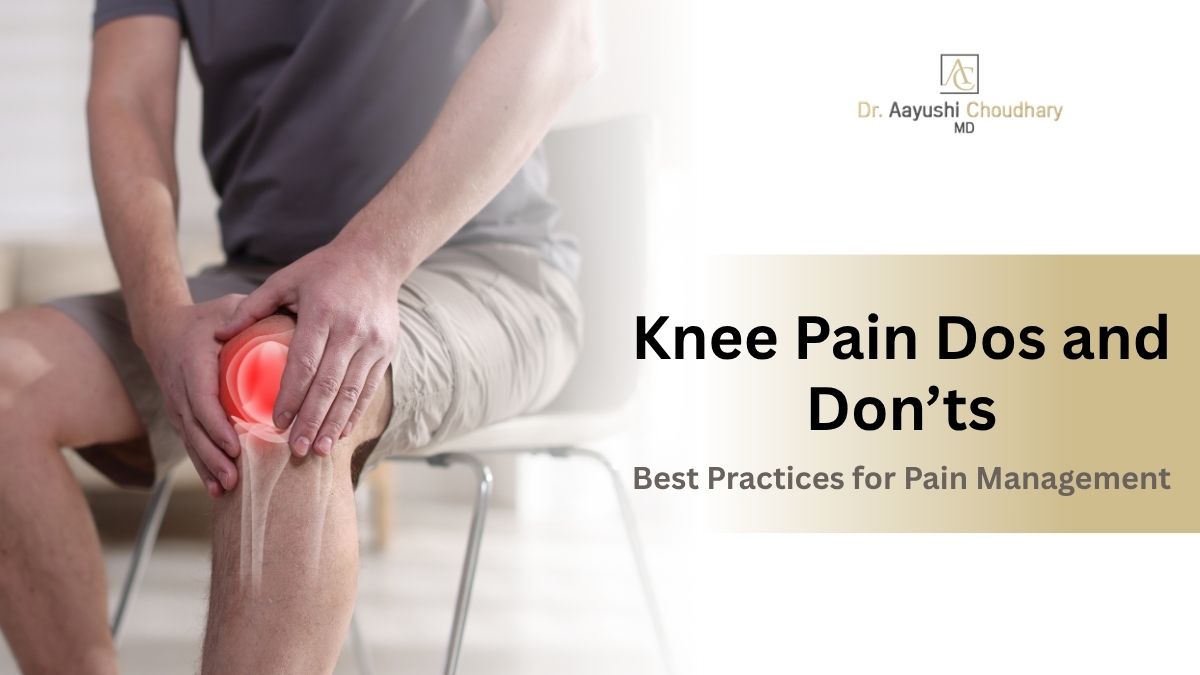
Knee pain is one of the most common health issues affecting people of all ages. Whether it’s due to aging, injury, arthritis, or lifestyle habits, knee pain can significantly impact your daily life. From walking and climbing stairs to exercising, even simple activities can become challenging.
The good news is that with the right care, lifestyle changes, and awareness, you can manage knee pain effectively and even prevent it from worsening. In this blog, we will explore the dos and don’ts of knee pain management in a simple and easy-to-understand way.
Understanding Knee Pain
Before diving into the dos and don’ts, it’s important to understand why knee pain occurs. Some common causes include:
- Osteoarthritis (wear and tear of joints)
- Ligament injuries
- Meniscus tears
- Obesity or excess weight
- Poor posture and lifestyle habits
- Overuse during physical activities
No matter the cause, proper care plays a crucial role in recovery.
Dos for Knee Pain Management
1. Maintain a Healthy Weight
Excess body weight puts additional pressure on your knees. Even a small amount of weight loss can significantly reduce knee stress and pain. Maintaining a healthy weight is one of the most effective ways to manage long-term knee health.
2. Stay Active (But Smartly)
Avoid complete rest unless advised by a doctor. Gentle activities like walking, swimming, or cycling can help keep your knee joints flexible and strong.
Low-impact exercises improve blood circulation and strengthen muscles around the knee, which reduces pain.
3. Strengthen Supporting Muscles
Strong muscles support your knees and reduce strain. Focus on exercises that strengthen:
- Quadriceps (front thigh muscles)
- Hamstrings (back thigh muscles)
- Calf muscles
Consult a physiotherapist for a safe exercise routine.
4. Use Proper Footwear
Wearing the right shoes can make a big difference. Choose footwear that provides:
- Good arch support
- Cushioning
- Proper alignment
Avoid high heels and flat, unsupportive footwear.
5. Apply Hot and Cold Therapy
- Cold packs help reduce swelling and inflammation
- Heat therapy relaxes muscles and improves stiffness
Use them as needed depending on your condition.
6. Maintain Good Posture
Poor posture can increase stress on your knees. Whether you are sitting, standing, or walking, maintaining proper posture helps distribute weight evenly and reduces knee strain.
7. Take Medical Advice Early
Ignoring knee pain can worsen the condition. Early diagnosis helps in effective treatment and prevents complications. Always consult a pain specialist if pain persists.
Don’ts for Knee Pain
1. Don’t Ignore Persistent Pain
Many people ignore knee pain, thinking it will go away on its own. This can lead to serious issues over time. If pain lasts more than a few days, seek medical attention.
2. Avoid High-Impact Activities
Activities like running on hard surfaces, jumping, or heavy lifting can worsen knee pain. Replace them with low-impact exercises.
3. Don’t Sit or Stand for Long Periods
Staying in one position for too long can increase stiffness and discomfort. Take breaks and move around every 30–40 minutes.
4. Avoid Sudden Movements
Twisting or sudden jerky movements can damage knee ligaments. Always move carefully, especially if you already have knee pain.
5. Don’t Self-Medicate
Taking painkillers without proper consultation may give temporary relief but can harm your health in the long run. Always consult a doctor before taking medication.
6. Avoid Improper Exercise
Doing the wrong exercises or incorrect techniques can worsen the condition. Always follow expert guidance.
7. Don’t Neglect Warm-Up and Stretching
Skipping warm-up before physical activity increases the risk of injury. Always stretch your muscles to prepare your body.
Lifestyle Tips for Better Knee Health
1. Eat a Balanced Diet
Include foods rich in:
- Calcium (milk, yogurt)
- Vitamin D
- Omega-3 fatty acids
- Anti-inflammatory foods like turmeric and ginger
Stay Hydrated
Water helps maintain joint lubrication and reduces stiffness.
2. Practice Yoga and Stretching
Yoga improves flexibility, balance, and muscle strength, which supports knee health.
3. Keep Moving
Avoid a sedentary lifestyle. Regular movement prevents stiffness and improves joint function.
When Should You See a Doctor?
Consult a knee pain specialist doctor if you experience:
- Severe or persistent knee pain
- Swelling or redness
- Difficulty walking
- Locking or instability in the knee
- Pain after an injury
Early treatment can prevent surgery and help you recover faster.
Non-Surgical Treatments for Knee Pain
Many knee problems can be treated without surgery. Some effective options include:
- Physiotherapy
- Medications
- Lifestyle modifications
- Injections (if required)
- Advanced pain management therapies
Non-surgical treatments are often safe, effective, and have quicker recovery times.
Conclusion
Knee pain can significantly impact your quality of life, but with the right approach, it can be effectively managed. Following the dos and don’ts of knee pain management can help reduce discomfort, improve mobility, and prevent future complications.
Remember, early care and the right guidance are key to maintaining healthy knees. Don’t ignore the signs your body gives you—take action today for a pain-free tomorrow.
 Understanding Spine Disorders: Expert Care by a Spine Specialist
 What Causes Knee Pain? Symptoms, Diagnosis & Effective Relief
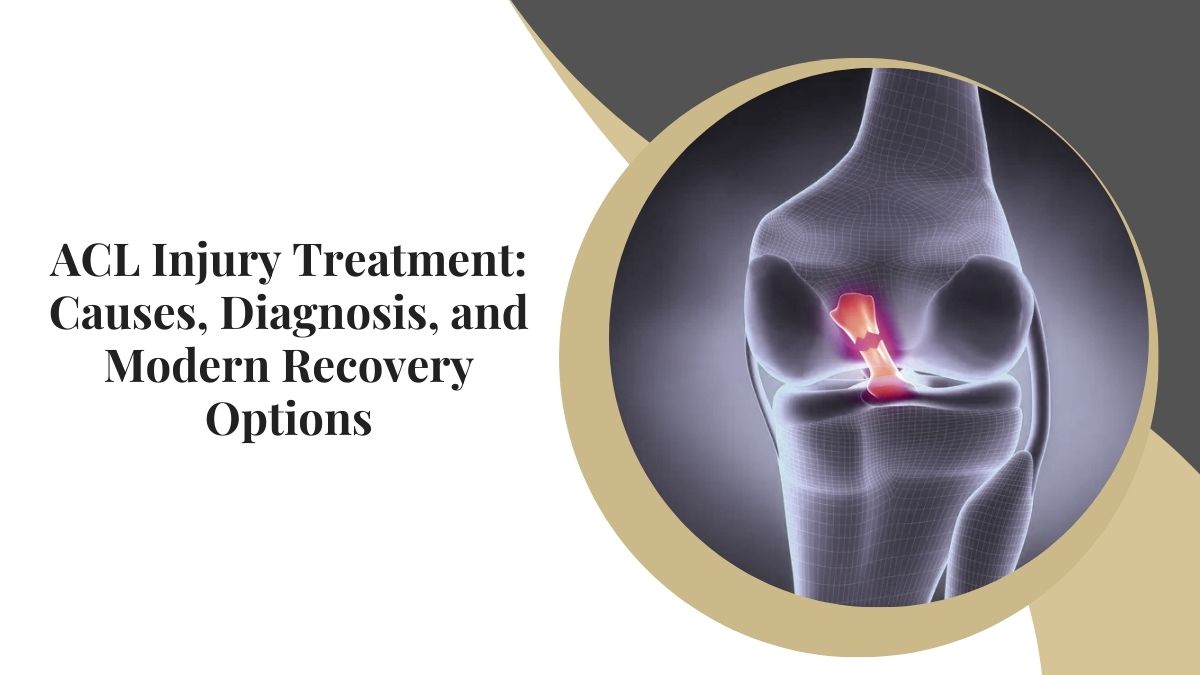 ACL Injury Treatment: Causes, Diagnosis, and Modern Recovery Options
.jpg) How Lifestyle Choices Impact Your Risk of Stroke
How Lifestyle Choices Impact Your Risk of Stroke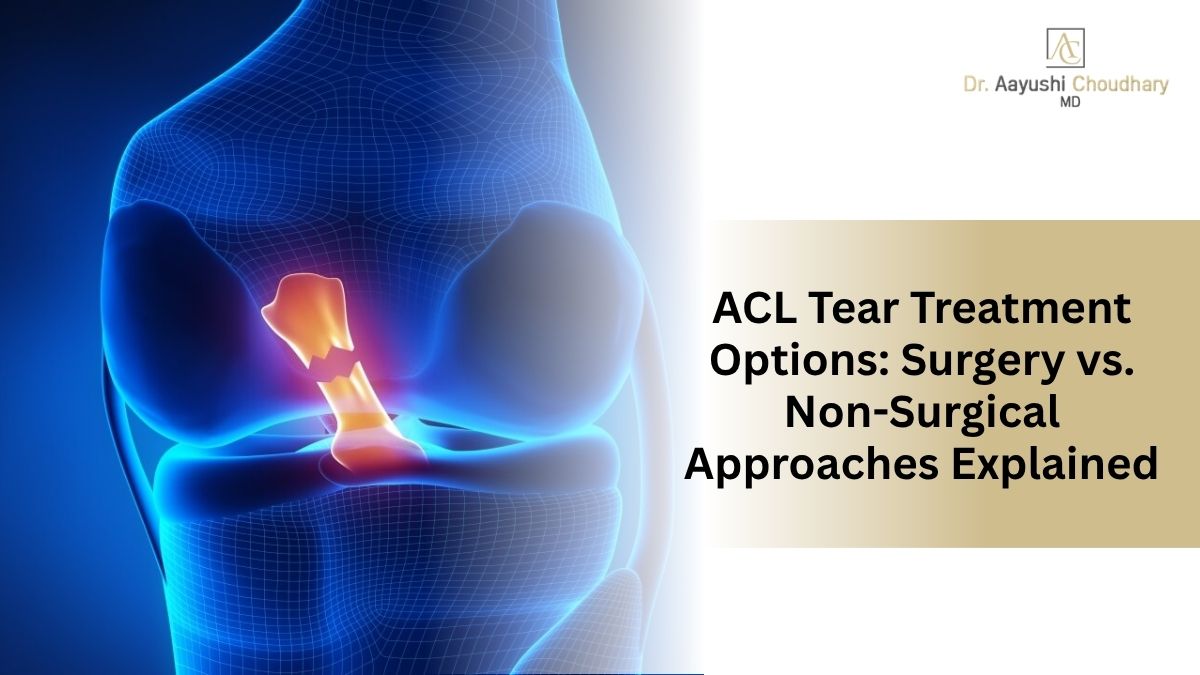 ACL Tear Treatment Options: Surgery vs. Non-Surgical Approaches Explained
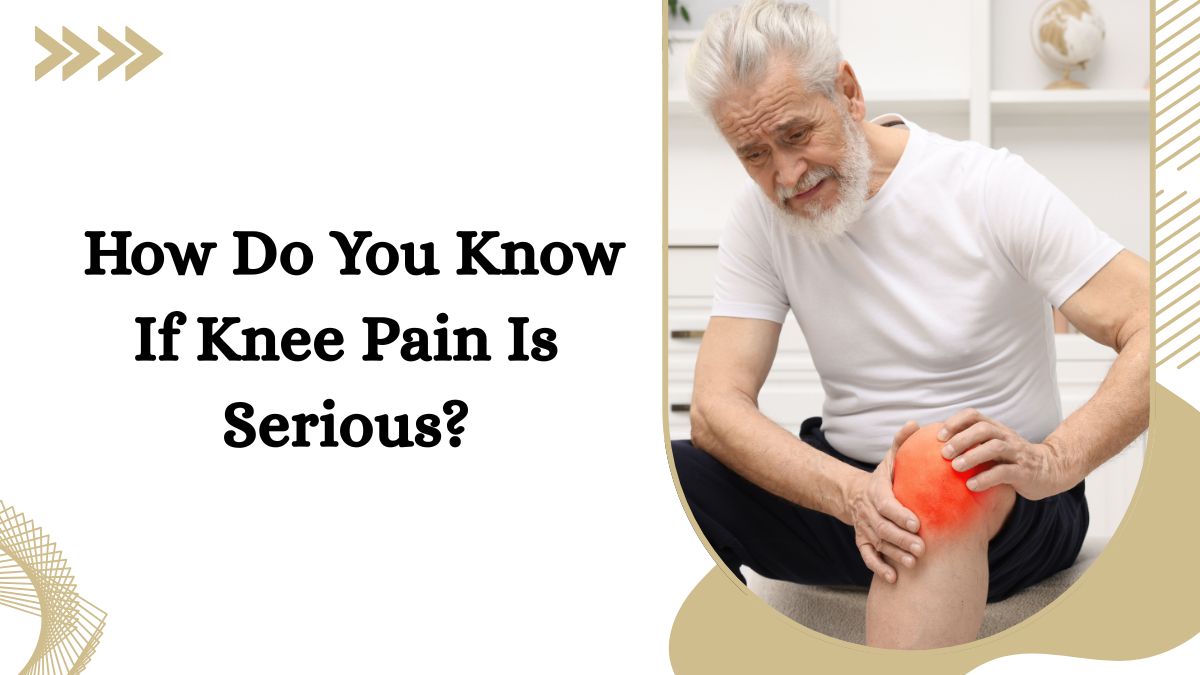 How Do You Know If Knee Pain Is Serious?
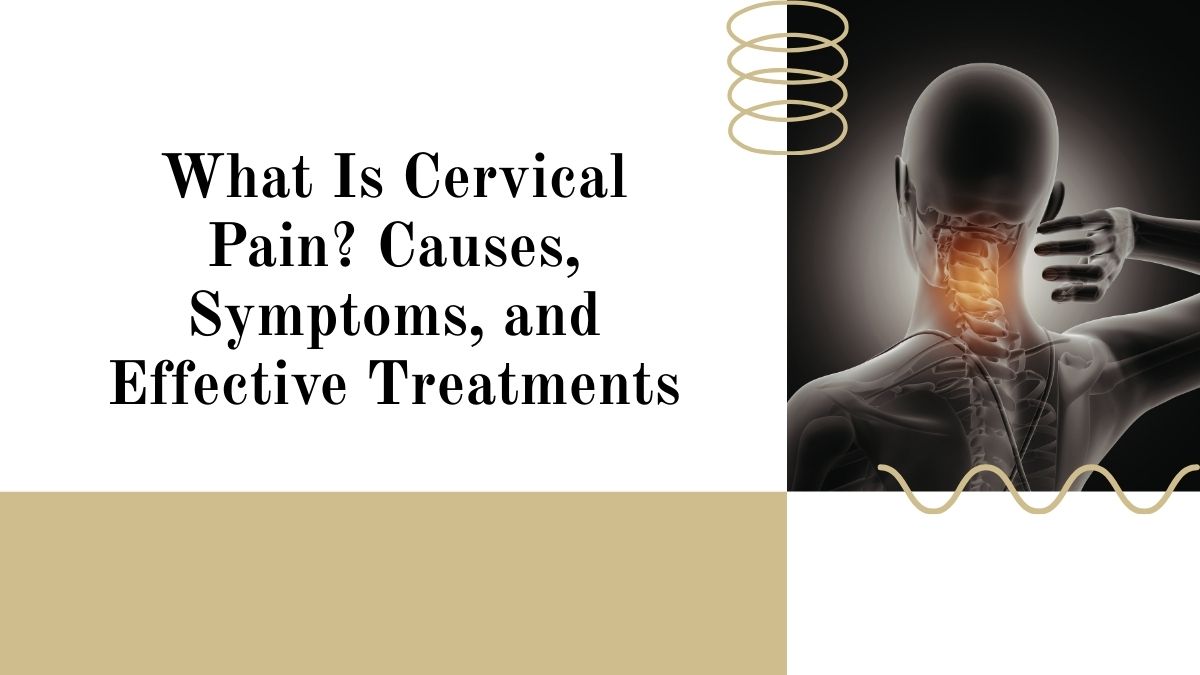 What Is Cervical Pain? Causes, Symptoms, and Effective Treatments
 When Should You Consult a Pain Specialist? Signs You Should Not Ignore
 What Causes Shoulder Pain? Symptoms & Treatment
 Common Sports Injuries and How to Prevent Them: A Complete Guide
 Don’t Ignore These Signs of Paralysis – It Could Be Serious
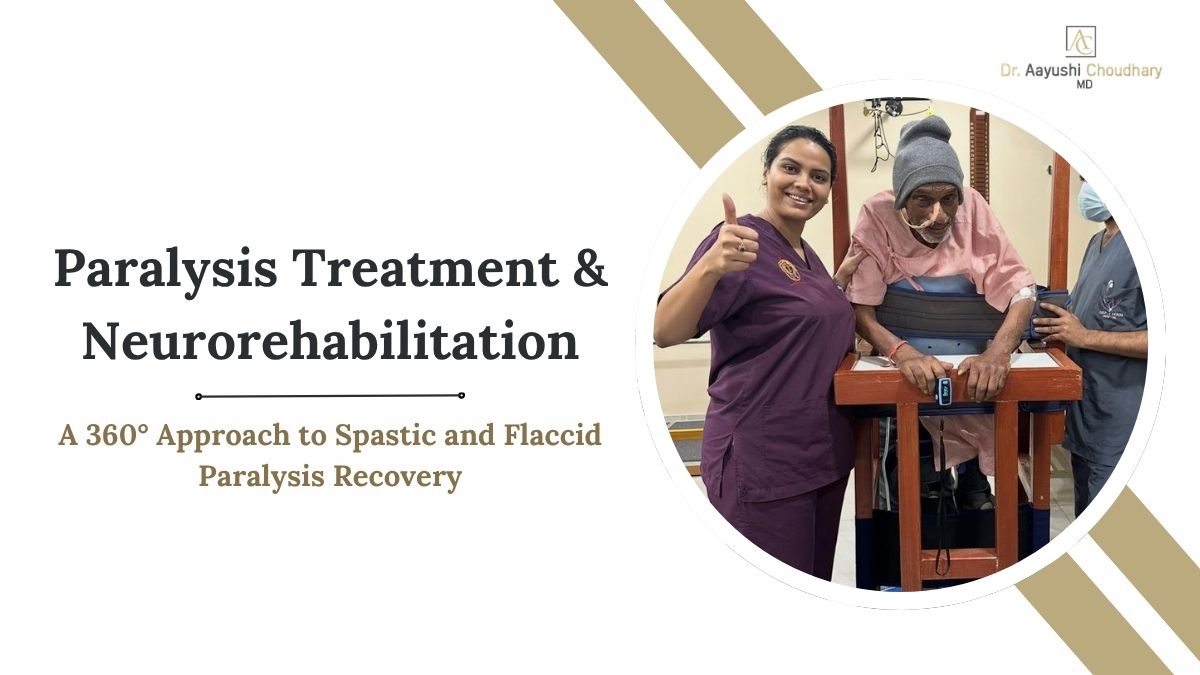 Paralysis Treatment & Neurorehabilitation: A 360° Approach to Spastic and Flaccid Paralysis Recovery
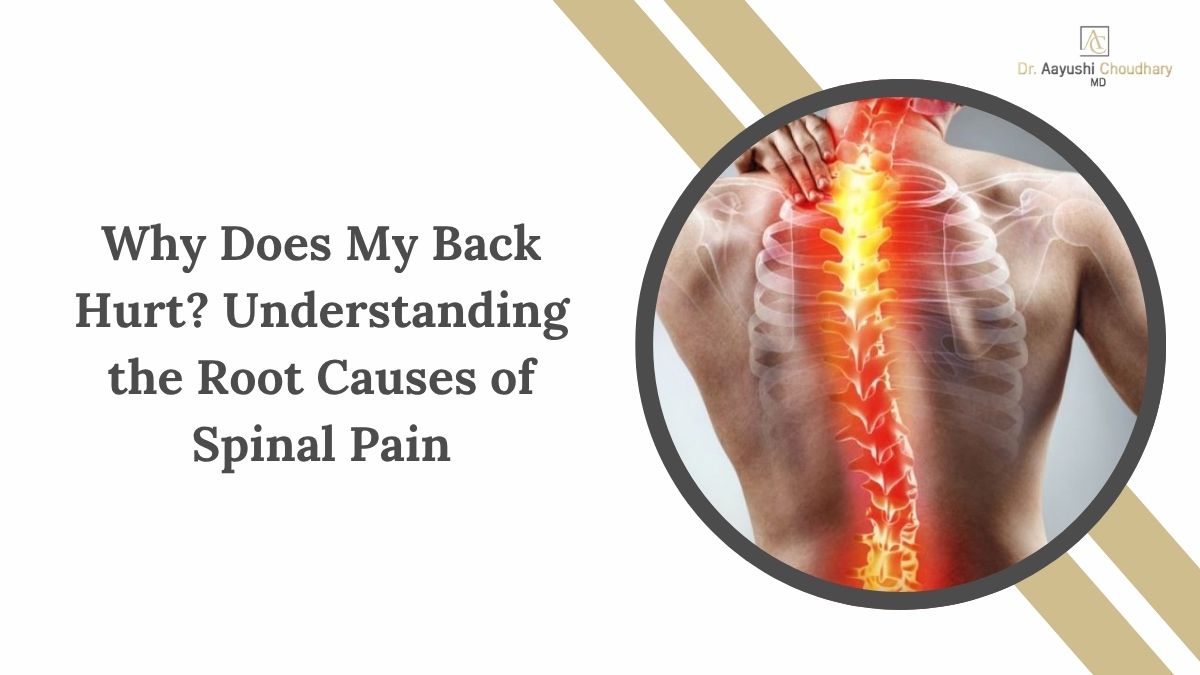 Why Does My Back Hurt? Understanding the Root Causes of Spinal Pain
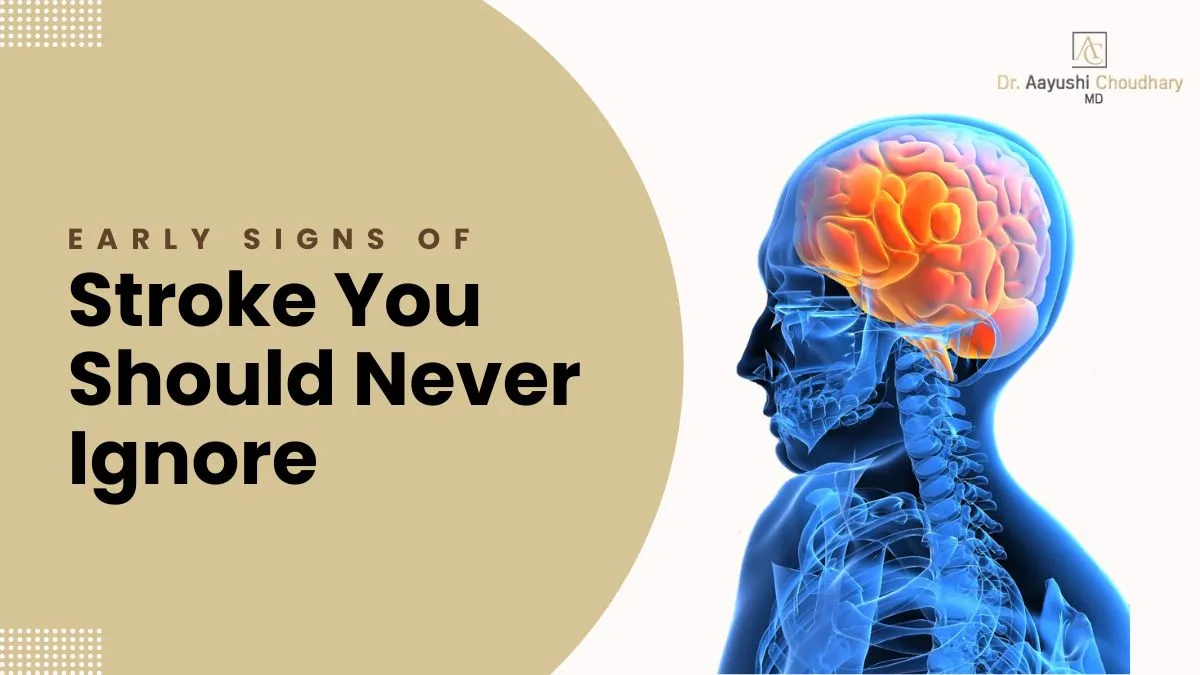 Top 10 Early Signs of Stroke You Should Never Ignore
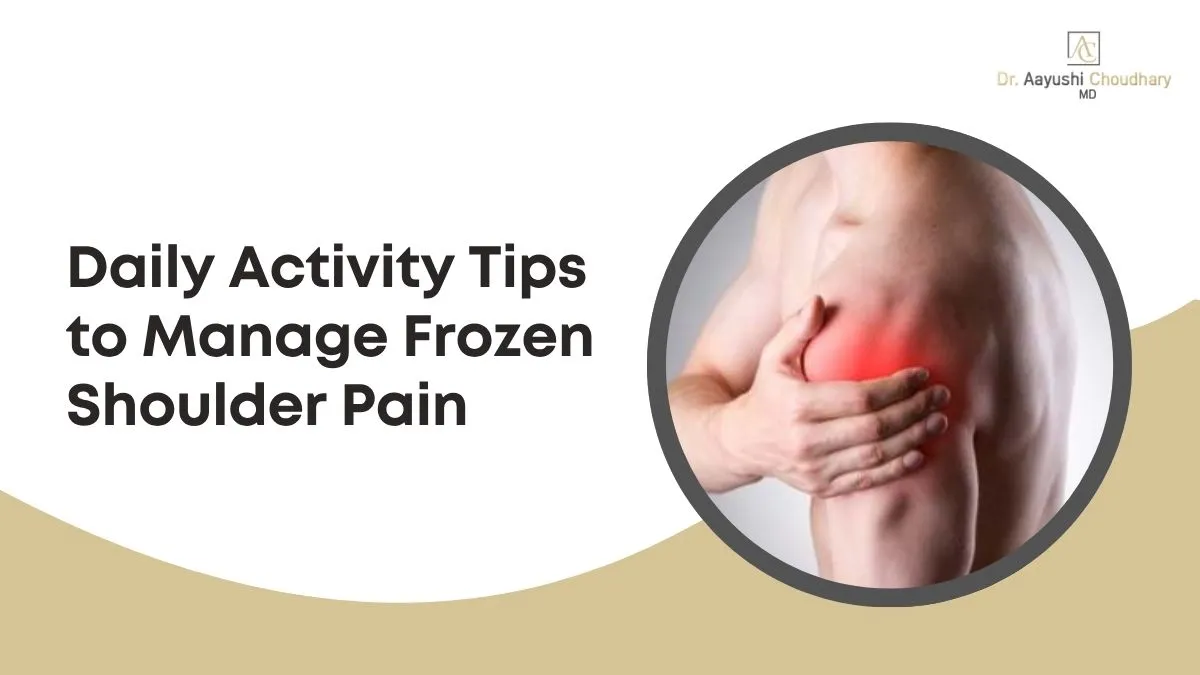 Daily Activity Tips to Manage Frozen Shoulder Pain
 When Kids with Cerebral Palsy Grow Up: A Simple Guide for Families
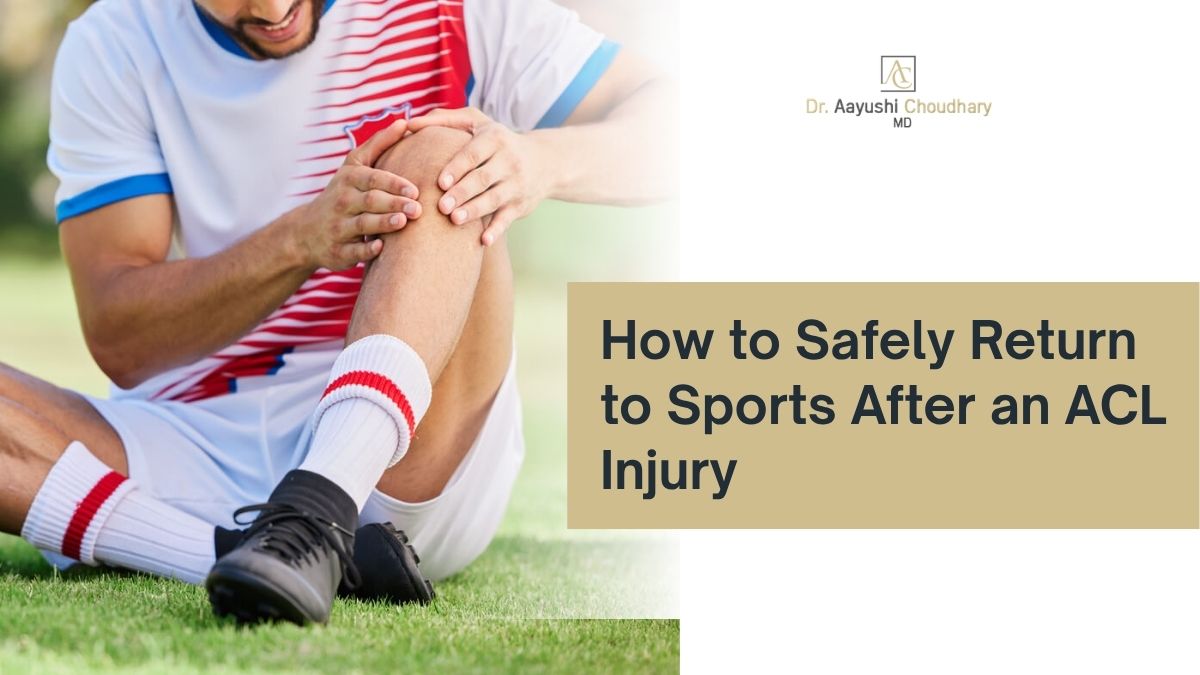 How to Safely Return to Sports After an ACL Injury
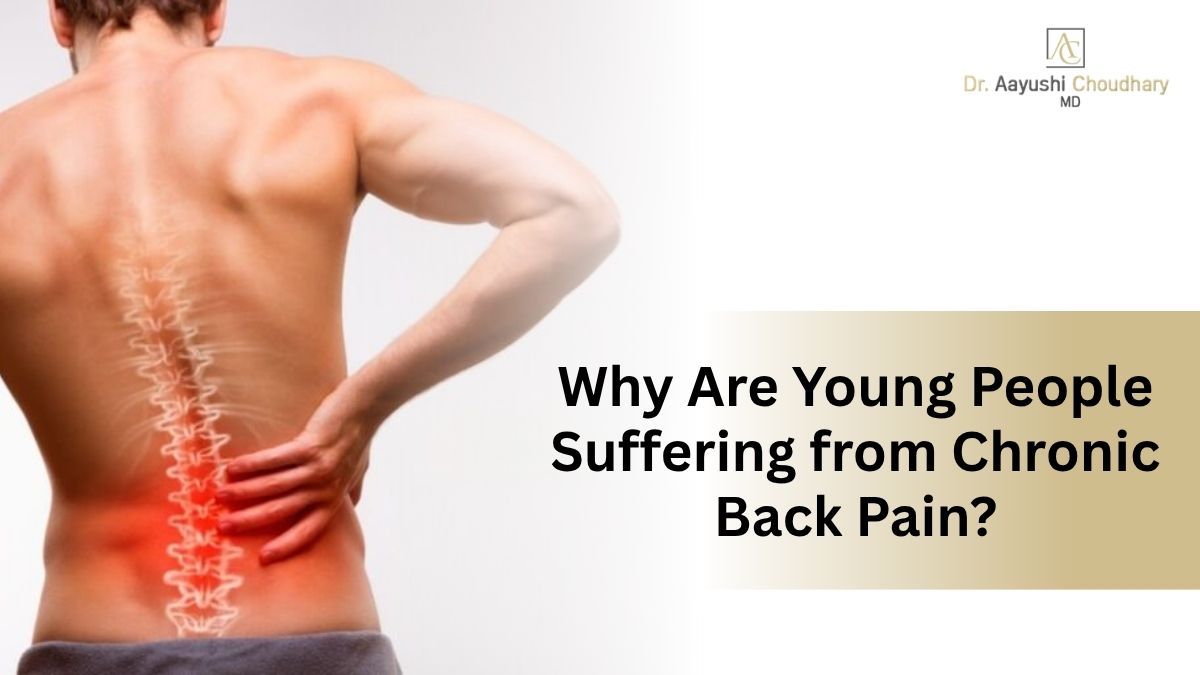 Why Are Young People Suffering from Chronic Back Pain?
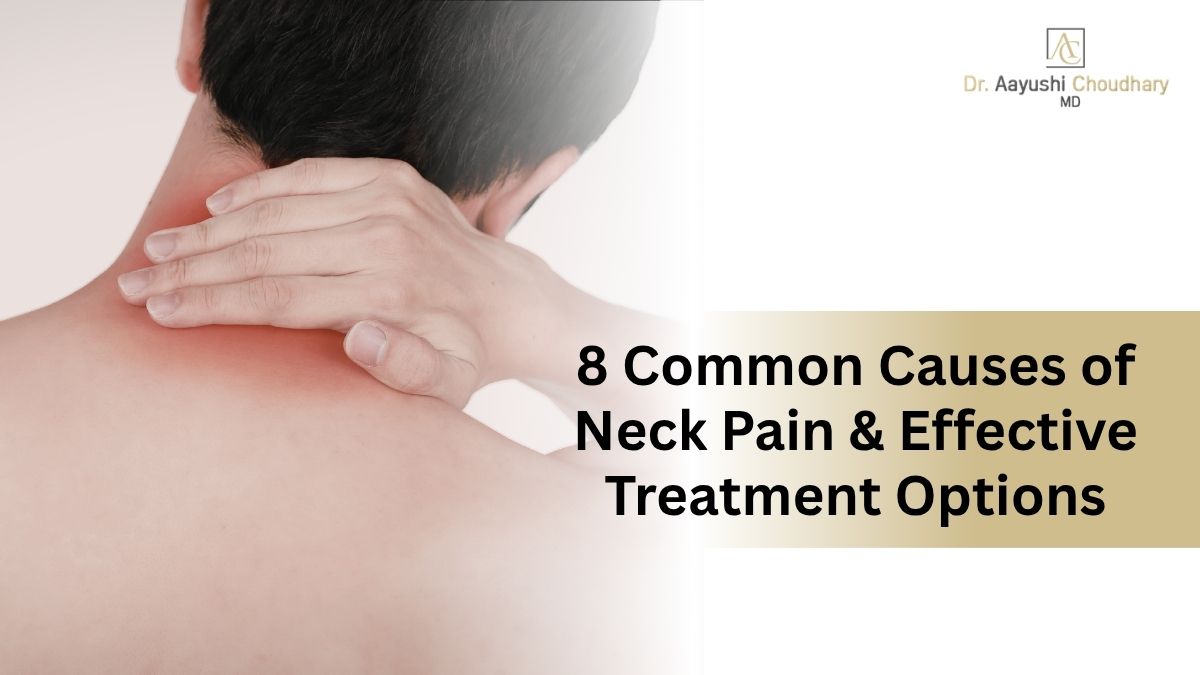 8 Common Causes of Neck Pain & Effective Treatment Options
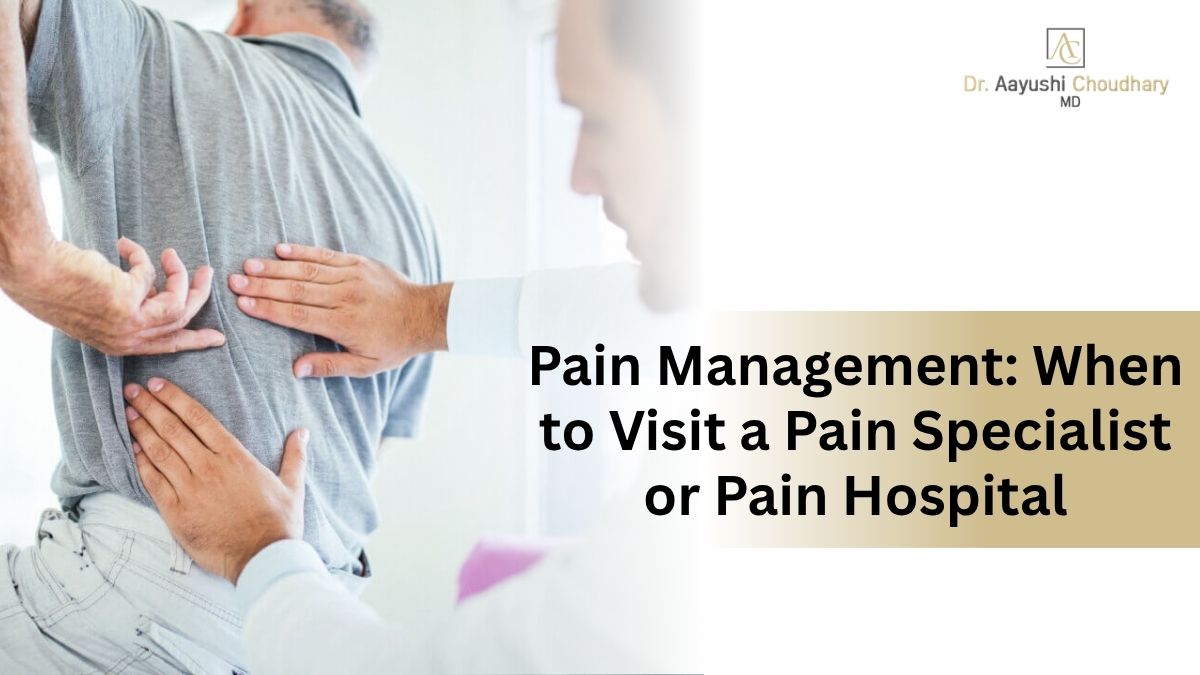 Pain Management: When to Visit a Pain Specialist or Pain Hospital
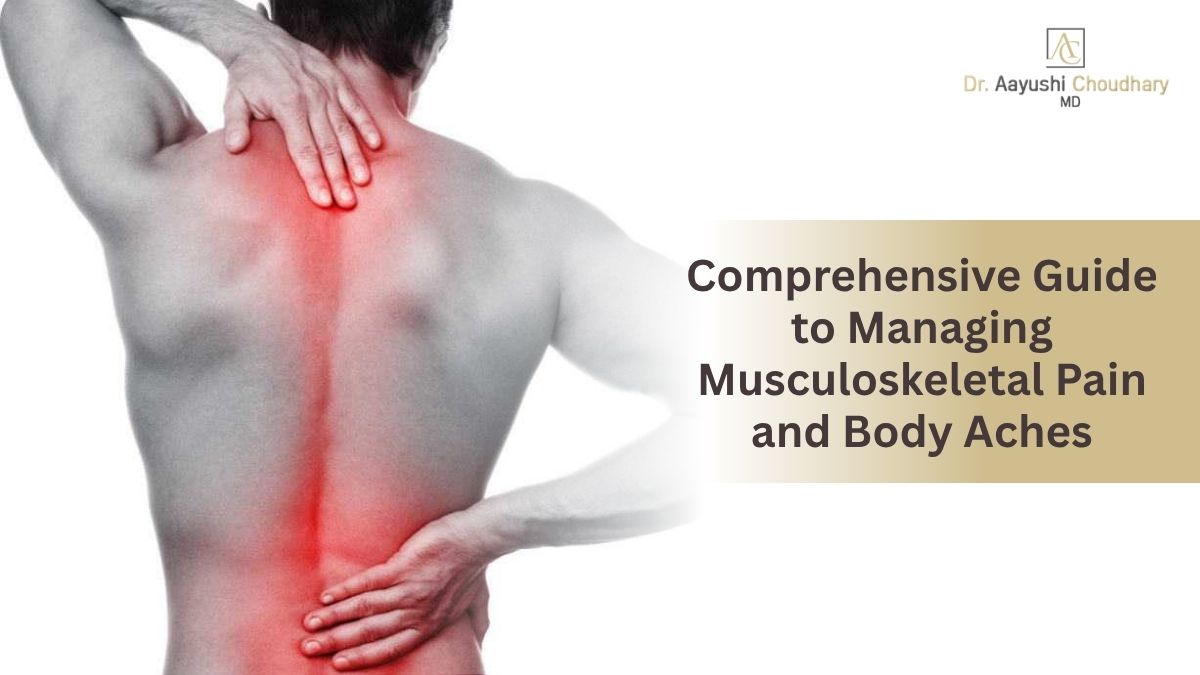 Comprehensive Guide to Managing Musculoskeletal Pain and Body Aches
 Neck Pain Treatment for Working Professionals: Daily Care Tips
 Got Injured While Playing Sports? Here’s What to Do Next
 Knee Pain While Walking? Here Are The 5 Most Common Causes
 How Can People With Cerebral Palsy Improve Their Quality of Life?
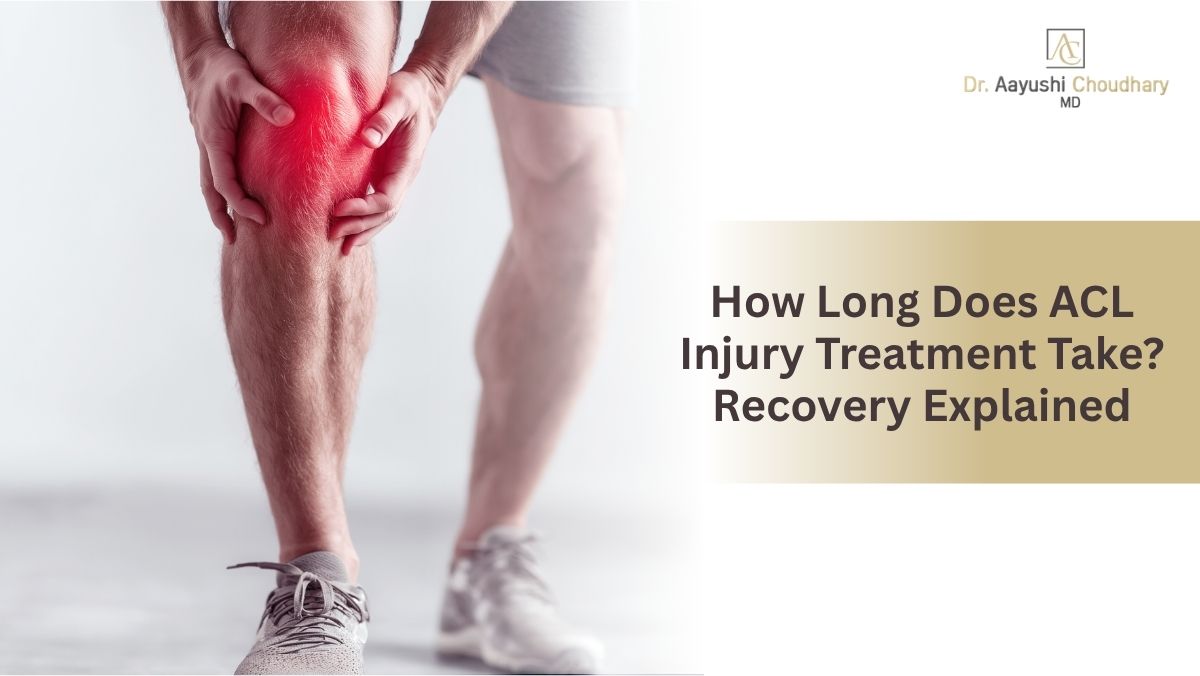 How Long Does ACL Injury Treatment Take? Recovery Explained
 How Does Paralysis Begin & What Treatments Help Recovery?
 Why Is Early Pain Treatment Important for Better Recovery?
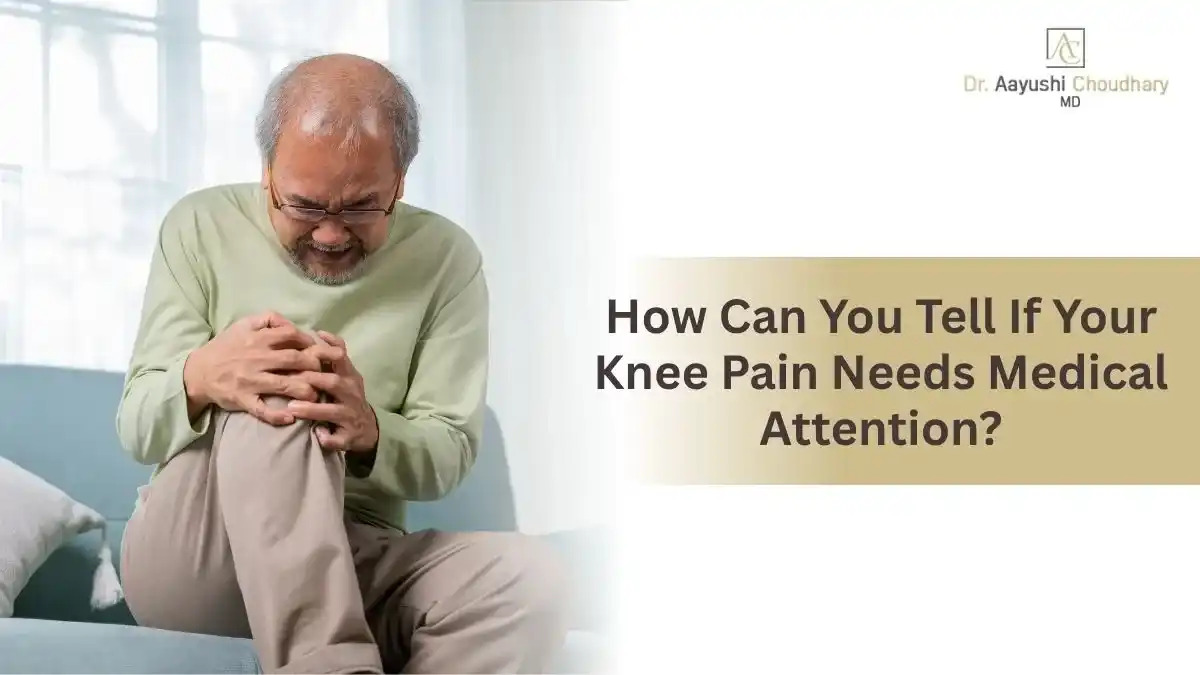 How Can You Tell If Your Knee Pain Needs Medical Attention?
 How Screen Time and Mobile Usage Trigger Cervical Pain?
 Everyday Habits That May Be Damaging Your Spine
 Best Ways to Manage Slip Disc and Improve Spine Health
 Body Ache: Symptoms, Causes and Treatment Explained
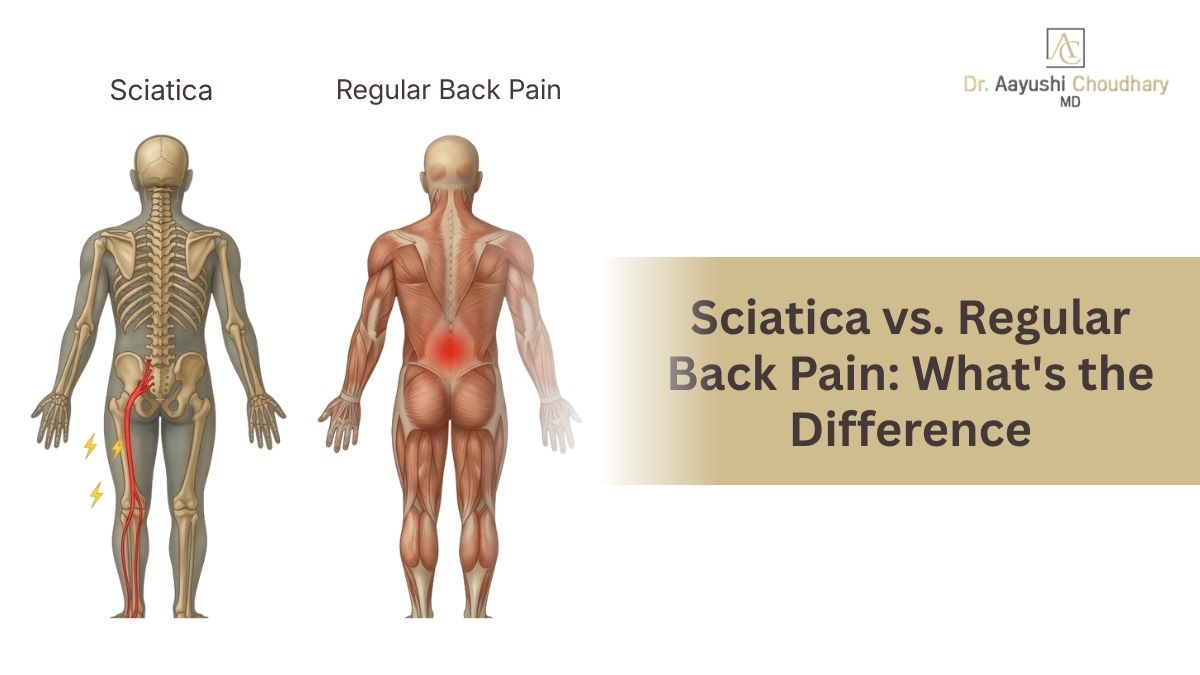 Sciatica vs. Regular Back Pain: What's the Difference? | Expert Guide
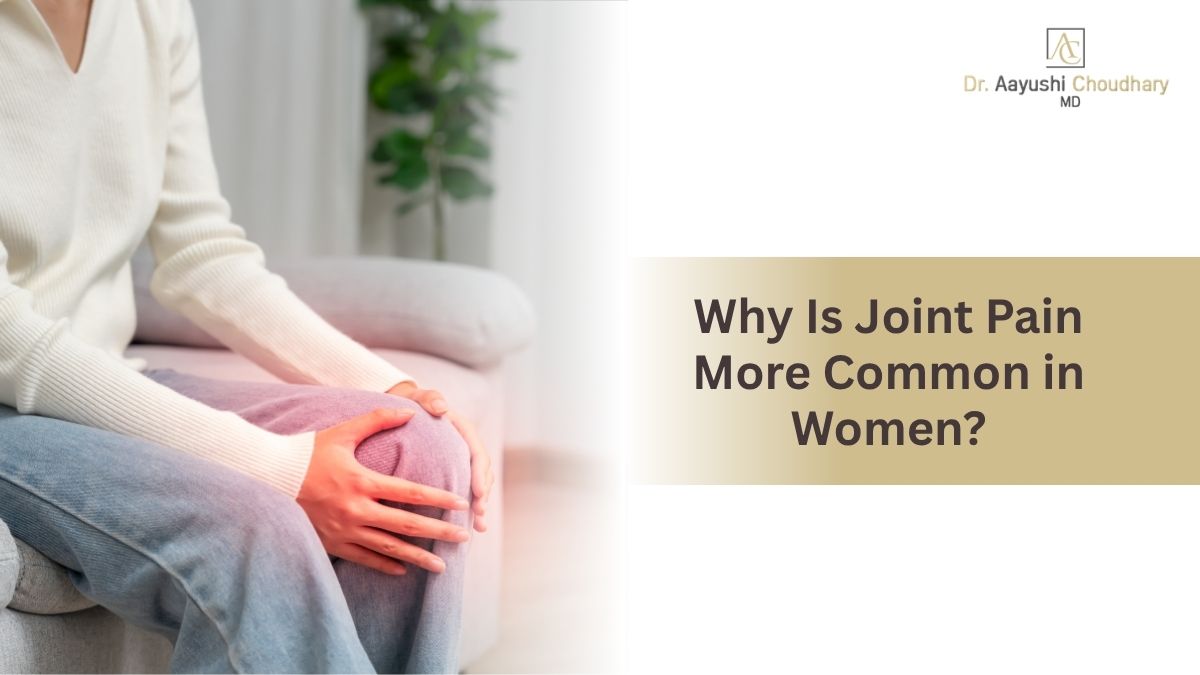 Why Is Joint Pain More Common in Women? | Expert Medical Guide
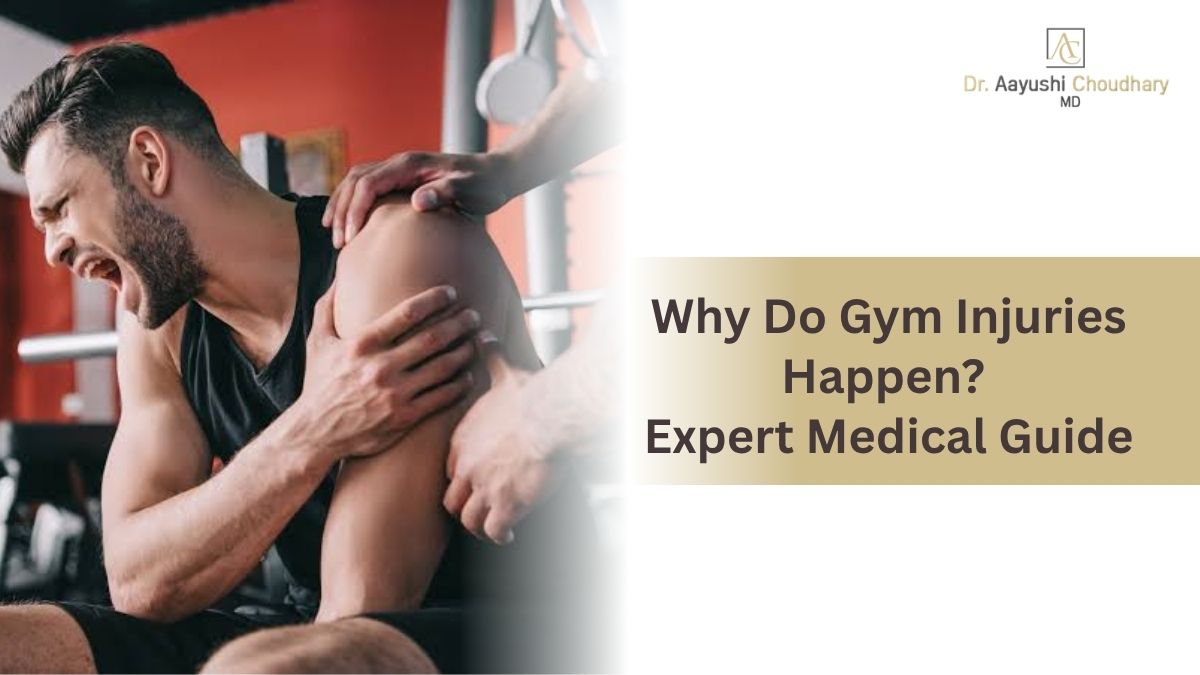 Why Do Gym Injuries Happen? | Expert Medical Guide
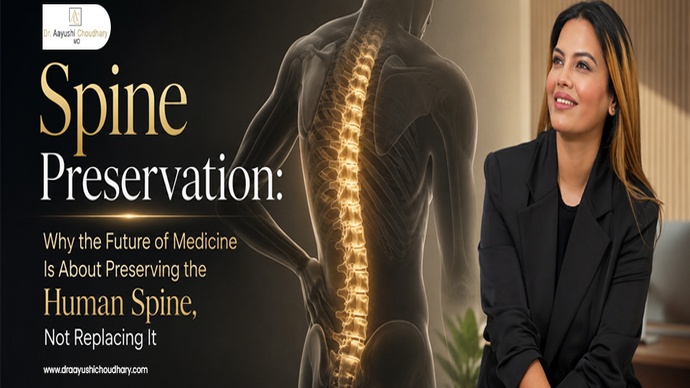 Spine Preservation: Why the Future of Medicine Is About Preserving the Human Spine, Not Replacing It
 Rehabilitation: The Missing Fourth Pillar of Modern Medicine-Why the Future of Healthcare Is Not Just About Saving Lives, But Restoring Them
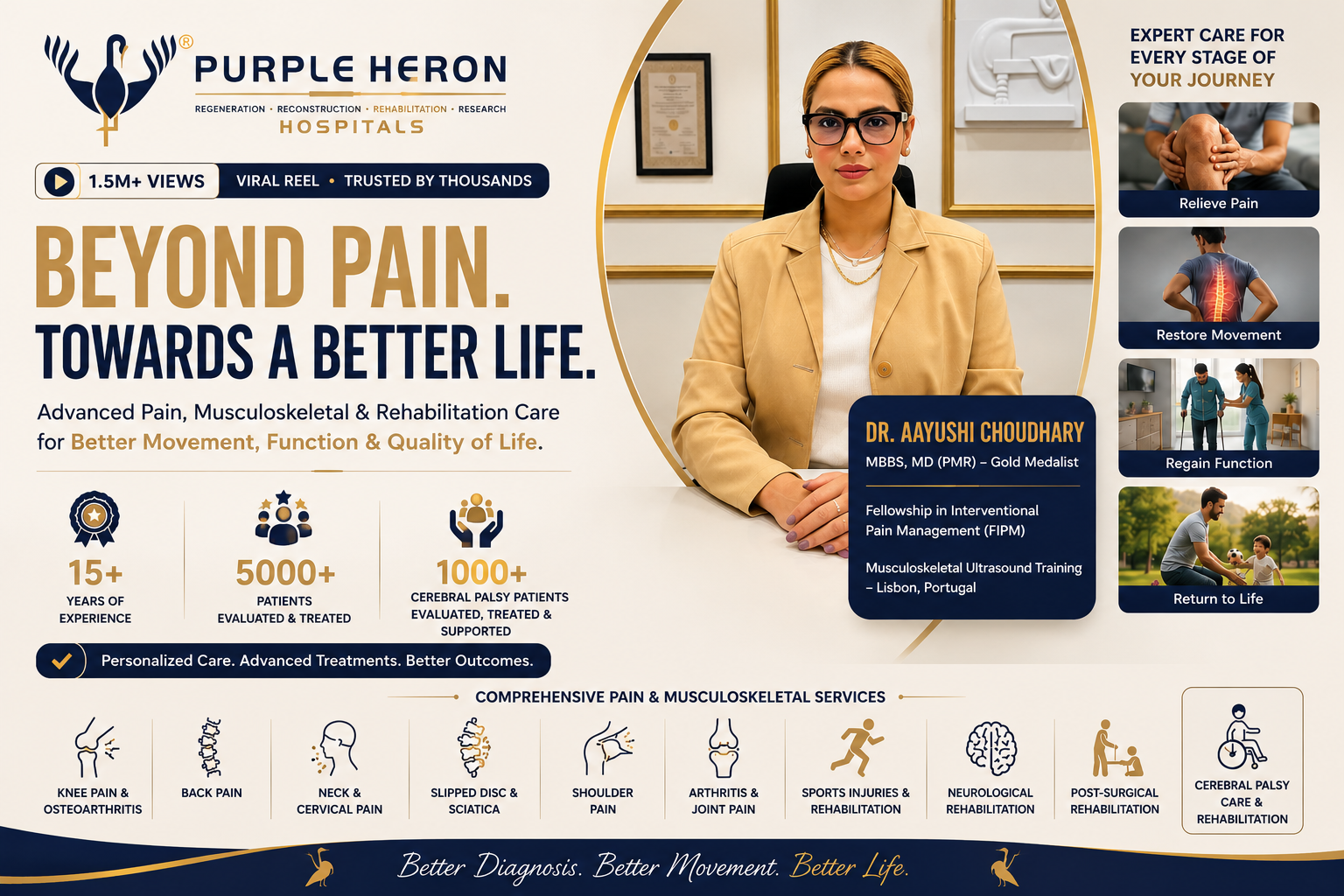 Advanced Pain & Musculoskeletal Care by Dr. Aayushi Choudhary in Jaipur
 Interventional Pain Medicine: Pain Is Not Enemy; Rather Body's Language. Why Does Future of Pain Medicine Lie in Treating Cause, Not Silencing Symptom?
 Cerebral Palsy Is Not a Deformity Problem, a Movement Problem. Why Correcting a Child’s Legs Does Not Always Help Them Walk?
 Regenerative Medicine: The Future of Healthcare Will Not Be Replacement but Preservation. Why Next Decade in Medicine Will Be Defined by Saving Human Tissue, Not Simply Replacing It
 Best ACL Doctor in Jaipur for Complete Musculoskeletal Care
 Neck Pain Treatment in Jaipur: Causes, Symptoms and Care
 When Should You See a Knee Pain Specialist? Understanding the Causes, Advanced Treatment and Personalised Recovery
 Stroke Treatment in Jaipur: A Practical Guide to Recovery and Rehabilitation
 How Can Paralysis Rehabilitation in Jaipur Improve Strength, Mobility, and Everyday Function? A Patient-Focused Overview of Recovery and Care
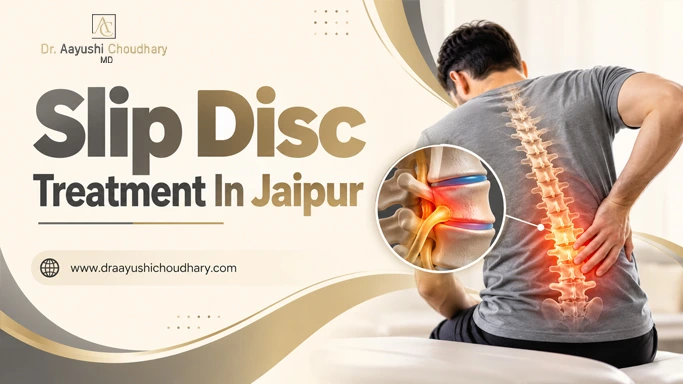 Can Slip Disc Treatment in Jaipur Help You Avoid Surgery? Understanding Conservative Care Options