
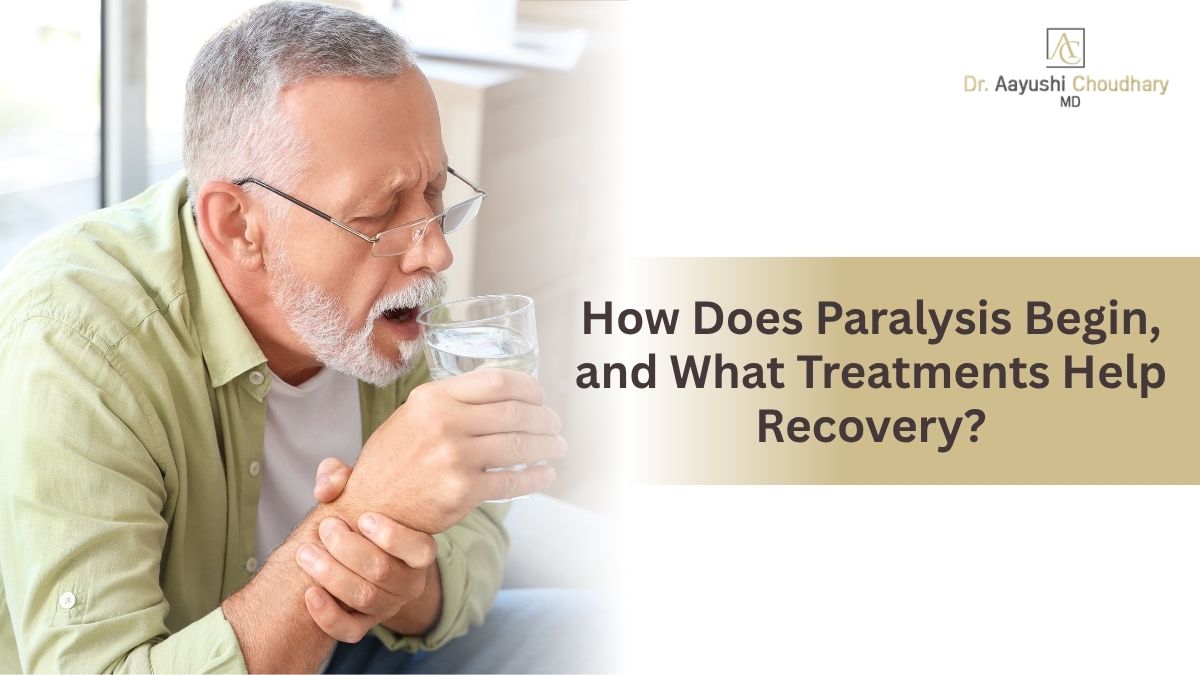
Paralysis is a serious medical condition that affects a person’s ability to move certain parts of the body. It can happen suddenly or develop gradually, depending on the underlying cause. In many cases, paralysis changes daily life physically, emotionally, and mentally. However, with early diagnosis, proper medical care, rehabilitation, and lifestyle support, many patients can experience significant improvement and recovery.
Understanding how paralysis begins and what treatment options are available can help patients and families respond quickly and make informed healthcare decisions.
What Is Paralysis?
Paralysis refers to the loss of muscle function in one or more parts of the body. It may affect the face, arms, legs, or even the entire body. Some people experience temporary paralysis, while others may have long-term or permanent weakness.
Paralysis usually occurs when communication between the brain, spinal cord, and muscles is disrupted. The nervous system controls movement, and any damage to these pathways can lead to partial or complete paralysis.
How Does Paralysis Begin?
Paralysis can begin in different ways depending on the cause. Some patients notice warning signs gradually, while others experience sudden symptoms that require emergency medical attention.
Common Early Signs of Paralysis
- Sudden weakness in the arms or legs
- Difficulty walking or balancing
- Numbness or tingling sensations
- Facial drooping
- Trouble speaking or understanding words
- Loss of coordination
- Muscle stiffness or spasms
- Difficulty holding objects
- Sudden vision problems
- Severe headache or dizziness
These symptoms should never be ignored, especially if they appear suddenly. Immediate medical attention can reduce complications and improve recovery chances.
Common Causes of Paralysis
Several medical conditions can cause paralysis. Identifying the root cause is essential for effective treatment.
1. Stroke
Stroke is one of the leading causes of paralysis. It happens when blood flow to the brain is blocked or when a blood vessel bursts. Brain cells begin to die within minutes, affecting movement and muscle control.
Stroke-related paralysis often affects one side of the body, known as hemiplegia.
2. Spinal Cord Injury
Injuries caused by accidents, falls, or trauma can damage the spinal cord and interrupt nerve signals between the brain and body.
The severity of paralysis depends on the location and extent of the spinal injury.
3. Neurological Disorders
Conditions such as Parkinson’s disease, multiple sclerosis, and motor neuron disease may gradually weaken muscles and affect movement over time.
4. Bell’s Palsy
Bell’s palsy causes temporary weakness or paralysis of facial muscles due to inflammation of facial nerves.
5. Infections
Certain infections affecting the brain or spinal cord, such as meningitis or polio, may lead to paralysis.
6. Tumors
Brain or spinal tumors can press against nerves and interfere with movement-related functions.
7. Nerve Damage
Severe nerve compression or neuropathy can also result in muscle weakness and paralysis.
Types of Paralysis
Paralysis is classified based on the affected body area and severity.
- Monoplegia: Paralysis affecting one limb, usually an arm or leg.
- Hemiplegia: Paralysis affecting one side of the body. This is common after a stroke.
- Paraplegia: Paralysis affecting both legs and lower body.
- Quadriplegia: Paralysis affecting all four limbs and sometimes the chest muscles.
- Partial Paralysis: The patient still has some muscle movement and sensation.
- Complete Paralysis: Total loss of movement and sensation in the affected area.
How Is Paralysis Diagnosed?
Doctors perform detailed evaluations to identify the cause and extent of paralysis.
1. Physical Examination
The doctor checks muscle strength, reflexes, coordination, balance, and sensation.
Imaging Tests
- MRI scans
- CT scans
- X-rays
These tests help detect brain injuries, spinal cord damage, tumors, or stroke-related changes.
2. Blood Tests
Blood investigations may identify infections, inflammation, or metabolic disorders.
3. Electromyography (EMG)
EMG measures muscle and nerve activity to assess nerve damage.
4. Nerve Conduction Studies
These tests evaluate how well electrical signals travel through nerves.
What Treatments Help Recovery From Paralysis?
Recovery depends on the cause, severity, age, and overall health of the patient. Early intervention plays a major role in improving outcomes.
1. Emergency Medical Treatment
In stroke-related paralysis, emergency care within the first few hours is extremely important. Doctors may use clot-dissolving medications or surgical procedures to restore blood flow.
Quick treatment can reduce brain damage and improve recovery chances.
2. Medications
Doctors may prescribe medications to manage the underlying condition and reduce symptoms.
These may include:
- Blood thinners for stroke prevention
- Anti-inflammatory medicines
- Muscle relaxants
- Pain management medications
- Medicines for nerve function support
3. Physiotherapy
Physiotherapy is one of the most effective treatments for paralysis recovery. It helps improve strength, flexibility, coordination, and mobility.
A physiotherapist may guide patients through:
- Muscle strengthening exercises
- Balance training
- Walking exercises
- Stretching routines
- Posture correction
Regular physiotherapy helps prevent muscle stiffness and improves independence.
4. Occupational Therapy
Occupational therapy helps patients regain the ability to perform daily activities such as dressing, eating, bathing, and writing.
Therapists also recommend assistive devices to improve comfort and mobility.
5. Speech and Swallowing Therapy
Patients affected by stroke or neurological conditions may experience speech or swallowing difficulties.
Speech therapy helps improve communication skills and swallowing function.
6. Rehabilitation Programs
Comprehensive rehabilitation combines multiple therapies to support physical and emotional recovery.
Rehabilitation may include:
- Physical therapy
- Psychological counseling
- Nutritional guidance
- Mobility training
- Lifestyle management
7. Surgery
In some cases, surgery may help relieve pressure on nerves or repair damaged structures.
Surgical treatment may be recommended for:
- Spinal cord injuries
- Brain tumors
- Herniated discs
- Nerve compression
8. Lifestyle Modifications
Healthy lifestyle habits support recovery and help prevent complications.
Patients are often advised to:
- Follow a balanced diet
- Stay physically active
- Control blood pressure and diabetes
- Avoid smoking and alcohol
- Maintain a healthy body weight
- Attend regular follow-up appointments
Can Paralysis Be Reversed?
Some forms of paralysis are temporary and improve with proper treatment. Others may require long-term rehabilitation and support.
The possibility of recovery depends on:
- The cause of paralysis
- How quickly does treatment begin
- The extent of nerve or brain damage
- The patient’s overall health
- Consistency in rehabilitation
Many patients regain partial or significant movement through dedicated therapy and medical care.
Emotional Impact of Paralysis
Paralysis can affect emotional well-being and mental health. Patients may experience anxiety, depression, frustration, or low confidence.
Family support, counseling, and rehabilitation programs play an important role in emotional recovery.
Creating a positive and supportive environment often improves motivation and treatment outcomes.
Tips for Families Caring for Paralysis Patients
Family members and caregivers can support recovery by:
- Encouraging regular therapy sessions
- Assisting with exercises
- Maintaining a safe home environment
- Offering emotional support
- Helping with medication schedules
- Monitoring for complications
Patience and consistency are important during the recovery journey.
When Should You See a Doctor?
Seek immediate medical attention if someone experiences:
- Sudden weakness or numbness
- Difficulty speaking
- Facial drooping
- Loss of balance
- Sudden inability to move limbs
- Severe headache with weakness
- Difficulty swallowing or breathing
Early diagnosis and treatment can prevent serious complications and improve long-term recovery.
Final Thoughts
Paralysis is a complex condition that can affect movement, independence, and quality of life. However, advances in medical treatment, physiotherapy, rehabilitation, and neurological care have improved recovery possibilities for many patients.
Recognizing the early symptoms, seeking immediate medical attention, and following a structured rehabilitation plan can make a significant difference in recovery outcomes. Every patient’s journey is unique, and consistent medical support remains essential throughout the process.
If you are looking for the best paralysis doctor in Jaipur or an experienced paralysis treatment specialist in Jaipur, consult Dr. Aayushi Choudhary for expert evaluation, personalized treatment, and comprehensive neurological care.
 Understanding Spine Disorders: Expert Care by a Spine Specialist
 What Causes Knee Pain? Symptoms, Diagnosis & Effective Relief
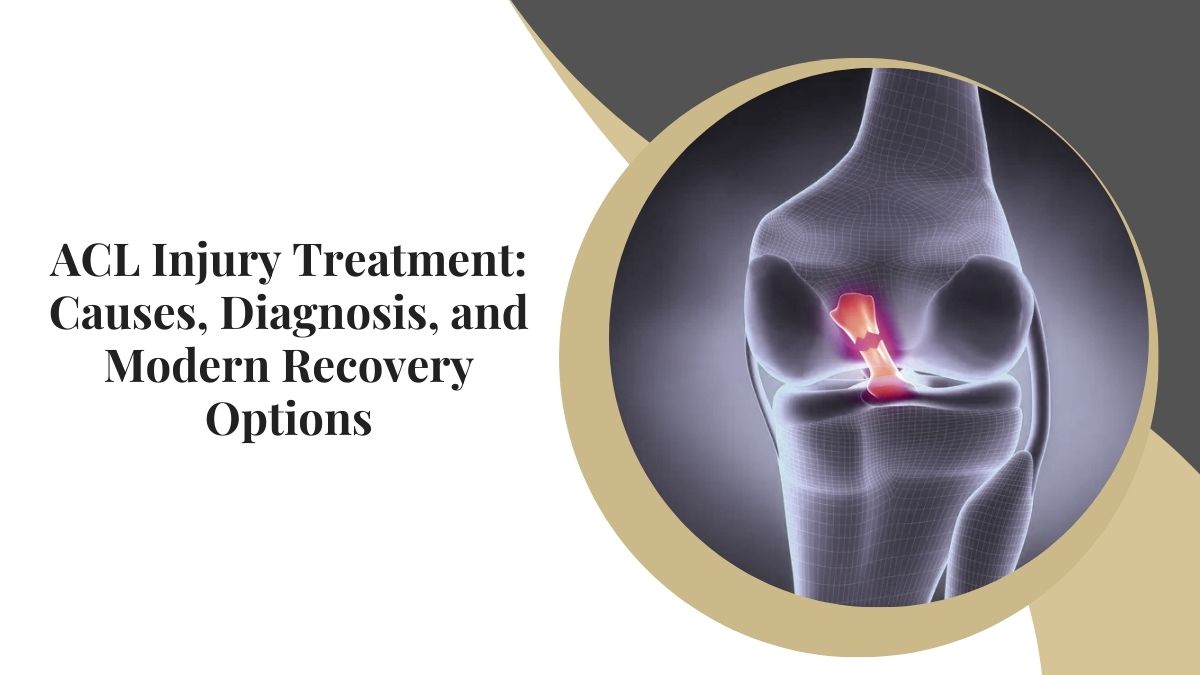 ACL Injury Treatment: Causes, Diagnosis, and Modern Recovery Options
.jpg) How Lifestyle Choices Impact Your Risk of Stroke
How Lifestyle Choices Impact Your Risk of Stroke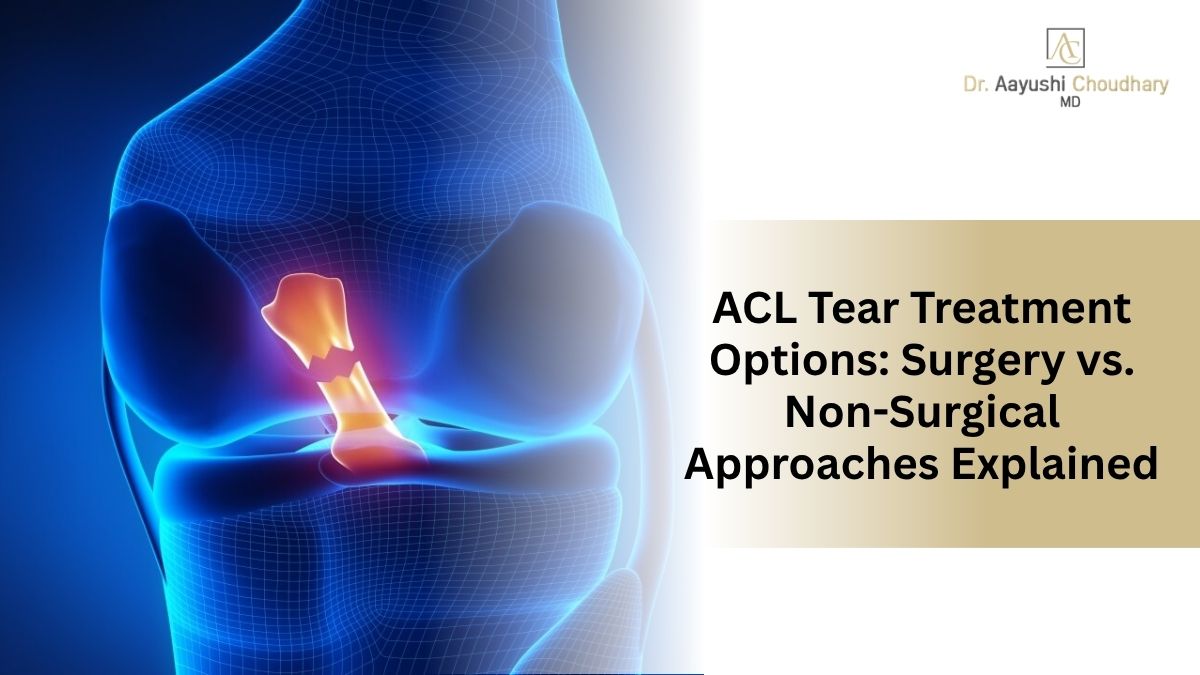 ACL Tear Treatment Options: Surgery vs. Non-Surgical Approaches Explained
 How Do You Know If Knee Pain Is Serious?
 What Is Cervical Pain? Causes, Symptoms, and Effective Treatments
 When Should You Consult a Pain Specialist? Signs You Should Not Ignore
 What Causes Shoulder Pain? Symptoms & Treatment
 Common Sports Injuries and How to Prevent Them: A Complete Guide
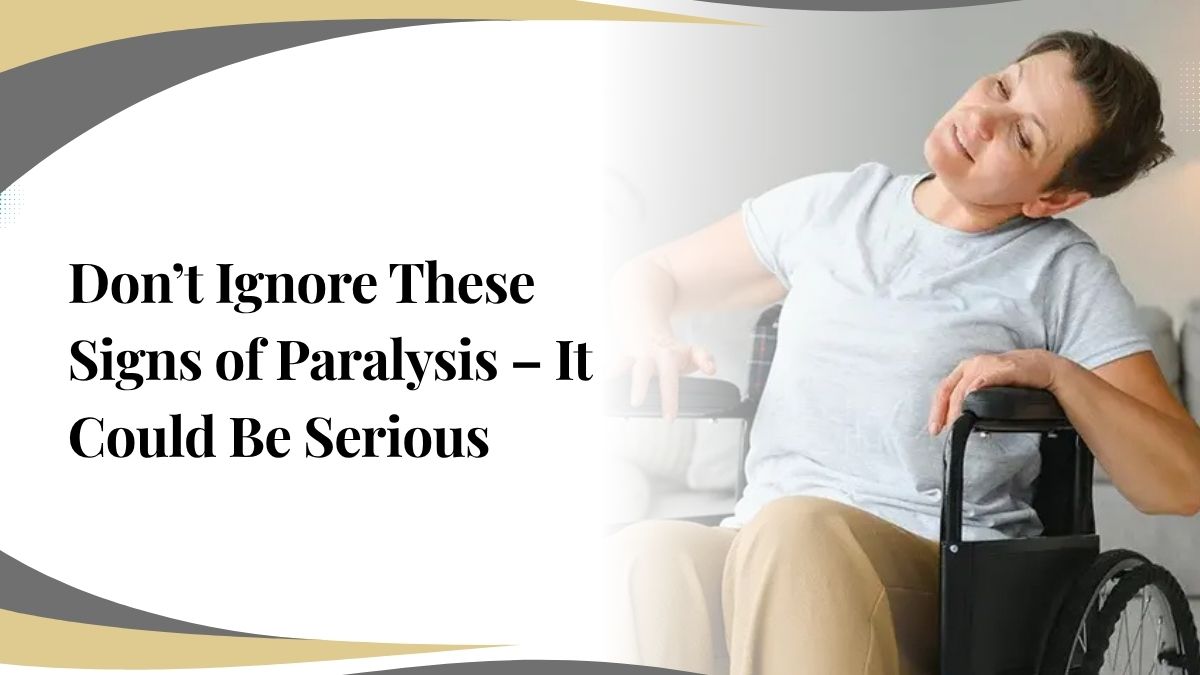 Don’t Ignore These Signs of Paralysis – It Could Be Serious
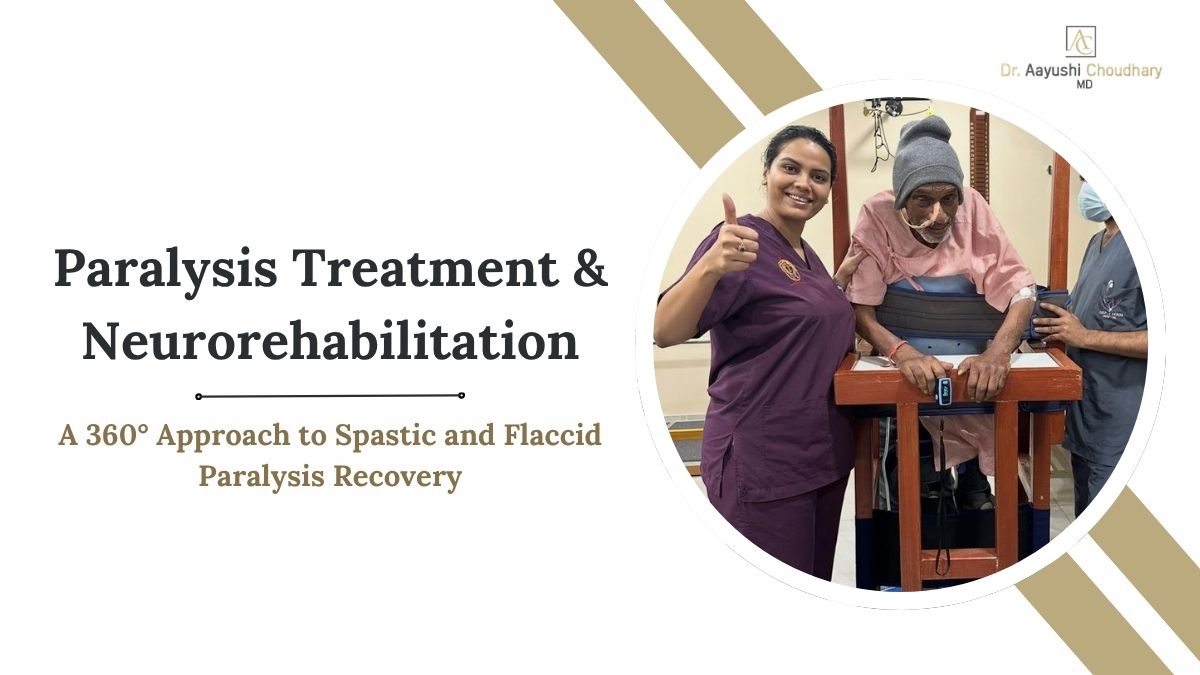 Paralysis Treatment & Neurorehabilitation: A 360° Approach to Spastic and Flaccid Paralysis Recovery
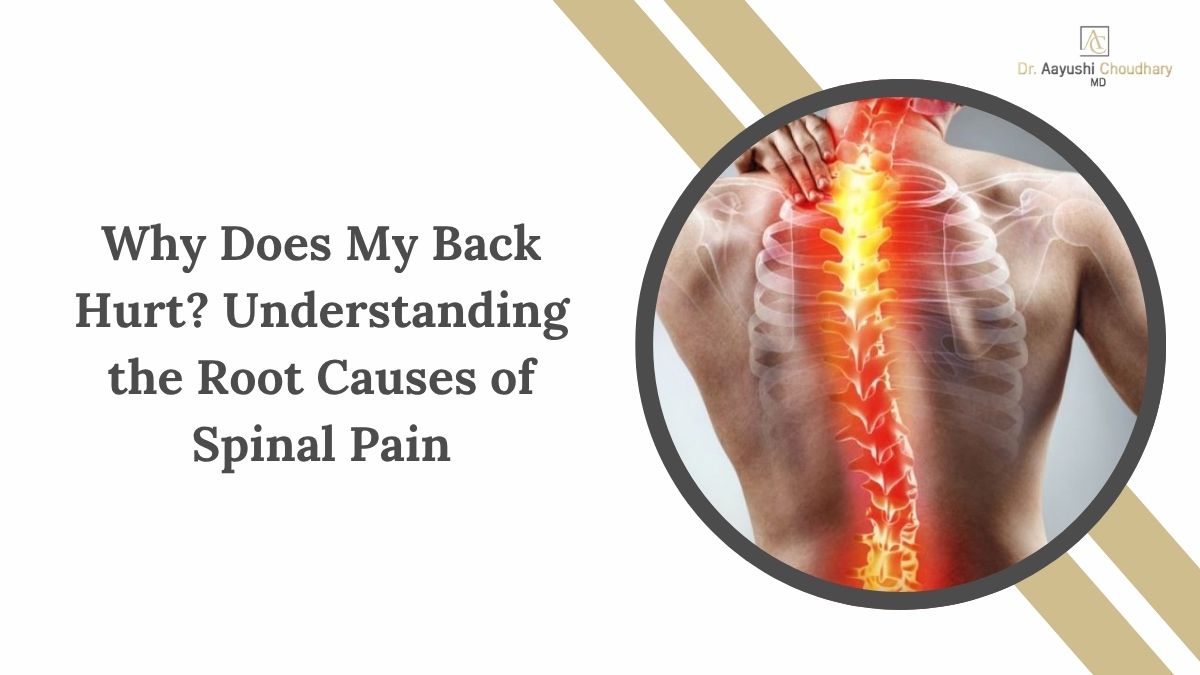 Why Does My Back Hurt? Understanding the Root Causes of Spinal Pain
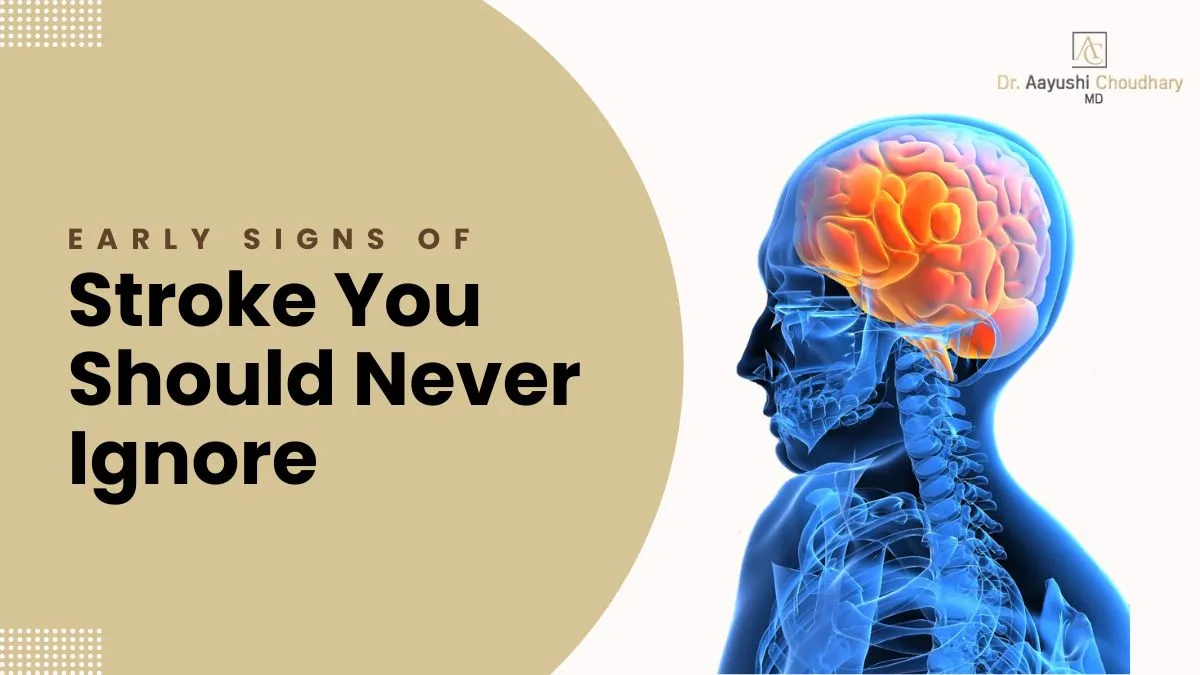 Top 10 Early Signs of Stroke You Should Never Ignore
 Daily Activity Tips to Manage Frozen Shoulder Pain
 When Kids with Cerebral Palsy Grow Up: A Simple Guide for Families
 How to Safely Return to Sports After an ACL Injury
 Knee Pain Dos and Don’ts: Best Practices for Pain Management
 Why Are Young People Suffering from Chronic Back Pain?
 8 Common Causes of Neck Pain & Effective Treatment Options
 Pain Management: When to Visit a Pain Specialist or Pain Hospital
 Comprehensive Guide to Managing Musculoskeletal Pain and Body Aches
 Neck Pain Treatment for Working Professionals: Daily Care Tips
 Got Injured While Playing Sports? Here’s What to Do Next
 Knee Pain While Walking? Here Are The 5 Most Common Causes
 How Can People With Cerebral Palsy Improve Their Quality of Life?
 How Long Does ACL Injury Treatment Take? Recovery Explained
 Why Is Early Pain Treatment Important for Better Recovery?
 How Can You Tell If Your Knee Pain Needs Medical Attention?
 How Screen Time and Mobile Usage Trigger Cervical Pain?
 Everyday Habits That May Be Damaging Your Spine
 Best Ways to Manage Slip Disc and Improve Spine Health
 Body Ache: Symptoms, Causes and Treatment Explained
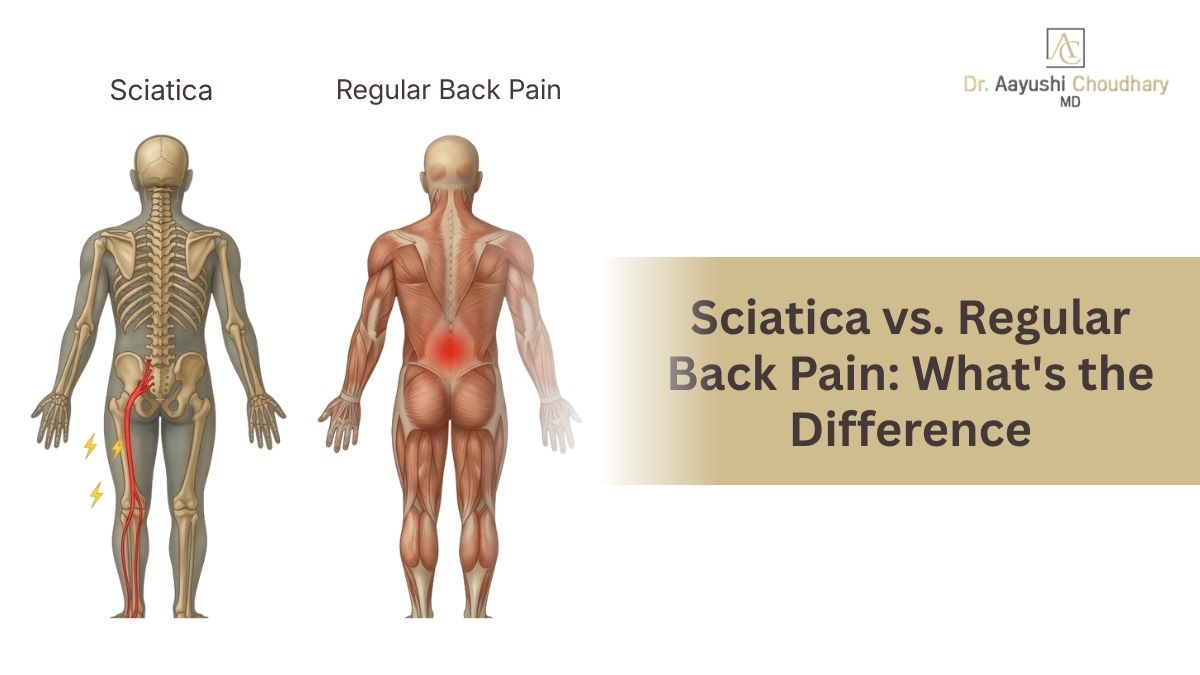 Sciatica vs. Regular Back Pain: What's the Difference? | Expert Guide
 Why Is Joint Pain More Common in Women? | Expert Medical Guide
 Why Do Gym Injuries Happen? | Expert Medical Guide
 Spine Preservation: Why the Future of Medicine Is About Preserving the Human Spine, Not Replacing It
 Rehabilitation: The Missing Fourth Pillar of Modern Medicine-Why the Future of Healthcare Is Not Just About Saving Lives, But Restoring Them
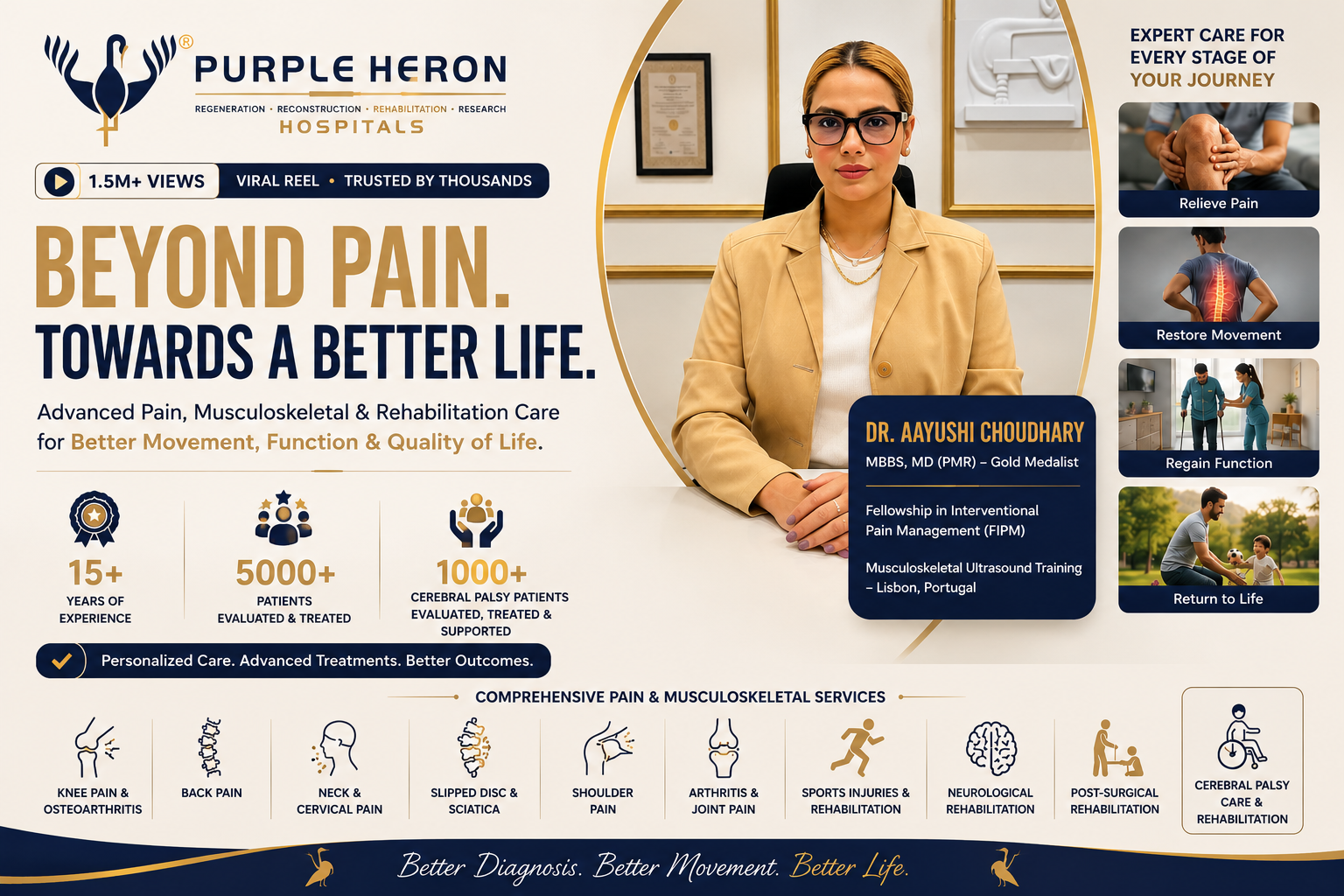 Advanced Pain & Musculoskeletal Care by Dr. Aayushi Choudhary in Jaipur
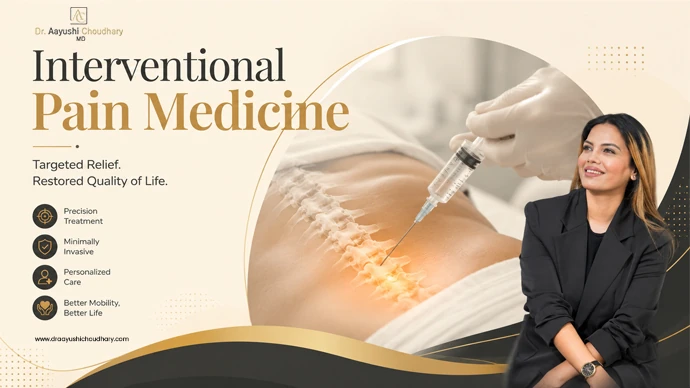 Interventional Pain Medicine: Pain Is Not Enemy; Rather Body's Language. Why Does Future of Pain Medicine Lie in Treating Cause, Not Silencing Symptom?
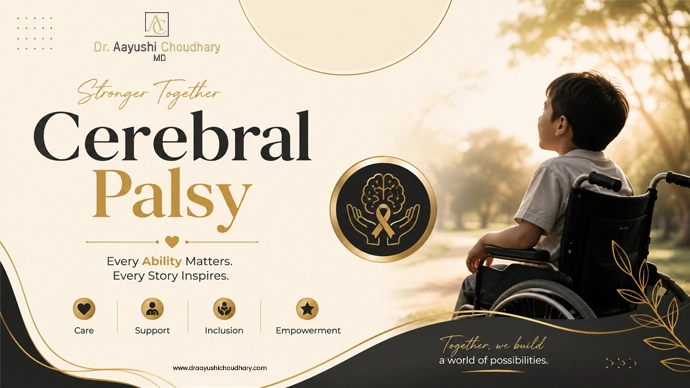 Cerebral Palsy Is Not a Deformity Problem, a Movement Problem. Why Correcting a Child’s Legs Does Not Always Help Them Walk?
 Regenerative Medicine: The Future of Healthcare Will Not Be Replacement but Preservation. Why Next Decade in Medicine Will Be Defined by Saving Human Tissue, Not Simply Replacing It
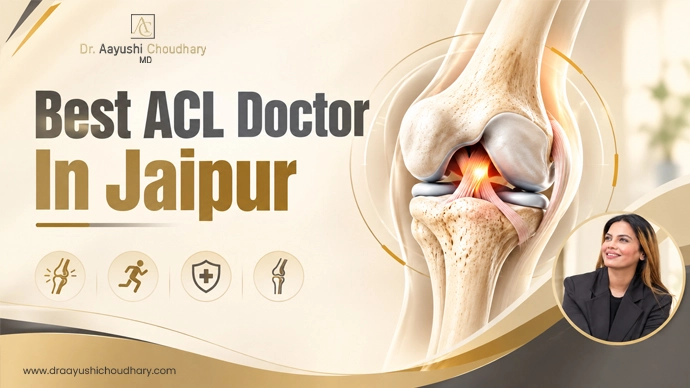 Best ACL Doctor in Jaipur for Complete Musculoskeletal Care
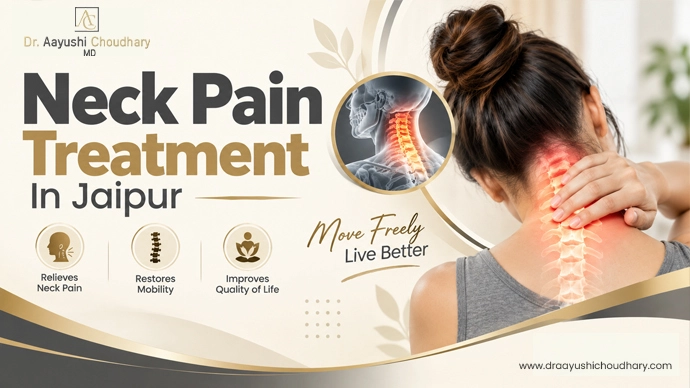 Neck Pain Treatment in Jaipur: Causes, Symptoms and Care
 When Should You See a Knee Pain Specialist? Understanding the Causes, Advanced Treatment and Personalised Recovery
 Stroke Treatment in Jaipur: A Practical Guide to Recovery and Rehabilitation
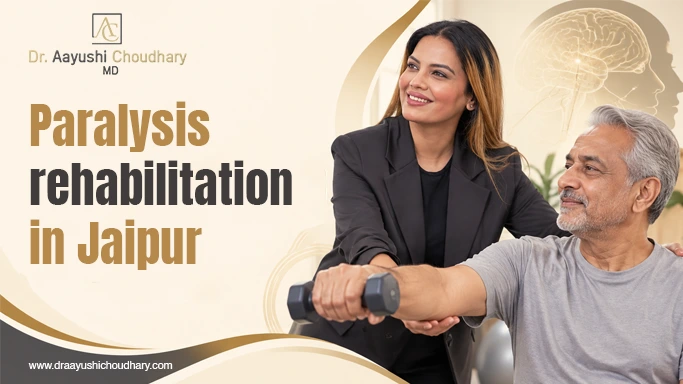 How Can Paralysis Rehabilitation in Jaipur Improve Strength, Mobility, and Everyday Function? A Patient-Focused Overview of Recovery and Care
 Can Slip Disc Treatment in Jaipur Help You Avoid Surgery? Understanding Conservative Care Options