
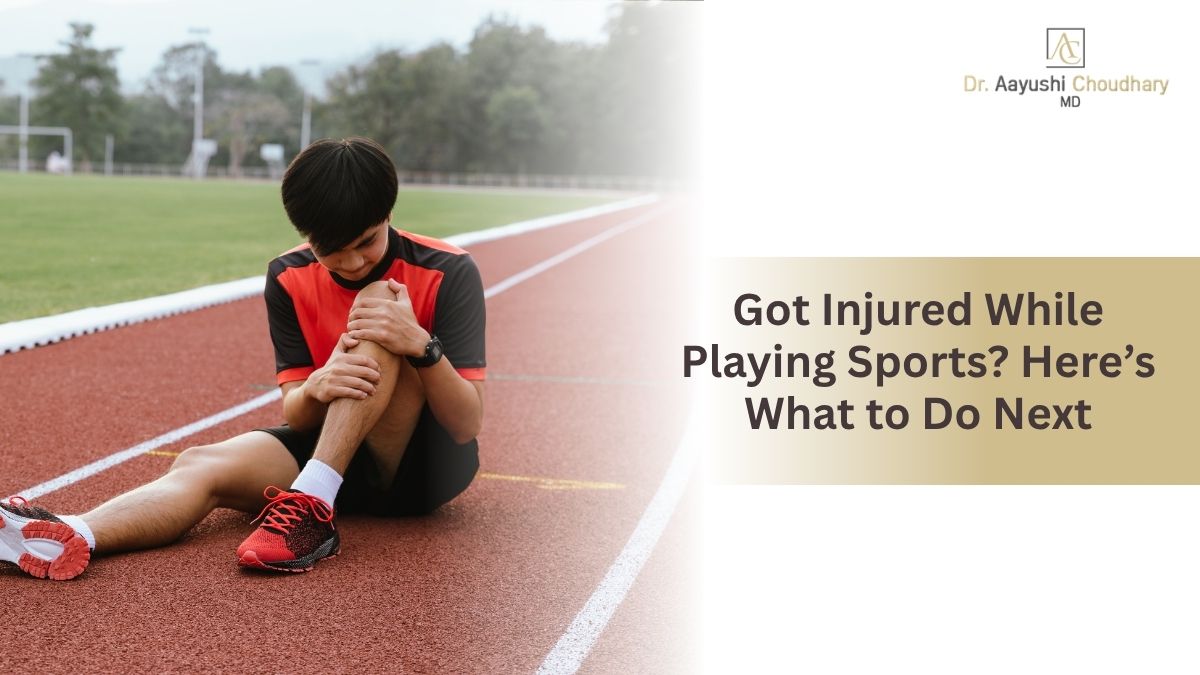
Sports and physical activities are excellent for maintaining fitness, improving mental health, and building strength. Whether you play cricket, football, badminton, run regularly, or hit the gym, staying active has many benefits. However, sports injuries are also very common, especially when the body is pushed beyond its limits.
A sudden twist of the ankle, muscle pull, knee pain, shoulder injury, or fall during a game can instantly interrupt your routine and leave you wondering: “What should I do now?”
The actions you take immediately after a sports injury can significantly affect your recovery time and long-term health. Ignoring the injury, continuing to play, or using the wrong treatment may worsen the condition.
In this blog, we’ll explain exactly what to do after a sports injury, common mistakes to avoid, treatment options, and when to seek medical help.
Understanding Sports Injuries
A sports injury refers to any injury that occurs during physical activity, exercise, or sports participation. These injuries can affect:
- Muscles
- Ligaments
- Tendons
- Bones
- Joints
Some injuries happen suddenly, while others develop gradually due to overuse.
Common Types of Sports Injuries
Sports injuries vary depending on the activity and intensity of movement.
1. Muscle Strains
A muscle strain occurs when muscle fibers stretch or tear because of overuse or sudden force.
Common Areas:
- Hamstrings
- Back
- Calf muscles
- Shoulders
2. Ligament Sprains or Tears
Ligaments connect bones to each other and help stabilize joints.
Common Examples:
- Ankle sprain
- ACL tear in the knee
- Wrist sprain
3. Knee Injuries
Knee injuries are very common in running and contact sports.
These include:
- Meniscus tears
- ACL injuries
- Patellar tendon injuries
4. Shoulder Injuries
Overhead sports and gym workouts can strain the shoulder joint.
Common Shoulder Problems:
- Rotator cuff injuries
- Shoulder dislocation
- Tendinitis
5. Fractures
A fall, collision, or direct impact can cause bone fractures during sports.
What to Do Immediately After a Sports Injury
The first few minutes after an injury are extremely important.
Step 1: Stop Playing Immediately
One of the biggest mistakes athletes make is trying to “play through the pain.”
Continuing activity can:
- Increase tissue damage
- Worsen swelling
- Turn a minor injury into a severe one
If you feel sudden pain, instability, or weakness, stop immediately.
Step 2: Assess the Severity
Ask yourself:
- Can you move the injured area?
- Is there swelling?
- Can you bear weight?
- Did you hear a popping sound?
- Is the pain getting worse?
Severe pain, visible deformity, or inability to move may indicate a serious injury.
Step 3: Follow the RICE Method
The RICE method is the standard first-aid approach for many sports injuries.
R – Rest
Avoid putting pressure on the injured area.
Rest helps prevent further tissue damage.
I – Ice
Apply an ice pack for:
- 15–20 minutes
- Every 2–3 hours
Ice reduces:
- Swelling
- Pain
- Inflammation
Avoid applying ice directly to the skin.
C – Compression
Use an elastic bandage to provide support and reduce swelling.
Make sure it is snug but not too tight.
E – Elevation
Keep the injured area elevated above heart level whenever possible.
This helps reduce swelling.
Should You Use Heat or Ice?
Many people confuse when to use heat and when to use ice.
Use Ice During the First 48 Hours
Ice is best for:
- Acute injuries
- Swelling
- Inflammation
Use Heat Later
Heat therapy may help after swelling reduces by improving blood circulation and muscle relaxation.
Warning Signs You Shouldn’t Ignore
Some symptoms require immediate medical attention.
Seek Medical Help If You Have:
- Severe swelling
- Intense pain
- Joint instability
- Numbness
- Inability to walk
- Visible deformity
- Popping sound during injury
- Persistent pain for several days
These may indicate:
- Fractures
- Ligament tears
- Dislocations
- Severe muscle injuries
Common Mistakes After a Sports Injury
Many people unknowingly delay recovery by making treatment mistakes.
1. Ignoring the Pain
Pain is the body’s warning signal.
Ignoring symptoms may worsen the injury.
2. Returning to Sports Too Early
Going back before proper healing increases the risk of:
- Re-injury
- Chronic pain
- Long-term instability
3. Skipping Rehabilitation
Physiotherapy is essential for restoring:
- Strength
- Flexibility
- Balance
- Joint stability
4. Self-Diagnosing Online
Not all injuries are simple sprains or muscle pulls.
Proper diagnosis is important.
How Doctors Diagnose Sports Injuries
A sports injury specialist or orthopedic doctor usually performs:
Physical Examination
They check:
- Swelling
- Range of motion
- Stability
- Tenderness
- Muscle strength
Imaging Tests
- X-rays
- Used to identify fractures.
- MRI Scans
Helpful for detecting:
- Ligament tears
- Muscle injuries
- Cartilage damage
Ultrasound
Sometimes used for soft tissue injuries.
Treatment Options for Sports Injuries
Treatment depends on the injury type and severity.
1. Rest and Activity Modification
Temporary rest allows healing.
However, complete inactivity for long periods may weaken muscles, so doctors often recommend controlled movement.
2. Medications
Doctors may prescribe:
- Pain relievers
- Anti-inflammatory medicines
These help reduce pain and swelling.
3. Physiotherapy
Physiotherapy is one of the most important parts of recovery.
Benefits Include:
- Improved mobility
- Muscle strengthening
- Better flexibility
- Faster recovery
- Reduced risk of future injuries
4. Bracing or Support
Braces help stabilize:
- Knees
- Ankles
- Wrists
- Shoulders
They protect the injured area during healing.
5. Surgery
Severe injuries may require surgery.
Common Surgical Sports Injuries:
- ACL tears
- Meniscus tears
- Shoulder dislocations
- Fractures
Modern minimally invasive procedures often allow quicker recovery.
Recovery Timeline: How Long Does It Take?
Recovery varies depending on:
- Injury type
- Age
- Fitness level
- Treatment quality
Approximate Recovery Times:
| Injury | Recovery Time |
|---|---|
| Mild muscle strain | 1–3 weeks |
| Moderate sprain | 4–8 weeks |
| Ligament tear | Several months |
| Fracture | 6–12 weeks |
| ACL surgery recovery | 6–9 months |
Rushing recovery often leads to repeat injuries.
How to Safely Return to Sports
Returning too early is risky.
Before resuming sports, ensure:
- No swelling
- Full range of motion
- Normal strength
- No pain during movement
- Medical clearance if needed
Gradual return is always safer than sudden, intense activity.
Tips to Prevent Sports Injuries
Prevention is always better than treatment.
Warm Up Properly: A proper warm-up prepares muscles and joints for activity.
Stretch Regularly: Flexibility reduces the risk of muscle tightness and tears.
Strength Training: Strong muscles support joints and improve balance.
Wear Proper Equipment: Use:
- Correct footwear
- Protective gear
- Supportive braces, if recommended
Avoid Overtraining: The body needs recovery time.
Excessive training increases injury risk.
Stay Hydrated: Dehydration contributes to muscle cramps and fatigue.
Mental Impact of Sports Injuries
Sports injuries don’t only affect the body — they can also impact mental health.
Athletes often experience:
- Frustration
- Stress
- Anxiety
- Loss of confidence
Maintaining a positive mindset and following rehabilitation properly play an important role in recovery.
When Can You Treat an Injury at Home?
Minor injuries may improve with:
- Rest
- Ice
- Compression
- Mild stretching
However, if symptoms persist beyond a few days, professional evaluation is recommended.
Final Thoughts
Sports injuries are common, but the way you respond after getting injured makes a huge difference in recovery. Ignoring pain, delaying treatment, or returning to sports too quickly can worsen the condition and increase long-term complications.
The best approach is to stop activity immediately, manage swelling, seek proper diagnosis, and follow a structured rehabilitation plan. Whether it’s a mild muscle strain or a serious ligament tear, early treatment improves healing and helps you return to your sport safely.
If you experience persistent pain, swelling, or instability after a sports injury, consulting an orthopedic or sports injury specialist is the safest step toward recovery and long-term performance.