
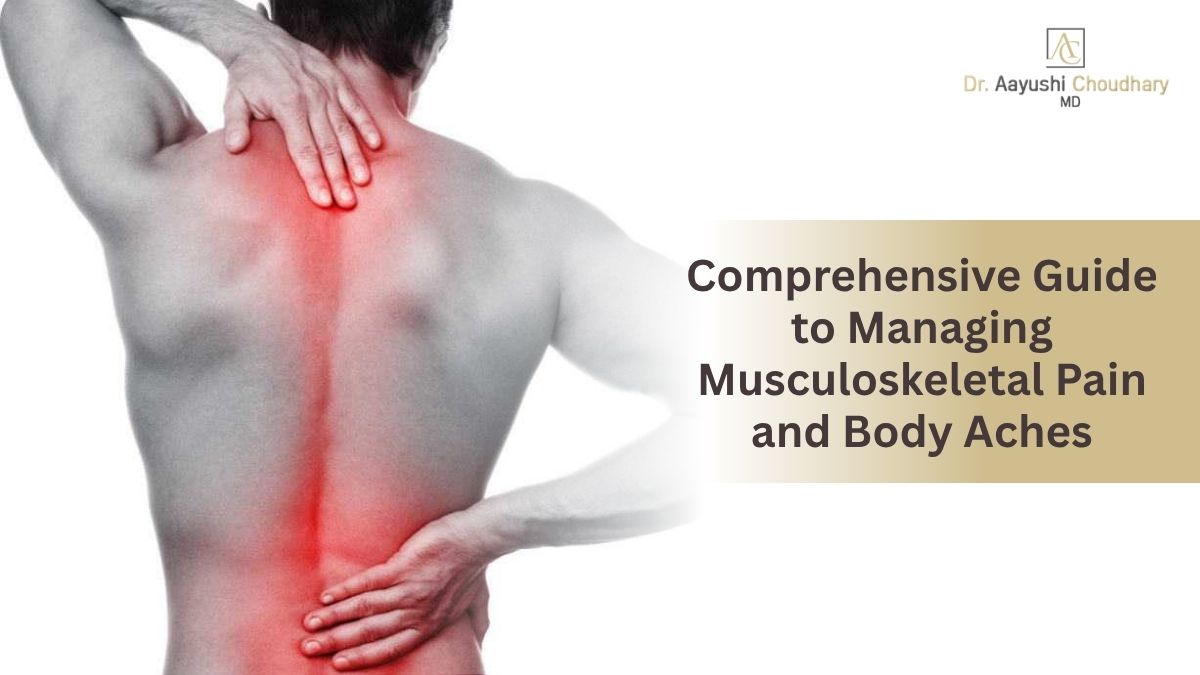
Musculoskeletal pain is one of the most common health concerns affecting people across all age groups. Whether it’s persistent back pain, stiff joints, muscle soreness, or body aches from daily stress, these issues can significantly impact your quality of life. The good news is that with the right approach, diagnosis, and care, most musculoskeletal problems can be effectively managed.
In this comprehensive guide, we’ll break down everything you need to know about managing musculoskeletal pain - its causes, symptoms, treatments, and when to consult a pain & musculoskeletal medicine specialist.
What is Musculoskeletal Pain?
Musculoskeletal pain refers to discomfort that affects the muscles, bones, joints, ligaments, and tendons. It can be acute (short-term) or chronic (lasting more than 3 months). This type of pain may be localized in one area or spread throughout the body.
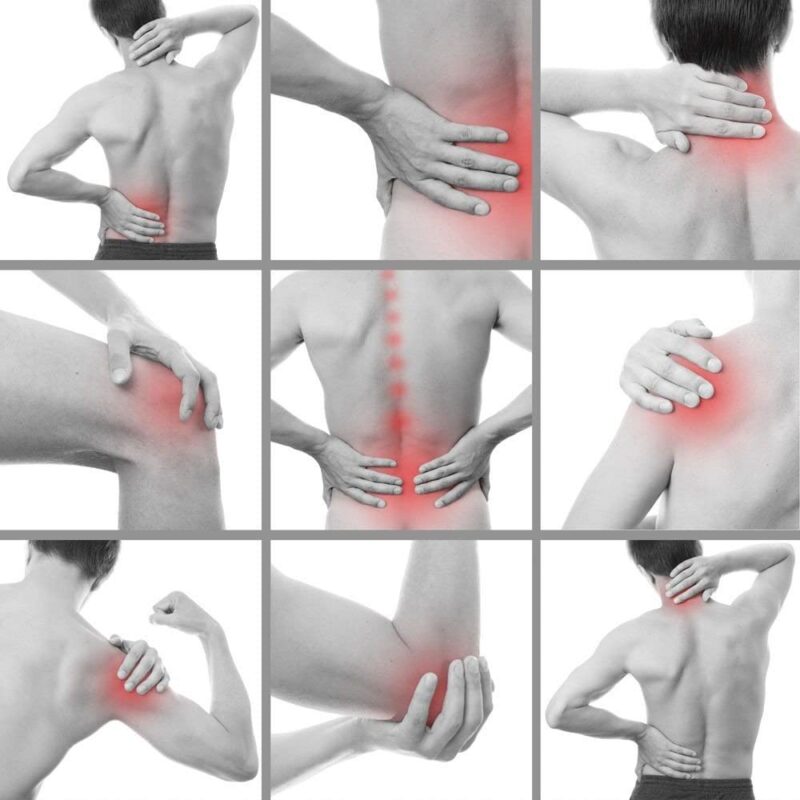
Common areas affected include:
- Neck and shoulders
- Lower back
- Knees and joints
- Arms and legs
Common Causes of Body Aches and Musculoskeletal Pain
Understanding the root cause is essential for effective treatment. Some of the most common causes include:
1. Poor Posture
Sitting for long hours, especially with incorrect posture, can strain muscles and lead to chronic pain—particularly in the neck and back.
2. Muscle Overuse
Repetitive activities, heavy lifting, or intense workouts can cause muscle fatigue and soreness.
3. Injuries
Sprains, strains, fractures, and ligament injuries are major contributors to musculoskeletal discomfort.
4. Arthritis
Conditions like osteoarthritis and rheumatoid arthritis lead to joint inflammation, stiffness, and pain.
5. Sedentary Lifestyle
Lack of physical activity weakens muscles and reduces flexibility, increasing the risk of pain and stiffness.
6. Stress and Tension
Mental stress often manifests physically as muscle tightness, especially in the shoulders and neck.
Symptoms You Should Not Ignore
While occasional aches are normal, persistent symptoms may indicate an underlying issue. Watch out for:
- Chronic or recurring pain
- Swelling or inflammation
- Limited range of motion
- Muscle stiffness
- Weakness or numbness
- Pain that worsens with movement
If these symptoms persist, consulting the best musculoskeletal specialist becomes important for proper diagnosis and treatment.
Diagnosis: Getting to the Root of the Problem
A proper diagnosis involves:
- Detailed medical history
- Physical examination
- Imaging tests (X-rays, MRI, CT scans)
- Blood tests (in case of inflammatory conditions)
An experienced expert like Dr Aayushi Choudhary can accurately identify the cause and recommend a tailored treatment plan.
Effective Ways to Manage Musculoskeletal Pain
Managing musculoskeletal pain requires a combination of lifestyle changes, medical treatments, and preventive care.
1. Physical Therapy
One of the most effective treatments, physical therapy focuses on:
- Strengthening muscles
- Improving flexibility
- Restoring mobility
2. Medications
Doctors may prescribe:
- Pain relievers
- Anti-inflammatory drugs
- Muscle relaxants
These should always be taken under medical supervision.
3. Lifestyle Modifications
Small changes can make a big difference:
- Maintain proper posture
- Take breaks during long sitting hours
- Use ergonomic furniture
4. Regular Exercise
Low-impact activities like:
- Walking
- Swimming
- Yoga
help improve strength and reduce stiffness.
5. Hot and Cold Therapy
- Ice packs reduce inflammation
- Heat therapy relaxes muscles
6. Advanced Pain Management Techniques
A qualified pain & musculoskeletal medicine specialist may recommend:
- Trigger point injections
- Joint injections
- Regenerative therapies
These treatments target the root cause and provide long-term relief.
Role of a Musculoskeletal Specialist
A specialist focuses on diagnosing and treating conditions related to muscles, bones, and joints. Consulting the Best Musculoskeletal Specialist ensures:
- Accurate diagnosis
- Personalized treatment plans
- Faster recovery
- Prevention of recurring pain
Experts like Dr. Aayushi Choudhary combine clinical expertise with advanced treatment methods to deliver effective pain management solutions.

Preventing Musculoskeletal Pain
Prevention is always better than a cure. Here are practical tips:
1. Maintain Good Posture
Keep your spine aligned while sitting, standing, or using devices.
2. Stay Active
Avoid prolonged inactivity. Even short walks can help.
3. Stretch Regularly
Daily stretching improves flexibility and reduces stiffness.
4. Lift Properly
Use your legs—not your back—when lifting heavy objects.
5. Manage Stress
Practice relaxation techniques like meditation or deep breathing.
When Should You See a Specialist?
You should consult a pain & musculoskeletal medicine specialist if:
- Pain lasts more than a few weeks
- It interferes with daily activities
- Over-the-counter medications don’t help
- You experience numbness or weakness
Early intervention can prevent minor issues from becoming chronic conditions.
Why Early Treatment Matters
Ignoring musculoskeletal pain can lead to:
- Reduced mobility
- Chronic discomfort
- Long-term joint damage
Timely care from the best musculoskeletal specialist ensures faster recovery and better outcomes.
Final Thoughts
Musculoskeletal pain and body aches are common but should never be ignored. With the right combination of medical care, lifestyle adjustments, and preventive strategies, you can effectively manage and even eliminate pain.
If you’re struggling with persistent discomfort, seeking expert care from a trusted professional like Dr. Aayushi Choudhary, a skilled pain & musculoskeletal medicine specialist, can make a significant difference in your recovery journey.
Prioritize your health today - because a pain-free life is essential for overall well-being.
 Understanding Spine Disorders: Expert Care by a Spine Specialist
 What Causes Knee Pain? Symptoms, Diagnosis & Effective Relief
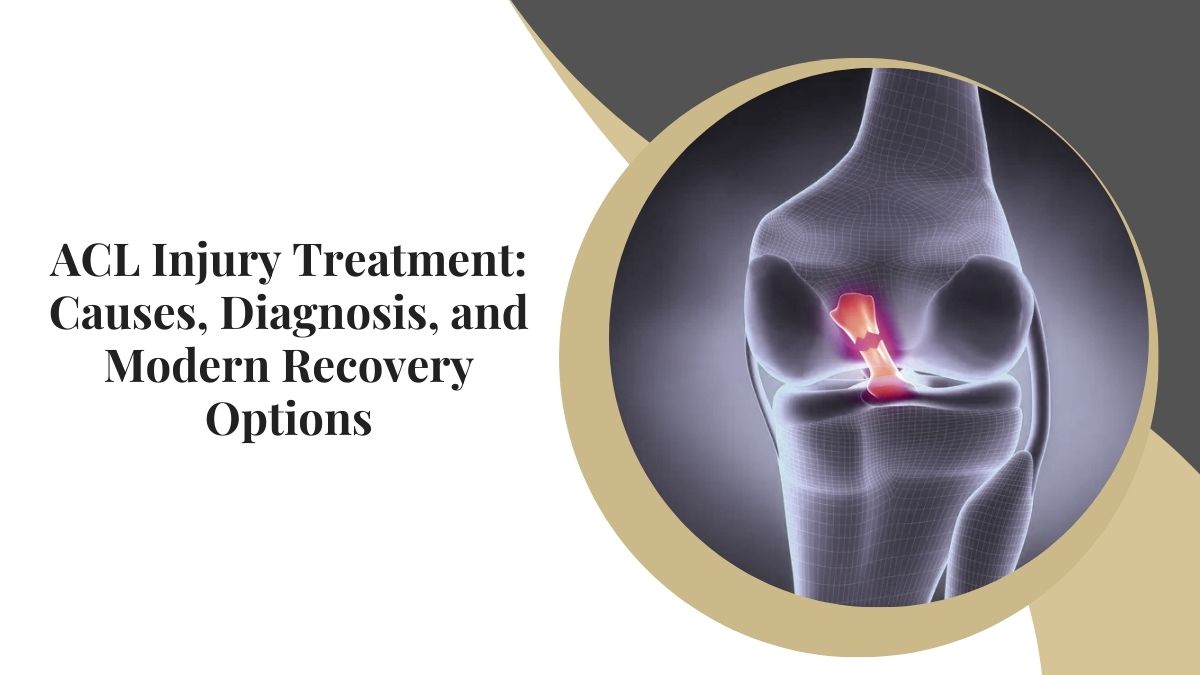 ACL Injury Treatment: Causes, Diagnosis, and Modern Recovery Options
.jpg) How Lifestyle Choices Impact Your Risk of Stroke
How Lifestyle Choices Impact Your Risk of Stroke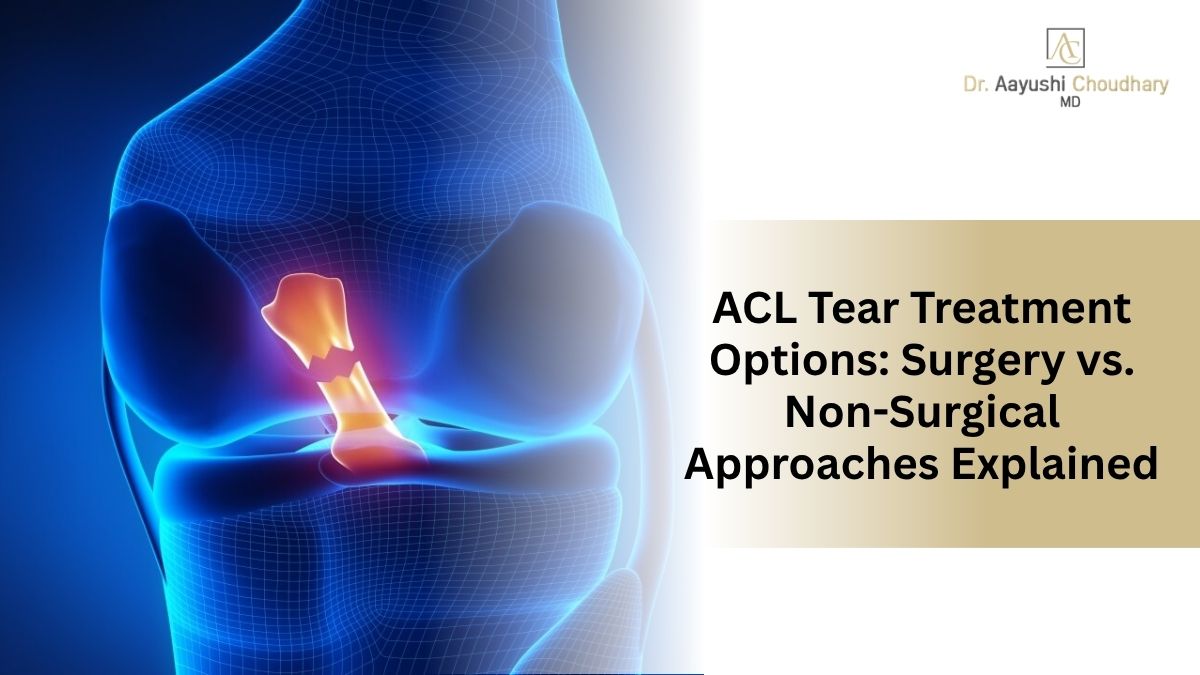 ACL Tear Treatment Options: Surgery vs. Non-Surgical Approaches Explained
 How Do You Know If Knee Pain Is Serious?
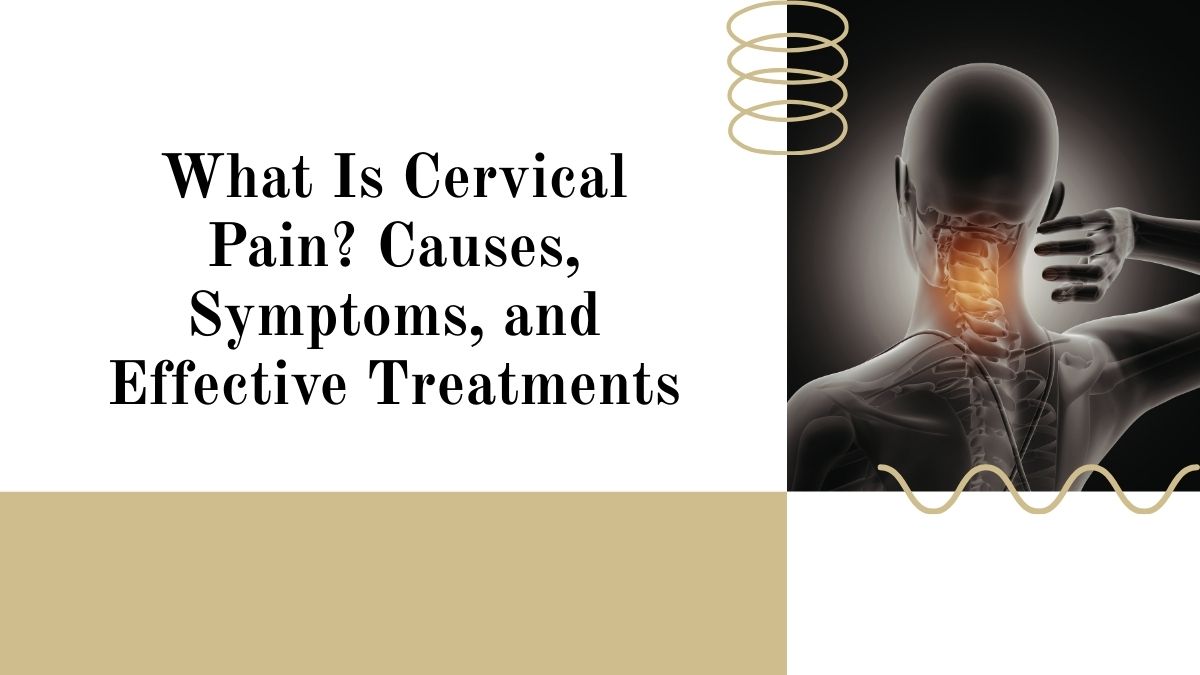 What Is Cervical Pain? Causes, Symptoms, and Effective Treatments
 When Should You Consult a Pain Specialist? Signs You Should Not Ignore
 What Causes Shoulder Pain? Symptoms & Treatment
 Common Sports Injuries and How to Prevent Them: A Complete Guide
 Don’t Ignore These Signs of Paralysis – It Could Be Serious
 Paralysis Treatment & Neurorehabilitation: A 360° Approach to Spastic and Flaccid Paralysis Recovery
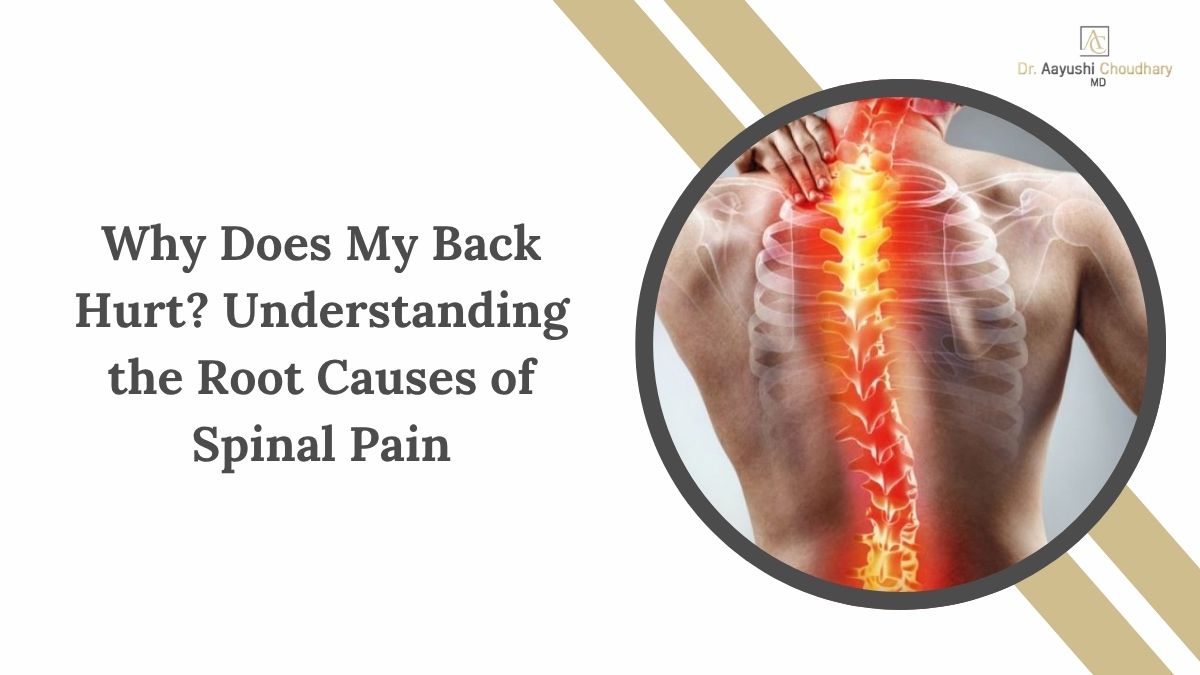 Why Does My Back Hurt? Understanding the Root Causes of Spinal Pain
 Top 10 Early Signs of Stroke You Should Never Ignore
 Daily Activity Tips to Manage Frozen Shoulder Pain
 When Kids with Cerebral Palsy Grow Up: A Simple Guide for Families
 How to Safely Return to Sports After an ACL Injury
 Knee Pain Dos and Don’ts: Best Practices for Pain Management
 Why Are Young People Suffering from Chronic Back Pain?
 8 Common Causes of Neck Pain & Effective Treatment Options
 Pain Management: When to Visit a Pain Specialist or Pain Hospital
 Neck Pain Treatment for Working Professionals: Daily Care Tips
 Got Injured While Playing Sports? Here’s What to Do Next
 Knee Pain While Walking? Here Are The 5 Most Common Causes
 How Can People With Cerebral Palsy Improve Their Quality of Life?
 How Long Does ACL Injury Treatment Take? Recovery Explained
 How Does Paralysis Begin & What Treatments Help Recovery?
 Why Is Early Pain Treatment Important for Better Recovery?
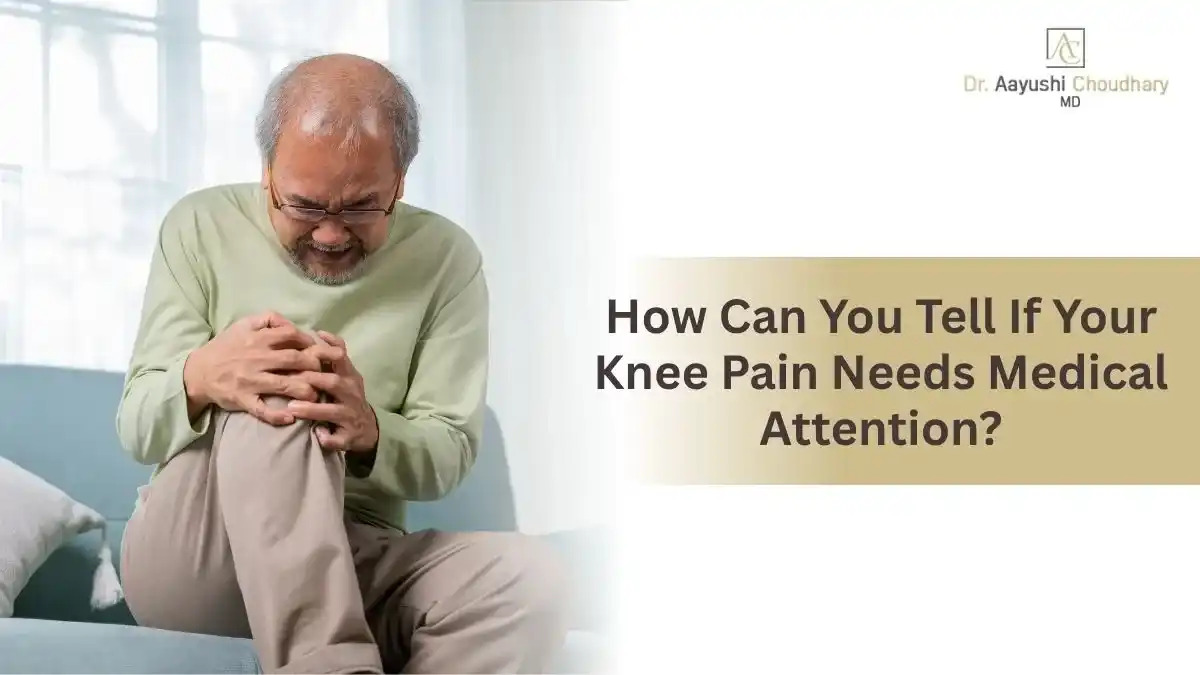 How Can You Tell If Your Knee Pain Needs Medical Attention?
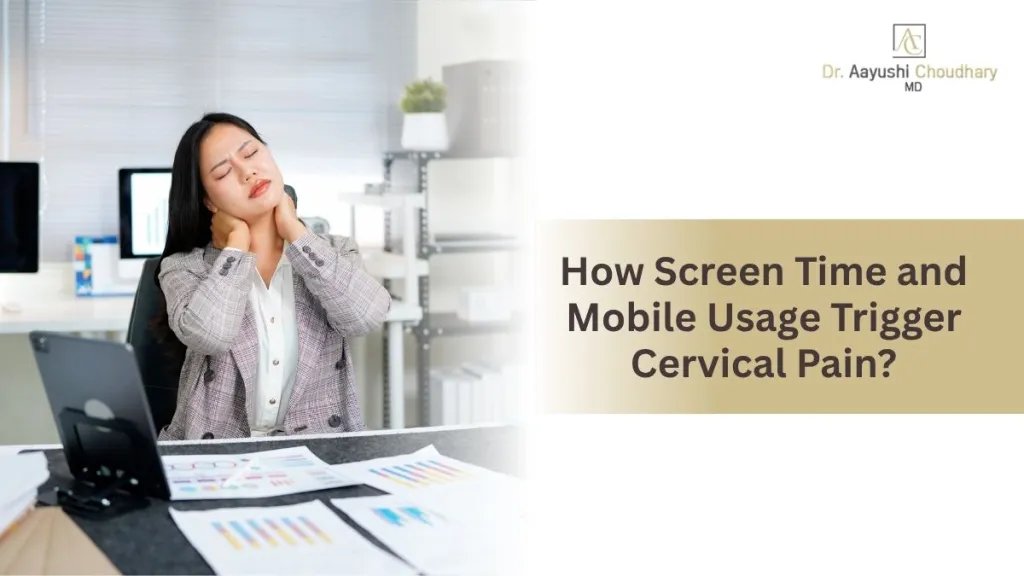 How Screen Time and Mobile Usage Trigger Cervical Pain?
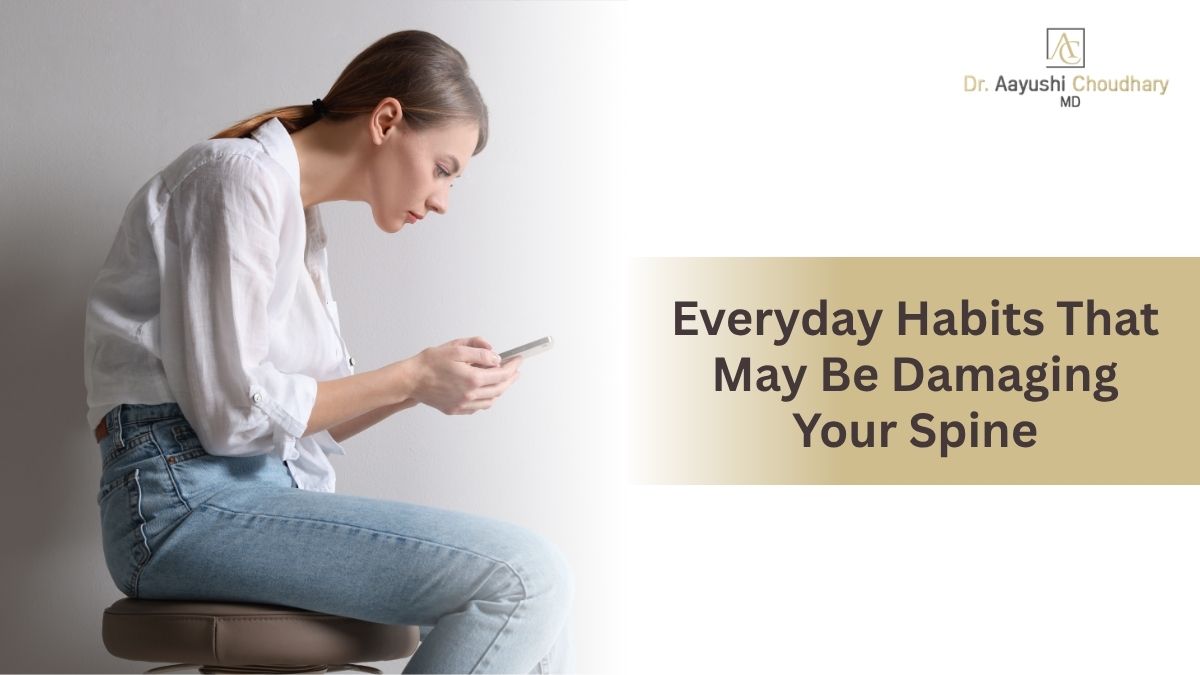 Everyday Habits That May Be Damaging Your Spine
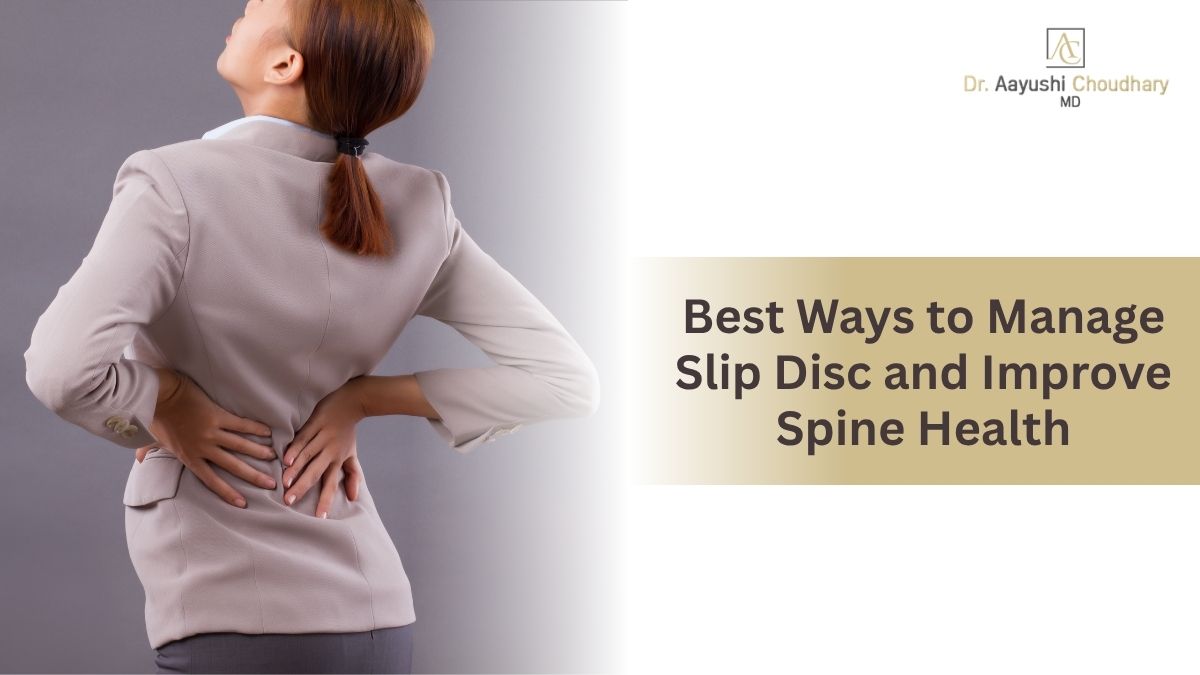 Best Ways to Manage Slip Disc and Improve Spine Health
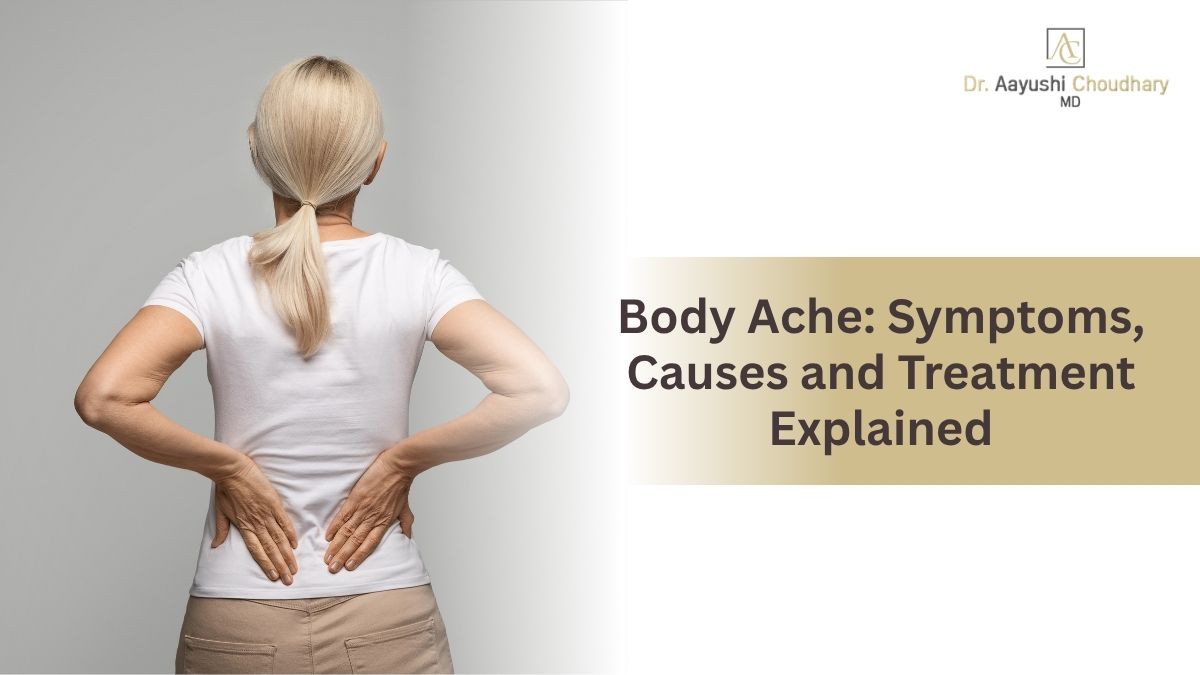 Body Ache: Symptoms, Causes and Treatment Explained
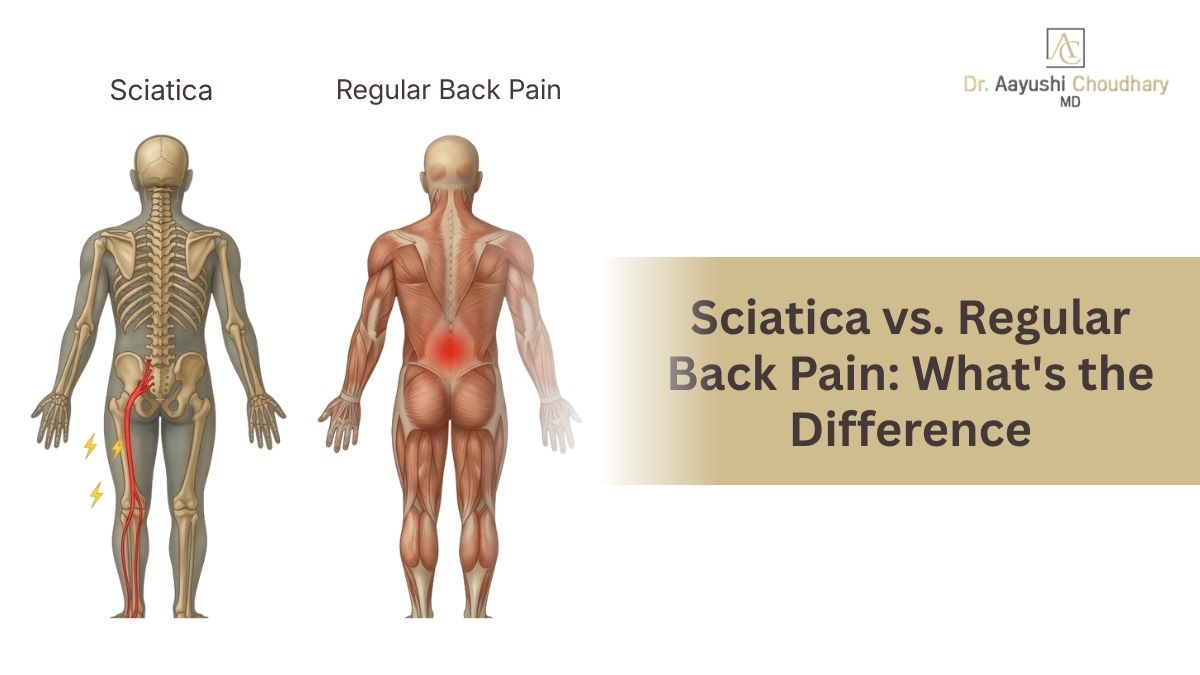 Sciatica vs. Regular Back Pain: What's the Difference? | Expert Guide
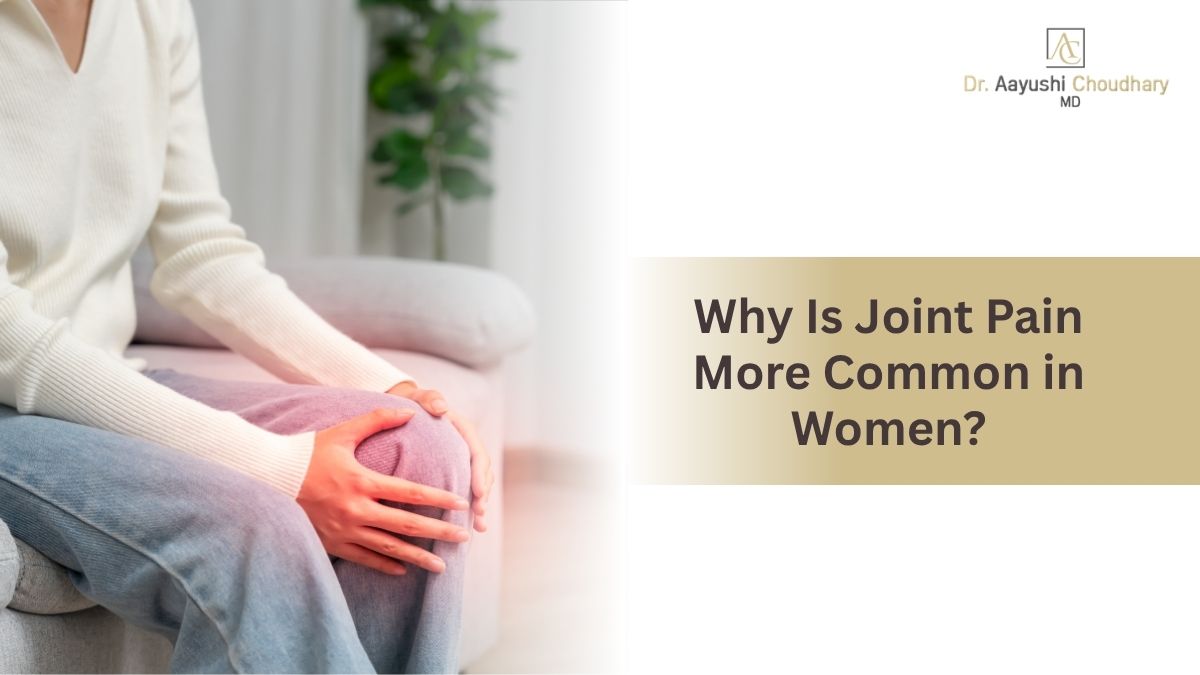 Why Is Joint Pain More Common in Women? | Expert Medical Guide
 Why Do Gym Injuries Happen? | Expert Medical Guide
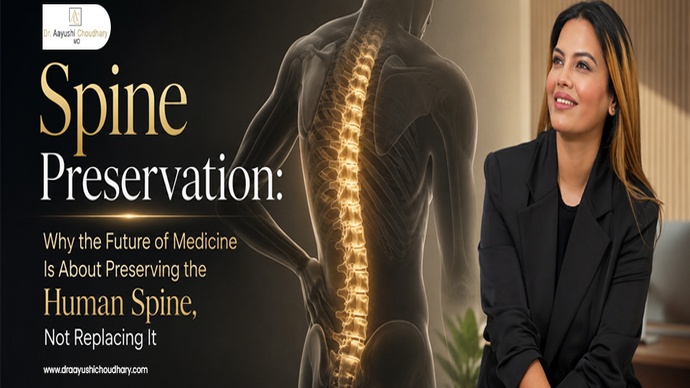 Spine Preservation: Why the Future of Medicine Is About Preserving the Human Spine, Not Replacing It
 Rehabilitation: The Missing Fourth Pillar of Modern Medicine-Why the Future of Healthcare Is Not Just About Saving Lives, But Restoring Them
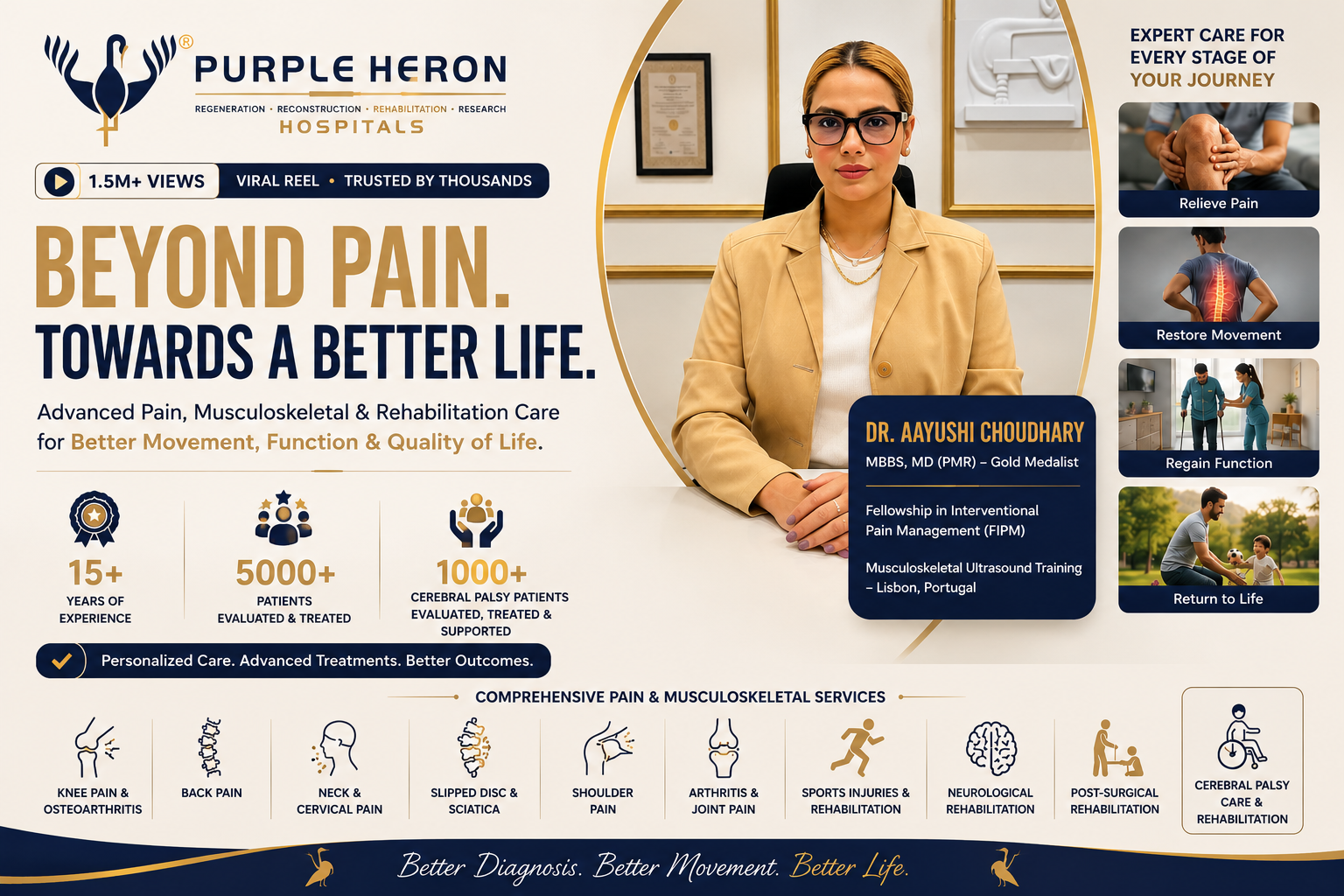 Advanced Pain & Musculoskeletal Care by Dr. Aayushi Choudhary in Jaipur
 Interventional Pain Medicine: Pain Is Not Enemy; Rather Body's Language. Why Does Future of Pain Medicine Lie in Treating Cause, Not Silencing Symptom?
 Cerebral Palsy Is Not a Deformity Problem, a Movement Problem. Why Correcting a Child’s Legs Does Not Always Help Them Walk?
 Regenerative Medicine: The Future of Healthcare Will Not Be Replacement but Preservation. Why Next Decade in Medicine Will Be Defined by Saving Human Tissue, Not Simply Replacing It
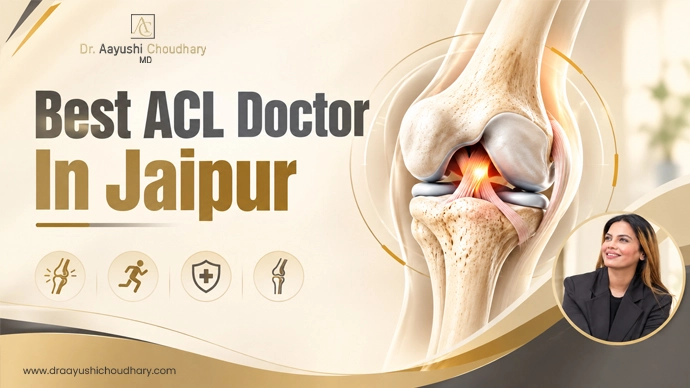 Best ACL Doctor in Jaipur for Complete Musculoskeletal Care