

Watching your child grow is always emotional—but for families of children with cerebral palsy, the transition into adulthood brings a mix of hope, uncertainty, and important decisions. While childhood care often feels structured and supported, adult life introduces new challenges and responsibilities.
This guide is designed to help families understand what changes as children with cerebral palsy grow up, and how to navigate this journey with confidence.
Understanding the Transition to Adulthood
Cerebral palsy is a lifelong condition that affects movement, posture, and coordination. However, it’s important to remember that while the condition itself does not worsen over time, its impact can change as the body ages.
As children transition into adulthood, they move from pediatric care systems to adult healthcare. This transition is not just medical—it also involves emotional, social, and lifestyle adjustments.
How Life Changes in Adulthood
1. Physical Changes and Health Needs
As individuals grow older, they may experience:
- Increased muscle stiffness or tightness
- Joint pain or early arthritis
- Fatigue due to long-term strain on muscles
- Changes in mobility
These changes are common in cerebral palsy in adults, and regular monitoring becomes essential to maintain mobility and comfort.
2. Shift from Pediatric to Adult Healthcare
One of the biggest transitions is moving from child-focused care to adult healthcare services. Pediatric specialists who have been part of your child’s journey may no longer be the primary caregivers.
Adult care often requires:
- New specialists and therapists
- More independence in managing appointments
- A stronger focus on long-term health maintenance
Finding experienced Cerebral Palsy Treatment Doctors who understand adult needs is crucial during this stage.
3. Emotional and Mental Well-being
Growing up with cerebral palsy can impact emotional health. As children enter adulthood, they may face:
- Anxiety about independence
- Social challenges
- Self-confidence issues
- Career-related stress
Support from family, counselors, and peer groups plays a vital role in building confidence and emotional resilience.
Education, Career, and Independence
1. Continuing Education
Many individuals with cerebral palsy pursue higher education. With the right support systems, assistive technologies, and inclusive environments, they can thrive academically.
2. Career Opportunities
Adulthood opens doors to employment, but it may require:
- Workplace accommodations
- Skill-based training
- Career counseling
Encouraging independence while providing guidance helps individuals build a fulfilling professional life.
3. Daily Living and Independence
Depending on the severity of the condition, some adults may:
- Live independently
- Require assisted living
- Need help with daily tasks
Planning for independence early—such as learning daily skills and financial management—can make this transition smoother.
Importance of Continued Therapy
Therapy doesn’t stop after childhood. In fact, it becomes even more important in adulthood.
Key therapies include:
- Physiotherapy to maintain mobility and reduce stiffness
- Occupational therapy to improve daily living skills
- Speech therapy (if needed) for communication
Regular therapy helps prevent complications and improves overall quality of life.
Social Life and Relationships
Adulthood also brings opportunities to build meaningful relationships. However, social barriers can sometimes make this challenging.
Families can support by:
- Encouraging social interactions
- Promoting participation in community activities
- Supporting hobbies and interests
A strong social network improves emotional well-being and confidence.
Financial Planning and Support
As children grow up, financial planning becomes essential. Families should consider:
- Medical expenses
- Insurance coverage
- Government support programs
- Long-term care planning
Consulting professionals can help families make informed decisions for a secure future.
Challenges Families May Face
The transition phase is not always easy. Some common challenges include:
- Finding the right adult healthcare providers
- Adjusting to reduced structured support
- Managing emotional stress
- Planning long-term care
Being prepared and informed can make these challenges easier to handle.
Tips for a Smooth Transition
Here are some practical steps families can take:
- Start planning early (around teenage years)
- Encourage independence gradually
- Build a team of trusted healthcare professionals
- Stay informed about adult care services
- Focus on both physical and emotional health
Small, consistent steps can make a big difference in long-term outcomes.
The Role of Family Support
Family plays the most important role during this transition. Your support, encouragement, and understanding can help your child:
- Build confidence
- Adapt to new environments
- Make independent decisions
- Lead a fulfilling life
Remember, every individual’s journey is unique. There is no one-size-fits-all approach.
Conclusion
Growing up with cerebral palsy brings new challenges, but it also opens the door to independence, growth, and opportunities. With the right medical care, emotional support, and planning, individuals with cerebral palsy can lead meaningful and fulfilling lives.
If you are looking for expert care, consulting experienced cerebral palsy doctors is essential to ensure the best long-term outcomes. For families seeking specialized support, exploring options for cerebral palsy treatment in Jaipur can provide access to advanced therapies and personalized care plans.
The journey may feel overwhelming at times, but with the right guidance and support, both patients and families can navigate adulthood with confidence and hope.
 Understanding Spine Disorders: Expert Care by a Spine Specialist
 What Causes Knee Pain? Symptoms, Diagnosis & Effective Relief
 ACL Injury Treatment: Causes, Diagnosis, and Modern Recovery Options
.jpg) How Lifestyle Choices Impact Your Risk of Stroke
How Lifestyle Choices Impact Your Risk of Stroke ACL Tear Treatment Options: Surgery vs. Non-Surgical Approaches Explained
 How Do You Know If Knee Pain Is Serious?
 What Is Cervical Pain? Causes, Symptoms, and Effective Treatments
 When Should You Consult a Pain Specialist? Signs You Should Not Ignore
 What Causes Shoulder Pain? Symptoms & Treatment
 Common Sports Injuries and How to Prevent Them: A Complete Guide
 Don’t Ignore These Signs of Paralysis – It Could Be Serious
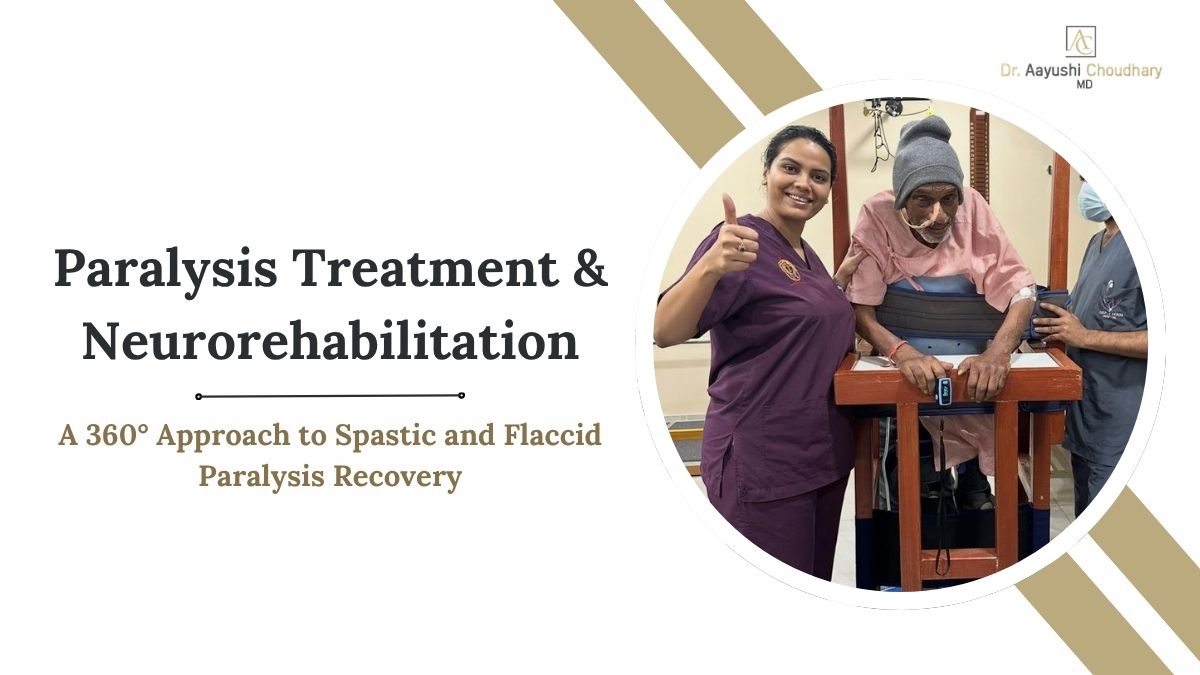 Paralysis Treatment & Neurorehabilitation: A 360° Approach to Spastic and Flaccid Paralysis Recovery
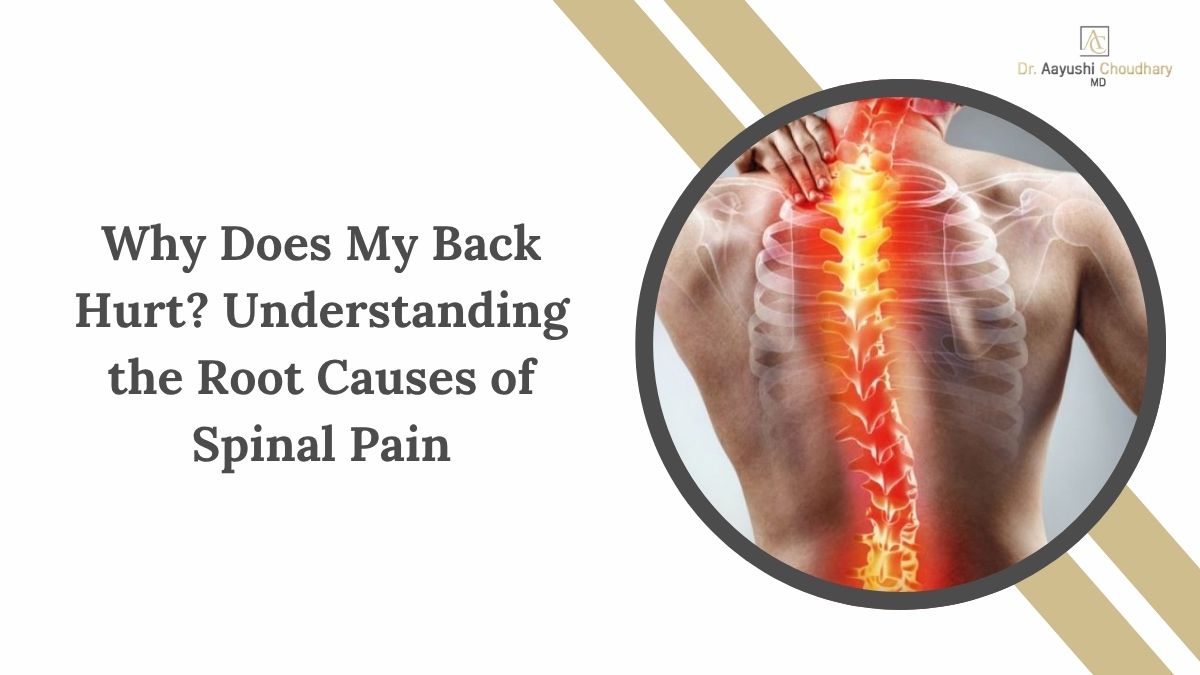 Why Does My Back Hurt? Understanding the Root Causes of Spinal Pain
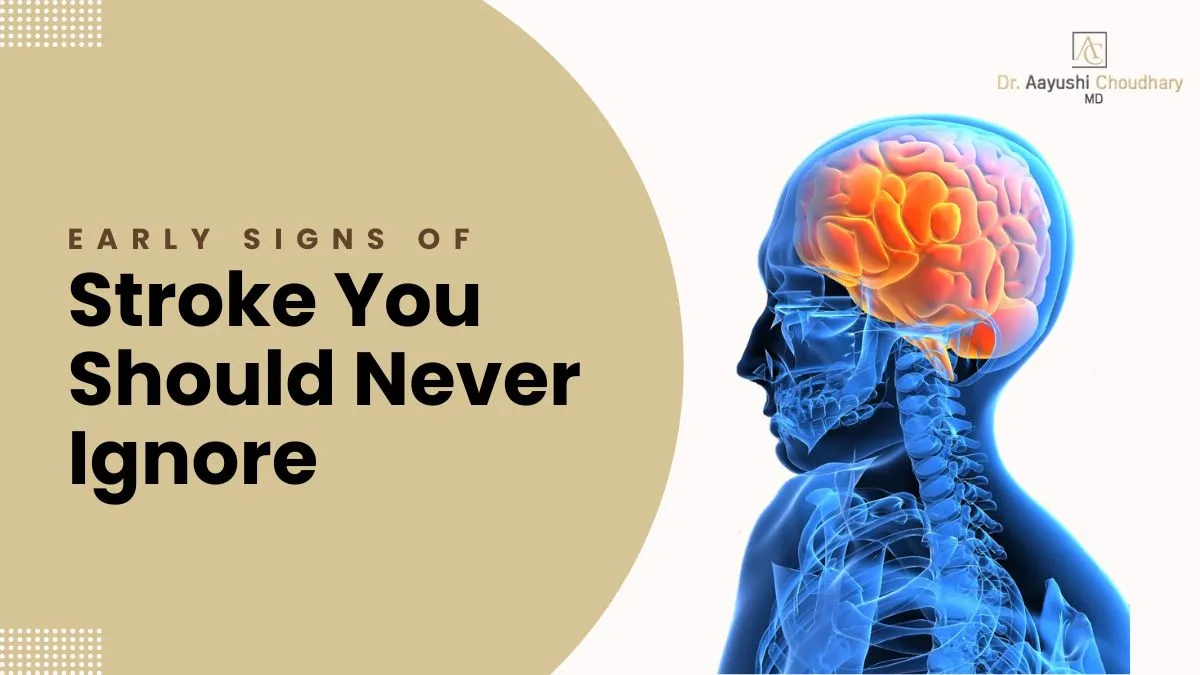 Top 10 Early Signs of Stroke You Should Never Ignore
 Daily Activity Tips to Manage Frozen Shoulder Pain
 How to Safely Return to Sports After an ACL Injury
 Knee Pain Dos and Don’ts: Best Practices for Pain Management
 Why Are Young People Suffering from Chronic Back Pain?
 8 Common Causes of Neck Pain & Effective Treatment Options
 Pain Management: When to Visit a Pain Specialist or Pain Hospital
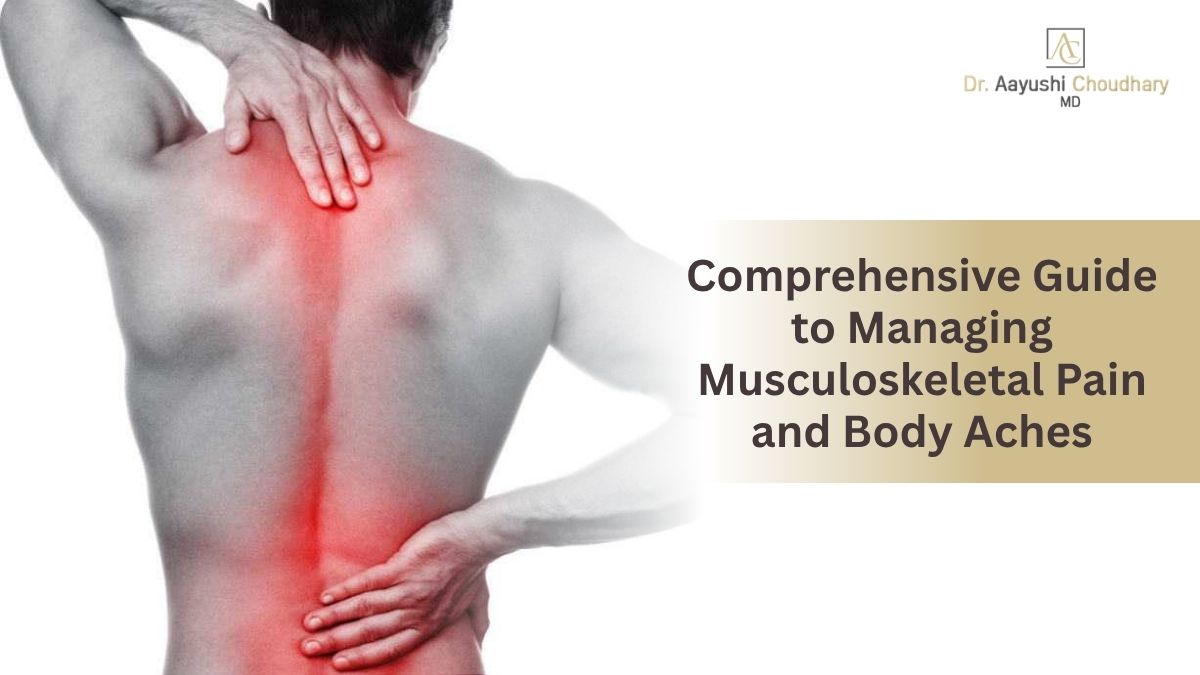 Comprehensive Guide to Managing Musculoskeletal Pain and Body Aches
 Neck Pain Treatment for Working Professionals: Daily Care Tips
 Got Injured While Playing Sports? Here’s What to Do Next
 Knee Pain While Walking? Here Are The 5 Most Common Causes
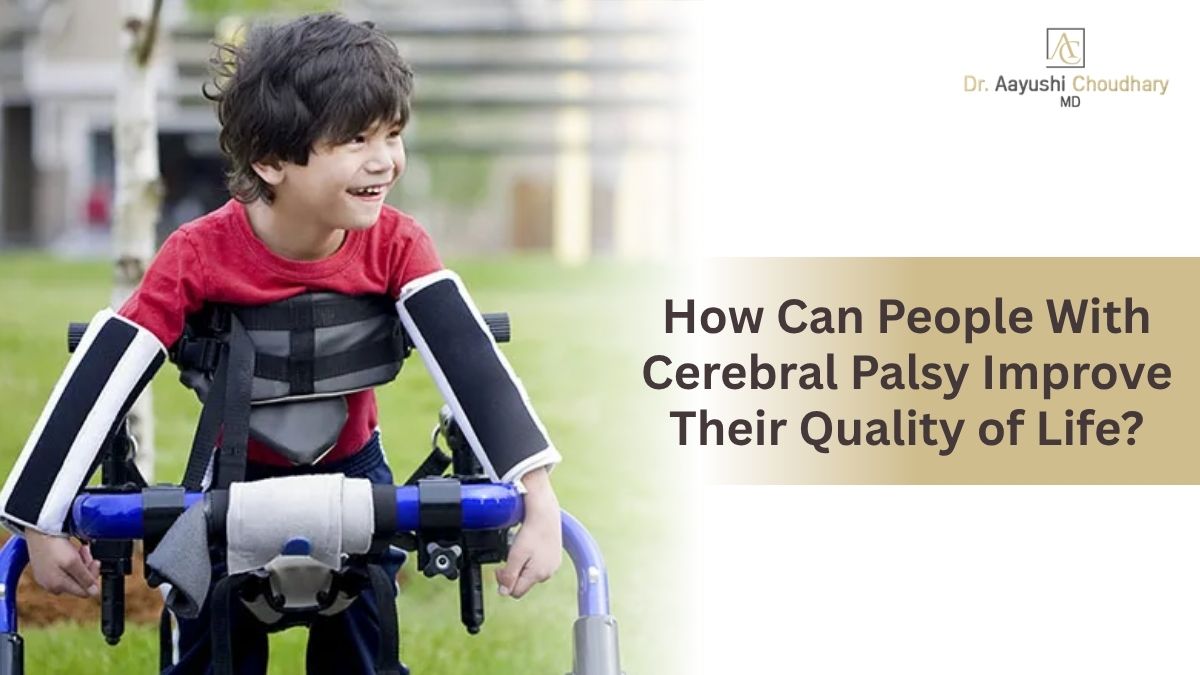 How Can People With Cerebral Palsy Improve Their Quality of Life?
 How Long Does ACL Injury Treatment Take? Recovery Explained
 How Does Paralysis Begin & What Treatments Help Recovery?
 Why Is Early Pain Treatment Important for Better Recovery?
 How Can You Tell If Your Knee Pain Needs Medical Attention?
 How Screen Time and Mobile Usage Trigger Cervical Pain?
 Everyday Habits That May Be Damaging Your Spine
 Best Ways to Manage Slip Disc and Improve Spine Health
 Body Ache: Symptoms, Causes and Treatment Explained
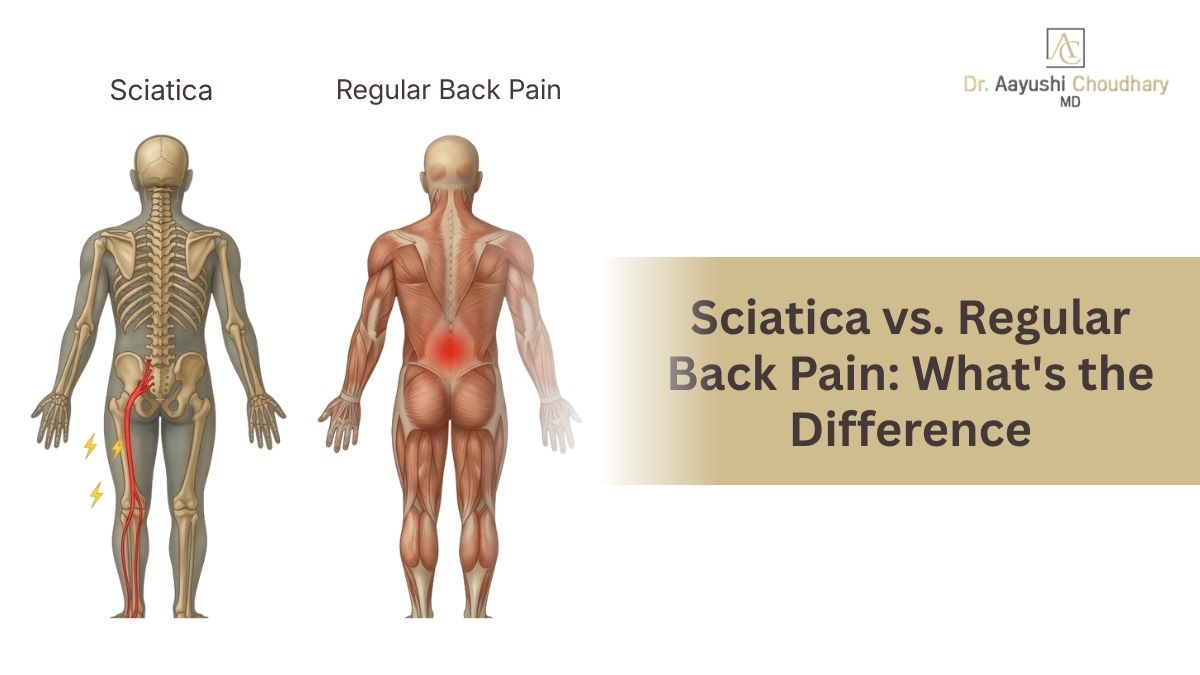 Sciatica vs. Regular Back Pain: What's the Difference? | Expert Guide
 Why Is Joint Pain More Common in Women? | Expert Medical Guide
 Why Do Gym Injuries Happen? | Expert Medical Guide
 Spine Preservation: Why the Future of Medicine Is About Preserving the Human Spine, Not Replacing It
 Rehabilitation: The Missing Fourth Pillar of Modern Medicine-Why the Future of Healthcare Is Not Just About Saving Lives, But Restoring Them
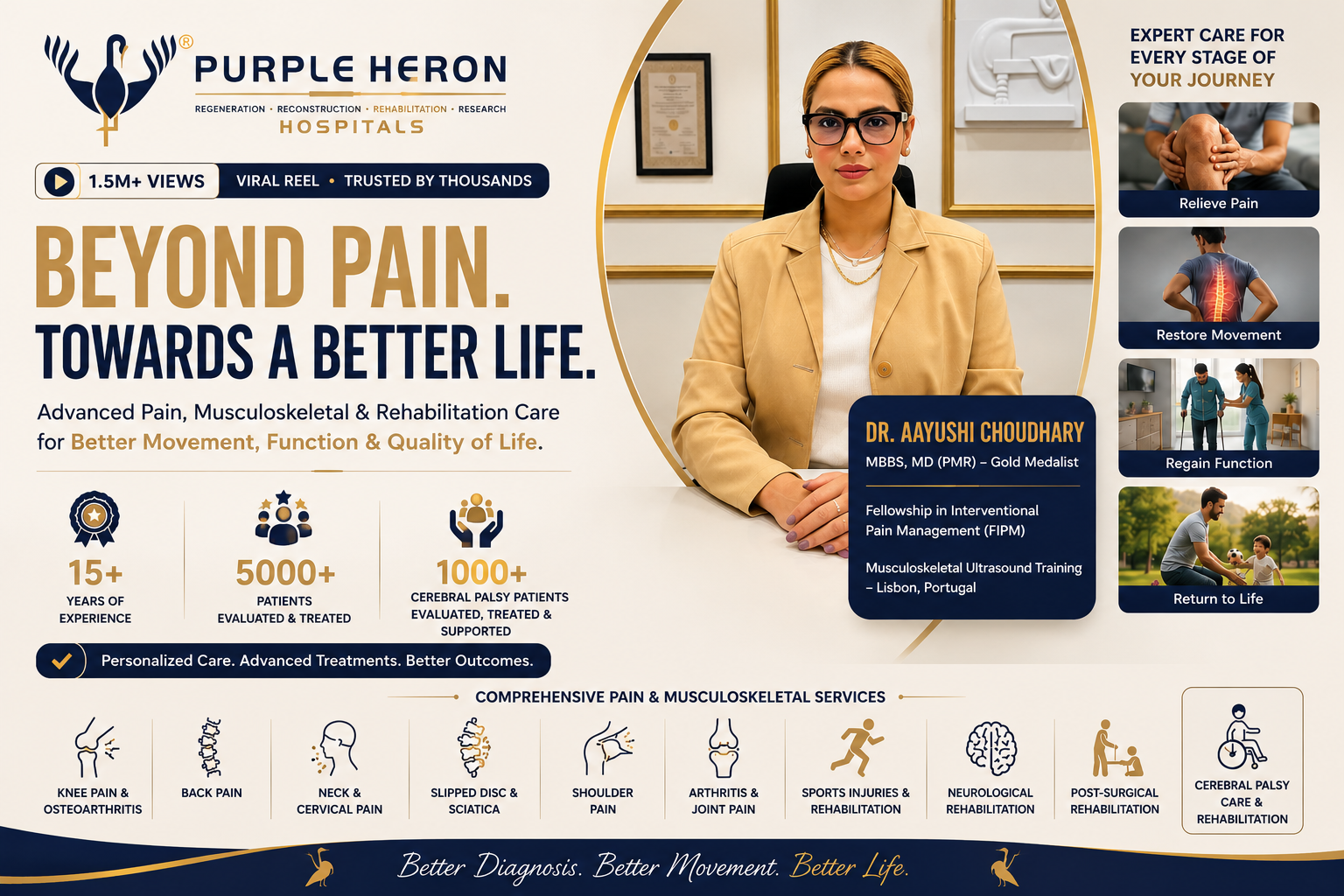 Advanced Pain & Musculoskeletal Care by Dr. Aayushi Choudhary in Jaipur
 Interventional Pain Medicine: Pain Is Not Enemy; Rather Body's Language. Why Does Future of Pain Medicine Lie in Treating Cause, Not Silencing Symptom?
 Cerebral Palsy Is Not a Deformity Problem, a Movement Problem. Why Correcting a Child’s Legs Does Not Always Help Them Walk?
 Regenerative Medicine: The Future of Healthcare Will Not Be Replacement but Preservation. Why Next Decade in Medicine Will Be Defined by Saving Human Tissue, Not Simply Replacing It
 Best ACL Doctor in Jaipur for Complete Musculoskeletal Care
 Neck Pain Treatment in Jaipur: Causes, Symptoms and Care
 When Should You See a Knee Pain Specialist? Understanding the Causes, Advanced Treatment and Personalised Recovery
 Stroke Treatment in Jaipur: A Practical Guide to Recovery and Rehabilitation
 How Can Paralysis Rehabilitation in Jaipur Improve Strength, Mobility, and Everyday Function? A Patient-Focused Overview of Recovery and Care
 Can Slip Disc Treatment in Jaipur Help You Avoid Surgery? Understanding Conservative Care Options