
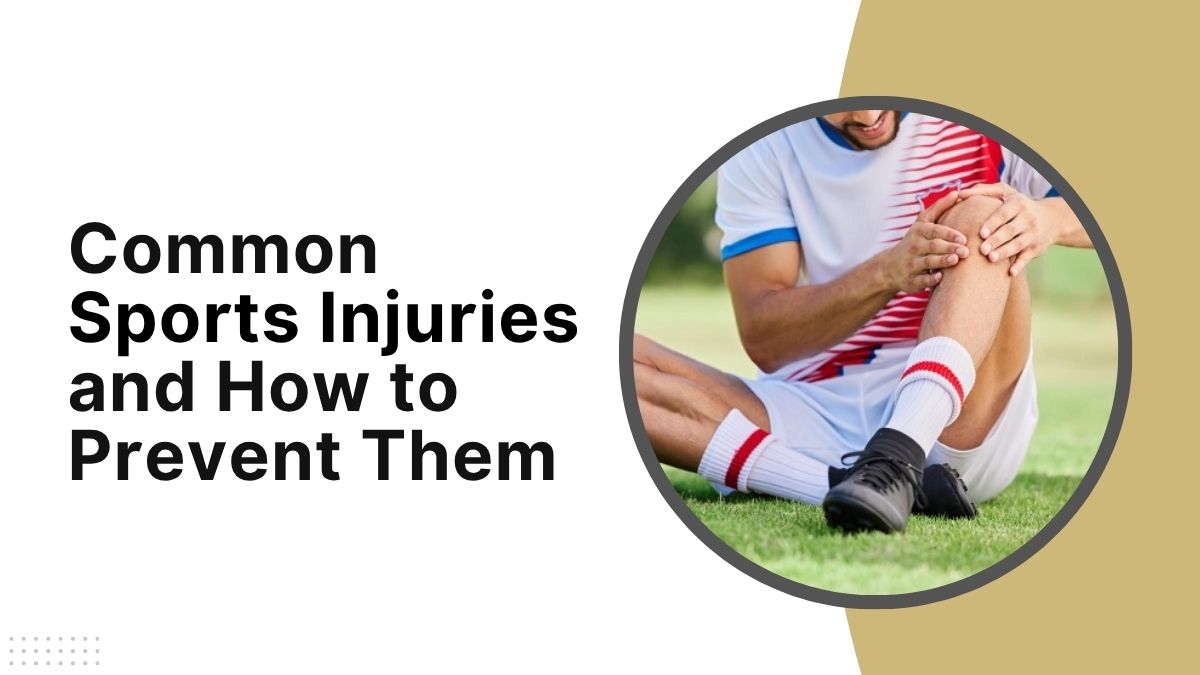
Sports and physical activities are essential for maintaining a healthy lifestyle. Whether you are a professional athlete or someone who enjoys daily workouts, staying active improves strength, flexibility, and overall well-being. However, with physical activity comes the risk of injuries. Understanding common sports injuries and learning how to prevent them can help you stay safe and active for longer.
What Are Sports Injuries?
Sports injuries are injuries that occur during exercise, training, or participation in sports activities. These injuries can affect muscles, bones, ligaments, tendons, and joints. They may happen suddenly due to an accident or develop over time due to repetitive stress.
Sports injuries are generally categorized into two types:
-
Acute injuries – Occur suddenly (e.g., fractures, sprains)
-
Chronic injuries – Develop over time due to overuse (e.g., tendonitis)
Common Sports Injuries
1. Sprains and Strains
Sprains involve stretching or tearing of ligaments, while strains affect muscles or tendons. These are among the most common injuries in sports like football, basketball, and running.
Symptoms:
-
Pain and swelling
-
Limited movement
-
Bruising
2. Knee Injuries
The knee is one of the most vulnerable joints in the body. Injuries such as ACL tears, meniscus tears, and runner’s knee are common in athletes.
Symptoms:
-
Swelling and stiffness
-
Instability
-
Difficulty in straightening the knee
3. Fractures
A fracture is a break in the bone, often caused by falls, collisions, or high-impact activities.
Symptoms:
-
Severe pain
-
Swelling
-
Inability to move the affected area
4. Dislocations
Dislocations occur when bones are forced out of their normal position, commonly affecting shoulders, fingers, and elbows.
Symptoms:
-
Visible deformity
-
Intense pain
-
Swelling
5. Tendonitis
Tendonitis is inflammation of the tendons due to repetitive movements. It is common in sports like tennis, cricket, and swimming.
Symptoms:
-
Pain during movement
-
Tenderness
-
Mild swelling
6. Shin Splints
Shin splints cause pain along the shin bone and are common in runners and athletes who train on hard surfaces.
Symptoms:
-
Pain in the lower leg
-
Tenderness
-
Mild swelling
Causes of Sports Injuries
Sports injuries can occur due to several reasons, including:
-
Improper warm-up or stretching
-
Overtraining or repetitive movements
-
Poor technique or posture
-
Lack of proper equipment
-
Sudden increase in activity level
-
Fatigue and muscle weakness
Understanding these causes can help in taking preventive measures.
How to Prevent Sports Injuries
Prevention is always better than treatment. By following the right techniques and precautions, you can significantly reduce the risk of injuries.
1. Warm-Up and Cool Down
Always start your workout with a proper warm-up to prepare your muscles and joints. Similarly, cooling down after exercise helps in muscle recovery.
2. Use Proper Technique
Incorrect form or posture can lead to injuries. Whether lifting weights or playing a sport, learning the right technique is crucial.
3. Wear the Right Gear
Using proper sports equipment like shoes, helmets, and protective gear reduces the risk of injury.
4. Avoid Overtraining
Giving your body enough rest is important. Overtraining can lead to fatigue and increase the risk of chronic injuries.
5. Stay Hydrated
Dehydration can lead to muscle cramps and fatigue. Drink enough water before, during, and after exercise.
6. Strength Training
Building muscle strength improves stability and reduces the chances of injury, especially in joints like knees and shoulders.
7. Listen to Your Body
Do not ignore pain or discomfort. Early signs of injury should be addressed immediately to prevent serious complications.
When to See a Doctor
While minor injuries can be treated at home with rest, ice, compression, and elevation (RICE), some conditions require medical attention. Consult a doctor if you experience:
-
Severe pain or swelling
-
Inability to move the joint
-
Persistent discomfort
-
Visible deformity
Early diagnosis and treatment can prevent long-term damage and ensure faster recovery.
Conclusion
Sports injuries are a common part of an active lifestyle, but they don’t have to stop you from staying fit. By understanding the types of injuries, their causes, and prevention methods, you can reduce risks and enjoy sports safely. Always prioritize proper training, rest, and recovery to keep your body strong and injury-free.
If you are experiencing persistent pain or a sports-related injury, consulting an experienced professional is essential for proper diagnosis and treatment.
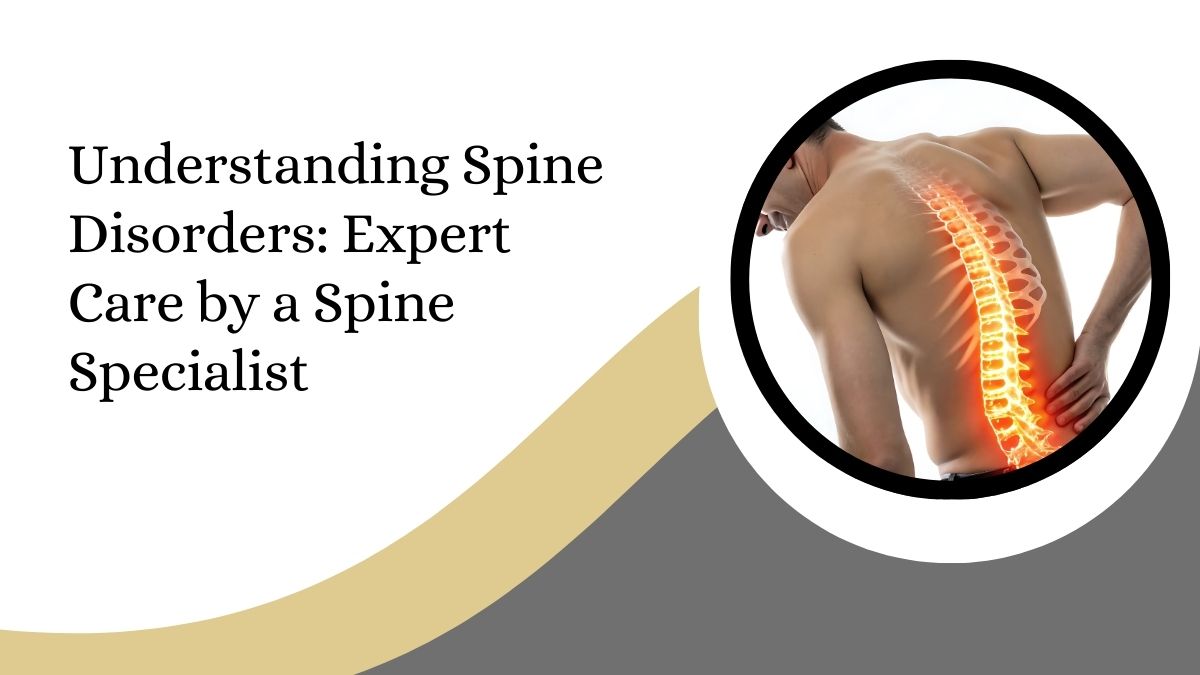 Understanding Spine Disorders: Expert Care by a Spine Specialist
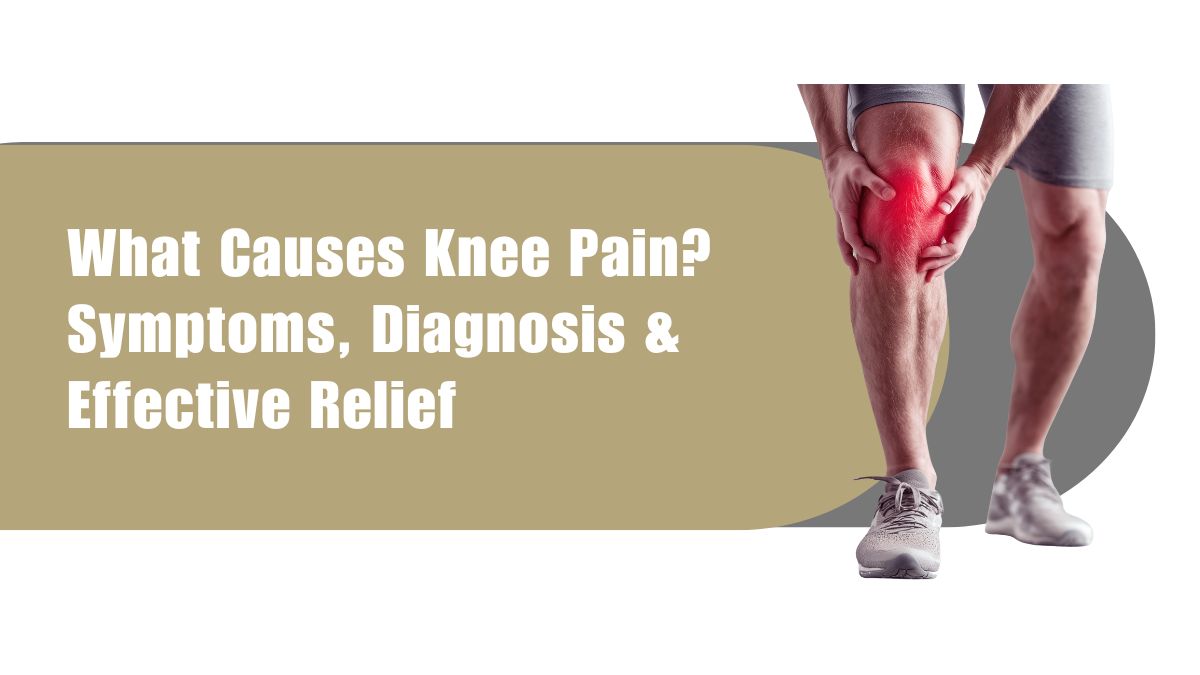 What Causes Knee Pain? Symptoms, Diagnosis & Effective Relief
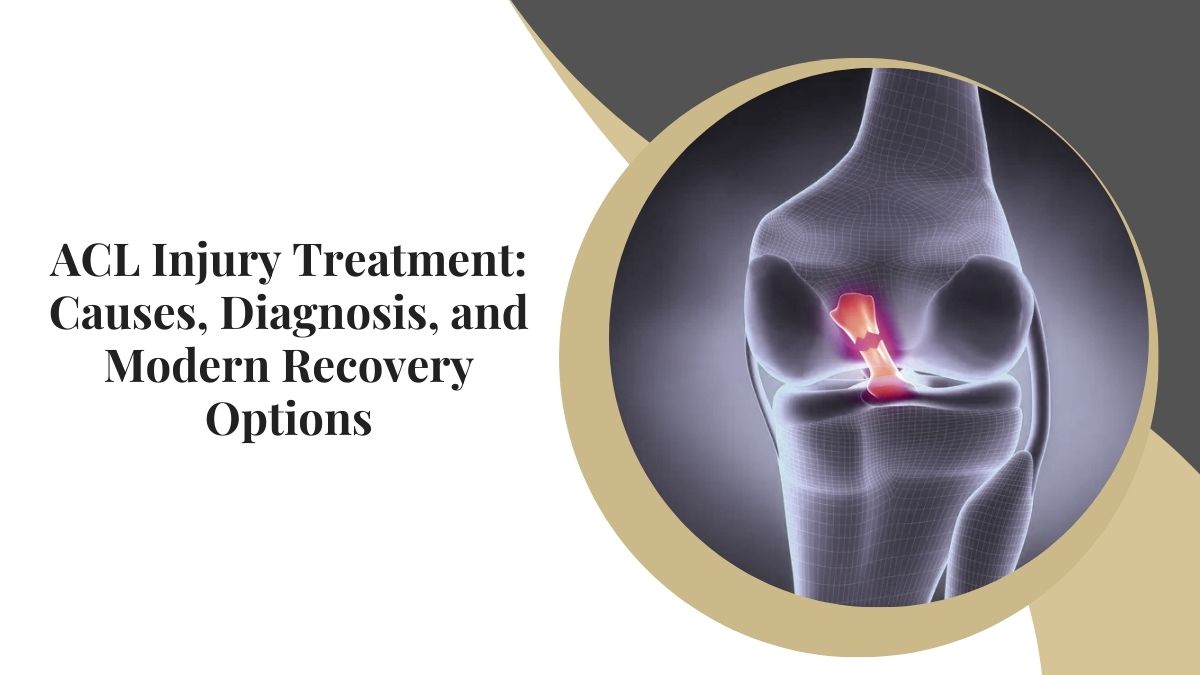 ACL Injury Treatment: Causes, Diagnosis, and Modern Recovery Options
.jpg) How Lifestyle Choices Impact Your Risk of Stroke
How Lifestyle Choices Impact Your Risk of Stroke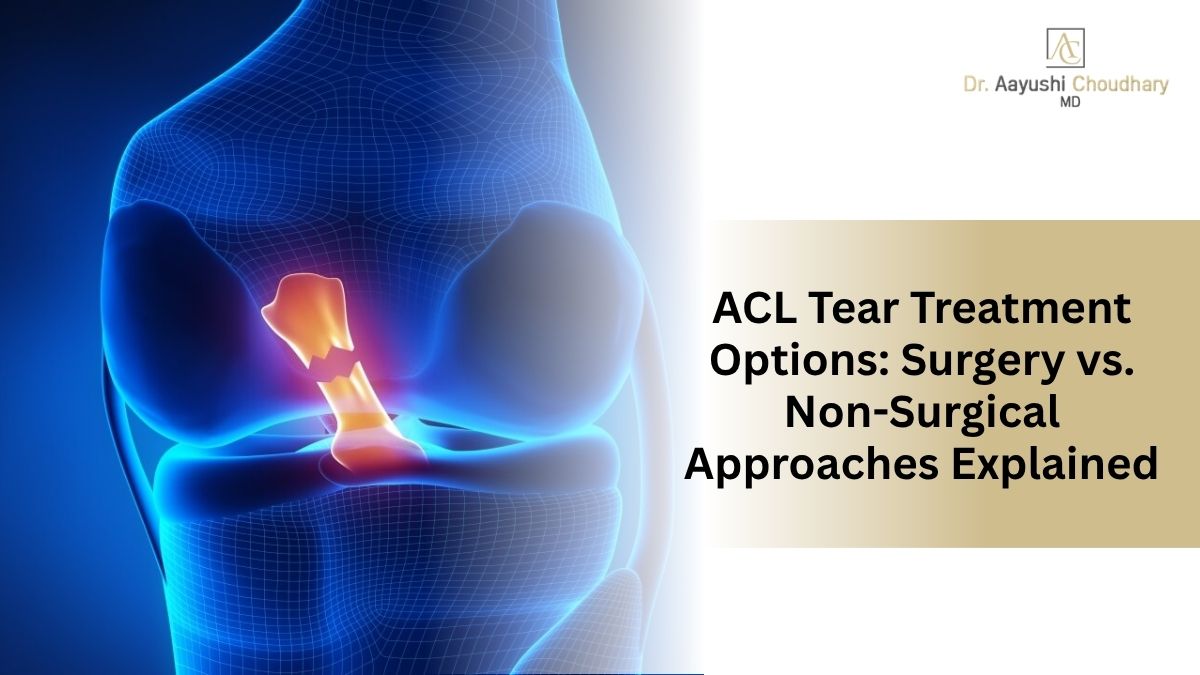 ACL Tear Treatment Options: Surgery vs. Non-Surgical Approaches Explained
 How Do You Know If Knee Pain Is Serious?
 What Is Cervical Pain? Causes, Symptoms, and Effective Treatments
 When Should You Consult a Pain Specialist? Signs You Should Not Ignore
 What Causes Shoulder Pain? Symptoms & Treatment
 Don’t Ignore These Signs of Paralysis – It Could Be Serious
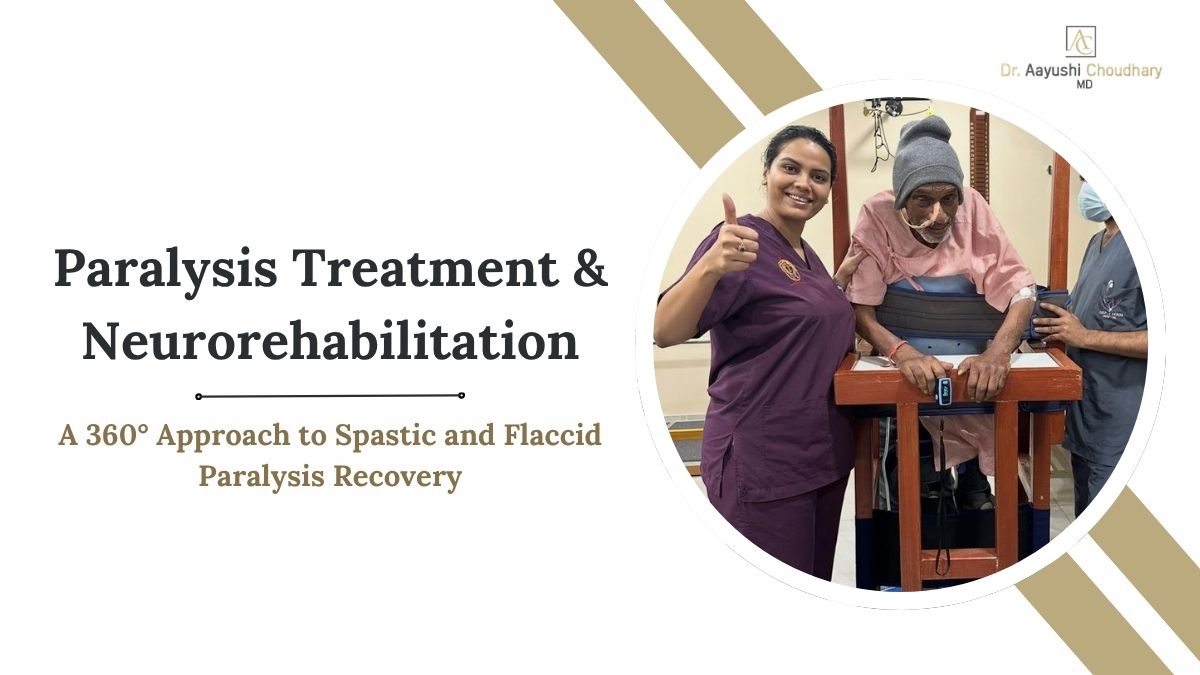 Paralysis Treatment & Neurorehabilitation: A 360° Approach to Spastic and Flaccid Paralysis Recovery
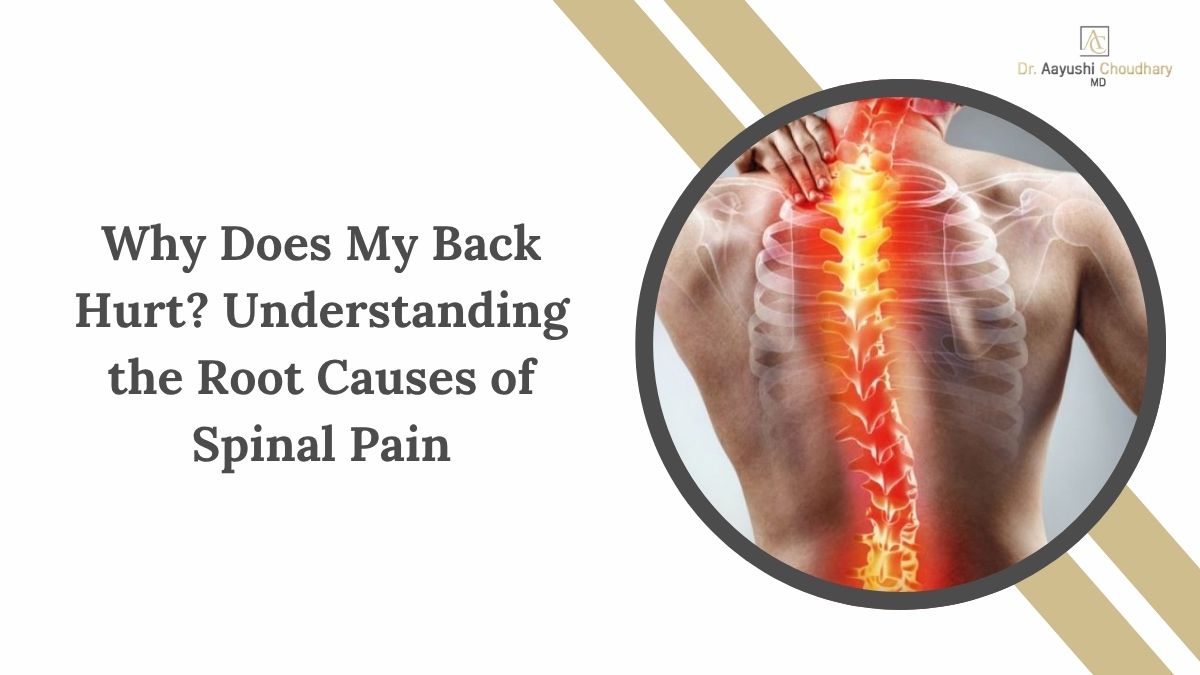 Why Does My Back Hurt? Understanding the Root Causes of Spinal Pain
 Top 10 Early Signs of Stroke You Should Never Ignore
 Daily Activity Tips to Manage Frozen Shoulder Pain
 When Kids with Cerebral Palsy Grow Up: A Simple Guide for Families
 How to Safely Return to Sports After an ACL Injury
 Knee Pain Dos and Don’ts: Best Practices for Pain Management
 Why Are Young People Suffering from Chronic Back Pain?
 8 Common Causes of Neck Pain & Effective Treatment Options
 Pain Management: When to Visit a Pain Specialist or Pain Hospital
 Comprehensive Guide to Managing Musculoskeletal Pain and Body Aches
 Neck Pain Treatment for Working Professionals: Daily Care Tips
 Got Injured While Playing Sports? Here’s What to Do Next
 Knee Pain While Walking? Here Are The 5 Most Common Causes
 How Can People With Cerebral Palsy Improve Their Quality of Life?
 How Long Does ACL Injury Treatment Take? Recovery Explained
 How Does Paralysis Begin & What Treatments Help Recovery?
 Why Is Early Pain Treatment Important for Better Recovery?
 How Can You Tell If Your Knee Pain Needs Medical Attention?
 How Screen Time and Mobile Usage Trigger Cervical Pain?
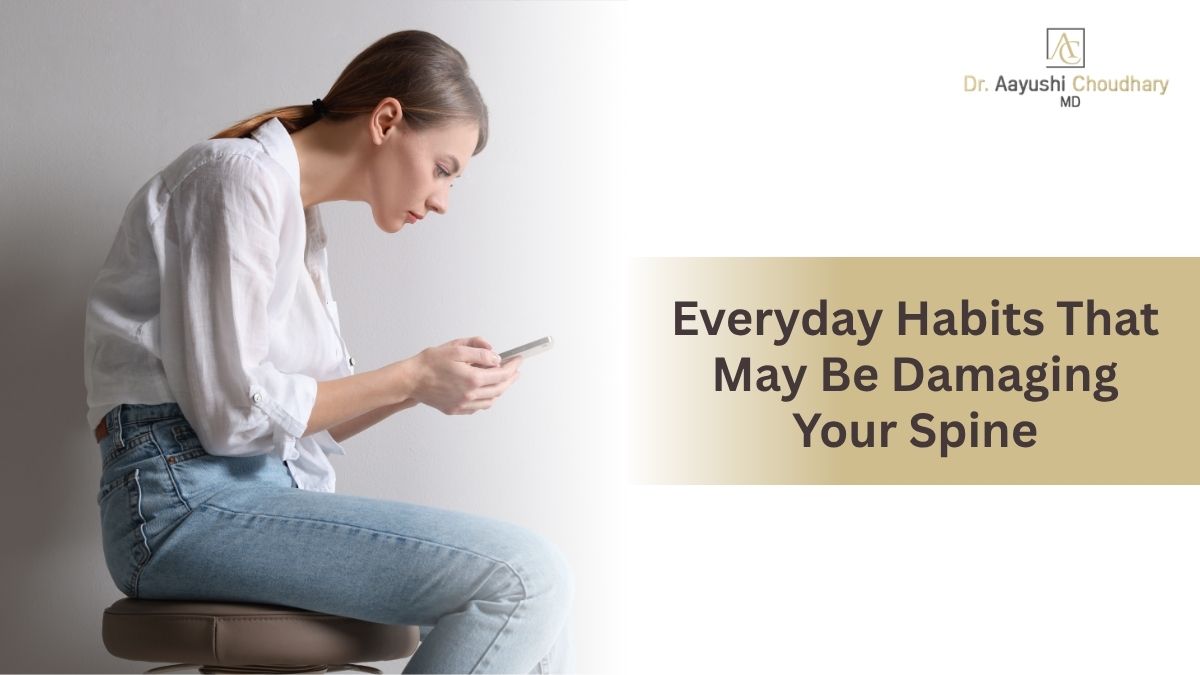 Everyday Habits That May Be Damaging Your Spine
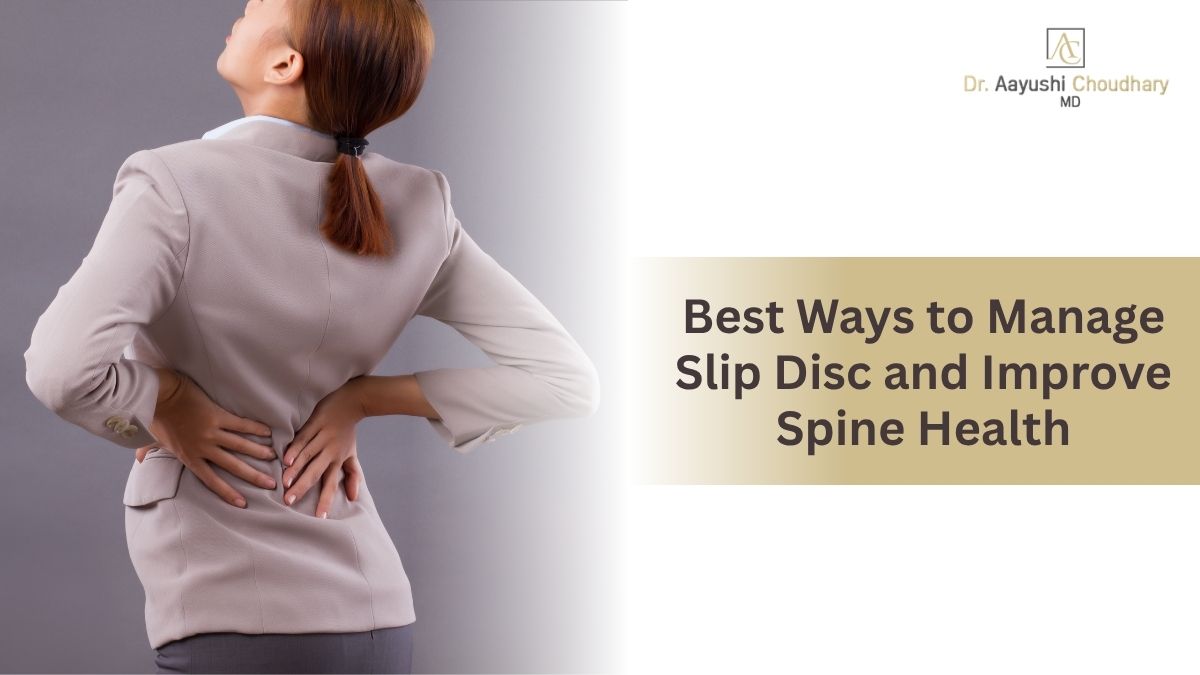 Best Ways to Manage Slip Disc and Improve Spine Health
 Body Ache: Symptoms, Causes and Treatment Explained
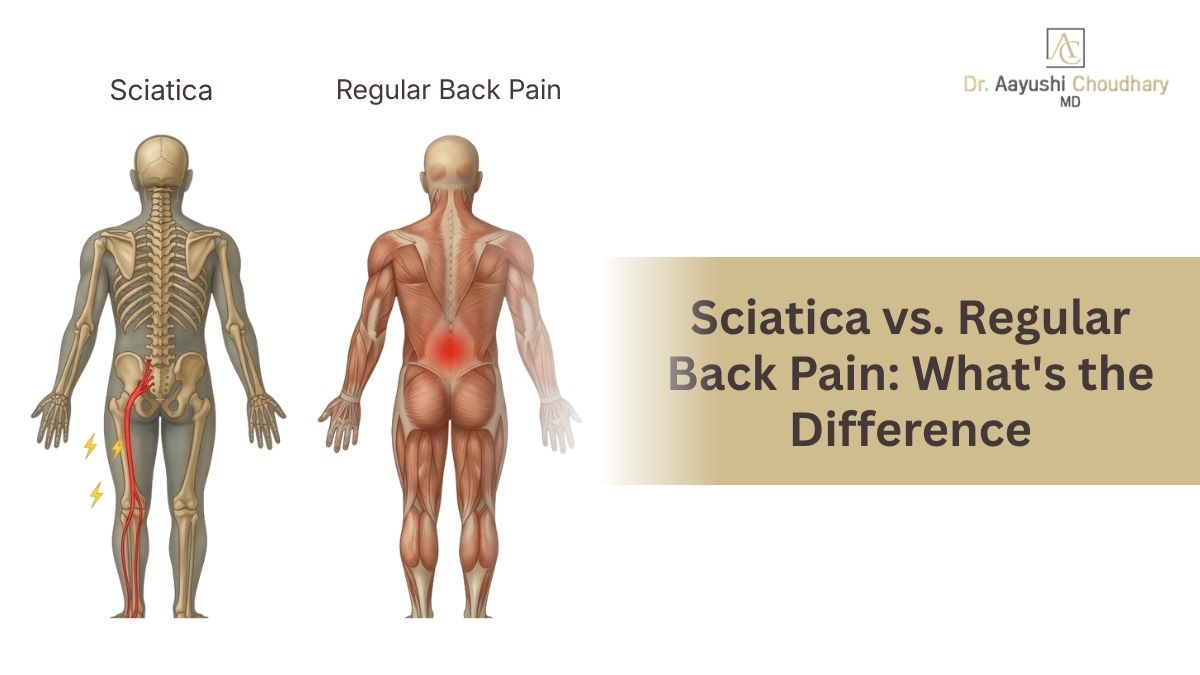 Sciatica vs. Regular Back Pain: What's the Difference? | Expert Guide
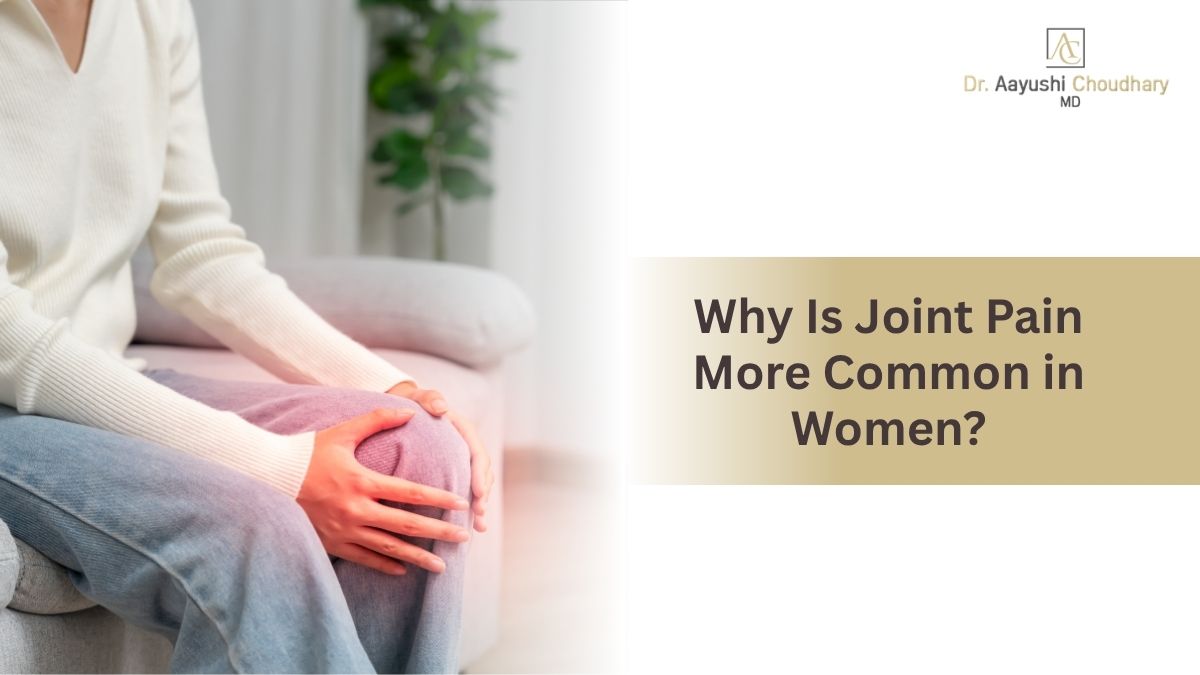 Why Is Joint Pain More Common in Women? | Expert Medical Guide
 Why Do Gym Injuries Happen? | Expert Medical Guide
 Spine Preservation: Why the Future of Medicine Is About Preserving the Human Spine, Not Replacing It
 Rehabilitation: The Missing Fourth Pillar of Modern Medicine-Why the Future of Healthcare Is Not Just About Saving Lives, But Restoring Them
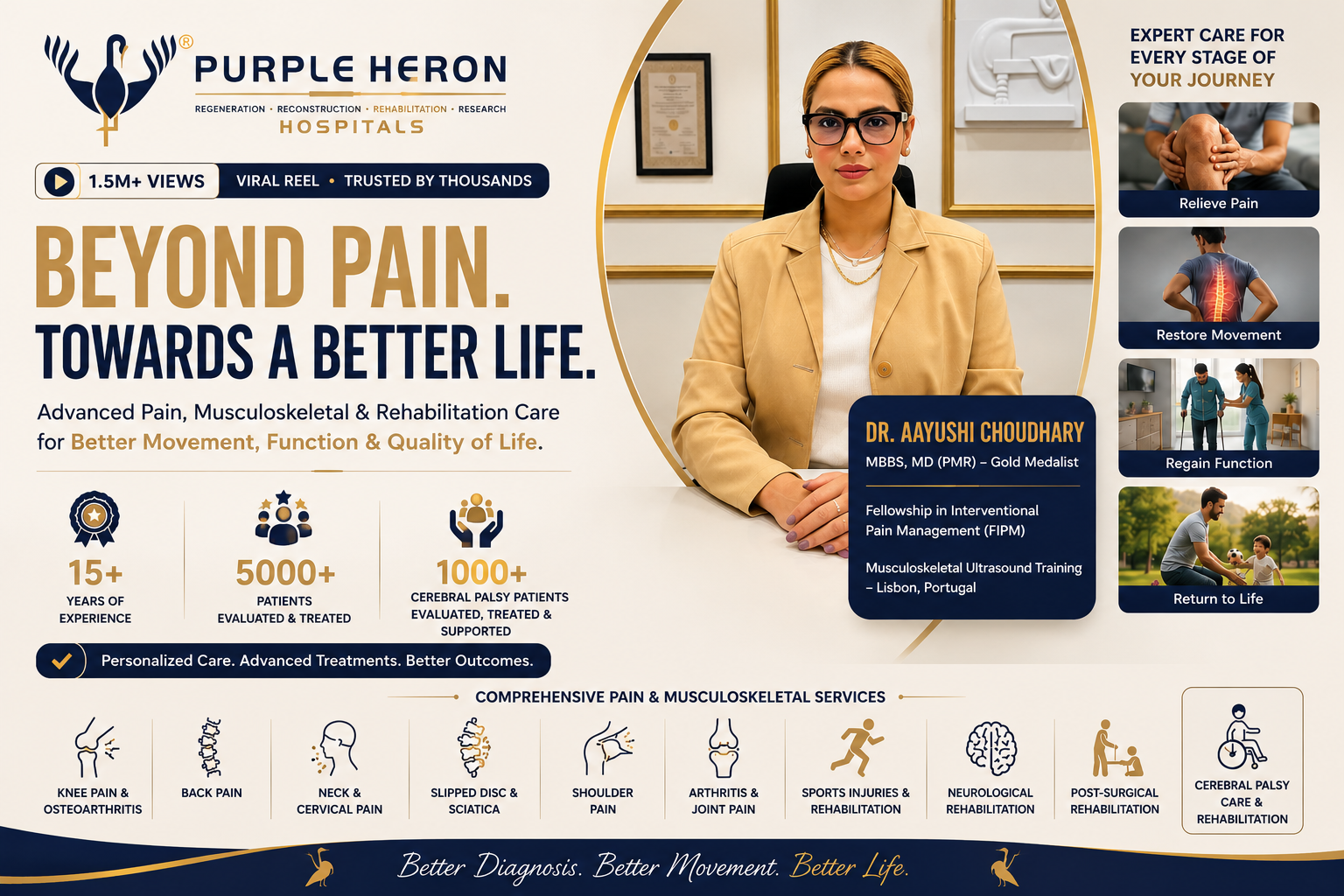 Advanced Pain & Musculoskeletal Care by Dr. Aayushi Choudhary in Jaipur
 Interventional Pain Medicine: Pain Is Not Enemy; Rather Body's Language. Why Does Future of Pain Medicine Lie in Treating Cause, Not Silencing Symptom?
 Cerebral Palsy Is Not a Deformity Problem, a Movement Problem. Why Correcting a Child’s Legs Does Not Always Help Them Walk?
 Regenerative Medicine: The Future of Healthcare Will Not Be Replacement but Preservation. Why Next Decade in Medicine Will Be Defined by Saving Human Tissue, Not Simply Replacing It
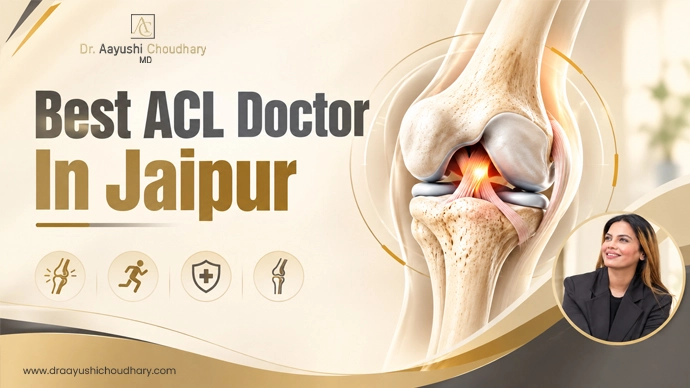 Best ACL Doctor in Jaipur for Complete Musculoskeletal Care