
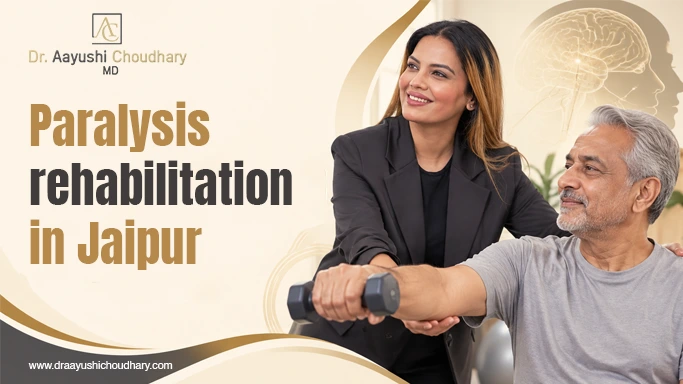
By Dr. Aayushi Choudhary | Pain, Musculoskeletal Medicine, Rehabilitation and Knee Pain Specialist | Purple Heron Hospitals, Jaipur
Paralysis can reshape movement and communication, manage the ways of everyday tasks and maintain balance, often impacting both independence and physical abilities. Recovery is about identifying symptoms, decreasing risk related to complications, rebuilding functional abilities, restoring confidence and developing a rehabilitation journey which responds to every individual’s unique requirements.
The appropriate rehabilitation strategy can transform small improvements into functional gains. Paralysis rehabilitation in Jaipur may encompass medical assessment, assistive strategies, pain management and chosen advanced interventions relying on the severity and cause of paralysis.
At Purple Heron Hospital, Dr. Aayushi Choudhary approaches rehabilitation with attention to individual functional goals and long-term quality of life. This guide explores how rehabilitation can support strength and mobility, what a personalised treatment approach involves, and how modern technologies may complement conventional rehabilitation.
Recognising the Functional Effects of Paralysis on Movement
Paralysis is related to partial and complete loss of muscle movement and may result from conditions impacting the spinal cord, nerves, or brain. Neurological disorders, spinal cord injury, stroke, infections, nerve damage and other conditions can lead to paralysis. The severity and pattern of functional limitations may vary among individuals.
As per the cause, paralysis may present as:
- Paraplegia: Paralysis involving lower limbs.
- Hemeplegia: Paralysis of weaknesses affecting a specific side of the body.
- Quadriplegia: Paralysis impacting four limbs.
- Facial paralysis: Weakness or loss of movement affecting facial muscles.
Rehabilitation considers how limitation of movement impacts everyday function rather than only causing a loss of movement. Actions such as reaching for a particular object, standing up from the chair, managing personal care, maintaining balance, and walking around the room require coordinated strength, motor control, balance, and sensation. Addressing these specific areas can be vital to support paralysis recovery and improve functional independence.
A detailed assessment can help identify which abilities are preserved and which require targeted training. What happens when rehabilitation focuses on the activities a person actually wants to regain? In paralysis rehabilitation, the personalised approach can help you work towards improving coordination, mobility, independence, and communication in daily activities, relying on the extent of the neurological impairment.
Dr. Aayushi Choudhary, a Gold Medalist in physical medicine & rehabilitation with a fellowship in interventional pain management and advanced musculoskeletal ultrasound training from Lisbon, Portugal, combines rehabilitation principles with functional and evidence-based treatment care.
How Customised Treatment Addresses Functional Limitations
Personalised paralysis rehabilitation is beneficial for every patient requiring diverse treatment routine. Her patient-focused philosophy includes clinical assessment, functional considerations, movement and suitable evidence-based interventions. Her objective is not to make patients practise exercises but rather to ensure improvement in their abilities in meaningful situations.
A patient working on lower-limb control may gradually progress from supported exercises to standing practice and, when appropriate, gait-related activities. At the same time, upper-limb rehabilitation can move from controlled movements toward reaching, grasping, and task-specific activities.
This is where multidisciplinary paralysis rehabilitation becomes significant. Medical professionals may consider various aspects of recovery while working on the shared functional goals. Professionals may create an individualised care plan that ensures spasticity and pain management, mobility training, use of emerging neuromodulation technique, and prevention of secondary complications.
Recovery is not a straightforward approach. You may notice a bit of progress in a day, while in the other days, you may experience pain, stiffness, slower performance, or fatigueness. Daily assessment ensures changes in the rehabilitation plan. Our goal is to create a specific pathway where practical function and clinical treatment support one another.
Combining Treatment Approaches with Rehabilitation for Long-Term Functional Improvement
Diverse treatment approaches makes patients overcome challenges with communication, sensation, coordination, movement, and daily activities. A comprehensive rehabilitation plan combined with treatments helps to manage muscle stiffness and pain. By embracing treatment approaches to the individuals’ progress and abilities, rehabilitation professionals can work towards enhancing comfort and functional independence.
A functional rehabilitation for paralysis programme prioritises supportive care measures, practical adaptations, and medical interventions:
- Medication Management: Based on the condition of the patients, medicines are prescribed to manage bladder dysfunction, pain, spasticity and other issues related to paralysis.
- Orthotic Devices and Bracing: Supportive braces, specilaised splints, and ankle-foot orthoses can assist to maintain alignment of the joints and support weaknesses of the limbs.
- Neuromodulation Procedures: A few patients can be assessed for spinal cord stimulation and neuromodulation technique that influences neural activity.
- Management of Bladder and Bowel Function: According to the neurological injury, measures may involve specialist monitoring, bladder catheterisation, bowel-management programmes, and prescribed medication.
- Nutritional Support: Nutrition planning can assist to maintain protein intake and adequate energy, and address swallowing-associated challenges.
- Assistive device training: If required, patients can learn suitable use of supportive devices and mobility under professional guidance.
- Speech and swallowing rehabilitation: Patients with difficulties may need specialist care.
- Home-based practice: Selected routines and exercises can extend rehabilitation beyond the supervised sessions.
She, as a paralysis specialist in Jaipur combines medical assessment with functional recovery principles and rehabilitation. She focuses on evidence-based, personalised care and advanced image-guided procedures where necessary and a focus on preserving function. Using imaging technologies such as ultrasound, fluoroscopy, CT, or MRI, she visualises relevant anatomical structures and guide selected interventions with greater precision.
Could a person continue improving even after the early phase of recovery? Rehabilitation needs vary, and the potential for improvement depends heavily on the underlying neurological injury or condition. Continued assessment can help determine appropriate goals rather than assuming that progress has a fixed deadline.
Family involvement can make a major difference. Caregivers and relatives may learn how to encourage activity, support safe movement, maintain consistency and identify fatigue without turning the rehabilitation into pressure.
What Modern Technologies Can Complement Paralysis Rehabilitation?
Technology is investigated and incorporated into neurological rehabilitation. As part of the paralysis rehabilitation treatment plan, advanced technologies may support functional goals and complement conventional rehabilitation.
Advanced treatments do not mean improved treatment for each patient. Appropriateness of every option relies on neurological status, available evidence, diagnosis and professional assessment.
Modern approaches that may be considered in selected rehabilitation settings include:
- Functional Electrical Stimulation (FES): FES uses controlled electrical stimulation to activate targeted muscles and may support movement training in selected patients with neurological impairments.
- Exoskeleton Devices for Assisted Movement: Robotic systems and wearable exoskeleton technologies can provide structured assistance during repetitive movement or gait training. Usefulness of these devices depends on the patient's condition and rehabilitation goals.
- Transcutaneous Electrical Nerve Stimulation (TENS): TENS is primarily used for pain modulation and may be incorporated when pain interferes with participation in rehabilitation.
- Epidural Spinal Cord Stimulation: The emerging approach being investigated for its potential to improve movement and neurological function in selected individuals with spinal cord injuries. The technique involves placing electrodes in the epidural space near the spinal cord to deliver controlled electrical impulses that may help activate neural circuits involved in movement.
- Regenerative medicine: Approaches involving cell-based or regenerative strategies are areas of ongoing research. These approaches should not be presented as universally established cures for paralysis, and suitability depends on the underlying condition and available clinical evidence.
- Stem-cell-based interventions: These interventions are being studied for several neurological conditions, but evidence and regulatory status vary considerably. Patients should approach such treatments through qualified medical professionals rather than assuming that they can restore lost function.
- Bioelectronic Neural Bypasses: Bioelectronic neural bypasses, developed using Brain-Computer Interfaces (BCIs), represent an emerging approach to improving movement and communication for people living with paralysis. These systems aim to interpret brain signals and translate them into commands that can control external devices or stimulate muscles, potentially bypassing damaged neural pathways.
Our broader treatment philosophy emphasises evidence-based recommendations and using advanced technologies when they genuinely contribute to patient care.
The most important principle is that technology should serve the patient's goals rather than replace human-led rehabilitation. Repetition, appropriate progression, safety, motivation, and functional practice remain central to the rehabilitation journey.
Measuring Recovery Beyond Strength and Movement
Paralysis recovery should not be determined only by whether a specific patient can move a specific muscle. You can see functional improvement in different forms including better balance, greater endurance, improved hand use, safer walking, increased independence in personal care and improved communication.
This perspective is significant, as neurological recovery can be uneven. One function may improve whereas another may remain limited. A few patients may witness substantial gains, whereas other patients may possess modest improvements. The timeline can differ significantly depending on the severity and underlying cause.
Our rehabilitation philosophy encompasses family involvement, realistic goal setting, regular progress evaluation, guidance for home-based exercises, lifestyle changes and patient education. The aim is to assist every patient to participate meaningfully in daily life.
An individual who can move independently from bed to chair, make a simple meal, communicate more effectively and walk safely may have gained a functional milestone even if neurological recovery has not taken place.
The End
Paralysis can change movement and independence, but rehabilitation and treatments provides a structured pathway for working toward improved function. From strength and balance training to mobility practice, pain management, family education, and selected technological interventions, treatments can address multiple dimensions of recovery.
Paralysis rehabilitation in Jaipur should therefore be viewed as an evolving process including different treatments. Personalised goals, regular reassessment, coordinated care, and evidence-based interventions can help patients work toward meaningful improvements in everyday function. Dr. Aayushi Choudhary focuses on patient-centred, functional recovery, and modern treatment approaches through comprehensive assessment and personalised rehabilitation planning.
For an individualised evaluation, effective treatment and rehabilitation plan, consult Dr. Aayushi Choudhary at Purple Heron Hospital, Jaipur, where treatment is designed around the patient's condition, functional goals, and long-term recovery needs.
Frequently Asked Questions
1. What does Paralysis Rehabilitation in Jaipur involve?
Paralysis rehabilitation in Jaipur may include medical assessment, mobility training, pain management, assistive devices, and personalised interventions based on the cause and severity of paralysis. Dr. Aayushi Choudhary at Purple Heron Hospital, Jaipur, focuses on functional goals and evidence-based rehabilitation planning. Treatment aims to improve everyday independence, manage complications, and support quality of life.
2. How can Personalised Paralysis Rehabilitation support recovery?
Personalised paralysis rehabilitation focuses on an individual's preserved abilities, functional limitations, and recovery goals. Dr. Aayushi Choudhary considers the patient's condition when planning suitable rehabilitation and medical interventions. The approach may help improve coordination, mobility, and performance of daily activities, depending on the extent of neurological impairment.
3. Why is Multidisciplinary Paralysis Rehabilitation important?
Multidisciplinary paralysis rehabilitation combines medical management, movement training, assistive strategies, and support for complications according to individual needs. Dr. Aayushi Choudhary emphasises coordinated care and regular assessment to adapt treatment as rehabilitation progresses. This approach can help patients work towards functional independence and safer participation in everyday activities.
4. What treatments are included in Functional Rehabilitation for Paralysis?
Functional rehabilitation for paralysis may include medication management, orthotic devices, mobility aids, bladder and bowel care, nutritional support, and speech or swallowing rehabilitation when required. Treatment plans may also incorporate selected neuromodulation techniques or advanced technologies when clinically appropriate. The specific interventions depend on the patient's diagnosis, neurological function, and rehabilitation goals.
5. How does Paralysis Rehabilitation Treatment support Paralysis Recovery?
Paralysis rehabilitation treatment aims to improve functional abilities, manage pain and stiffness, and reduce the risk of secondary complications. Technologies such as functional electrical stimulation and robotic-assisted rehabilitation may complement conventional care in selected patients. Progress varies according to the underlying condition, severity of neurological damage, and individual response to treatment.
RAGs
1. Paralysis Rehabilitation in Jaipur for Functional Improvement
Paralysis rehabilitation in Jaipur focuses on assessing movement limitations, identifying preserved abilities, and developing practical recovery goals. Treatment may include mobility training, pain management, assistive devices, and regular functional assessments. Dr. Aayushi Choudhary at Purple Heron Hospital, Jaipur, emphasises individualised care designed around each patient's needs and abilities.
2. Personalised Paralysis Rehabilitation for Individual Needs
Personalised paralysis rehabilitation adapts treatment to the patient's neurological condition, daily challenges, and functional goals. The plan may progress from supported movements to standing practice, walking activities, or upper-limb task training when appropriate. Dr. Aayushi Choudhary at Purple Heron Hospital, Jaipur, highlights the importance of adjusting rehabilitation according to the patient's progress and tolerance.
3. Multidisciplinary Paralysis Rehabilitation and Coordinated Care
Multidisciplinary paralysis rehabilitation addresses different aspects of recovery through coordinated medical care, functional training, and complication management. Depending on individual requirements, the care plan may include pain management, speech and swallowing support, and medical supervision. Dr. Aayushi Choudhary promotes a coordinated approach that prioritises safety, functional progress, and quality of life.
4. Functional Rehabilitation for Paralysis and Daily Activities
Functional rehabilitation for paralysis aims to improve participation in everyday activities, including transfers, personal care, reaching, and mobility. Medication management, orthotic devices, assistive equipment, and home-based practice may support these goals when appropriate. Treatment is adapted to the individual's abilities to encourage greater independence and reduce avoidable complications.
5. Paralysis Rehabilitation Treatment Using Advanced Technologies
Paralysis rehabilitation treatment may incorporate functional electrical stimulation, robotic-assisted movement training, and selected neuromodulation approaches to support specific rehabilitation goals. Emerging options, including brain-computer interfaces and regenerative medicine, require careful consideration because evidence, availability, and suitability vary. Advanced interventions should complement an appropriate rehabilitation plan rather than be regarded as guaranteed cures for paralysis.
 Understanding Spine Disorders: Expert Care by a Spine Specialist
 What Causes Knee Pain? Symptoms, Diagnosis & Effective Relief
 ACL Injury Treatment: Causes, Diagnosis, and Modern Recovery Options
.jpg) How Lifestyle Choices Impact Your Risk of Stroke
How Lifestyle Choices Impact Your Risk of Stroke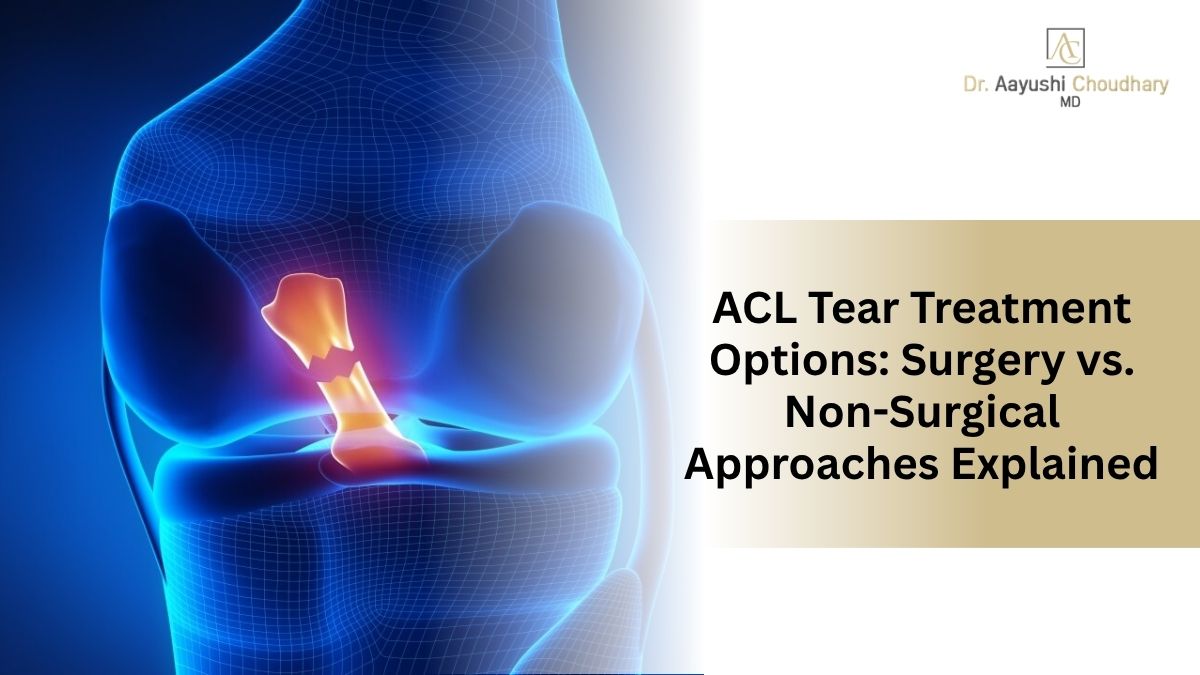 ACL Tear Treatment Options: Surgery vs. Non-Surgical Approaches Explained
 How Do You Know If Knee Pain Is Serious?
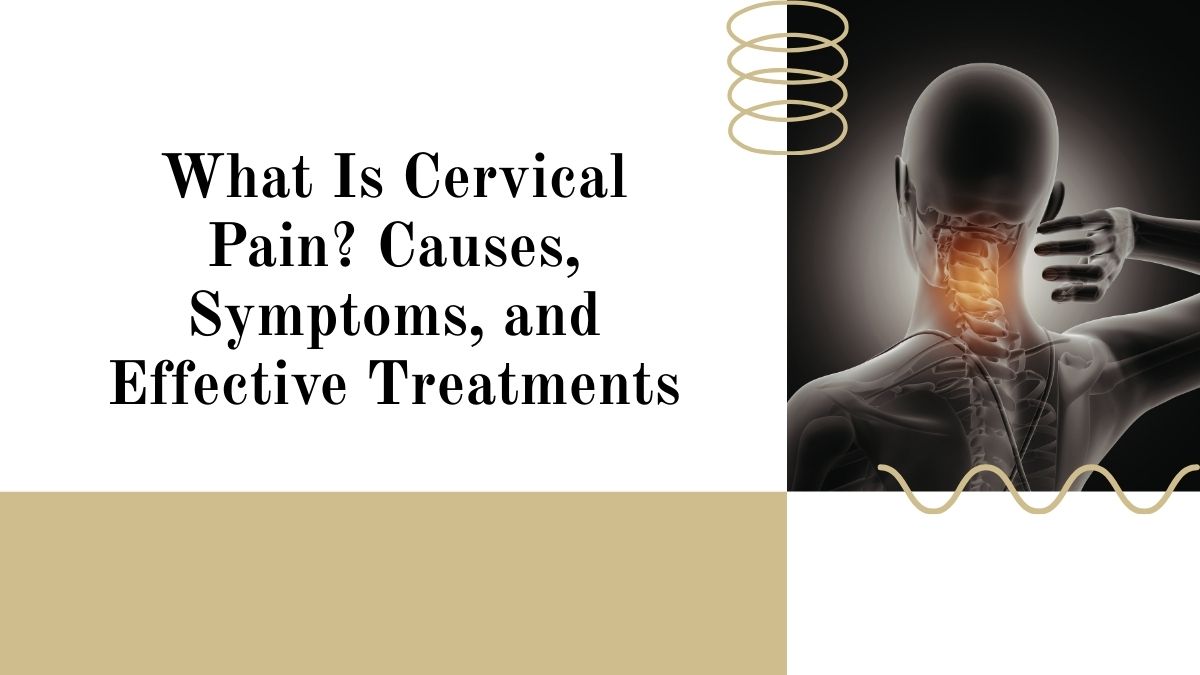 What Is Cervical Pain? Causes, Symptoms, and Effective Treatments
 When Should You Consult a Pain Specialist? Signs You Should Not Ignore
 What Causes Shoulder Pain? Symptoms & Treatment
 Common Sports Injuries and How to Prevent Them: A Complete Guide
 Don’t Ignore These Signs of Paralysis – It Could Be Serious
 Paralysis Treatment & Neurorehabilitation: A 360° Approach to Spastic and Flaccid Paralysis Recovery
 Why Does My Back Hurt? Understanding the Root Causes of Spinal Pain
 Top 10 Early Signs of Stroke You Should Never Ignore
 Daily Activity Tips to Manage Frozen Shoulder Pain
 When Kids with Cerebral Palsy Grow Up: A Simple Guide for Families
 How to Safely Return to Sports After an ACL Injury
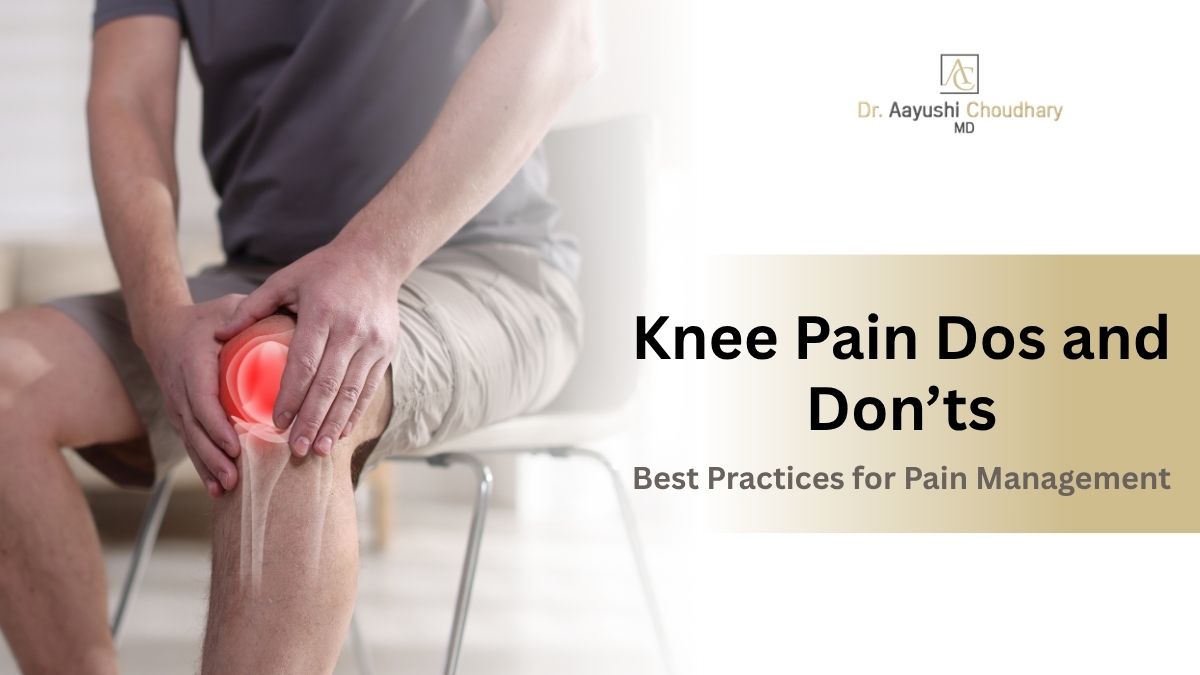 Knee Pain Dos and Don’ts: Best Practices for Pain Management
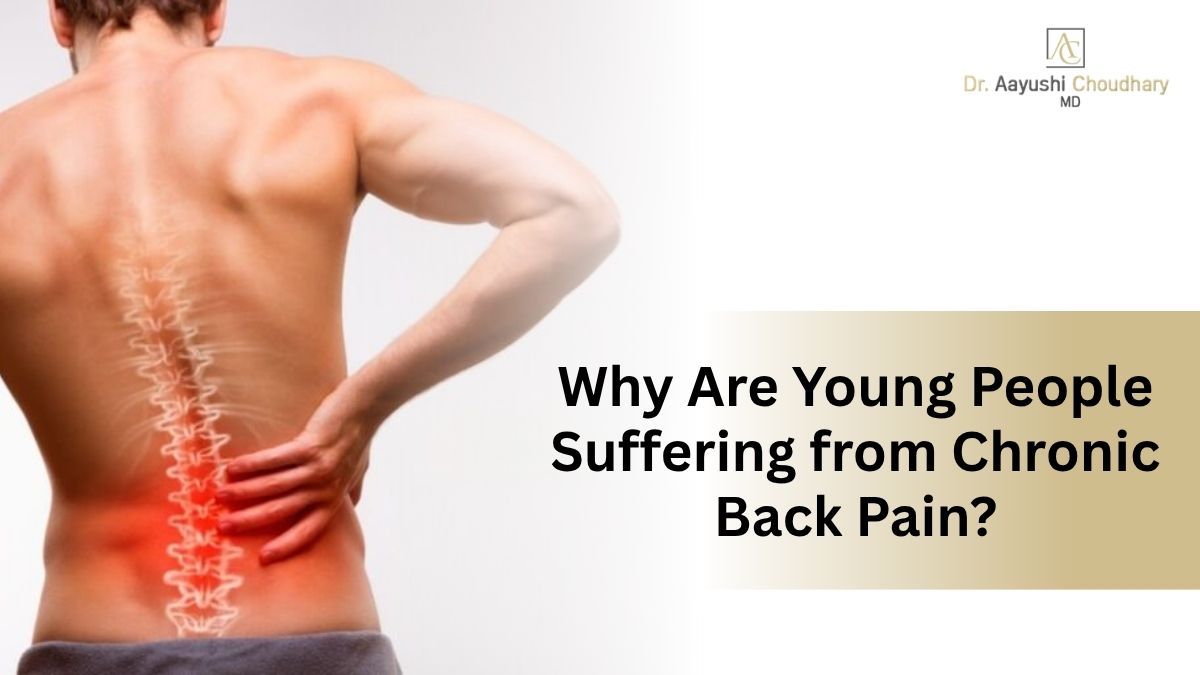 Why Are Young People Suffering from Chronic Back Pain?
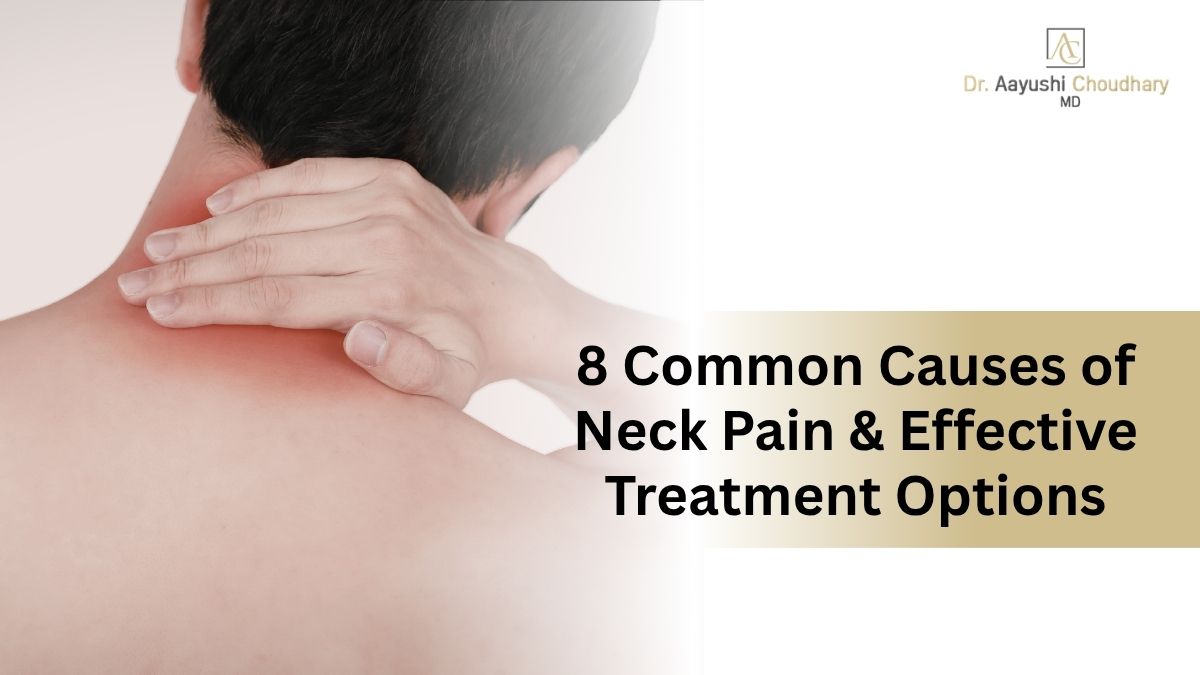 8 Common Causes of Neck Pain & Effective Treatment Options
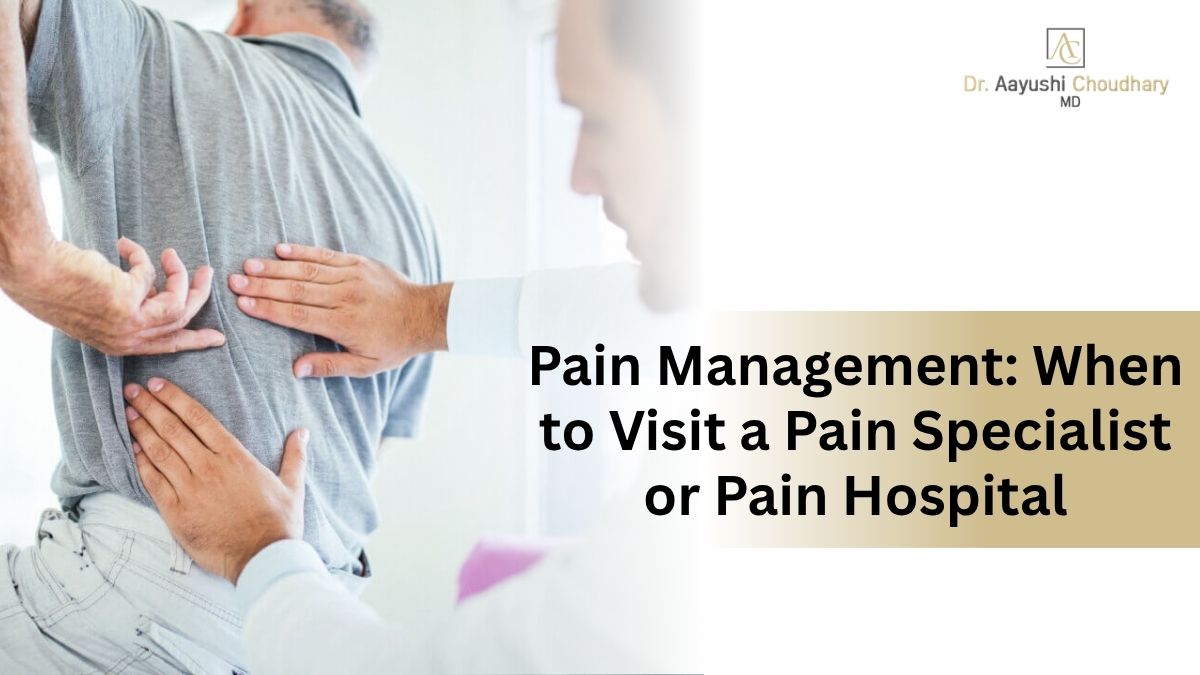 Pain Management: When to Visit a Pain Specialist or Pain Hospital
 Comprehensive Guide to Managing Musculoskeletal Pain and Body Aches
 Neck Pain Treatment for Working Professionals: Daily Care Tips
 Got Injured While Playing Sports? Here’s What to Do Next
 Knee Pain While Walking? Here Are The 5 Most Common Causes
 How Can People With Cerebral Palsy Improve Their Quality of Life?
 How Long Does ACL Injury Treatment Take? Recovery Explained
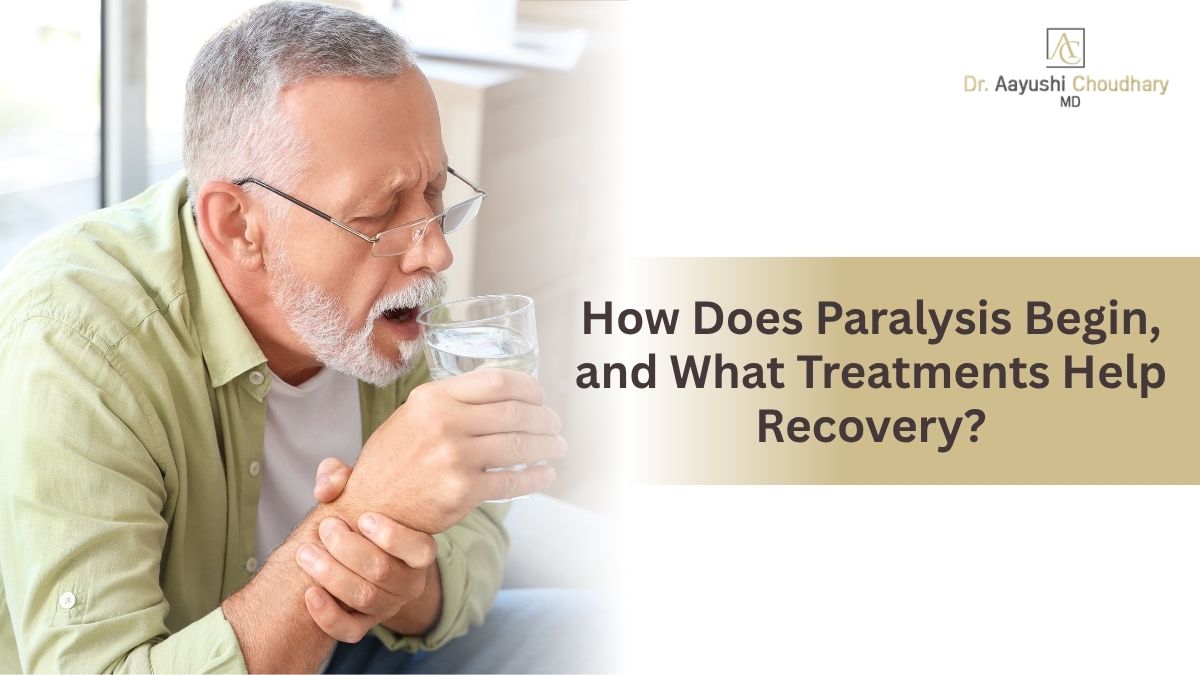 How Does Paralysis Begin & What Treatments Help Recovery?
 Why Is Early Pain Treatment Important for Better Recovery?
 How Can You Tell If Your Knee Pain Needs Medical Attention?
 How Screen Time and Mobile Usage Trigger Cervical Pain?
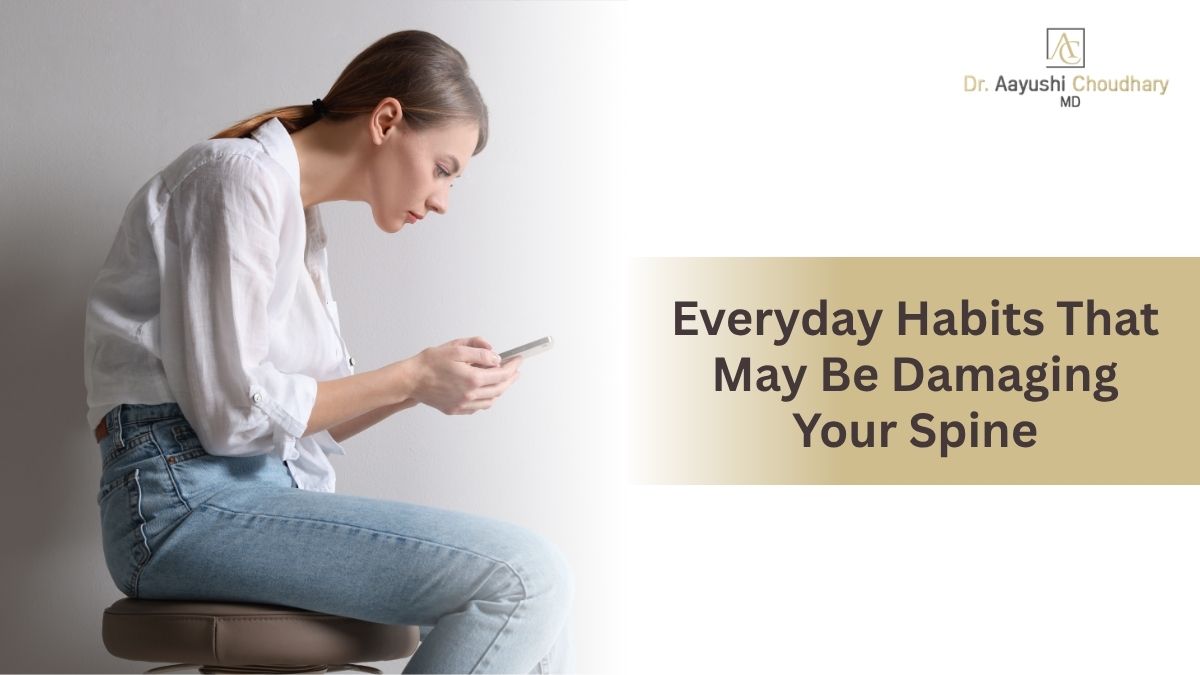 Everyday Habits That May Be Damaging Your Spine
 Best Ways to Manage Slip Disc and Improve Spine Health
 Body Ache: Symptoms, Causes and Treatment Explained
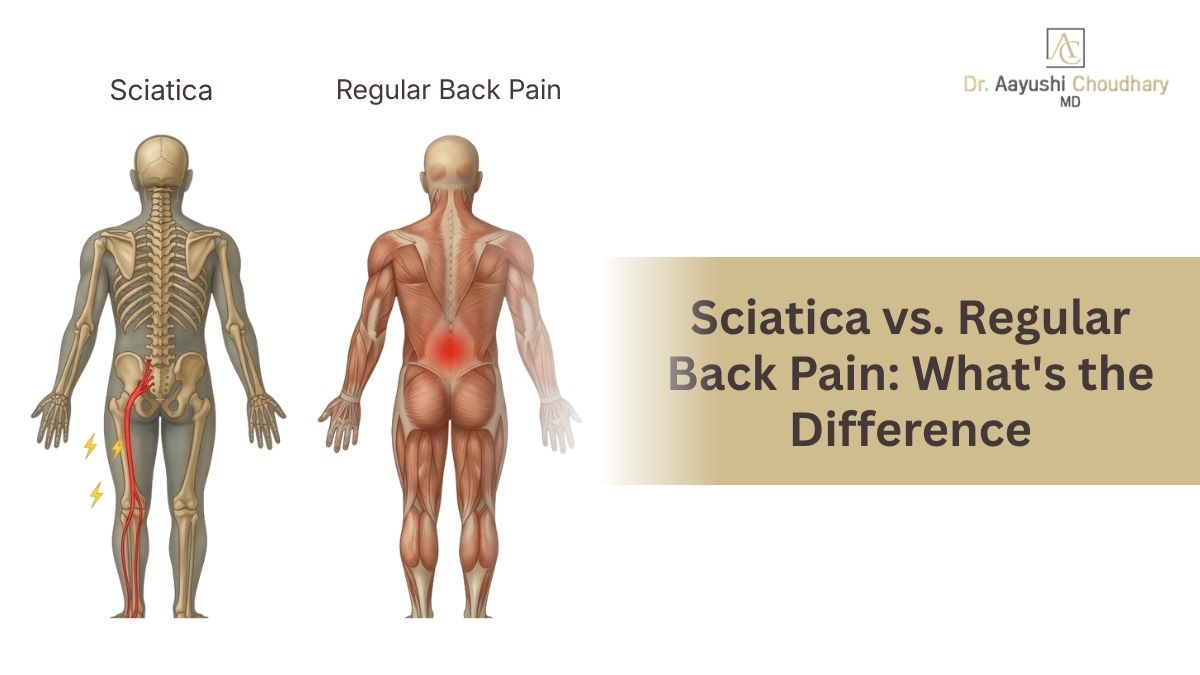 Sciatica vs. Regular Back Pain: What's the Difference? | Expert Guide
 Why Is Joint Pain More Common in Women? | Expert Medical Guide
 Why Do Gym Injuries Happen? | Expert Medical Guide
 Spine Preservation: Why the Future of Medicine Is About Preserving the Human Spine, Not Replacing It
 Rehabilitation: The Missing Fourth Pillar of Modern Medicine-Why the Future of Healthcare Is Not Just About Saving Lives, But Restoring Them
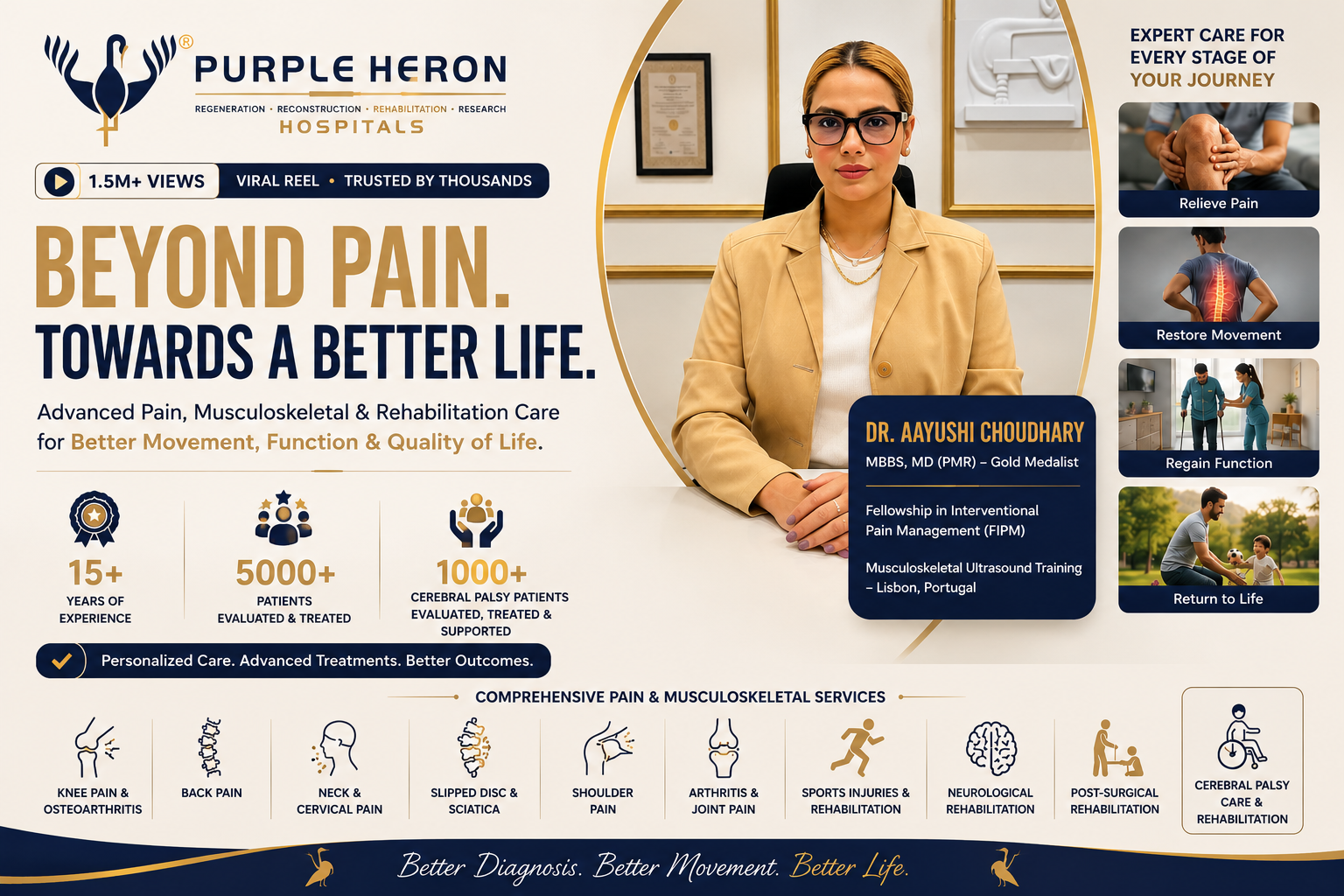 Advanced Pain & Musculoskeletal Care by Dr. Aayushi Choudhary in Jaipur
 Interventional Pain Medicine: Pain Is Not Enemy; Rather Body's Language. Why Does Future of Pain Medicine Lie in Treating Cause, Not Silencing Symptom?
 Cerebral Palsy Is Not a Deformity Problem, a Movement Problem. Why Correcting a Child’s Legs Does Not Always Help Them Walk?
 Regenerative Medicine: The Future of Healthcare Will Not Be Replacement but Preservation. Why Next Decade in Medicine Will Be Defined by Saving Human Tissue, Not Simply Replacing It
 Best ACL Doctor in Jaipur for Complete Musculoskeletal Care
 Neck Pain Treatment in Jaipur: Causes, Symptoms and Care
 When Should You See a Knee Pain Specialist? Understanding the Causes, Advanced Treatment and Personalised Recovery
 Stroke Treatment in Jaipur: A Practical Guide to Recovery and Rehabilitation
 Can Slip Disc Treatment in Jaipur Help You Avoid Surgery? Understanding Conservative Care Options