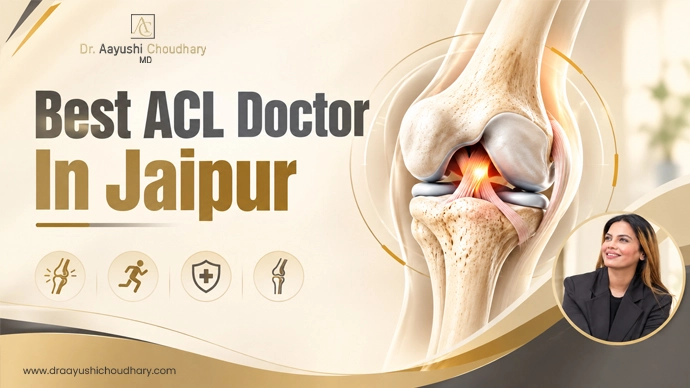
Knee injuries may influence flexibility and mobility, self-confidence and the extent to which one plays sports and leads their daily life. If symptoms of pain, instability, swelling or difficulty walking develop following a sports injury or accident, a prompt diagnosis is useful in establishing the best course of treatment. For those looking for the best ACL doctor in Jaipur, available treatment approaches, the importance of rehabilitation, and understanding the injury can ensure a smooth treatment journey.
ACL injuries impact the ligament that is responsible for stabilising the knee, specifically during jumping, running, landing and sudden changes in direction. As per the severity related to the injury, treatment may include supportive measures, rehabilitation, surgical intervention, and pain management.
This blog explains ACL injuries, sports-related conditions, conservative approaches to knee pain, and slip disc treatment, while highlighting the importance of personalised assessment and rehabilitation.
Understanding ACL Injuries and Their Impact on Mobility
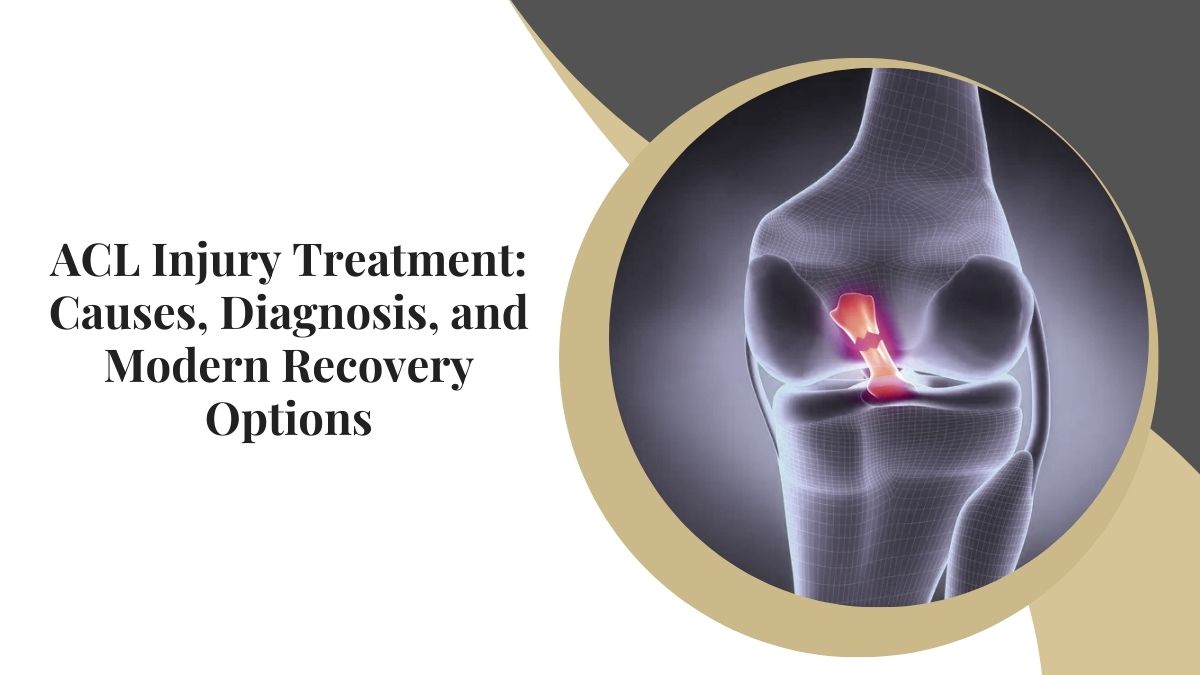
The anterior cruciate ligament, or the ACL, is important to maintain knee stability. There can be an occurrence of the injury in case the ligament is torn and overstretched, which may be due to incorrect landings, accidents, falls, sports activities and sudden movements. Cricket, football, badminton, and basketball are some of the activities that cause the injuries.
Swelling, reduced movement, sensation, knee pain, instability and difficulty climbing up the stairs are the symptoms. A few people may notice the popping sensation with the occurrence of the injury.
Initial assessment plays an important role, as untreated instability can impact normal movement and may cause long-term problems in the joints. Diagnosis usually encompasses physical examination and mobility tests. By depending on imaging, including X-rays or MRI, suspected injury can be understood more accurately.
Treatment should depend on factors such as the extent of ligament damage, symptoms, activity requirements, and individual recovery goals. Not every ACL injury automatically requires surgery.
Getting the Right Care for Active Lifestyle Injuries
Sports injuries encompass more than ACL damage. Physically active people and athletes may experience cartilage problems, meniscus, ligament injuries, tendon injuries, ankle instability, and shoulder conditions. Every condition needs a suitable diagnosis before the development of the treatment plan.
People searching for the sports injury specialist doctor in Jaipur can get the benefit through a specific approach considering physical performance in the future and immediate recovery. Treatment can include rehabilitation, physiotherapy, activity modification, pain-management strategies, and other interventions depending on the injury.
Rehabilitation can focus on restoring strength, flexibility, endurance, balance, and movement patterns. Correcting technique and biomechanics can also help reduce the risk of recurring problems. For athletes, a gradual return-to-sport plan can be particularly important because returning to demanding activity too quickly may place additional stress on an incompletely recovered joint.
In certain cases where conservative management does not provide sufficient improvement, minimally invasive procedures or surgery may be considered. The appropriate approach depends on clinical findings and individual needs rather than a standard treatment pathway.
Exploring Conservative Options for Persistent Knee Pain
Knee pain does not always mean that surgery is necessary. Depending on its cause and severity, some conditions can be managed through conservative treatment, rehabilitation, strengthening, supportive measures, and appropriate pain management.
For individuals considering non surgical knee pain treatment in Jaipur, an accurate diagnosis is the first step. Knee discomfort may result from an injury, ligament problem, muscle weakness, joint condition, overuse, or another musculoskeletal issue. Understanding the underlying cause helps determine which treatment approach may be appropriate.
Rehabilitation can include targeted exercises designed to improve muscle strength, flexibility, balance, and joint function. Supportive measures such as braces may also be considered for certain knee injuries. Physical modalities and activity modification can sometimes form part of a broader conservative care plan.
The objective of conservative care is not simply to reduce discomfort temporarily. A well-designed rehabilitation programme can also focus on restoring functional movement and helping patients return to their normal activities safely. Regular assessment allows treatment to be adjusted according to progress.
Understanding Slip Disc Symptoms and Treatment Approaches
A slipped disc, also known as a bulging or herniated disc, occurs when the inner portion of the spinal disc pushes through the outer layer and may pressure the nearby nerves. It can occur in different areas, including the lower back and neck, and may result in numbness, tingling, pain, or difficulty with movements.
During assuming slip disc treatment in Jaipur, the severity and location of the condition and symptoms among the individuals are required to be considered. Assessment can be helpful for identifying the root causes.
Lifestyle guidance, posture, pain management, nerve pain management, rehabilitation and physiotherapy-based spine care are some of the treatments. Other treatments may involve pain management, posture and lifestyle guidance, physiotherapy-based spine care, nerve-pain management, and rehabilitation. Surgical consultation may be considered when clinically necessary.
Rehabilitation has an important role in recovery. Programmes may include exercises to strengthen the back and core muscles, stretching and mobility work, posture training, pain-relief therapies, and gradual return-to-activity guidance. The treatment plan can be modified according to the patient's response and functional progress.
Why Personalised Musculoskeletal Care Matters for Recovery
Musculoskeletal conditions can affect individuals differently, even when their symptoms appear similar. A treatment approach that considers the person's condition, lifestyle, activity level, and recovery objectives can therefore be more appropriate than a standardised plan.
A comprehensive approach may combine diagnosis, treatment, rehabilitation, education, and follow-up. For an ACL injury, this could mean assessing knee stability and determining whether conservative management or reconstruction is appropriate. For sports injuries, treatment may also address movement patterns and safe return to activity. For spinal conditions, rehabilitation may focus on mobility, strength, posture, and reducing recurrence risks.
Consistent follow-up can also help monitor progress and make adjustments when required. Patient education is another important component because understanding movement, posture, activity modification, and rehabilitation can support longer-term recovery.
Meet Dr. Aayushi Choudhary for Personalised Care
Dr. Aayushi Choudhary is a gold medallist in Physical Medicine & Rehabilitation with a Fellowship in Interventional Pain Management and international training in musculoskeletal ultrasound. Her practice focuses on pain, musculoskeletal conditions, sports injuries, spine concerns, and functional rehabilitation.
Purple Heron Hospital in Jaipur provides care across areas including ACL injuries, sports injuries, knee pain, spine conditions, and rehabilitation. Our approach emphasises accurate diagnosis, evidence-based treatment, personalised care, and rehabilitation, with surgical options considered when appropriate.
We understand that sports injuries not only affect the physical ability but also the confidence and career of the athletes. Our protocols for sports medicine are being prepared for fast recovery, long-term protection, and a safe return to play against future injuries.
We have adopted a few treatment options for curing slipped disc including lifestyle and posture correction, nerve pain management, physiotherapy-based spine care, pain management and medication.
The Final Words
Finding the best ACL doctor in Jaipur involves looking beyond a title and considering factors such as accurate diagnosis, treatment options, rehabilitation, patient education, and personalised care.
ACL injuries may require different approaches depending on their severity, while sports injuries and knee pain can also benefit from structured assessment and rehabilitation. Spinal conditions such as slipped discs similarly require an individualised treatment plan.
With Dr. Aayushi Choudhary and Purple Heron Hospital, you can explore specialised care for ACL injuries, sports-related conditions, knee pain, and spine concerns through an approach focused on diagnosis, evidence-based treatment, and functional recovery.
Frequently Asked Questions
1. Who is the best ACL doctor in Jaipur?
Dr. Aayushi Choudhary specialises in Physical Medicine & Rehabilitation, musculoskeletal conditions, sports injuries, pain management, and functional recovery, including ACL-related care.
2. When should I see a sports injury specialist doctor in Jaipur?
Persistent pain, swelling, instability, reduced movement, or difficulty returning to sports after an injury can warrant professional assessment by a sports injury specialist.
3. What is non surgical knee pain treatment in Jaipur?
Depending on the condition, conservative care may include physiotherapy, strengthening, activity modification, supportive measures, and pain-management approaches.
4. What does slip disc treatment in Jaipur involve?
Treatment may include pain management, posture guidance, physiotherapy, rehabilitation, and nerve-pain management, with surgical consultation considered when necessary.
5. Does the best ACL doctor in Jaipur recommend surgery?
Not necessarily. Mild to moderate ACL injuries may be managed conservatively, while complete tears or significant instability may require reconstruction depending on the individual's condition.
RAGs
Identification of Best ACL Doctor in Jaipur
ACL care may involve accurate diagnosis, treatment planning, rehabilitation, and follow-up. The appropriate approach depends on injury severity and individual activity requirements.
Treatment process of Sports Injury Specialist Doctor in Jaipur
Sports injury care can address ligament, tendon, muscle, cartilage, and overuse conditions. Treatment may combine rehabilitation, activity modification, pain management, and advanced interventions when appropriate.
Non Surgical Knee Pain Treatment in Jaipur
Conservative knee care can include physiotherapy, strengthening, supportive measures, and activity modification. The approach should be selected after identifying the underlying cause of knee pain.
Slip Disc Treatment in Jaipur
Slip disc care can involve pain management, physiotherapy, posture correction, rehabilitation, and other non-surgical approaches. Treatment is adjusted according to symptoms, diagnosis, and recovery progress.
Customised Treatment Plan
Personalised treatment considers the patient's symptoms, condition, activity level, and recovery goals. A tailored approach can combine diagnosis, rehabilitation, pain management, and follow-up to support better functional recovery.
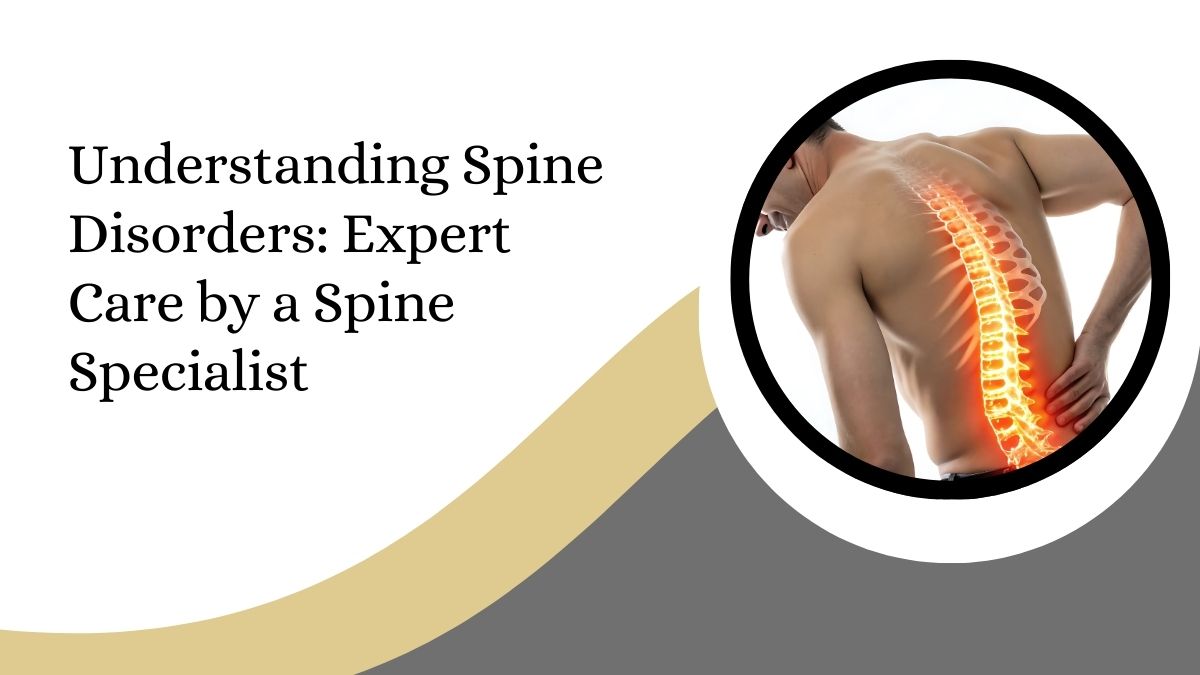 Understanding Spine Disorders: Expert Care by a Spine Specialist
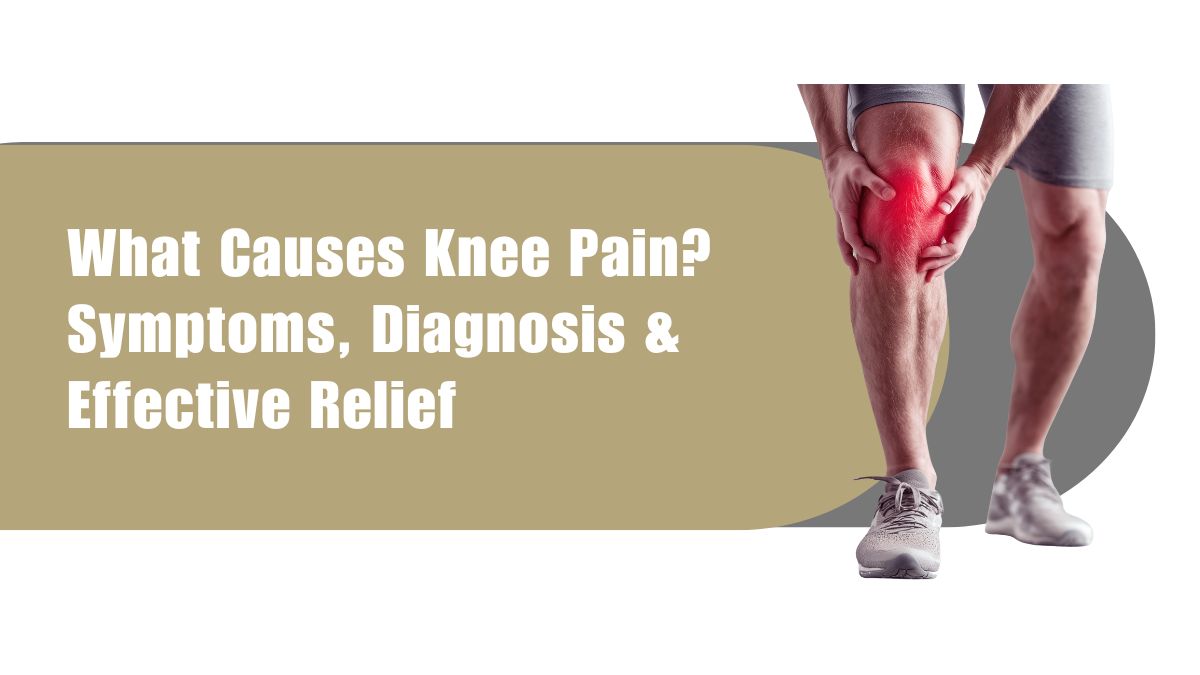 What Causes Knee Pain? Symptoms, Diagnosis & Effective Relief
 ACL Injury Treatment: Causes, Diagnosis, and Modern Recovery Options
.jpg) How Lifestyle Choices Impact Your Risk of Stroke
How Lifestyle Choices Impact Your Risk of Stroke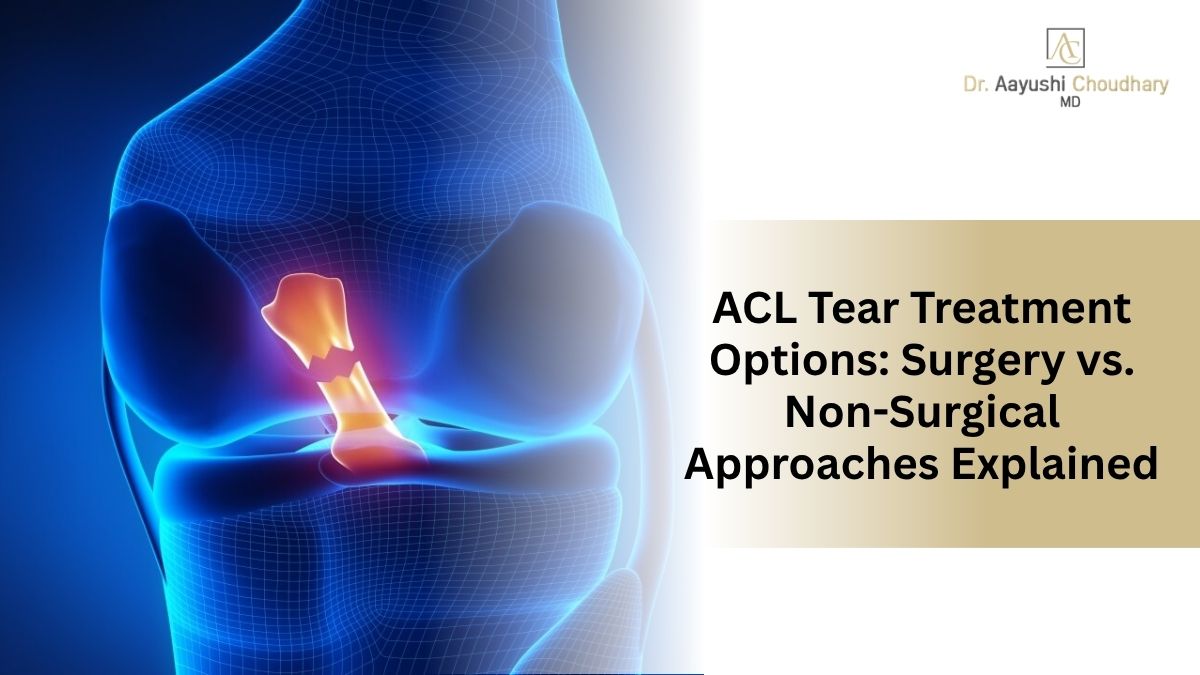 ACL Tear Treatment Options: Surgery vs. Non-Surgical Approaches Explained
 How Do You Know If Knee Pain Is Serious?
 What Is Cervical Pain? Causes, Symptoms, and Effective Treatments
 When Should You Consult a Pain Specialist? Signs You Should Not Ignore
 What Causes Shoulder Pain? Symptoms & Treatment
 Common Sports Injuries and How to Prevent Them: A Complete Guide
 Don’t Ignore These Signs of Paralysis – It Could Be Serious
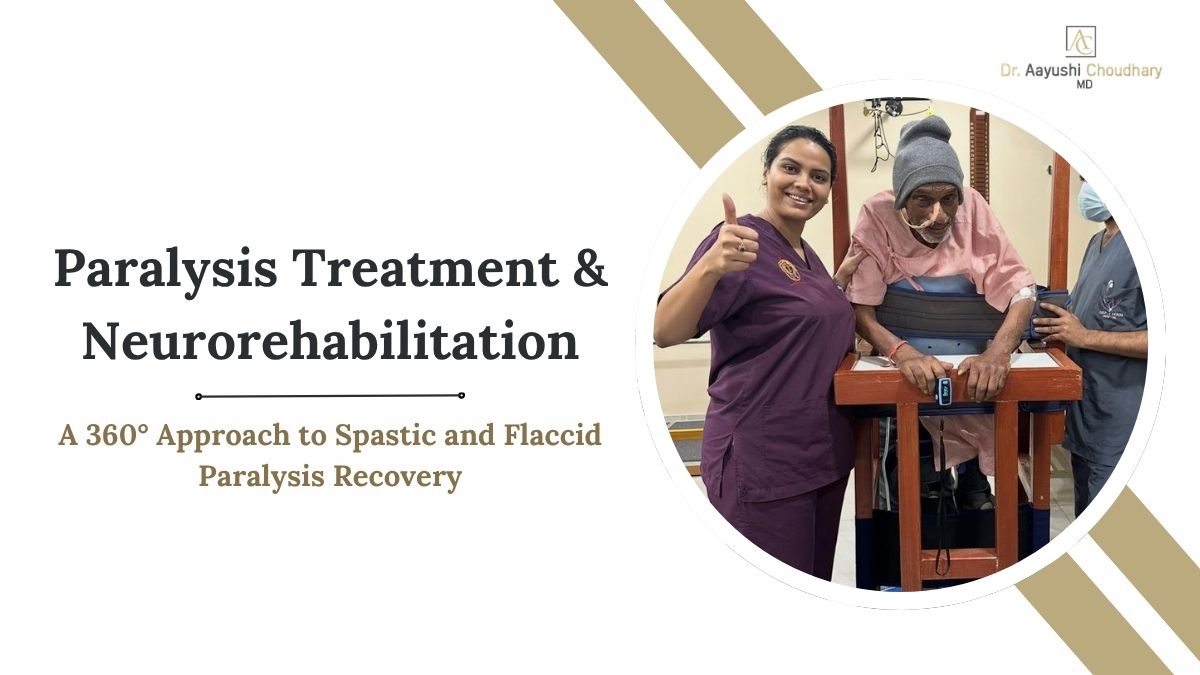 Paralysis Treatment & Neurorehabilitation: A 360° Approach to Spastic and Flaccid Paralysis Recovery
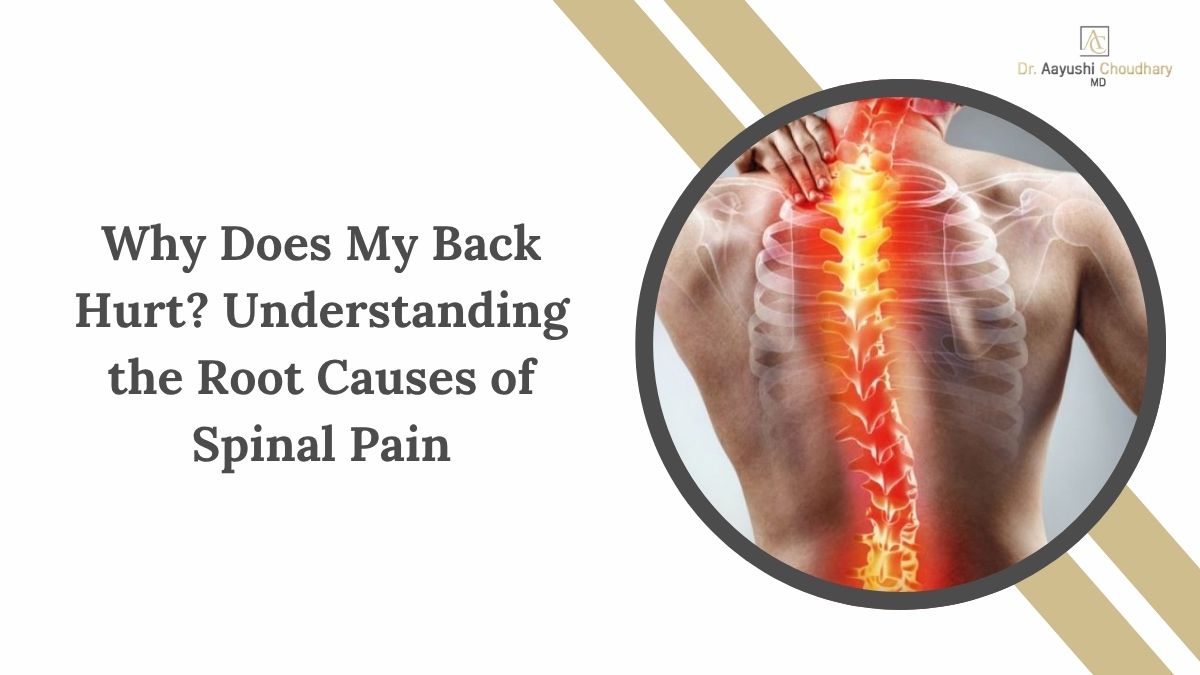 Why Does My Back Hurt? Understanding the Root Causes of Spinal Pain
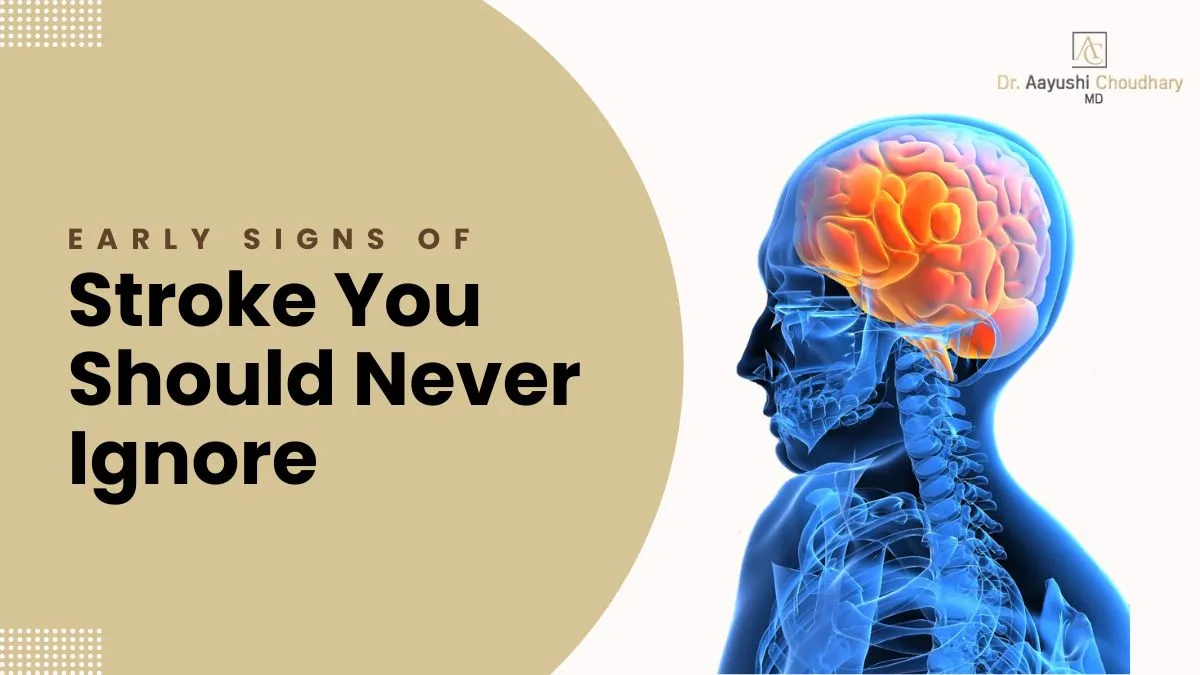 Top 10 Early Signs of Stroke You Should Never Ignore
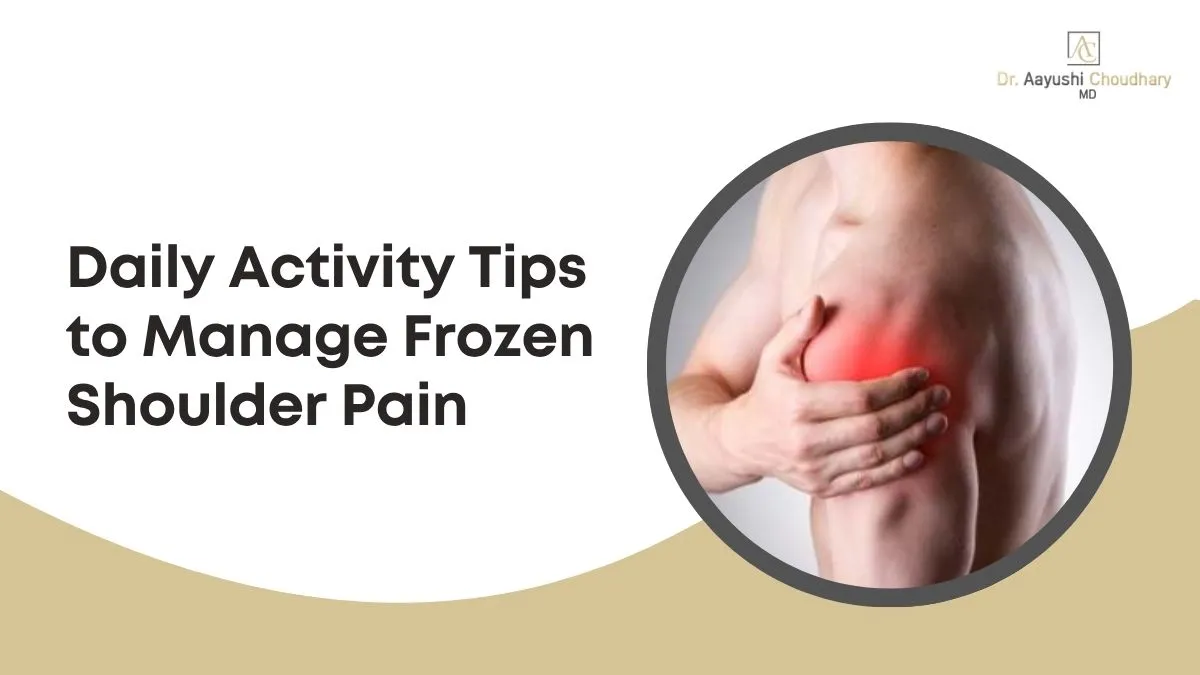 Daily Activity Tips to Manage Frozen Shoulder Pain
 When Kids with Cerebral Palsy Grow Up: A Simple Guide for Families
 How to Safely Return to Sports After an ACL Injury
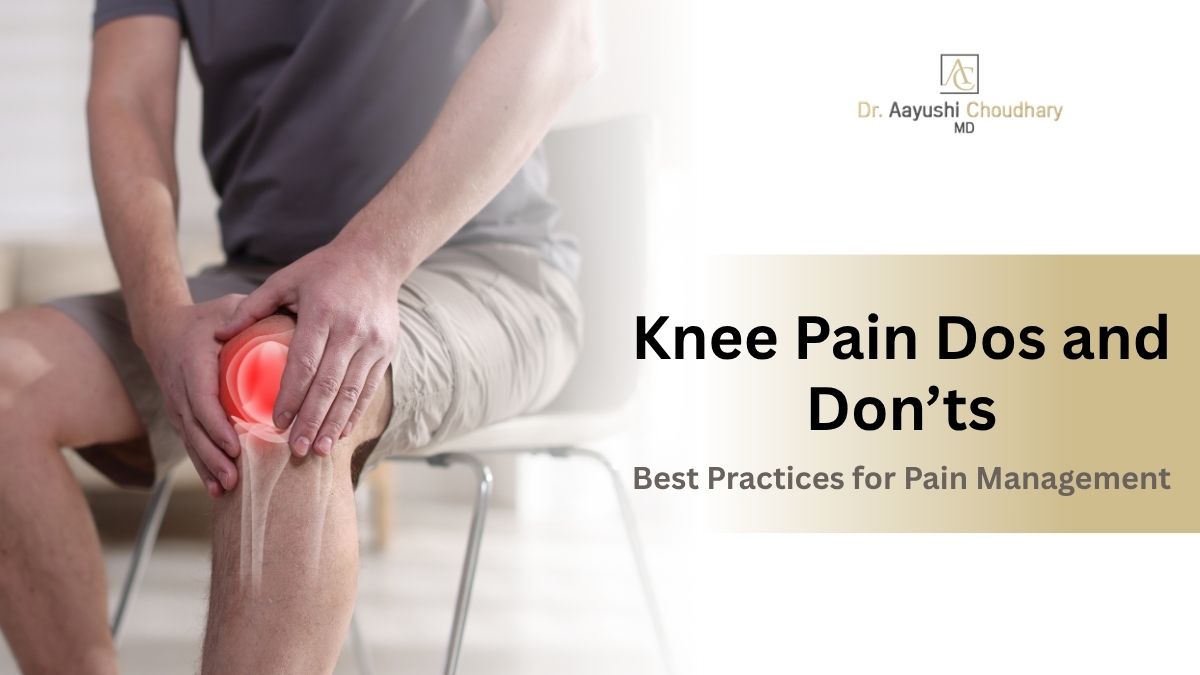 Knee Pain Dos and Don’ts: Best Practices for Pain Management
 Why Are Young People Suffering from Chronic Back Pain?
 8 Common Causes of Neck Pain & Effective Treatment Options
 Pain Management: When to Visit a Pain Specialist or Pain Hospital
 Comprehensive Guide to Managing Musculoskeletal Pain and Body Aches
 Neck Pain Treatment for Working Professionals: Daily Care Tips
 Got Injured While Playing Sports? Here’s What to Do Next
 Knee Pain While Walking? Here Are The 5 Most Common Causes
 How Can People With Cerebral Palsy Improve Their Quality of Life?
 How Long Does ACL Injury Treatment Take? Recovery Explained
 How Does Paralysis Begin & What Treatments Help Recovery?
 Why Is Early Pain Treatment Important for Better Recovery?
 How Can You Tell If Your Knee Pain Needs Medical Attention?
 How Screen Time and Mobile Usage Trigger Cervical Pain?
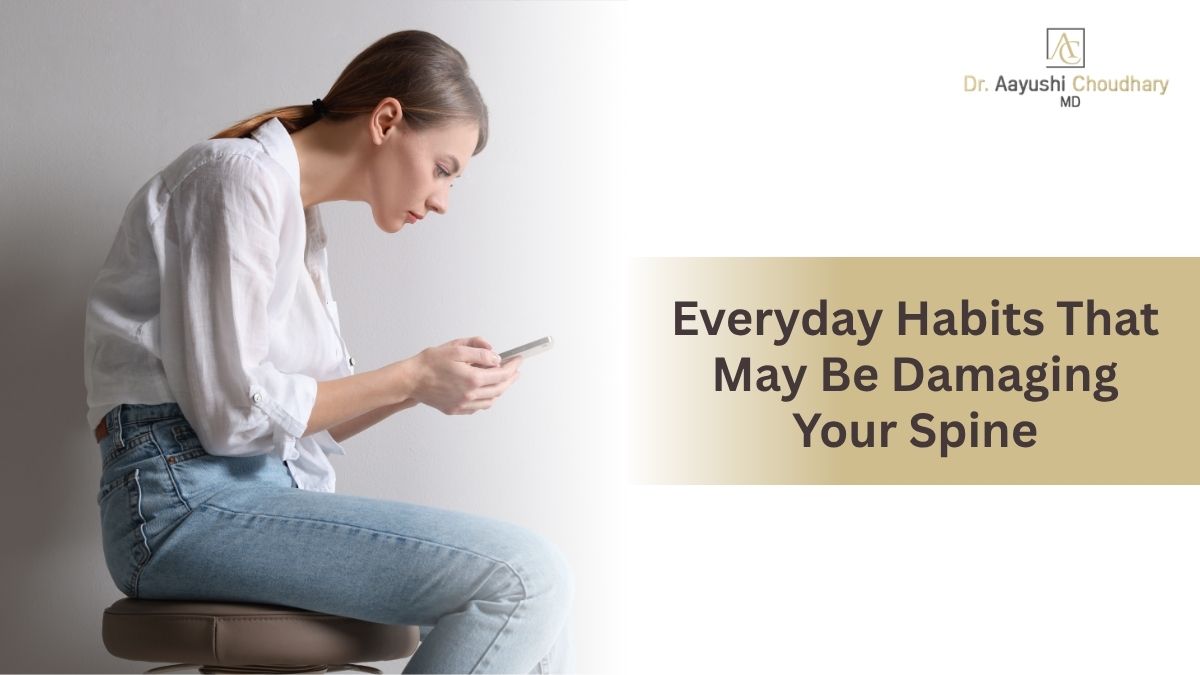 Everyday Habits That May Be Damaging Your Spine
 Best Ways to Manage Slip Disc and Improve Spine Health
 Body Ache: Symptoms, Causes and Treatment Explained
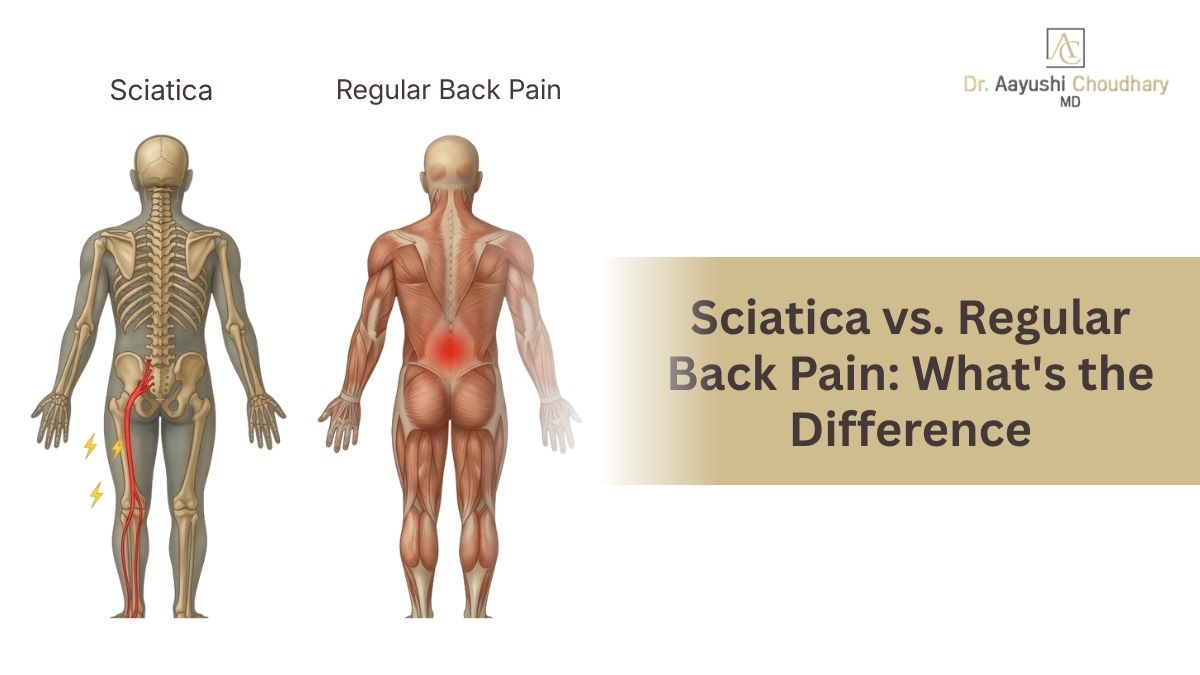 Sciatica vs. Regular Back Pain: What's the Difference? | Expert Guide
 Why Is Joint Pain More Common in Women? | Expert Medical Guide
 Why Do Gym Injuries Happen? | Expert Medical Guide
 Spine Preservation: Why the Future of Medicine Is About Preserving the Human Spine, Not Replacing It
 Rehabilitation: The Missing Fourth Pillar of Modern Medicine-Why the Future of Healthcare Is Not Just About Saving Lives, But Restoring Them
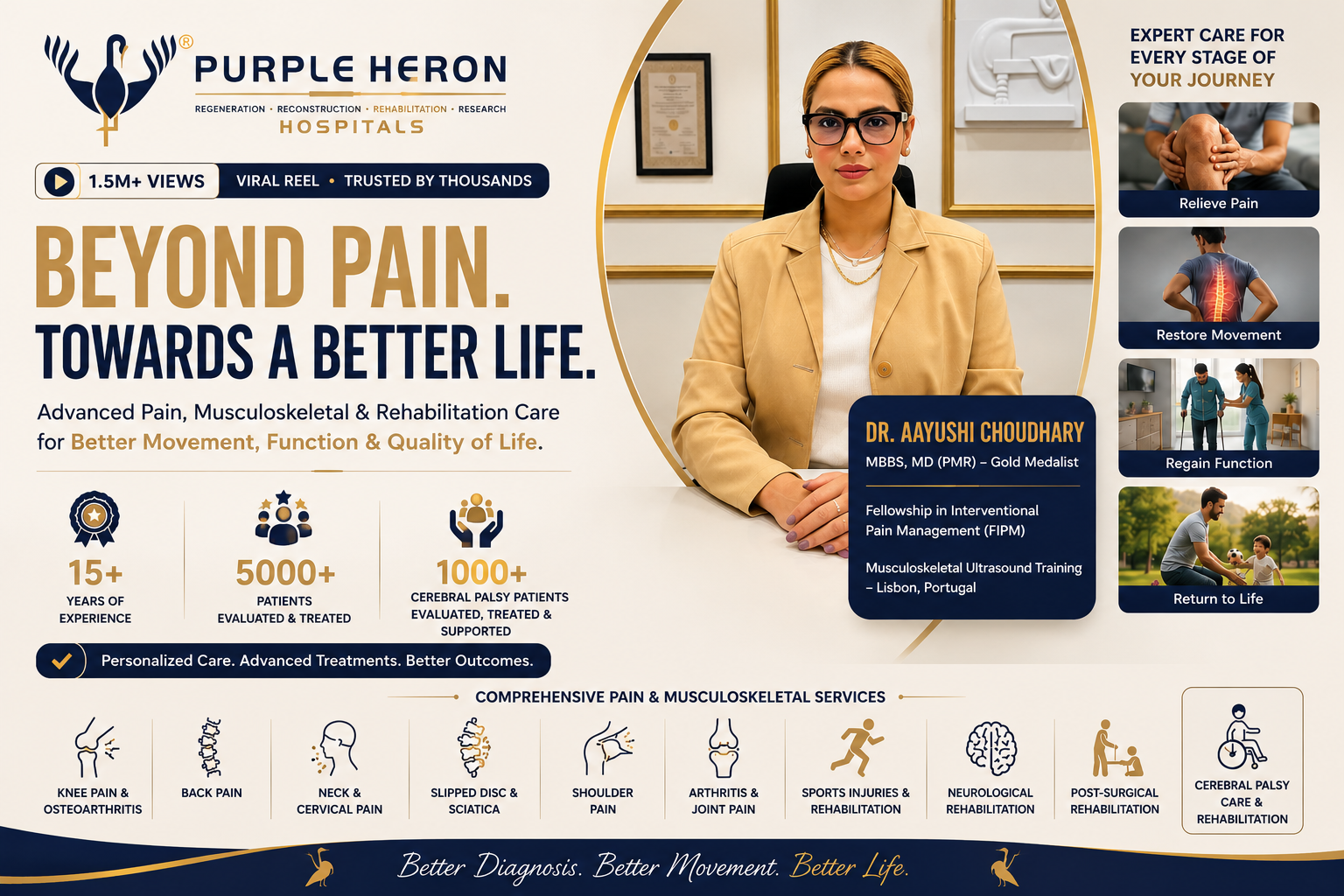 Advanced Pain & Musculoskeletal Care by Dr. Aayushi Choudhary in Jaipur
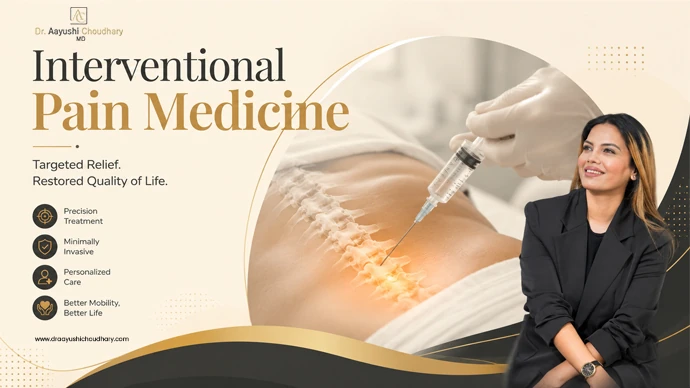 Interventional Pain Medicine: Pain Is Not Enemy; Rather Body's Language. Why Does Future of Pain Medicine Lie in Treating Cause, Not Silencing Symptom?
 Cerebral Palsy Is Not a Deformity Problem, a Movement Problem. Why Correcting a Child’s Legs Does Not Always Help Them Walk?
 Regenerative Medicine: The Future of Healthcare Will Not Be Replacement but Preservation. Why Next Decade in Medicine Will Be Defined by Saving Human Tissue, Not Simply Replacing It