
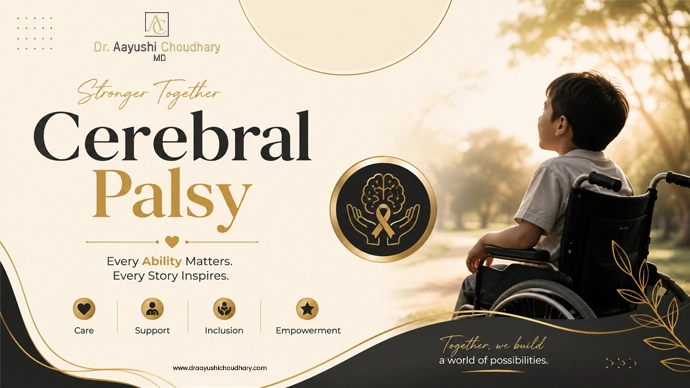
By Dr. Aayushi Choudhary | Pain, Musculoskeletal Medicine & Rehabilitation Specialist | Purple Heron Hospitals, Jaipur
One of the biggest misconceptions about Cerebral Palsy (CP) is that it is simply a problem of bent legs, tight muscles, or deformed feet. But it is not; in fact, the deformity that everyone sees is often the smallest part of the problem.
The real challenge lies much deeper. It lies in the fact of how the brain communicates with muscles, how muscles work together, how the body maintains balance, how every joint moves in harmony, and how a child learns to shift weight, maintain posture, and take a step.
In this guide, you will be able to learn about gait issues in cerebral palsy, equinus gait cerebral palsy, recognition of abnormal movement and functional assessment before providing treatment, creation of a treatment plan and collaborative care.
Understanding Gait Problems in Cerebral Palsy and Their Impact on Walking
Walking is one of the most complex activities the human body performs, so it is an unavoidable activity. Yet we often reduce it to one oversimplified question: “Can we straighten the legs?”
As a Physical Medicine & Rehabilitation (PM&R) specialist, I believe that is the wrong question. I prefer a better question that is “Can we help this child walk better?” because straight legs alone do not enable a child to walk.
Every child with cerebral palsy is unique. Two children may have the same MRI, diagnosis, and level of spasticity, yet they walk in a completely different way. In such a situation, one may walk on toes while another one may walk with knees bent. There can be another child who may cross the legs while walking, whereas another one may have poor balance despite relatively mild deformities.
The instant question that comes up into our minds is “Why?” because walking is not controlled by bones and movement. It is the result of hundreds of muscles working together in perfect timing.
Gait problems in cerebral palsy are the difficulties that make the child stand, walk, balance, and move their legs. The moment one muscle contracts too early, another too late, another unstable, and one joint becomes stiff.
The entire gait pattern changes. That is why cerebral palsy is fundamentally a disorder of movement, not merely a disorder of muscles or bones.
How Muscle Control and Walking Patterns Affect Mobility
One of the common gait patterns seen in children with spastic cerebral palsy is the scissoring gait, where excessive tightness of the hip adductor muscles causes the legs to cross over one another.
Many children with cerebral palsy also develop an equinus gait cerebral palsy, walking on their toes because of tight calf muscles. Others present with a crouch gait, where the knees remain flexed throughout walking due to muscle imbalance and progressive weakness.
Some children exhibit combinations of these patterns, making movement even more complex. These gait abnormalities are not isolated deformities. These gait abnormalities are the visible expression of abnormal movement control.
If we only correct the visible deformity without understanding the movement pattern that created it, the child may still struggle to walk effectively.
Why Functional Assessment Matters Before Treatment
For many years, treatment often focused primarily on correcting deformities, lengthening the tendon, releasing the muscle, straightening the foot, and correcting the knee. Even though the X-ray looked better and the legs looked straighter, many children continued to walk poorly.
Because the body had learned abnormal movement over many years. Changing the shape of a limb does not automatically teach the brain a new movement pattern. Walking must be relearnt. That is why cerebral palsy management is not simply corrective surgery; rather, it is a corrective strategy.
At Purple Heron Hospitals, every child undergoes a comprehensive functional assessment before any treatment plan is made.
We are interested not only in what the legs look like but also in how the child moves. We study posture, balance, selective motor control, spasticity, muscle strength, range of motion, and others.
The other aspects that we study are joint stability, contractures, weight transfer, trunk control, foot biomechanics, energy expenditure, walking efficiency, functional independence, and most importantly, the gait cycle of the child because walking is dynamic.
Developing an Individualised Treatment Plan for Cerebral Palsy
A photograph captures one moment while a gait analysis captures an entire movement. Gait analysis has become one of the most valuable tools in modern cerebral palsy rehabilitation. It helps us understand:
- Which muscles are overactive?
- Which muscles are weak?
- Which joints are compensating?
- Where is excessive energy being lost?
- Why is the child falling?
- Why is walking becoming slower?
- Why is the child tiring quickly?
- Why is one foot dragging?
- Which movement is the primary problem?
- And which movement is merely compensation?
Without understanding these questions, treatment becomes guesswork. With gait analysis, treatment becomes precision medicine.
This is where the role of a musculoskeletal rehabilitation specialist becomes fundamentally different. Our objective is not to perform the maximum number of procedures but rather to choose the right combination of interventions that together improve function.
Every treatment plan is individualised. It may include:
- Botulinum toxin (Botox) for carefully selected spastic muscles.
- Selective tendon lengthening.
- Tendon transfers.
- Soft tissue balancing.
- Orthopaedic correction where indicated.
- Custom orthotics.
- Serial casting.
- Spasticity management.
- Strengthening of weak muscle groups.
A cerebral palsy treatment plan is based on functional challenges, movement abilities, and personal goals among children rather than prioritising physical appearance. By conducting a thorough assessment, we can carry out:
- Stretching programmes.
- Functional electrical stimulation.
- Robotics-Assisted Rehabilitation.
- Gait training.
- Balance retraining
- Occupational therapy
- Constraint-induced movement therapy
- Speech and cognitive rehabilitation when required
- Family education.
- Long-term follow-up throughout growth.
Two children cannot receive identical treatment because these two children do not move in exactly the same way.
How Collaborative Care Supports Long-Term Progress
One principle guides every decision we make where function comes before appearance. A perfectly straight foot that cannot propel a child forward has limited value. A corrected X-ray means little if the child still cannot climb stairs independently.
Medicine should never chase perfect photographs. It should help children participate in life by evaluating:
- Can they play?
- Can they run?
- Can they attend school?
- Can they sit comfortably?
- Can they stand longer?
- Can they become more independent?
These are the outcomes that truly matter. The management of cerebral palsy is therefore one of the finest examples of multidisciplinary medicine.
No single specialist can achieve the best outcome alone. Successful care requires collaboration between physical medicine & rehabilitation specialists, paediatric orthopaedic surgeons, neurologists, neurosurgeons, physiotherapists, occupational therapists, orthotists, speech therapists, clinical psychologists and rehabilitation nurses.
Parents themselves become an essential part of the rehabilitation team. Because the child spends far more time at home than inside a hospital. Cerebral palsy can impact communication, daily activities, posture, and coordination, so care benefits from a multidisciplinary approach.
Integrating Modern Techniques for Better Functional Outcomes
The future of cerebral palsy treatment lies not in performing more surgeries. It lies in understanding movement more deeply.
Through gait analysis, image-guided botulinum toxin therapy, comprehensive neuro-rehabilitation, orthotic science, robotics-assisted rehabilitation, evidence-based spasticity management, and planned surgical strategies, we now have the opportunity to improve not just deformity but also function, participation, and independence.
At Purple Heron Hospitals, we believe every child deserves an individualised movement strategy, not a standard surgical package.
Wrapping Up
Because cerebral palsy is not simply about correcting a limb, it is about helping a child discover movement that is safer, more efficient, less painful, and more independent.
The goal is never just straighter legs; rather, the goal is to enjoy a fuller life. Because in the end, the greatest success is not that a child stands a little taller. It is that the child walks toward a future that once seemed impossible. We at Purple Heron Hospitals devote ourselves to treating cerebral palsy among all children.
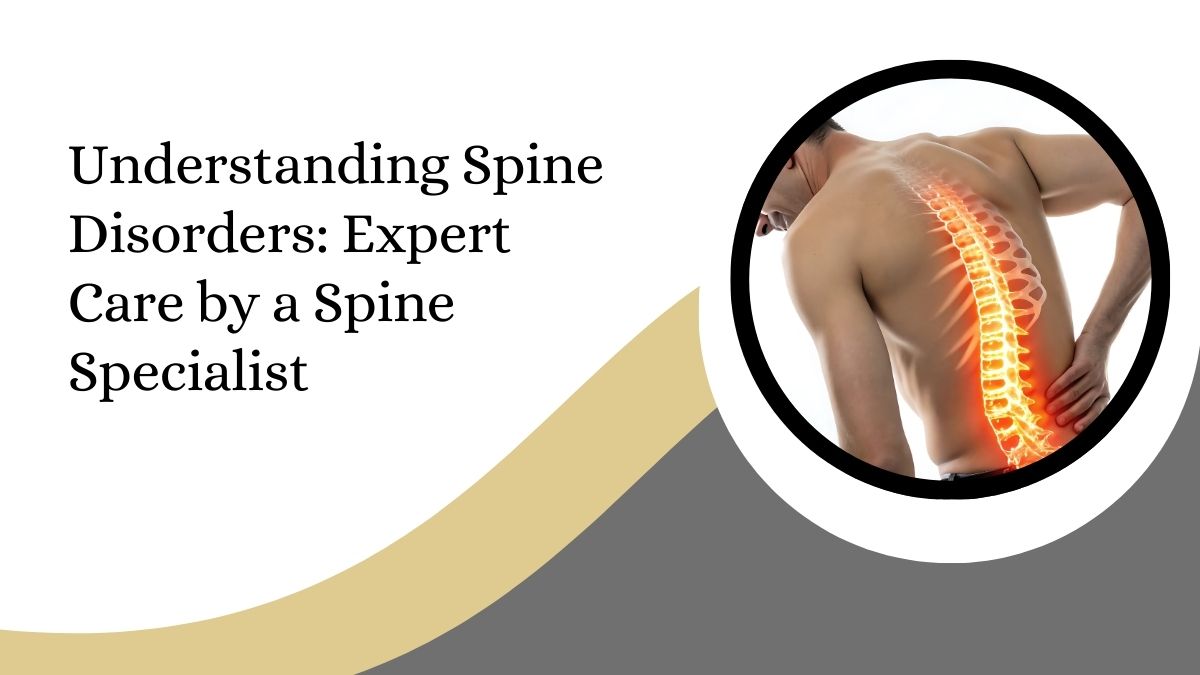 Understanding Spine Disorders: Expert Care by a Spine Specialist
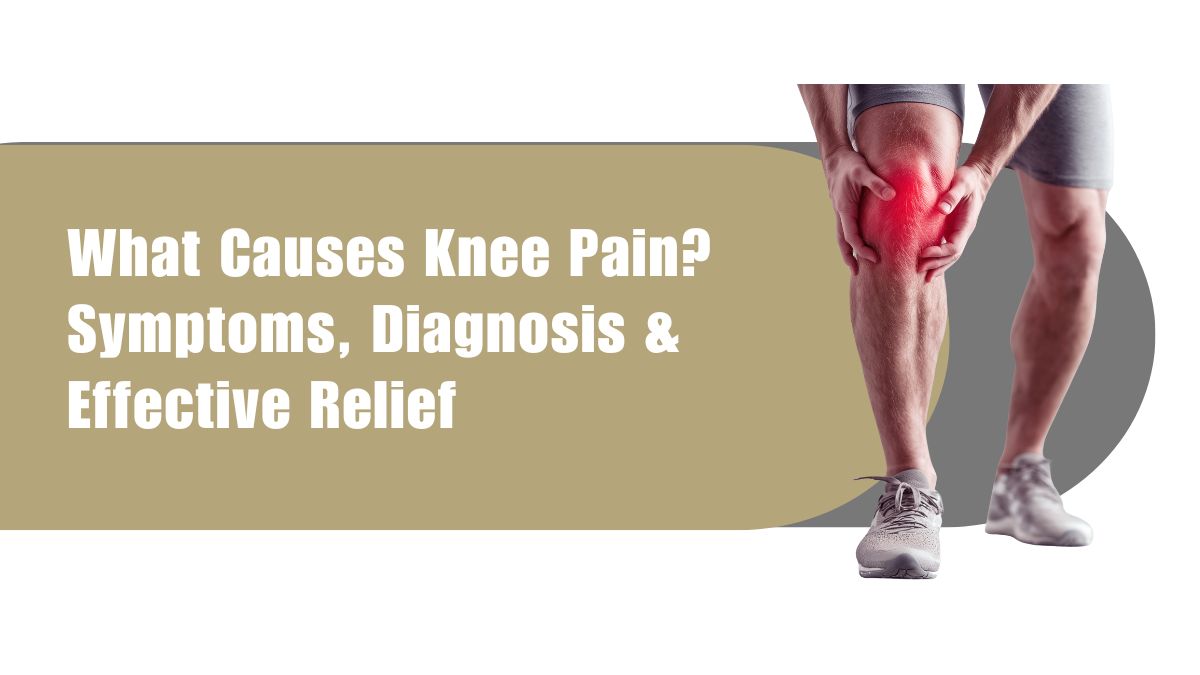 What Causes Knee Pain? Symptoms, Diagnosis & Effective Relief
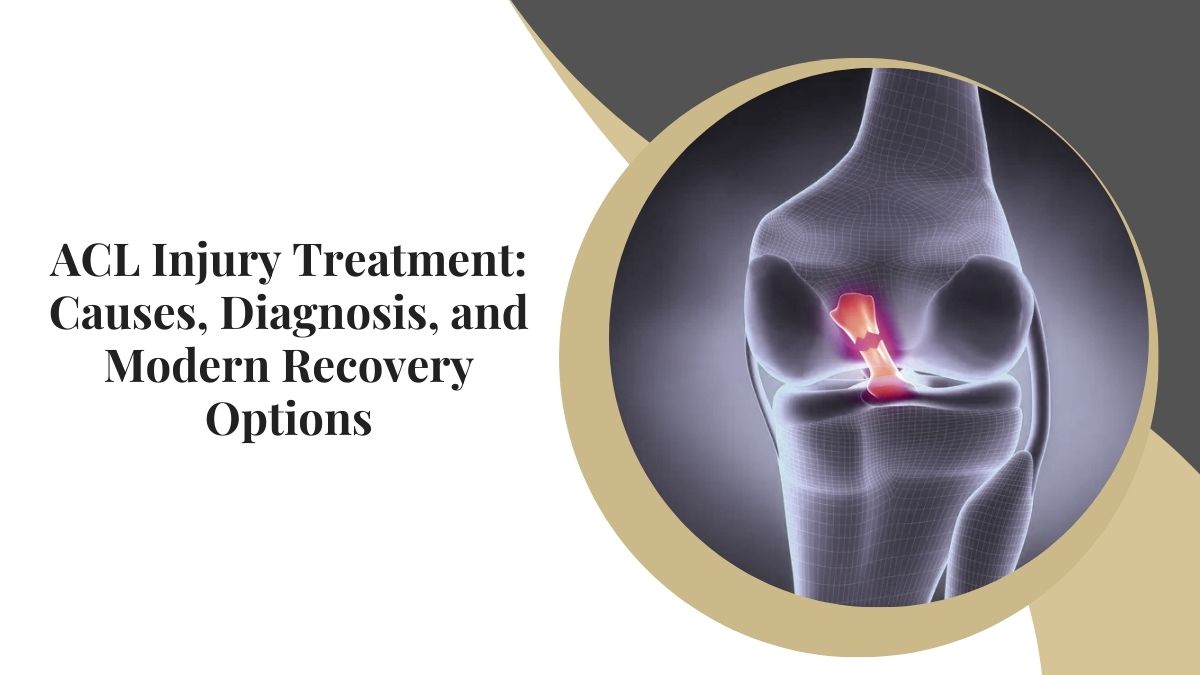 ACL Injury Treatment: Causes, Diagnosis, and Modern Recovery Options
.jpg) How Lifestyle Choices Impact Your Risk of Stroke
How Lifestyle Choices Impact Your Risk of Stroke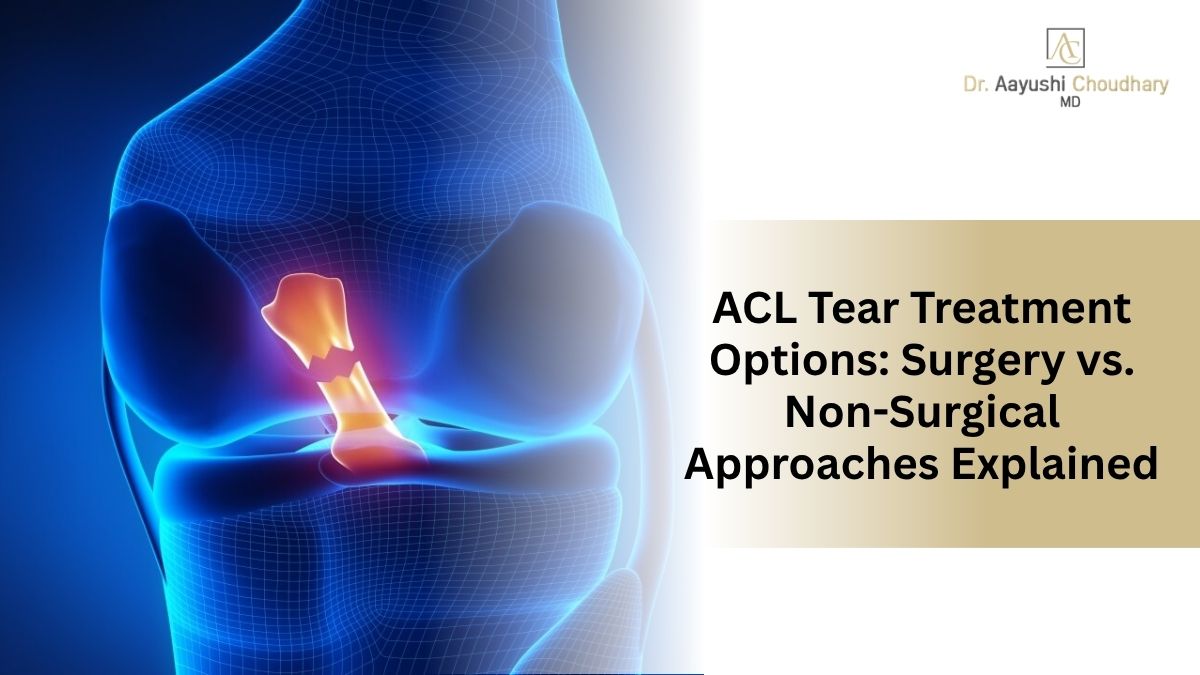 ACL Tear Treatment Options: Surgery vs. Non-Surgical Approaches Explained
 How Do You Know If Knee Pain Is Serious?
 What Is Cervical Pain? Causes, Symptoms, and Effective Treatments
 When Should You Consult a Pain Specialist? Signs You Should Not Ignore
 What Causes Shoulder Pain? Symptoms & Treatment
 Common Sports Injuries and How to Prevent Them: A Complete Guide
 Don’t Ignore These Signs of Paralysis – It Could Be Serious
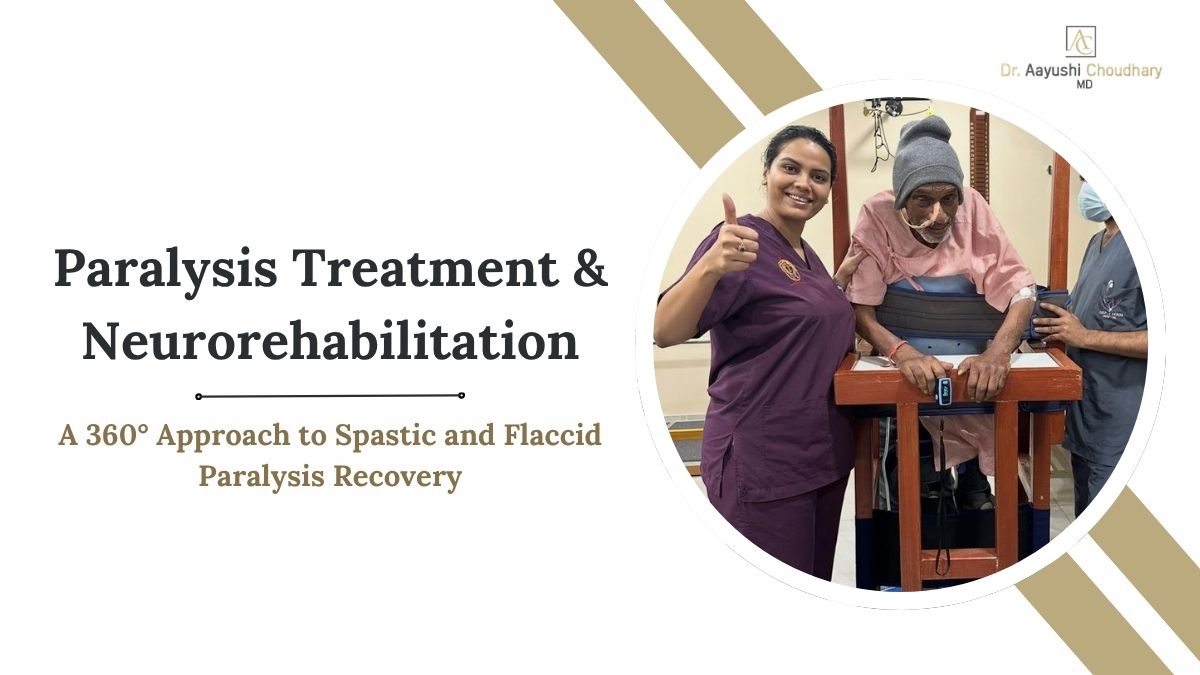 Paralysis Treatment & Neurorehabilitation: A 360° Approach to Spastic and Flaccid Paralysis Recovery
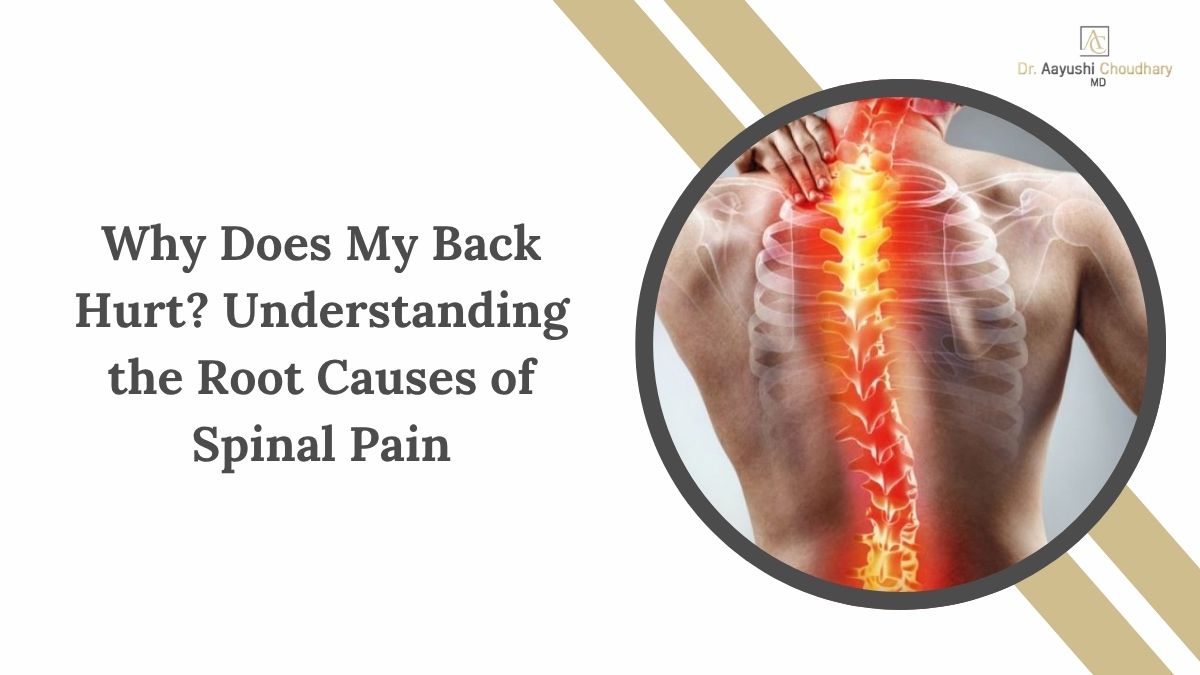 Why Does My Back Hurt? Understanding the Root Causes of Spinal Pain
 Top 10 Early Signs of Stroke You Should Never Ignore
 Daily Activity Tips to Manage Frozen Shoulder Pain
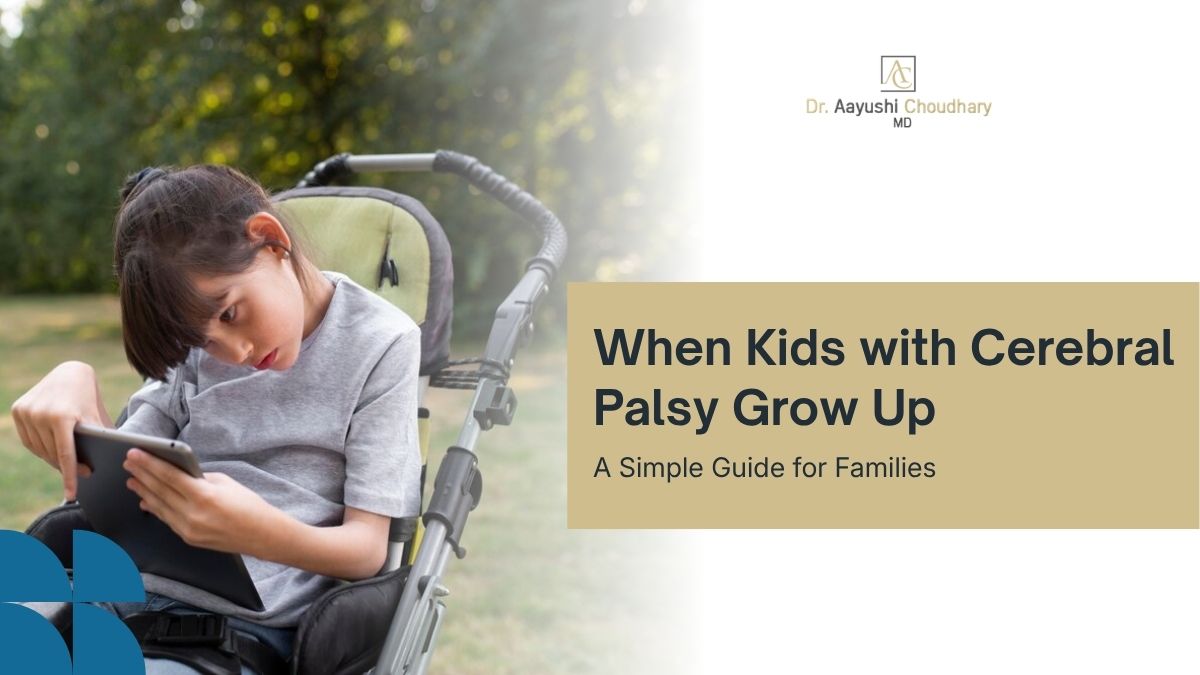 When Kids with Cerebral Palsy Grow Up: A Simple Guide for Families
 How to Safely Return to Sports After an ACL Injury
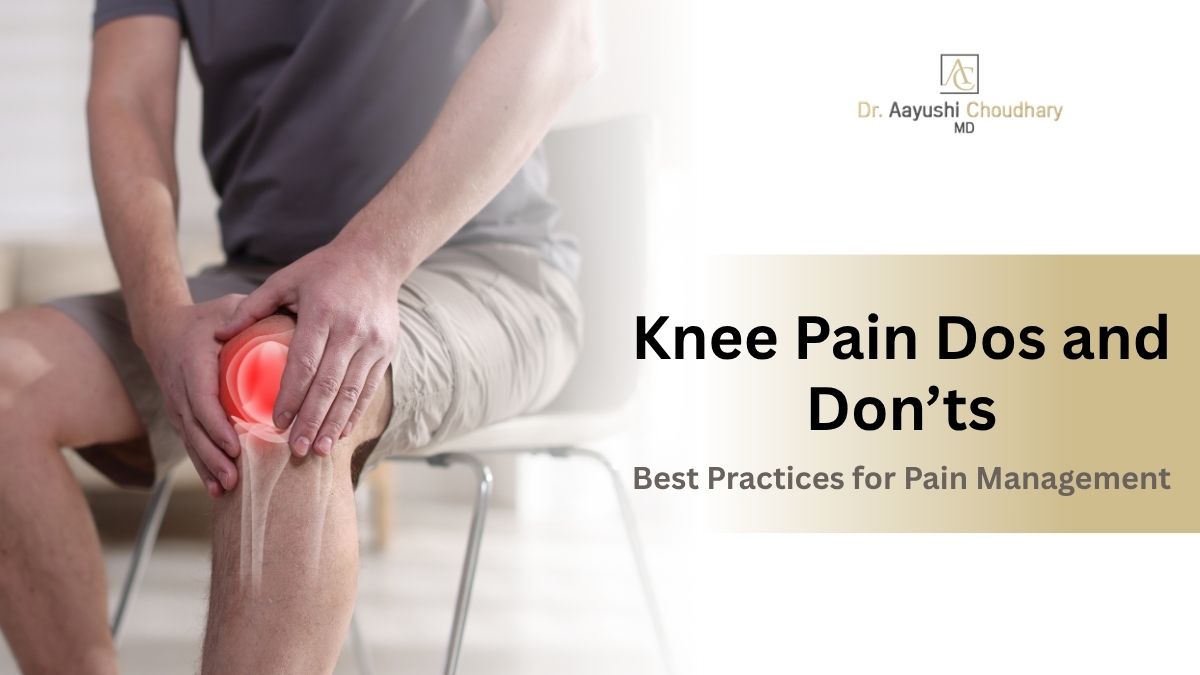 Knee Pain Dos and Don’ts: Best Practices for Pain Management
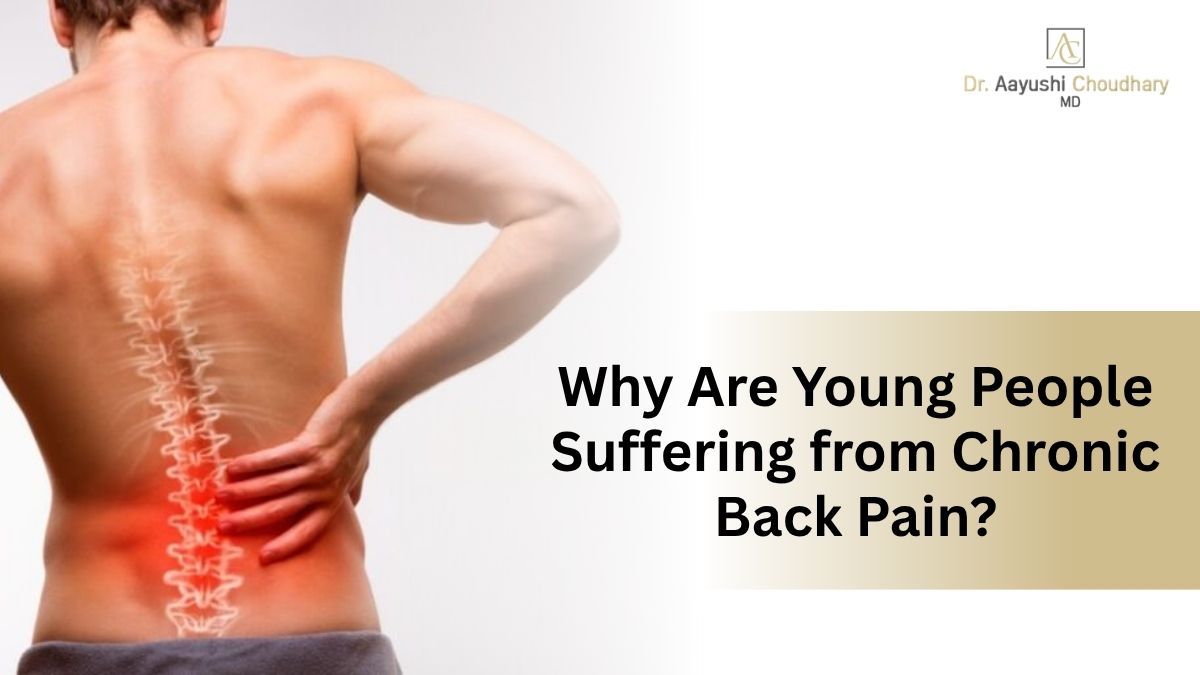 Why Are Young People Suffering from Chronic Back Pain?
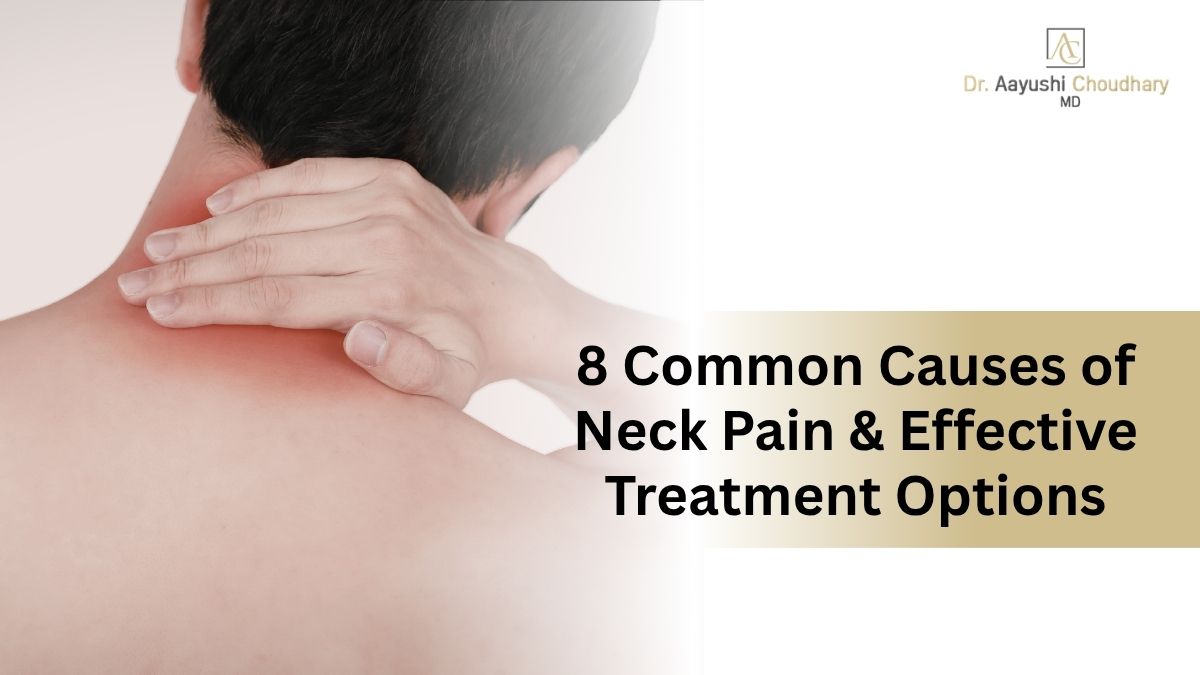 8 Common Causes of Neck Pain & Effective Treatment Options
 Pain Management: When to Visit a Pain Specialist or Pain Hospital
 Comprehensive Guide to Managing Musculoskeletal Pain and Body Aches
 Neck Pain Treatment for Working Professionals: Daily Care Tips
 Got Injured While Playing Sports? Here’s What to Do Next
 Knee Pain While Walking? Here Are The 5 Most Common Causes
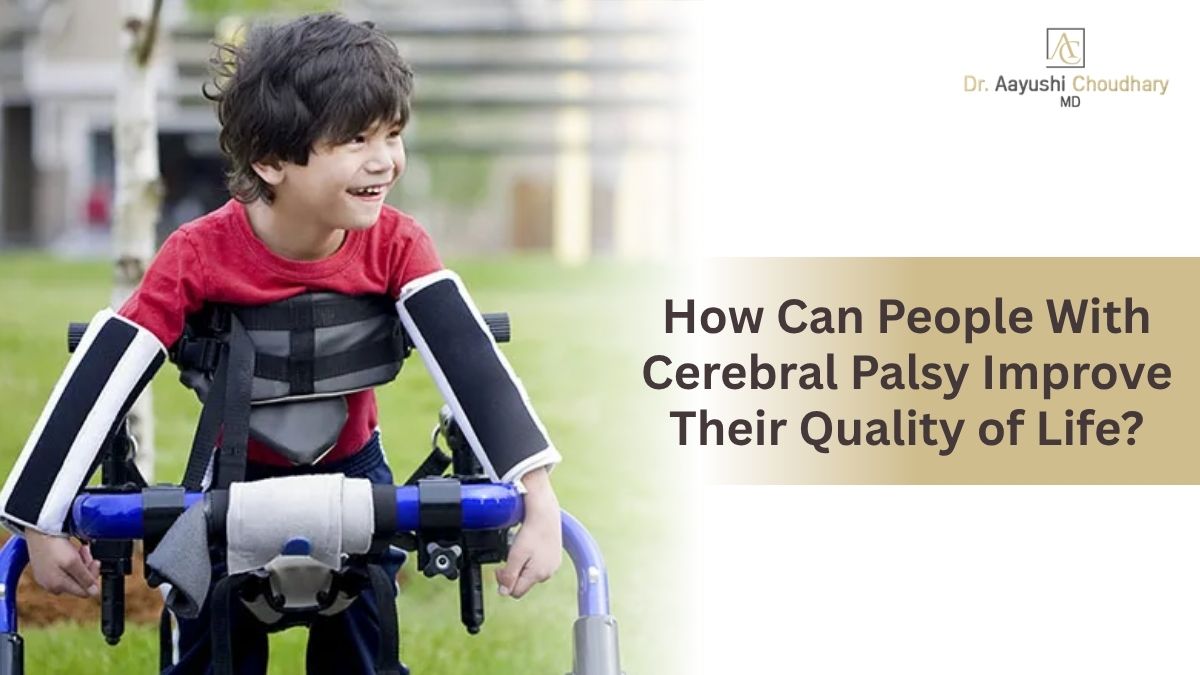 How Can People With Cerebral Palsy Improve Their Quality of Life?
 How Long Does ACL Injury Treatment Take? Recovery Explained
 How Does Paralysis Begin & What Treatments Help Recovery?
 Why Is Early Pain Treatment Important for Better Recovery?
 How Can You Tell If Your Knee Pain Needs Medical Attention?
 How Screen Time and Mobile Usage Trigger Cervical Pain?
 Everyday Habits That May Be Damaging Your Spine
 Best Ways to Manage Slip Disc and Improve Spine Health
 Body Ache: Symptoms, Causes and Treatment Explained
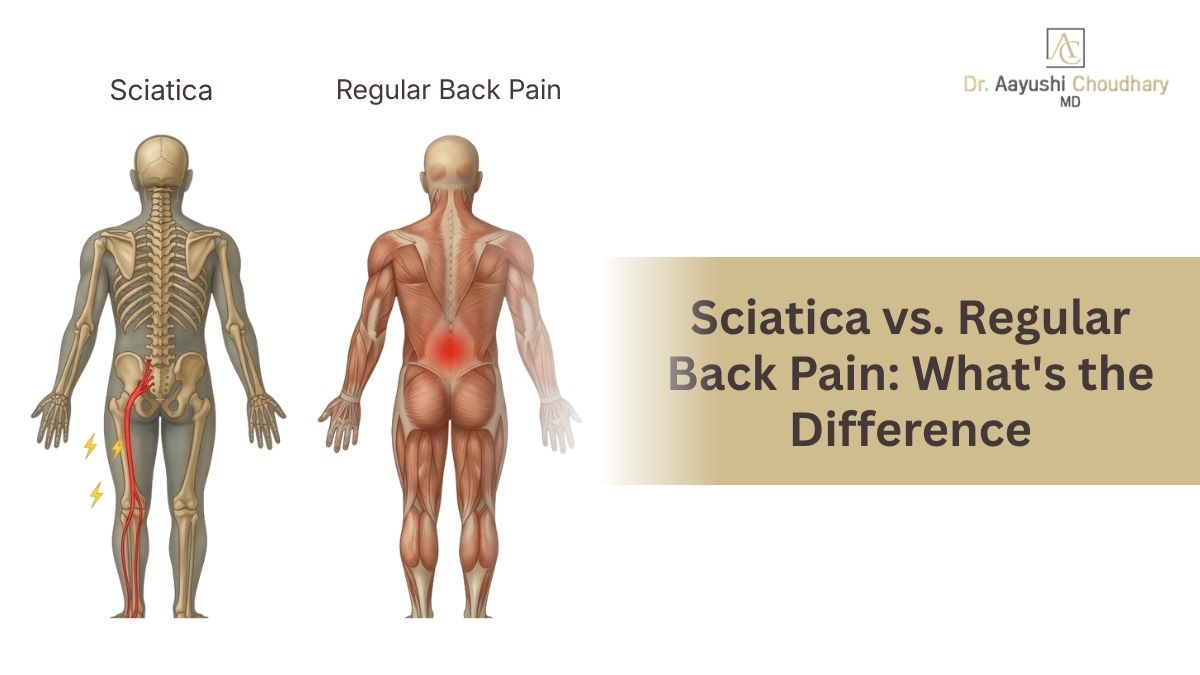 Sciatica vs. Regular Back Pain: What's the Difference? | Expert Guide
 Why Is Joint Pain More Common in Women? | Expert Medical Guide
 Why Do Gym Injuries Happen? | Expert Medical Guide
 Spine Preservation: Why the Future of Medicine Is About Preserving the Human Spine, Not Replacing It
 Rehabilitation: The Missing Fourth Pillar of Modern Medicine-Why the Future of Healthcare Is Not Just About Saving Lives, But Restoring Them
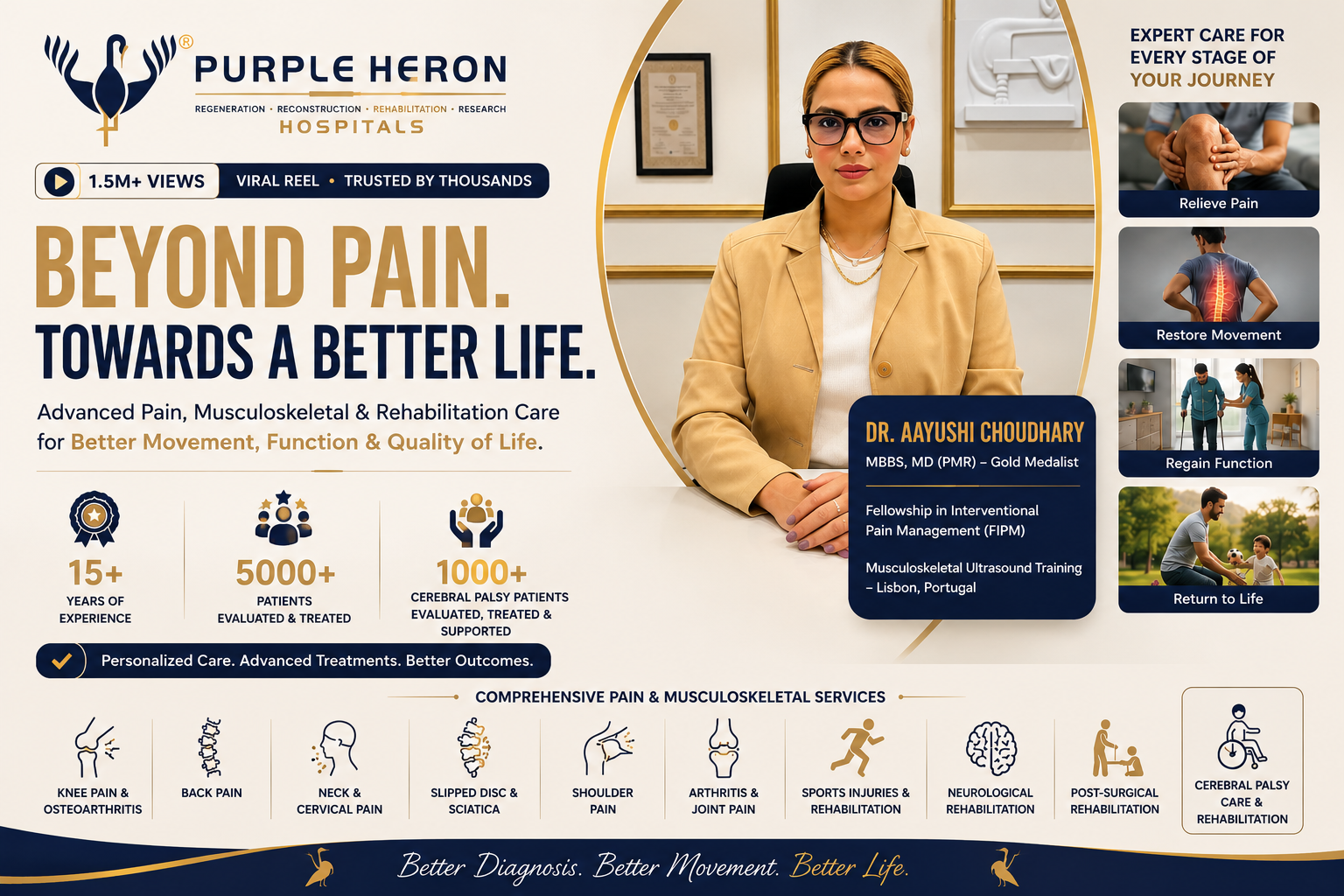 Advanced Pain & Musculoskeletal Care by Dr. Aayushi Choudhary in Jaipur
 Interventional Pain Medicine: Pain Is Not Enemy; Rather Body's Language. Why Does Future of Pain Medicine Lie in Treating Cause, Not Silencing Symptom?
 Regenerative Medicine: The Future of Healthcare Will Not Be Replacement but Preservation. Why Next Decade in Medicine Will Be Defined by Saving Human Tissue, Not Simply Replacing It
 Best ACL Doctor in Jaipur for Complete Musculoskeletal Care
 Neck Pain Treatment in Jaipur: Causes, Symptoms and Care
 When Should You See a Knee Pain Specialist? Understanding the Causes, Advanced Treatment and Personalised Recovery
 Stroke Treatment in Jaipur: A Practical Guide to Recovery and Rehabilitation
 How Can Paralysis Rehabilitation in Jaipur Improve Strength, Mobility, and Everyday Function? A Patient-Focused Overview of Recovery and Care
 Can Slip Disc Treatment in Jaipur Help You Avoid Surgery? Understanding Conservative Care Options