
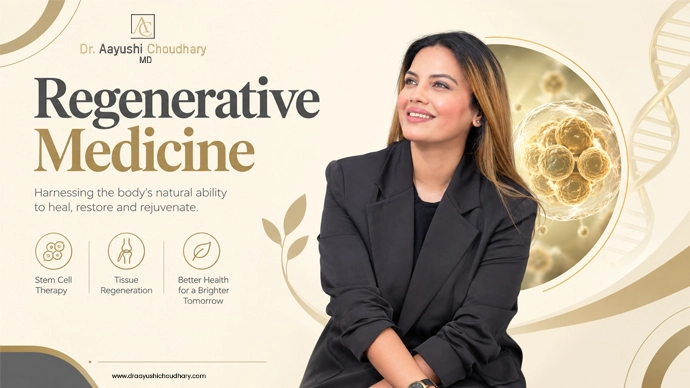
By Dr. Aayushi Choudhary | Pain, Musculoskeletal Medicine & Rehabilitation Specialist | Purple Heron Hospitals, Jaipur
There was a time when replacing a damaged joint was considered the pinnacle of medical achievement. A worn-out knee, painful hip, damaged shoulder, degenerating disc, and torn tendon were usually replaced, operated, and repaired.
These innovations transformed millions of lives and remain among the greatest achievements of modern medicine. But medicine is now asking bigger questions: "What if we could delay degeneration?”, "What if we could preserve tissues before these tissues get damaged?" and "What if the greatest operation is the one that may not be required?”
That is the philosophy driving one of the fastest-growing fields in healthcare today, regenerative medicine. In this blog, the discussion will revolve around the effectiveness of regenerative medicine in modern healthcare, regenerative treatment for every patient, the importance of rehabilitation, ways of preserving natural tissue, and creating a culture of preservation.
Preserving Natural Tissue for a Longer, Healthier Life
Human beings are living longer than ever before. But there is another truth that worries physicians like me. Our joints, spine, tendons, cartilage, and muscles are wearing out much earlier than expected.
Today, it is no longer unusual to see severe knee degeneration in patients in their forties and disc degeneration in people in their thirties. Sports injuries are becoming chronic among young adults. Tendon degeneration is seen among professionals who spend twelve hours sitting at a desk.
Our lifespan has increased, while our health span often has not. This is one of the greatest healthcare challenges in the twenty-first century. Because replacing every damaged structure is simply not a sustainable answer.
Imagine replacing every painful joint: a knee at fifty-five, a shoulder at sixty, a hip at sixty-five, spinal surgery at seventy, and another joint later. The question that arises in my mind is "Is that truly the future we want for healthcare?" or "Should medicine evolve towards helping people preserve their own tissues for as long as possible? ”.
I believe the future belongs to preservation, not because surgery is bad. We have to understand that surgery saves and restores lives. But every natural tissue that continues to function well is still better than the best artificial substitute. If medically possible, preserving what nature has created should remain our first choice.
How Regenerative Medicine Complements Modern Healthcare
This is the philosophy behind regenerative medicine. Contrary to popular belief, regenerative medicine is not a miracle treatment.
It is also not a single injection; rather, it is a scientific discipline that explores how the body’s own biological healing mechanisms can be supported in carefully selected patients using evidence-based approaches.
The goal is not simply pain relief but to improve tissue health, support healing, optimise recovery, and preserve function.
And perhaps most importantly, to delay or reduce future disability whenever possible. Modern regenerative medicine has expanded rapidly over the last decade.
Today, researchers around the world are investigating biological therapies for cartilage preservation, tendon healing, ligament injuries, degenerative spine disorders, muscle injuries, nerve recovery, osteoarthritis, and sports medicine.
This is not about replacing conventional medicine but about complementing it. Regenerative medicine is most powerful when it is integrated with accurate diagnosis, image-guided minimum interventions, physical medicine & rehabilitation, biomechanics, nutrition, exercise science, and long-term functional restoration.
No biological treatment can overcome poor movement patterns, untreated instability, muscle weakness, or neglected rehabilitation. Thus, healing is always multidimensional.
Evidence-Based Patient Selection for Regenerative Treatment
At Purple Heron Hospital, regenerative medicine is viewed through the comprehensive lens. Every patient first undergoes a detailed clinical assessment. We ask:
- What is actually causing the degeneration?
- Is this tissue capable of healing?
- Has the disease progressed too far?
- Will preservation realistically improve function?
- What role should rehabilitation play?
- Would biological treatment genuinely benefit this patient?
These questions matter because regenerative medicine is not appropriate for every condition or individual. Evidence-based patient selection is as important as the treatment itself.
Modern orthobiologics have opened exciting possibilities for musculoskeletal care. Depending on the patient’s diagnosis and clinical suitability, regenerative strategies may include biological therapies designed to support healing in selected conditions involving cartilage, tendons, ligaments, muscles, joints, and other musculoskeletal tissues.
These approaches continue to evolve as scientific evidence grows and should always be used within established clinical indications.
Why Regenerative Treatment Requires Rehabilitation
At Purple Heron Hospitals, these therapies are integrated with precision delivery techniques using ultrasound-guided and C-arm-guided image-guided interventions, ensuring accurate placement where clinically indicated.
Because in regenerative medicine, precision matters. Delivering the right treatment to the right tissue is just as important as choosing the treatment itself. One of the greatest misconceptions about regenerative medicine is that the injection alone creates healing; however, it does not.
Healing begins long before the procedure, and it continues long afterwards. The biology may start the process. But rehabilitation determines how that biology is used if muscles remain weak, gait remains abnormal, posture continues to overload damaged tissues and biomechanics remain unchanged.
The regenerated tissue is placed under the same harmful forces that caused the original injury. That is why regeneration without rehabilitation is incomplete. The body heals through movement, while that movement must be taught, strengthened and restrained. Only then can regeneration translate into meaningful function.
Beyond Replacement: Building a Culture of Preservation
The future of healthcare will not be divided into surgeons and physicians. It will increasingly be divided into two philosophies, where one should wait for structures to dysfunction before taking actions, while the other philosophy will be to preserve them continuously. This philosophy extends far beyond knees and shoulders. It applies equally to:
- Spine Preservation
- Joint Preservation
- Sports Medicine
- Neuro-Rehabilitation
- Healthy Ageing
- Musculoskeletal Medicine
- Preventive Healthcare
The question of the future will no longer simply be, "How do we replace this?”. It will increasingly become: “How do we help this last another twenty years?”. That is the future that patients deserve.
As a physician, I often tell my patients something simple: your body has been carrying you every single day since the day you were born. It deserves more than repair after failure and deserves protection before failure. That is the philosophy we strive to practise every day at Purple Heron Hospital.
The Bottom Line
Regenerative medicine, orthobiologics, image-guided minimum interventions, physical medicine & rehabilitation (PM&R), spine preservation, joint preservation, functional restoration, and others are some of the initiatives for preserving movement, independence and quality of life. At Purple Heron Hospital, regenerative medicine is approached as part of a comprehensive, patient-focused strategy that combines appropriate biological therapies with precise diagnosis, minimally invasive interventions, and rehabilitation when clinically indicated.
Because the next great revolution in medicine will not be measured by how many artificial joints we implant. It will be measured by how many natural joints, spines, muscles, and tendons we help people keep. The future of healthcare is not replacement but rather about preservation.
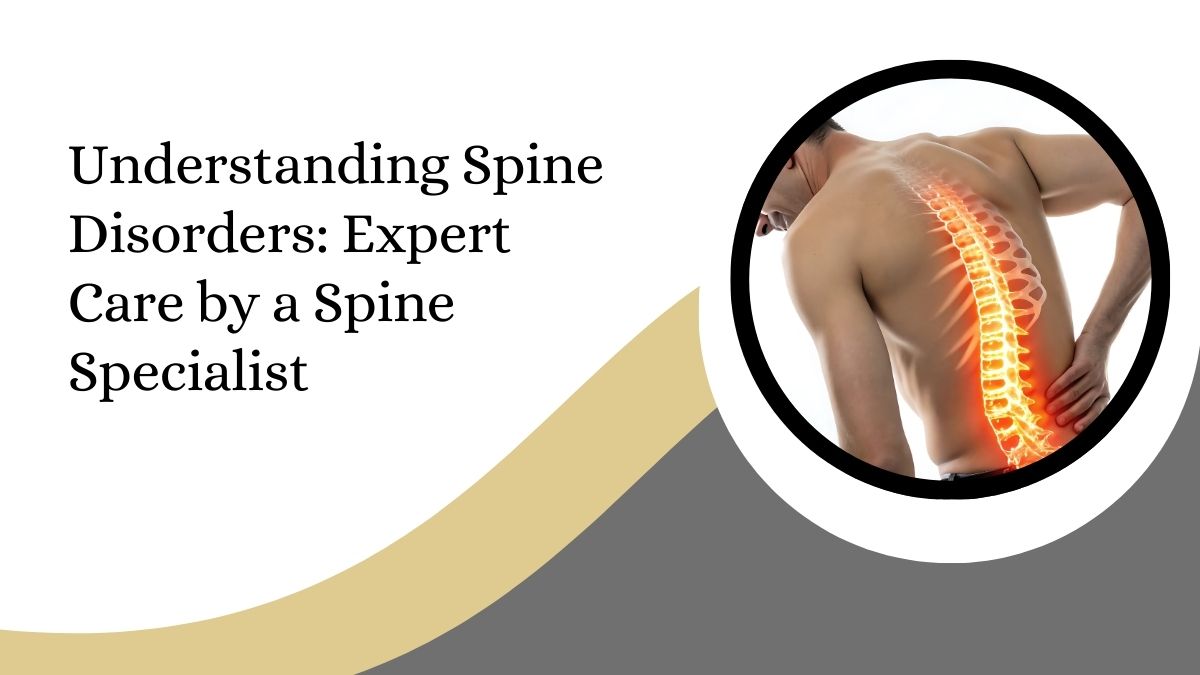 Understanding Spine Disorders: Expert Care by a Spine Specialist
 What Causes Knee Pain? Symptoms, Diagnosis & Effective Relief
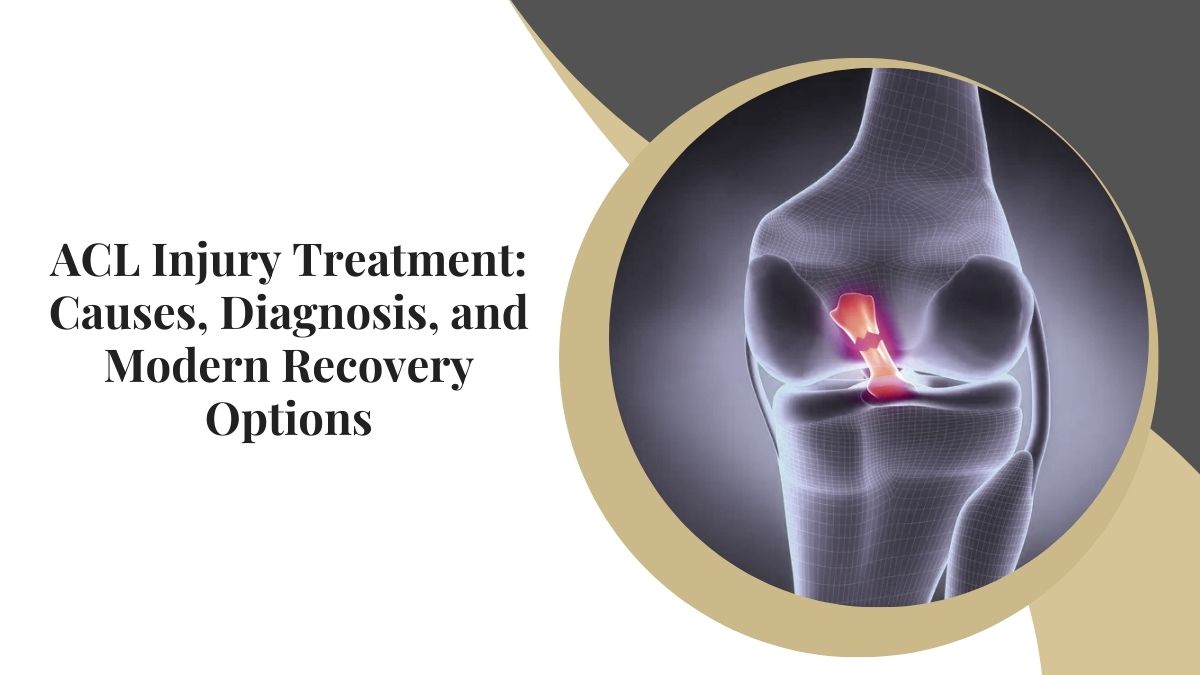 ACL Injury Treatment: Causes, Diagnosis, and Modern Recovery Options
.jpg) How Lifestyle Choices Impact Your Risk of Stroke
How Lifestyle Choices Impact Your Risk of Stroke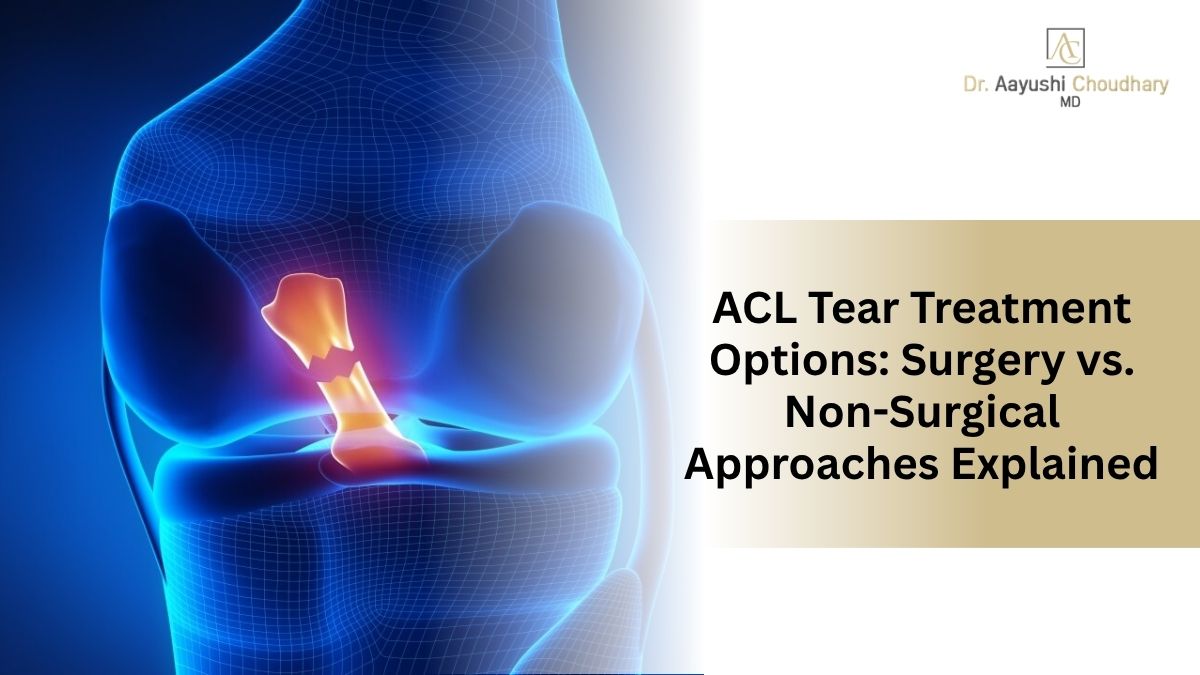 ACL Tear Treatment Options: Surgery vs. Non-Surgical Approaches Explained
 How Do You Know If Knee Pain Is Serious?
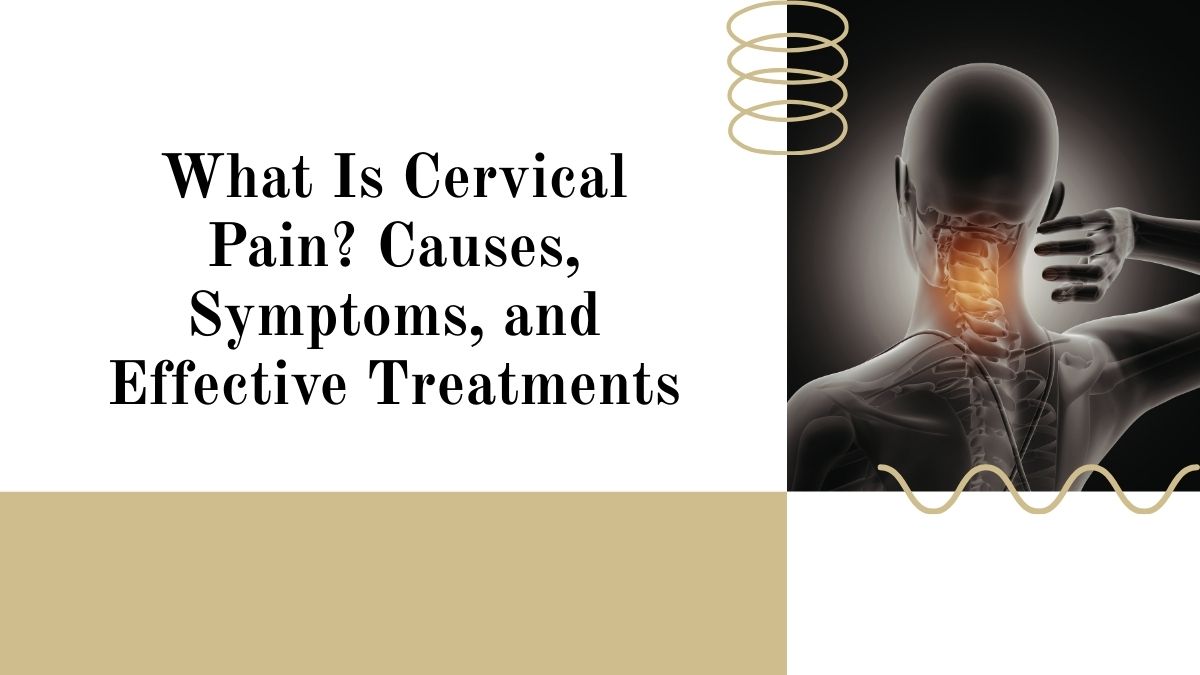 What Is Cervical Pain? Causes, Symptoms, and Effective Treatments
 When Should You Consult a Pain Specialist? Signs You Should Not Ignore
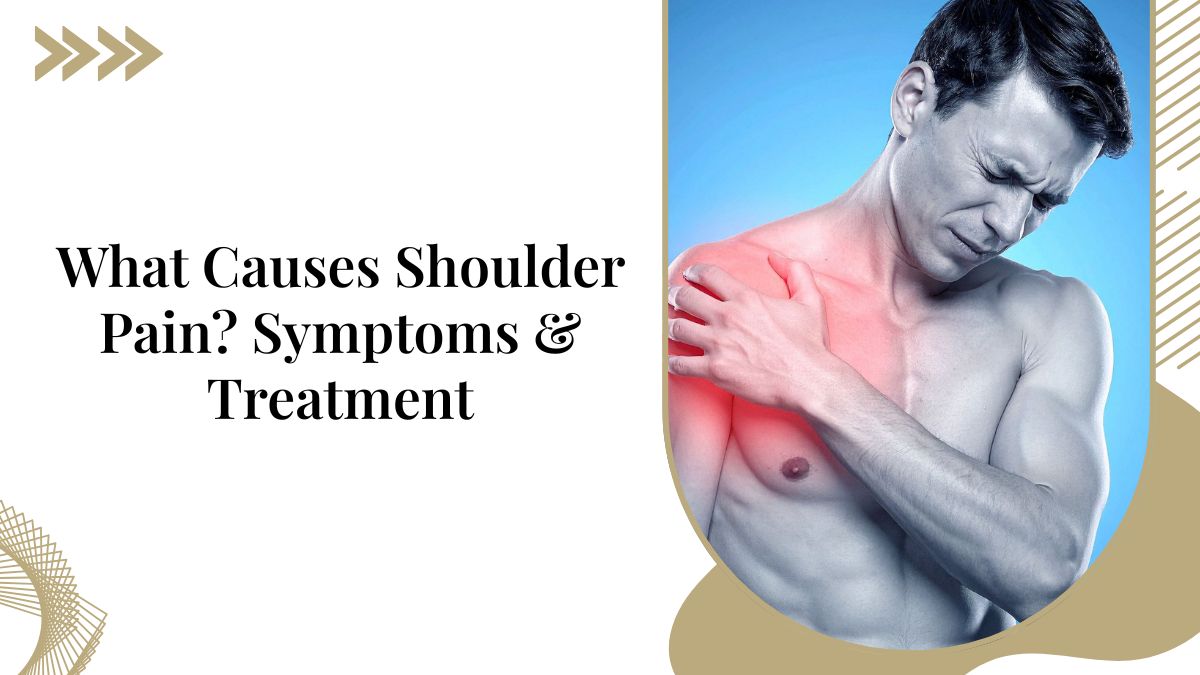 What Causes Shoulder Pain? Symptoms & Treatment
 Common Sports Injuries and How to Prevent Them: A Complete Guide
 Don’t Ignore These Signs of Paralysis – It Could Be Serious
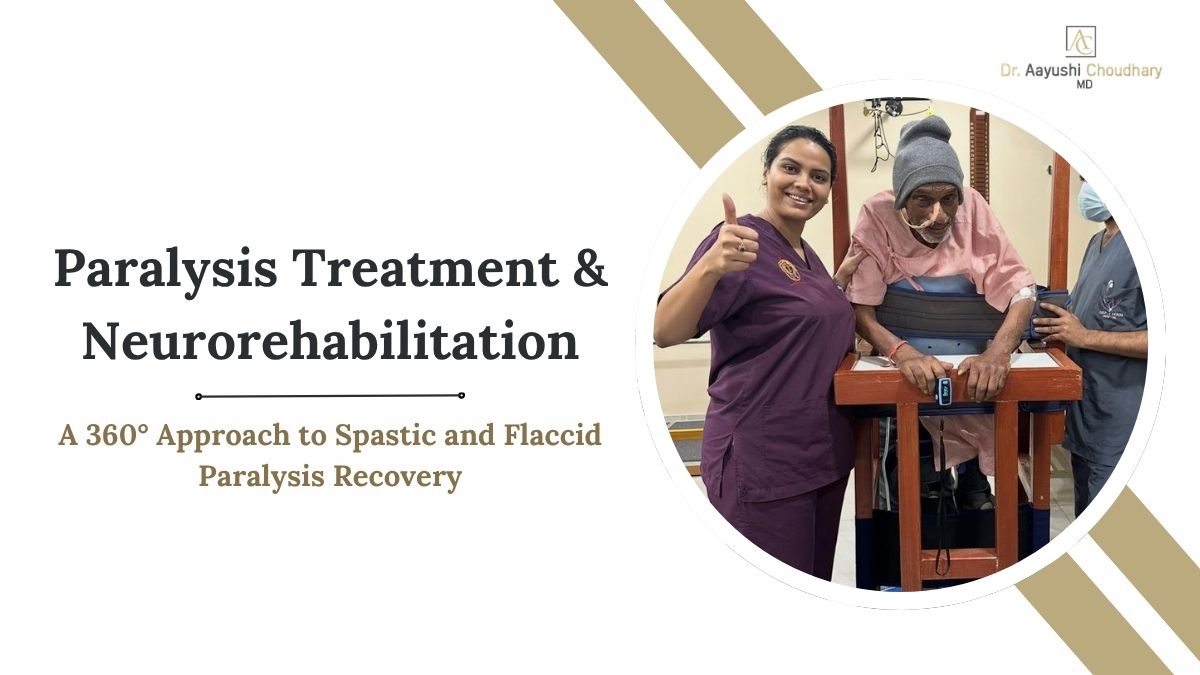 Paralysis Treatment & Neurorehabilitation: A 360° Approach to Spastic and Flaccid Paralysis Recovery
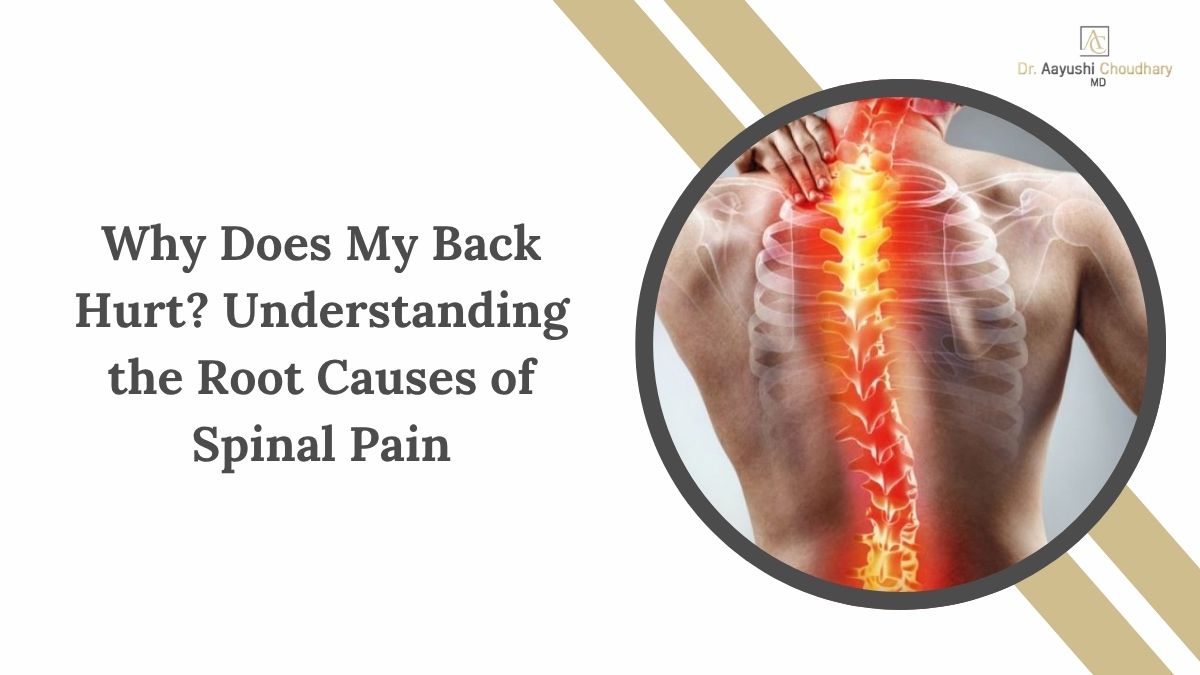 Why Does My Back Hurt? Understanding the Root Causes of Spinal Pain
 Top 10 Early Signs of Stroke You Should Never Ignore
 Daily Activity Tips to Manage Frozen Shoulder Pain
 When Kids with Cerebral Palsy Grow Up: A Simple Guide for Families
 How to Safely Return to Sports After an ACL Injury
 Knee Pain Dos and Don’ts: Best Practices for Pain Management
 Why Are Young People Suffering from Chronic Back Pain?
 8 Common Causes of Neck Pain & Effective Treatment Options
 Pain Management: When to Visit a Pain Specialist or Pain Hospital
 Comprehensive Guide to Managing Musculoskeletal Pain and Body Aches
 Neck Pain Treatment for Working Professionals: Daily Care Tips
 Got Injured While Playing Sports? Here’s What to Do Next
 Knee Pain While Walking? Here Are The 5 Most Common Causes
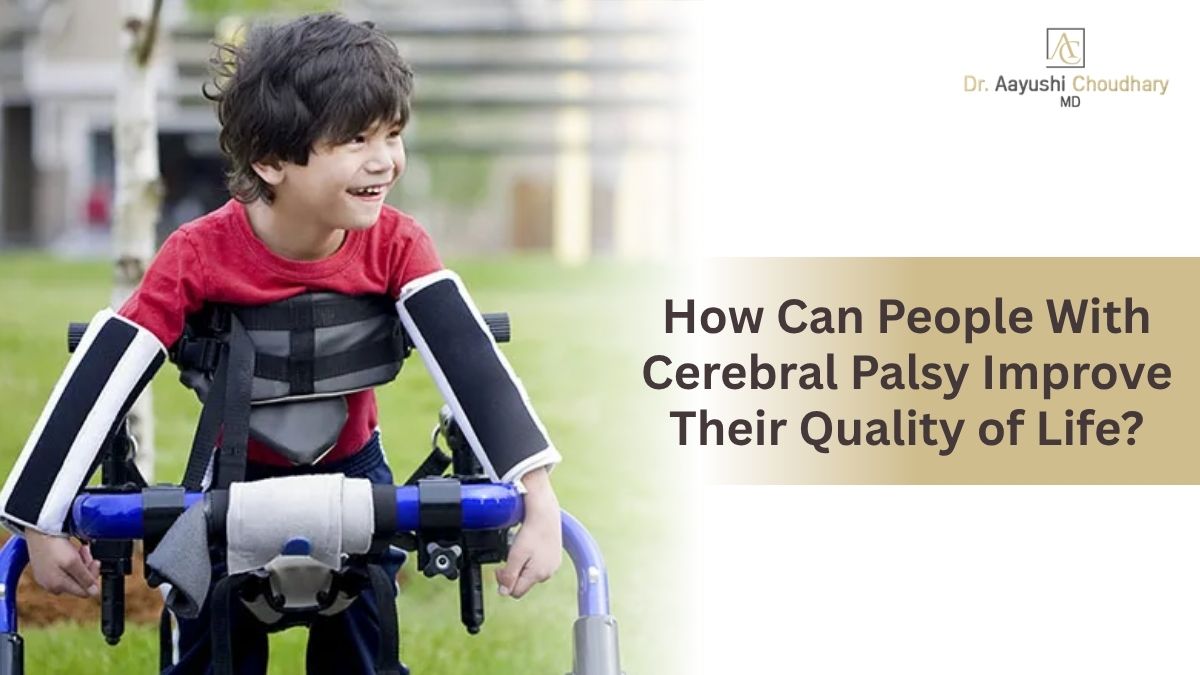 How Can People With Cerebral Palsy Improve Their Quality of Life?
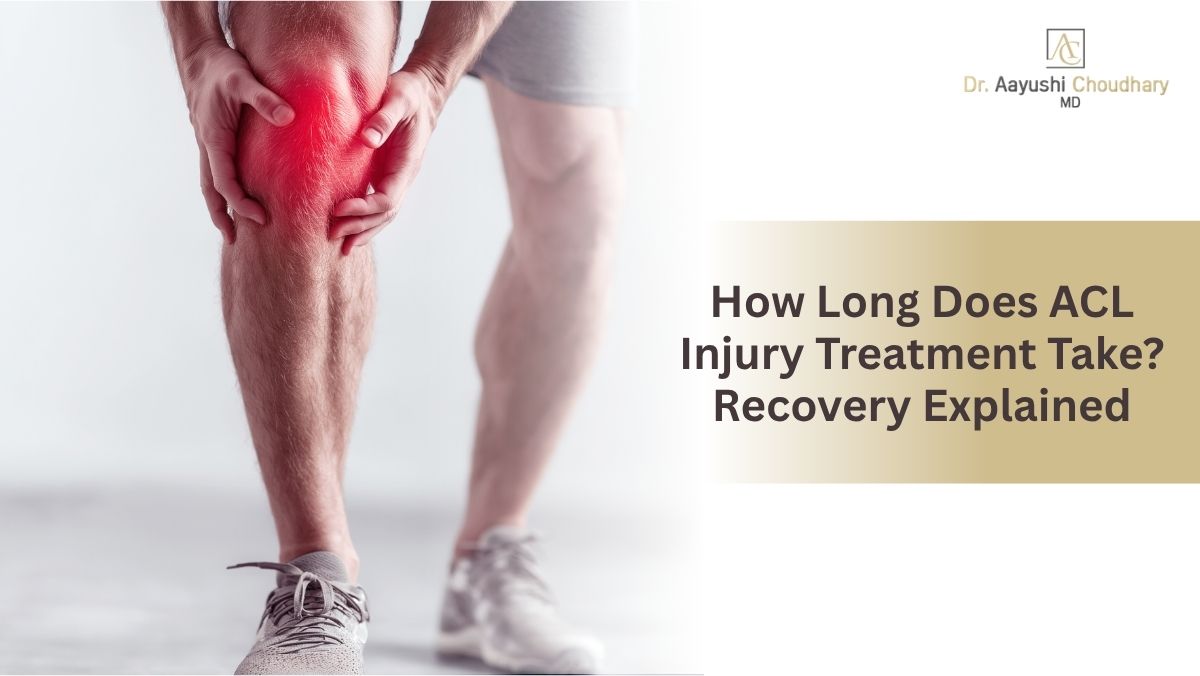 How Long Does ACL Injury Treatment Take? Recovery Explained
 How Does Paralysis Begin & What Treatments Help Recovery?
 Why Is Early Pain Treatment Important for Better Recovery?
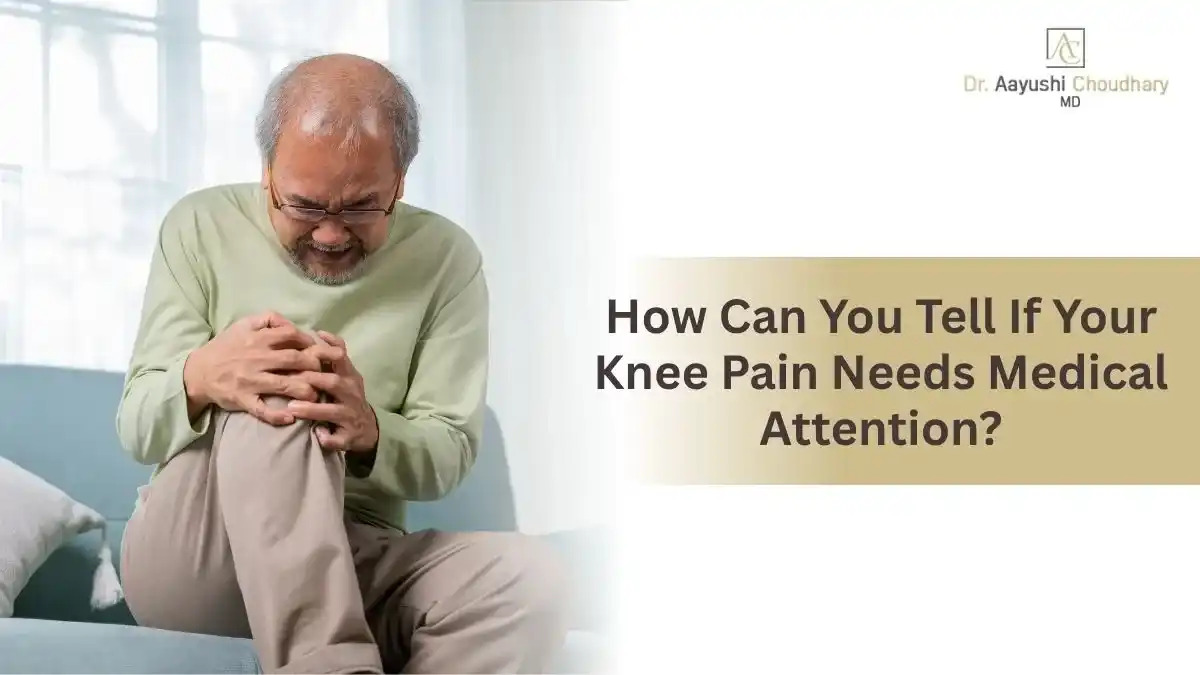 How Can You Tell If Your Knee Pain Needs Medical Attention?
 How Screen Time and Mobile Usage Trigger Cervical Pain?
 Everyday Habits That May Be Damaging Your Spine
 Best Ways to Manage Slip Disc and Improve Spine Health
 Body Ache: Symptoms, Causes and Treatment Explained
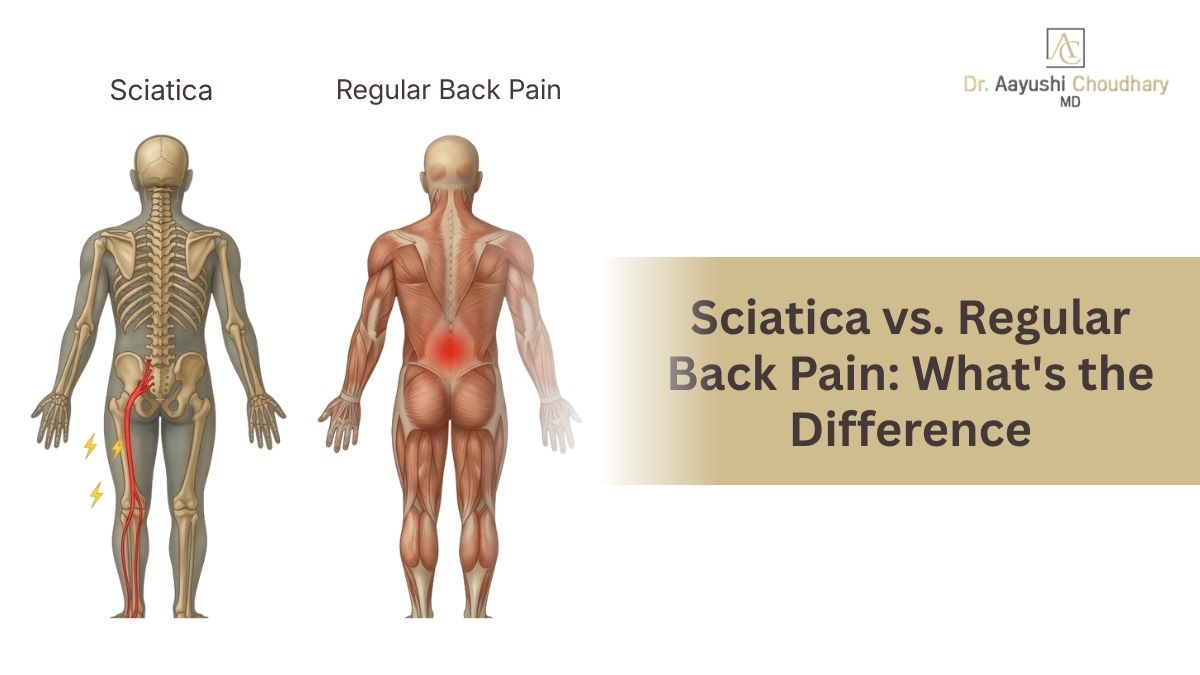 Sciatica vs. Regular Back Pain: What's the Difference? | Expert Guide
 Why Is Joint Pain More Common in Women? | Expert Medical Guide
 Why Do Gym Injuries Happen? | Expert Medical Guide
 Spine Preservation: Why the Future of Medicine Is About Preserving the Human Spine, Not Replacing It
 Rehabilitation: The Missing Fourth Pillar of Modern Medicine-Why the Future of Healthcare Is Not Just About Saving Lives, But Restoring Them
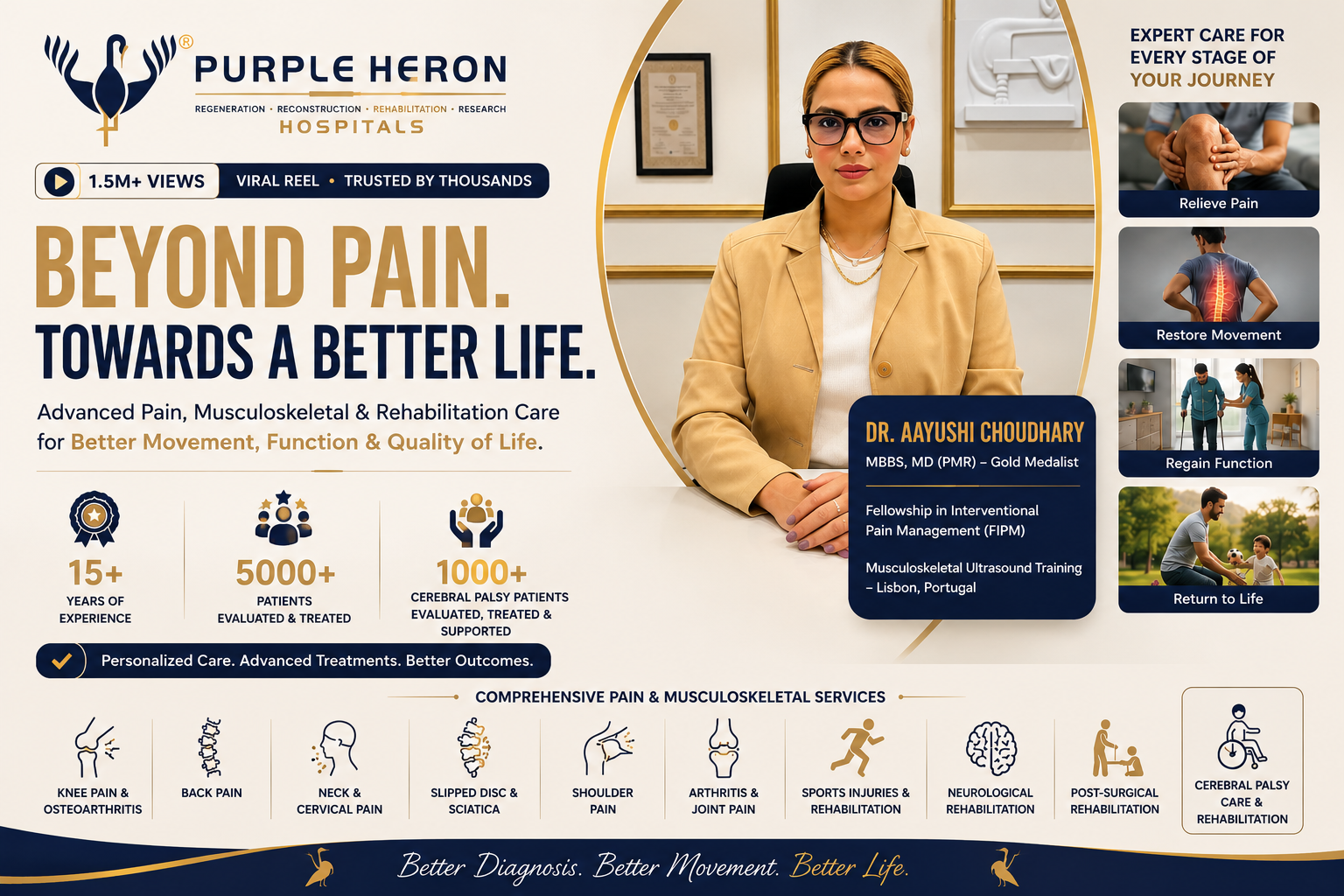 Advanced Pain & Musculoskeletal Care by Dr. Aayushi Choudhary in Jaipur
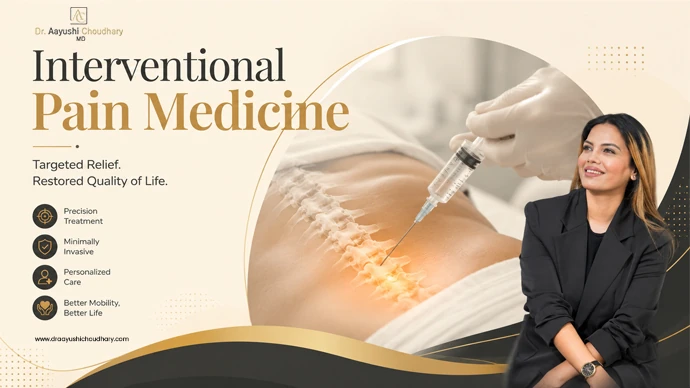 Interventional Pain Medicine: Pain Is Not Enemy; Rather Body's Language. Why Does Future of Pain Medicine Lie in Treating Cause, Not Silencing Symptom?
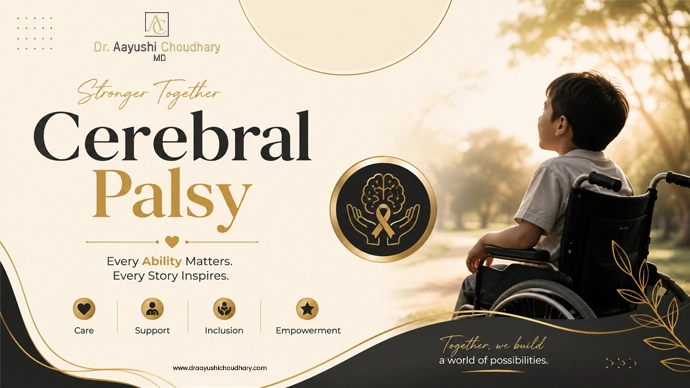 Cerebral Palsy Is Not a Deformity Problem, a Movement Problem. Why Correcting a Child’s Legs Does Not Always Help Them Walk?
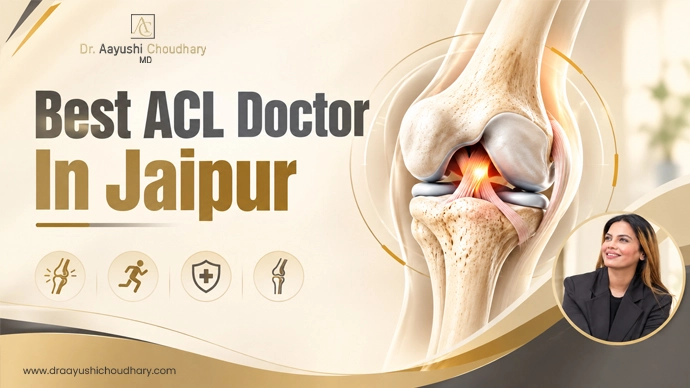 Best ACL Doctor in Jaipur for Complete Musculoskeletal Care