
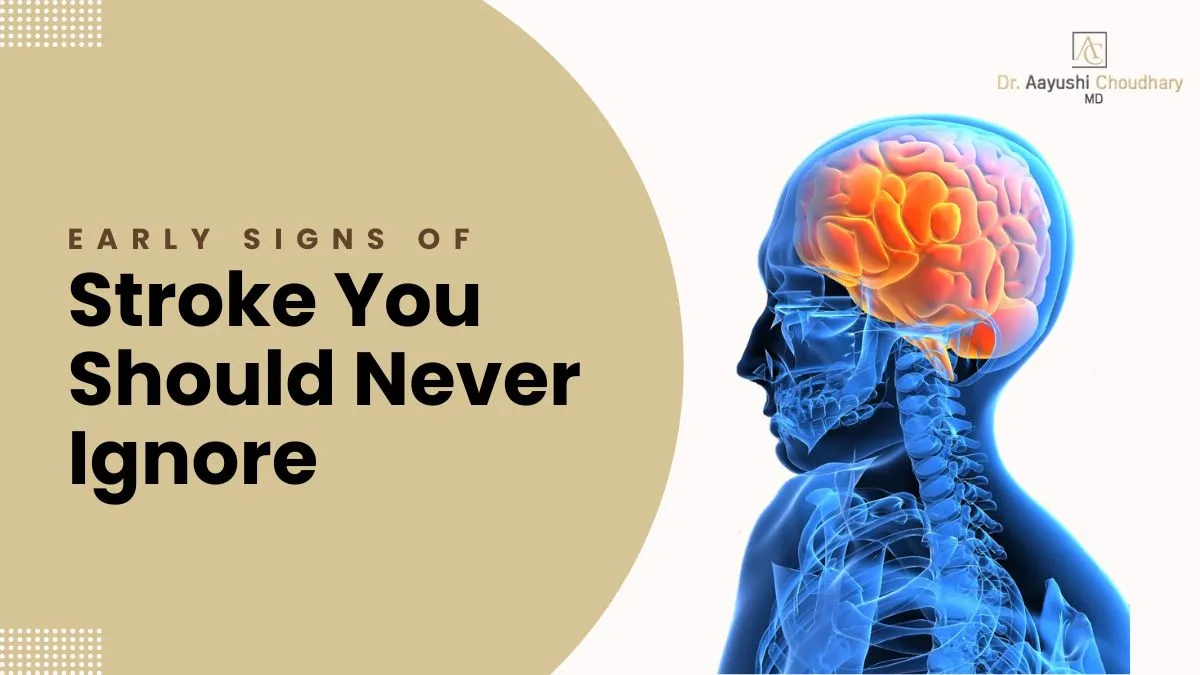
A stroke is one of the leading causes of death and long-term disability worldwide. Often referred to as a “brain attack,” a stroke occurs when the blood supply to a part of the brain is interrupted or reduced, depriving brain tissue of oxygen and essential nutrients. Within minutes, brain cells begin to die, making early recognition and immediate medical attention critical.
Understanding the early warning signs of stroke can help save lives and prevent severe complications. In this comprehensive guide, we will explore the top 10 early signs of stroke you should never ignore, along with essential information on what to do if a stroke occurs and how proper treatment and rehabilitation can support recovery.
What is a Stroke?
A stroke happens when blood flow to the brain is disrupted. There are two main types of stroke:
- Ischemic Stroke: Caused by a blockage in a blood vessel supplying the brain
- Hemorrhagic Stroke: Caused by bleeding in or around the brain
Both types are medical emergencies and require immediate attention. The faster stroke treatment is provided, the better the chances of survival and recovery.
Why Recognizing Early Signs is So Important
Time plays a crucial role in stroke management. Medical experts often use the phrase “time is brain,” which means that every second counts. Delayed treatment can lead to irreversible brain damage, disability, or even death.
Early detection helps:
- Reduce the extent of brain injury
- Improve chances of recovery
- Lower the risk of long-term disability
- Increase survival rates
Early detection saves lives, but prevention is always better than a cure. Your lifestyle plays a major role in stroke risk—explore this in our blog on how lifestyle choices impact your risk of stroke.
Top 10 Early Signs of Stroke You Should Never Ignore
1. Sudden Numbness or Weakness
One of the most common and noticeable symptoms of stroke is sudden numbness or weakness in the face, arm, or leg—especially on one side of the body.
A person may:
- Struggle to lift one arm
- Feel tingling or loss of sensation
- Experience weakness on one side
This symptom occurs because the stroke affects the brain’s control over muscle movements.
2. Facial Drooping
Facial drooping is a classic sign of stroke and is often easy to identify.
You might notice:
- One side of the face is drooping
- An uneven smile
- Difficulty closing one eye
A simple test is to ask the person to smile. If the smile appears uneven, it could be a sign of a stroke.
3. Difficulty Speaking or Understanding Speech
Speech problems are another major indicator of stroke.
Common issues include:
- Slurred speech
- Inability to form words properly
- Difficulty understanding what others are saying
The person may sound confused or may not be able to respond appropriately to questions.
4. Sudden Vision Problems
A stroke can impact vision in one or both eyes.
Symptoms include:
- Blurred or double vision
- Sudden loss of vision
- Difficulty seeing clearly
Vision problems can occur suddenly and may not always be accompanied by pain.
5. Severe Headache with No Known Cause
A sudden, severe headache—often described as the worst headache ever experienced—can be a warning sign of a stroke, particularly a hemorrhagic stroke.
It may be accompanied by:
- Nausea or vomiting
- Sensitivity to light
- Loss of consciousness
This type of headache should never be ignored and requires immediate medical attention.
6. Loss of Balance or Coordination
A stroke can affect the brain’s ability to control movement and coordination.
A person may experience:
- Sudden dizziness
- Difficulty walking
- Loss of balance
- Lack of coordination
These symptoms can increase the risk of falls and injuries.
7. Sudden Confusion
Confusion is another early warning sign that is often overlooked.
The person may:
- Have trouble understanding simple instructions
- Appear disoriented
- Not recognize familiar people or places
Sudden confusion should always be treated as a medical emergency.
8. Difficulty Swallowing
Also known as dysphagia, difficulty swallowing can occur during a stroke.
Signs include:
- Choking while eating or drinking
- Coughing during meals
- Feeling like food is stuck in the throat
Early diagnosis is important to prevent complications such as aspiration.
9. Sudden Fatigue or Weakness
Unusual and sudden fatigue, especially when combined with other symptoms, may indicate a stroke.
This may include:
- Extreme tiredness
- Lack of energy
- General weakness
This symptom is often more commonly reported in women.
10. Nausea and Vomiting
In some cases, especially with certain types of stroke, individuals may experience nausea and vomiting.
These symptoms may occur alongside:
- Dizziness
- Headache
- Balance problems
While nausea alone may not indicate a stroke, it should not be ignored when combined with other symptoms.
The FAST Method: A Quick Way to Identify Stroke
To quickly identify a stroke, remember the FAST rule:
- F (Face): Is one side of the face drooping?
- A (Arms): Is one arm weak or numb?
- S (Speech): Is speech slurred or difficult?
- T (Time): Time to call emergency services immediately
This simple test can help save lives by ensuring quick action.
What to Do If Someone is Having a Stroke
If you notice any of the symptoms mentioned above:
- Call emergency medical services immediately
- Note the exact time when symptoms started
- Keep the person calm and comfortable
- Do not give food or water
- Stay with the person until help arrives
Never wait for symptoms to improve on their own.
Stroke Treatment Options
Treatment depends on the type and severity of the stroke.
Emergency Treatment
- Clot-dissolving medications (for ischemic stroke)
- Surgical procedures (for hemorrhagic stroke)
Rehabilitation and Post-Stroke Treatment
After initial treatment, patients often require rehabilitation to regain lost abilities. This includes:
- Physiotherapy to improve movement
- Speech therapy to regain communication skills
- Occupational therapy for daily activities
Proper post stroke treatment plays a crucial role in helping patients return to a normal life.
Importance of Post-Stroke Care
Recovery from a stroke is a gradual process. With the right care and support, many patients can regain independence.
Benefits of rehabilitation include:
- Improved physical strength
- Better coordination and balance
- Enhanced speech and cognitive function
- Increased confidence and quality of life
Early and consistent therapy is key to successful recovery.
How to Reduce the Risk of Stroke
Prevention is always better than a cure. Here are some effective ways to reduce stroke risk:
- Maintain healthy blood pressure
- Control diabetes and cholesterol levels
- Eat a balanced and nutritious diet
- Exercise regularly
- Avoid smoking and excessive alcohol consumption
- Manage stress effectively
Regular health check-ups can also help detect risk factors early.
Conclusion
A stroke can happen suddenly and without warning, but the body often gives early signs that should never be ignored. From numbness and speech difficulties to vision problems and severe headaches, recognizing these symptoms can make a life-saving difference.
Immediate medical attention, combined with effective treatment and proper post-stroke rehabilitation, can significantly improve recovery outcomes and quality of life.
Stay aware, act fast, and prioritize your health—because when it comes to stroke, every second truly matters.
 Understanding Spine Disorders: Expert Care by a Spine Specialist
 What Causes Knee Pain? Symptoms, Diagnosis & Effective Relief
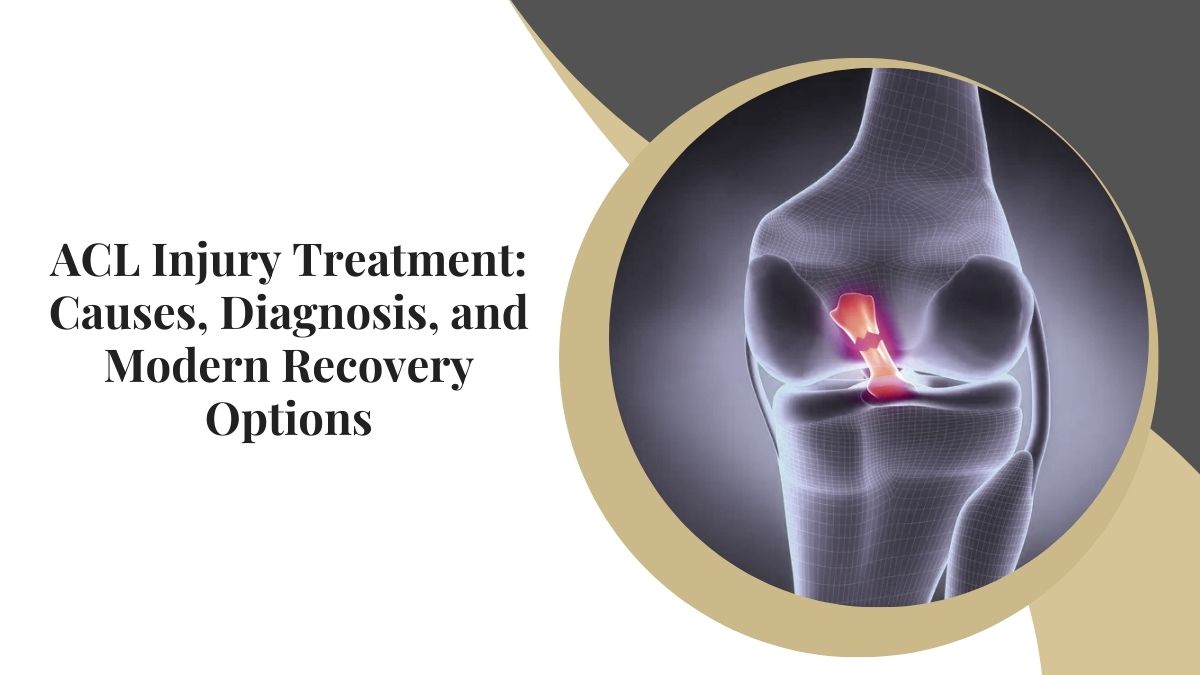 ACL Injury Treatment: Causes, Diagnosis, and Modern Recovery Options
.jpg) How Lifestyle Choices Impact Your Risk of Stroke
How Lifestyle Choices Impact Your Risk of Stroke ACL Tear Treatment Options: Surgery vs. Non-Surgical Approaches Explained
 How Do You Know If Knee Pain Is Serious?
 What Is Cervical Pain? Causes, Symptoms, and Effective Treatments
 When Should You Consult a Pain Specialist? Signs You Should Not Ignore
 What Causes Shoulder Pain? Symptoms & Treatment
 Common Sports Injuries and How to Prevent Them: A Complete Guide
 Don’t Ignore These Signs of Paralysis – It Could Be Serious
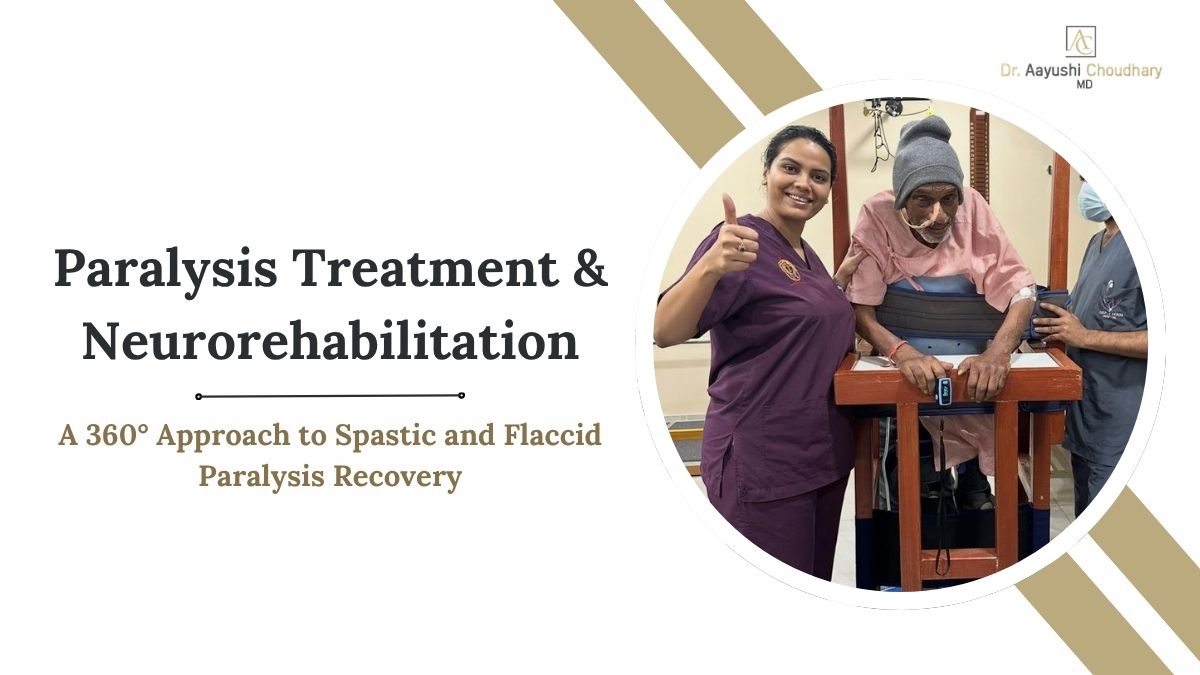 Paralysis Treatment & Neurorehabilitation: A 360° Approach to Spastic and Flaccid Paralysis Recovery
 Why Does My Back Hurt? Understanding the Root Causes of Spinal Pain
 Daily Activity Tips to Manage Frozen Shoulder Pain
 When Kids with Cerebral Palsy Grow Up: A Simple Guide for Families
 How to Safely Return to Sports After an ACL Injury
 Knee Pain Dos and Don’ts: Best Practices for Pain Management
 Why Are Young People Suffering from Chronic Back Pain?
 8 Common Causes of Neck Pain & Effective Treatment Options
 Pain Management: When to Visit a Pain Specialist or Pain Hospital
 Comprehensive Guide to Managing Musculoskeletal Pain and Body Aches
 Neck Pain Treatment for Working Professionals: Daily Care Tips
 Got Injured While Playing Sports? Here’s What to Do Next
 Knee Pain While Walking? Here Are The 5 Most Common Causes
 How Can People With Cerebral Palsy Improve Their Quality of Life?
 How Long Does ACL Injury Treatment Take? Recovery Explained
 How Does Paralysis Begin & What Treatments Help Recovery?
 Why Is Early Pain Treatment Important for Better Recovery?
 How Can You Tell If Your Knee Pain Needs Medical Attention?
 How Screen Time and Mobile Usage Trigger Cervical Pain?
 Everyday Habits That May Be Damaging Your Spine
 Best Ways to Manage Slip Disc and Improve Spine Health
 Body Ache: Symptoms, Causes and Treatment Explained
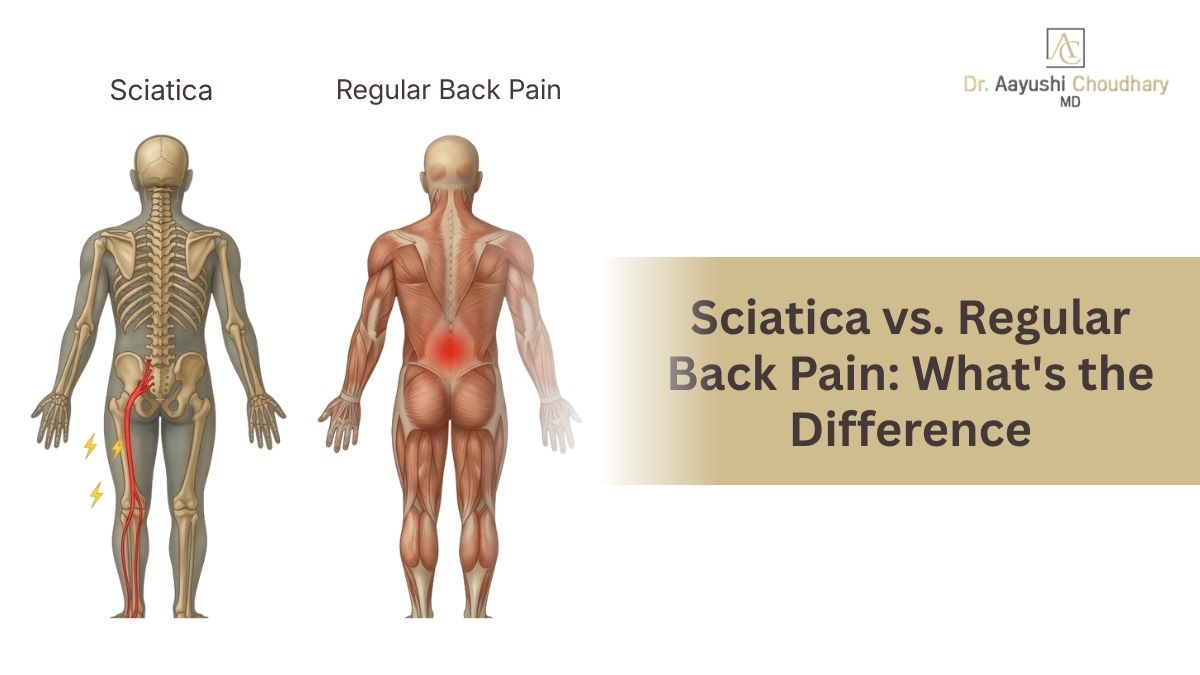 Sciatica vs. Regular Back Pain: What's the Difference? | Expert Guide
 Why Is Joint Pain More Common in Women? | Expert Medical Guide
 Why Do Gym Injuries Happen? | Expert Medical Guide
 Spine Preservation: Why the Future of Medicine Is About Preserving the Human Spine, Not Replacing It
 Rehabilitation: The Missing Fourth Pillar of Modern Medicine-Why the Future of Healthcare Is Not Just About Saving Lives, But Restoring Them
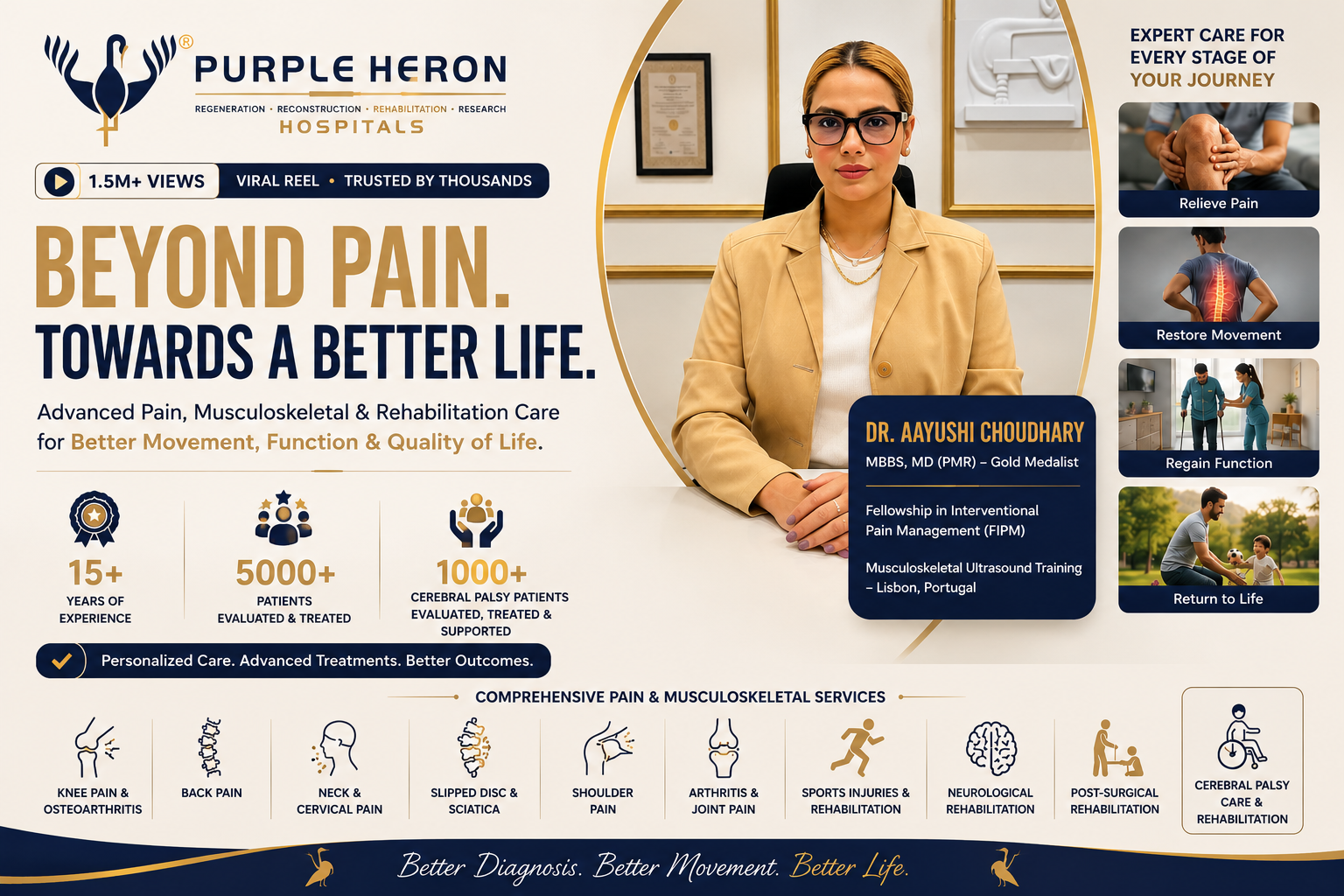 Advanced Pain & Musculoskeletal Care by Dr. Aayushi Choudhary in Jaipur
 Interventional Pain Medicine: Pain Is Not Enemy; Rather Body's Language. Why Does Future of Pain Medicine Lie in Treating Cause, Not Silencing Symptom?
 Cerebral Palsy Is Not a Deformity Problem, a Movement Problem. Why Correcting a Child’s Legs Does Not Always Help Them Walk?
 Regenerative Medicine: The Future of Healthcare Will Not Be Replacement but Preservation. Why Next Decade in Medicine Will Be Defined by Saving Human Tissue, Not Simply Replacing It
 Best ACL Doctor in Jaipur for Complete Musculoskeletal Care
 Neck Pain Treatment in Jaipur: Causes, Symptoms and Care
 When Should You See a Knee Pain Specialist? Understanding the Causes, Advanced Treatment and Personalised Recovery
 Stroke Treatment in Jaipur: A Practical Guide to Recovery and Rehabilitation
 How Can Paralysis Rehabilitation in Jaipur Improve Strength, Mobility, and Everyday Function? A Patient-Focused Overview of Recovery and Care
 Can Slip Disc Treatment in Jaipur Help You Avoid Surgery? Understanding Conservative Care Options