
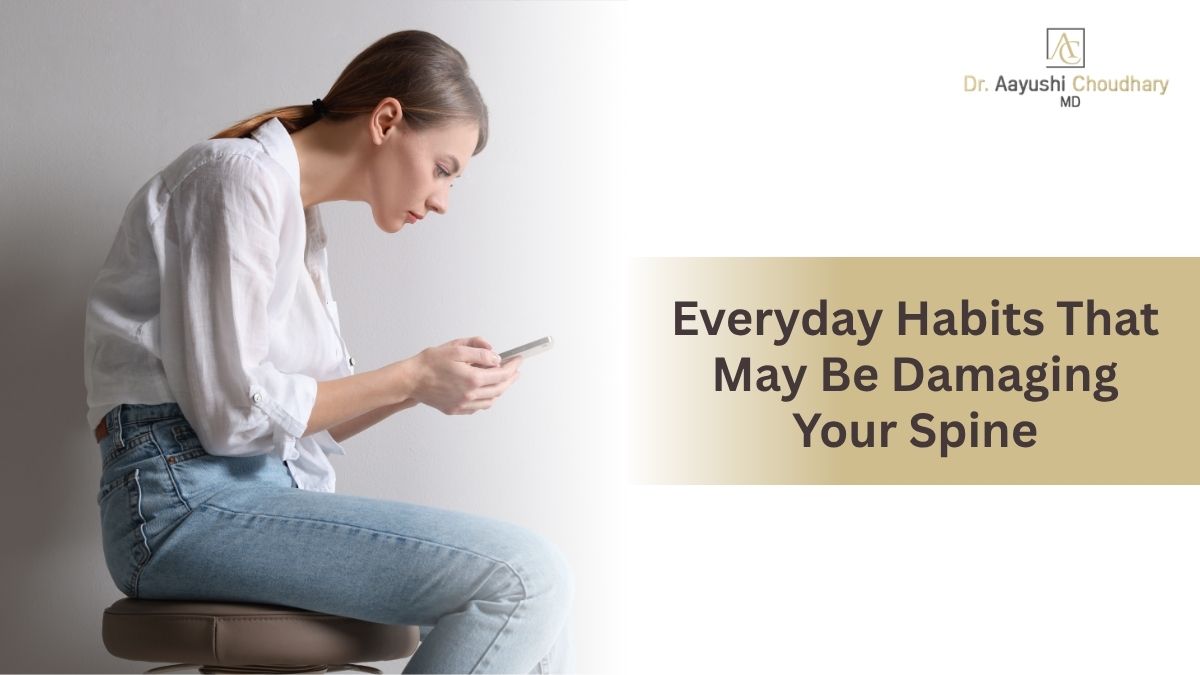
Your spine is one of the most important structures in your body. It supports your posture, protects the spinal cord, and enables movement. However, many people unknowingly engage in daily habits that put excessive strain on their spine, leading to chronic back pain, neck pain, poor posture, and long-term spinal problems.
From prolonged sitting to excessive mobile phone usage, seemingly harmless activities can gradually damage spinal health. Understanding these habits can help you take proactive steps to protect your spine and improve your overall quality of life.
Why Spine Health Matters
The spine consists of vertebrae, discs, muscles, ligaments, and nerves that work together to provide stability and flexibility. When the spine is subjected to repeated stress or poor posture, it can lead to conditions such as:
- Chronic back pain
- Neck pain and stiffness
- Herniated or slipped discs
- Sciatica
- Cervical spondylosis
- Degenerative disc disease
- Postural abnormalities
Maintaining good spinal health is essential for mobility, comfort, and long-term well-being.
1. Sitting for Long Hours
One of the most common habits affecting spinal health is prolonged sitting. Whether you work at a desk, drive frequently, or spend hours watching television, sitting for extended periods increases pressure on the spinal discs.
How It Affects Your Spine
- Weakens core and back muscles
- Increases stress on the lower back
- Promotes poor posture
- Reduces spinal flexibility
What You Can Do
- Stand and stretch every 30–60 minutes
- Use an ergonomic chair
- Maintain proper lumbar support
- Keep your feet flat on the floor
2. Looking Down at Your Phone for Extended Periods
The modern lifestyle has introduced a condition often called "Tech Neck." Constantly looking down at smartphones and tablets places excessive stress on the cervical spine.
Warning Signs
- Neck stiffness
- Shoulder pain
- Headaches
- Upper back discomfort
Prevention Tips
- Hold your phone at eye level
- Take regular screen breaks
- Perform neck stretching exercises
- Maintain proper posture while using devices
3. Poor Posture While Working
Slouching while sitting or standing can gradually alter spinal alignment. Poor posture puts unnecessary pressure on spinal muscles, joints, and discs.
Common Posture Mistakes
- Rounded shoulders
- Forward head posture
- Leaning toward computer screens
- Sitting without back support
How to Improve
- Keep your shoulders relaxed
- Align your ears over your shoulders
- Position your monitor at eye level
- Sit with your back supported
4. Lifting Heavy Objects Incorrectly
Many spinal injuries occur because people lift heavy items using their back instead of their legs.
Risks
- Muscle strains
- Ligament injuries
- Herniated discs
- Acute lower back pain
Safe Lifting Techniques
- Bend your knees
- Keep the load close to your body
- Avoid twisting while lifting
- Use both hands for stability
5. Sleeping in the Wrong Position
Sleep is a time for spinal recovery. However, poor sleeping positions can place stress on the spine and contribute to pain.
Positions That May Cause Problems
- Sleeping on your stomach
- Using excessively high pillows
- Sleeping on an unsupportive mattress
Spine-Friendly Sleeping Habits
- Sleep on your back or side
- Use a supportive mattress
- Choose a pillow that maintains neck alignment
6. Lack of Physical Activity
A sedentary lifestyle weakens the muscles that support the spine. Weak muscles make the spine more vulnerable to injuries and chronic pain.
Benefits of Regular Exercise
- Strengthens core muscles
- Improves posture
- Enhances spinal flexibility
- Reduces risk of back pain
Recommended Activities
- Walking
- Swimming
- Yoga
- Stretching exercises
- Core strengthening workouts
7. Carrying Heavy Bags on One Shoulder
Frequently carrying heavy backpacks, handbags, or laptop bags on one side of the body creates uneven pressure on the spine.
Possible Consequences
- Muscle imbalance
- Shoulder pain
- Neck strain
- Spinal misalignment
Better Alternatives
- Use backpacks with both straps
- Minimize unnecessary weight
- Alternate shoulders regularly
8. Ignoring Early Signs of Back or Neck Pain
Many people dismiss mild back or neck discomfort, assuming it will go away on its own. However, persistent pain may indicate an underlying spinal condition.
Symptoms That Should Not Be Ignored
- Pain lasting more than a few weeks
- Numbness or tingling
- Radiating leg or arm pain
- Difficulty walking
- Weakness in limbs
Early evaluation can prevent minor issues from becoming serious spinal problems.
9. Being Overweight
Excess body weight places additional stress on the spine, particularly the lower back. Over time, this increased load can accelerate spinal degeneration and contribute to chronic pain.
Maintaining a Healthy Weight Helps
- Reduce spinal pressure
- Improve mobility
- Lower inflammation
- Enhance overall spinal function
10. Stress and Muscle Tension
Stress doesn't just affect mental health—it can also impact your spine. Emotional stress often leads to muscle tightness in the neck, shoulders, and back.
Stress-Related Symptoms
- Neck stiffness
- Upper back pain
- Muscle spasms
- Tension headaches
Ways to Manage Stress
- Regular exercise
- Meditation
- Deep breathing techniques
- Adequate sleep
How to Protect Your Spine Every Day
Maintaining spinal health doesn't require major lifestyle changes. Small adjustments can make a significant difference.
Daily Spine Care Tips
- Maintain proper posture
- Stay physically active
- Take breaks from sitting
- Use ergonomic workstations
- Sleep on a supportive mattress
- Lift objects safely
- Maintain a healthy body weight
- Stay hydrated
- Stretch regularly
When Should You See a Spine Specialist?
While occasional discomfort may resolve with rest and lifestyle modifications, certain symptoms require professional medical evaluation.
Consult a spine specialist if you experience:
- Persistent back or neck pain
- Pain that interferes with daily activities
- Numbness or tingling in arms or legs
- Weakness in the limbs
- Difficulty walking or balancing
- Pain following an injury or accident
Early diagnosis and treatment can help prevent complications and improve long-term outcomes.
Conclusion
Many everyday habits can gradually damage your spine without you realizing it. Poor posture, prolonged sitting, excessive screen time, improper lifting techniques, and a lack of exercise are among the leading contributors to spinal problems.
By recognizing these habits and making simple lifestyle changes, you can protect your spine, reduce pain, and maintain better mobility for years to come. Prioritizing spinal health today can help prevent serious complications in the future.
If you are experiencing persistent back pain, neck pain, sciatica, cervical issues, or other spine-related conditions, seeking expert medical care is important for accurate diagnosis and effective treatment.
Dr. Aayushi Choudhary is a trusted Spine Specialist Doctor in Jaipur, offering comprehensive evaluation and treatment for various spinal disorders. Whether you are dealing with chronic back pain, disc problems, cervical spondylosis, or sciatica, timely consultation can help you regain mobility and improve your quality of life.
Book an appointment with Dr. Aayushi Choudhary to receive personalized spine care and guidance for a healthier, pain-free life.
 Understanding Spine Disorders: Expert Care by a Spine Specialist
 What Causes Knee Pain? Symptoms, Diagnosis & Effective Relief
 ACL Injury Treatment: Causes, Diagnosis, and Modern Recovery Options
.jpg) How Lifestyle Choices Impact Your Risk of Stroke
How Lifestyle Choices Impact Your Risk of Stroke ACL Tear Treatment Options: Surgery vs. Non-Surgical Approaches Explained
 How Do You Know If Knee Pain Is Serious?
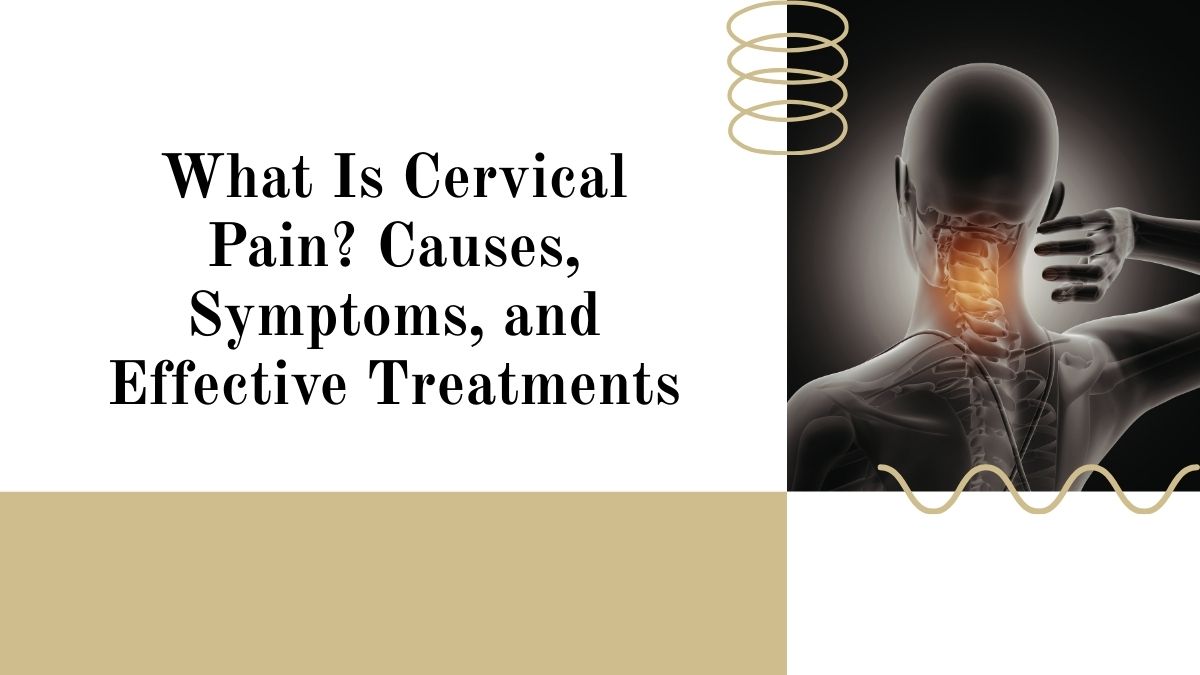 What Is Cervical Pain? Causes, Symptoms, and Effective Treatments
 When Should You Consult a Pain Specialist? Signs You Should Not Ignore
 What Causes Shoulder Pain? Symptoms & Treatment
 Common Sports Injuries and How to Prevent Them: A Complete Guide
 Don’t Ignore These Signs of Paralysis – It Could Be Serious
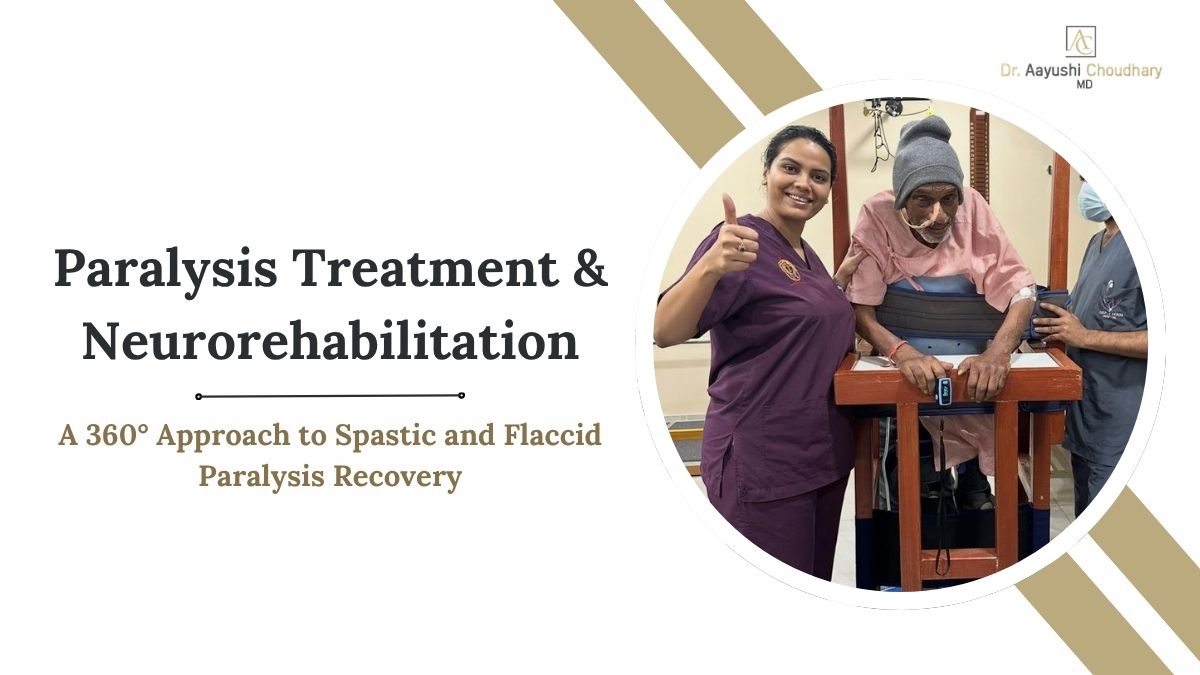 Paralysis Treatment & Neurorehabilitation: A 360° Approach to Spastic and Flaccid Paralysis Recovery
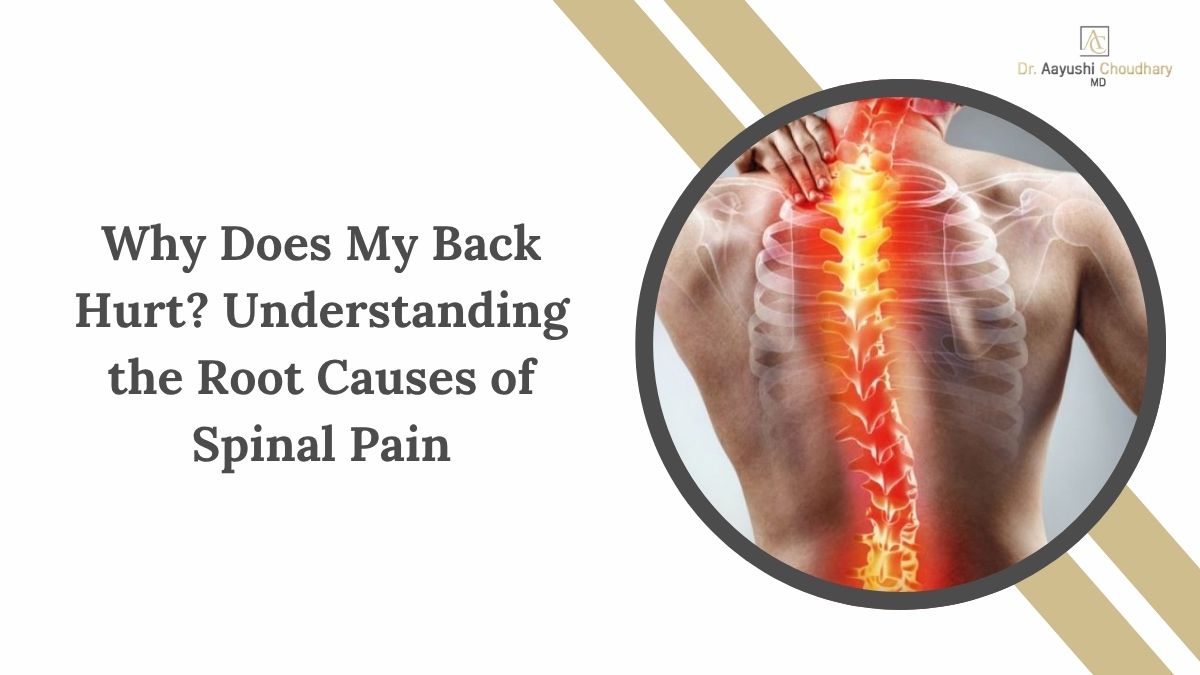 Why Does My Back Hurt? Understanding the Root Causes of Spinal Pain
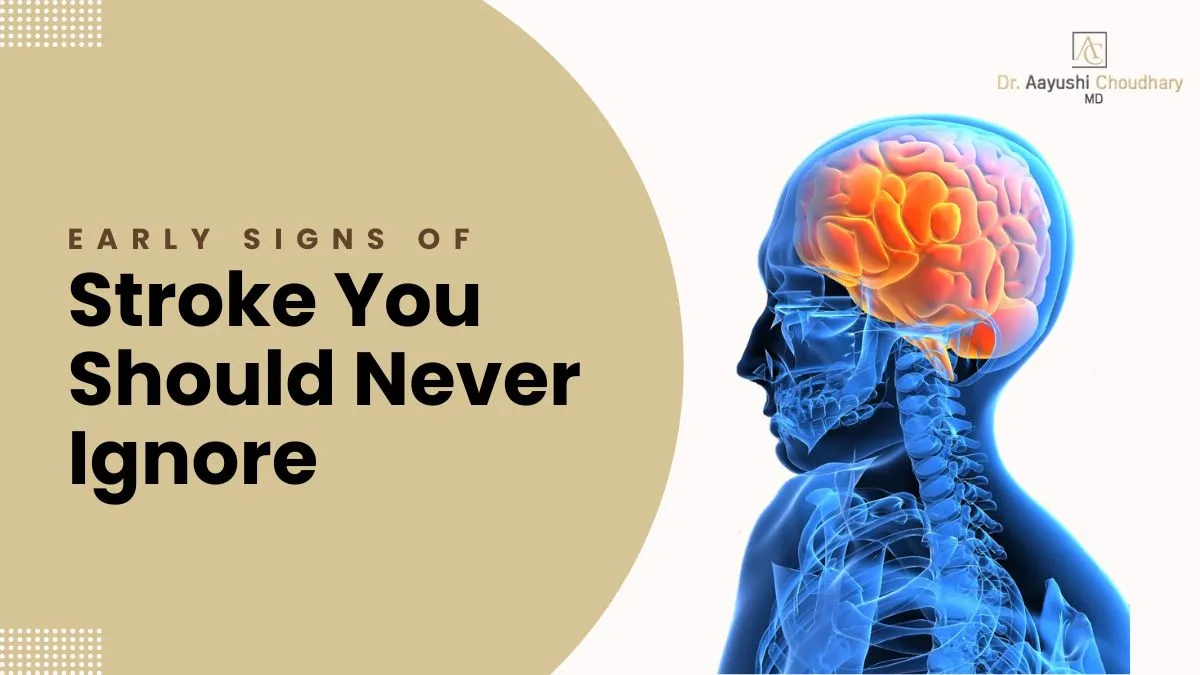 Top 10 Early Signs of Stroke You Should Never Ignore
 Daily Activity Tips to Manage Frozen Shoulder Pain
 When Kids with Cerebral Palsy Grow Up: A Simple Guide for Families
 How to Safely Return to Sports After an ACL Injury
 Knee Pain Dos and Don’ts: Best Practices for Pain Management
 Why Are Young People Suffering from Chronic Back Pain?
 8 Common Causes of Neck Pain & Effective Treatment Options
 Pain Management: When to Visit a Pain Specialist or Pain Hospital
 Comprehensive Guide to Managing Musculoskeletal Pain and Body Aches
 Neck Pain Treatment for Working Professionals: Daily Care Tips
 Got Injured While Playing Sports? Here’s What to Do Next
 Knee Pain While Walking? Here Are The 5 Most Common Causes
 How Can People With Cerebral Palsy Improve Their Quality of Life?
 How Long Does ACL Injury Treatment Take? Recovery Explained
 How Does Paralysis Begin & What Treatments Help Recovery?
 Why Is Early Pain Treatment Important for Better Recovery?
 How Can You Tell If Your Knee Pain Needs Medical Attention?
 How Screen Time and Mobile Usage Trigger Cervical Pain?
 Best Ways to Manage Slip Disc and Improve Spine Health
 Body Ache: Symptoms, Causes and Treatment Explained
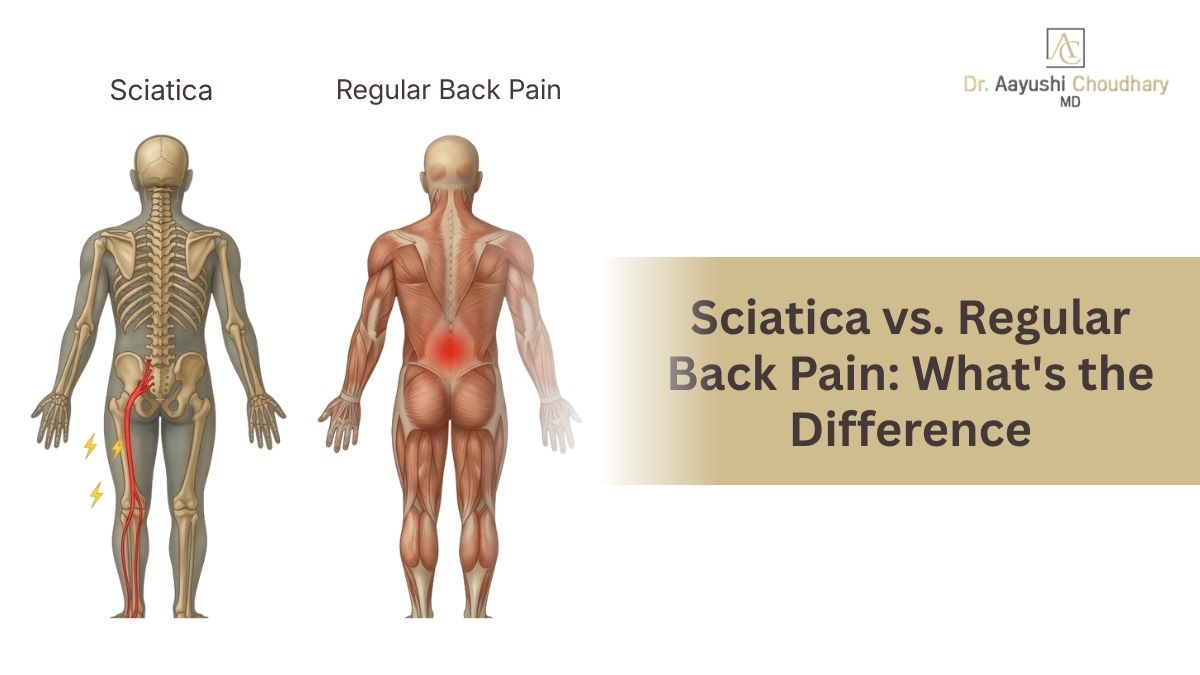 Sciatica vs. Regular Back Pain: What's the Difference? | Expert Guide
 Why Is Joint Pain More Common in Women? | Expert Medical Guide
 Why Do Gym Injuries Happen? | Expert Medical Guide
 Spine Preservation: Why the Future of Medicine Is About Preserving the Human Spine, Not Replacing It
 Rehabilitation: The Missing Fourth Pillar of Modern Medicine-Why the Future of Healthcare Is Not Just About Saving Lives, But Restoring Them
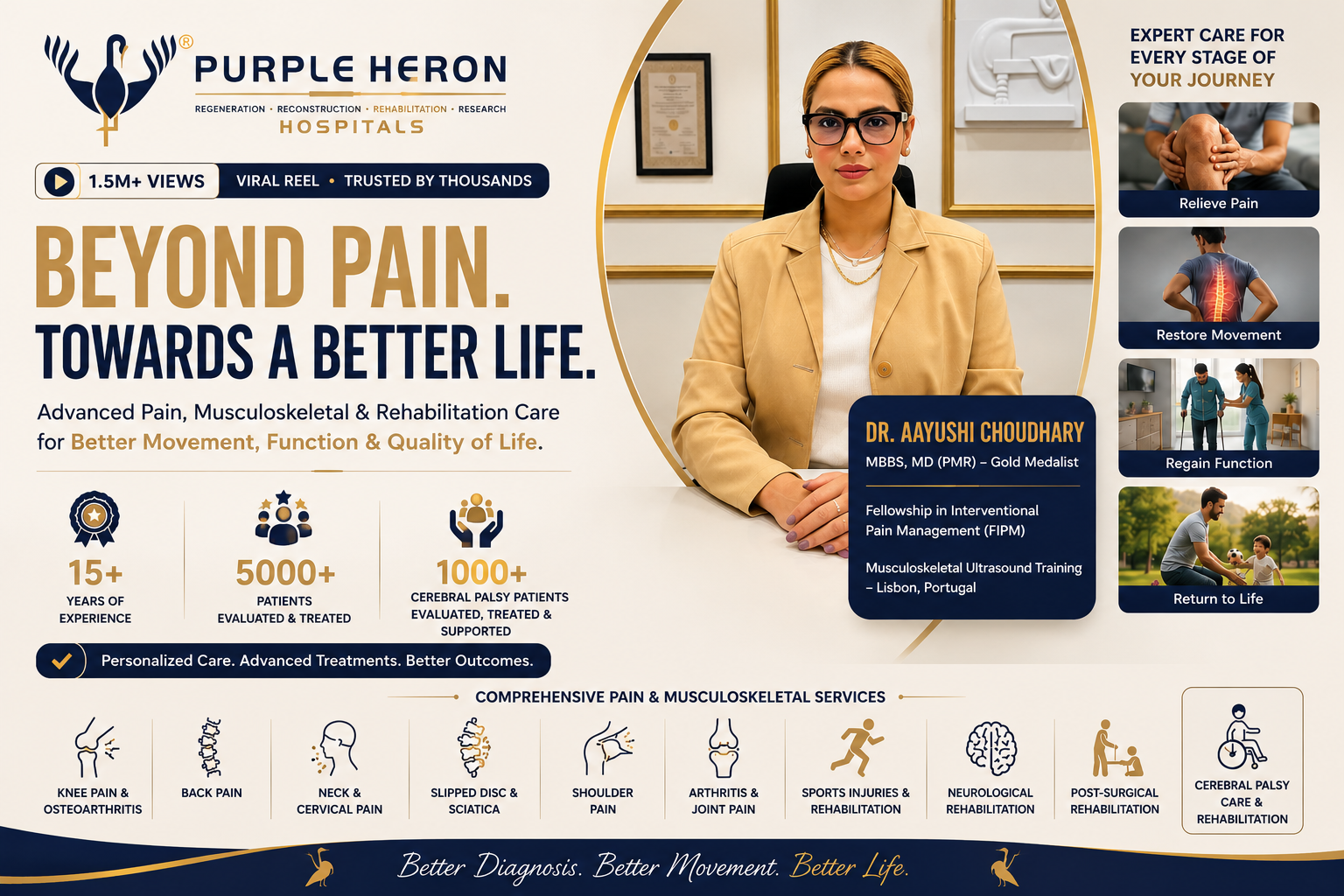 Advanced Pain & Musculoskeletal Care by Dr. Aayushi Choudhary in Jaipur
 Interventional Pain Medicine: Pain Is Not Enemy; Rather Body's Language. Why Does Future of Pain Medicine Lie in Treating Cause, Not Silencing Symptom?
 Cerebral Palsy Is Not a Deformity Problem, a Movement Problem. Why Correcting a Child’s Legs Does Not Always Help Them Walk?
 Regenerative Medicine: The Future of Healthcare Will Not Be Replacement but Preservation. Why Next Decade in Medicine Will Be Defined by Saving Human Tissue, Not Simply Replacing It
 Best ACL Doctor in Jaipur for Complete Musculoskeletal Care
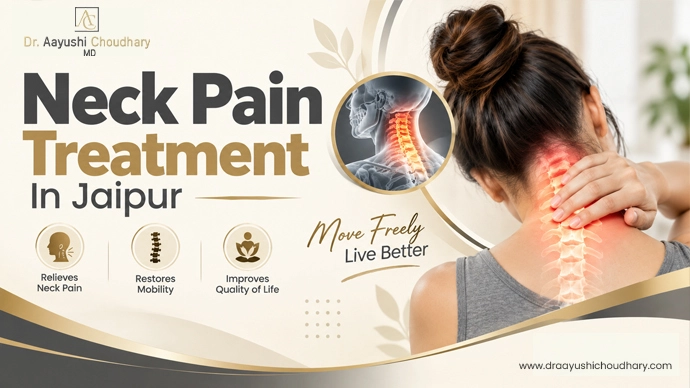 Neck Pain Treatment in Jaipur: Causes, Symptoms and Care
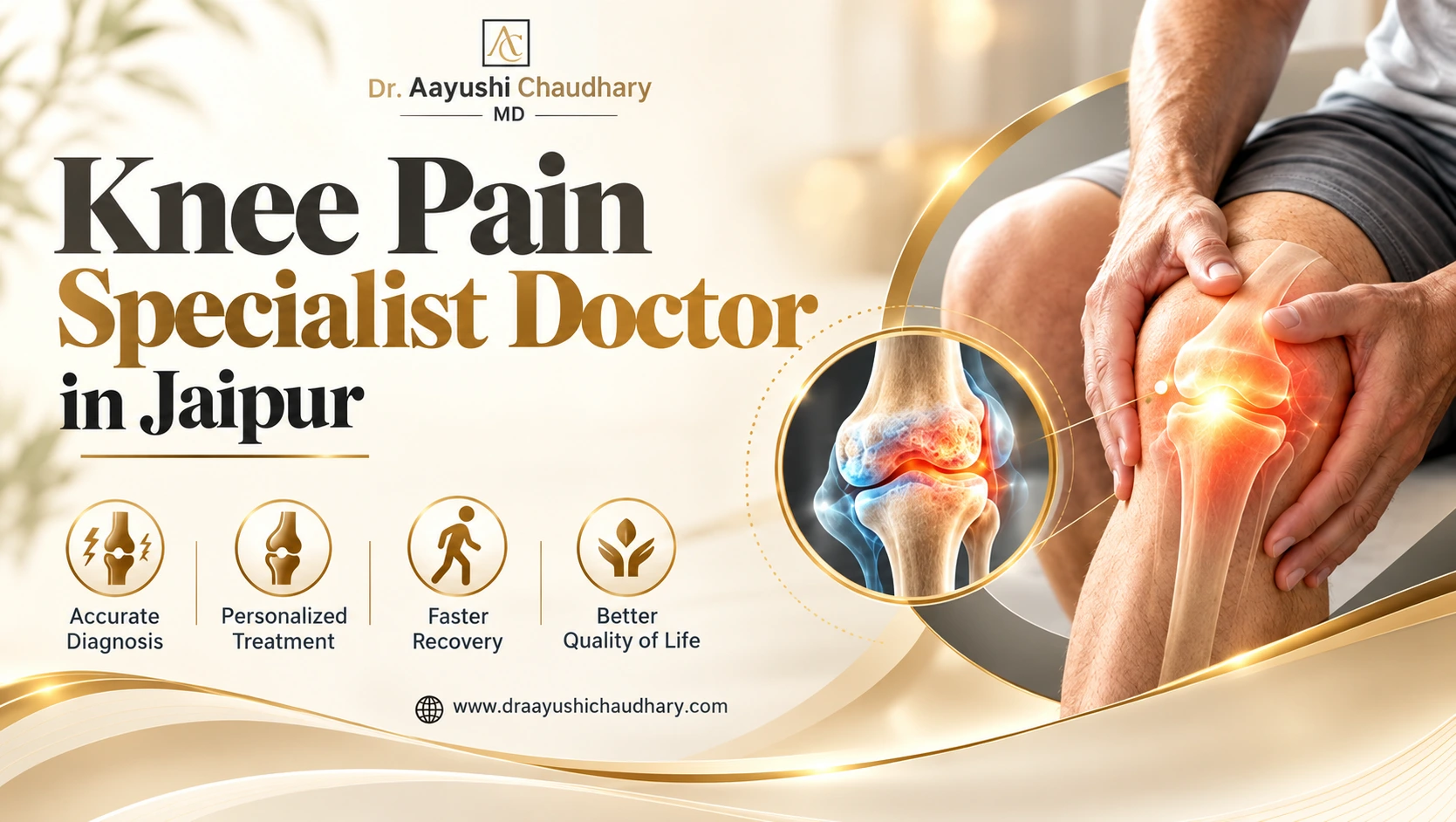 When Should You See a Knee Pain Specialist? Understanding the Causes, Advanced Treatment and Personalised Recovery
 Stroke Treatment in Jaipur: A Practical Guide to Recovery and Rehabilitation
 How Can Paralysis Rehabilitation in Jaipur Improve Strength, Mobility, and Everyday Function? A Patient-Focused Overview of Recovery and Care
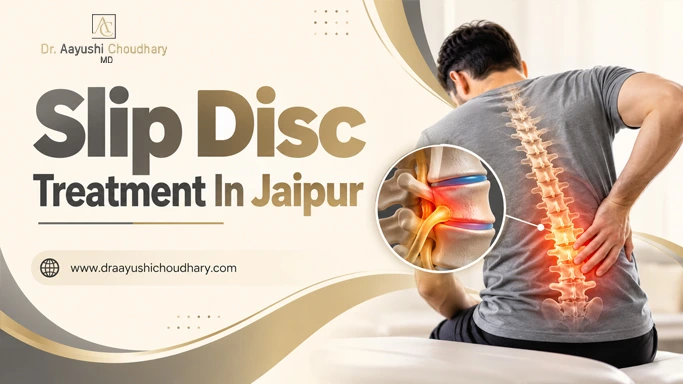 Can Slip Disc Treatment in Jaipur Help You Avoid Surgery? Understanding Conservative Care Options