
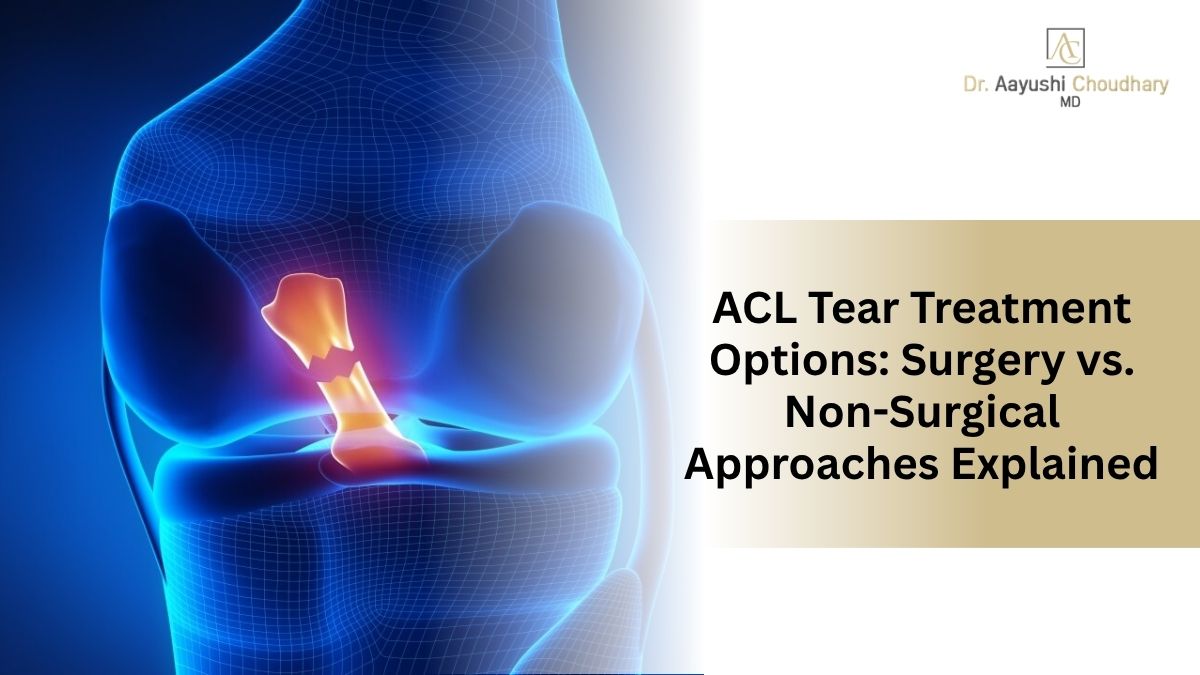
An ACL (Anterior Cruciate Ligament) tear is one of the most common yet serious knee injuries, especially among athletes and active individuals. If you’re searching for ACL injury treatment in Jaipur, understanding your treatment options—surgical vs. non-surgical—is essential for making an informed decision. This guide breaks down both approaches in a clear, educational, and patient-focused way.
What Is an ACL Tear?
The ACL is a crucial ligament in the knee that stabilizes forward and rotational movement. Injuries often occur during sudden stops, pivots, or awkward landings. Symptoms typically include:
- A “popping” sound at the time of injury
- Knee swelling and instability
- Difficulty walking or bearing weight
- Reduced range of motion
Early diagnosis by a best ACL doctor in Jaipur is critical to prevent long-term damage.
Diagnosis and Evaluation
Before deciding on treatment, a thorough evaluation is required. This includes:
- Physical examination (Lachman test, pivot shift test)
- MRI scan to assess ligament damage
- X-rays to rule out fractures
A qualified ACL doctor in Jaipur or Pain Specialist will determine the severity—partial tear, complete tear, or associated injuries (like meniscus damage).
Non-Surgical ACL Treatment (Conservative Management)
Not all ACL injuries require surgery. In selected cases, non-surgical treatment can be effective.
Who Is It Suitable For?
- Individuals with partial ACL tears
- Patients with low physical activity levels
- Older adults or those with medical risks for surgery
- People without knee instability
Key Components of Non-Surgical Treatment
1. Physiotherapy & Rehabilitation
A structured rehab program focuses on strengthening muscles around the knee, especially the quadriceps and hamstrings.
2. Bracing
Knee braces provide external stability during movement.
3. Activity Modification
Avoiding high-impact sports like football, basketball, or running.
4. Pain Management
A Pain Specialist in Jaipur may recommend medications or injections to control inflammation and discomfort.
Pros of Non-Surgical Treatment
- No surgical risks
- Lower cost
- Faster initial recovery
Limitations
- Risk of knee instability
- Higher chance of future injuries
- Not suitable for athletes or active individuals
Surgical ACL Treatment (ACL Reconstruction)
Surgery is often recommended for complete ACL tears, especially in active individuals.
When Is Surgery Needed?
- Complete ACL tear
- Persistent knee instability
- Desire to return to sports or high activity levels
- Associated injuries (meniscus/cartilage damage)
Types of ACL Surgery
1. Arthroscopic ACL Reconstruction
A minimally invasive procedure where the torn ligament is replaced with a graft.
2. Graft Options
- Autograft (from patient’s own body – hamstring or patellar tendon)
- Allograft (donor tissue)
Your best ACL doctor in Jaipur will recommend the most suitable option.
Surgical Procedure Overview
- Performed using small incisions (arthroscopy)
- Torn ligament is removed and replaced with a graft
- Fixation using screws or implants
- Typically takes 1–2 hours
Recovery After ACL Surgery
Recovery is structured and requires commitment:
Phase 1: Initial Recovery (0–2 weeks)
- Pain and swelling control
- Gentle movement exercises
Phase 2: Rehabilitation (2–12 weeks)
- Strengthening and flexibility training
Phase 3: Advanced Training (3–6 months)
- Balance, agility, and sport-specific exercises
Return to Sports: Usually after 6–9 months, depending on recovery.
Pros of Surgical Treatment
- Restores knee stability
- Enables return to sports
- Reduces risk of further joint damage
Risks to Consider
- Infection (rare)
- Graft failure
- Stiffness or limited mobility
Choosing an experienced ACL doctor in Jaipur significantly minimizes these risks.
Surgery vs. Non-Surgical: Which Is Better?
When comparing surgical and non-surgical options for ACL injuries, there is no one-size-fits-all answer, as the ideal treatment depends on several individual factors. Non-surgical treatment is generally more suitable for individuals with a low activity level, partial ACL tears, and relatively stable knees, particularly in older patients or those who do not engage in high-impact sports. On the other hand, surgical treatment is often recommended for younger or more active individuals, especially those with complete ACL tears and significant knee instability, as it helps restore full function and allows a return to sports or physically demanding activities. Ultimately, the choice between surgery and conservative management should be made after a detailed evaluation and discussion with a qualified Pain Specialist in Jaipur, who can assess your condition, lifestyle, and recovery goals to recommend the most appropriate treatment approach.
Cost of ACL Injury Treatment
The cost varies depending on treatment type:
- Non-surgical treatment: ?10,000 – ?50,000
- ACL surgery: ?80,000 – ?2,50,000
Factors affecting cost include hospital, surgeon expertise, and rehabilitation needs.
Choosing the Best ACL Doctor
When selecting a specialist, consider:
- Experience in arthroscopic surgeries
- Patient reviews and success rates
- Access to advanced technology
- Comprehensive rehabilitation support
A skilled ACL doctor in Jaipur ensures accurate diagnosis and effective recovery planning.
Final Thoughts
ACL injuries can significantly impact your mobility and lifestyle, but the right treatment can restore function and confidence. Whether you choose conservative care or surgery, early intervention and expert guidance are crucial.
If you’re exploring ACL injury treatment in Jaipur, consult a qualified best ACL doctor in Jaipur or Pain Specialist in Jaipur to create a personalized treatment plan that aligns with your lifestyle and recovery goals.
 Understanding Spine Disorders: Expert Care by a Spine Specialist
 What Causes Knee Pain? Symptoms, Diagnosis & Effective Relief
 ACL Injury Treatment: Causes, Diagnosis, and Modern Recovery Options
.jpg) How Lifestyle Choices Impact Your Risk of Stroke
How Lifestyle Choices Impact Your Risk of Stroke How Do You Know If Knee Pain Is Serious?
 What Is Cervical Pain? Causes, Symptoms, and Effective Treatments
 When Should You Consult a Pain Specialist? Signs You Should Not Ignore
 What Causes Shoulder Pain? Symptoms & Treatment
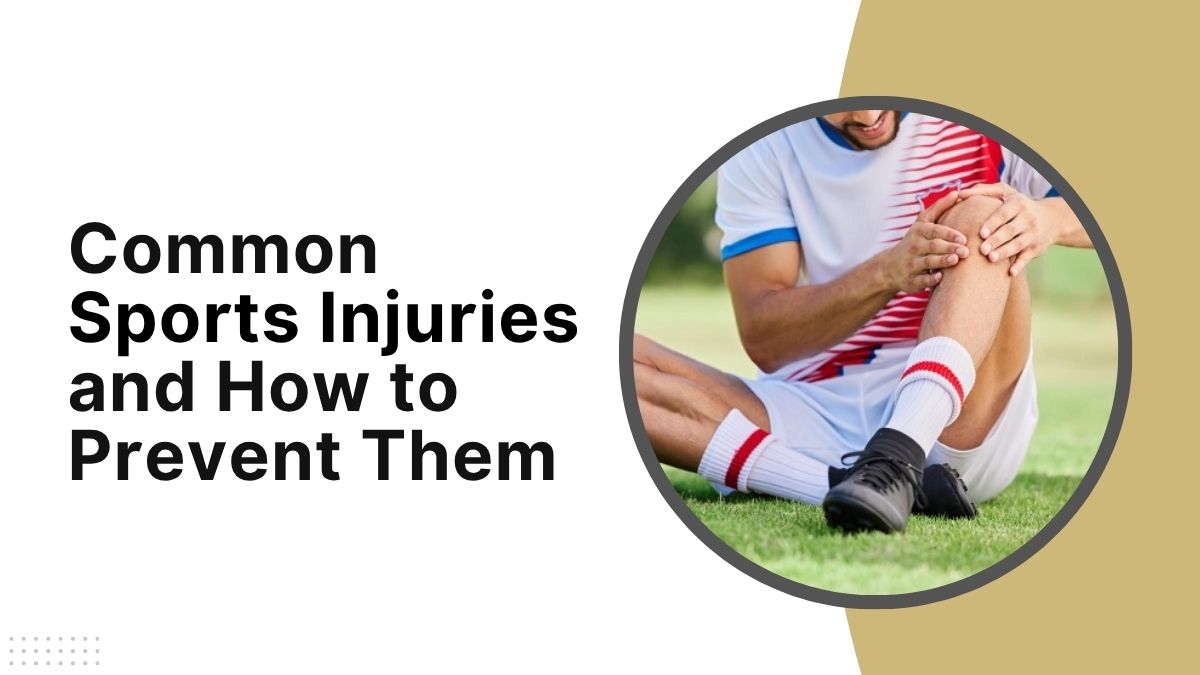 Common Sports Injuries and How to Prevent Them: A Complete Guide
 Don’t Ignore These Signs of Paralysis – It Could Be Serious
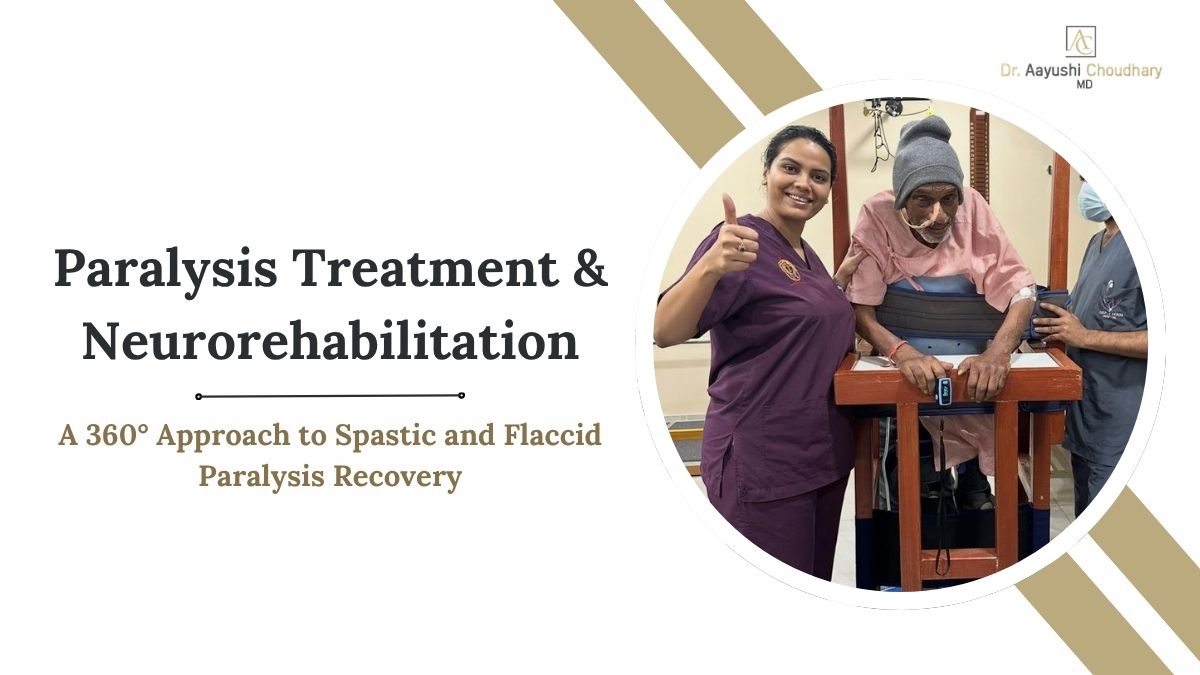 Paralysis Treatment & Neurorehabilitation: A 360° Approach to Spastic and Flaccid Paralysis Recovery
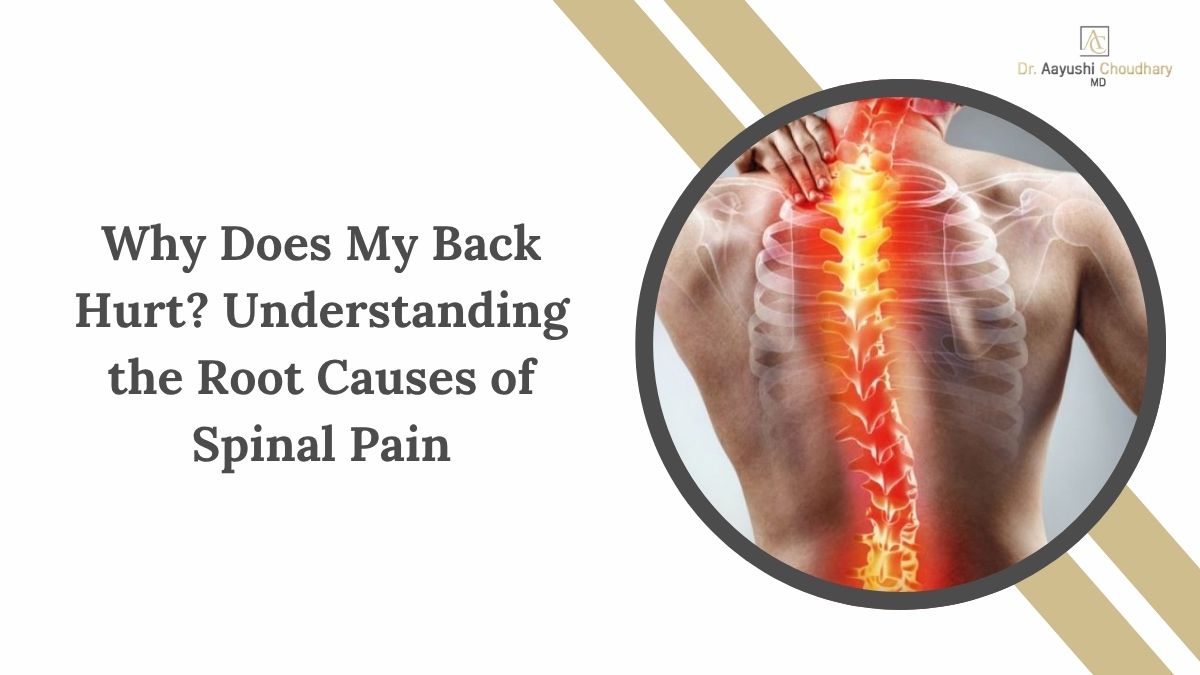 Why Does My Back Hurt? Understanding the Root Causes of Spinal Pain
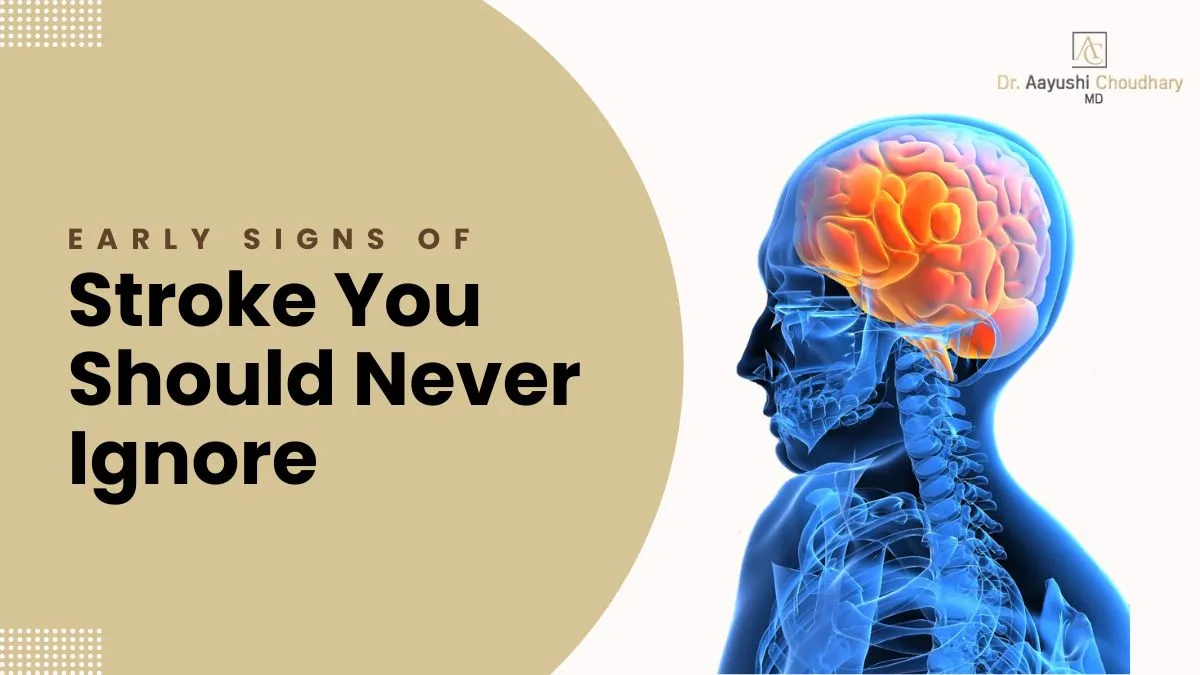 Top 10 Early Signs of Stroke You Should Never Ignore
 Daily Activity Tips to Manage Frozen Shoulder Pain
 When Kids with Cerebral Palsy Grow Up: A Simple Guide for Families
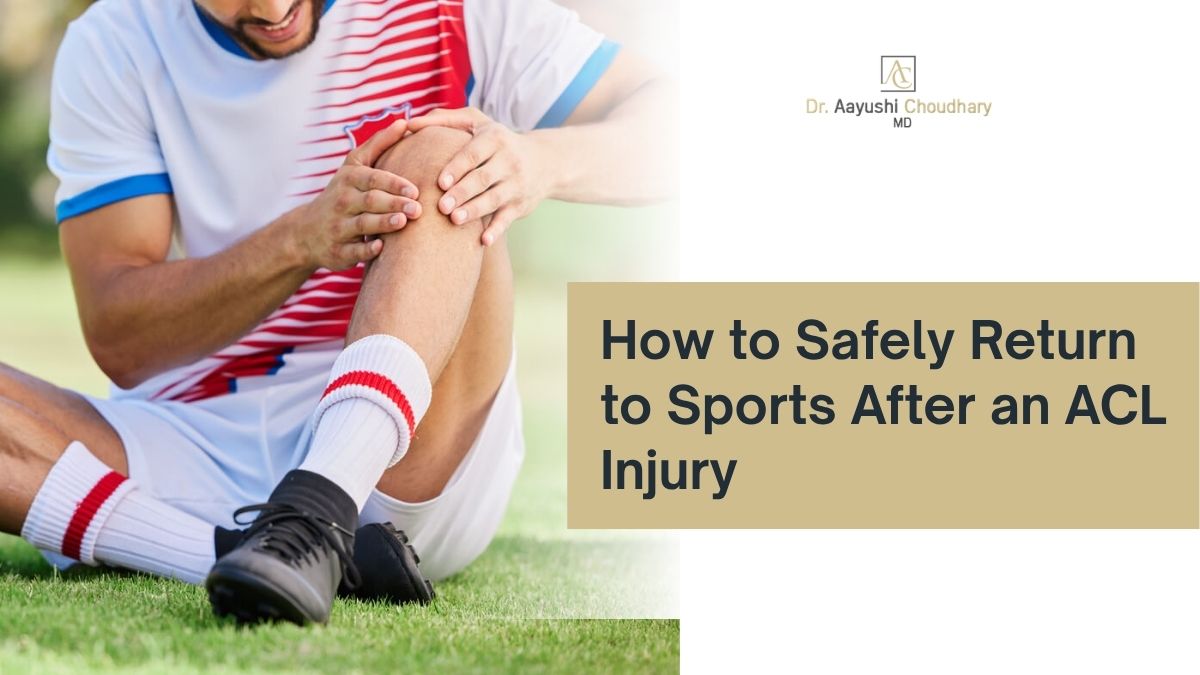 How to Safely Return to Sports After an ACL Injury
 Knee Pain Dos and Don’ts: Best Practices for Pain Management
 Why Are Young People Suffering from Chronic Back Pain?
 8 Common Causes of Neck Pain & Effective Treatment Options
 Pain Management: When to Visit a Pain Specialist or Pain Hospital
 Comprehensive Guide to Managing Musculoskeletal Pain and Body Aches
 Neck Pain Treatment for Working Professionals: Daily Care Tips
 Got Injured While Playing Sports? Here’s What to Do Next
 Knee Pain While Walking? Here Are The 5 Most Common Causes
 How Can People With Cerebral Palsy Improve Their Quality of Life?
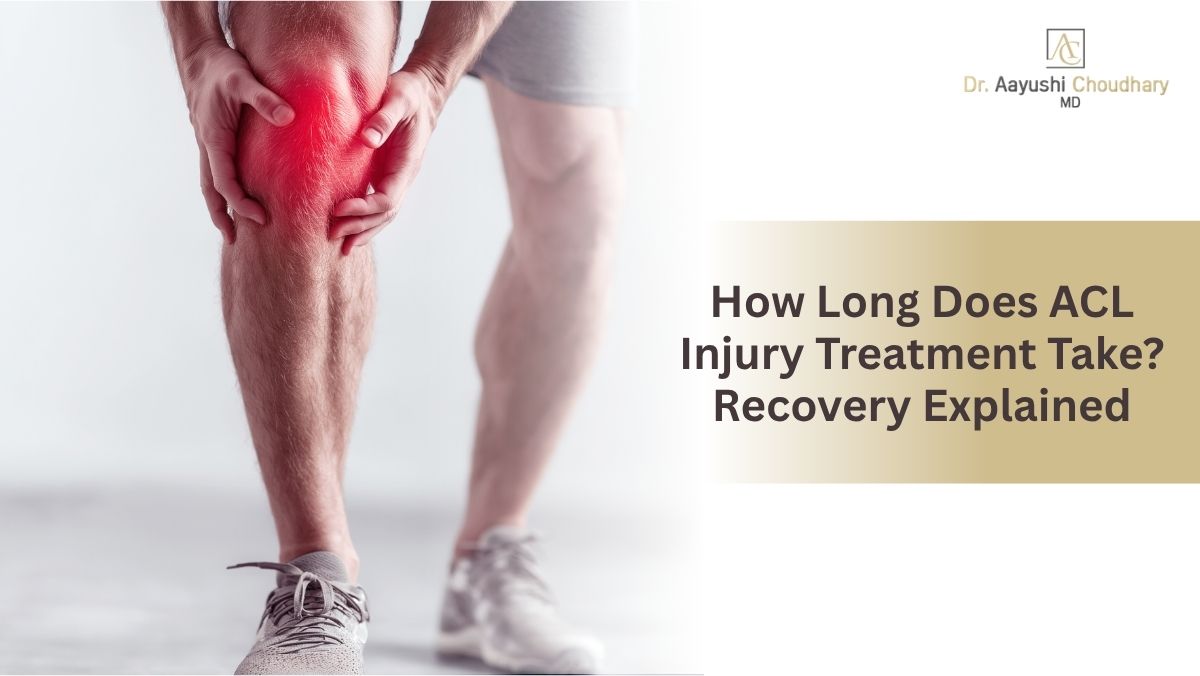 How Long Does ACL Injury Treatment Take? Recovery Explained
 How Does Paralysis Begin & What Treatments Help Recovery?
 Why Is Early Pain Treatment Important for Better Recovery?
 How Can You Tell If Your Knee Pain Needs Medical Attention?
 How Screen Time and Mobile Usage Trigger Cervical Pain?
 Everyday Habits That May Be Damaging Your Spine
 Best Ways to Manage Slip Disc and Improve Spine Health
 Body Ache: Symptoms, Causes and Treatment Explained
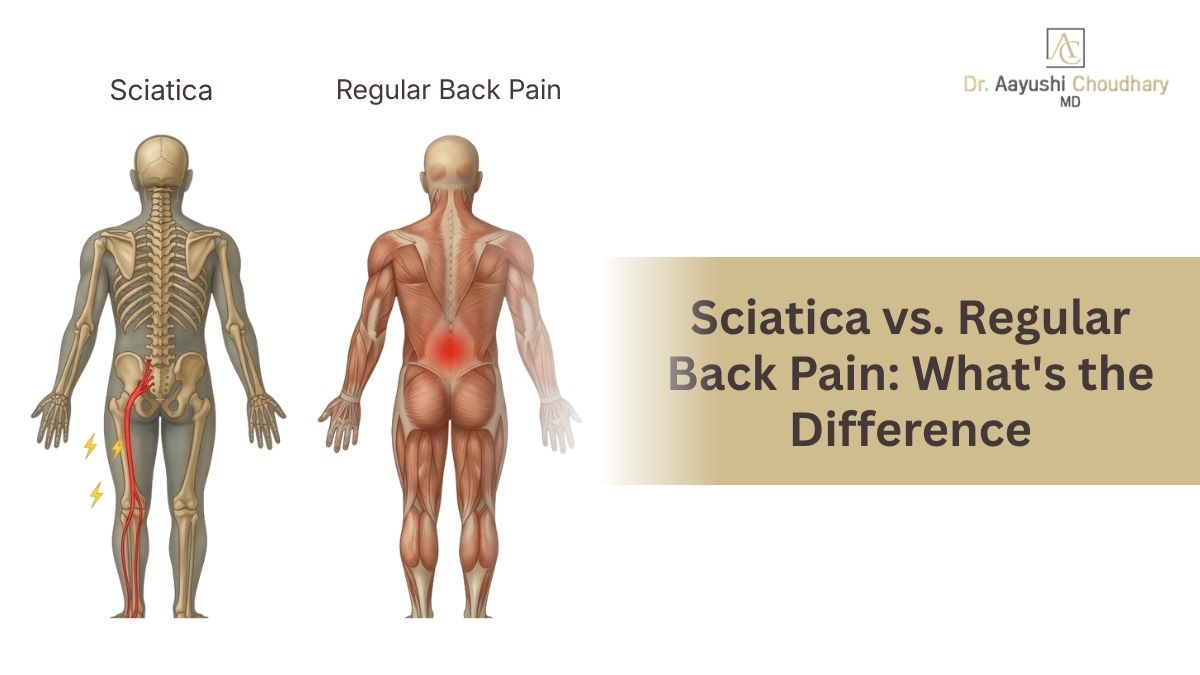 Sciatica vs. Regular Back Pain: What's the Difference? | Expert Guide
 Why Is Joint Pain More Common in Women? | Expert Medical Guide
 Why Do Gym Injuries Happen? | Expert Medical Guide
 Spine Preservation: Why the Future of Medicine Is About Preserving the Human Spine, Not Replacing It
 Rehabilitation: The Missing Fourth Pillar of Modern Medicine-Why the Future of Healthcare Is Not Just About Saving Lives, But Restoring Them
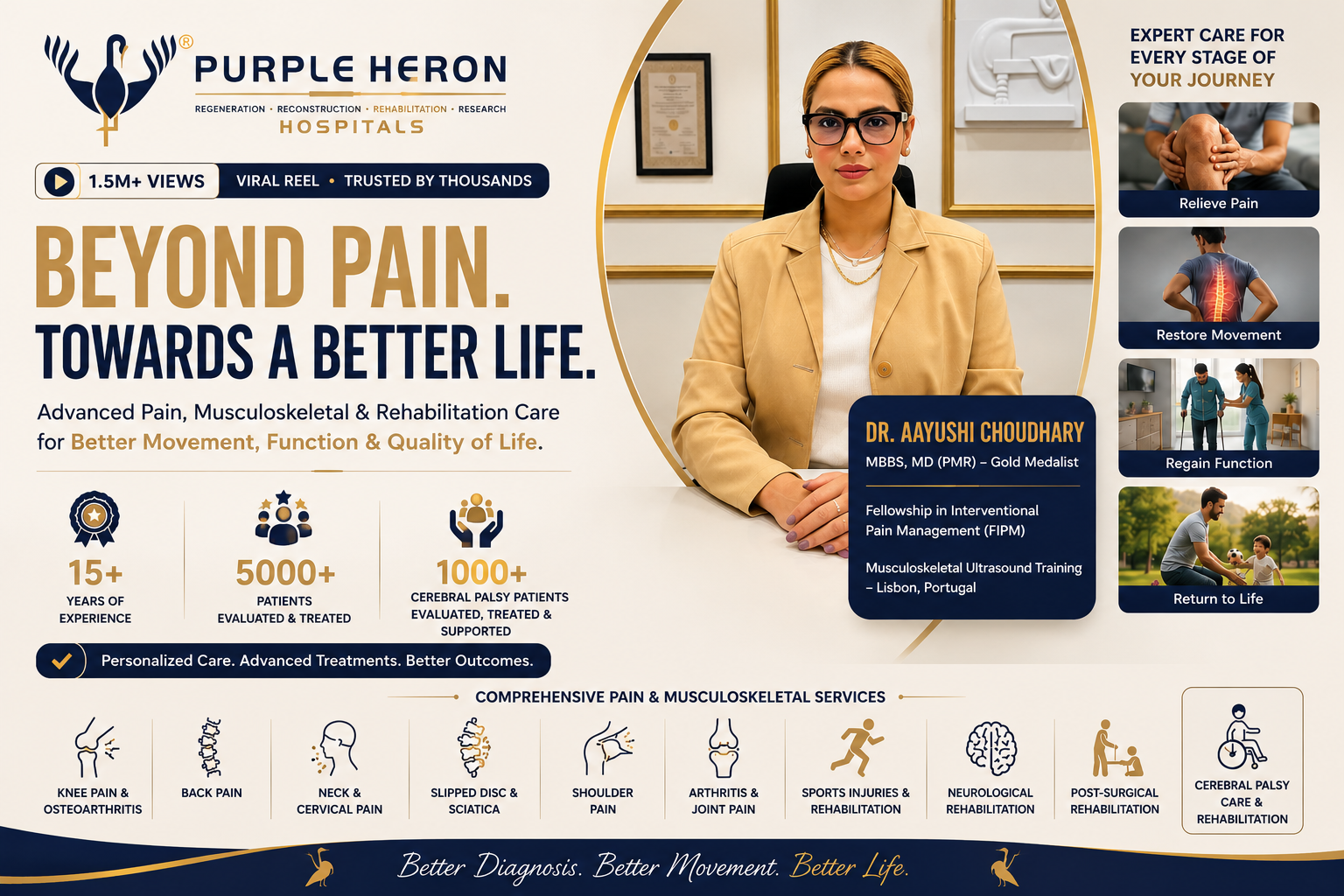 Advanced Pain & Musculoskeletal Care by Dr. Aayushi Choudhary in Jaipur
 Interventional Pain Medicine: Pain Is Not Enemy; Rather Body's Language. Why Does Future of Pain Medicine Lie in Treating Cause, Not Silencing Symptom?
 Cerebral Palsy Is Not a Deformity Problem, a Movement Problem. Why Correcting a Child’s Legs Does Not Always Help Them Walk?
 Regenerative Medicine: The Future of Healthcare Will Not Be Replacement but Preservation. Why Next Decade in Medicine Will Be Defined by Saving Human Tissue, Not Simply Replacing It
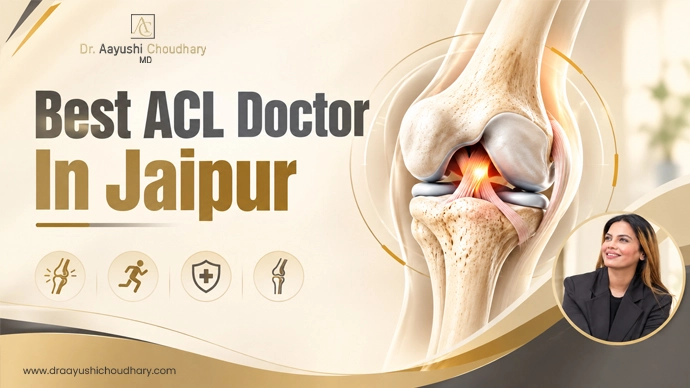 Best ACL Doctor in Jaipur for Complete Musculoskeletal Care