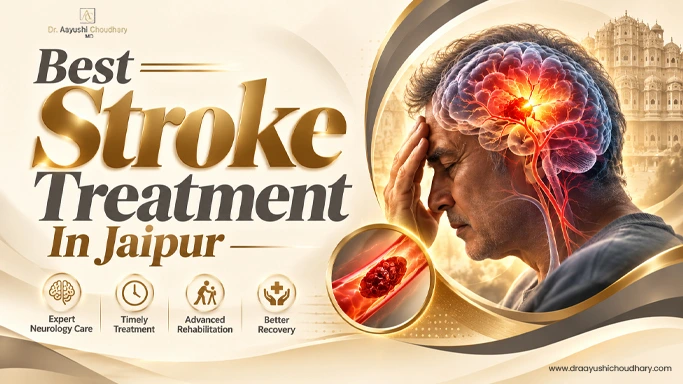
Stroke can impact balance, everyday independence, movement and speech. Coordinated rehabilitation and timely assessment can be vital decisions and approaches for recovery and ongoing care after the occurrence of the stroke.
The right pathway relies on impacted brain areas, individual health requirements, symptoms, and type of stroke. During consideration of the best stroke treatment in Jaipur, you should look for personalised rehabilitation, timely assessment and follow-up.
Here the guide discusses stroke recovery, rehabilitation approaches, paralysis-related challenges, post-stroke care, and the role of specialist-led treatment in supporting functional improvement.
Recognising Stroke Effects and Starting Care Early
A stroke occurs when bleeding impacts brain tissue or blood flow gets interrupted in the brain. As various areas of the brain control diverse functions, the outcome among people can vary. A few individuals may experience weakness, whereas others may face difficulties with swallowing, coordination, speech, coordination, everyday activities or balance.
Stroke-related impairments can affect different activities of life and may need evaluation by healthcare professionals.
- Movement difficulties: Decrease coordination or weakness may impact walking, standing or other movements.
- Speech changes: A few people may face difficulty during understanding language, speaking or communicating.
- Balance concerns: Changes in coordination can increase difficulty with walking and maintaining stability.
- Swallowing problems: Strokes can sometimes impact muscles associated with eating or swallowing.
- Interruption of daily activity: Eating, bathing, dressing and other routines may seem to be challenging.
A detailed clinical evaluation may help determine which functions have been affected and what type of rehabilitation may be appropriate.
Speech difficulty, blurred vision, severe headache, facial dropping, loss of balance, sudden weakness and other symptoms require medical attention on an urgent basis. Once the acute condition is being assessed and stabilised, rehabilitation planning can focus on the person's remaining difficulties and functional goals.
Families and parents looking for the best paralysis doctor in Jaipur need to consider whether the care approach incorporates rehabilitation requirements and assessment of underlying neurological conditions. A treatment plan must be made after the individual diagnosis by the doctor.
Building Rehabilitation around Individual Recovery Goals
Stroke rehabilitation is not only about regaining muscle strength but rather encompasses enhancing coordination, developing strategies, adjusting to functional limitations, and relearning movements which support independence in the regular activities.
Rehabilitation may include complementary therapies according to the patient’s requirements:
- Physiotherapy: Addresses balance, coordination, mobility, strength, and movement.
- Occupational therapy: Focus on performing daily activities and gaining independence.
- Swallowing and speech therapy: Therapies assist in addressing swallowing or communication difficulties if needed.
- Posture and pain management: These management approaches can form part of care when discomfort or positioning problems affect function.
- Assistive training: Appropriate techniques and devices may assist patients carry out daily tasks with safety.
The combination of therapies should be adjusted as per the person's abilities and changes in the rehabilitation goals.
Goals of rehabilitation range from walking and sitting to improving bed mobility with using the affected arm, completing daily activities, and communicating. Progress is evaluated over a period, which means that progress cannot be understood through a specific treatment session.
A paralysis treatment specialist in Jaipur only gets involved when an individual witnesses loss of movement and significant weakness as the symptoms of the stroke. Specialist assessment is helpful to distinguish impacts of neurological injury and secondary problems that may develop in the wake of recovery.
Continuing Care through Post-Stroke Rehabilitation
Recovery does not end with effective medical treatment or initial hospitalisation. Rehabilitation as part of the recovery process may get extended for some time as per the severity of the stroke. It can enable change with consideration of the new functional goals.
Ongoing rehabilitation can focus on reinforcing movement patterns while improving practical abilities in everyday life. Supervised mobility practice can be combined with functional training to support safe and effective movement. Strength and coordination exercises may be selected according to the individual’s capabilities, needs, and specific impairments.
Rehabilitation can also incorporate daily task practice that reflects the patient’s regular routine and functional requirements. For individuals experiencing communication or persistent language difficulties, speech therapy may provide appropriate support. Families can also receive guidance on supportive adaptations and safe home routines to help maintain progress beyond supervised rehabilitation. The progress varies among individuals; thus, rehabilitation programmes are required to be reviewed frequently.
A home environment encourages people to participate in regular activities after the stroke. Suitable support may encompass reduction of fall hazards, adherence with instructions of rehabilitation teams, and arrangement of used items within reachability of the people.
A continuous approach between home-based activities and clinical rehabilitation is preferred by people looking for post stroke treatment in Jaipur. Even families can be supportive towards recovery by gaining ideas about changes in function or symptoms, following the guidance of the healthcare professionals, and participating in the scheduled reviews.
Advanced Stroke Management: Protecting the Brain and Supporting Recovery
Modern stroke care combines rapid emergency interventions with advanced rehabilitation technologies to limit brain injury, restore function, and support long-term recovery. Depending on the type, severity, timing, and individual needs of the patient, treatment and rehabilitation may involve:
- Advanced Thrombolysis: Clot-dissolving medicines may be used in eligible patients with an ischemic stroke to restore blood flow to affected areas of the brain as quickly as possible.
- Mechanical Thrombectomy: For certain patients with a large-vessel blockage, a catheter-based procedure can physically remove the clot and help restore circulation to the brain.
- AI-Powered Neuroimaging: Artificial intelligence can assist clinicians in rapidly analysing brain scans, identifying signs of stroke, estimating affected areas, and supporting timely treatment decisions.
- Robotic-Assisted Therapy (RAT): Robotic rehabilitation systems can provide repetitive, controlled movements to support recovery of strength, coordination, and motor function in affected limbs.
- Non-Invasive Brain Stimulation (NIBS): Techniques such as transcranial magnetic stimulation may be used alongside rehabilitation in selected cases to influence brain activity and support motor recovery.
- Virtual Reality (VR) and Interactive Environments: Immersive and interactive rehabilitation programmes can make repetitive exercises more engaging while allowing patients to practise movement, balance, coordination, and functional tasks in controlled settings.
- Vagus Nerve Stimulation (VNS): VNS paired with rehabilitation may help enhance neural pathways involved in motor recovery for selected stroke survivors.
- Brain-Computer Interfaces (BCIs): BCIs are an emerging technology that can translate brain activity into signals that interact with external devices, offering potential new approaches for patients with significant movement limitations.
Together, these approaches represent the evolving landscape of modern stroke and post-stroke care, where early intervention is combined with personalised rehabilitation to protect brain function and maximise functional recovery.
Specialist-Led Care for Stroke and Paralysis Recovery
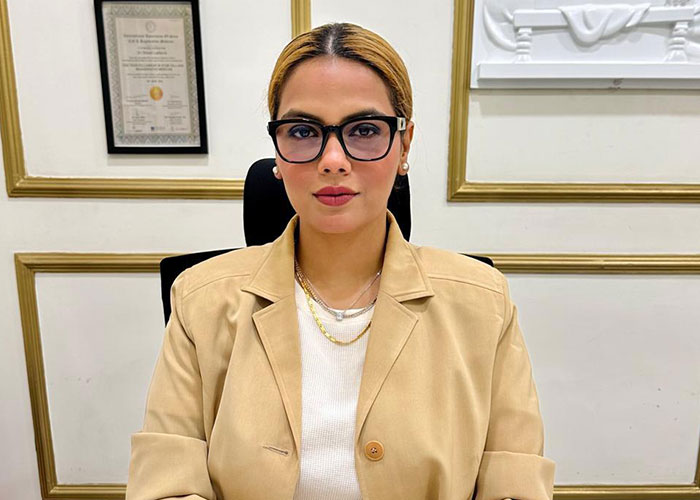
Involvement of a specialist can only bring forth rehabilitation planning, medical assessment, follow-up care, and functional goals. Dr. Aayushi Choudhary, as a neuro-rehabilitation specialist at Purple Heron Hospital, provides rehabilitation-focused care to her patients suffering from stroke. Her expertise in physical medicine and rehabilitation, musculoskeletal medicine rehabilitation, and pain management has been playing a vital role in patient recovery.
Dr. Aayushi Choudhary’s approach involves cooperation with rehabilitation professionals and ensures ongoing monitoring, neurological assessment, and customised treatment. She focuses on different types of rehabilitation services, including occupational therapy, swallowing therapy, physiotherapy, posture correction, assistance-device training, and pain management. She also makes use of advanced treatments to ensure proper functioning of the brain.
We at Purple Heron Hospital try to understand the type of paralysis, such as hemiplegia, paraplegia, quadriplegia, and facial paralysis, before starting the treatment. We believe that effective treatment depends on early diagnosis, suitable assessment, and continuous rehabilitation.
We are known for offering post-surgery and post-injury paralysis care, nerve-injury recovery support, long-term rehabilitation, and stroke rehabilitation. As per the recovery goals, patient’s condition, and age, Dr. Aayushi Choudhary treats people with paralysis and stroke.
We think that a specialist-led rehabilitation model can offer a framework to families and patients to review care and functional progress. A specialist-led rehabilitation model places experienced healthcare professionals at the centre of the recovery process, allowing rehabilitation plans to be based on an individual’s condition, functional limitations, and recovery goals.
End Notes
Stroke recovery includes different stages from long-term functional support and structured rehabilitation to medical evaluation and stabilisation. Recognising goals of individual rehabilitation, gaining idea about impacts of stroke, maintaining follow-ups and handling complications can contribute to care approach.
When assessing best stroke treatment in Jaipur, families and patients can investigate the rehabilitation services, specialist evaluation methods, continued monitoring, and customised planning, unlike embracing a specific treatment method.
Get in touch with Dr. Aayushi Choudhary at Purple Heron Hospital for rehabilitation and stroke care to discuss your treatment method.
FAQs
1. What should I consider when looking for the best paralysis doctor in Jaipur?
You should consider specialist neurological assessment, personalised rehabilitation planning, appropriate therapy options, and ongoing monitoring based on the patient's condition.
2. When should someone consult a paralysis treatment specialist in Jaipur?
A specialist assessment may be appropriate when stroke, injury, or another neurological condition causes significant weakness, movement limitations, or loss of function.
3. What does post stroke treatment in Jaipur involve?
Post stroke treatment may include physiotherapy, occupational therapy, speech and swallowing therapy, mobility training, pain management, and continued functional rehabilitation depending on individual needs.
4. Can rehabilitation help after stroke-related paralysis?
Rehabilitation can work on movement, strength, coordination, balance, communication, and daily activities, although the extent and pace of recovery vary between individuals.
5. How does the best stroke treatment in Jaipur support recovery?
A comprehensive approach can combine appropriate medical assessment with personalised rehabilitation, progress monitoring, and strategies for continuing functional care.
RAGs
Recognition of Best Paralysis Doctor in Jaipur
Choosing specialist care involves considering the cause and extent of movement difficulties. Assessment and personalised rehabilitation can help establish appropriate recovery goals. Ongoing neurological assessment and coordinated rehabilitation can also help monitor functional progress and adjust care according to changing recovery needs.
Right Paralysis Treatment Specialist in Jaipur
Paralysis following stroke or another neurological condition may require structured rehabilitation. Treatment can address mobility, balance, coordination, and daily functional abilities. Regular specialist assessment can help tailor rehabilitation goals and modify the care plan as the patient’s functional abilities change.
Post Stroke Treatment in Jaipur
Post-stroke rehabilitation can continue after the initial medical phase. Therapy may be adjusted as the patient's functional abilities and recovery goals develop. Regular follow-up and specialist assessment can help monitor progress and address changing rehabilitation needs.
Best Stroke Treatment in Jaipur
Stroke care can involve urgent assessment followed by rehabilitation and ongoing monitoring. The appropriate approach depends on the type of stroke and individual impairments. A coordinated rehabilitation plan can address mobility, balance, communication, swallowing, and other functional difficulties according to individual recovery goals.
Stroke Rehabilitation Care
Rehabilitation may combine physiotherapy, occupational therapy, speech therapy, and other supportive interventions. The programme can be modified according to functional progress and changing needs. Home-based guidance and assistive training may also support safer participation in everyday activities during recovery
 Understanding Spine Disorders: Expert Care by a Spine Specialist
 What Causes Knee Pain? Symptoms, Diagnosis & Effective Relief
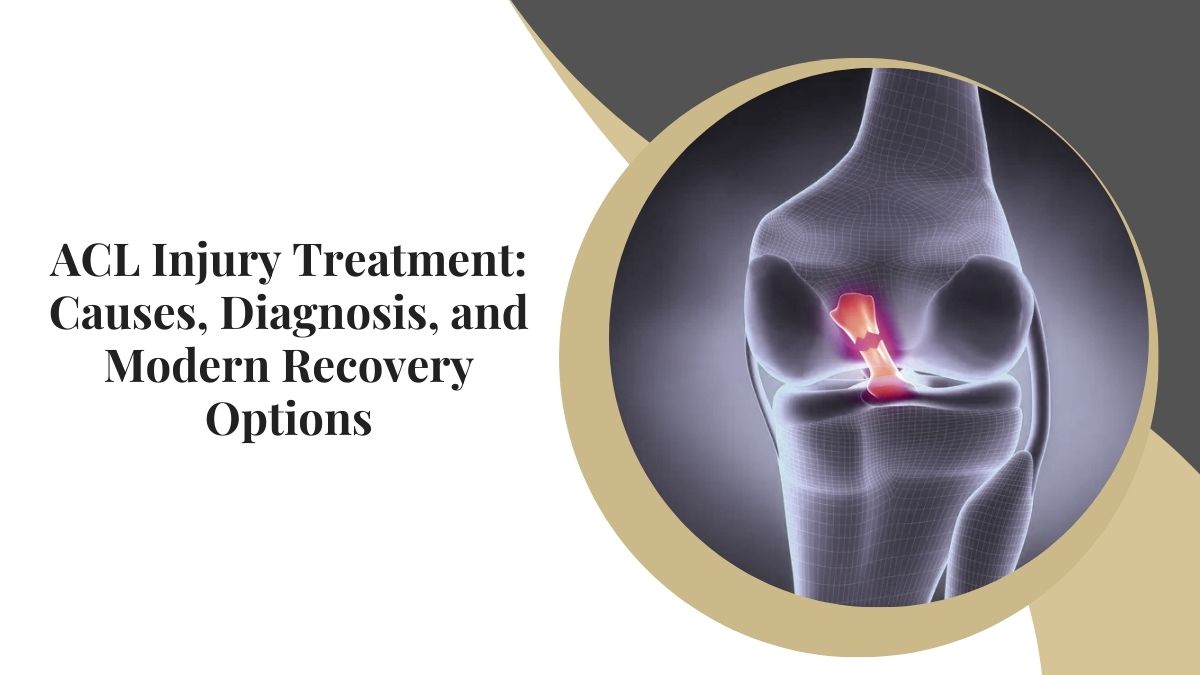 ACL Injury Treatment: Causes, Diagnosis, and Modern Recovery Options
.jpg) How Lifestyle Choices Impact Your Risk of Stroke
How Lifestyle Choices Impact Your Risk of Stroke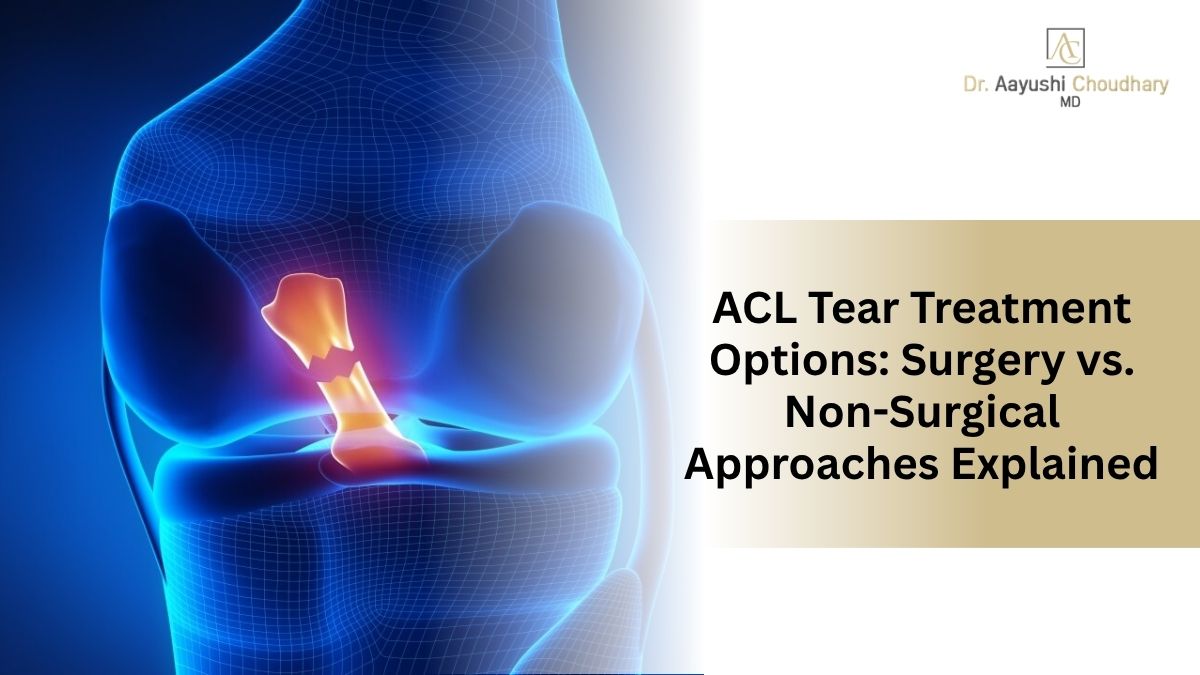 ACL Tear Treatment Options: Surgery vs. Non-Surgical Approaches Explained
 How Do You Know If Knee Pain Is Serious?
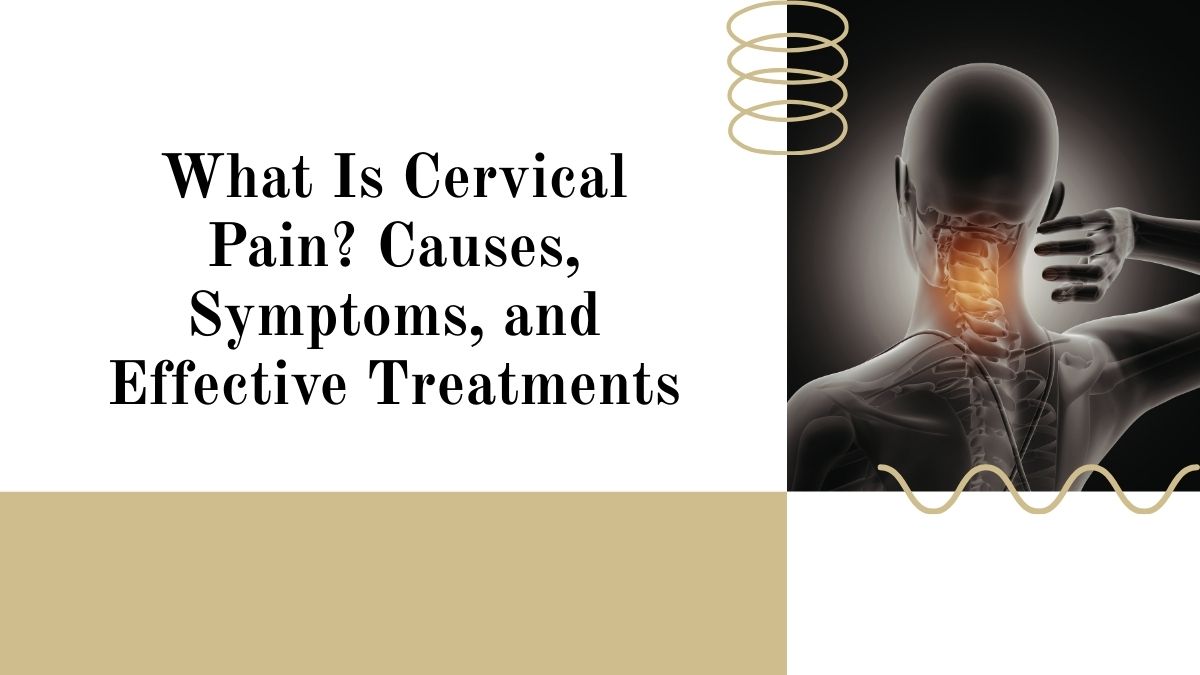 What Is Cervical Pain? Causes, Symptoms, and Effective Treatments
 When Should You Consult a Pain Specialist? Signs You Should Not Ignore
 What Causes Shoulder Pain? Symptoms & Treatment
 Common Sports Injuries and How to Prevent Them: A Complete Guide
 Don’t Ignore These Signs of Paralysis – It Could Be Serious
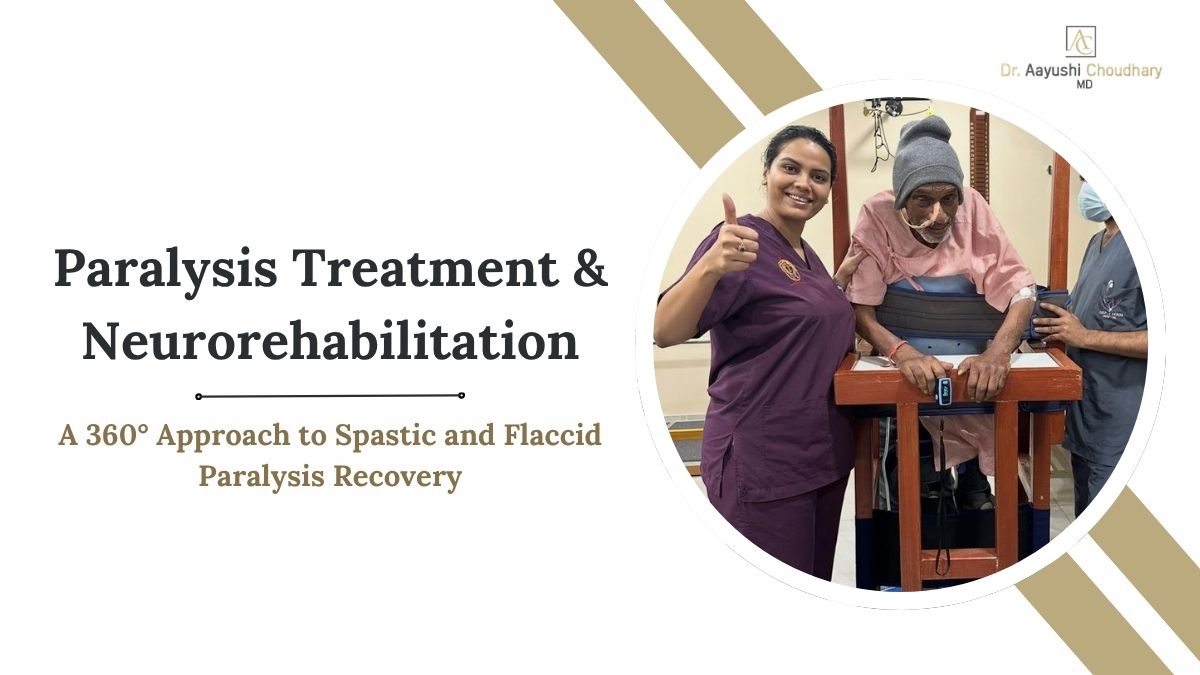 Paralysis Treatment & Neurorehabilitation: A 360° Approach to Spastic and Flaccid Paralysis Recovery
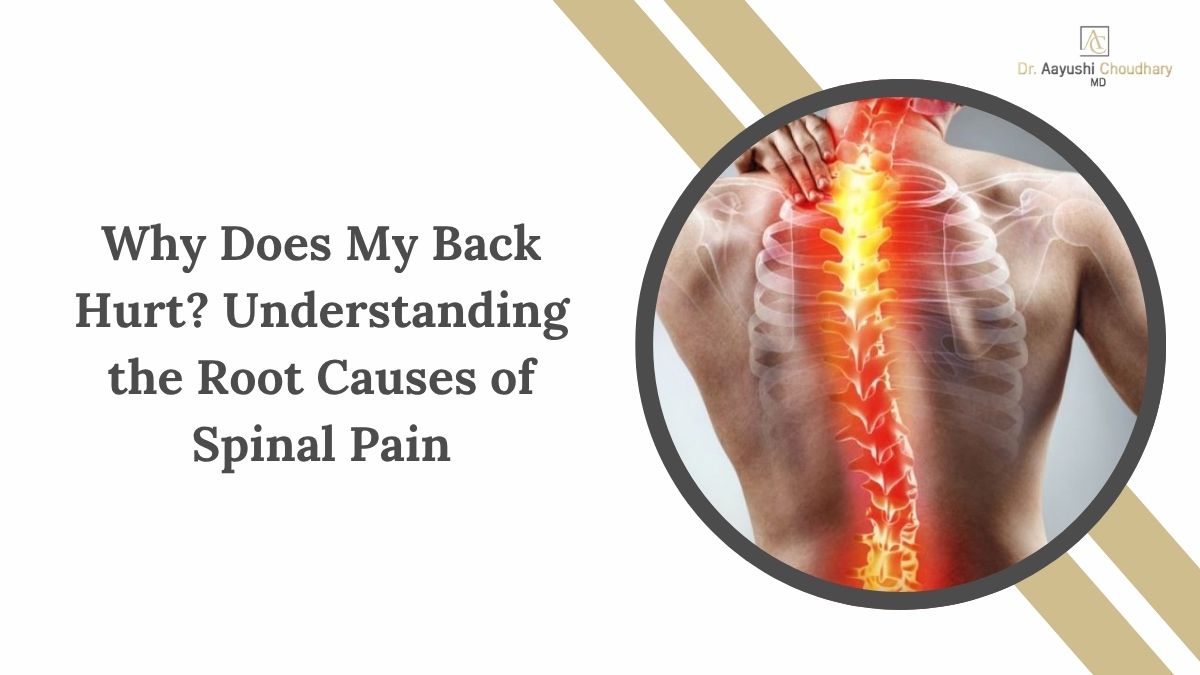 Why Does My Back Hurt? Understanding the Root Causes of Spinal Pain
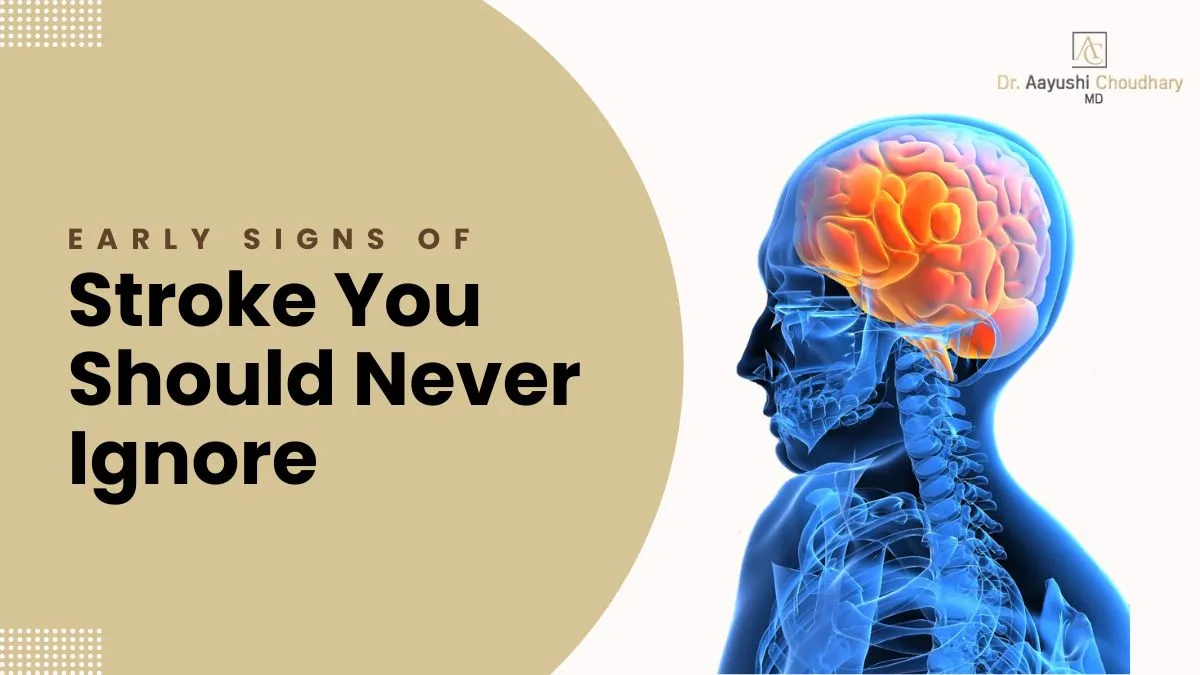 Top 10 Early Signs of Stroke You Should Never Ignore
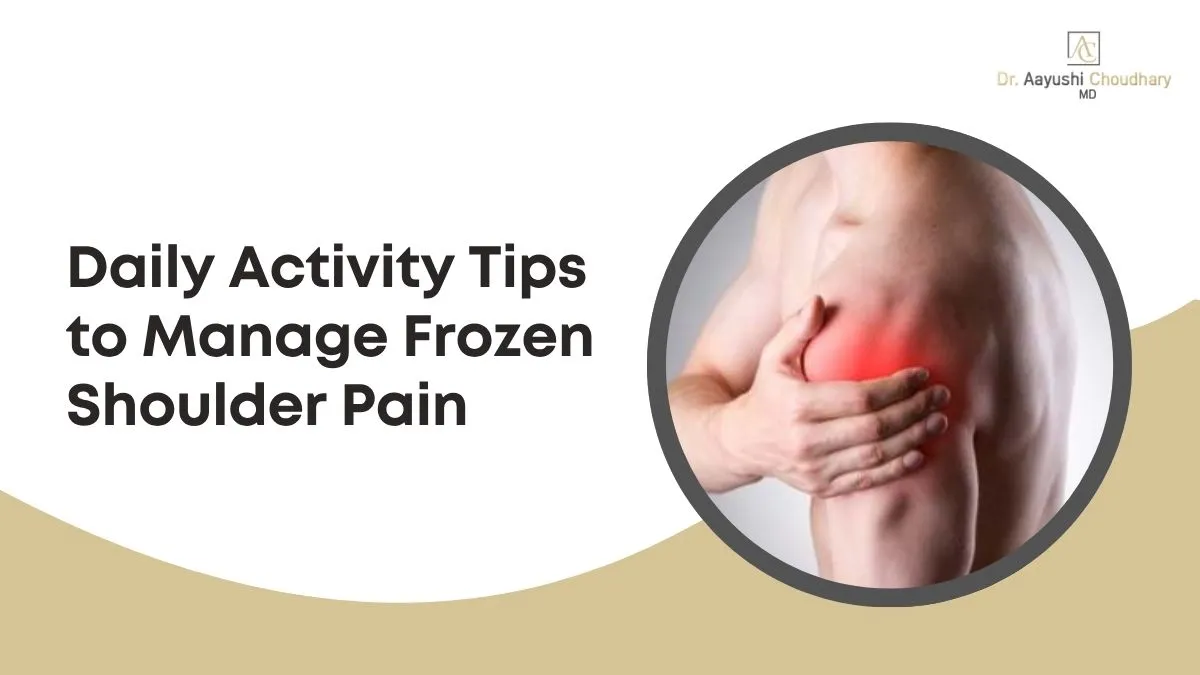 Daily Activity Tips to Manage Frozen Shoulder Pain
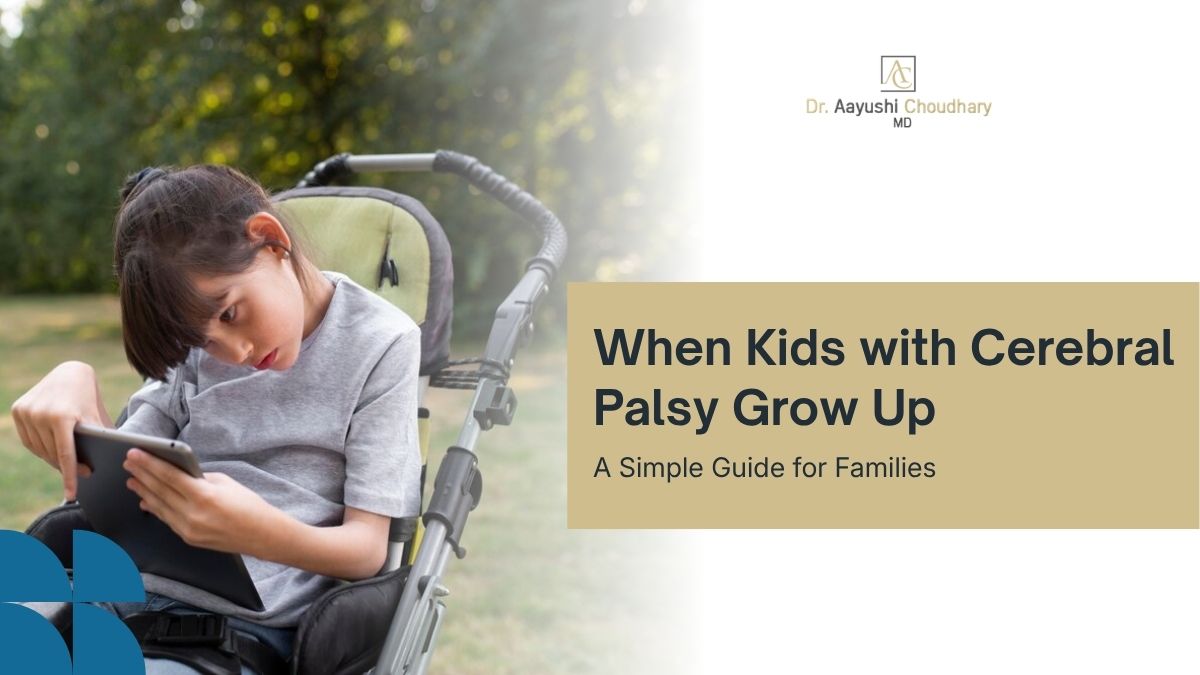 When Kids with Cerebral Palsy Grow Up: A Simple Guide for Families
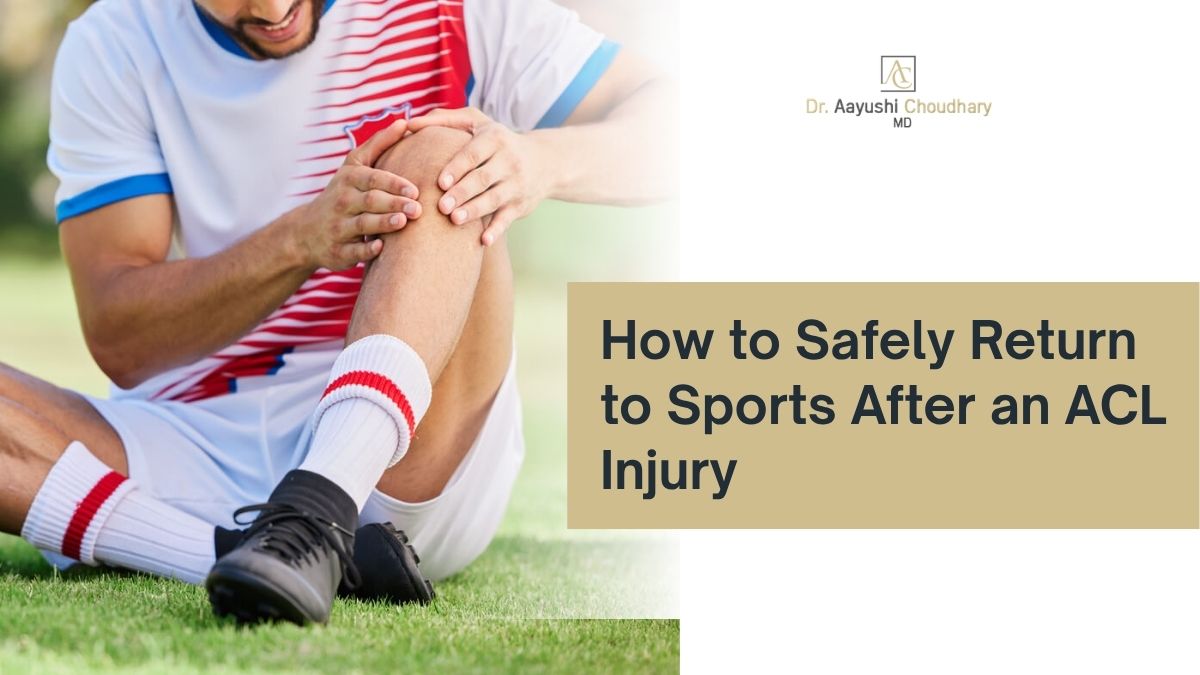 How to Safely Return to Sports After an ACL Injury
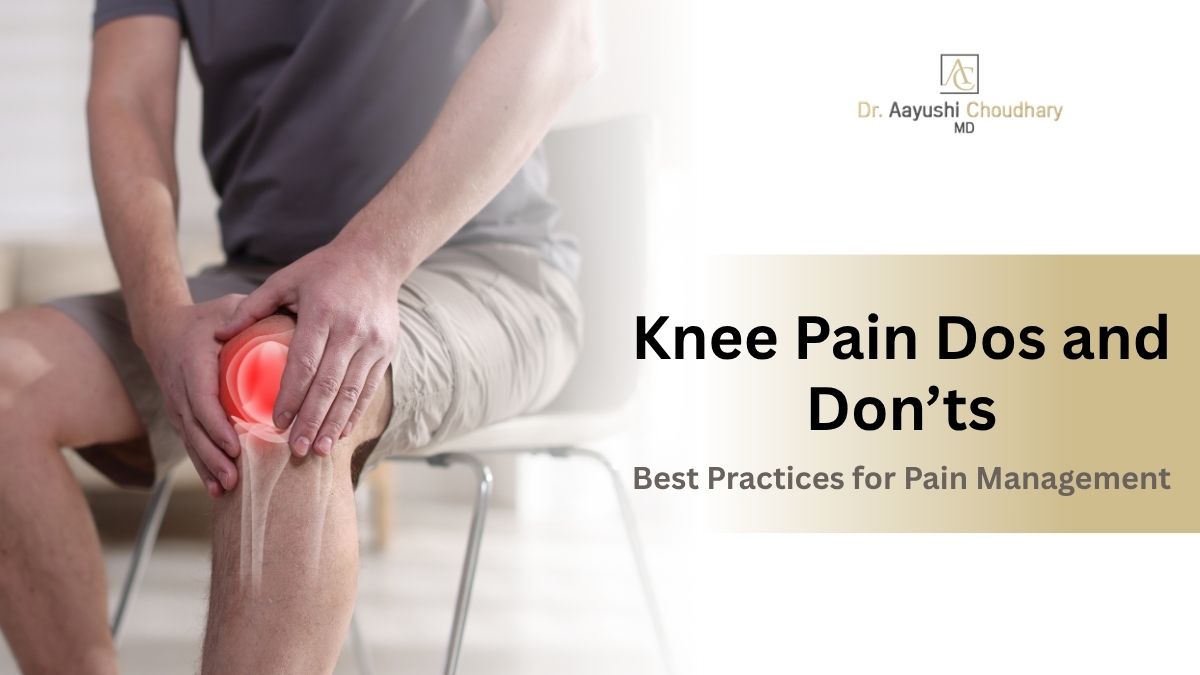 Knee Pain Dos and Don’ts: Best Practices for Pain Management
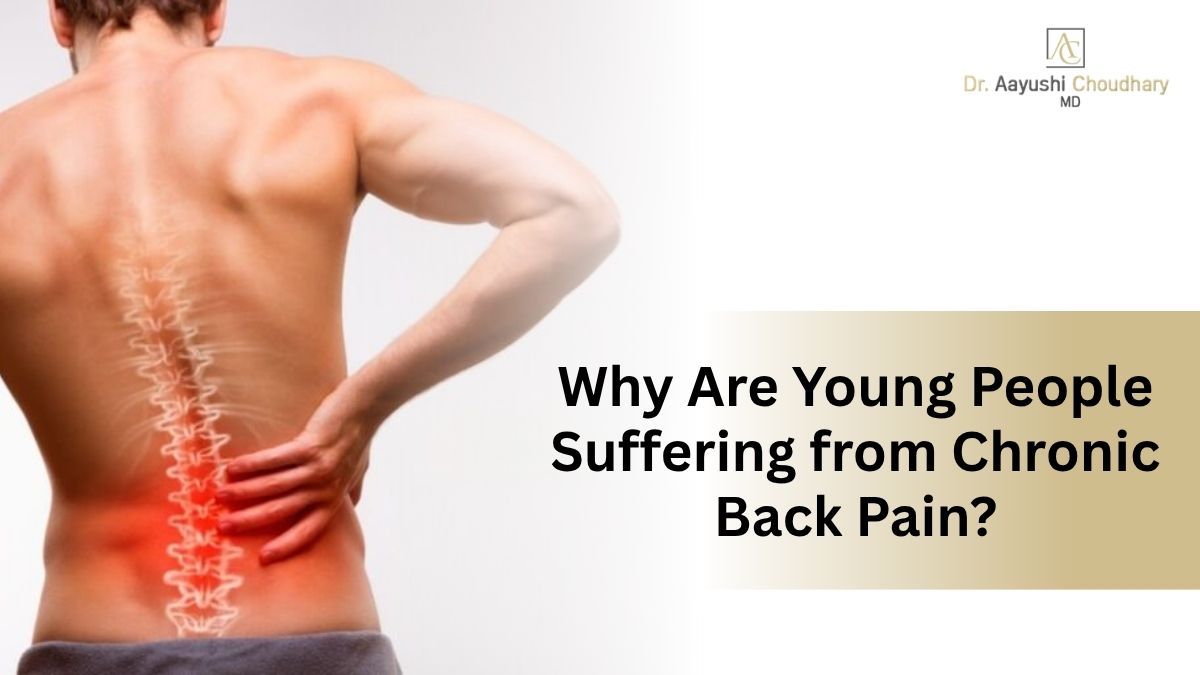 Why Are Young People Suffering from Chronic Back Pain?
 8 Common Causes of Neck Pain & Effective Treatment Options
 Pain Management: When to Visit a Pain Specialist or Pain Hospital
 Comprehensive Guide to Managing Musculoskeletal Pain and Body Aches
 Neck Pain Treatment for Working Professionals: Daily Care Tips
 Got Injured While Playing Sports? Here’s What to Do Next
 Knee Pain While Walking? Here Are The 5 Most Common Causes
 How Can People With Cerebral Palsy Improve Their Quality of Life?
 How Long Does ACL Injury Treatment Take? Recovery Explained
 How Does Paralysis Begin & What Treatments Help Recovery?
 Why Is Early Pain Treatment Important for Better Recovery?
 How Can You Tell If Your Knee Pain Needs Medical Attention?
 How Screen Time and Mobile Usage Trigger Cervical Pain?
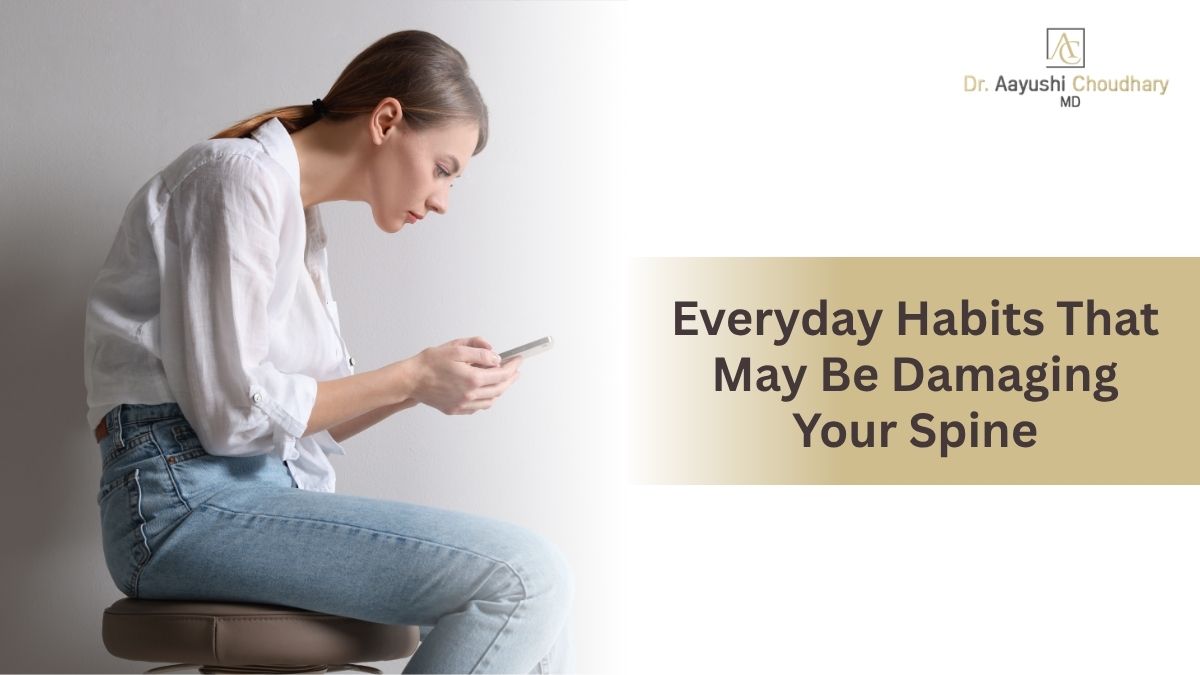 Everyday Habits That May Be Damaging Your Spine
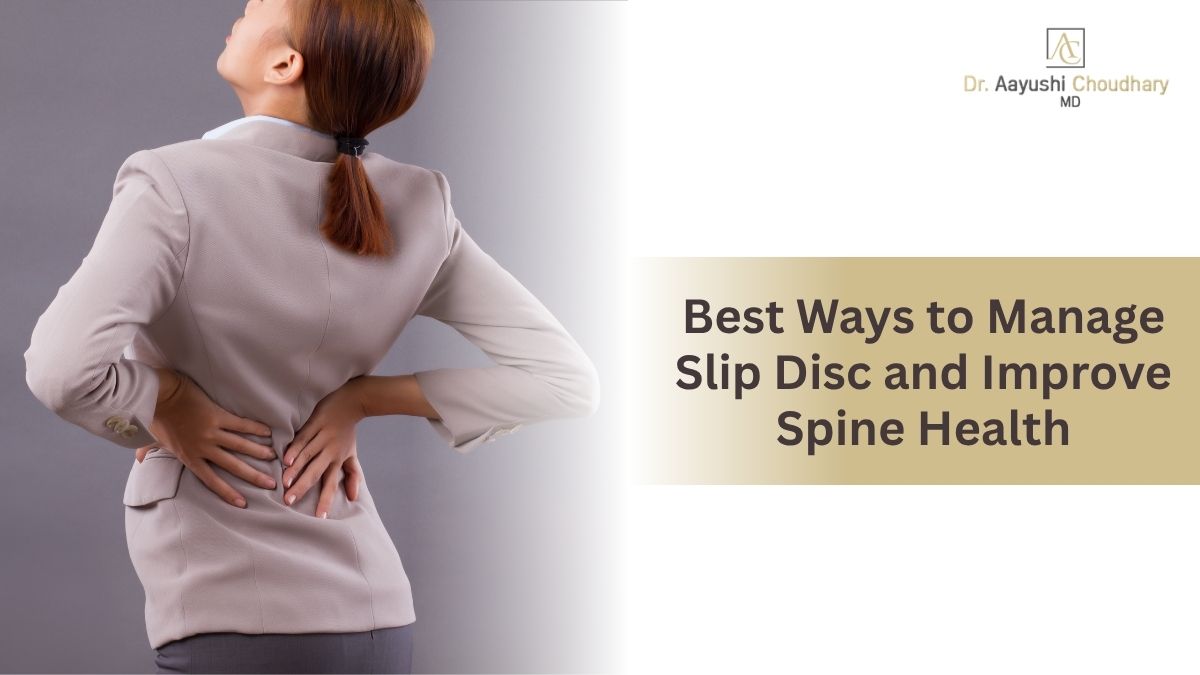 Best Ways to Manage Slip Disc and Improve Spine Health
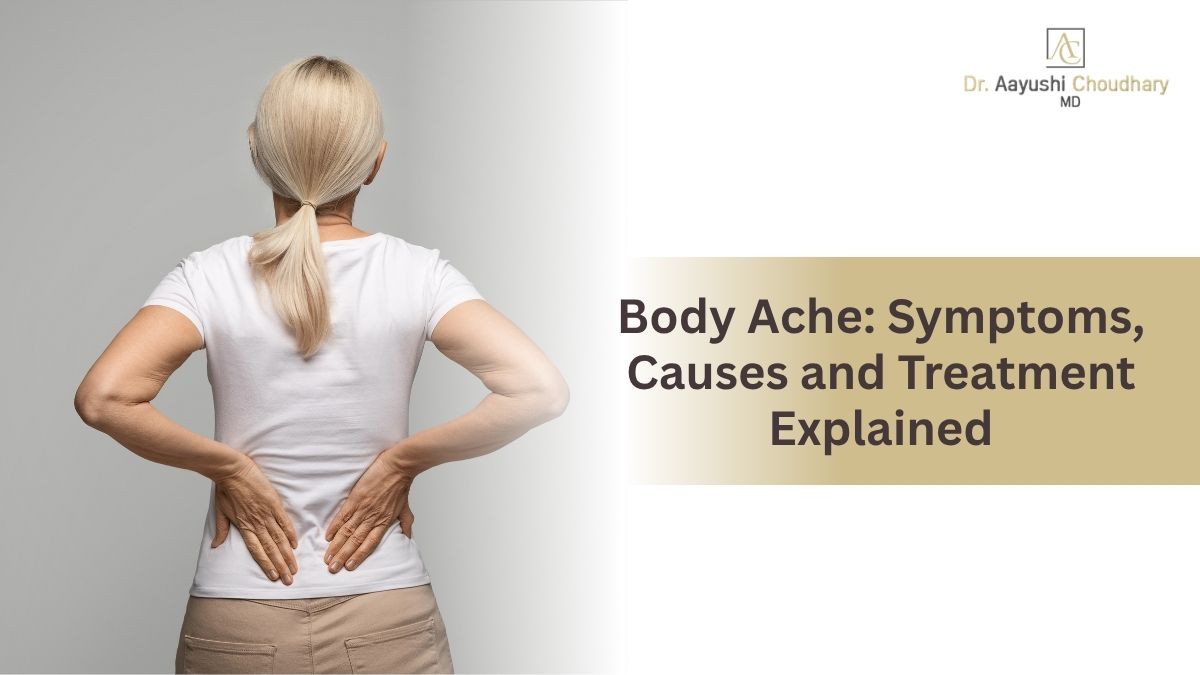 Body Ache: Symptoms, Causes and Treatment Explained
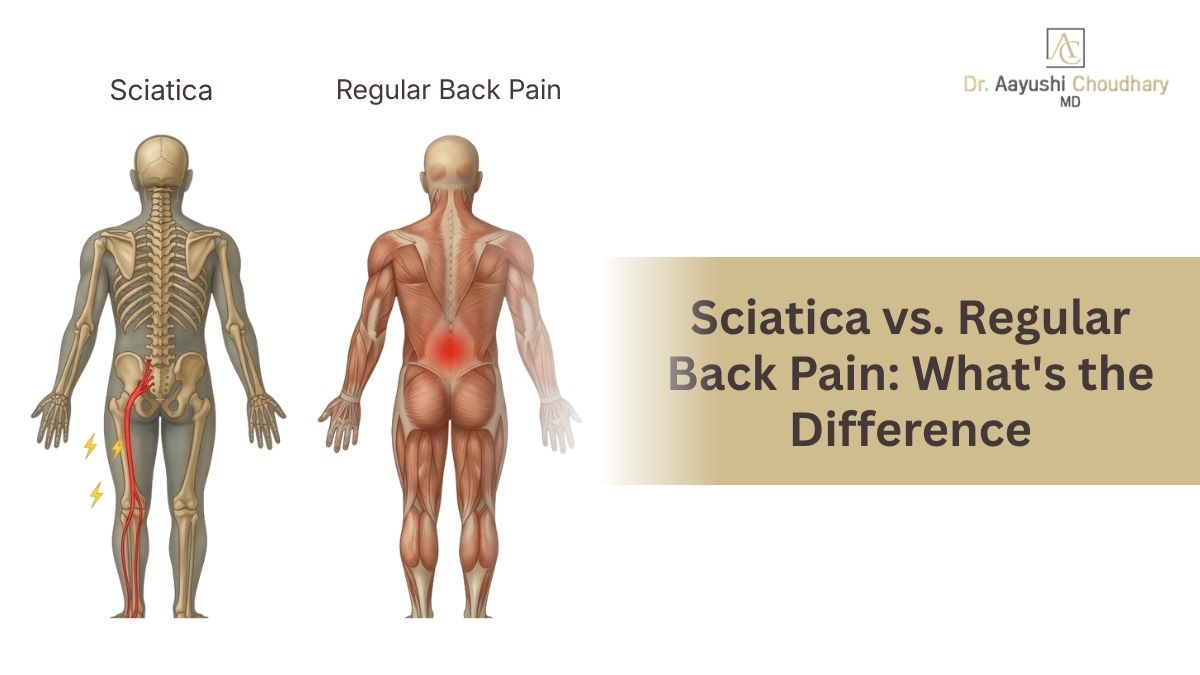 Sciatica vs. Regular Back Pain: What's the Difference? | Expert Guide
 Why Is Joint Pain More Common in Women? | Expert Medical Guide
 Why Do Gym Injuries Happen? | Expert Medical Guide
 Spine Preservation: Why the Future of Medicine Is About Preserving the Human Spine, Not Replacing It
 Rehabilitation: The Missing Fourth Pillar of Modern Medicine-Why the Future of Healthcare Is Not Just About Saving Lives, But Restoring Them
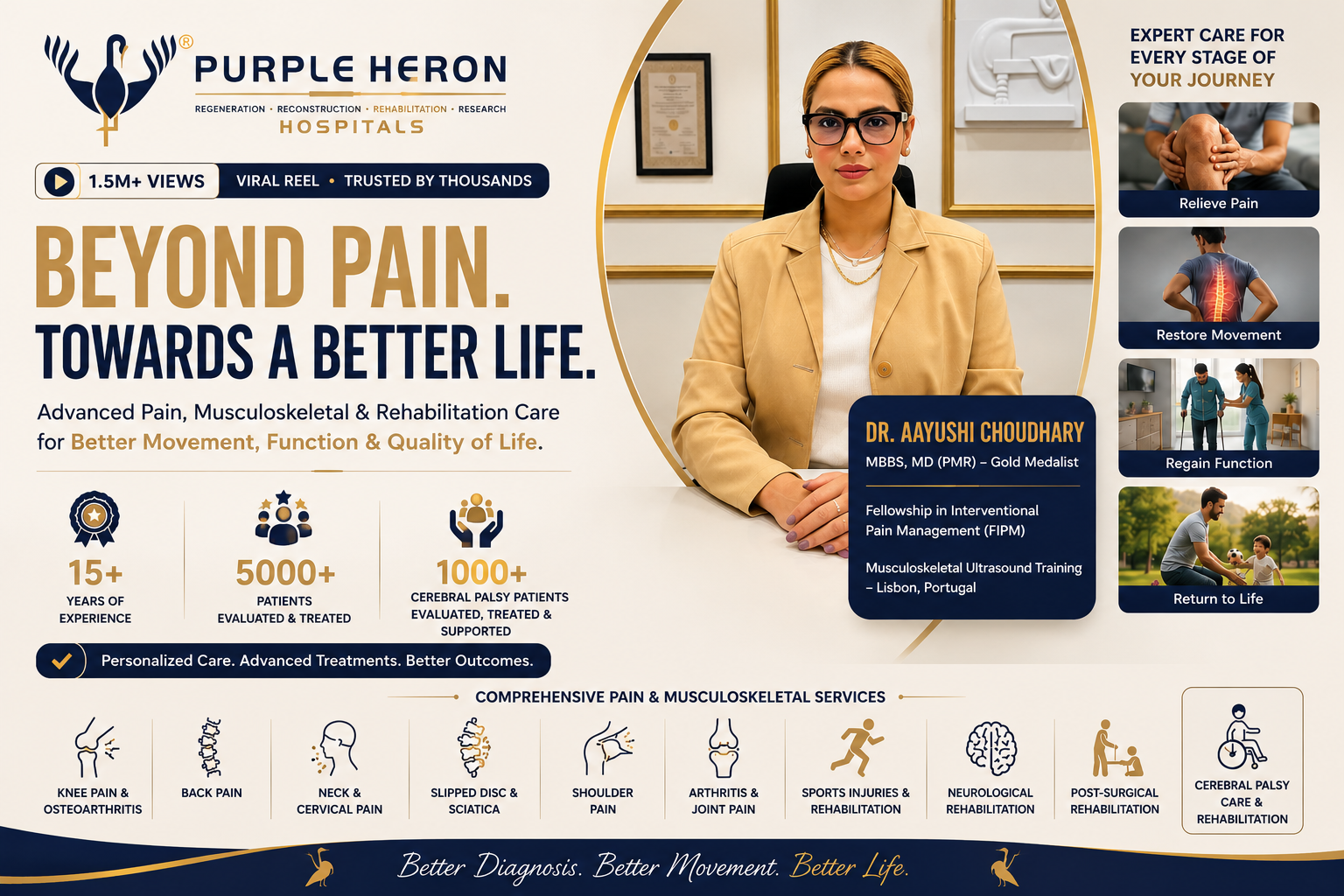 Advanced Pain & Musculoskeletal Care by Dr. Aayushi Choudhary in Jaipur
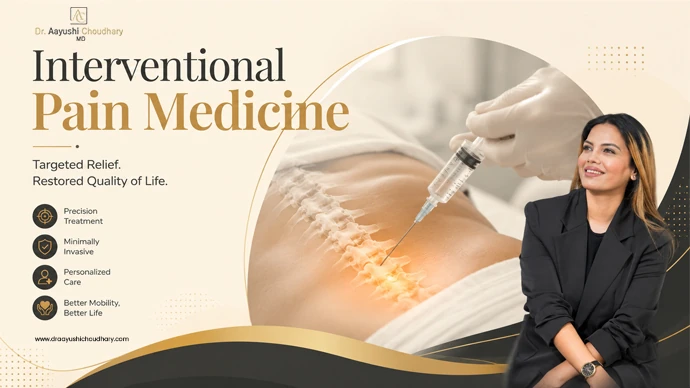 Interventional Pain Medicine: Pain Is Not Enemy; Rather Body's Language. Why Does Future of Pain Medicine Lie in Treating Cause, Not Silencing Symptom?
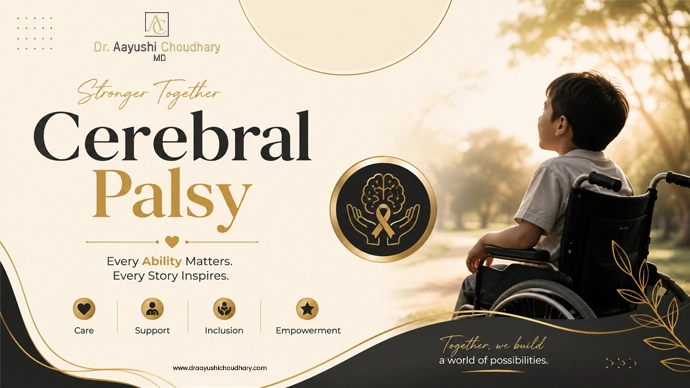 Cerebral Palsy Is Not a Deformity Problem, a Movement Problem. Why Correcting a Child’s Legs Does Not Always Help Them Walk?
 Regenerative Medicine: The Future of Healthcare Will Not Be Replacement but Preservation. Why Next Decade in Medicine Will Be Defined by Saving Human Tissue, Not Simply Replacing It
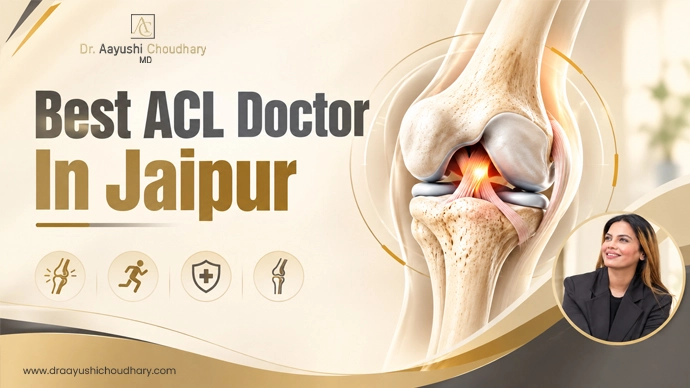 Best ACL Doctor in Jaipur for Complete Musculoskeletal Care
 Neck Pain Treatment in Jaipur: Causes, Symptoms and Care
 When Should You See a Knee Pain Specialist? Understanding the Causes, Advanced Treatment and Personalised Recovery