
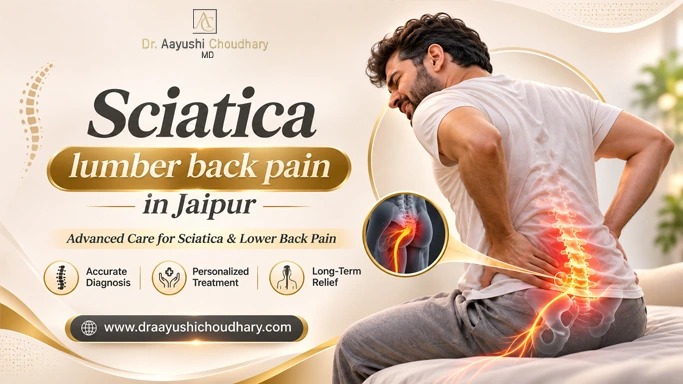
Sciatica sends sharp and burning pain from the lower back to the leg, making walking, sleeping, and sitting difficult for individuals. In the contemporary days, pain medicine provides long-lasting and smarter answers in comparison with painkillers in isolation. Modern care does not only offer temporary relief; it also involves accurate diagnosis, appropriate treatment options, and rehabilitation. Sciatica lumber back pain in Jaipur deserves attention for providing such modern care beyond symptom relief on a temporary basis. Sciatica is related to compression of nerve roots or irritation in the lower spine, producing a sense of discomfort travelling from the buttock to the leg. Understanding the happenings of discomfort can be helpful for selecting a suitable care pathway.
This blog explores how accurate diagnosis, personalised rehabilitation, image-guided procedures, and selected advanced interventions can contribute to a comprehensive approach to sciatica and lumbar back pain.
When Spinal Signals Turn Everyday Movement into a Challenge
Lower back involves intervertebral discs, nerves, muscles, joints, ligaments, and vertebrae. Each of these components works together to ensure distribution of the physical forces, enable movement, and support the body. If one or, rather, more structures get impacted by an underlying condition or suffer from irritation, discomfort can occur and sometimes extend beyond the lumbar region.
People suffering from sciatica experience pain in the sciatic nerve. It is a symptom pattern that needs to be noticed for quite some time. A herniated lumbar disc may cause irritation to the nearby nerve root, whereas foraminal narrowing, spinal canal narrowing, and age-related spinal changes are some other symptoms.
People may describe electric-like or burning sensations, difficulty walking, numbness, tingling, or shooting for a considerable period. Among people, symptoms may vary as per the underlying condition and affected nerve. However, not every episode related to lower back pain is sciatica, while not all disc abnormalities noted in an MRI address the same symptoms in an individual.
You need to be conscious while looking for the best doctor for sciatica in Jaipur. A meaningful assessment should create a connection between the patient's symptoms, clinical examination and important investigations, unlike depending only on a scan.
Dr. Aayushi Choudhary specialises in pain, musculoskeletal medicine, and rehabilitation. Her qualifications include an MBBS, an MD in Physical Medicine and Rehabilitation (Gold Medalist), a Fellowship in Interventional Pain Management, and training in musculoskeletal ultrasound in Lisbon, Portugal.
Reading the Clues Before Choosing a Treatment Direction
A treatment decision should begin with understanding the patient's experience. When did the discomfort start? Does it travel into one leg? Does sitting, walking, or bending change the symptoms? Are there sensations of numbness, tingling, or weakness? This information assists the physicians to understand the real source of the pain.
A comprehensive assessment may involve sensory evaluation, neurological checks, spinal movement analysis, muscle strength testing, and posture analysis. On the basis of the findings, imaging, including an MRI, can assist in the assessment of the disc conditions, changes in the spinal canal, and nerve compressions. However, treatment options should be selected as per the clinical requirements.
Lower back pain treatment in Jaipur encompasses more than figuring out a quick solution to such discomfort. Treatment requires emphasising whether the symptoms arise from spinal stenosis, muscular strain, disc disorder, or other conditions. Various causes may need diverse approaches.
Persistent symptoms can impact work and physical activity, concentration, sleep and work. Chronic back pain treatment in Jaipur may need attention to physical conditioning, movement patterns, and functional limitations along with pain management. A broad assessment assists to recognise the improvement areas and form the realistic goals.
It is also important to recognise warning signs. New or progressive leg weakness, loss of bladder or bowel control, or numbness around the groin or saddle region requires urgent medical assessment. These symptoms should not be left for a routine follow-up.
From Diagnostic Precision to a More Personalised Recovery Plan
Two people with similar MRI findings may experience different symptoms. One may have manageable discomfort, while another may struggle with walking or routine activities. This is why an individualised plan should consider the complete clinical picture, including medical history, examination findings, activity requirements, and personal recovery goals.
A Sciatica pain specialist in Jaipur can help determine whether the symptoms are consistent with nerve-root irritation and whether conservative treatment, an interventional procedure or a surgical opinion may be appropriate. The decision should be guided by the diagnosis, severity, duration and response to previous care.
For many patients, non-surgical management may be considered first. This can include clinician-guided rehabilitation, suitable activity modification, and exercises selected according to individual assessment. Rehabilitation may focus on improving mobility, supporting the muscles around the trunk and helping patients regain confidence with everyday movement.
Dr. Aayushi Choudhary’s objective is not to prescribe an identical exercise routine to everyone. Instead, the programme should progress according to the person's condition, tolerance and functional goals.
Regular reassessment can help determine whether the approach is working or whether the treatment plan needs adjustment. Her professional approach combines clinical evaluation, rehabilitation, and selected image-guided interventions. To get more information, you can look at our WhatsApp channel with Dr Aayushi Choudhary, where you will get more medical knowledge and awareness regarding modern healthcare solutions.
Exploring Advanced Treatments that Target the Source of Pain
Advanced sciatica pain management may involve several treatment categories, depending on the underlying condition. The objective is to select an appropriate intervention while considering its expected benefits, limitations and possible risks. Not every treatment is suitable for every patient, and advanced procedures are not automatically necessary when symptoms first appear.
Some options that may be considered after specialist assessment include:
- Epidural Steroid Injections (ESIs): These procedures deliver anti-inflammatory medication into the epidural space around the spinal nerves. They may be considered in selected cases to help manage inflammation-related nerve pain.
- Nerve Root Blocks: Targeted injections around a particular spinal nerve root may help manage symptoms and, in some circumstances, assist clinicians in identifying the source of pain.
- Electrotherapy: Selected electrotherapy techniques may complement rehabilitation and symptom-management programmes. Their role depends on the patient's condition and should be determined by the treating clinician.
- Spinal Cord Stimulation (SCS): This specialised approach uses electrical stimulation to influence pain signalling pathways. It may be considered for carefully selected patients with persistent, difficult-to-manage neuropathic pain after appropriate evaluation.
- Microdiscectomy: This surgical procedure removes the portion of a herniated disc that is compressing a nerve. It may be considered when clinical findings and symptoms indicate that disc-related nerve compression requires surgical treatment.
- Transforaminal Endoscopic Lumbar Decompression (TFELD): This minimally invasive surgical approach uses endoscopic access to address selected causes of nerve compression in the lumbar spine. Its suitability depends on the precise anatomy and the condition being treated.
Interventional pain management for sciatica may also include image-guided procedures. Dr. Aayushi Choudhary's back-pain care describes C-arm-guided epidural procedures and selective nerve-root interventions, among other options. Image guidance can help clinicians target the intended anatomical area during appropriate procedures.
It is essential to distinguish pain-management procedures from surgery. Microdiscectomy and TFELD require assessment by an appropriately qualified spine surgeon. Spinal cord stimulation is also a specialised option rather than a routine treatment for uncomplicated sciatica. Patients should discuss the suitability, expected outcomes, and risks of any proposed intervention with their treating team.
Turning Specialist Care into Sustainable Everyday Mobility
Treatment should not end when an individual procedure or consultation is completed. Follow-up and rehabilitation help assess progress, review functional changes and determine whether further support is needed. We, at Purple Heron Hospital, describe a patient-centred approach that emphasises identifying the source of pain, personalised treatment planning, image-guided interventions and rehabilitation.
A coordinated care pathway may include:
- Individual clinical evaluation: Reviewing symptoms, medical history, movement patterns and relevant investigations to understand the condition.
- Personalised rehabilitation: Selecting suitable mobility and strengthening activities according to the patient's assessment and progress.
- Movement and activity guidance: Discussing practical ways to manage daily activities, work routines and positions that may aggravate symptoms.
- Progress monitoring: Reviewing changes in pain, mobility, strength and everyday function during follow-up.
- Treatment-plan adjustment: Modifying the care strategy when symptoms, clinical findings or recovery goals change.
Dr. Aayushi Choudhary’s approach is to provide evidence-based care, ultrasound and C-arm-guided interventions, and individualised treatment decisions. Her belief is to preserve natural function wherever possible and consider more invasive options when clinically necessary.
Small, consistent actions compound. Ten minutes of guided exercise every day often outperforms one heroic workout a week, and regular follow-ups let your doctor adjust the plan as you improve.
Conclusion: Reclaiming Movement Through Informed Spine Care
Sciatica is a message from your nerves, not a life sentence. When the cause is mapped precisely and the treatment is matched to the person, relief can last far beyond the next tablet. From rehabilitation and image-guided injections to advanced surgery when needed, every step should move you closer to confident, comfortable movement.
Sciatica-related lumbar pain is not simply a matter of managing discomfort. It requires an understanding of the structures involved, the source of nerve irritation and the way symptoms affect everyday function. From clinical evaluation and rehabilitation to image-guided interventions and selected surgical procedures, treatment should be matched to the individual's diagnosis and needs.
For people exploring advanced care for sciatica and lower back pain, a specialist consultation can help clarify the available options and establish an appropriate treatment direction. Consult Dr. Aayushi Choudhary at Purple Heron Hospital, Jaipur, to discuss a personalised assessment and care plan.
Frequently Asked Questions
1. What are the symptoms of Sciatica lumber back pain?
Sciatica may cause pain travelling from the lower back through the buttock and into the leg. Tingling, numbness, burning sensations, or weakness may also occur. A clinical assessment helps identify the underlying cause.
2. How can I find the best doctor for sciatica across Jaipur?
Look for a qualified specialist experienced in pain management, spinal assessment and rehabilitation. The doctor should consider symptoms, neurological findings and relevant imaging before recommending treatment. An individualised plan is important because sciatica can have different causes.
3. What are the options for lower back pain treatment?
Treatment may include rehabilitation, activity guidance, and selected image-guided procedures. Some patients may require an assessment for surgical options. Dr. Aayushi Choudhary at Purple Heron Hospital, Jaipur, provides evaluation and personalised care for back pain conditions.
4. What does chronic back pain treatment involve?
Management begins by identifying the cause and understanding how persistent pain affects daily activities. Depending on the diagnosis, care may include rehabilitation, pain-management procedures or specialist surgical assessment. Follow-up helps review progress and adapt the treatment plan.
5. When should I consult a Sciatica pain specialist?
Consider a specialist assessment if pain travels from the lower back into the leg, persists or affects everyday movement. New or worsening weakness, or changes in bladder or bowel control, require urgent medical attention. Dr. Aayushi Choudhary at Purple Heron Hospital, Jaipur, offers assessment for back pain and related spinal concerns.
RAGs
1. Sciatica Lumber Back Pain: Understanding Nerve Symptoms
Sciatica is a symptom pattern commonly associated with irritation or compression of lumbar nerve roots. Pain may travel from the lower back into the buttock and leg, sometimes with tingling or numbness. Clinical assessment helps distinguish sciatica from other causes of back pain.
2. Special Assessment by the Best Doctor for Sciatica
A suitable specialist should evaluate symptoms, neurological function and relevant imaging. Treatment decisions should be based on the underlying condition rather than an MRI finding alone. Personalised assessment helps determine the appropriate care pathway.
3. Diagnosis and Rehabilitation of Lower Back Pain Treatment
Lower back pain may arise from disc disorders, spinal narrowing, joint conditions or muscular strain. Management can include rehabilitation, activity guidance and selected medical interventions. The treatment approach depends on the patient's diagnosis and functional needs.
4. Targeted Treatment Options for Sciatica Pain Management
Advanced management may include epidural steroid injections, nerve root blocks and selected specialised procedures. Surgical options may be considered for specific conditions causing nerve compression. Each intervention requires an assessment of suitability, benefits and possible risks.
5. Interventional Pain Management and Image-Guided Care for Sciatica
Image-guided procedures can help clinicians target specific anatomical areas during appropriate interventions. C-arm-guided epidural procedures and selective nerve-root interventions are described in Dr. Aayushi Choudhary's back-pain care information. These procedures may form part of a broader plan that includes rehabilitation and follow-up.
 Understanding Spine Disorders: Expert Care by a Spine Specialist
 What Causes Knee Pain? Symptoms, Diagnosis & Effective Relief
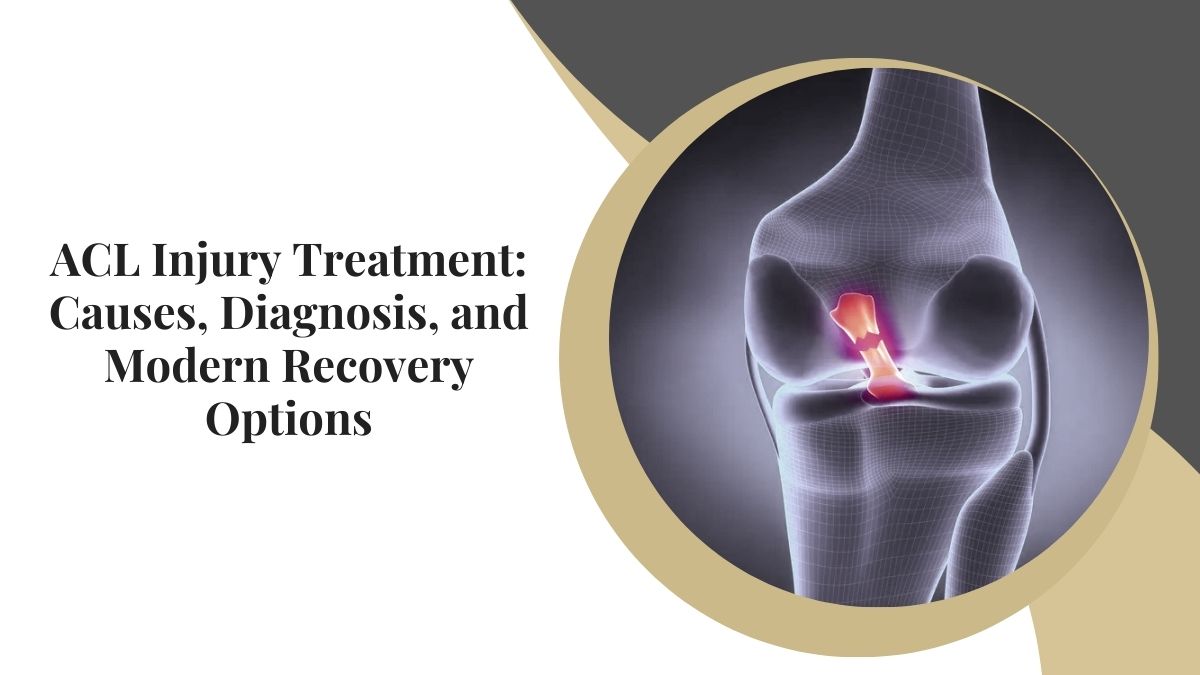 ACL Injury Treatment: Causes, Diagnosis, and Modern Recovery Options
.jpg) How Lifestyle Choices Impact Your Risk of Stroke
 ACL Tear Treatment Options: Surgery vs. Non-Surgical Approaches Explained
 How Do You Know If Knee Pain Is Serious?
 What Is Cervical Pain? Causes, Symptoms, and Effective Treatments
 When Should You Consult a Pain Specialist? Signs You Should Not Ignore
 What Causes Shoulder Pain? Symptoms & Treatment
 Common Sports Injuries and How to Prevent Them: A Complete Guide
 Don’t Ignore These Signs of Paralysis – It Could Be Serious
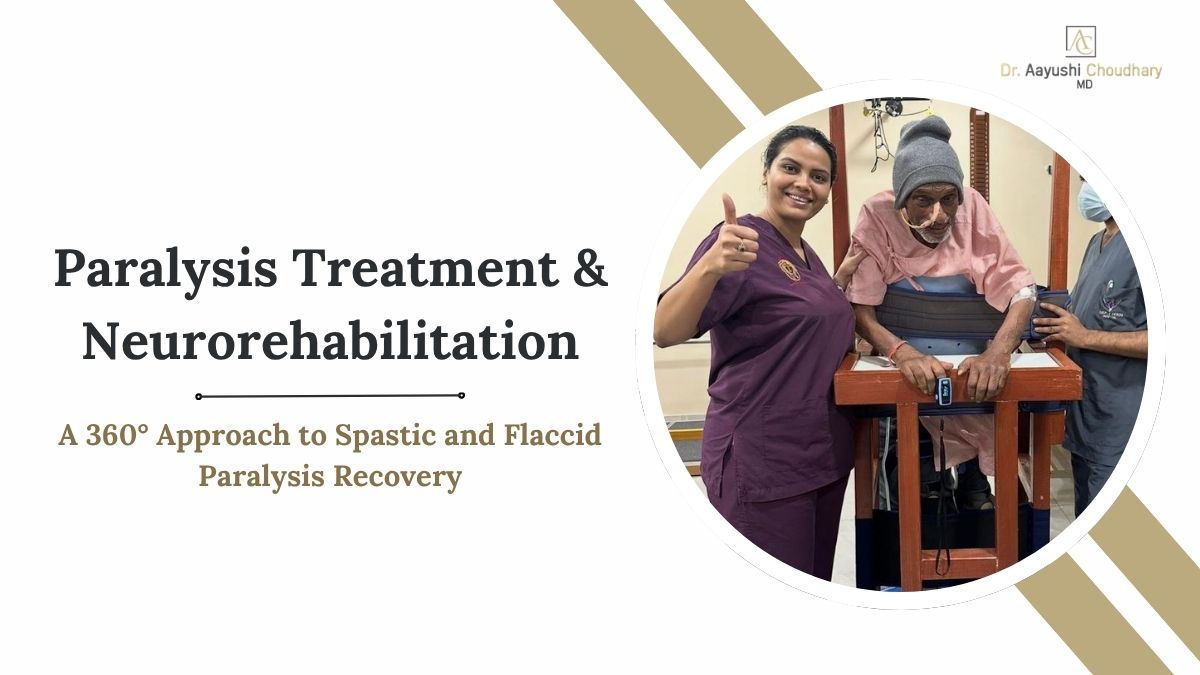 Paralysis Treatment & Neurorehabilitation: A 360° Approach to Spastic and Flaccid Paralysis Recovery
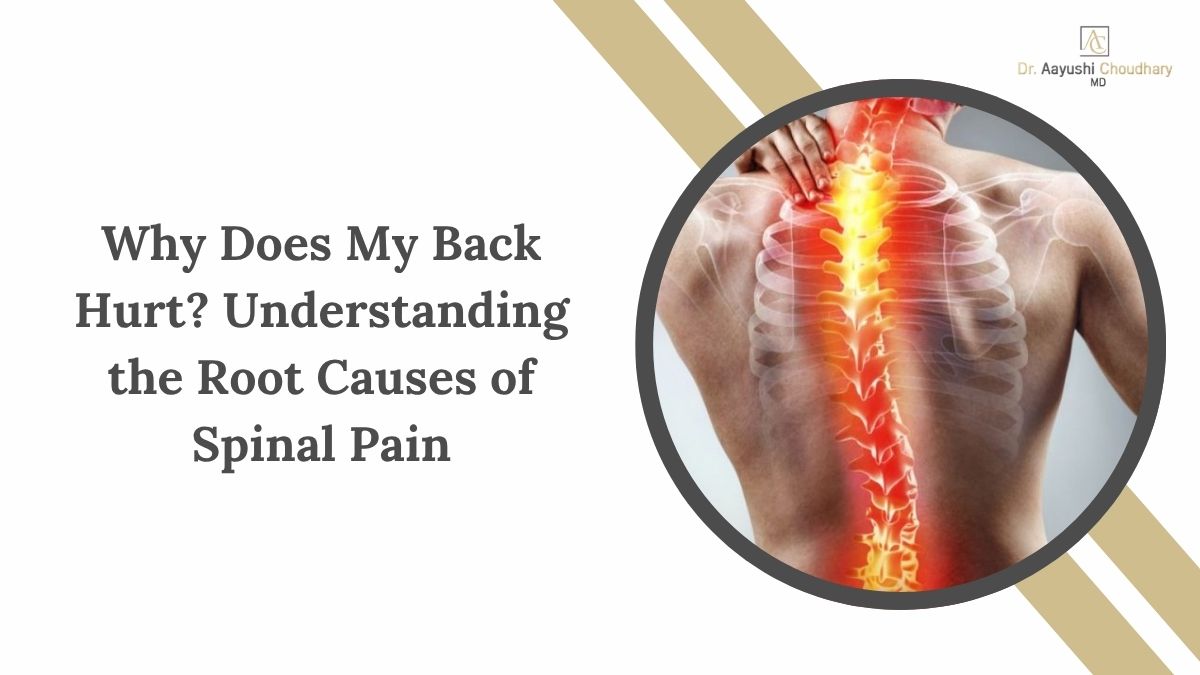 Why Does My Back Hurt? Understanding the Root Causes of Spinal Pain
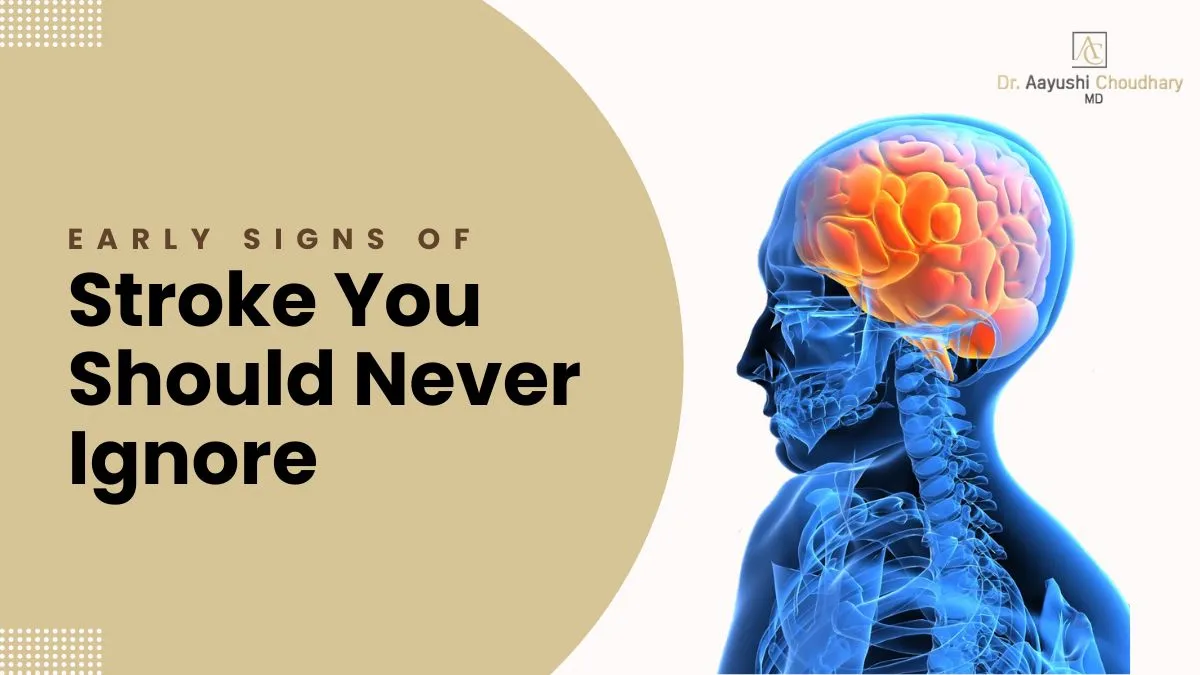 Top 10 Early Signs of Stroke You Should Never Ignore
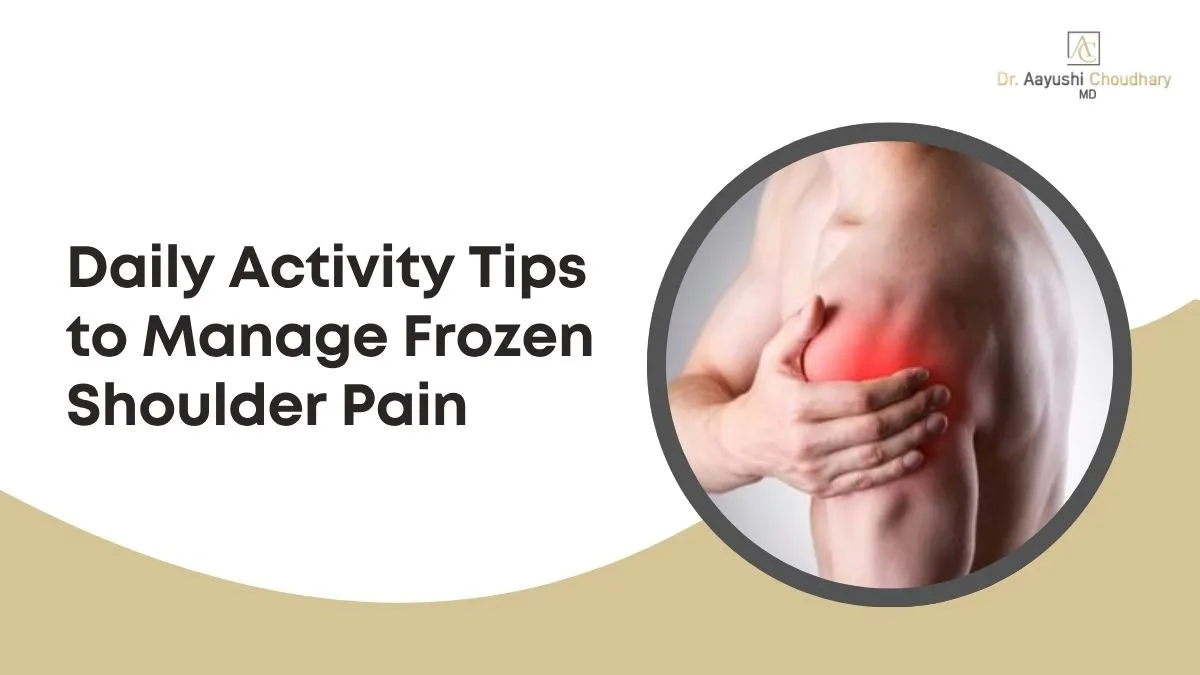 Daily Activity Tips to Manage Frozen Shoulder Pain
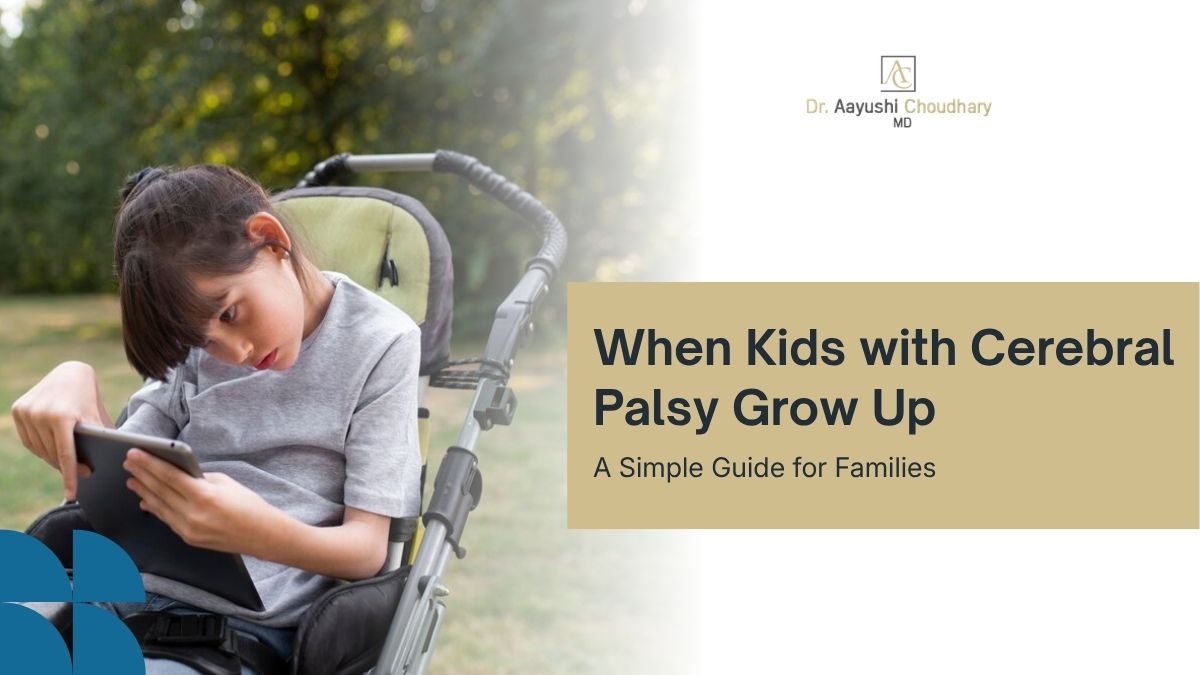 When Kids with Cerebral Palsy Grow Up: A Simple Guide for Families
 How to Safely Return to Sports After an ACL Injury
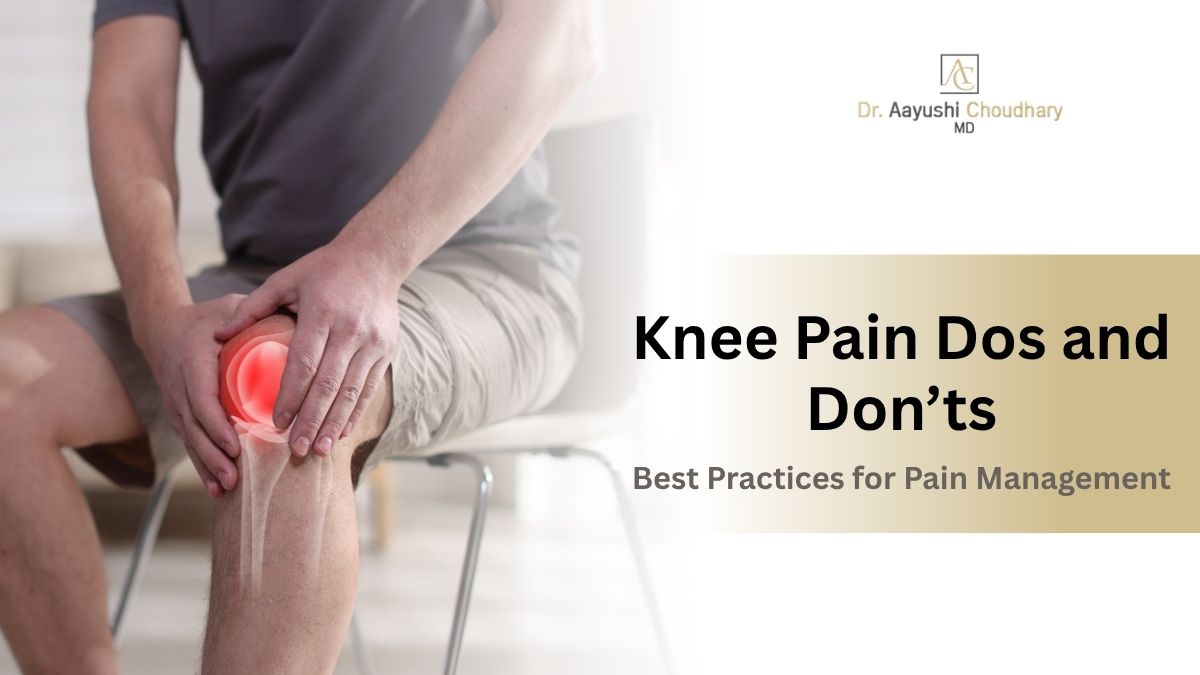 Knee Pain Dos and Don’ts: Best Practices for Pain Management
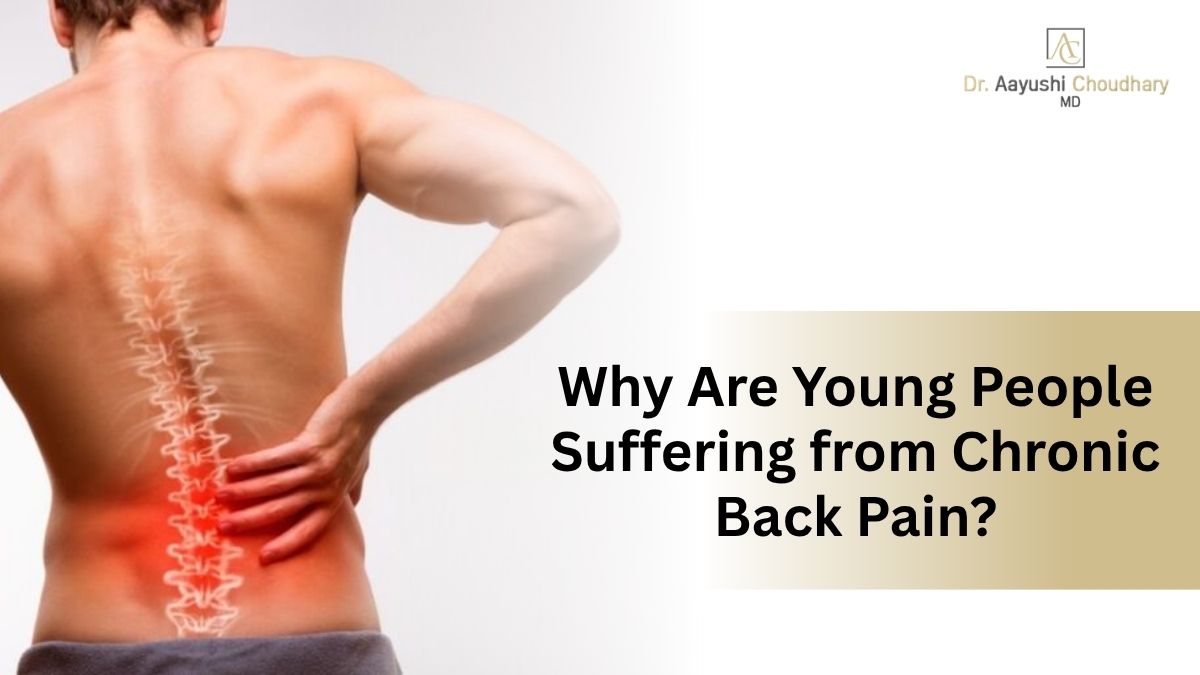 Why Are Young People Suffering from Chronic Back Pain?
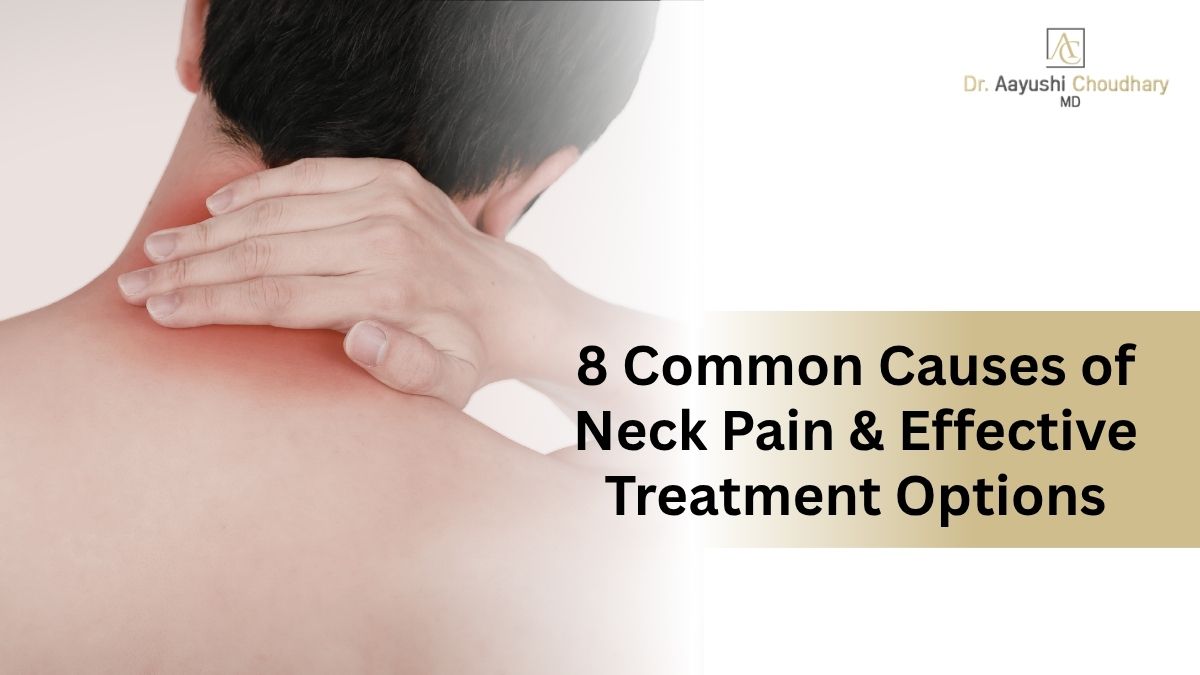 8 Common Causes of Neck Pain & Effective Treatment Options
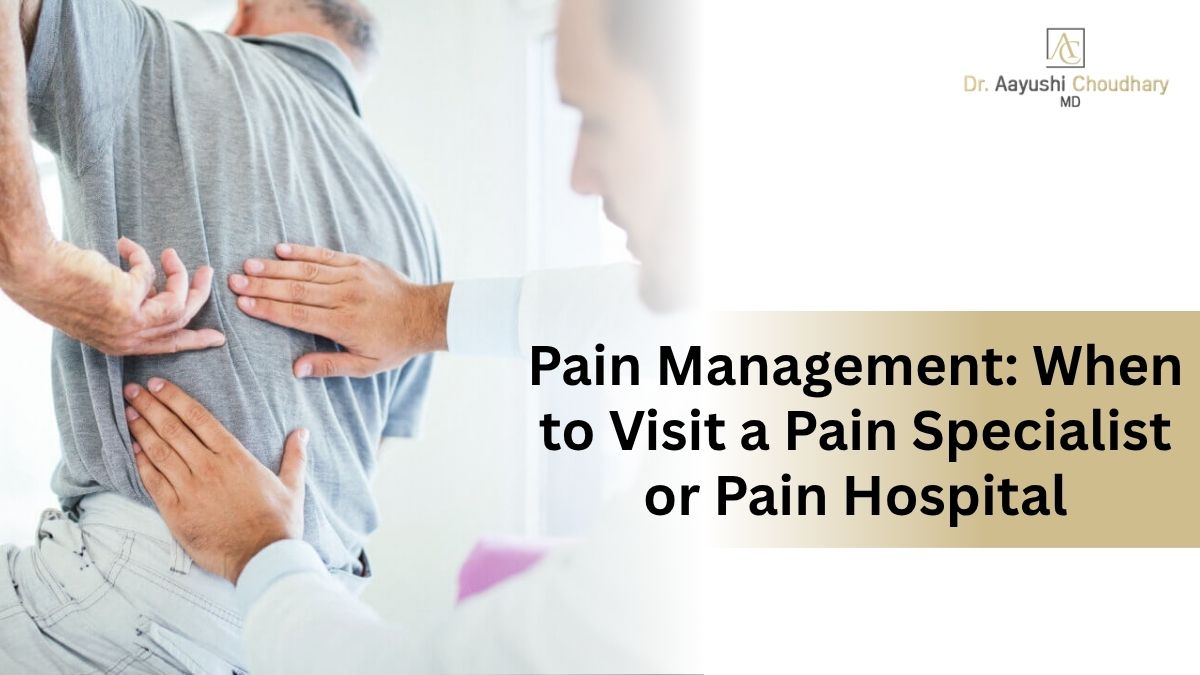 Pain Management: When to Visit a Pain Specialist or Pain Hospital
 Comprehensive Guide to Managing Musculoskeletal Pain and Body Aches
 Neck Pain Treatment for Working Professionals: Daily Care Tips
 Got Injured While Playing Sports? Here’s What to Do Next
 Knee Pain While Walking? Here Are The 5 Most Common Causes
 How Can People With Cerebral Palsy Improve Their Quality of Life?
 How Long Does ACL Injury Treatment Take? Recovery Explained
 How Does Paralysis Begin & What Treatments Help Recovery?
 Why Is Early Pain Treatment Important for Better Recovery?
 How Can You Tell If Your Knee Pain Needs Medical Attention?
 How Screen Time and Mobile Usage Trigger Cervical Pain?
 Everyday Habits That May Be Damaging Your Spine
 Best Ways to Manage Slip Disc and Improve Spine Health
 Body Ache: Symptoms, Causes and Treatment Explained
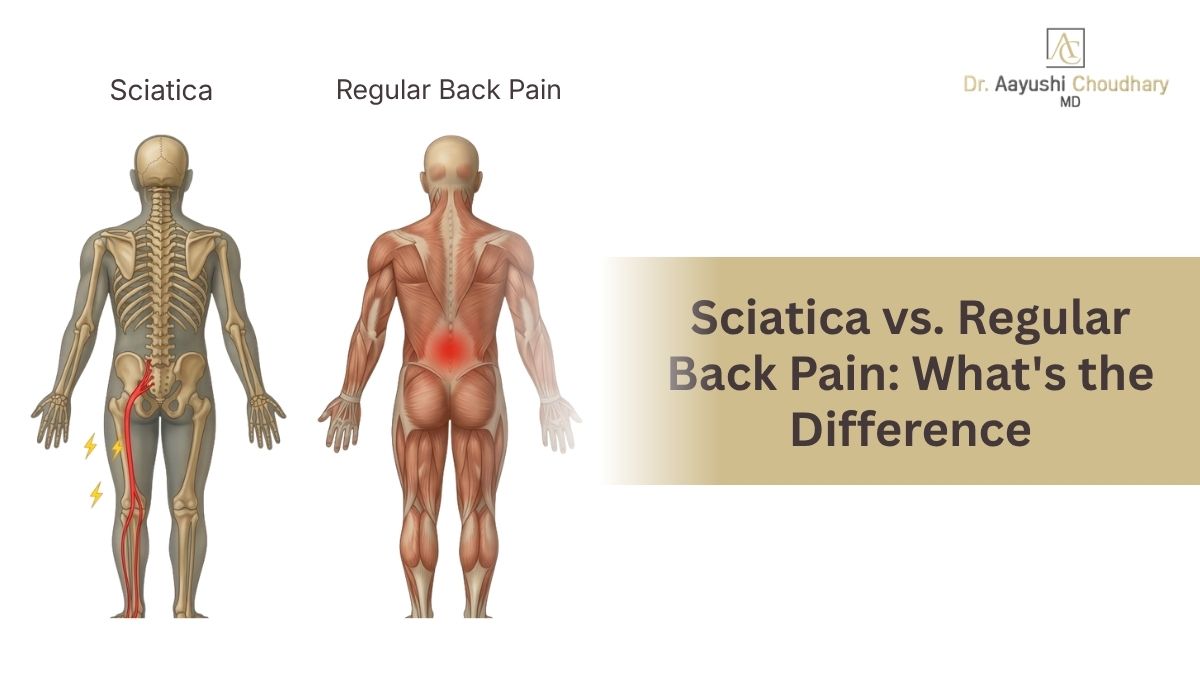 Sciatica vs. Regular Back Pain: What's the Difference? | Expert Guide
 Why Is Joint Pain More Common in Women? | Expert Medical Guide
 Why Do Gym Injuries Happen? | Expert Medical Guide
 Spine Preservation: Why the Future of Medicine Is About Preserving the Human Spine, Not Replacing It
 Rehabilitation: The Missing Fourth Pillar of Modern Medicine-Why the Future of Healthcare Is Not Just About Saving Lives, But Restoring Them
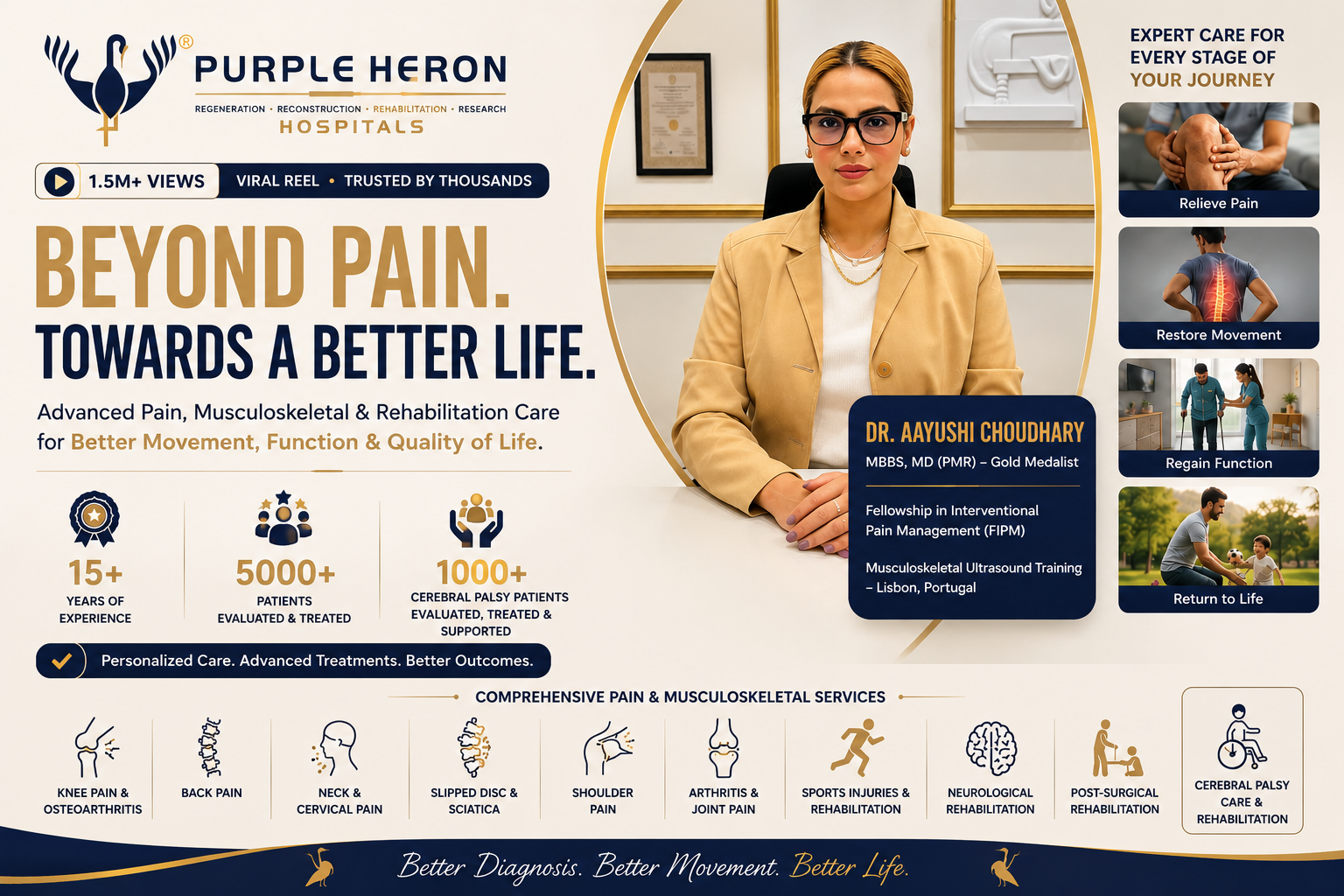 Advanced Pain & Musculoskeletal Care by Dr. Aayushi Choudhary in Jaipur
 Interventional Pain Medicine: Pain Is Not Enemy; Rather Body's Language. Why Does Future of Pain Medicine Lie in Treating Cause, Not Silencing Symptom?
 Cerebral Palsy Is Not a Deformity Problem, a Movement Problem. Why Correcting a Child’s Legs Does Not Always Help Them Walk?
 Regenerative Medicine: The Future of Healthcare Will Not Be Replacement but Preservation. Why Next Decade in Medicine Will Be Defined by Saving Human Tissue, Not Simply Replacing It
 Best ACL Doctor in Jaipur for Complete Musculoskeletal Care
 Neck Pain Treatment in Jaipur: Causes, Symptoms and Care
 When Should You See a Knee Pain Specialist? Understanding the Causes, Advanced Treatment and Personalised Recovery
 Stroke Treatment in Jaipur: A Practical Guide to Recovery and Rehabilitation
 How Can Paralysis Rehabilitation in Jaipur Improve Strength, Mobility, and Everyday Function? A Patient-Focused Overview of Recovery and Care
 Can Slip Disc Treatment in Jaipur Help You Avoid Surgery? Understanding Conservative Care Options
 How the Best Cervical Pain Doctor in Jaipur Can Help Manage Chronic Neck Pain? Exploring Advanced Pain Management
 Frozen Shoulder Treatment in Jaipur-What Are the Best Ways to Manage Pain and Stiffness?
 A Complex Shoulder Case, A New Chapter: Shoulder Reconstruction Surgery in Jaipur