Best Spine Specialist Treatment in Jaipur

Because Your Spine Was Never Designed for a Lifetime of Sitting Still.

  • Comprehensive Spine Care
  • Precision Diagnosis
  • Image-Guided Pain Management
  • Advanced Rehabilitation
  • Spine Surgery When Truly Necessary

The human spine is one of the most sophisticated structures in the body. It supports the trunk, protects the spinal cord, allows movement, absorbs mechanical forces, and provides the foundation for almost every physical activity we perform.

Modern life, however, has changed the demands placed on it.

Long hours of sitting, prolonged computer use, smartphone use, driving, repetitive work, inadequate physical activity, sports injuries, poor movement patterns, ageing, obesity, occupational loading, and insufficient recovery can place repeated stress on the spine.

Over time, this may contribute to disc degeneration, muscle dysfunction, facet-joint problems, nerve irritation, spinal stenosis, sciatica, spinal deformity, or persistent back and neck pain.

At Purple Heron Hospital, Dr. Aayushi Choudhary approaches spine problems from a different perspective.

It is to understand why the pain developed, which structures are involved, whether nerves or the spinal cord are affected, and which treatment can provide meaningful improvement while avoiding unnecessary intervention.

Make an Appointment
Neck Pain Treatment in Jaipur
Dr. Aayushi Choudhary, Pain and Musculoskeletal Medicine Specialist in Jaipur

Dr. Aayushi Choudhary

  • MBBS
  • MD (Physical Medicine & Rehabilitation) – Gold Medalist
  • Fellowship in Interventional Pain Management (FIPM)
  • Musculoskeletal Ultrasound (MSK USG – USPRM), Lisbon, Portugal
  • President's Award 2022 European Society of Physical & Rehabilitation Medicine

Spine Treatment in Jaipur

Understanding Spine Treatment: Why We Treat Function, Not Just Form.

Spinal pain is not one condition. It can arise from muscles, discs, facet joints, nerves, ligaments, bones, the spinal canal, sacroiliac structures, or a combination of several factors. This is why two patients with similar MRI findings may require completely different treatment plans.

At Purple Heron Hospital, spine treatment in Jaipur begins with understanding the individual rather than treating an imaging report in isolation.

As a spine specialist doctor in Jaipur, Dr Aayushi Choudhary evaluates the clinical history, neurological function, movement patterns, biomechanics, imaging findings, occupational demands, previous treatments, lifestyle factors, and functional goals before developing an individualised treatment pathway.

Whether the problem involves a slipped disc, sciatica, spinal stenosis, cervical or lumbar spondylosis, facet-joint pain, muscular dysfunction, spinal injury, chronic back pain, or complex neurological symptoms, treatment is planned according to the underlying diagnosis.

Our objective is simple:

Relieve pain. Restore movement. Protect neurological function. Preserve the spine whenever medically appropriate.

And when surgery becomes necessary, ensure that the decision is based on clinical need rather than fear generated by an MRI report.
Because effective spine care is not about treating a scan.

It is about treating the person behind it.

If you are experiencing persistent back pain, neck pain, radiating leg or arm pain, numbness, tingling, weakness, difficulty walking, or recurrent episodes that interfere with daily life, an early specialist evaluation can help identify the appropriate treatment pathway.

Spine Diagnosis & Clinical Evaluation

Why Accurate Spine Diagnosis Is the First Step Towards Effective Treatment

Spine problems are not always as straightforward as they appear. Back pain, neck pain, sciatica, stiffness, numbness, and weakness can arise from very different structures and conditions.

This is why effective spine care should begin with understanding why the pain is occurring, rather than immediately choosing a procedure or relying only on an imaging report.
A careful clinical assessment helps connect symptoms, movement, neurological findings and imaging to build a more complete picture of the patient's condition.
01

It Starts With Understanding Your Symptoms

Every consultation begins with your story.

We discuss when the symptoms started, how they have changed, what makes them better or worse, previous injuries, occupation, physical activity, sleep, previous treatments, and how the condition is affecting your daily life.

02

A Comprehensive Clinical Examination

The next step is a detailed physical and neurological assessment. We evaluate spinal movement, posture, muscle strength, reflexes, sensation, balance, coordination, walking pattern, nerve tension, and functional movement.

This helps identify whether symptoms may be related to muscles, joints, discs, nerves, or other spinal structures.

03

Imaging When It Is Clinically Necessary

MRI is an important diagnostic tool, but it is not required for every spine problem. Depending on the symptoms and examination, investigations may include X-rays, MRI, CT scans, or other specialised tests.

An MRI shows anatomy. Your examination helps explain its clinical significance.

04

Connecting the Findings

Imaging findings are correlated with symptoms, neurological examination, movement patterns, and functional limitations. A disc bulge or degenerative change on an MRI does not automatically mean it is the source of pain.

The objective is to identify the most likely pain generator and understand the complete clinical picture.

05

Selecting the Right Treatment

Once the diagnosis is established, treatment is selected according to the individual's condition and goals. This may include medication, physiotherapy, therapeutic exercise, posture and movement correction, lifestyle modification, image-guided pain management, or surgical assessment when clinically indicated.

06

Follow-Up, Progress & Recovery

Spine treatment does not end with the first consultation. Your response is monitored, and the treatment plan is adjusted as your symptoms, strength, mobility, and function improve.

The goal is not simply to reduce pain. It is to restore movement, improve function, and help you return to everyday life with confidence.

Understanding the Cause

Conditions That Commonly Cause Spine Pain

Spine pain is a symptom, not a diagnosis. The challenge is identifying which structure or combination of structures is responsible.

Spine pain can come from many structures.

Pain may arise from the intervertebral discs, facet joints, muscles, ligaments, nerves, spinal canal, vertebrae, sacroiliac region, or surrounding soft tissues. Some conditions are mechanical and respond well to conservative management, while others may require specialist intervention.

01

Degenerative Conditions of the Spine

Degenerative changes become more common with age, but they may also develop earlier because of genetics, previous injuries, occupational loading, body composition, or repeated mechanical stress.

  • Cervical Spondylosis
  • Lumbar Spondylosis
  • Degenerative Disc Disease
  • Disc Degeneration
  • Disc Bulge
  • Disc Prolapse
  • Herniated Disc
  • Facet Joint Arthropathy
  • Spinal Stenosis
  • Foraminal Stenosis
  • Spondylolisthesis
  • Degenerative Spinal Deformity

These conditions may cause local pain, stiffness, reduced movement, nerve-related symptoms, or functional limitations.

02

Disc-Related Disorders

Intervertebral discs act as shock-absorbing structures between adjacent vertebrae. Disc-related disorders may occur when a disc degenerates, bulges, or herniates and may sometimes irritate or compress a nearby nerve.

  • Localised back pain
  • Leg pain
  • Numbness
  • Tingling
  • Burning sensations
  • Weakness
  • Pain aggravated by movement
  • Difficulty sitting or standing

A disc abnormality on MRI does not automatically mean it is the source of pain. Clinical correlation remains essential.

03

Nerve-Related Spine Conditions

When a spinal nerve becomes irritated or compressed, symptoms can travel away from the spine.

  • Sciatica
  • Radicular pain
  • Arm pain
  • Leg pain
  • Tingling
  • Numbness
  • Burning
  • Electric-shock sensations
  • Weakness
  • Reduced grip strength
  • Difficulty walking

Nerve symptoms require careful neurological assessment because their severity and progression can influence treatment decisions.

04

Muscular, Ligament and Soft-Tissue Disorders

Not every spinal pain problem originates from a disc or bone. Muscles, tendons, ligaments, fascia, and surrounding soft tissues can also become painful.

  • Repetitive activity
  • Sudden overload
  • Poor conditioning
  • Sports injuries
  • Occupational strain
  • Prolonged posture
  • Incorrect lifting
  • Inadequate recovery
  • Myofascial Pain
  • Muscle Strain
  • Muscle Spasm
  • Trigger Points
  • Ligament Sprain
  • Soft-Tissue Overuse
05

Spinal Stenosis and Neurogenic Symptoms

Spinal stenosis occurs when there is narrowing around the spinal canal or nerve passageways.

  • Back pain
  • Leg pain
  • Numbness
  • Tingling
  • Weakness
  • Difficulty standing
  • Difficulty walking
  • Symptoms with prolonged walking
  • Relief with sitting or flexion

Treatment depends on symptoms, neurological findings, severity, functional limitations, and response to conservative management.

06

Trauma and Sports-Related Spine Injuries

Spinal pain can follow accidents, falls, contact sports, lifting injuries, or repetitive sporting activity.

  • Whiplash-associated injury
  • Vertebral fractures
  • Disc injuries
  • Ligament injuries
  • Muscle strains
  • Sports-related spinal pain
  • Post-traumatic pain

Significant trauma requires appropriate medical evaluation, particularly when neurological symptoms are present.

07

Inflammatory and Systemic Conditions

Not every spinal problem is mechanical. Inflammatory disorders may cause persistent spinal pain and prolonged morning stiffness and may require rheumatological or multidisciplinary evaluation.

  • Axial Spondyloarthritis
  • Ankylosing Spondylitis
  • Rheumatoid Arthritis
  • Psoriatic Arthritis
  • Other inflammatory disorders
08

Less Common but Important Causes

Some causes of spinal pain are uncommon but clinically important.

  • Spinal Infection
  • Vertebral Tumours
  • Metastatic Disease
  • Osteoporotic Fractures
  • Congenital Spinal Disorders
  • Vascular Conditions
  • Neurological Conditions

Early recognition is important when symptoms suggest a serious underlying condition.

09

Why an Accurate Diagnosis Matters

A patient may describe the problem simply as β€œback pain.” But the underlying cause may be completely different.

One person may have muscular pain.
Another may have a disc-related nerve problem.
Another may have spinal stenosis.
Another may have an inflammatory condition.
Another may have several overlapping factors.

This is why a spine specialist doctor in Jaipur should evaluate symptoms alongside clinical examination and appropriate investigations rather than relying on a diagnosis based on symptoms or imaging alone.

Symptoms of Spine Problems

Spine symptoms are easier to understand when pain, nerve changes and everyday function are presented as separate clinical cluesβ€”not one long list.

Spine consultation Clinical pattern first

Symptoms of Spine Problems

Spinal conditions can produce local pain, stiffness, radiating symptoms, neurological changes, and functional limitations. Your symptoms are cluesβ€”not the final diagnosis. Understanding the pattern helps guide further evaluation.

Back & Spine Pain

Common symptoms may include:

  • Lower back pain
  • Mid-back pain
  • Upper-back pain
  • Neck pain
  • Spinal stiffness
  • Pain after prolonged sitting
  • Pain after standing
  • Pain while bending
  • Pain while lifting
  • Pain during twisting
  • Pain after driving
  • Pain after physical activity
  • Morning stiffness
  • Muscle tightness
  • Muscle spasm
  • Reduced spinal movement

Radiating Pain & Nerve Symptoms

Nerve involvement may cause:

  • Sciatica
  • Pain travelling into the buttock
  • Pain radiating down the leg
  • Arm pain
  • Tingling
  • Numbness
  • Burning sensations
  • Electric-shock-like pain
  • Weakness
  • Reduced grip
  • Difficulty lifting the foot
  • Difficulty climbing stairs
  • Difficulty walking

Functional Difficulties

Spinal pain can affect everyday life. Patients may experience:

  • Difficulty sitting at work
  • Difficulty standing for long periods
  • Difficulty driving
  • Difficulty sleeping
  • Difficulty exercising
  • Difficulty lifting objects
  • Difficulty caring for children
  • Reduced work productivity
  • Avoidance of physical activity
  • Reduced participation in sports
  • Fear of movement
  • Loss of confidence

Symptoms That May Suggest Significant Nerve or Spinal Cord Involvement

Certain symptoms require greater clinical attention. These may include:

  • Progressive weakness
  • Increasing difficulty walking
  • Loss of balance
  • Loss of hand coordination
  • Increasing numbness
  • Difficulty performing fine movements
  • Progressive loss of function

Specialist evaluation advised

Emergency Warning Signs

Seek urgent medical attention when spine pain is associated with:

  • New loss of bladder control
  • New loss of bowel control
  • Numbness around the groin, inner thighs, or saddle region
  • Severe or rapidly progressing weakness
  • Sudden major difficulty walking
  • Significant spinal trauma
  • Fever with severe spinal pain
  • Known cancer with new severe spinal pain
  • Unexplained weight loss with persistent spinal symptoms
  • Severe pain with other signs of serious systemic illness

These symptoms can indicate serious neurological or systemic conditions and should not be managed through routine self-treatment. Red-flag assessment is an important part of safe spinal care.

Every Symptom Has a Context Finding the Right One Matters

Two people may both report β€œsciatica,” yet one may have a lumbar disc problem while another may have a different source of leg pain. At Purple Heron Hospital, treatment begins by understanding the complete clinical picture. Root-cause evaluation

Make an Appointment

How We Diagnose Spine Problems

A visual diagnostic journey keeps the page easy to scan while preserving the complete clinical process and all supporting detail.

01

Specialist Consultation

The process begins with a detailed consultation. We discuss:

  • Where the pain started
  • How it developed
  • Whether symptoms are getting better or worse
  • Previous injuries
  • Previous treatment
  • Occupation
  • Exercise and sports
  • Sleep
  • Daily activity
  • Medical history
  • Medication history
  • Neurological symptoms
  • Treatment goals

A spine specialist doctor in Jaipur evaluates not only the location of pain but also its pattern, triggers, associated symptoms, functional impact, and progression.

02

Comprehensive Physical Examination

A hands-on assessment helps identify movement limitations and neurological abnormalities. We may assess:

  • Spinal movement
  • Posture
  • Muscle strength
  • Muscle endurance
  • Reflexes
  • Sensation
  • Balance
  • Walking pattern
  • Coordination
  • Nerve tension
  • Joint mobility
  • Muscle tightness
  • Functional movement
03

Neurological Assessment

When nerve or spinal cord involvement is suspected, neurological examination becomes particularly important. We assess:

  • Muscle power
  • Reflexes
  • Sensory function
  • Grip strength
  • Coordination
  • Fine motor control
  • Balance
  • Walking
  • Nerve tension
  • Signs of progressive neurological impairment
04

Imaging When Clinically Indicated

Not every person with back pain requires an MRI. For uncomplicated low-back pain without features suggesting serious disease, routine imaging is generally not recommended because imaging abnormalities may be present even in people without significant symptoms. MRI becomes more relevant when there are neurological deficits, persistent symptoms requiring specialist decision-making, suspicion of serious pathology, or when imaging is likely to change treatment. Depending on the clinical situation, investigations may include:

  • X-rays
  • Dynamic X-rays
  • MRI
  • CT scan
  • Bone-density assessment
  • Ultrasound for selected soft-tissue problems
  • Blood investigations
  • Specialised neurological or systemic investigations
05

Correlating Imaging With Symptoms

An MRI may show:

  • Disc bulges
  • Disc degeneration
  • Osteophytes
  • Spinal stenosis
  • Facet degeneration
  • Foraminal narrowing

But the presence of an abnormality does not automatically establish it as the pain generator. The examination, symptom pattern, neurological findings, functional limitations, and imaging must be considered together.

06

Treatment Selection

Once the diagnosis and clinical priorities are understood, treatment is selected according to:

  • Diagnosis
  • Symptom severity
  • Duration
  • Neurological findings
  • Functional limitations
  • Previous treatment
  • Overall health
  • Patient goals
  • Expected benefits and risks
07

Follow-Up & Reassessment

Spine care does not end after the first prescription or procedure. Progress is reassessed. Treatment may be:

  • Continued
  • Modified
  • Progressed
  • Reduced
  • Repeated when clinically appropriate
  • Escalated when necessary

The purpose is to make sure treatment continues to match the patient's changing clinical condition.

Our Approach to Spine Treatment

Instead of stacking paragraphs, this section turns the treatment philosophy into a clear pathway from understanding to conservative care.

OUR APPROACH TO SPINE TREATMENT

The Right Treatment Begins With the Right Diagnosis

There is no single β€œbest treatment” for every spine condition. A person with muscular back pain may need rehabilitation. A patient with nerve irritation may need a combination of medication, activity modification and targeted intervention. Someone with significant neurological compression may require surgical assessment. It should be precision-driven. Rather than asking: β€œWhich procedure should we perform?” We first ask: β€œWhy has this patient developed pain, and what is the safest evidence-based pathway to restore function?”

01

FIRST, WE UNDERSTAND

Every Patient Needs a Different Pathway

Two patients can have similar symptoms and completely different diagnoses. One may improve with exercise and rehabilitation. Another may need an image-guided intervention. Another may require surgical evaluation. At Purple Heron Hospital, treatment is based on the individual diagnosis, neurological status, functional limitations, and treatment goals. Our Treatment Philosophy: Precision Before Procedures

STEP ONE

STEP ONE

Education & Understanding Your Spine Condition

Understanding the diagnosis is an important part of treatment. During consultation, we explain:

  • Your condition in simple language
  • The structures potentially responsible for symptoms
  • Whether the condition may improve naturally
  • Activities that should temporarily be modified
  • Activities that should be encouraged
  • Expected recovery patterns
  • Treatment options
  • Benefits and limitations
  • Whether surgery is likely to be necessary
  • What can be done to reduce recurrence risk

βœ“ An informed patient can participate more confidently in recovery.

STEP TWO

Personalised Conservative Spine Treatment

Many spinal conditions can improve with carefully planned non-surgical treatment. Conservative care is not simply about taking painkillers and resting. It involves identifying the underlying problem and combining the right therapies to reduce symptoms, restore movement, improve strength, and support long-term function.

Medical Management

Medication may be recommended when clinically appropriate to control pain, inflammation, muscle spasm, or nerve-related symptoms. The choice of medicine depends on the diagnosis, severity of symptoms, medical history, existing medications, and individual risk factors. Medication is generally used as part of a broader treatment plan rather than as the only solution.

Pain-Management Options

When pain continues despite basic measures, additional pain-management approaches may be considered. Depending on the diagnosis, these can include targeted medication, physiotherapy-based strategies, and appropriate image-guided interventions.

Physiotherapy & Therapeutic Exercise

Physiotherapy is an important part of non-surgical spine care. A personalised rehabilitation programme may focus on:

  • Spinal mobility
  • Muscle strength
  • Core endurance
  • Flexibility
  • Neuromuscular control
  • Balance and coordination
  • Functional movement
  • Gradual return to normal activities

Exercises are selected according to the spinal condition, symptoms, physical capacity, and recovery stage. Structured physical interventions are an important component of evidence-based care for persistent low-back pain.

Posture & Movement Correction

Posture is assessed alongside movement patterns, workload, and daily habits. Treatment may address:

  • Sitting and sleeping habits
  • Desk and workstation setup
  • Monitor and laptop position
  • Driving posture
  • Lifting techniques
  • Smartphone use
  • Movement breaks
  • Ergonomic modifications

The aim is not to maintain one β€œperfect” posture, but to reduce unnecessary strain and encourage healthier movement throughout the day.

THE BIGGER GOAL

Because Effective Spine Care Is About Restoring Function, Not Just Relieving Pain.

The goal is to help you move better, sleep better, work with greater confidence, exercise safely, and return to everyday activities with improved function.

Image-Guided Precision Interventions

Procedure content gets its own visual identity with a larger intervention image, target-based icons and a cleaner clinical layout.

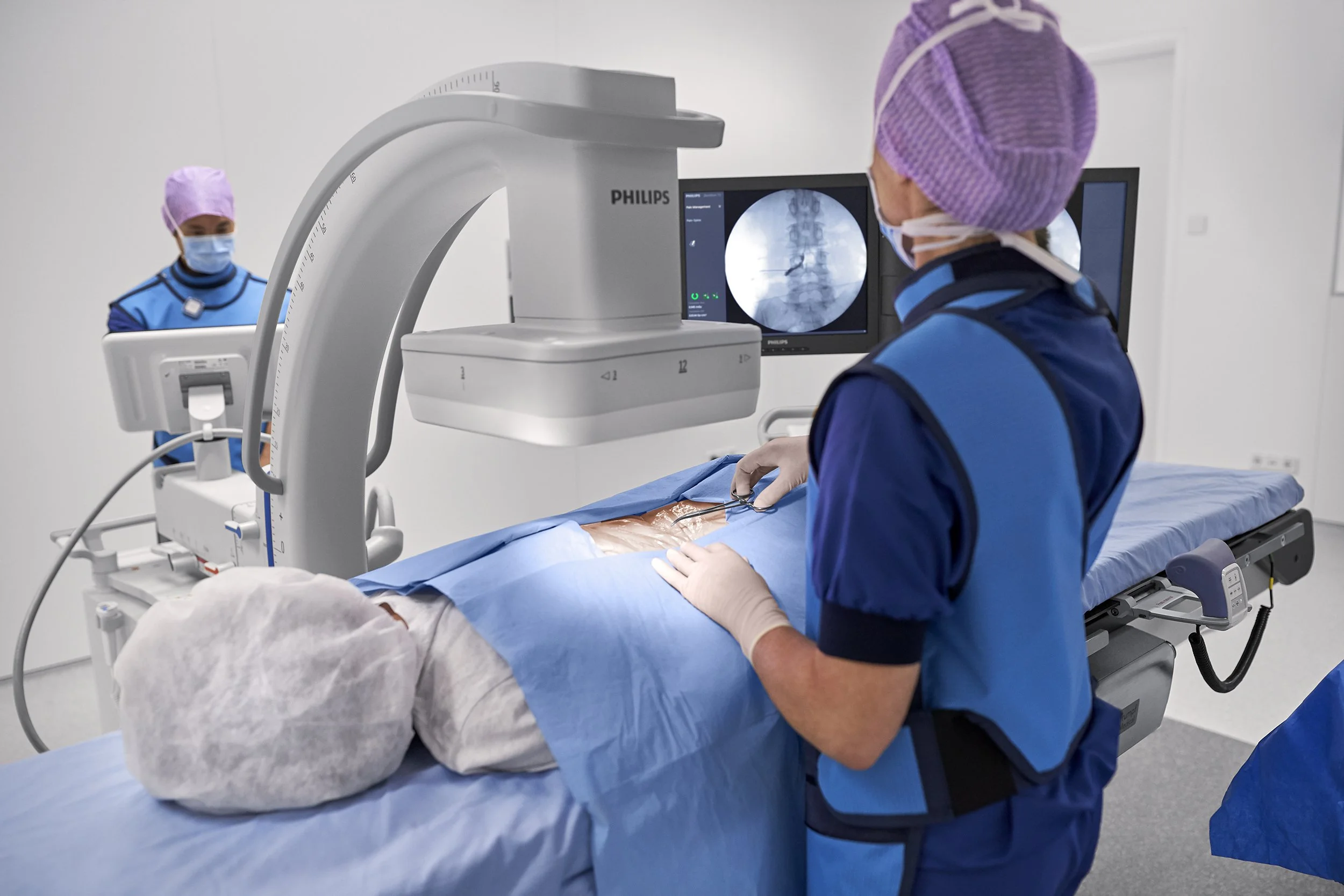
C-arm guided spine procedureFluoroscopy guided care

Image-Guided Precision Interventions

When conservative treatment does not provide adequate improvement, or when a specific pain generator requires targeted management, selected image-guided procedures may be considered. These can include, depending on diagnosis:

  • Diagnostic nerve blocks
  • Therapeutic nerve blocks
  • Epidural injections
  • Selective nerve-root procedures
  • Facet-joint interventions
  • Sacroiliac-joint interventions
  • Ultrasound-guided soft-tissue procedures
  • Radiofrequency procedures in selected chronic pain conditions

These procedures are not appropriate for everyone. They are selected after clinical evaluation and used when expected benefits outweigh the risks.

Advanced Image-Guided Precision Interventions

Precision Matters. Especially Around the Spine.

The spine contains delicate neurological structures. Image guidance can help the physician identify anatomical targets and guide selected procedures with greater precision.

Ultrasound-Guided Interventions

Ultrasound can provide real-time visualisation of selected muscles, tendons, ligaments, peripheral nerves, blood vessels and other soft tissues. It can be useful for selected musculoskeletal and peripheral nerve conditions where ultrasound provides meaningful diagnostic or procedural information.

Diagnostic Nerve Blocks

A diagnostic block may sometimes be used to help determine whether a particular nerve or structure contributes to symptoms.

Fluoroscopy-Guided Spine Procedures

Fluoroscopy, commonly performed using a C-arm, can provide real-time X-ray guidance during selected spinal procedures. Depending on the diagnosis, this may be used for targeted interventions involving:

  • Facet joints
  • Epidural space
  • Nerve roots
  • Selected spinal pain generators

Radiofrequency Procedures

For carefully selected chronic pain conditions, radiofrequency techniques may be considered when the suspected pain generator and clinical indications support their use. Precision is only one part of treatment. Correct patient selection, diagnosis, informed consent, procedural safety, rehabilitation, and follow-up remain equally important.

Regenerative Medicine & Spine Care

This section is intentionally more editorial and evidence-led so it does not visually look like another generic service grid.

04 Β· STEP FOUR

Regenerative Medicine & Spine Care

Regenerative medicine has generated significant interest in the treatment of musculoskeletal and spinal conditions. However, it is important to distinguish scientific research from marketing claims.

Spine Stem Cell Treatment in Jaipur

The evidence surrounding cell-based treatments for discogenic low-back pain remains an evolving area of research. Recent reviews report potentially positive effects on pain and function in selected patients, but the evidence base remains limited and heterogeneous, and larger, higher-quality studies are still needed. Therefore, spine stem cell treatment in Jaipur should never be presented as a guaranteed cure or as a replacement for established treatment. At Purple Heron Hospital, any discussion of regenerative treatment should consider:

  • The exact diagnosis
  • The source of pain
  • Severity and duration
  • Previous treatment
  • Available evidence
  • Potential benefits
  • Potential risks
  • Alternatives
  • Patient expectations
  • Regulatory considerations

Current professional guidance describes biologic treatments as an evolving field and emphasises informed patient selection, discussion of risks and benefits, and integration with established treatments where appropriate.

A Responsible Approach to Regenerative Care

A treatment being marketed as β€œstem cell therapy” does not automatically mean it has been proven to regenerate a damaged disc or eliminate spinal pain. Patients should ask:

  • What exact product is being used?
  • What is the diagnosis?
  • What clinical evidence supports its use?
  • Is the treatment approved or investigational?
  • What are the potential risks?
  • What alternatives exist?
  • What happens if it does not work?

Regenerative medicine should be considered through evidence, appropriate patient selection, safety, and transparent informed consent. In the United States, for example, the FDA states that regenerative medicine products such as stem-cell and exosome products have been widely marketed without approval for numerous orthopedic conditions and warns about potentially serious risks associated with unapproved products.

Comprehensive 360Β° Spine Rehabilitation

The rehabilitation section is built like a programme map, with the clinical story on one side and functional pillars clearly separated on the other.

05 Β· STEP FIVE
Spine rehabilitation sessionFunction-led rehabilitation

Comprehensive 360Β° Spine Rehabilitation

Rehabilitation is not an add-on after pain treatment. It is a core part of recovery. 12 PILLARS Physician-Led Plan Connected Rehabilitation Personalised to You Every rehabilitation programme begins with one question: What does this particular patient need to regain function? A young software professional with chronic lumbar pain may need a different programme from an athlete recovering from injury. A patient recovering from spinal surgery requires a different progression from someone with mechanical back pain. A person with nerve symptoms may require careful neurological monitoring alongside rehabilitation.

For this reason, rehabilitation considers:

12 PILLARSPhysician-Led PlanConnected RehabilitationPersonalised to You
Diagnosis
Stage of recovery
Pain severity
Neurological involvement
Muscle strength
Endurance
Mobility
Movement quality
Occupation
Sports requirements
Previous injuries
Previous surgery
Age
Physical conditioning
Functional goals

The programme is progressively modified according to clinical response. Rather than following a fixed exercise sheet, rehabilitation evolves as function improves. At Purple Heron Hospital, rehabilitation is therefore not simply a collection of exercises. It is a structured medical process designed to restore movement, confidence, strength, independence, and function.

Advanced Spine Surgery

A separate final chapter keeps surgery visually distinct from non-surgical and interventional care.

06

STEP SIX

Advanced Spine Surgery

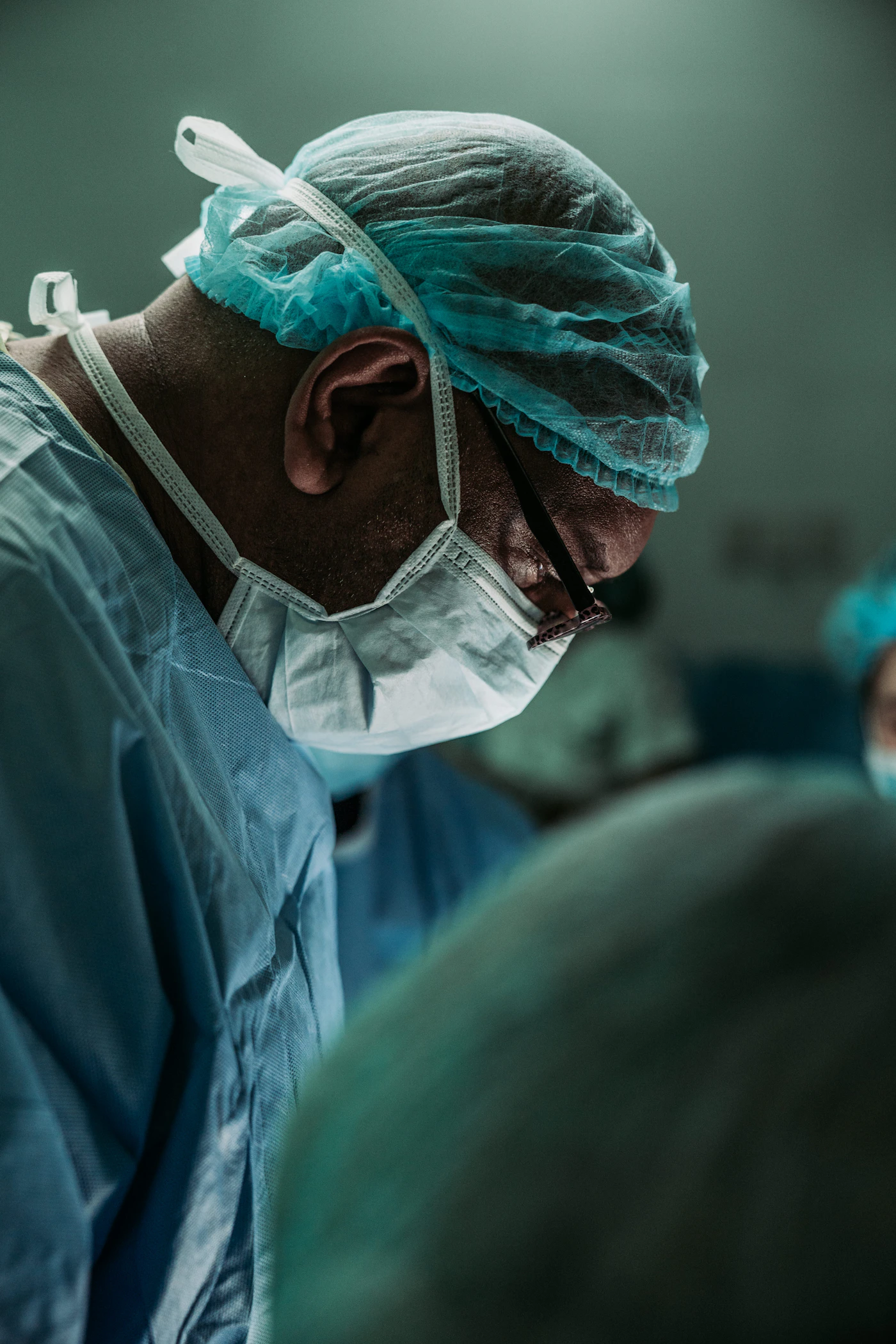
Advanced surgical careAdvanced surgical pathway
SPINE CARE PATHWAY

The Best Spine Surgery Is the One That Is Truly Necessary.

Preserving the spine whenever possible.

Operating when clinically indicated.

That balance is central to responsible spine care.

Many patients with spinal pain can improve through appropriate non-surgical management.

However, surgery becomes important when there is significant neurological compression, progressive neurological impairment, instability, certain traumatic injuries, selected structural problems, or persistent disabling symptoms despite appropriate non-surgical treatment when surgery is expected to provide meaningful benefit.

A spine specialist doctor in Jaipur should therefore assess the complete clinical picture before recommending surgery.

When Is Spine Surgery Considered?

Possible indications may include:

01

Progressive weakness

02

Significant neurological deficits

03

Cervical or lumbar spinal cord compression with clinically significant myelopathy

04

Cauda equina syndrome or severe nerve compression requiring urgent intervention

05

Selected disc prolapse with persistent neurological compromise

06

Significant spinal instability

07

Certain fractures

08

Progressive deformity

09

Selected tumours or infections

10

Severe spinal stenosis with appropriate clinical indications

11

Persistent disabling symptoms despite appropriate conservative treatment where surgery is expected to provide meaningful benefit

Surgery is not recommended simply because an MRI shows degeneration.

The clinical symptoms, neurological examination, imaging, functional impairment, overall health, and expected benefit must be considered together.

The Best Spine Surgery Is the One That Is Truly Necessary.SPINE CARE β€’ PURPLE HERON
SPINE CARE PATHWAY

Surgery & Emergency Guidance

When Waiting Is Not Appropriate

Some spinal conditions require urgent assessment.

Seek emergency medical attention if spinal pain is accompanied by:

  • New bladder or bowel dysfunction
  • Saddle-area numbness
  • Rapidly progressing weakness
  • Severe difficulty walking
  • Significant neurological deterioration
  • Major trauma
  • Fever with severe spinal pain
  • Other signs suggesting infection, fracture, tumour, or serious neurological compression

Cauda equina-type symptoms and progressive neurological deficits require urgent medical evaluation rather than routine outpatient management.

Knowing When Not to Operate Is Also Part of Good Spine Care.

Surgery carries risks.

It should therefore be recommended when the expected benefits justify those risks.

The goal is not to perform the most advanced procedure available.

The goal is to perform the right procedure for the right patient when it is genuinely needed.

Surgery & Emergency GuidanceSPINE CARE β€’ PURPLE HERON
SPINE CARE PATHWAY

One Coordinated System

Advanced Spine Surgery With Multidisciplinary Care

When surgery becomes appropriate, treatment should not stop at the operating theatre.

A complete pathway may involve:

  • Spine Surgeons
  • Neurosurgeons
  • Rehabilitation Physicians
  • Interventional Pain Specialists
  • Anaesthesia & Critical Care
  • Physiotherapists
  • Occupational Therapists
  • Nursing Professionals
  • Orthotic Specialists
  • Nutrition Professionals

This coordinated approach supports:

Assessment β†’ Preparation β†’ Surgery β†’ Early Recovery β†’ Rehabilitation β†’ Functional Return

One Coordinated SystemSPINE CARE β€’ PURPLE HERON
SPINE CARE PATHWAY

Precision β€’ Safety β€’ Planning

Advanced Surgical Technology

Modern spinal surgery may use advanced technology according to the procedure and clinical requirements.

01

Navigation-Assisted Surgery

Computer-assisted navigation can support anatomical orientation and surgical planning during selected procedures.

02

Operating Microscope

Microsurgical visualisation may be used during delicate procedures where enhanced magnification is required.

03

High-Definition Surgical Visualisation

Advanced visualisation systems can support detailed intra-operative assessment.

04

Modular Operating Theatres

Modern operating-room infrastructure supports sterile and controlled surgical environments.

05

Advanced Anaesthesia

Specialised anaesthesia teams support patient safety throughout the surgical journey.

06

Critical Care Backup

Appropriate critical-care support is available when clinically required.

07

Peri-Operative Rehabilitation

Recovery planning begins before surgery and continues after discharge.

Technology is only one component of successful spine surgery.

Patient selection, diagnosis, surgical judgment, safety, rehabilitation, and follow-up remain equally important.

Precision β€’ Safety β€’ PlanningSPINE CARE β€’ PURPLE HERON
SPINE CARE PATHWAY

OUR COMMITMENT

The Right Spine Treatment. Not the Most Invasive Treatment.

At Purple Heron Hospital, our goal is to provide the treatment that is appropriate for the patient's condition.

Whenever safe and clinically appropriate, non-surgical management remains an important part of care.

When advanced intervention is required, the decision is based on diagnosis, evidence, neurological status, functional limitations, expected benefits, and individual circumstances.

As a spine specialist doctor in Jaipur, Dr. Aayushi Choudhary focuses on connecting diagnosis, pain management, rehabilitation, and functional recovery rather than treating each component in isolation.

Our goal is not simply to treat spinal pain. Our goal is to restore movement, protect function, and help patients move forward with confidence.
SPINE CARE PATHWAY

Sciatica, Back Pain & Modern Spine Care

Understanding β€œSciatica” Symptoms

The term β€œsciatica” commonly refers to pain that travels along the distribution of the sciatic nerve, usually from the lower back or buttock into the leg.

It is often associated with lumbar nerve-root irritation, but leg pain can have other causes.

Therefore, sciatica treatment in Jaipur should begin with diagnosis rather than assuming every radiating leg pain is caused by a slipped disc.

Sciatica Back Pain in Jaipur

Patients searching for Sciatica back pain in Jaipur may describe symptoms such as:

  • Pain from the lower back into the buttock
  • Pain travelling down one leg
  • Tingling
  • Numbness
  • Burning
  • Electric-shock-like sensations
  • Weakness

Treatment depends on the cause, severity, neurological findings, and duration.

Sciatica Lumbar Back Pain in Jaipur

For people searching for Sciatica lumbar back pain in Jaipur, the correct clinical approach is to determine whether symptoms are arising from a lumbar nerve root, disc disorder, spinal stenosis, muscular problem, hip disorder, or another cause.

A careful examination helps distinguish these possibilities.

A spine specialist doctor in Jaipur can determine whether further imaging, conservative care, targeted intervention, or surgical assessment is appropriate.

Sciatica, Back Pain & Modern Spine CareSPINE CARE β€’ PURPLE HERON
SPINE CARE PATHWAY

When Pain Becomes Persistent

Chronic Spine Pain, Central Sensitisation & Emotional Well-Being

Pain should never simply become your new normal.

Persistent spinal pain can affect:

  • Sleep
  • Concentration
  • Work
  • Exercise
  • Relationships
  • Confidence
  • Emotional well-being
  • Independence

When pain continues for a prolonged period, changes in nervous-system processing can contribute to increased sensitivity in some patients.

This does not mean the pain is imaginary.

It means chronic pain may require a broader treatment strategy.

Treating the Whole Person, Not Just the Spine

Depending on individual needs, comprehensive chronic pain care may include:

  • Education about pain mechanisms
  • Rehabilitation
  • Movement restoration
  • Sleep optimisation
  • Lifestyle modification
  • Appropriate medication
  • Psychological support when clinically indicated
  • Image-guided interventions when appropriate
  • Multidisciplinary pain management

The aim is not simply to lower a pain score.

The aim is to help patients:

Sleep better.

Move more confidently.

Return to work.

Exercise safely.

Reconnect with everyday life.

Regain independence.

When Pain Becomes PersistentSPINE CARE β€’ PURPLE HERON
SPINE CARE PATHWAY

FAQs About Spine Treatment in Jaipur

01. Can a slipped disc heal without surgery?+

Yes. Many disc-related conditions can improve with appropriate non-surgical treatment, depending on the diagnosis and neurological status. Treatment may include education, activity modification, medication, rehabilitation and, when appropriate, targeted interventions. Surgery is considered when specific clinical indications are present.

02. How long does spine treatment take?+

Recovery varies significantly. Some acute mechanical back-pain episodes improve over several weeks, while chronic or neurological conditions may require longer rehabilitation. Recovery depends on diagnosis, severity, duration, neurological involvement, general health, and adherence to the treatment plan.

03. When is an MRI required for back pain?+

MRI is not automatically required for every episode of back pain. It may be considered when serious pathology is suspected, neurological symptoms are significant or progressive, symptoms persist despite appropriate management, or imaging is likely to change treatment decisions.

04. Is spine surgery always necessary for spinal stenosis?+

No. Treatment depends on symptoms, neurological findings, severity, functional limitations, and response to conservative care. Some patients can be managed without surgery, while others with significant neurological or functional impairment may require surgical assessment.

05. What is the difference between back pain and sciatica?+

Back pain is generally felt in the back, while sciatica describes pain that follows the course of the sciatic nerve, commonly extending from the lower back or buttock into the leg. Similar leg symptoms can have other causes, so proper diagnosis is important.

06. Can physiotherapy help spine problems?+

Physiotherapy and structured exercise can play an important role in managing many spinal conditions. The programme should be tailored to the diagnosis, pain severity, neurological status, physical capacity, and functional goals rather than using the same exercise routine for everyone.

07. Is spine stem cell treatment proven to regenerate damaged discs?+

Current research into cell-based treatments for discogenic low-back pain is promising but still evolving. Evidence remains limited and heterogeneous, and high-quality clinical research is still needed. Patients should discuss evidence, risks, alternatives, regulatory considerations, and realistic expectations before considering treatment.

08. Is Scietica treatment in Jaipur different from regular back-pain treatment?+

The appropriate treatment depends on the actual cause of the symptoms. Radiating leg pain may result from nerve-root irritation, disc problems, spinal stenosis, or other conditions. Therefore, Scietica treatment in Jaipur should begin with clinical assessment rather than assuming one diagnosis.

09. What happens during a spine specialist consultation?+

A specialist consultation generally includes a detailed history, physical examination, neurological assessment, movement evaluation and review of previous investigations. Imaging is recommended when clinically appropriate. The findings are then used to determine whether conservative treatment, rehabilitation, an intervention, further testing, or surgical assessment is appropriate.

10. How do I choose a spine specialist doctor in Jaipur?+

Look for a clinician whose approach includes accurate diagnosis, appropriate imaging, evidence-based non-surgical management, rehabilitation, interventional options when indicated, and timely referral or coordination for surgery when necessary. The focus should be on the complete patient rather than an imaging report alone.

SPINE CARE PATHWAY

Why Choose Dr. Aayushi Choudhary for Spine Care?

Precision. Rehabilitation. Pain Management. Function.

Dr. Aayushi Choudhary combines expertise in Physical Medicine & Rehabilitation with advanced training in interventional pain management and musculoskeletal ultrasound.

Her credentials include:

MBBS

MD (Physical Medicine & Rehabilitation) – Gold Medalist

Fellowship in Interventional Pain Management (FIPM)

Musculoskeletal Ultrasound (MSK USG – USPRM), Lisbon, Portugal

President's Award 2022 European Society of Physical & Rehabilitation Medicine

Her approach brings together:

  • Root-cause evaluation
  • Neurological assessment
  • Musculoskeletal examination
  • Imaging correlation
  • Conservative spine management
  • Interventional pain management
  • Rehabilitation
  • Functional restoration
  • Multidisciplinary coordination

For patients looking for a spine specialist doctor in Jaipur, the objective is not simply to find a treatment.

It is to find the right treatment pathway for the individual condition.

Why Choose Dr. Aayushi Choudhary for Spine Care?SPINE CARE β€’ PURPLE HERON
SPINE CARE PATHWAY

A Complete Spine Care Philosophy

Diagnose. Treat. Rehabilitate. Restore.

Spine care should not begin with:

β€œWhich procedure can we perform?”

It should begin with:

β€œWhat is causing this patient's problem?”

From there, the treatment pathway may involve education, medication, physiotherapy, exercise, posture and movement correction, image-guided interventions, carefully selected regenerative options, or surgery when clinically necessary.

Every stage should have a purpose.

Every procedure should have an indication.

Every patient should have a recovery plan.

And every treatment decision should consider the person's long-term function.

A Complete Spine Care PhilosophySPINE CARE β€’ PURPLE HERON
SPINE CARE PATHWAY

Your Spine Deserves More Than Temporary Pain Relief.

It deserves accurate diagnosis.

It deserves appropriate treatment.

It deserves rehabilitation.

And above all, it deserves a plan designed around you.

If persistent back pain, spinal stiffness, radiating pain, numbness, weakness, recurring pain, or Scietica lumber back pain in Jaipur problems are affecting your daily life, early specialist evaluation can help determine the appropriate next step.

The goal of spine care is not merely to make the pain disappear.

It is to help you move forward.

Make an Appointment

+91 90907 57585

Dr. Aayushi Choudhary

Precision Spine & Pain Care

Purple Heron Hospital

Jaipur

Your Spine Deserves More Than Temporary Pain Relief.SPINE CARE β€’ PURPLE HERON
Purple Heron Hospital
Typically replies instantly
×

Hi there πŸ‘‹

Ready to book an appointment, inquire about our health packages, or request a callback?
πŸ“… πŸ’Ό πŸ“ž

Click here to take the next step and get the care you deserve!

Start Chat