
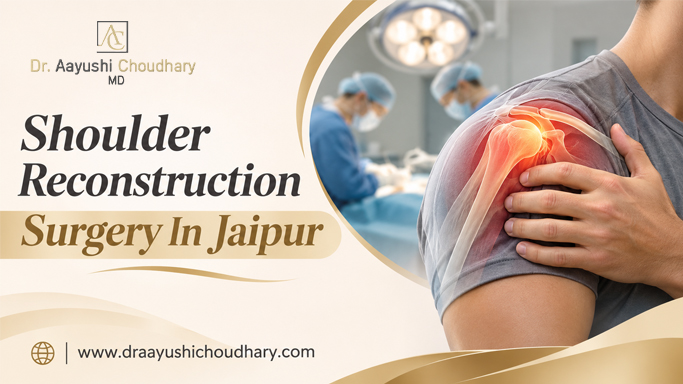
Shoulders are important for lifting, reaching and everyday independence; however, structural problems in the shoulders can cause movement difficulties and need individualised medical attention.
For patients experiencing complex joint damage or shoulder deformity, shoulder reconstruction surgery in Jaipur may present a treatment pathway as indicated after a clinical assessment. Cases with difficult anatomical challenges require detailed planning as well as post-operative care. The goal is to address the structural problem while considering functional needs, movement and comfort of the patients.
A reconstruction story at Purple Heron Hospitals Jaipur carries a particularly powerful message: the patient had reportedly been told that nothing more could be done. This blog revolves around the importance of that journey, advanced treatment planning, the requirement of rehabilitation after surgery and the significance of a specialist evaluation.
When a Difficult Shoulder Case Seems Beyond Possibility
Some patients see structural changes which affect stability, movement and joint alignment. With the increasing complexities of the problem, everyday activities, including dressing, raising an arm and reaching for objects, may become more difficult.
A complicated shoulder reconstruction case supervised by Dr. Aayushi Choudhary and her team evokes a striking message: “They said nothing could be done.” This message indicates the difference between treatment approaches in the hospital by the doctor in comparison with other doctors in different other hospitals in Jaipur.
Dr. Aayushi Choudhary is a specialist in pain, musculoskeletal medicine and rehabilitation at Purple Heron Hospitals. Her qualifications include MBBS, MD in Physical Medicine and Rehabilitation with a gold medal, a Fellowship in Interventional pain management and advanced musculoskeletal ultrasound training in Lisbon, Portugal.
This case is described as the complex shoulder reconstruction story. This detail of this case provides a central significance where the case highlights the significance of evaluating the difficult condition by Dr. Aayushi Choudhary, unlike considering similar treatment possibilities.
A supportive brace across the shoulder has brought a sense of relief in the patient. Selection of such a brace shows the experience of the doctor towards conducting an appropriate diagnosis, understanding the degree of deformity and functional outcome.
A complicated case needs careful investigation before taking a treatment decision. Her clinical team have understood the underlying structural problem, evaluated surrounding tissues and assessed whether reconstruction is the clinical option or not. Every patient needs an individual assessment, so surgery cannot be assumed to be appropriate for every shoulder condition.
Assessing the Structural Challenges Behind Complex Shoulder Deformities
The shoulder is a mobile joint supported by tendons, ligaments, bones, cartilage, muscles and surrounding soft tissues. These specific structures allow movement of the arm in different directions and maintain stability. Damage and important changes include one or rather more than one structure that disturbs this balance.
Shoulder reconstruction is required to be considered in some cases involving previous injuries, severe bone damage, longstanding instability, and other types of structural abnormalities. The specific treatment depends on how the condition impacts shoulder function and which structures are impacted.
Before recommending reconstruction, specialists may evaluate several factors, including:
- Joint alignment: Whether shoulder structures maintain a suitable relationship.
- Bone condition: The extent of any structural deformity or damage.
- Soft-tissue involvement: The condition of ligaments, surrounding tissues, tendons and muscles.
- Movement limitations: How the condition impacts daily movements of the arm.
- Previous treatment: Whether earlier interventions have influenced the current condition.
This assessment helps establish the nature of the problem and whether conservative treatment, rehabilitation, an intervention or surgery should be considered. Complex shoulder deformity treatment must be guided by clinical findings.
Turning a Challenging Diagnosis into a Carefully Planned Approach
Three-dimensional planning can be helpful for the clinicians to evaluate anatomical relationships from diverse perspectives. In a few cases, it may support evaluation of joint alignment, bone shape and areas requiring attention in the wake of reconstruction. It can be helpful for the team to anticipate technical considerations and the proposed surgical approach.
A planning process may involve:
- Detailed imaging review: Diagnostic scans can help to understand the impacted anatomy.
- Anatomical assessment: Recognising structural changes and their link with surrounding tissues.
- Reconstruction planning: Considering surgical needs on the basis of the individual condition of the patients.
- Risk evaluation: Evaluating the patient's medical suitability and possible complications.
- Recovery preparation: Considering rehabilitation needs and postoperative support before the procedure.
A detailed reassessment can be a significant step towards understanding the effectiveness of the options. It does not guarantee the appropriateness and success of the surgery, but it allows the clinical team to make an informed decision.
How Specialist Expertise Connects Assessment With Reconstruction
Complex shoulder care needs more than identification of the structural abnormality. The treatment team should consider joint mechanics, functional goals, movement, pain and surrounding muscles of the patients. These factors assist in determining whether surgery is needed and what type of support may be required afterwards.
Dr. Aayushi Choudhary, as a shoulder reconstruction specialist in Jaipur, brings together pain management, image-guided procedures, functional rehabilitation and musculoskeletal assessment. This background is important for undertaking a care pathway, as shoulder conditions involve overlapping problems impacting comfort and movement.
In this complex reconstruction journey, she has played an important role in the surgical team. She has integrated advanced 3D planning, precision-guided microsurgery and structured rehabilitation approaches to support accurate treatment planning, improved functional outcomes and personalised patient recovery. View the WhatsApp channel to know more about her ways to rebuild confidence and improve quality of life among her patients.
Combining 3D Planning Microsurgery and Advanced Treatment Approaches
3D planning, microsurgery and rehabilitation are the essential components in this selected case. These represent different stages or aspects of complex care. Their use depends on the patient's anatomy, the procedure required and the clinical judgement of the treating team.
3D Surgical Planning for Complex Shoulder Conditions
Three-dimensional planning can help the team understand complicated anatomical relationships before surgery. In selected cases, it may support decisions about reconstruction requirements and help anticipate technical challenges. Its purpose is to improve preparation, not to guarantee a particular surgical result.
Microsurgery and Precision-Based Techniques
Microsurgical techniques use specialised instruments and magnification when delicate structures require precise handling. The exact role of microsurgery in a patient's operation would need confirmation from the surgical team or the original case documentation.
Individualised Shoulder Reconstruction
The reconstruction method must be selected according to the patient's structural condition and functional requirements. Different cases may require different procedures, and no single technique is appropriate for every shoulder deformity.
Imaging and Supporting Interventions
Clinical imaging can help specialists assess affected structures and guide selected procedures. Dr. Aayushi Choudhary's musculoskeletal practice includes ultrasound-based assessment and image-guided interventions where clinically appropriate. These treatments serve different purposes and should not be presented as substitutes for reconstructive surgery when surgery is genuinely required.
Postoperative Protection and Monitoring
A supportive shoulder brace during the postoperative stage may be prescribed to protect the treated area while healing progresses. The type and duration of support must be determined by the treating team according to the procedure performed.
Together, these elements illustrate why Advanced Shoulder Surgery in Jaipur should be understood as a coordinated clinical process rather than a single operation. The treatment plan must remain specific to the patient's diagnosis, anatomy and recovery needs.
Why Rehabilitation Completes the Shoulder Reconstruction Journey
A reconstruction procedure addresses structural concerns, but recovering movement and everyday function requires a carefully guided rehabilitation programme. Inclusion of rehabilitation alongside 3D planning and microsurgery reinforces the fact that recovery is an essential part of the overall treatment journey.
Rehabilitation after shoulder reconstruction surgery must be tailored to the procedure performed and the patient's healing progress. In the early stages, the focus may be on protecting the reconstructed structures and following prescribed precautions. The supportive brace illustrates how postoperative protection may form part of this phase.
As recovery progresses, the treating team may introduce appropriate movement and strengthening activities based on the procedure and clinical instructions. Rehabilitation may involve following guidance on brace use and movement restrictions, gradually restoring permitted shoulder mobility, and improving coordination and control of the shoulder. Regular progress monitoring also helps the clinical team assess movement, comfort and recovery milestones.
Recovery is not identical for every patient. The pace depends on the original deformity, the procedure, tissue healing and individual health factors. Patients should follow their prescribed programme and avoid introducing exercises or changing brace use without professional guidance.
Summing Up
The shoulder reconstruction story presented by Purple Heron Hospitals highlights a challenging patient journey that reportedly began with the belief that nothing more could be done. The patient's condition highlights use of supportive bracing and three key elements of the treatment approach: 3D planning, microsurgery and rehabilitation.
The case illustrates why complex shoulder conditions deserve careful assessment and individualised treatment planning. For patients experiencing significant shoulder deformity, persistent pain or restricted movement, a specialist evaluation can help clarify the available options.
To learn more about musculoskeletal assessment, shoulder care and rehabilitation, contact Dr. Aayushi Choudhary at Purple Heron Hospitals, Jaipur, for guidance based on your individual clinical needs.
FAQs
1. When is shoulder reconstruction surgery considered?
Shoulder reconstruction may be considered when significant structural damage or deformity affects joint stability and movement. A specialist evaluates the bones, tendons, muscles and surrounding tissues before recommending treatment. The appropriate approach depends on the patient's diagnosis and individual clinical needs.
2. What do I need to know about shoulder reconstruction?
Shoulder Reconstruction addresses significant structural problems that may involve joint alignment, bone damage or surrounding soft tissues. Treatment planning may include detailed imaging and an assessment of the patient's functional goals. The surgical approach varies according to the complexity of the condition.
3. How does 3D Surgical Planning help in shoulder reconstruction?
3D Surgical Planning for Complex Conditions helps specialists examine anatomical structures from different perspectives before surgery. It can support the assessment of deformities and preparation for technically challenging procedures. Dr. Aayushi Choudhary at Purple Heron Hospitals, Jaipur, provides specialist musculoskeletal assessment and rehabilitation care.
4. What treatments are involved in advanced shoulder surgery?
Depending on the patient's condition, advanced treatment may involve detailed 3D planning, microsurgery and individualised reconstruction. Imaging-based assessment and postoperative support may also form part of the care pathway. The treating team determines which techniques are clinically appropriate.
5. Why is rehabilitation after shoulder reconstruction important?
Rehabilitation helps patients work towards improved movement, muscle coordination and everyday function after surgery. The programme may include protected movement, gradual strengthening and regular progress assessments. Dr. Aayushi Choudhary and the team at Purple Heron Hospitals, Jaipur, focus on musculoskeletal care and guided rehabilitation.
RAGs
1. Understanding Complexities in Shoulder Reconstruction
Shoulder Reconstruction may be considered when significant structural changes affect shoulder stability, alignment or movement. A detailed assessment helps identify the affected structures and available treatment options. The approach is individualised according to the patient's condition and functional needs.
2. Specialist Guidance for Shoulder Reconstruction Surgery
Shoulder Reconstruction Surgery requires careful evaluation of the joint, surrounding tissues and the patient's overall health. Dr. Aayushi Choudhary at Purple Heron Hospitals, Jaipur, specialises in pain, musculoskeletal medicine and rehabilitation. Her qualifications include an MBBS, an MD in physical medicine and rehabilitation, and a fellowship in interventional pain management.
3. Role of 3D Surgical Planning in Complex Cases
3D Surgical Planning for Complex Conditions can help clinicians understand anatomical variations and structural deformities. It supports preoperative assessment and consideration of the technical requirements of reconstruction. The final surgical plan depends on clinical findings and the patient's individual anatomy.
4. Advanced Shoulder Surgery and Microsurgical Techniques
Advanced Shoulder Surgery may involve specialised techniques such as microsurgery when the clinical requirements call for precision-based treatment. At Purple Heron Hospitals, Dr. Aayushi Choudhary's musculoskeletal care approach includes detailed assessment, image-guided interventions and rehabilitation. The exact surgical technique must be determined by the treating surgical team.
5. Rehabilitation After Reconstruction Surgery
Rehabilitation After Reconstruction Surgery supports the gradual development of mobility, strength and functional movement. The programme may progress from prescribed protection and controlled movement to strengthening exercises as healing allows. Regular monitoring helps the treating team adapt rehabilitation to the patient's recovery.
 Understanding Spine Disorders: Expert Care by a Spine Specialist
 What Causes Knee Pain? Symptoms, Diagnosis & Effective Relief
 ACL Injury Treatment: Causes, Diagnosis, and Modern Recovery Options
.jpg) How Lifestyle Choices Impact Your Risk of Stroke
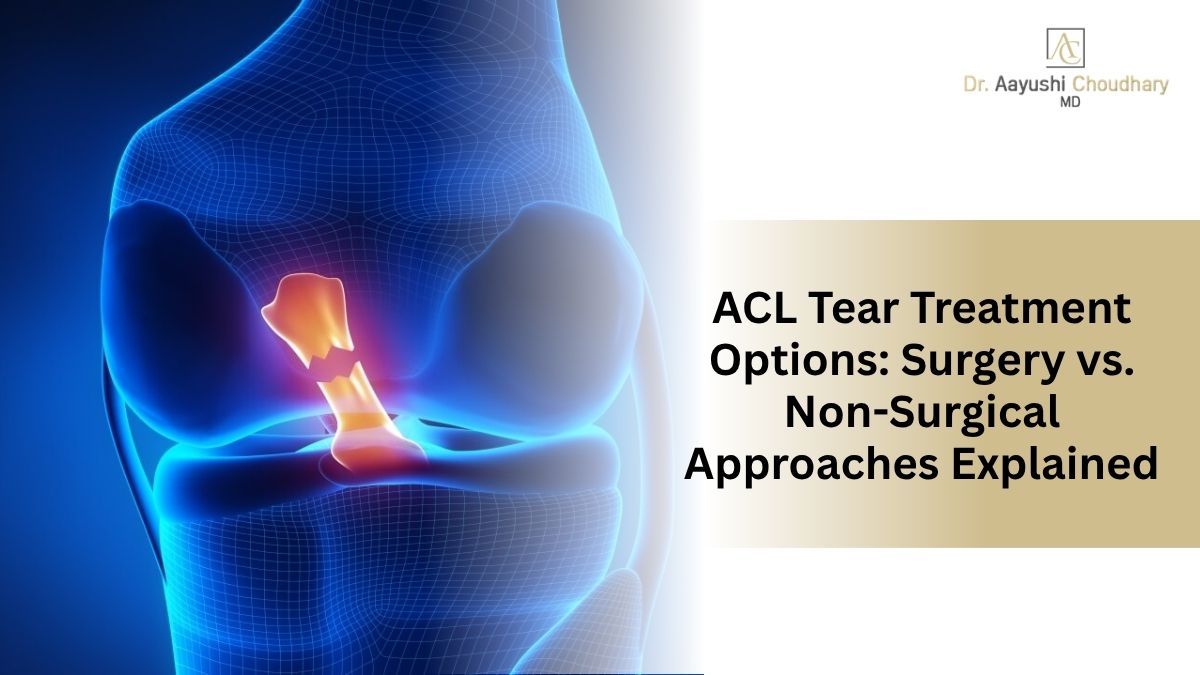 ACL Tear Treatment Options: Surgery vs. Non-Surgical Approaches Explained
 How Do You Know If Knee Pain Is Serious?
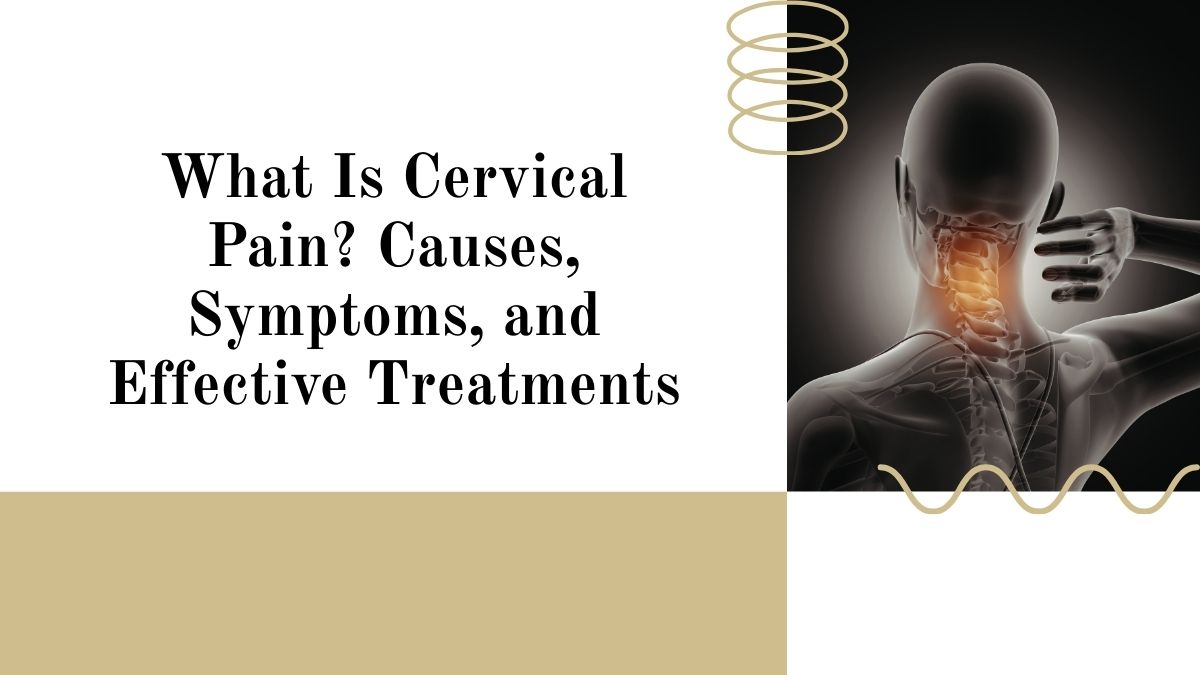 What Is Cervical Pain? Causes, Symptoms, and Effective Treatments
 When Should You Consult a Pain Specialist? Signs You Should Not Ignore
 What Causes Shoulder Pain? Symptoms & Treatment
 Common Sports Injuries and How to Prevent Them: A Complete Guide
 Don’t Ignore These Signs of Paralysis – It Could Be Serious
 Paralysis Treatment & Neurorehabilitation: A 360° Approach to Spastic and Flaccid Paralysis Recovery
 Why Does My Back Hurt? Understanding the Root Causes of Spinal Pain
 Top 10 Early Signs of Stroke You Should Never Ignore
 Daily Activity Tips to Manage Frozen Shoulder Pain
 When Kids with Cerebral Palsy Grow Up: A Simple Guide for Families
 How to Safely Return to Sports After an ACL Injury
 Knee Pain Dos and Don’ts: Best Practices for Pain Management
 Why Are Young People Suffering from Chronic Back Pain?
 8 Common Causes of Neck Pain & Effective Treatment Options
 Pain Management: When to Visit a Pain Specialist or Pain Hospital
 Comprehensive Guide to Managing Musculoskeletal Pain and Body Aches
 Neck Pain Treatment for Working Professionals: Daily Care Tips
 Got Injured While Playing Sports? Here’s What to Do Next
 Knee Pain While Walking? Here Are The 5 Most Common Causes
 How Can People With Cerebral Palsy Improve Their Quality of Life?
 How Long Does ACL Injury Treatment Take? Recovery Explained
 How Does Paralysis Begin & What Treatments Help Recovery?
 Why Is Early Pain Treatment Important for Better Recovery?
 How Can You Tell If Your Knee Pain Needs Medical Attention?
 How Screen Time and Mobile Usage Trigger Cervical Pain?
 Everyday Habits That May Be Damaging Your Spine
 Best Ways to Manage Slip Disc and Improve Spine Health
 Body Ache: Symptoms, Causes and Treatment Explained
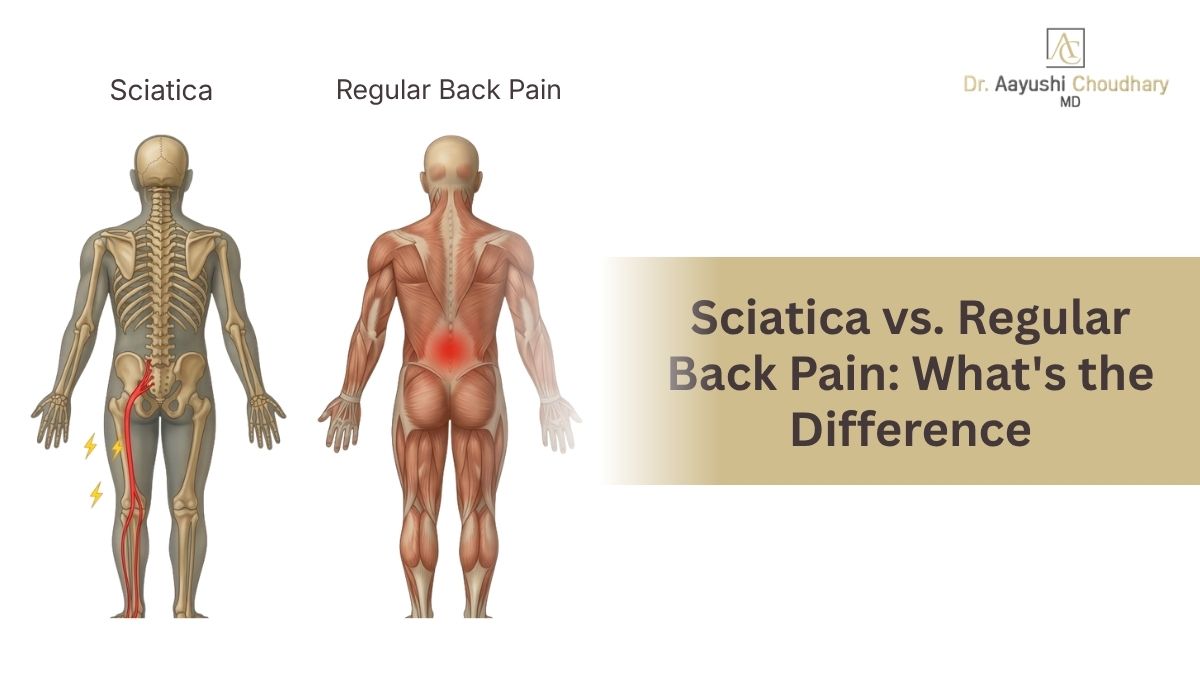 Sciatica vs. Regular Back Pain: What's the Difference? | Expert Guide
 Why Is Joint Pain More Common in Women? | Expert Medical Guide
 Why Do Gym Injuries Happen? | Expert Medical Guide
 Spine Preservation: Why the Future of Medicine Is About Preserving the Human Spine, Not Replacing It
 Rehabilitation: The Missing Fourth Pillar of Modern Medicine-Why the Future of Healthcare Is Not Just About Saving Lives, But Restoring Them
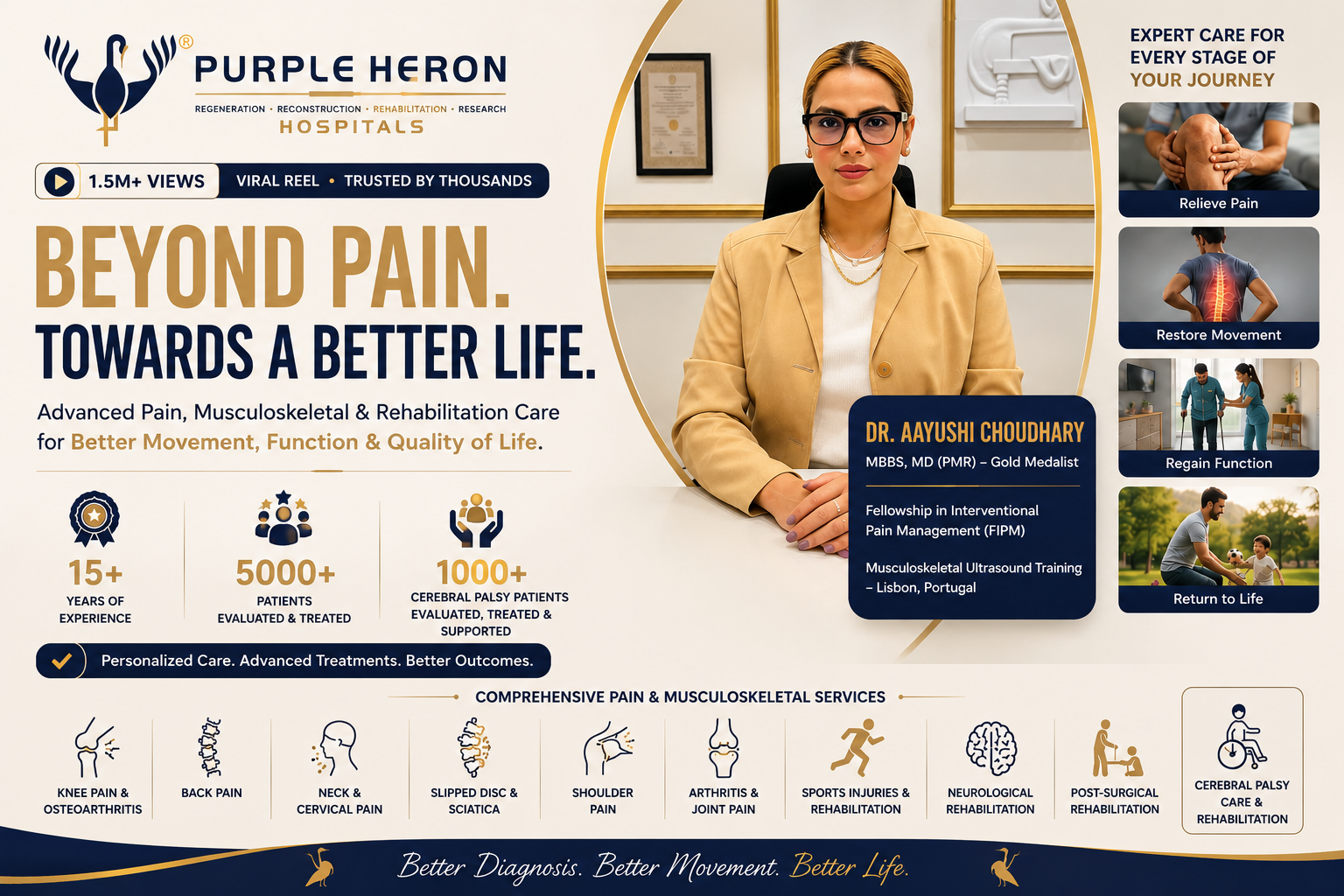 Advanced Pain & Musculoskeletal Care by Dr. Aayushi Choudhary in Jaipur
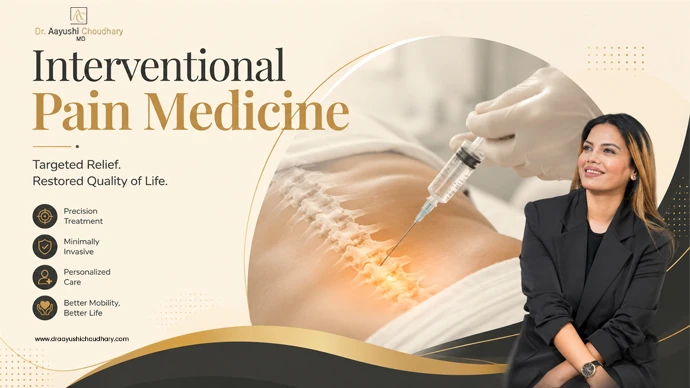 Interventional Pain Medicine: Pain Is Not Enemy; Rather Body's Language. Why Does Future of Pain Medicine Lie in Treating Cause, Not Silencing Symptom?
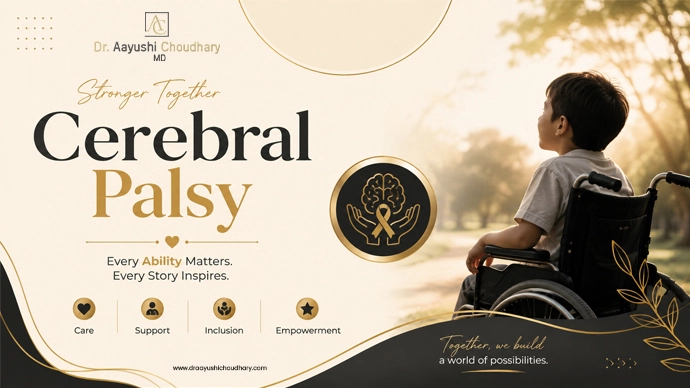 Cerebral Palsy Is Not a Deformity Problem, a Movement Problem. Why Correcting a Child’s Legs Does Not Always Help Them Walk?
 Regenerative Medicine: The Future of Healthcare Will Not Be Replacement but Preservation. Why Next Decade in Medicine Will Be Defined by Saving Human Tissue, Not Simply Replacing It
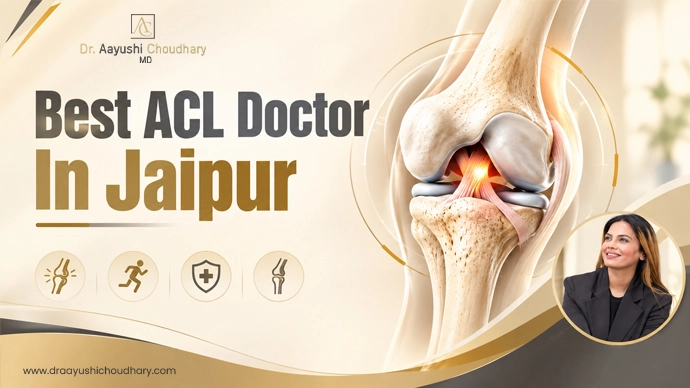 Best ACL Doctor in Jaipur for Complete Musculoskeletal Care
 Neck Pain Treatment in Jaipur: Causes, Symptoms and Care
 When Should You See a Knee Pain Specialist? Understanding the Causes, Advanced Treatment and Personalised Recovery
 Stroke Treatment in Jaipur: A Practical Guide to Recovery and Rehabilitation
 How Can Paralysis Rehabilitation in Jaipur Improve Strength, Mobility, and Everyday Function? A Patient-Focused Overview of Recovery and Care
 Can Slip Disc Treatment in Jaipur Help You Avoid Surgery? Understanding Conservative Care Options
 How the Best Cervical Pain Doctor in Jaipur Can Help Manage Chronic Neck Pain? Exploring Advanced Pain Management
 Frozen Shoulder Treatment in Jaipur-What Are the Best Ways to Manage Pain and Stiffness?
 Beyond Conventional Pain Relief: Advanced Care for Sciatica Lumbar Back Pain in Jaipur