

Pain is the body’s natural warning system, signaling that something isn’t right. While occasional pain can often be managed at home, persistent or severe discomfort may require professional care. This is where pain management plays a crucial role. Understanding when to consult a pain specialist or visit a pain hospital can make a significant difference in your recovery and quality of life.
In this blog, we’ll explore what pain management is, common types of pain, and the key signs that indicate it’s time to consult a pain doctor.
What is Pain Management?
Pain management is a specialized branch of medicine focused on diagnosing, treating, and reducing different types of pain. It involves a multidisciplinary approach that may include medications, physical therapy, lifestyle changes, and advanced medical procedures.
A trained pain specialist evaluates the root cause of your discomfort and creates a personalized treatment plan aimed at long-term relief rather than temporary fixes.
Types of Pain You Should Know
Understanding the nature of your pain helps determine the right treatment approach.
1. Acute Pain
This type of pain occurs suddenly due to injury, surgery, or illness. It usually lasts for a short period and improves as the underlying issue heals.
2. Chronic Pain
Pain that lasts for more than 3 months is considered chronic. Conditions like arthritis, back pain, or nerve damage often lead to chronic pain and require expert pain management.
3. Neuropathic Pain
Caused by nerve damage, this pain feels like burning, tingling, or shooting sensations. It often needs specialized care from a pain specialist.
4. Musculoskeletal Pain
Musculoskeletal pain includes pain in muscles, bones, ligaments, and joints. Common examples are neck pain, back pain, and shoulder pain.
Common Causes of Chronic Pain
- Arthritis and joint degeneration
- Slip disc or spinal disorders
- Injuries and accidents
- Poor posture and a sedentary lifestyle
- Nerve compression or damage
- Post-surgical pain
Ignoring these conditions can worsen symptoms and impact daily functioning.
When Should You Visit a Pain Hospital?
Many people delay seeking professional help, hoping the pain will go away on its own. However, certain signs indicate that you should consult a pain doctor immediately.
1. Pain Lasts More Than a Few Weeks
If your pain persists beyond 2–3 weeks despite home remedies, it’s time to seek professional pain management.
2. Pain Interferes with Daily Activities
When pain starts affecting your work, sleep, or mobility, consulting a pain specialist becomes essential.
3. Increasing Intensity of Pain
Pain that gradually worsens instead of improving could indicate an underlying condition requiring medical attention.
4. Pain Radiates to Other Areas
For example, neck pain spreading to arms or back pain radiating to legs may signal nerve involvement.
5. Numbness or Tingling Sensation
These symptoms often point to nerve-related issues and should not be ignored.
6. Limited Range of Motion
Difficulty in moving your neck, back, or joints may require specialized pain management techniques.
7. Dependence on Painkillers
If you rely frequently on over-the-counter medications, it’s better to consult a pain doctor for a safer, long-term solution.
8. Post-Surgical or Injury Pain
Pain that doesn’t improve after surgery or injury needs expert evaluation.
What Does a Pain Specialist Do?
A pain specialist is trained to diagnose complex pain conditions and provide targeted treatments. During your visit, the doctor may:
- Conduct a detailed physical examination
- Review your medical history
- Recommend imaging tests (X-ray, MRI, etc.)
- Identify the root cause of pain
- Develop a customized treatment plan
Their goal is not just to relieve pain but also to improve functionality and prevent recurrence.
Treatment Options in Pain Management
Modern pain management offers a wide range of treatments depending on the severity and cause of pain.
1. Medications
Pain relief medications, anti-inflammatory drugs, and muscle relaxants are commonly prescribed.
2. Physiotherapy
Exercises and manual therapy help improve strength, flexibility, and posture.
3. Lifestyle Modifications
Changes like ergonomic adjustments, weight management, and stress reduction play a vital role.
4. Interventional Procedures
Advanced treatments include:
- Nerve blocks
- Epidural injections
- Radiofrequency ablation
These are minimally invasive and provide long-lasting relief.
5. Alternative Therapies
Techniques such as acupuncture, yoga, and chiropractic care can complement traditional treatments.
Benefits of Visiting a Pain Hospital
Seeking care at a specialized pain hospital offers several advantages:
- Access to experienced pain specialists
- Accurate diagnosis using advanced technology
- Comprehensive and personalized treatment plans
- Focus on long-term pain relief
- Reduced dependency on medications
Early intervention ensures faster recovery and prevents complications.
Tips for Managing Pain at Home
While professional care is important, you can also take steps to manage mild pain:
- Maintain proper posture
- Stay physically active
- Use hot and cold therapy
- Practice stretching exercises
- Manage stress through meditation or relaxation techniques
However, these methods should not replace medical consultation for persistent pain.
Preventing Chronic Pain
Prevention is always better than a cure. Here are some simple tips:
- Avoid prolonged sitting
- Use ergonomic furniture
- Exercise regularly
- Lift heavy objects correctly
- Maintain a healthy weight
These habits can significantly reduce your risk of developing chronic pain conditions.
Conclusion
Pain should never be ignored, especially when it becomes persistent or affects your quality of life. Timely pain management can help diagnose the root cause and provide effective relief. Consulting a qualified pain specialist ensures that you receive the right treatment tailored to your condition.
If you are experiencing ongoing discomfort, don’t wait for it to worsen. Visiting a pain hospital at the right time can help you regain control of your life and live pain-free.
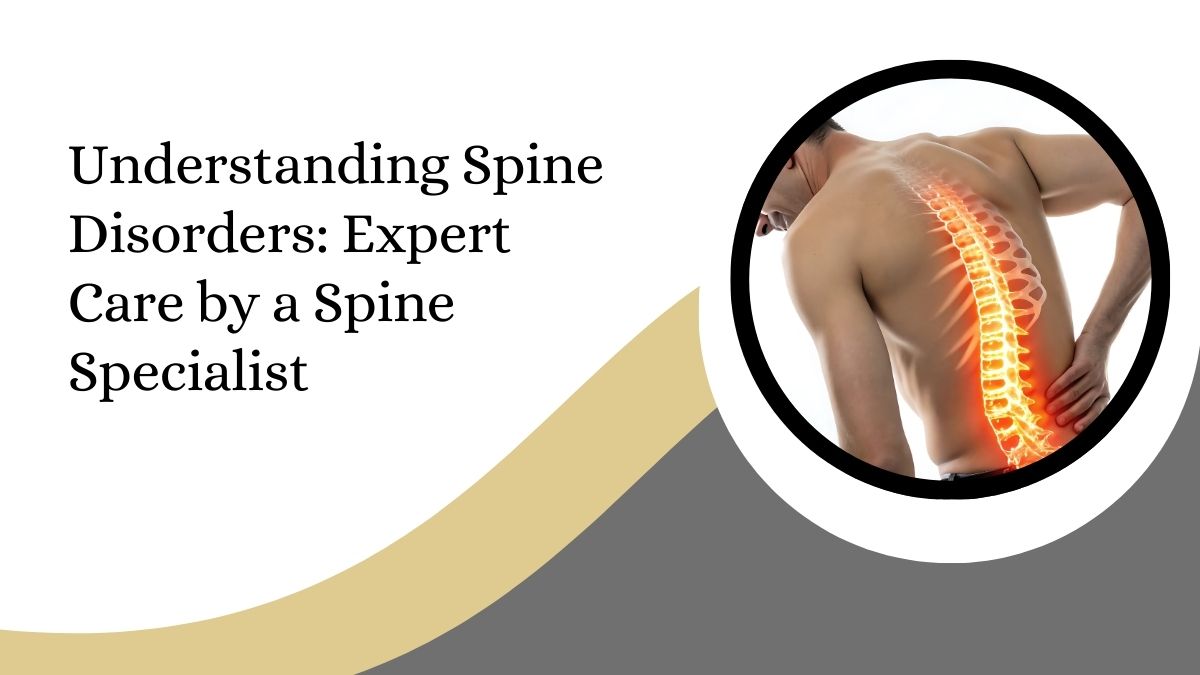 Understanding Spine Disorders: Expert Care by a Spine Specialist
 What Causes Knee Pain? Symptoms, Diagnosis & Effective Relief
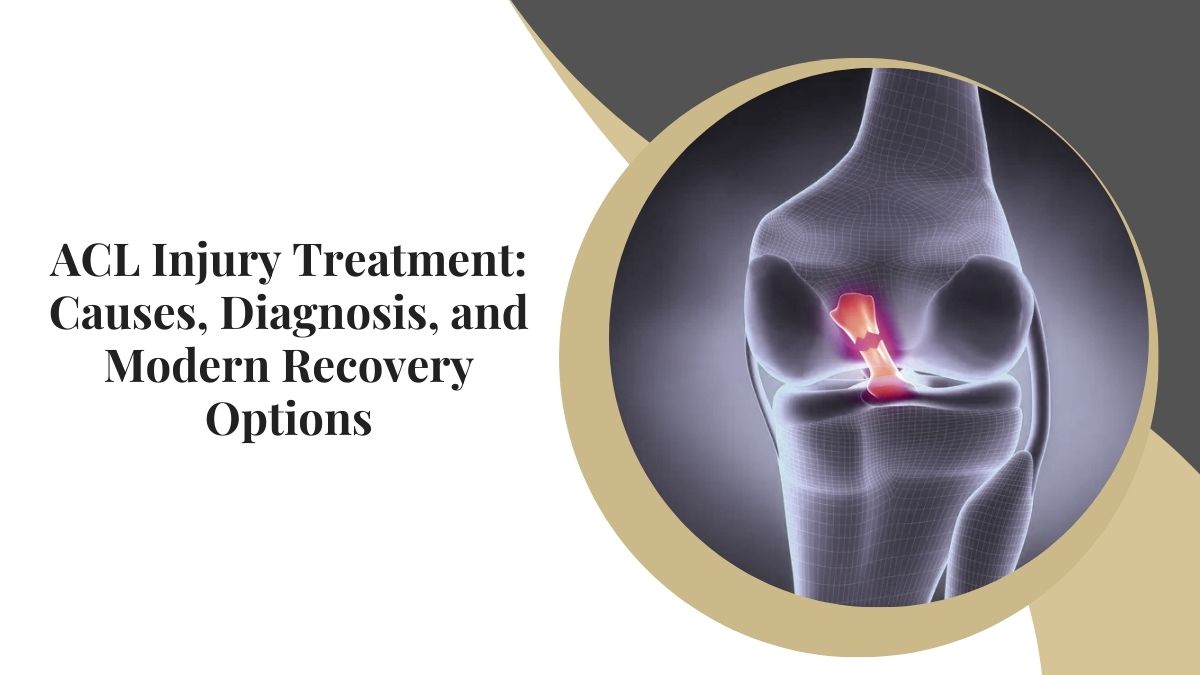 ACL Injury Treatment: Causes, Diagnosis, and Modern Recovery Options
.jpg) How Lifestyle Choices Impact Your Risk of Stroke
How Lifestyle Choices Impact Your Risk of Stroke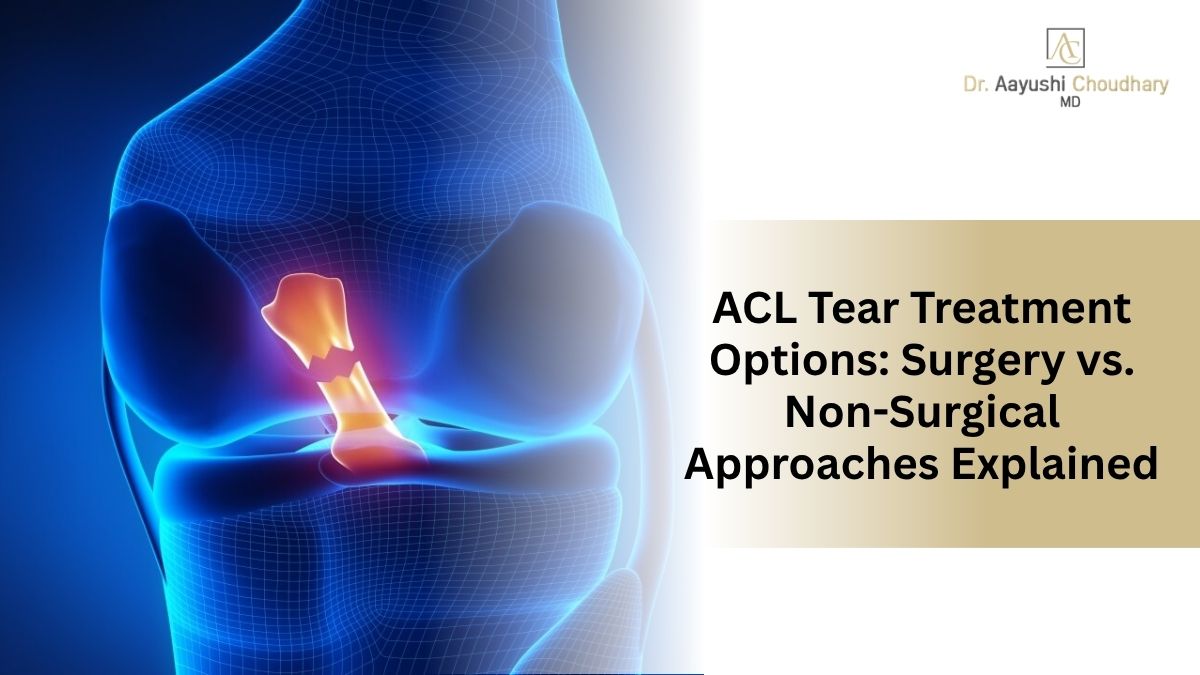 ACL Tear Treatment Options: Surgery vs. Non-Surgical Approaches Explained
 How Do You Know If Knee Pain Is Serious?
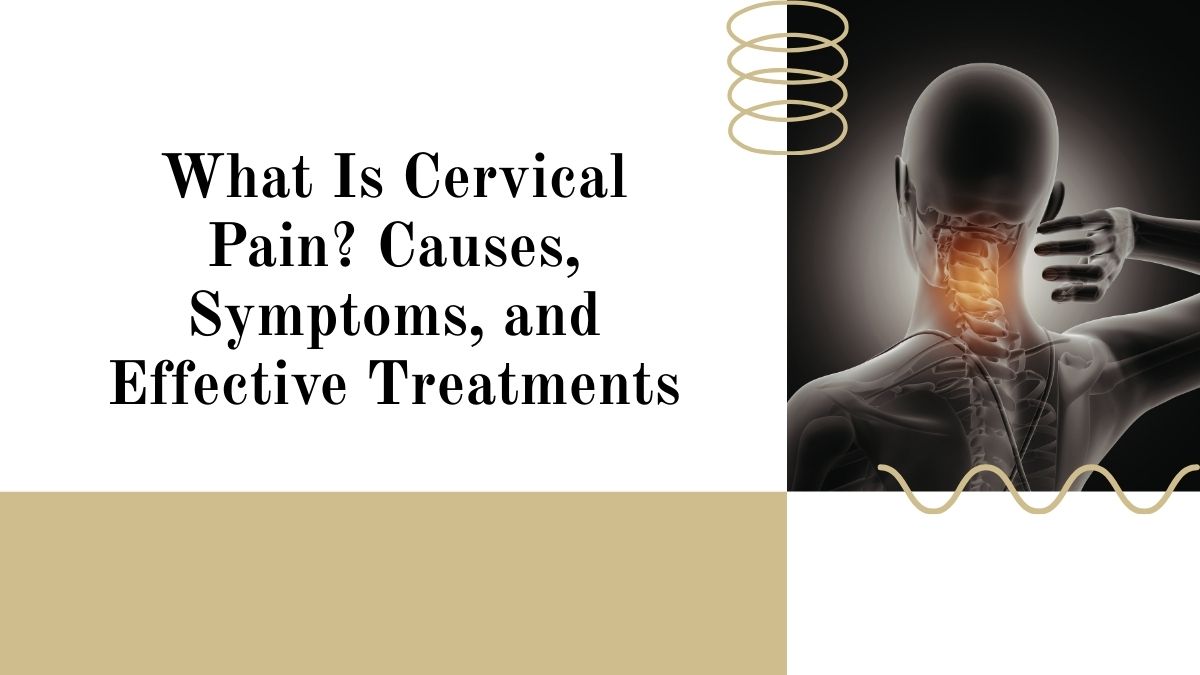 What Is Cervical Pain? Causes, Symptoms, and Effective Treatments
 When Should You Consult a Pain Specialist? Signs You Should Not Ignore
 What Causes Shoulder Pain? Symptoms & Treatment
 Common Sports Injuries and How to Prevent Them: A Complete Guide
 Don’t Ignore These Signs of Paralysis – It Could Be Serious
 Paralysis Treatment & Neurorehabilitation: A 360° Approach to Spastic and Flaccid Paralysis Recovery
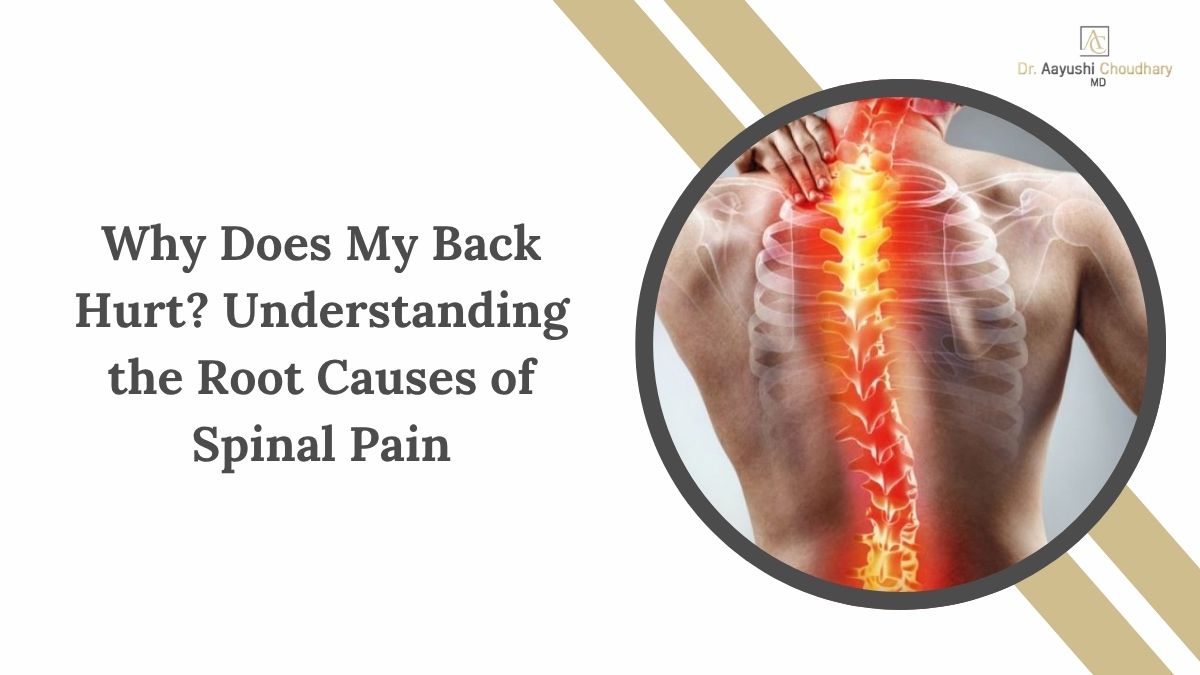 Why Does My Back Hurt? Understanding the Root Causes of Spinal Pain
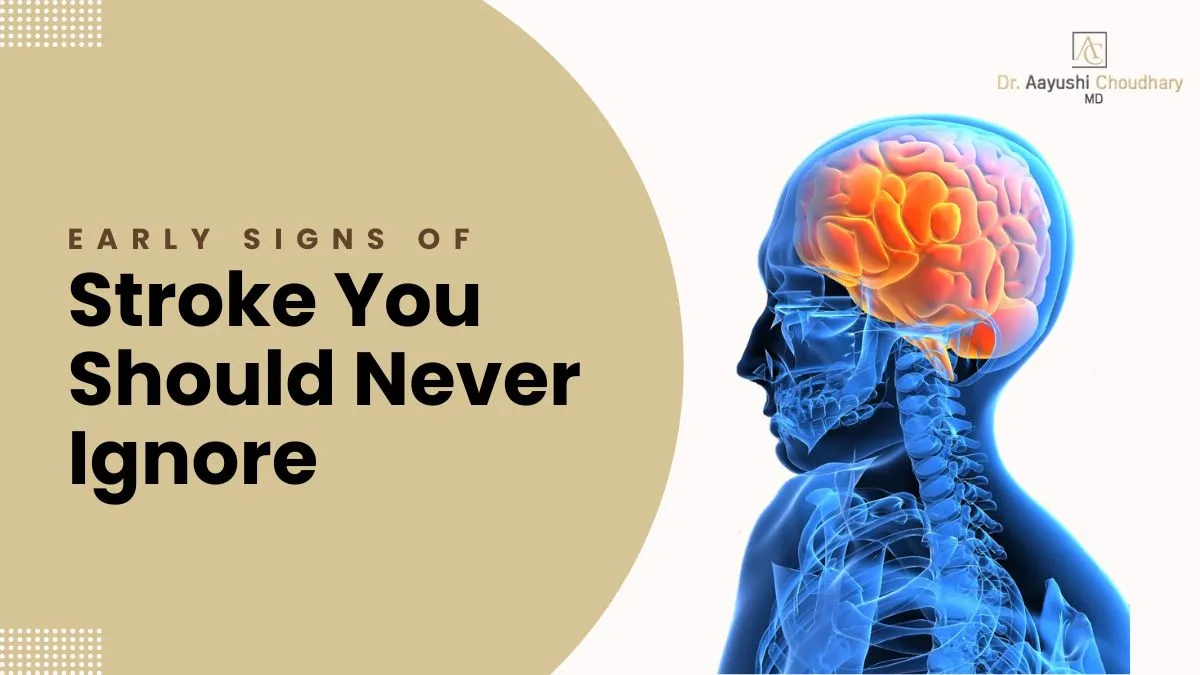 Top 10 Early Signs of Stroke You Should Never Ignore
 Daily Activity Tips to Manage Frozen Shoulder Pain
 When Kids with Cerebral Palsy Grow Up: A Simple Guide for Families
 How to Safely Return to Sports After an ACL Injury
 Knee Pain Dos and Don’ts: Best Practices for Pain Management
 Why Are Young People Suffering from Chronic Back Pain?
 8 Common Causes of Neck Pain & Effective Treatment Options
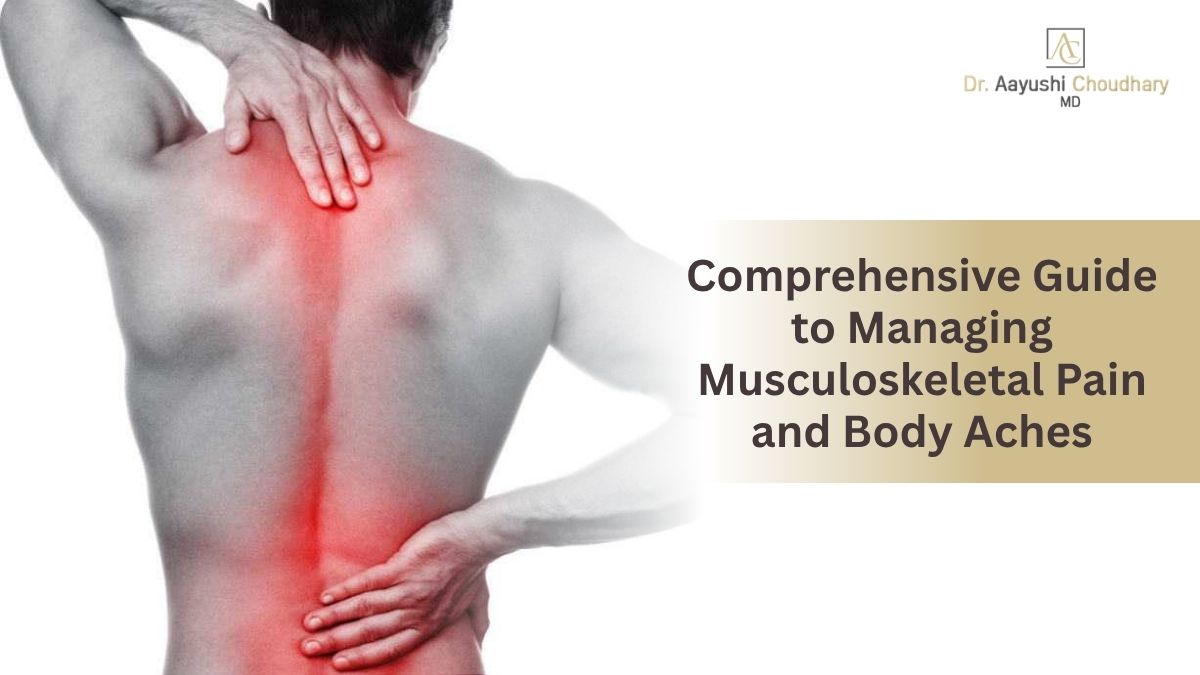 Comprehensive Guide to Managing Musculoskeletal Pain and Body Aches
 Neck Pain Treatment for Working Professionals: Daily Care Tips
 Got Injured While Playing Sports? Here’s What to Do Next
 Knee Pain While Walking? Here Are The 5 Most Common Causes
 How Can People With Cerebral Palsy Improve Their Quality of Life?
 How Long Does ACL Injury Treatment Take? Recovery Explained
 How Does Paralysis Begin & What Treatments Help Recovery?
 Why Is Early Pain Treatment Important for Better Recovery?
 How Can You Tell If Your Knee Pain Needs Medical Attention?
 How Screen Time and Mobile Usage Trigger Cervical Pain?
 Everyday Habits That May Be Damaging Your Spine
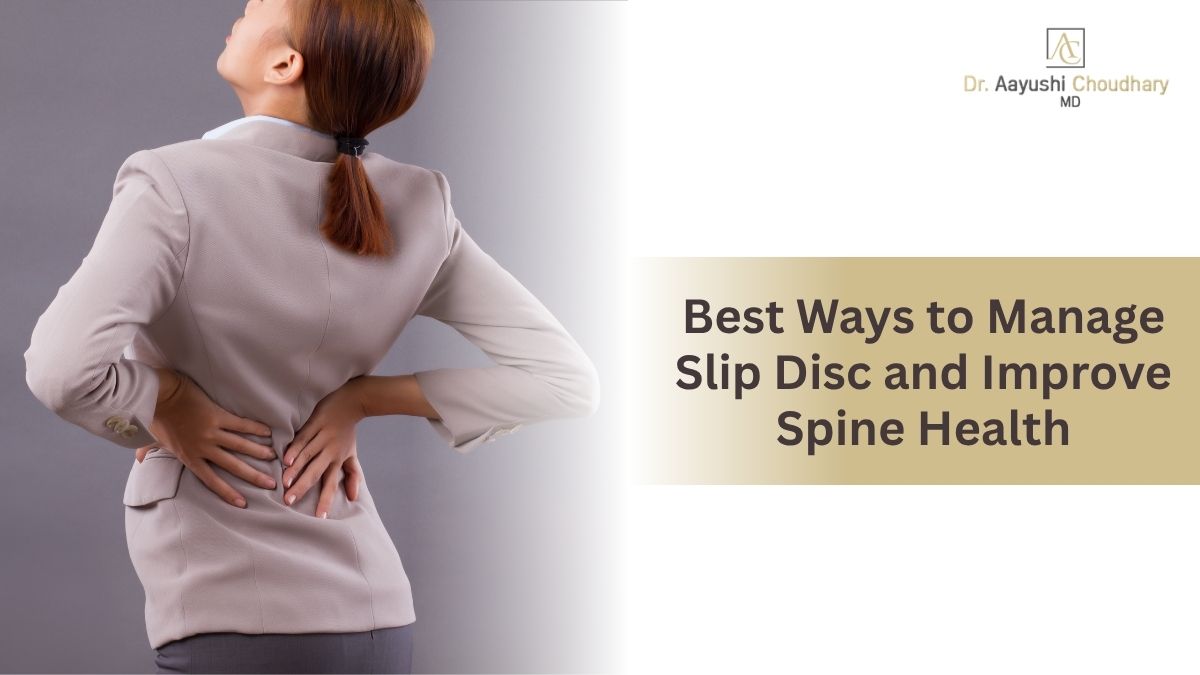 Best Ways to Manage Slip Disc and Improve Spine Health
 Body Ache: Symptoms, Causes and Treatment Explained
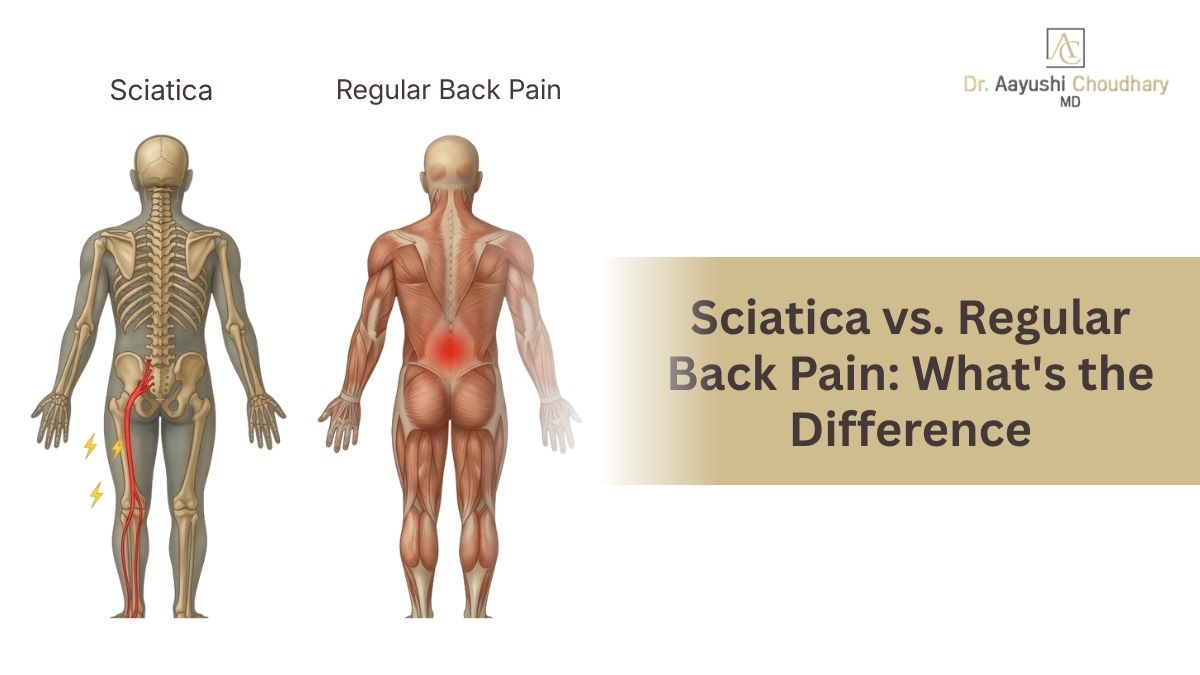 Sciatica vs. Regular Back Pain: What's the Difference? | Expert Guide
 Why Is Joint Pain More Common in Women? | Expert Medical Guide
 Why Do Gym Injuries Happen? | Expert Medical Guide
 Spine Preservation: Why the Future of Medicine Is About Preserving the Human Spine, Not Replacing It
 Rehabilitation: The Missing Fourth Pillar of Modern Medicine-Why the Future of Healthcare Is Not Just About Saving Lives, But Restoring Them
 Advanced Pain & Musculoskeletal Care by Dr. Aayushi Choudhary in Jaipur
 Interventional Pain Medicine: Pain Is Not Enemy; Rather Body's Language. Why Does Future of Pain Medicine Lie in Treating Cause, Not Silencing Symptom?
 Cerebral Palsy Is Not a Deformity Problem, a Movement Problem. Why Correcting a Child’s Legs Does Not Always Help Them Walk?
 Regenerative Medicine: The Future of Healthcare Will Not Be Replacement but Preservation. Why Next Decade in Medicine Will Be Defined by Saving Human Tissue, Not Simply Replacing It
 Best ACL Doctor in Jaipur for Complete Musculoskeletal Care