

Neck pain is one of the most common health complaints today, especially among people who spend long hours on computers or mobile devices. From mild stiffness to severe discomfort, neck pain can interfere with your daily routine and overall quality of life.
In this blog, we’ll explore the 8 most common causes of neck pain and the best treatment options to help you find lasting relief.
What is Neck Pain?
Neck pain refers to discomfort in the cervical spine area, which supports the head and allows movement. It can be acute (short-term) or chronic (long-lasting) and may sometimes radiate to the shoulders or arms.
8 Common Causes of Neck Pain
1. Poor Posture
One of the leading causes of neck pain is poor posture, especially while using smartphones or laptops. Forward head posture puts extra strain on neck muscles.
2. Muscle Strain
Overuse of neck muscles due to long working hours, improper sleeping position, or sudden movements can lead to stiffness and pain.
3. Cervical Spondylosis
Age-related wear and tear of spinal discs can cause chronic neck pain, stiffness, and reduced flexibility.
4. Herniated Disc
When a disc in the spine slips or bulges, it can press on nearby nerves, causing pain that may radiate down the arms.
5. Injuries (Whiplash)
Sudden jerks, especially during accidents, can strain neck ligaments and muscles, leading to severe pain.
6. Stress and Tension
Emotional stress often causes muscle tightness in the neck and shoulders, leading to discomfort.
7. Sleeping in the Wrong Position
Using an unsupportive pillow or sleeping awkwardly can strain the neck overnight.
8. Medical Conditions
Conditions like arthritis, infections, or tumors (rare cases) can also contribute to neck pain.
Neck Pain Treatment Options
1. Rest and Activity Modification
Avoid activities that strain your neck and allow muscles to heal.
2. Hot and Cold Therapy
- Cold packs reduce inflammation
- Heat therapy relaxes muscles and improves blood flow
3. Physical Therapy
A physiotherapist can guide you through exercises that improve flexibility, strength, and posture.
4. Pain Relief Medications
Over-the-counter medications can help reduce inflammation and pain.
5. Neck Exercises and Stretching
Regular stretching can relieve stiffness and prevent recurrence.
6. Posture Correction
Maintaining proper posture while sitting, standing, and using devices is crucial.
7. Lifestyle Changes
- Use ergonomic chairs
- Take regular breaks from screens
- Practice stress management techniques
8. Advanced Treatments
In severe cases, doctors may recommend:
- Injections
- Chiropractic care
- Surgery (rare cases)
When to See a Doctor?
Consult a pain specialist if:
- Pain persists for more than a few weeks
- Pain radiates to the arms or causes numbness
- You experience weakness or severe stiffness
Tips to Prevent Neck Pain
- Maintain correct posture
- Use a supportive pillow
- Exercise regularly
- Avoid prolonged screen time
- Manage stress effectively
Conclusion
Neck pain is a common issue, but it can often be managed with the right approach. Identifying the root cause and choosing appropriate treatment options can help you recover faster and prevent future problems.
If your neck pain is persistent or severe, seeking professional medical advice is essential for proper diagnosis and treatment.
 Understanding Spine Disorders: Expert Care by a Spine Specialist
 What Causes Knee Pain? Symptoms, Diagnosis & Effective Relief
 ACL Injury Treatment: Causes, Diagnosis, and Modern Recovery Options
.jpg) How Lifestyle Choices Impact Your Risk of Stroke
How Lifestyle Choices Impact Your Risk of Stroke ACL Tear Treatment Options: Surgery vs. Non-Surgical Approaches Explained
 How Do You Know If Knee Pain Is Serious?
 What Is Cervical Pain? Causes, Symptoms, and Effective Treatments
 When Should You Consult a Pain Specialist? Signs You Should Not Ignore
 What Causes Shoulder Pain? Symptoms & Treatment
 Common Sports Injuries and How to Prevent Them: A Complete Guide
 Don’t Ignore These Signs of Paralysis – It Could Be Serious
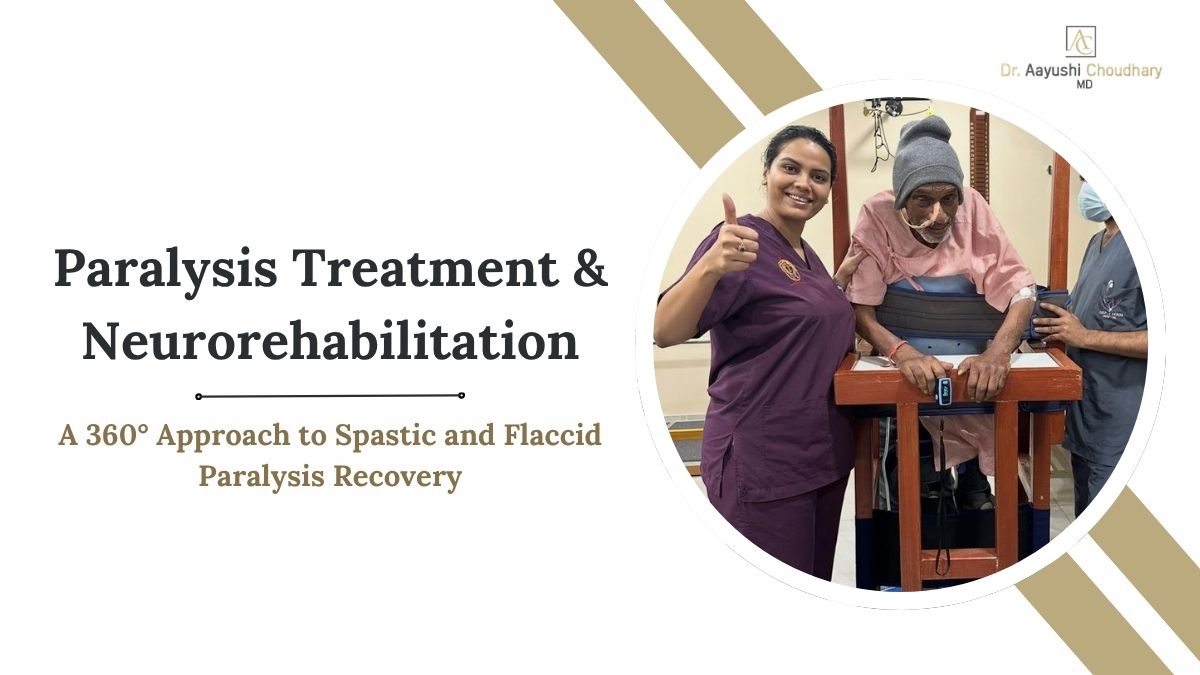 Paralysis Treatment & Neurorehabilitation: A 360° Approach to Spastic and Flaccid Paralysis Recovery
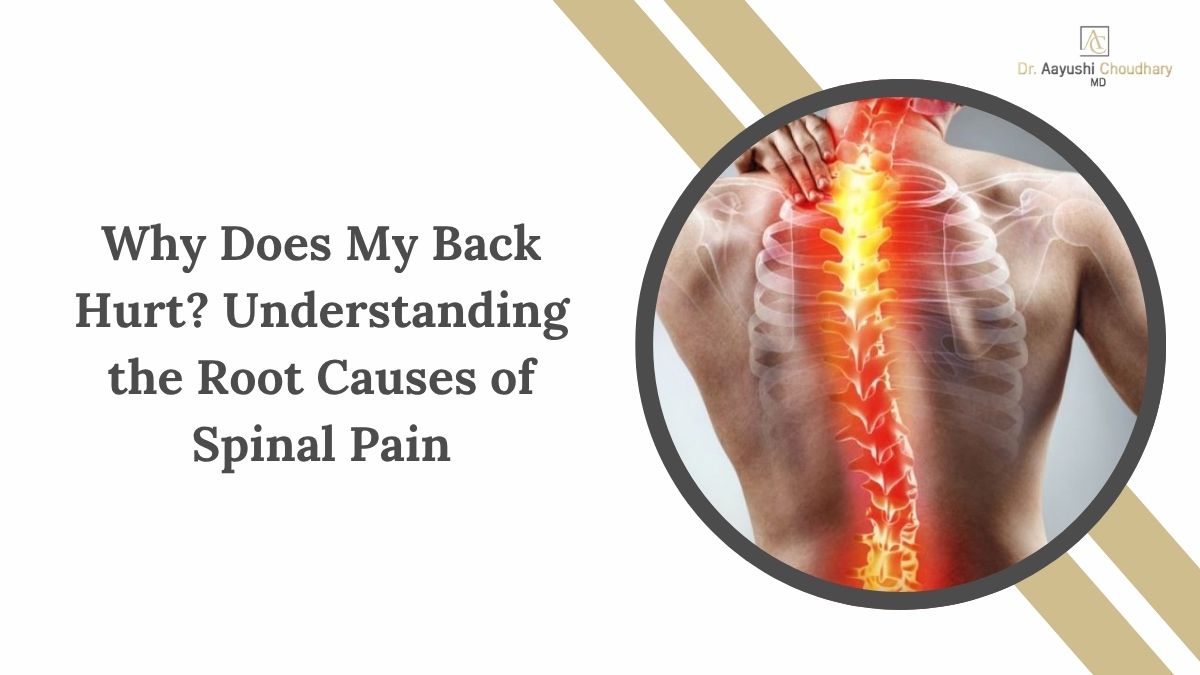 Why Does My Back Hurt? Understanding the Root Causes of Spinal Pain
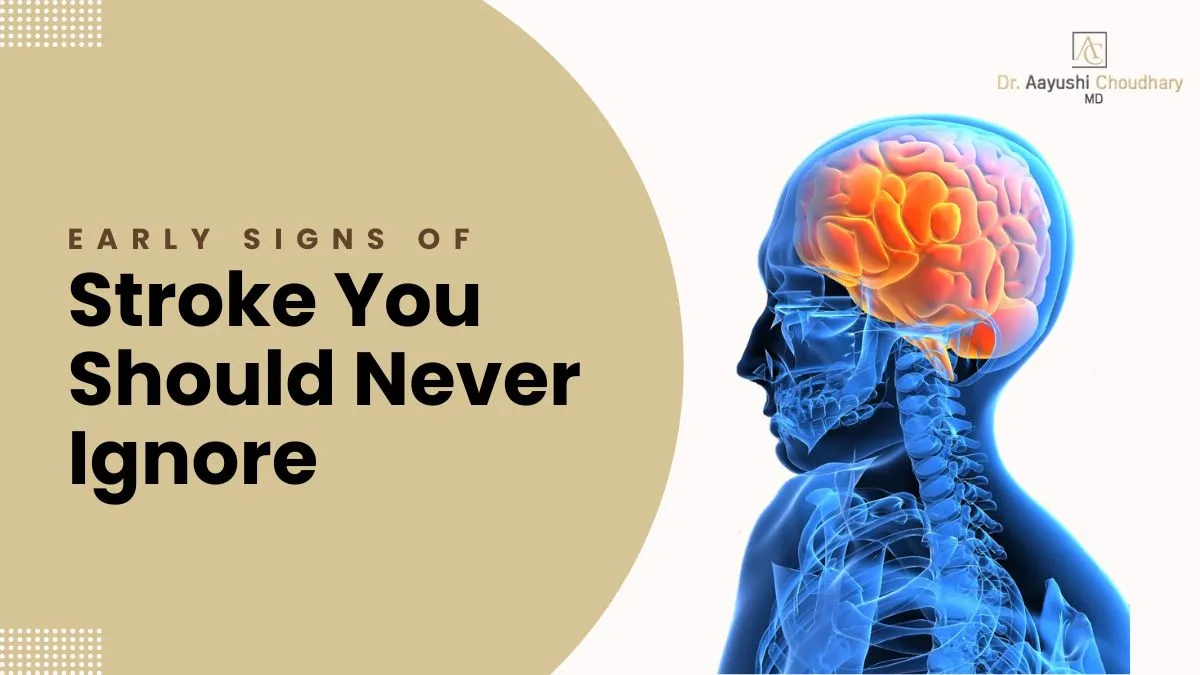 Top 10 Early Signs of Stroke You Should Never Ignore
 Daily Activity Tips to Manage Frozen Shoulder Pain
 When Kids with Cerebral Palsy Grow Up: A Simple Guide for Families
 How to Safely Return to Sports After an ACL Injury
 Knee Pain Dos and Don’ts: Best Practices for Pain Management
 Why Are Young People Suffering from Chronic Back Pain?
 Pain Management: When to Visit a Pain Specialist or Pain Hospital
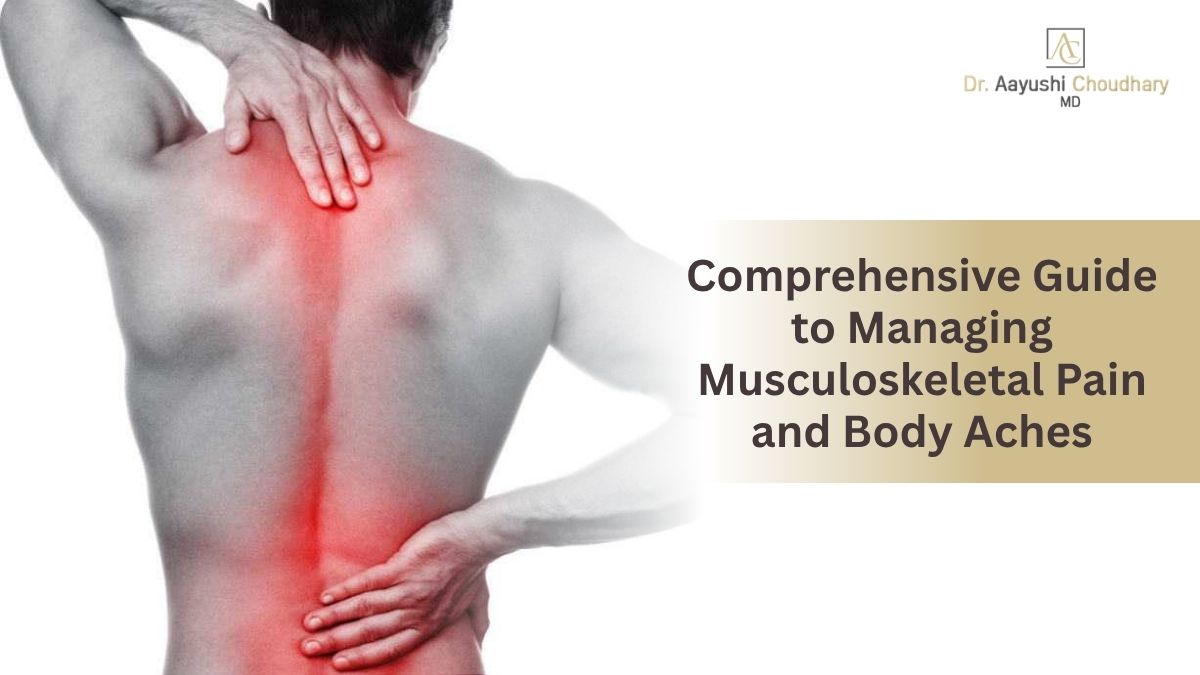 Comprehensive Guide to Managing Musculoskeletal Pain and Body Aches
 Neck Pain Treatment for Working Professionals: Daily Care Tips
 Got Injured While Playing Sports? Here’s What to Do Next
 Knee Pain While Walking? Here Are The 5 Most Common Causes
 How Can People With Cerebral Palsy Improve Their Quality of Life?
 How Long Does ACL Injury Treatment Take? Recovery Explained
 How Does Paralysis Begin & What Treatments Help Recovery?
 Why Is Early Pain Treatment Important for Better Recovery?
 How Can You Tell If Your Knee Pain Needs Medical Attention?
 How Screen Time and Mobile Usage Trigger Cervical Pain?
 Everyday Habits That May Be Damaging Your Spine
 Best Ways to Manage Slip Disc and Improve Spine Health
 Body Ache: Symptoms, Causes and Treatment Explained
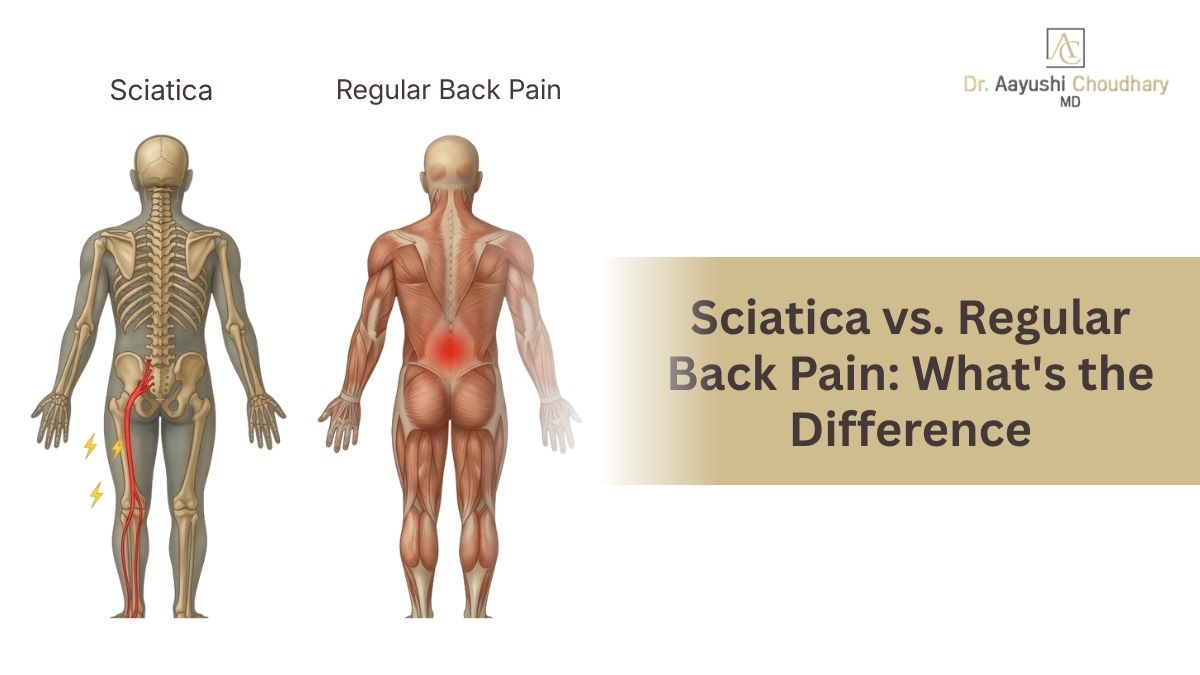 Sciatica vs. Regular Back Pain: What's the Difference? | Expert Guide
 Why Is Joint Pain More Common in Women? | Expert Medical Guide
 Why Do Gym Injuries Happen? | Expert Medical Guide
 Spine Preservation: Why the Future of Medicine Is About Preserving the Human Spine, Not Replacing It
 Rehabilitation: The Missing Fourth Pillar of Modern Medicine-Why the Future of Healthcare Is Not Just About Saving Lives, But Restoring Them
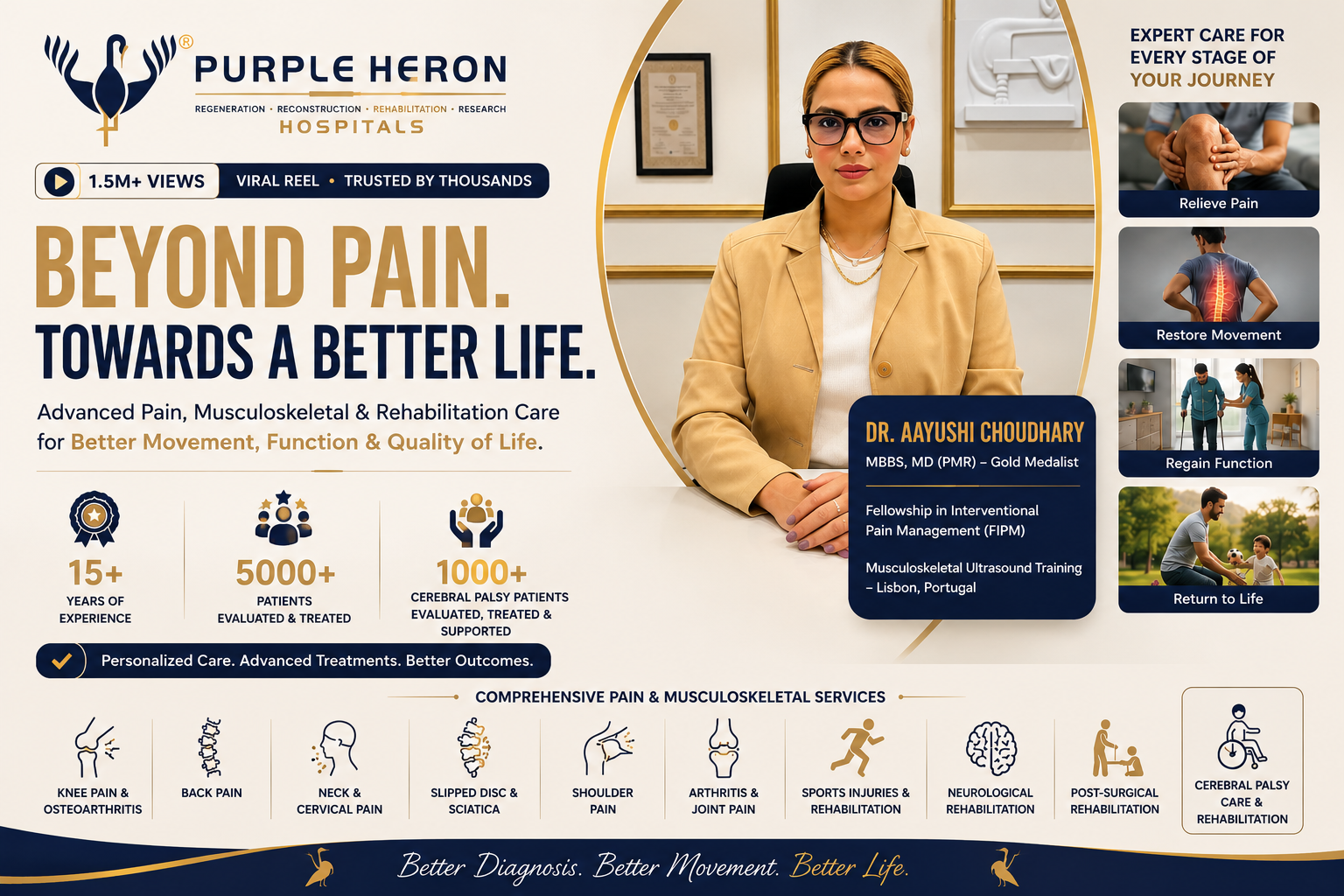 Advanced Pain & Musculoskeletal Care by Dr. Aayushi Choudhary in Jaipur
 Interventional Pain Medicine: Pain Is Not Enemy; Rather Body's Language. Why Does Future of Pain Medicine Lie in Treating Cause, Not Silencing Symptom?
 Cerebral Palsy Is Not a Deformity Problem, a Movement Problem. Why Correcting a Child’s Legs Does Not Always Help Them Walk?
 Regenerative Medicine: The Future of Healthcare Will Not Be Replacement but Preservation. Why Next Decade in Medicine Will Be Defined by Saving Human Tissue, Not Simply Replacing It
 Best ACL Doctor in Jaipur for Complete Musculoskeletal Care