
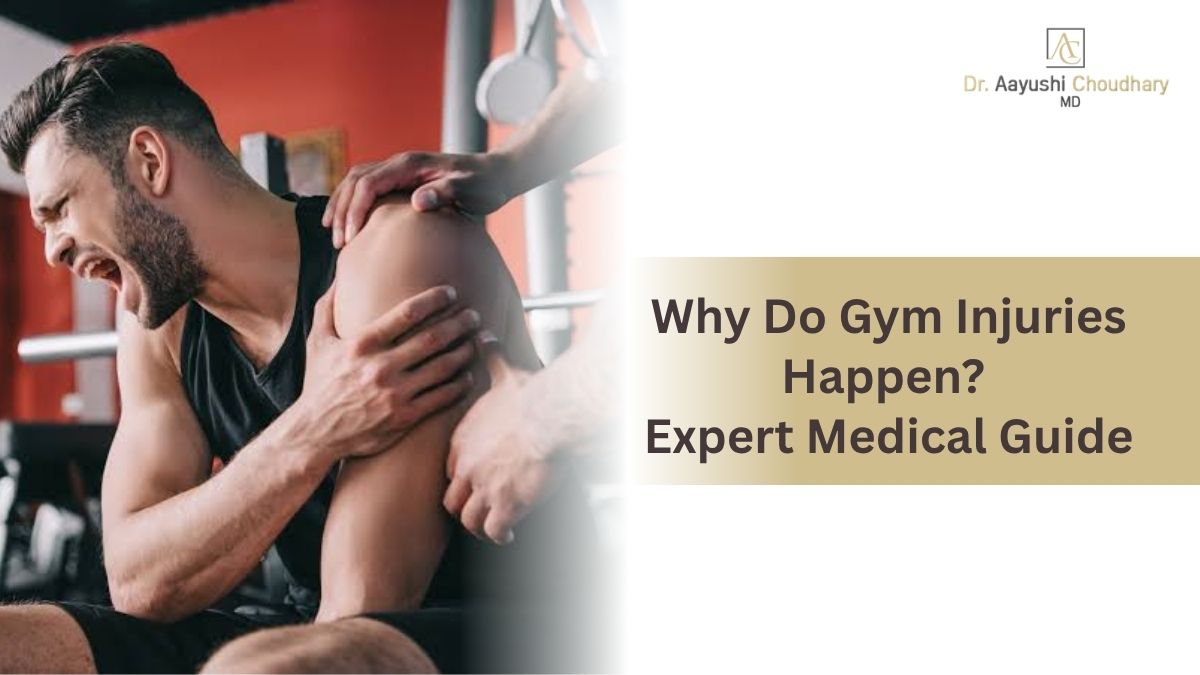
Walking into a gym is one of the best decisions you can make for your health. Strength training, cardio, and functional workouts improve muscle strength, boost heart health, and reduce the risk of many chronic diseases. Yet, thousands of people every year are forced to pause their fitness journey because of preventable gym injuries.
Interestingly, most gym injuries don't happen because the workout is "too hard." They happen because of small mistakes that gradually overload muscles, joints, ligaments, or tendons. Poor lifting technique, skipping warm-ups, ignoring recovery, and training beyond your body's limits are among the biggest reasons people end up in pain.
This guide explains why gym injuries happen, the warning signs you shouldn't ignore, practical ways to prevent injuries, and when it's time to seek medical advice.
The Human Body Is Strong—But Not Indestructible
Every workout places controlled stress on your body. This stress is necessary because it stimulates muscles, bones, and connective tissues to become stronger.
However, when the stress exceeds your body's ability to recover, tissues begin to fail.
Instead of building strength, you may develop:
- Muscle strains
- Ligament sprains
- Tendon inflammation
- Joint injuries
- Stress fractures
- Nerve irritation
Understanding this balance between training and recovery is the foundation of injury prevention.
The Biggest Mistakes That Lead to Gym Injuries
Rather than one major accident, most injuries develop because of repeated training errors.
1. Your Ego Lifts More Than Your Muscles
One of the most common reasons for gym injuries is attempting weights that your muscles cannot safely control.
Many people increase their weight simply because:
- Someone else is lifting heavier
- They want faster muscle growth
- They believe heavier always means better
When form breaks down, excessive pressure is transferred to joints, tendons, and the spine.
This commonly results in:
- Lower back injuries
- Shoulder impingement
- Knee pain
- Muscle tears
Progressive overload should always be gradual—not rushed.
2. Warm-Up Is Not Optional
Many gym-goers spend more time choosing music than preparing their bodies.
A proper warm-up increases:
- Blood flow
- Muscle temperature
- Joint mobility
- Nervous system activation
Without it, muscles are less prepared to handle sudden loads, making injuries much more likely.
Even 5–10 minutes of dynamic movement can significantly reduce injury risk.
3. Perfect Form Is More Important Than Heavy Weight
Incorrect movement patterns are silent injury creators.
Examples include:
- Rounded back during deadlifts
- Knees collapsing inward during squats
- Excessive arching while bench pressing
- Jerking weights instead of controlling movement
These mistakes may not cause pain immediately, but repeated poor mechanics gradually damage joints and soft tissues.
Quality of movement always matters more than the amount of weight lifted.
4. Recovery Is Where Your Body Actually Grows
Many people think muscles grow during workouts.
In reality, muscles repair and become stronger after training.
Without adequate recovery:
- Muscles remain fatigued.
- Tendons become inflamed.
- Small injuries accumulate.
- Performance declines.
Recovery includes:
- Rest days
- Quality sleep
- Protein intake
- Hydration
- Mobility exercises
Skipping recovery increases injury risk far more than missing one workout.
The Most Common Gym Injuries
Different exercises place stress on different parts of the body.
Shoulder Injuries
The shoulder is the most mobile joint in the body, making it particularly vulnerable.
Common causes include:
- Heavy overhead presses
- Poor bench press technique
- Repetitive overhead movements
Typical conditions include:
- Rotator cuff injuries
- Shoulder impingement
- Tendon inflammation
Lower Back Injuries
Lower back pain is one of the leading reasons people stop exercising.
It often develops because of:
- Improper deadlifts
- Weak core muscles
- Poor posture
- Heavy squats with incorrect form
Ignoring early back pain can eventually lead to conditions such as a slipped disc or sciatica.
Knee Injuries
The knees absorb tremendous force during exercise.
They are commonly injured during:
- Squats
- Lunges
- Running
- Jump training
Poor alignment and muscle imbalance often contribute to knee pain.
Wrist and Elbow Pain
Grip-intensive exercises place repeated stress on the forearm tendons.
Common examples include:
- Tennis elbow
- Golfer's elbow
- Wrist tendinitis
These injuries usually develop gradually rather than suddenly.
Warning Signs You Should Never Ignore
Not all pain is "good pain."
Stop exercising and seek professional evaluation if you experience:
- Sharp pain during movement
- Joint swelling
- A popping sensation
- Persistent weakness
- Tingling or numbness
- Pain that lasts several days
- Reduced joint movement
- Pain that worsens with activity
Early treatment often prevents more serious injuries.
Why Beginners Get Injured More Often
Beginners usually have enthusiasm—but limited experience.
Common beginner mistakes include:
- Copying advanced workouts
- Increasing weights too quickly
- Ignoring mobility
- Skipping coaching
- Training every day without recovery
Building strength takes months, not weeks.
Consistency is safer than intensity.
Why Experienced Lifters Also Get Injured
Surprisingly, experienced athletes are not immune.
They often develop injuries because of:
- Overtraining
- Repetitive stress
- Poor recovery
- Training through pain
- Fatigue
Experience reduces risk—but it doesn't eliminate it.
Nutrition Plays a Bigger Role Than Most People Think
Healthy muscles require proper nutrition to recover after exercise.
Poor nutrition increases the likelihood of injury.
Important nutrients include:
- Protein for muscle repair
- Calcium for bone strength
- Vitamin D for muscle and bone health
- Magnesium for muscle function
- Omega-3 fatty acids for inflammation control
Hydration is equally important, as dehydration reduces muscle performance and increases cramping.
Smart Training Habits That Prevent Injuries
Professional athletes rarely stay injury-free by chance.
They follow structured habits.
These include:
- Warming up before every workout.
- Learning proper technique.
- Increasing intensity gradually.
- Scheduling recovery days.
- Sleeping 7–9 hours.
- Stretching after workouts.
- Strengthening core muscles.
- Maintaining flexibility.
- Staying hydrated.
- Listening to pain signals.
These simple habits dramatically reduce injury risk.
What Should You Do Immediately After a Gym Injury?
The first 24–48 hours are crucial.
For mild injuries:
- Stop the activity immediately.
- Apply ice for 15–20 minutes several times a day.
- Rest the injured area.
- Use compression if recommended.
- Elevate the affected limb when possible.
Avoid returning to intense exercise until you've been properly assessed if pain persists.
When Should You Consult a Pain Specialist?
Seek medical evaluation if:
- Pain lasts longer than a few days.
- You cannot bear weight on a limb.
- Swelling continues to increase.
- You lose strength.
- A joint feels unstable.
- You experience numbness or tingling.
- Your symptoms repeatedly return after exercise.
A proper diagnosis with a pain specialist helps prevent chronic pain and long-term complications.
Recovery Is More Than Just Waiting
Recovering from an injury doesn't simply mean resting until the pain disappears.
Effective rehabilitation focuses on:
- Restoring strength
- Improving flexibility
- Correcting movement patterns
- Addressing muscle imbalances
- Preventing future injuries
Returning to the gym too early often leads to re-injury.
A structured rehabilitation program allows you to recover safely and confidently.
Final Thoughts
Gym injuries are rarely the result of bad luck. In most cases, they develop because of preventable factors such as poor technique, inadequate warm-ups, excessive training loads, or insufficient recovery. By focusing on proper form, balanced training, nutrition, and recovery, you can significantly reduce your risk while continuing to enjoy the long-term benefits of exercise.
If pain persists despite rest or begins to interfere with your workouts or daily activities, don't ignore it. Early evaluation and targeted treatment can help you recover faster, prevent long-term complications, and safely return to the activities you enjoy.