
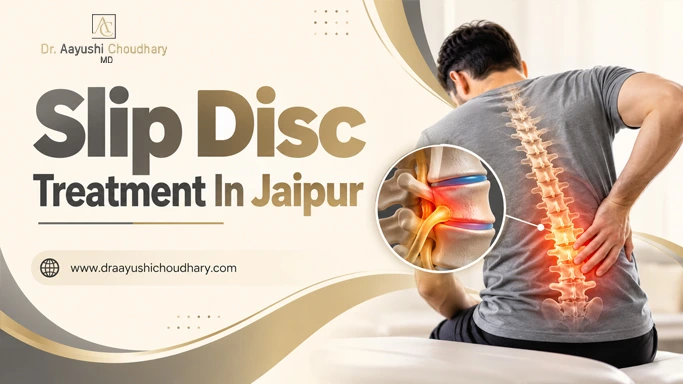
A slipped disc can lead to occurrences of numbness, difficulty in moving, tingling and back pain. Although these specific symptoms can cause disruption to daily life, surgery is still not required every time. Understanding about the condition, individual recovery and available treatment needs can be helpful for patients to make informed decisions.
During searching for slip disc treatment in Jaipur, you desire to know whether the pain can be managed without the requirement of operation and how to indulge in selecting suitable medical care. The appropriate approach relies on the symptom severity, affected spinal region, treatment response and nerve involvement.
This guide explains conservative care, hospital selection, modern treatment methods, and advanced options while highlighting the role of Dr. Aayushi Choudhary and Purple Heron Hospital in Jaipur.
Finding Answers Before Considering Spine Surgery
A slipped disc, often called a herniated disc, only occurs when material from the spinal disc protrudes through the outer layer. Depending on the location, a disc may compress or irritate the nerves, leading towards the occurrence of pain in the lower neck or back, tingling, muscle weakness, numbness and discomfort across the arms and legs.
Not all symptomatic discs need surgery, or disc bulges lead to symptoms. Every patient condition can be managed with clinical assessment and conservative care. A clinician may evaluate medical history, patient’s symptoms, relevant imaging, and physical function in advance of making any recommendation regarding individualised plan.
By consulting a non-surgical spine specialist in Jaipur, patients can understand whether a surgery is required or whether some other approaches may be suitable. Dr. Aayushi Choudhary, a physical medicine and rehabilitation specialist along with a fellowship in interventional pain management, offers an approach revolving around functional recovery, pain management, and diagnosis at Purple Heron Hospital. Her treatment reflects diverse clinical findings, unlike imaging results.
An important first step is recognising urgent warning signs. Difficulty controlling bladder or bowel function, numbness around the groin or saddle region, or rapidly worsening leg weakness requires emergency medical assessment. These symptoms should not be managed by waiting for routine treatment.
A Patient’s Guide to Choosing a Hospital in Jaipur
Selecting a healthcare facility is not only about making a comparison of the treatment claims. You should choose a team which highlights reasonable alternatives, evaluates the diagnosis, and assist you in understanding the advantages and limitations of every option.
In the case of consideration of a slip disc hospital in Jaipur, you should look into the following factors:
- Clinical assessment: The care team should determine movement, medical history, symptoms and nerve function in advance of recommending treatment.
- Appropriate investigations: A doctor should advise an imaging along with examination findings and symptoms.
- Conservative treatment options: Ask whether activity guidance, appropriate non-surgical procedures, medication management and rehabilitation are available.
- Individualised planning: Treatment should revolve around information about patient’s condition, health considerations and recovery goals followed by daily activities.
- Clear communication: You should delve into understanding possible risks, costs, alternatives, circumstances, and expected benefits requiring specialist surgical consultation.
- Follow-up support: Regular reviews help clinicians assess progress and modify the plan when necessary.
At Purple Heron Hospital, we have embraced a patient-centred approach involving surgical consultation, pain management, diagnostic methods, rehabilitation, and clinical evaluation when required. A patient should talk about the particular requirements before taking a decision on the treatment pathway.
How do Pain Control and Functional Recovery Work Together?
The objective of conservative treatment is not to decrease discomfort on a temporary basis. It is all about helping every patient to maintain daily activities, regain useful movement and enhance their capabilities to manage several symptoms over a period of time. This plan may vary as per the disc problem and the patient's response towards care.
A structured approach towards slip disc pain management involves activity modification, rehabilitation, appropriate movement and clinician-guided medication. Prolonged bed rest is usually discouraged among patients with normal back pain; however, activities which worsen symptoms should be evaluated by the healthcare professional. The treatment process should progress in accordance with the clinical assessment, unlike adopting a fixed recovery timetable.
Dr. Aayushi Choudhary's approach reflects understanding about source of pain and creation of the individualised treatment plan. She, as the best slip disc doctor in Jaipur explains about clear diagnosis, evaluates transformation in mobility, pain and neurological symptoms, unlike making promises on the guaranteed outcome.
Recovery may involve gradual changes in how a person sits, lifts objects, works, and performs everyday tasks. Rehabilitation can help address movement limitations and rebuild strength where appropriate. If symptoms persist, worsen, or do not respond as expected, the clinician may reassess the diagnosis and consider other options.
Modern Options for Managing Disc-Related Symptoms
The most appropriate treatment for disc bulge and back pain relies on whether nerves are impacted or whether the disc is causing symptoms. A disc bulge recognised on a scan does not always need an invasive procedure. Treatment should address the clinical condition of the patients, unlike scanning the report in isolation.
Depending on the assessment, advanced treatment options should encompass
- Medication management: A doctor may recommend appropriate medicines for inflammation or pain after evaluating medical history, potential side-effects and other medicines.
- Guided activity modification: Short-term adjustments to work-tasks, sitting, lifting and symptom-provoking activities can assist you to remain active within limitations.
- Individualised rehabilitation: A structured programme may address muscle strength, gradual return, posture, and mobility to everyday activities.
- Image-guided interventional procedures: In chosen cases, targeted procedures or injections can be considered for addressing the sources of pain. Their suitability depends on the diagnosis, expected benefits, and individual risks.
- Clinical reassessment: Persistent symptoms may warrant further examination, review of imaging, or referral to another specialist.
Our treatment pathway includes pain management, posture and lifestyle guidance, rehabilitation, nerve pain management, and surgical consultation when necessary.
These approaches are not interchangeable, and none guarantees that surgery can be avoided. If there is significant or progressive neurological impairment, or if symptoms remain disabling despite appropriate conservative care, a surgical opinion may be necessary.
What Advanced Approaches can Help Address Complex Disc Conditions?
For patients who continue to experience significant symptoms, further assessment may help determine whether a more specialised intervention is appropriate. Herniated disc treatment in Jaipur should be selected according to the disc's location, the extent of nerve involvement, the patient's overall health, and the response to earlier treatment.
Depending on clinical findings and the facilities available, a specialist may discuss the following approaches:
- Non-Surgical Spinal Decompression (NSSD): Some facilities offer mechanical traction-based approaches intended to reduce spinal loading. Evidence of benefit varies, and these methods are not appropriate for every patient or every type of disc problem.
- Robotic-assisted and laser-decompression systems: These systems describe different technology use in selected spinal procedures. These systems should not be treated as interchangeable, and suitability depends on the specific technique, clinical indication, and specialist assessment.
- Regenerative medicine and biologics: Treatments involving biological materials are being investigated for certain musculoskeletal conditions. Evidence, regulatory status, and clinical indications vary, so patients should ask about established benefits, uncertainties, and risks before considering them.
- Image-guided interventional procedures: Imaging can help clinicians guide selected injections or other targeted interventions. These may be considered for particular pain conditions after a careful evaluation.
- Minimally Invasive Percutaneous Spinal Interventions (MIPSI): Selected minimally invasive procedures may be considered in specific circumstances. The exact procedure, expected outcome, and potential complications should be explained before a decision is taken.
- AI-guided assessment and robotic rehabilitation: Digital tools and robotic systems may support selected aspects of assessment or rehabilitation where available. Their role depends on the patient's needs, the technology used, and the clinical evidence.
- Surgical consultation: When conservative care is unsuccessful or neurological problems require more urgent treatment, a spine surgeon may assess whether a suitable operation could provide greater benefit.
These approaches are not routinely necessary for every slipped disc, and some are supported by more established evidence than others. Patients should ask whether a proposed procedure is recommended in current clinical guidance, what alternatives exist, and whether the expected benefits justify its risks and cost.
Dr. Aayushi Choudhary's emphasises individual assessment, non-surgical care when appropriate, rehabilitation, and surgical consultation when necessary at Purple Heron Hospital. You should confirm which advanced procedures are actually available and suitable for your particular condition during consultation.
Closing Thoughts
A slipped disc diagnosis does not automatically mean surgery is unavoidable. Many patients can begin with appropriate conservative care, while others may need targeted procedures or surgical assessment depending on their symptoms and clinical findings. The key is to receive an accurate diagnosis, understand the available options, and monitor progress with qualified medical guidance.
Choosing slip disc treatment should involve a patient-specific plan that considers pain, mobility, nerve function, and long-term recovery. To discuss suitable treatment options, arrange a consultation with Dr. Aayushi Choudhary at Purple Heron Hospital, Jaipur, and make an informed decision based on your individual condition.
Frequently asked questions (FAQs)
1. Can slip disc treatment help avoid surgery?
Yes, many patients with a slipped disc can initially be managed with appropriate non-surgical care. Treatment depends on symptoms, examination findings, and nerve involvement. Dr. Aayushi Choudhary at Purple Heron Hospital can assess suitable options.
2. How do I choose a non-surgical spine specialist in Jaipur?
Look for a specialist who performs a detailed clinical assessment and explains the benefits and limitations of available treatments. Ask about rehabilitation, pain management, follow-up, and when surgical consultation may be needed. An individual assessment helps guide the next steps.
3. What should I look for in a slip disc hospital in Jaipur?
Choose a facility that offers appropriate diagnostic assessment, clear communication, and coordinated treatment planning. Access to rehabilitation and suitable pain management can also be important. Confirm which procedures and services are available before proceeding.
4. What is included in slip disc pain management?
Depending on the diagnosis, it may include clinician-guided medication, activity modification, rehabilitation, or selected image-guided procedures. The treatment plan should account for symptoms, medical history, and potential risks. Dr. Aayushi Choudhary at Purple Heron Hospital can discuss suitable approaches during a consultation.
5. What are the options for herniated disc treatment in Jaipur?
Options may include conservative care, rehabilitation, selected interventional procedures, and surgical assessment when indicated. Advanced methods are not suitable for every patient, and their evidence and availability vary. Dr. Aayushi Choudhary can help patients understand which options may be appropriate for their condition.
RAGs
1. Slip Disc Treatment in Jaipur Without Surgery
Many slipped disc cases can initially be managed without surgery, depending on symptoms and clinical findings. Treatment may include appropriate medication, activity modification, and rehabilitation. A specialist assessment helps determine whether conservative care is suitable.
2. Non-Surgical Spine Specialist in Jaipur
A non-surgical spine specialist assesses pain, movement, nerve symptoms, and medical history before recommending treatment. Care may involve rehabilitation, medication management, or selected procedures. Persistent or worsening symptoms may require further investigation.
3. Slip Disc Hospital in Jaipur for Personalised Care
A suitable hospital should provide clear diagnosis, individualised treatment planning, and follow-up support. Patients should understand the potential benefits, limitations, and risks of recommended procedures. Rehabilitation may support mobility and everyday function during recovery.
4. Treatment for Disc Bulge and Back Pain
A disc bulge does not always cause symptoms or require an invasive procedure. Treatment depends on the relationship between scan findings, pain, and clinical examination. Appropriate care may include activity guidance, rehabilitation, and selected pain-management procedures.
5. Herniated Disc Treatment in Jaipur With Advanced Options
Advanced interventions may be considered for selected patients whose symptoms require additional assessment or treatment. Options vary in evidence, availability, risks, and clinical suitability. A qualified specialist can explain alternatives and help patients make informed decisions
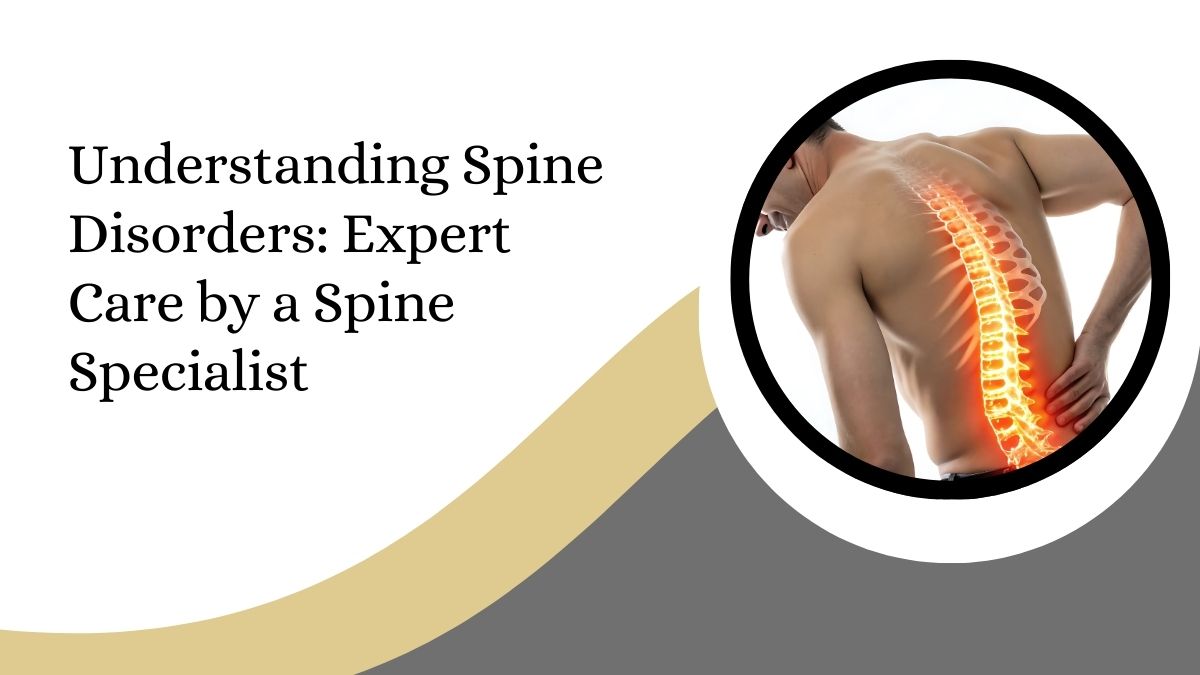 Understanding Spine Disorders: Expert Care by a Spine Specialist
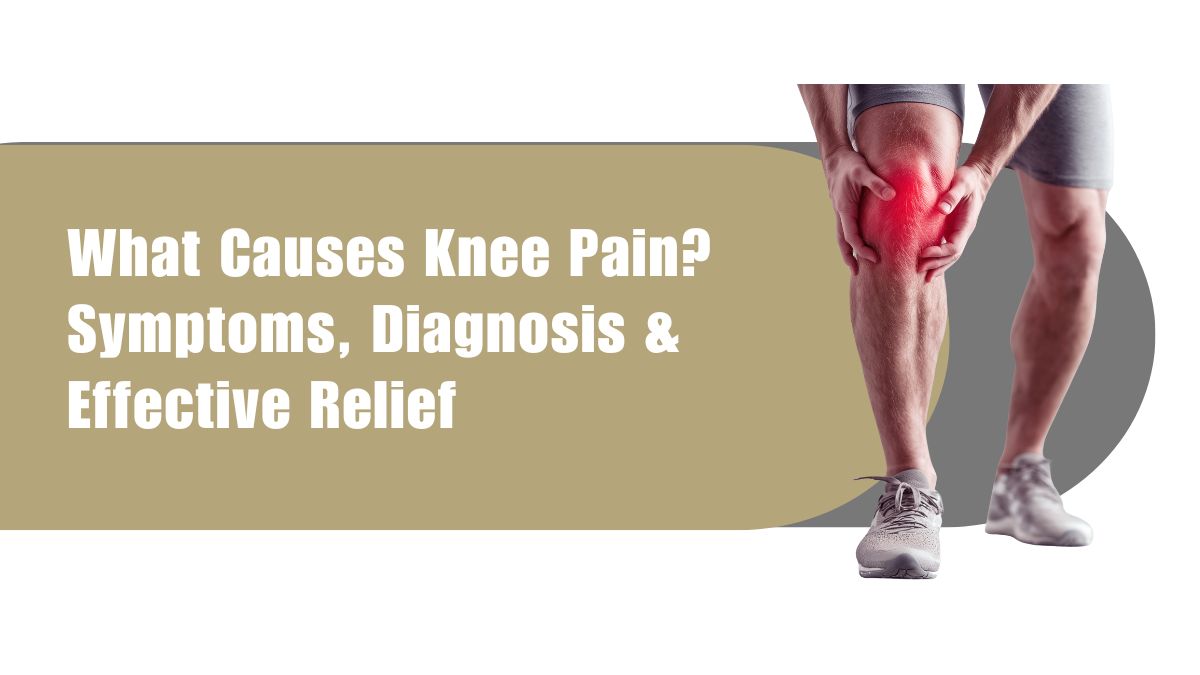 What Causes Knee Pain? Symptoms, Diagnosis & Effective Relief
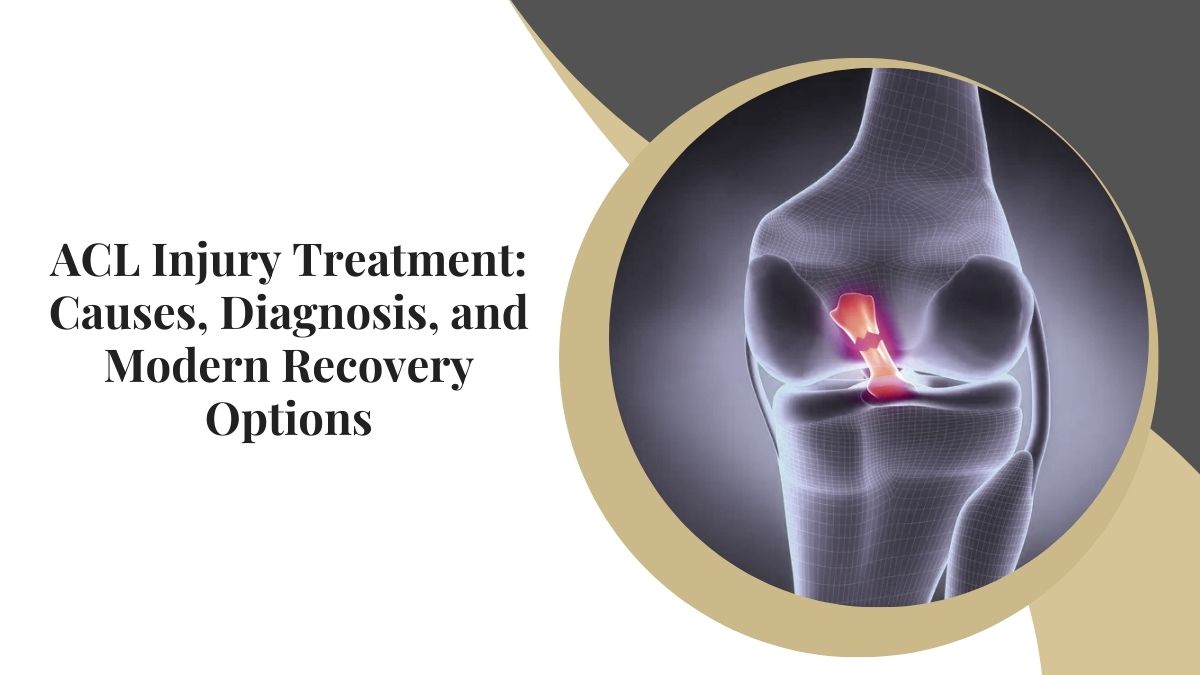 ACL Injury Treatment: Causes, Diagnosis, and Modern Recovery Options
.jpg) How Lifestyle Choices Impact Your Risk of Stroke
How Lifestyle Choices Impact Your Risk of Stroke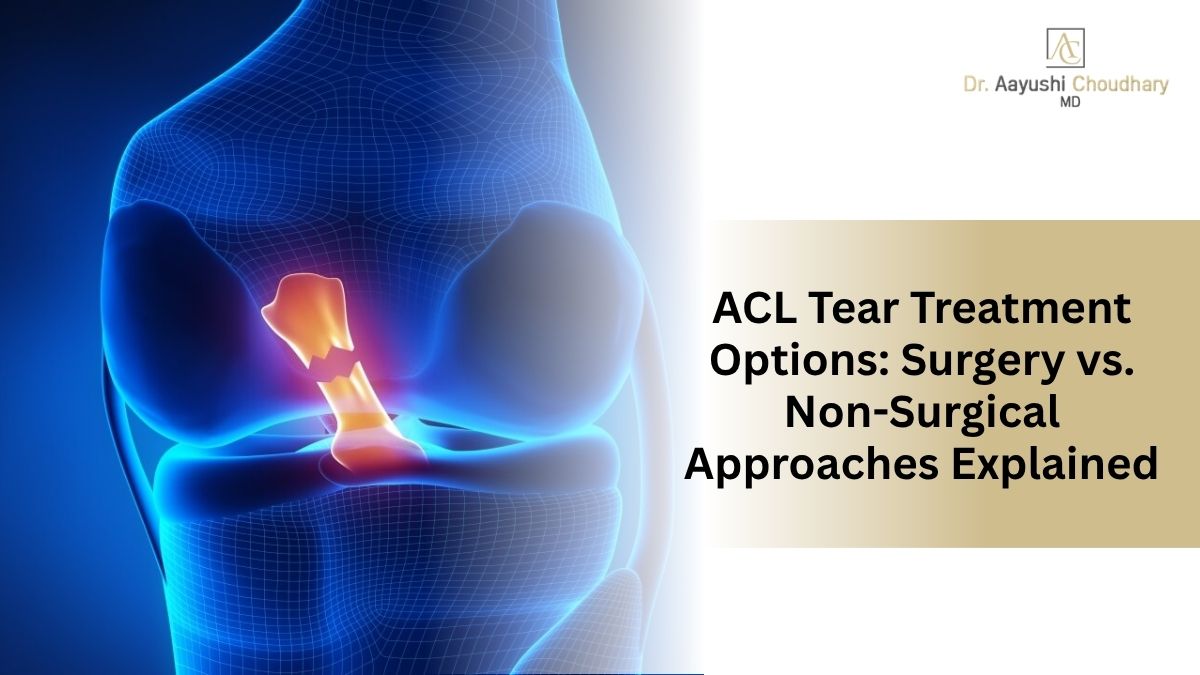 ACL Tear Treatment Options: Surgery vs. Non-Surgical Approaches Explained
 How Do You Know If Knee Pain Is Serious?
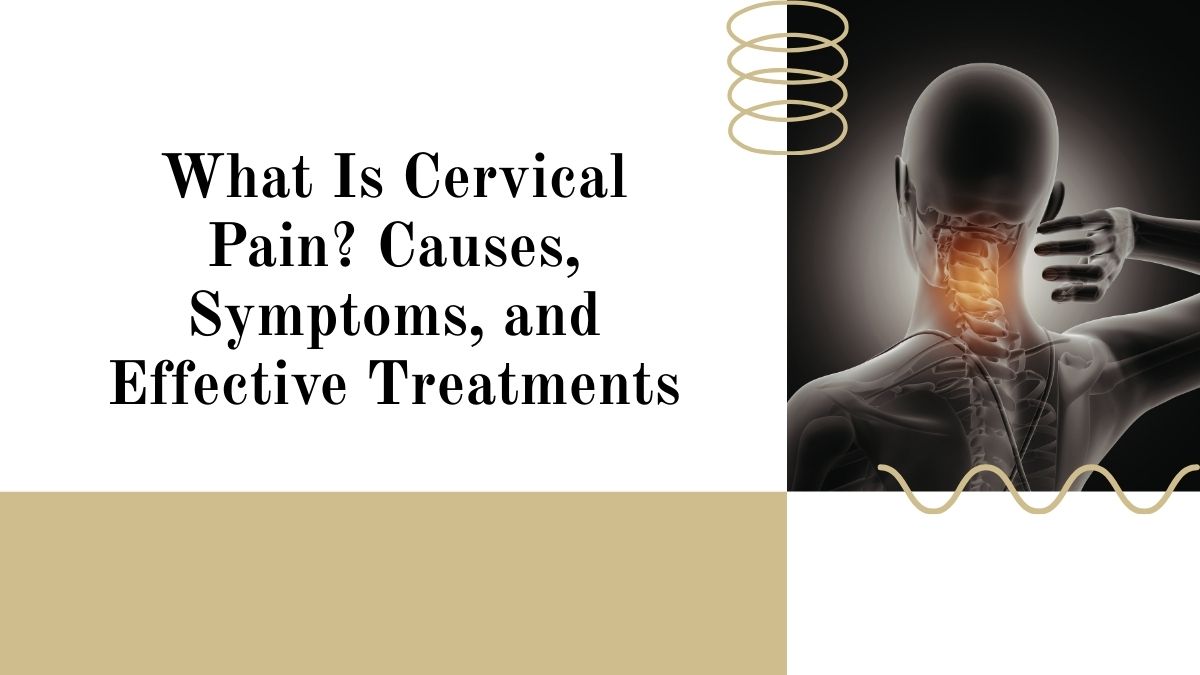 What Is Cervical Pain? Causes, Symptoms, and Effective Treatments
 When Should You Consult a Pain Specialist? Signs You Should Not Ignore
 What Causes Shoulder Pain? Symptoms & Treatment
 Common Sports Injuries and How to Prevent Them: A Complete Guide
 Don’t Ignore These Signs of Paralysis – It Could Be Serious
 Paralysis Treatment & Neurorehabilitation: A 360° Approach to Spastic and Flaccid Paralysis Recovery
 Why Does My Back Hurt? Understanding the Root Causes of Spinal Pain
 Top 10 Early Signs of Stroke You Should Never Ignore
 Daily Activity Tips to Manage Frozen Shoulder Pain
 When Kids with Cerebral Palsy Grow Up: A Simple Guide for Families
 How to Safely Return to Sports After an ACL Injury
 Knee Pain Dos and Don’ts: Best Practices for Pain Management
 Why Are Young People Suffering from Chronic Back Pain?
 8 Common Causes of Neck Pain & Effective Treatment Options
 Pain Management: When to Visit a Pain Specialist or Pain Hospital
 Comprehensive Guide to Managing Musculoskeletal Pain and Body Aches
 Neck Pain Treatment for Working Professionals: Daily Care Tips
 Got Injured While Playing Sports? Here’s What to Do Next
 Knee Pain While Walking? Here Are The 5 Most Common Causes
 How Can People With Cerebral Palsy Improve Their Quality of Life?
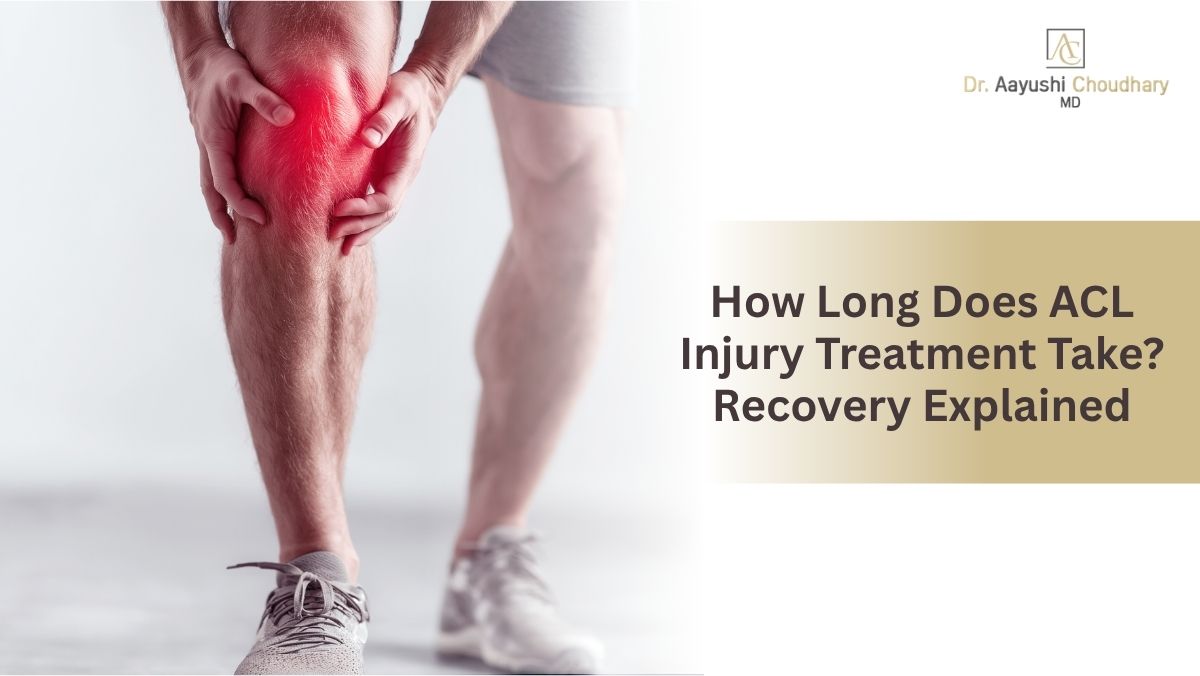 How Long Does ACL Injury Treatment Take? Recovery Explained
 How Does Paralysis Begin & What Treatments Help Recovery?
 Why Is Early Pain Treatment Important for Better Recovery?
 How Can You Tell If Your Knee Pain Needs Medical Attention?
 How Screen Time and Mobile Usage Trigger Cervical Pain?
 Everyday Habits That May Be Damaging Your Spine
 Best Ways to Manage Slip Disc and Improve Spine Health
 Body Ache: Symptoms, Causes and Treatment Explained
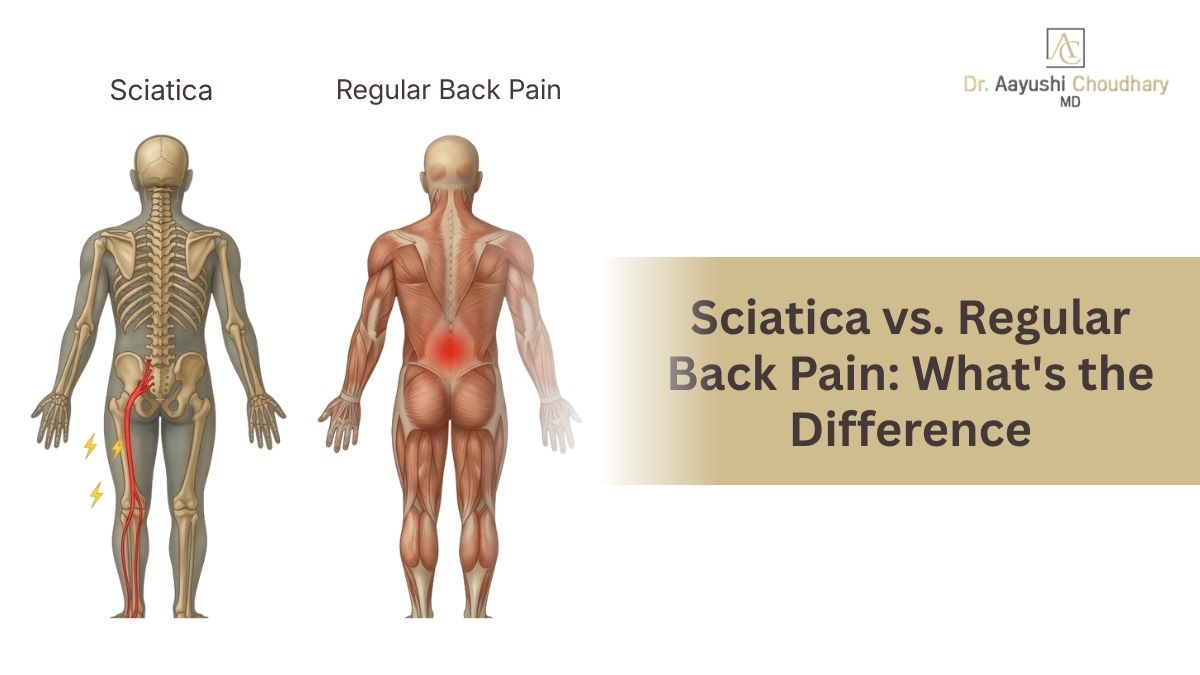 Sciatica vs. Regular Back Pain: What's the Difference? | Expert Guide
 Why Is Joint Pain More Common in Women? | Expert Medical Guide
 Why Do Gym Injuries Happen? | Expert Medical Guide
 Spine Preservation: Why the Future of Medicine Is About Preserving the Human Spine, Not Replacing It
 Rehabilitation: The Missing Fourth Pillar of Modern Medicine-Why the Future of Healthcare Is Not Just About Saving Lives, But Restoring Them
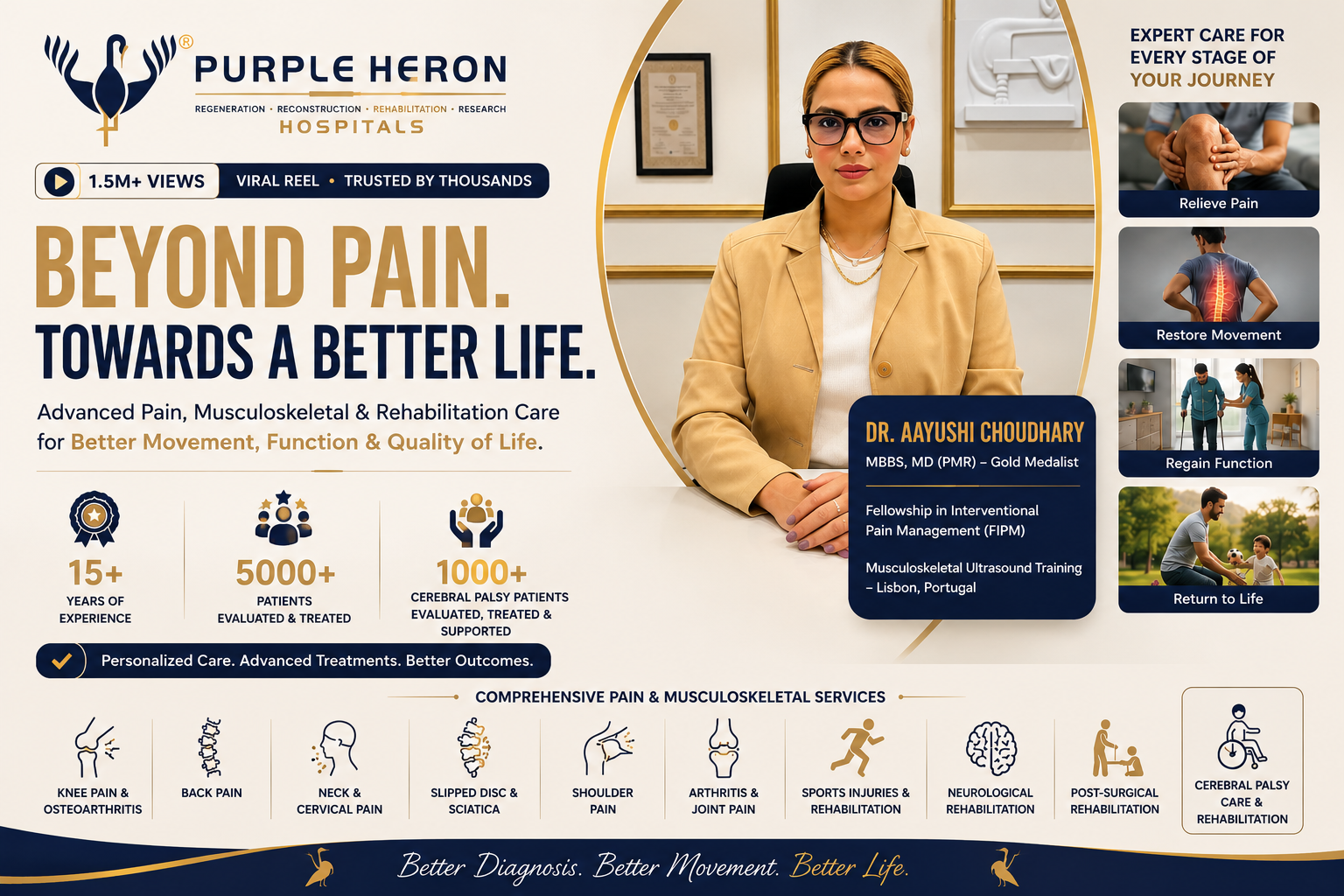 Advanced Pain & Musculoskeletal Care by Dr. Aayushi Choudhary in Jaipur
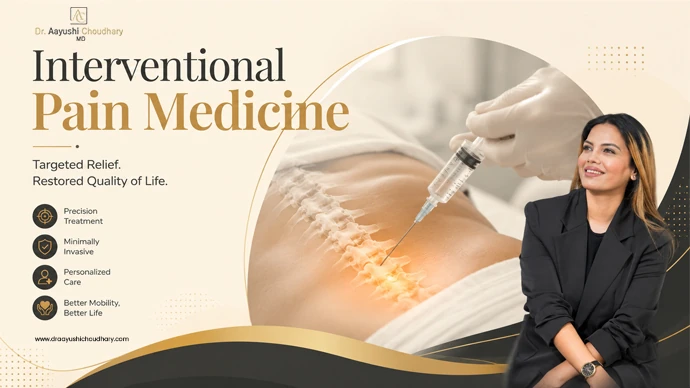 Interventional Pain Medicine: Pain Is Not Enemy; Rather Body's Language. Why Does Future of Pain Medicine Lie in Treating Cause, Not Silencing Symptom?
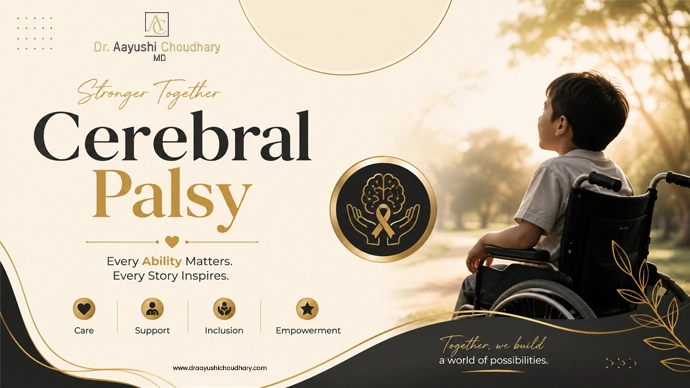 Cerebral Palsy Is Not a Deformity Problem, a Movement Problem. Why Correcting a Child’s Legs Does Not Always Help Them Walk?
 Regenerative Medicine: The Future of Healthcare Will Not Be Replacement but Preservation. Why Next Decade in Medicine Will Be Defined by Saving Human Tissue, Not Simply Replacing It
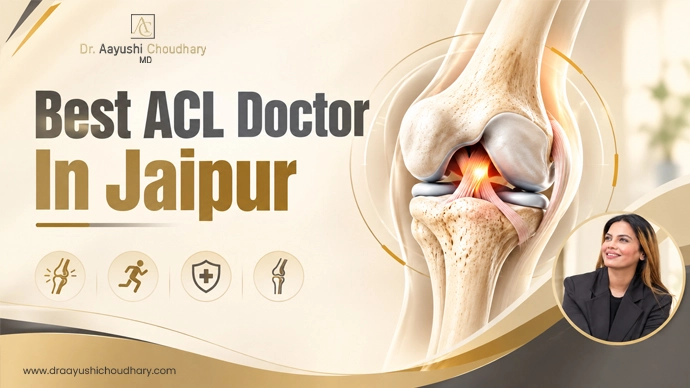 Best ACL Doctor in Jaipur for Complete Musculoskeletal Care
 Neck Pain Treatment in Jaipur: Causes, Symptoms and Care
 When Should You See a Knee Pain Specialist? Understanding the Causes, Advanced Treatment and Personalised Recovery
 Stroke Treatment in Jaipur: A Practical Guide to Recovery and Rehabilitation
 How Can Paralysis Rehabilitation in Jaipur Improve Strength, Mobility, and Everyday Function? A Patient-Focused Overview of Recovery and Care