
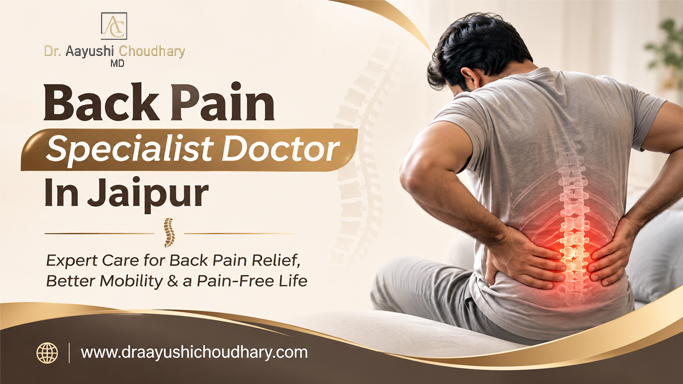
Back pain can eventually become a health challenge in modern life. Stress, reduction in physical activity, screen-heavy routines, long working hours, commuting and poor sleep places sustained strain upon the spine, transforming an ache into discomfort which impacts mobility, confidence, sleep and work. A stiffness can slowly progress into a radiating leg pain, numbness, sciatica, weakness and difficulty standing. The significant step is not to accept the pain as normal but to understand the causes and look forward to evidence-based care.
People looking for a back pain specialist doctor in Jaipur can get in touch with Dr. Aayushi Choudhary at Purple Heron Hospital, who provides a patient-first approach which combines image-guided pain management, precise diagnosis, advanced rehabilitation and non-surgical treatment where required. It is her expertise in interventional pain management, musculoskeletal ultrasound, physical medicine and rehabilitation that assists numerous patients to get long-lasting functional recovery, unlike temporary relief.
This blog explains why back pain develops, how specialists identify its real source, and which modern treatments can help restore comfortable movement.
Revealing the Hidden Connections Behind Everyday Back Pain
The spine is a complex structure that comprises intervertebral discs, ligaments, nerves, muscles, vertebrae and joints. These are the components that work together to maintain balance, facilitate movement and support body weight. When these structures get injured and irritated, back pain can occur.
Modern lifestyles have posed challenges to spinal health. Repetitive movements, prolonged sitting, limitation in physical activity, and inappropriate workstation arrangements can elevate stress on the lumbar spine. Individuals who are not involved in performing physically demanding activities may experience a sense of discomfort due to prolonged static postures and inadequate muscular support.
Common conditions linked to back pain may encompass slipped discs, lumbar disc bulges, facet joint arthritis, sacroiliac joint dysfunction, lumbar spondylosis and sciatica. These specific conditions can indicate similar symptoms and underlying conditions. However, treatment approaches may differ.
Persistent discomfort can develop into a complicated condition if you tend to ignore continuous symptoms or depend on temporary pain relief. Understanding the underlying problem, unlike suppressing discomfort, can lead to the beginning of the chronic back pain treatment in Jaipur.
Back pain can impact emotional well-being, professional responsibilities, concentration and sleep. Identifying these impacts assists patients to understand the importance of the timely medical evaluation.
Spotting the Warning Signs Behind Persistent Spinal Discomfort
Back pain does not occur in the same manner evertime. A few individuals may experience sharp discomfort which travels towards thighs, feet and buttocks, while others may experience a dull ache in the waist. Duration of symptoms, intensity and location can offer significant clues regarding the impacted spinal structures.
Nerve irritation may result in burning sensations, numbness and tingling that eventually extends into the legs. Disc-related conditions may cause discomfort during prolonged sitting, lifting and bending. Meanwhile, problems of facet joints may cause pain and stiffness during backward bending, walking or standing.
A lumbar pain specialist in Jaipur, especially Dr. Aayushi Choudhary, evaluates these symptoms at the same time while conducting a physical examination to understand the origin of the discomfort from spinal nerves, discs and muscles.
Another important consideration is identifying warning signs. Back pain accompanied by progressive leg weakness, significant trauma, fever, unexplained weight loss or a history of cancer requires prompt medical assessment. New bladder or bowel dysfunction, particularly with numbness around the groin or saddle region, requires emergency evaluation.
Building Accurate Diagnoses Through Personalised Spine Assessments
A successful spine treatment starts with the understanding of the source of the pain. An MRI report cannot explain the reason behind the experience of the discomforts in an individual, as some individuals possess degenerative transformations without any symptoms. Pain can occur without dramatic findings on imaging.
An assessment ensures a combination of neurological evaluation, suitable investigations, medical history and physical examination. This assists recognise the structures causing discomfort and suitable treatment options.
We at Purple Heron Hospital consider movement patterns, symptoms, occupation, functional limitations and lifestyle among the patients, unlike relying on the imaging reports.
Important components of a spine assessment include:
- Medical history: Understanding when the pain started, how it has progressed and which activities aggravate or relieve it.
- Physical examination: Assessing spinal mobility, hip movement, functional limitations, posture, and muscle strength.
- Neurological assessment: Checking sensation, muscle power, reflexes and signs related to nerve irritation.
- Imaging investigations: Using CT scans, MRIs, X-rays and suitable investigations when clinically required.
- Movement evaluation: Observing lifting patterns, bending, walking, setting and standing to recognise mechanical difficulties.
Dr. Aayushi Choudhary, as a specialist for lower back pain in Jaipur, uses these findings to distinguish between different pain conditions and recommend an appropriate course of action.
Restoring Spinal Strength Through Targeted Rehabilitation
A customised rehabilitation programme may encompass movement retraining, posture correction, strengthening exercises, core stabilisation and flexibility training. These particular activities can enhance coordination between back muscles, abdominal muscles, hips and pelvis that support stability of the spines.
Your back pain relief treatment may encompass a combination of ergonomic modifications, medication, supervised physiotherapy, and activity progression. Intensity of exercises should depend on the physical capacity, diagnosis and recovery stage among the patients.
Rehabilitation can address lifestyle factors synonymous with the recurring symptoms. Patients working for hours on the computers may gain advantage from regular movement breaks and workstation adjustments. Individuals associated with physically demanding occupations may need guidance on bending, load distribution and lifting.
Bringing Precision Into Modern Image-Guided Pain Management
Sometimes conventional treatment approaches fail to offer enough relief to the patients. At that time, most of the patients look forward to interventional procedures. These treatments address particular pain-generating structures while decreasing unnecessary intervention across the surrounding tissues.
Image-guided pain treatment utilises imaging technologies including ultrasound or fluoroscopy to assist guide procedures to anatomical structures. This enhances procedural accuracy and helps specialists to visualise need placement in the wake of the selected interventions.
For example, patients with nerve-root inflammation may be considered for targeted epidural or selective nerve-root procedures. Those experiencing facet joint-related discomfort may benefit from diagnostic medial branch blocks, followed by further treatment when clinically appropriate.
This approach is particularly relevant for individuals experiencing persistent symptoms despite appropriate rehabilitation and medication. It also offers an alternative pathway for selected patients who may not require immediate surgical intervention.
Dr. Aayushi Choudhary's clinical approach integrates diagnostic evaluation, rehabilitation and precision-based pain interventions. Her objective of modern interventional care is to select the least invasive suitable option while considering the patient's symptoms, neurological status, imaging findings and functional requirements.
Exploring Advanced Non-Surgical and Interventional Procedures
Advancements in spine care have introduced several specialised procedures for patients with particular types of persistent back pain. These interventions address different pain mechanisms, including vertebral endplate-related pain, nerve signalling, muscular dysfunction, disc-related problems and facet joint conditions.
Under appropriate clinical circumstances, advanced treatment options may include:
- Basivertebral Nerve Ablation: This minimally invasive procedure targets the basivertebral nerve within the vertebral body. It may be considered for carefully selected patients with chronic vertebrogenic low back pain associated with Modic type 1 or type 2 endplate changes on MRI.
- Neuromodulation: This approach uses electrical stimulation to influence pain signalling within the nervous system. Spinal cord stimulation is one example that may be considered for selected patients with persistent neuropathic pain when other suitable treatments have not provided adequate relief.
- Multifidus Neuromuscular Stimulation: This treatment aims to activate the multifidus muscles, which play an important role in lumbar stability. Selected patients with chronic mechanical lower back pain and multifidus dysfunction may benefit from this specialised approach.
- Percutaneous Image-Guided Lumbar Decompression: This minimally invasive technique may be considered for selected patients with lumbar spinal stenosis caused by ligamentum flavum hypertrophy. Image guidance helps the specialist perform the targeted decompression procedure.
- Regenerative Medicine: Selected regenerative approaches, including platelet-based treatments and other biologically oriented interventions, may be explored in specific musculoskeletal conditions. Their suitability depends on the diagnosis, available evidence and individual patient factors.
- Radiofrequency Ablation (RFA): This procedure uses controlled radiofrequency energy to interrupt pain signals from selected nerves, commonly the medial branch nerves supplying facet joints. It may provide longer-lasting relief for appropriately selected patients with confirmed facet-mediated pain.
These procedures are not interchangeable solutions for every type of back pain. Each has specific indications, limitations, potential risks and eligibility requirements. A detailed assessment is necessary to determine whether an intervention is appropriate.
For patients requiring more specialised care, advanced back pain management may combine image-guided procedures with rehabilitation and ongoing functional monitoring. Surgical consultation may also be appropriate when severe neurological compression, progressive weakness, spinal instability or other significant conditions warrant it.
The central objective remains consistent: relieve pain, preserve movement and help patients regain independence through a treatment plan suited to their condition.
Final Notes
A healthy spine is essential for maintaining mobility, independence and an active lifestyle. However, persistent back pain should never be treated as an ordinary inconvenience that patients must simply learn to tolerate. Identifying the underlying cause, recognising symptoms early and following an appropriate treatment programme can make a meaningful difference to long-term spinal health.
From personalised diagnosis and structured rehabilitation to image-guided interventions and advanced non-surgical procedures, modern pain medicine offers several possibilities for managing different spinal conditions. The right treatment depends on individual symptoms, clinical findings and recovery goals.
For specialised spine care and personalised treatment planning, consult Dr. Aayushi Choudhary at Purple Heron Hospital, Jaipur, where the focus is on combining medical expertise, precision-based pain management and rehabilitation to help patients move towards a more comfortable and active life.
FAQs
1. When should I consult a Back pain specialist doctor?
You should consult a specialist when back pain persists, repeatedly returns or interferes with everyday activities. Symptoms such as leg numbness, tingling or weakness also require medical evaluation. Early diagnosis can help identify the underlying condition and guide appropriate treatment.
2. What options are available for chronic back pain treatment?
Treatment may include medication, supervised rehabilitation, lifestyle modifications and selected interventional procedures. Image-guided treatments may be considered when conventional approaches do not provide sufficient relief. The treatment plan depends on the underlying diagnosis and individual medical requirements.
3. How does a lumbar pain specialist diagnose spinal conditions?
Diagnosis involves reviewing medical history, evaluating spinal movement and conducting neurological examinations. Imaging investigations such as MRI, X-rays and CT scans may be recommended when necessary. Dr. Aayushi Choudhary at Purple Heron Hospital uses a personalised assessment approach to identify the possible source of pain.
4. What is image-guided treatment for back pain?
Image-guided treatment uses technologies such as fluoroscopy or ultrasound to guide selected interventions towards specific anatomical structures. It helps specialists improve procedural accuracy during appropriate pain management procedures. Its suitability depends on the patient's diagnosis and clinical condition.
5. Which specialist for lower back pain offers advanced non-surgical treatments?
Patients should look for a specialist experienced in rehabilitation, musculoskeletal medicine and interventional pain management. Treatment options may include radiofrequency ablation, targeted nerve procedures and selected regenerative approaches. Dr. Aayushi Choudhary at Purple Heron Hospital, Jaipur, provides specialised evaluation and personalised treatment planning for back pain conditions.
RAGs
1. Back Pain Specialist Doctor for Personalised Spine Care
A back pain specialist evaluates spinal conditions to identify the underlying causes of discomfort. Treatment may involve rehabilitation, medication and specialised interventions depending on individual requirements. Early assessment helps patients understand their condition and explore suitable treatment options.
2. Chronic Back Pain Treatment for Long-Term Relief
Chronic back pain may develop because of disc disorders, spinal degeneration, nerve irritation or muscular dysfunction. Its management may involve structured rehabilitation, lifestyle modifications and selected interventional procedures. A diagnosis-based approach helps improve movement and manage recurring discomfort.
3. Back Pain Management at Purple Heron Hospital
Back pain management combines clinical evaluation, rehabilitation and precision-based interventions. Dr. Aayushi Choudhary offers specialised assessment and treatment planning for different spinal conditions. The approach focuses on identifying pain generators and preserving spinal function wherever possible.
4. Image-Guided Treatment for Targeted Spinal Care
Image-guided treatment uses fluoroscopy or ultrasound to assist with the accurate placement of instruments during selected procedures. It may be used for targeted nerve-root, epidural and facet-related interventions. The specialist recommends these procedures according to the patient's diagnosis and clinical suitability.
5. Pain Relief Treatment Through Advanced Interventional Procedures
Pain relief treatment may include conservative rehabilitation, radiofrequency ablation, neuromodulation and selected regenerative procedures. Dr. Aayushi Choudhary at Purple Heron Hospital, Jaipur, provides specialised care based on individual symptoms and treatment requirements. The objective is to reduce discomfort, restore mobility and support better long-term function.
 Understanding Spine Disorders: Expert Care by a Spine Specialist
 What Causes Knee Pain? Symptoms, Diagnosis & Effective Relief
 ACL Injury Treatment: Causes, Diagnosis, and Modern Recovery Options
.jpg) How Lifestyle Choices Impact Your Risk of Stroke
 ACL Tear Treatment Options: Surgery vs. Non-Surgical Approaches Explained
 How Do You Know If Knee Pain Is Serious?
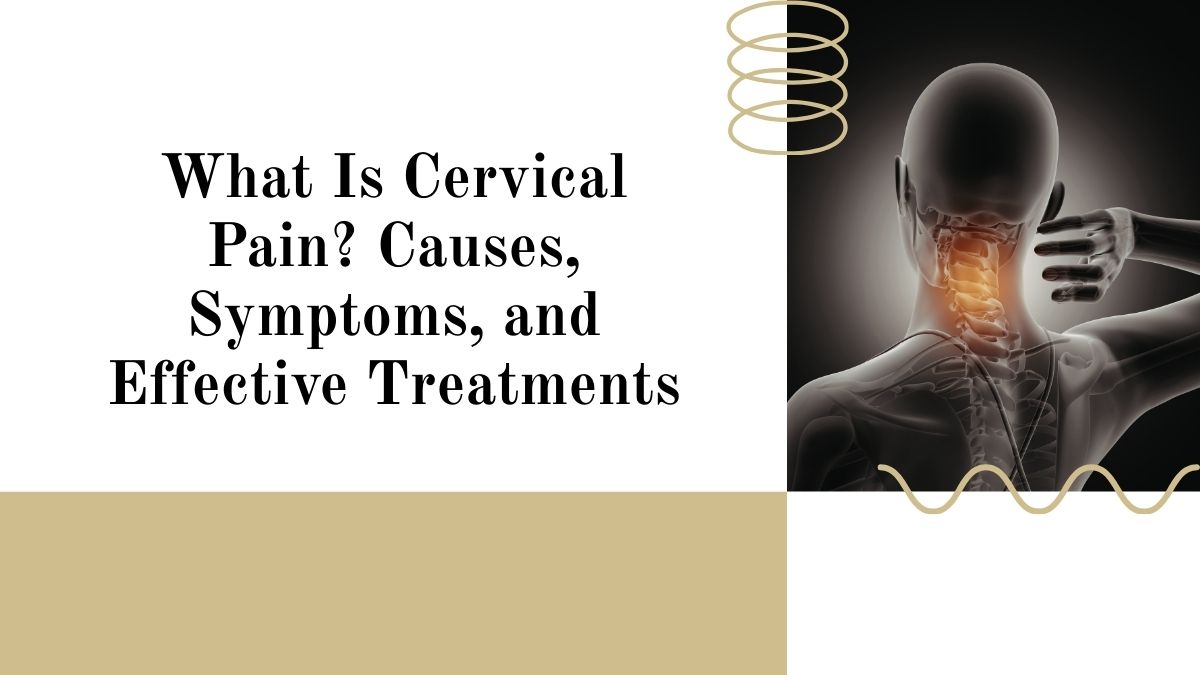 What Is Cervical Pain? Causes, Symptoms, and Effective Treatments
 When Should You Consult a Pain Specialist? Signs You Should Not Ignore
 What Causes Shoulder Pain? Symptoms & Treatment
 Common Sports Injuries and How to Prevent Them: A Complete Guide
 Don’t Ignore These Signs of Paralysis – It Could Be Serious
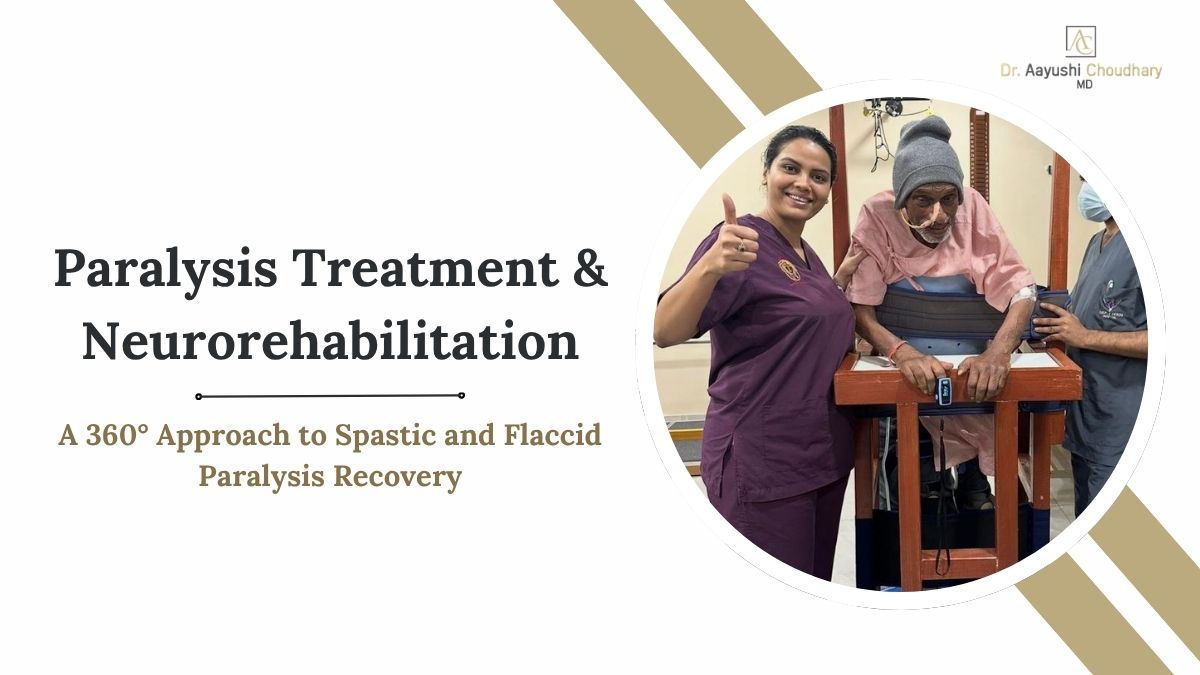 Paralysis Treatment & Neurorehabilitation: A 360° Approach to Spastic and Flaccid Paralysis Recovery
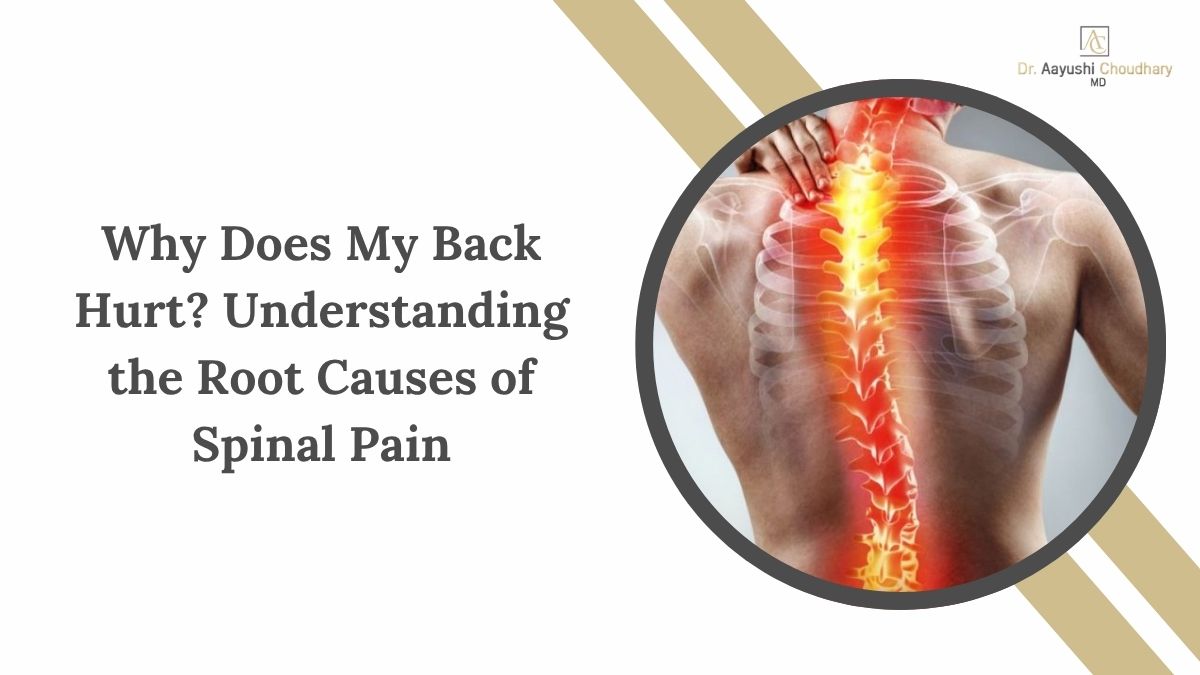 Why Does My Back Hurt? Understanding the Root Causes of Spinal Pain
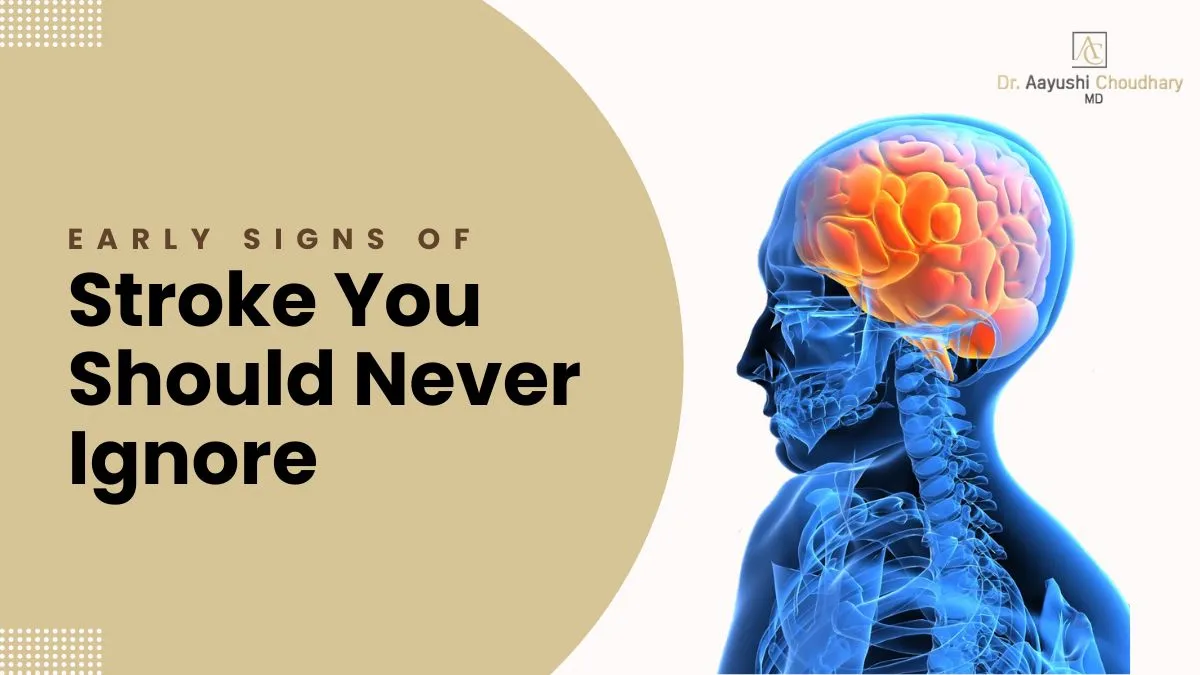 Top 10 Early Signs of Stroke You Should Never Ignore
 Daily Activity Tips to Manage Frozen Shoulder Pain
 When Kids with Cerebral Palsy Grow Up: A Simple Guide for Families
 How to Safely Return to Sports After an ACL Injury
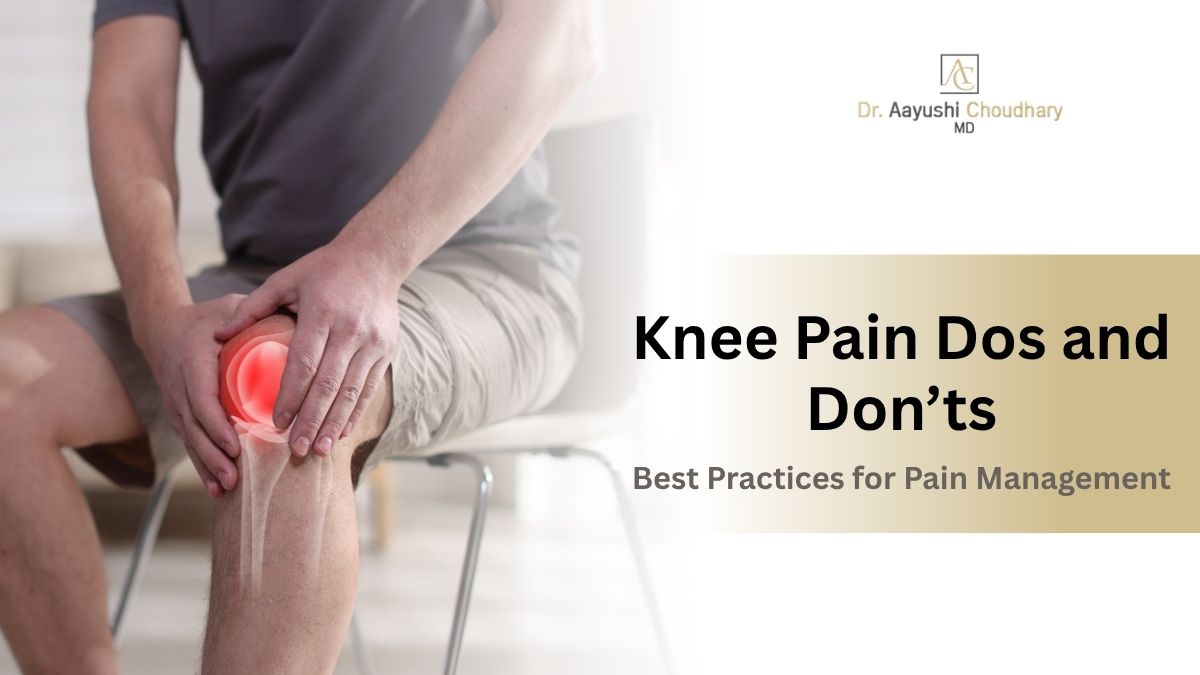 Knee Pain Dos and Don’ts: Best Practices for Pain Management
 Why Are Young People Suffering from Chronic Back Pain?
 8 Common Causes of Neck Pain & Effective Treatment Options
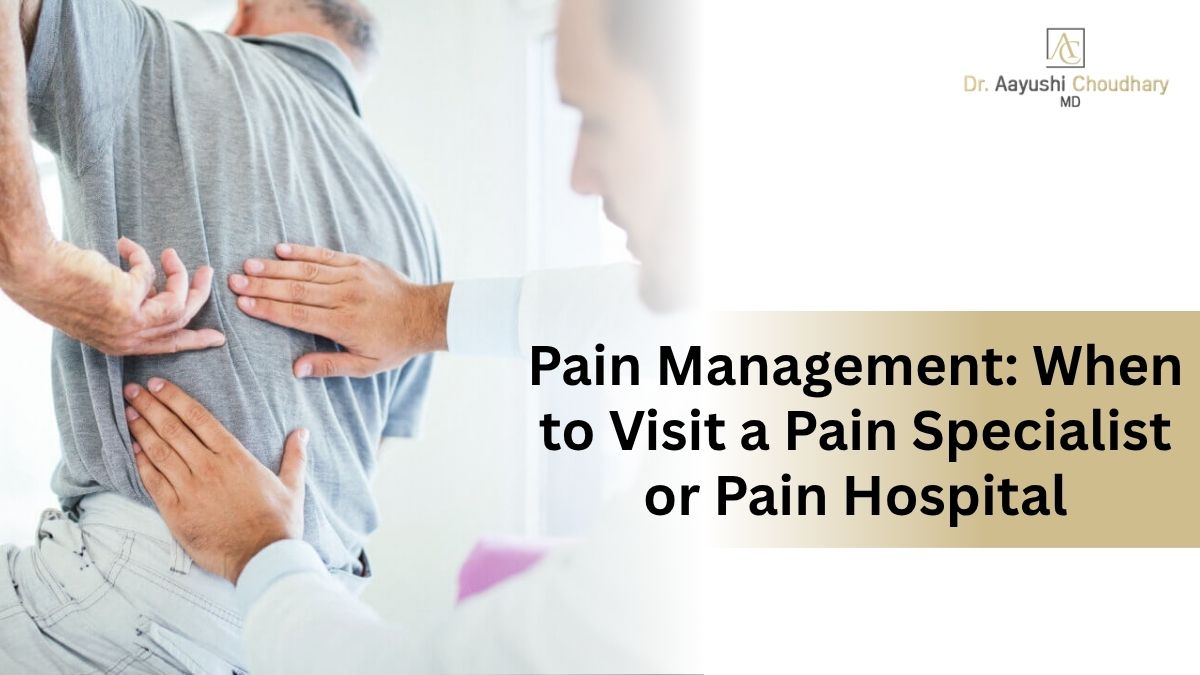 Pain Management: When to Visit a Pain Specialist or Pain Hospital
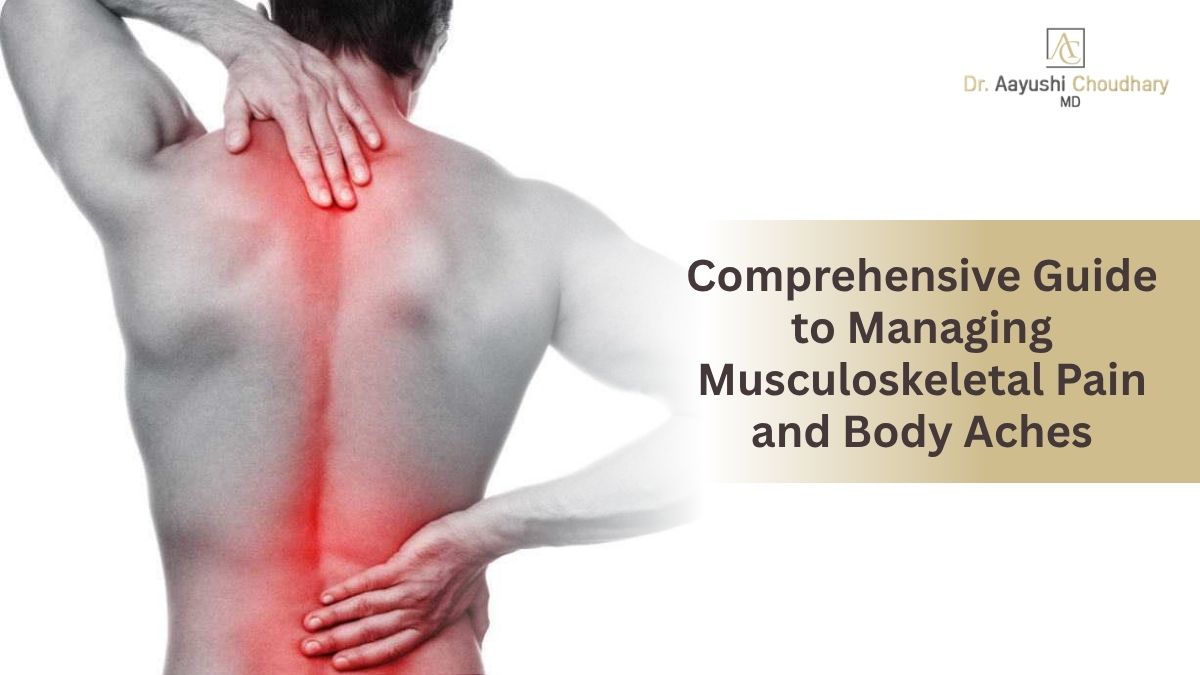 Comprehensive Guide to Managing Musculoskeletal Pain and Body Aches
 Neck Pain Treatment for Working Professionals: Daily Care Tips
 Got Injured While Playing Sports? Here’s What to Do Next
 Knee Pain While Walking? Here Are The 5 Most Common Causes
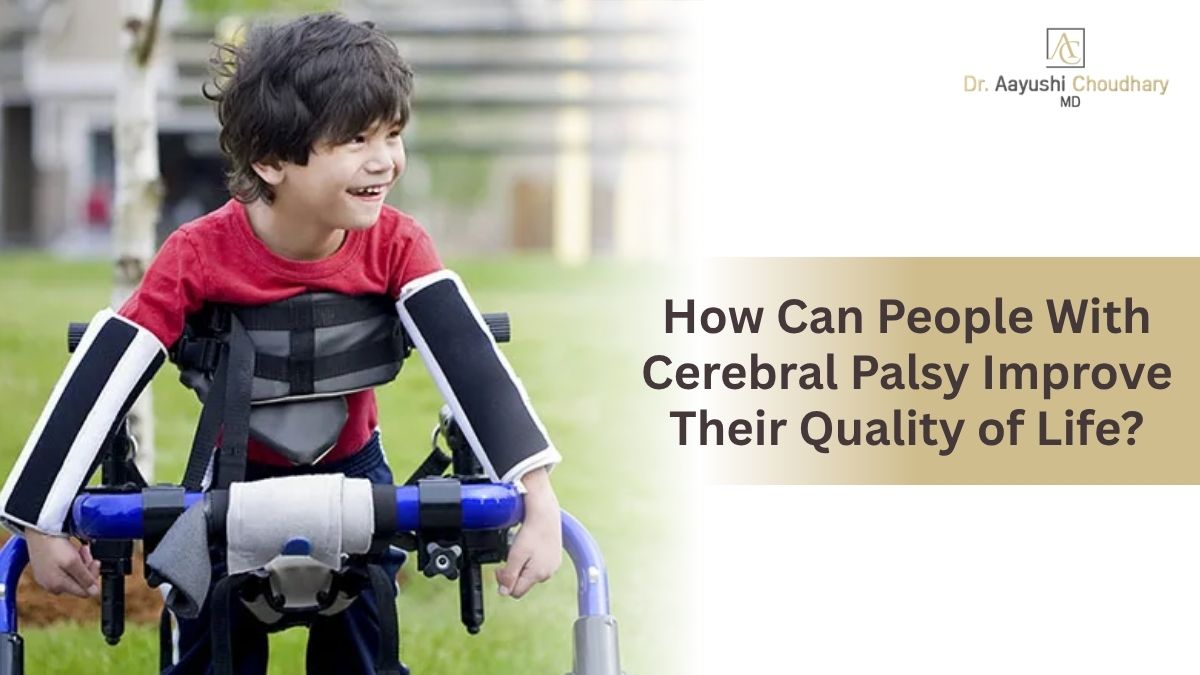 How Can People With Cerebral Palsy Improve Their Quality of Life?
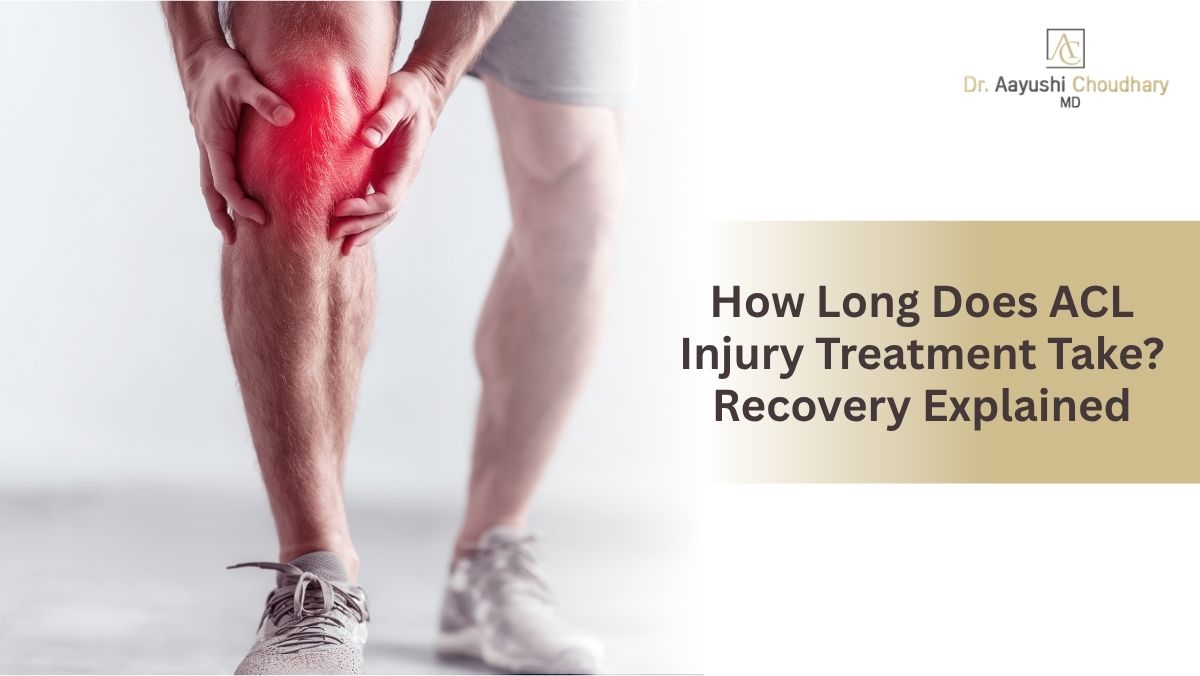 How Long Does ACL Injury Treatment Take? Recovery Explained
 How Does Paralysis Begin & What Treatments Help Recovery?
 Why Is Early Pain Treatment Important for Better Recovery?
 How Can You Tell If Your Knee Pain Needs Medical Attention?
 How Screen Time and Mobile Usage Trigger Cervical Pain?
 Everyday Habits That May Be Damaging Your Spine
 Best Ways to Manage Slip Disc and Improve Spine Health
 Body Ache: Symptoms, Causes and Treatment Explained
 Sciatica vs. Regular Back Pain: What's the Difference? | Expert Guide
 Why Is Joint Pain More Common in Women? | Expert Medical Guide
 Why Do Gym Injuries Happen? | Expert Medical Guide
 Spine Preservation: Why the Future of Medicine Is About Preserving the Human Spine, Not Replacing It
 Rehabilitation: The Missing Fourth Pillar of Modern Medicine-Why the Future of Healthcare Is Not Just About Saving Lives, But Restoring Them
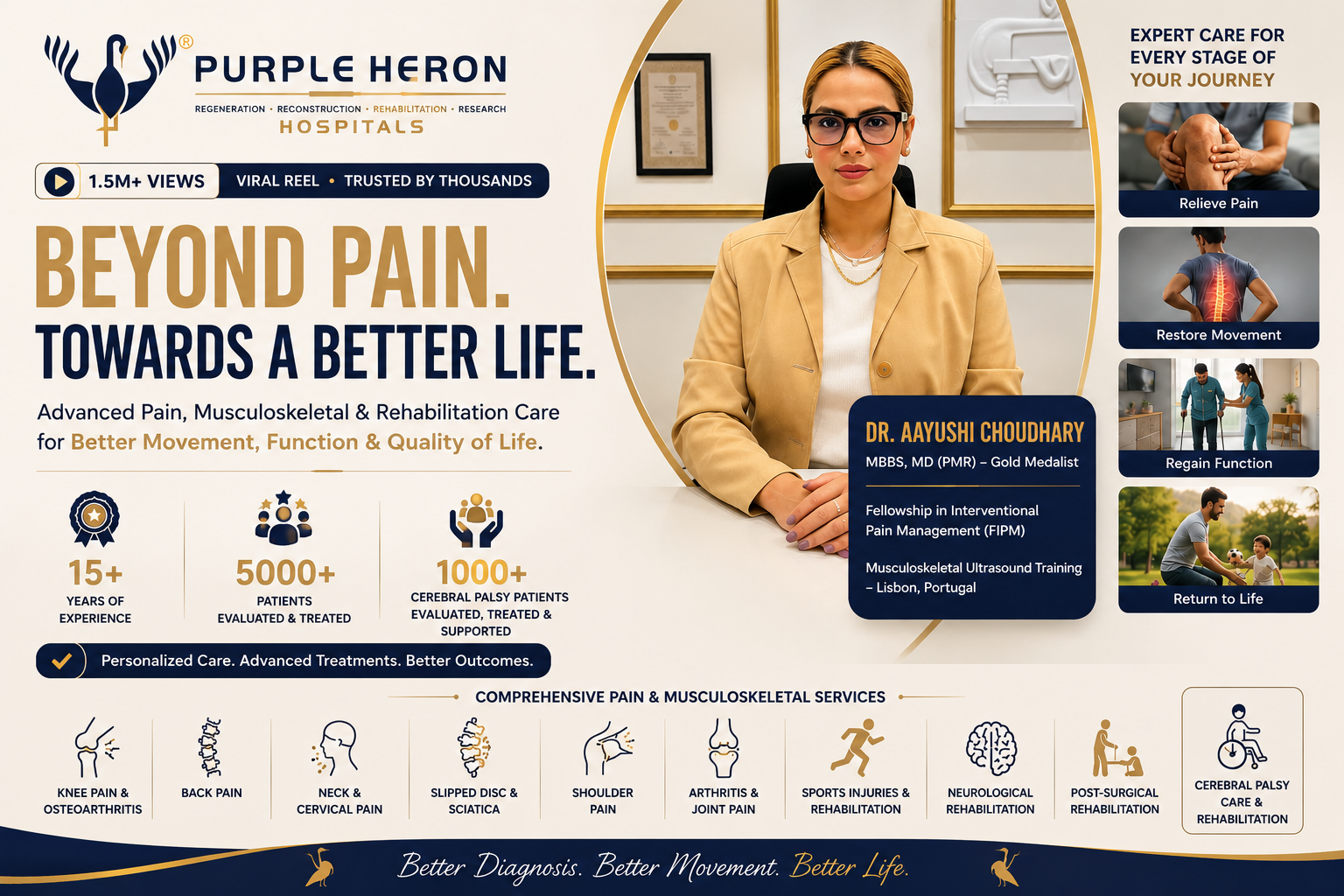 Advanced Pain & Musculoskeletal Care by Dr. Aayushi Choudhary in Jaipur
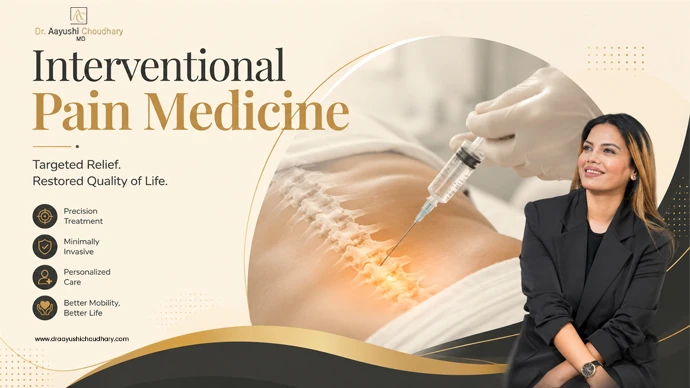 Interventional Pain Medicine: Pain Is Not Enemy; Rather Body's Language. Why Does Future of Pain Medicine Lie in Treating Cause, Not Silencing Symptom?
 Cerebral Palsy Is Not a Deformity Problem, a Movement Problem. Why Correcting a Child’s Legs Does Not Always Help Them Walk?
 Regenerative Medicine: The Future of Healthcare Will Not Be Replacement but Preservation. Why Next Decade in Medicine Will Be Defined by Saving Human Tissue, Not Simply Replacing It
 Best ACL Doctor in Jaipur for Complete Musculoskeletal Care
 Neck Pain Treatment in Jaipur: Causes, Symptoms and Care
 When Should You See a Knee Pain Specialist? Understanding the Causes, Advanced Treatment and Personalised Recovery
 Stroke Treatment in Jaipur: A Practical Guide to Recovery and Rehabilitation
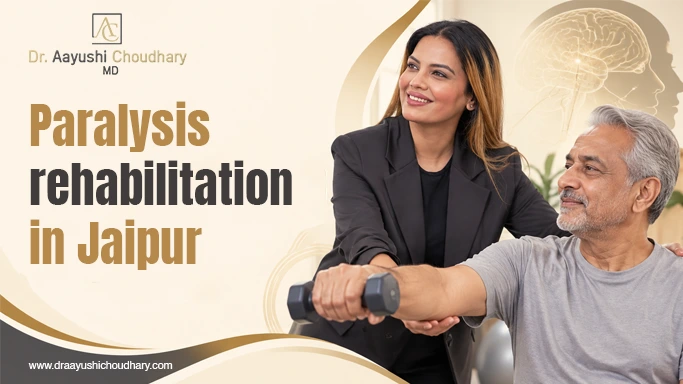 How Can Paralysis Rehabilitation in Jaipur Improve Strength, Mobility, and Everyday Function? A Patient-Focused Overview of Recovery and Care
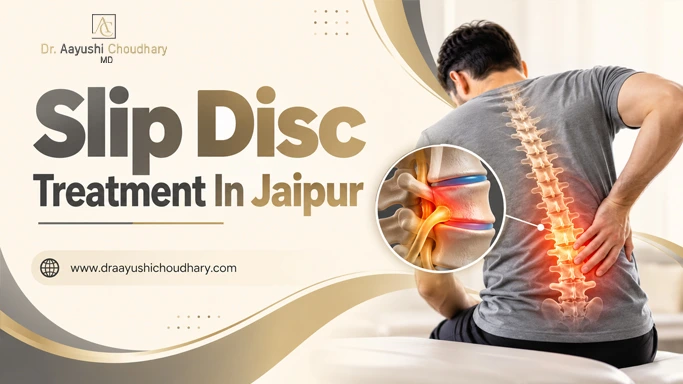 Can Slip Disc Treatment in Jaipur Help You Avoid Surgery? Understanding Conservative Care Options
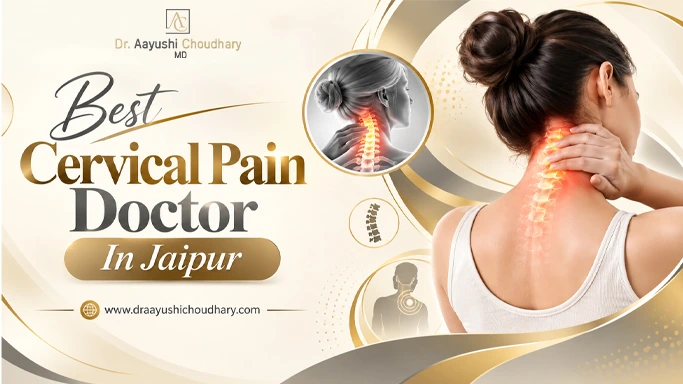 How the Best Cervical Pain Doctor in Jaipur Can Help Manage Chronic Neck Pain? Exploring Advanced Pain Management
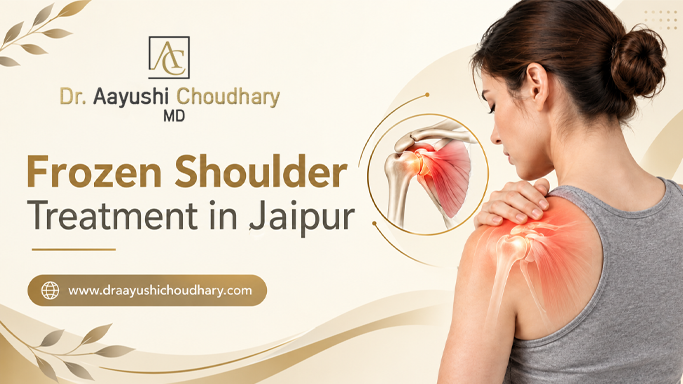 Frozen Shoulder Treatment in Jaipur-What Are the Best Ways to Manage Pain and Stiffness?
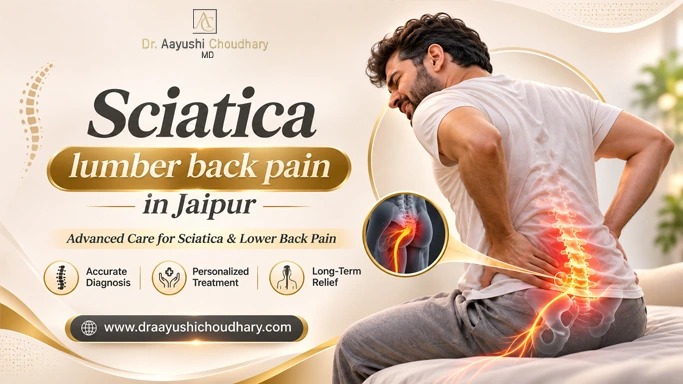 Beyond Conventional Pain Relief: Advanced Care for Sciatica Lumbar Back Pain in Jaipur
 A Complex Shoulder Case, A New Chapter: Shoulder Reconstruction Surgery in Jaipur