
By Dr. Aayushi Choudhary | Pain, Musculoskeletal Medicine & Rehabilitation Specialist | Purple Heron Hospitals, Jaipur
There is a question I often ask myself after meeting a patient. Neither do I ask myself, “Did we perform a successful procedure?”, nor do I ask myself, “Did the MRI improve?" However, I ask something much simpler: “Can this person return to living the life they once had?". In this regard, the true purpose of medicine is questionable if a person fails to live the previous life. Healthcare never aims to stop the survival of the people but rather to restore life. Rehabilitation in modern medicine makes us remember that healthcare goes far beyond treating a particular disease and preserving the organ, focusing on assisting people to make them regain their ability to function, live, and participate in daily life. Yet somewhere in our journey and with the evolution of the medicines, we became remarkably good at saving organs and surprisingly poor at restoring human function.
Let this guide address how healthcare professionals have got achievement with modern medicine, what the issues in the treatment process are and the importance of rehabilitation and recovery from surgeries.
Why Post-Operative Care Matters for Complete and Meaningful Recovery
Surgery is a treatment which helps in diagnosing, managing, and treating different types of conditions. After the completion of the surgical procedure, healthcare professionals are seen to celebrate a successful bypass surgery, spine surgery, removal of brain tumour, replacement of knee, ligament reconstruction, and fixation of fracture. These achievements of modern medicines are rightly to be celebrated by the professionals.
But after the lights of the operation theatre are switched off, some of the questions remain unanswered:
- Can this patient now walk?
- Can they climb stairs?
- Can they lift their grandchild?
- Can they sit through a movie?
- Can they go back to work?
- Can they laugh without pain?
- Can they live independently?
If the answer is no, then treatment is not truly complete, and that unfinished chapter is called 'rehabilitation'.
Post-operative care supports the recovery of patients after surgical procedures. A structured post-operative care plan is part of post-surgical rehabilitation that requires regular monitoring of signs, prescribed medicines, mobility guidance, nutrition support, follow-up appointments and wound care.
Rehabilitation After Surgery: The Journey Toward Restored Function
Medicine has traditionally been described through three broad pillars:
- Prevention
- Diagnosis
- Treatment
I believe there is a fourth pillar that deserves equal importance: rehabilitation. Treatment may save life, but rehabilitation gives life back. Surgery addresses underlying medical problems, whereas the body still requires structured support and time to get back to everyday activities.
Rehabilitation after surgery prioritises the fact that patients may not have regained mobility, independence, and strength. The approach depends on the surgery type, conditions among patients, and recovery goals of individuals.
Unfortunately, rehabilitation remains one of the most under-recognised specialities in healthcare, particularly in developing healthcare systems. Many people still associate rehabilitation with a few exercises after surgery or physiotherapy for back pain. However, physical rehabilitation after surgery as part of the recovery program ensures guided exercises, movement, and pain control.
Understanding about rehabilitation is far too narrow. Rehabilitation is not a room, machine or package of exercises but rather is part of the medical science dedicated to human function restoration. It asks a different question from the rest of medicine, not about “What disease does this patient have?" but rather, “What has this disease taken away from this person’s life, and how do we help them get it back?" This shift in the question ensures a change in the perspectives. At Purple Heron Hospitals, rehabilitation is not considered the last step of treatment.
Patient Recovery: Rebuilding Strength, Function, and Quality of Life
Rehabilitation begins from the first consultation because every disease eventually affects function. A patient with a slipped disc loses confidence in walking and avoids stairs due to knee arthritis, while a child with cerebral palsy struggles to participate in play.
A patient recovering from abdominal surgery may find it difficult to cough, breathe deeply, eat comfortably, or regain strength. A stroke survivor may lose speech, balance, or independence, whereas a cancer patient may struggle with fatigue and muscle wasting. An elderly person admitted with pneumonia may leave the hospital with a weak body.
Every speciality in medicine creates rehabilitation needs, which means rehabilitation belongs to every speciality in medicine. However, a patient requirement during patient recovery may differ depending on treatment and conditions.
This is why modern healthcare has expanded far beyond traditional musculoskeletal rehabilitation. Today, evidence-based rehabilitation includes:
- Spine Rehabilitation
- Neuro-Rehabilitation
- Stroke Rehabilitation
- Spinal Cord Injury Rehabilitation
- Brain Injury Rehabilitation
- Orthopaedic Rehabilitation
- Sports Rehabilitation
- Joint Replacement Rehabilitation
- Cerebral Palsy Rehabilitation
- Cardiac Rehabilitation
- Pulmonary Rehabilitation
- Cancer Rehabilitation
- Geriatric Rehabilitation
- ICU Rehabilitation
- Pediatric Rehabilitation
- Women’s Health Rehabilitation
- Pelvic Floor Rehabilitation
- Amputee Rehabilitation
- Hand Rehabilitation
- Vestibular Rehabilitation
Even after gastrointestinal surgery, patients often benefit from structured rehabilitation focusing on breathing exercises, early mobilisation, nutritional recovery, muscle preservation, pain management, posture, functional independence, and prevention of complications. Rehabilitation is therefore not confined to bones and joints; it supports recovery across multiple medical and surgical disciplines.
Understanding Quality of Life After Surgery and Its Impact on Recovery
Illness changes the lives of the people, and that change can be prohibited with rehabilitation; therefore, rehabilitation has a role. Perhaps the greatest misunderstanding about rehabilitation is that people think it begins after treatment.
In reality, the best rehabilitation often begins before treatment. A patient preparing for a knee replacement can improve strength before surgery. Someone awaiting spine surgery can optimise mobility and conditioning. A patient with chronic pain can learn movement strategies that reduce disability. A child with cerebral palsy benefits from early assessment before development of fixed deformities.
Preparing the body before intervention often improves recovery afterwards and contributes to quality of life after surgery. Modern medicine increasingly recognises this continuum from prehabilitation to rehabilitation as a way to enhance outcomes.
Technology has transformed rehabilitation as profoundly as it has transformed surgery. Today we are no longer limited to basic exercise programmes. Modern rehabilitation integrates:
- Robotics-Assisted Rehabilitation
- Computerised Gait Analysis
- Functional Movement Assessment
- Motion Analysis
- Wearable Sensors
- Virtual Reality-Based Rehabilitation
- Neuromuscular Re-education
- Advanced Orthotics
- Functional Electrical Stimulation
- Image-Guided Interventions
- Regenerative Medicine
These innovations allow rehabilitation to become more precise, measurable, and personalised.
A Comprehensive Approach to Restorative Healthcare
Technology alone does not restore a patient while clinical reasoning does. The technology should always serve the patient and not replace thoughtful medical decision-making.
As a specialist in Pain, Musculoskeletal Medicine & Rehabilitation (PM&R), I have learned that successful rehabilitation is rarely about one muscle, one joint, or one diagnosis. It is about understanding the human body as an interconnected system.
A painful knee may actually reflect weakness at the hip. Persistent back pain may relate to altered movement patterns rather than a single MRI finding. A shoulder problem may begin with poor posture. A child’s gait may be influenced by muscle imbalance, spasticity, balance, motor control, cognition, and growth, all interacting together.
That is why rehabilitation requires careful assessment, not assumptions. Every rehabilitation plan at Purple Heron Hospitals is built around one central question: “What does this person want to return to?" For one patient, it may be walking independently, while for another, it is about returning to competitive sports.
For someone else, it is about carrying a child without pain; for an elderly parent, it is more about climbing the stairs at home; for a teacher, it is about standing through an entire class; and for a musician, it is about playing an instrument again.
Medicine becomes deeply personal when the goal is not merely treating disease but restoring identity. The future of healthcare will not be judged only by how many lives we save. It will be judged by how many we restore. Hospitals of the future will not measure success only through surgical volumes, imaging reports, or discharge summaries.
The ability of healthcare professionals will be measured by:
- How many people returned to work?
- How many children learned to walk more efficiently?
- How many grandparents regained independence?
- How many athletes returned to sport?
- How many families got their loved one back?
That is the promise of rehabilitation. Restorative healthcare offers a broader approach towards medicine that goes beyond completing medical procedures and treating the disease. Regenerative medicine is an area of healthcare that repairs, restores, and regenerates damaged functions and tissues. Not simply adding years to life but rather adding life to those years.
End Notes
In our hospital, rehabilitation in modern medicine is not an afterthought. It is one of the foundations on which every treatment plan is built, from integrating physical medicine & rehabilitation, neuro-rehabilitation, and interventional pain medicine, and image-guided minimum interventions.
This plan also includes spine preservation, robotics-assisted rehabilitation, orthotics, gait analysis, functional restoration, regenerative medicine, and multidisciplinary care to help every patient move beyond recovery and toward meaningful, lasting function. In the end, we at Purple Heron Hospitals believe that the greatest achievement in medicine is not that a patient survives; it is about living the life that these patients once desired.
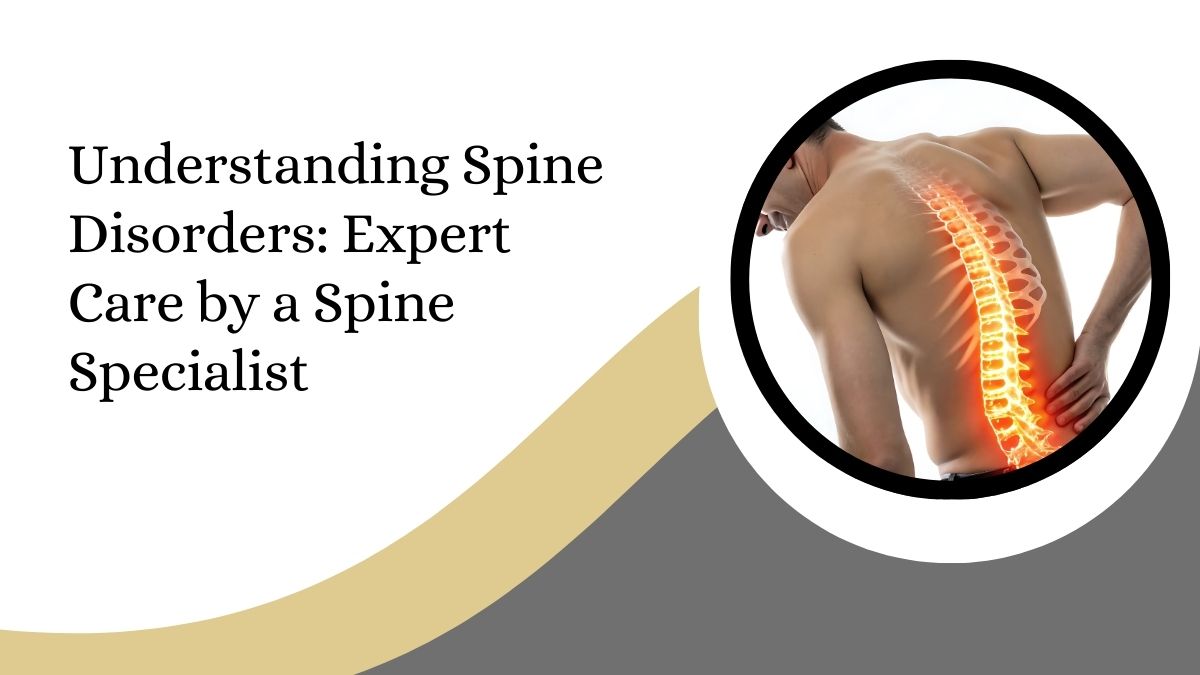 Understanding Spine Disorders: Expert Care by a Spine Specialist
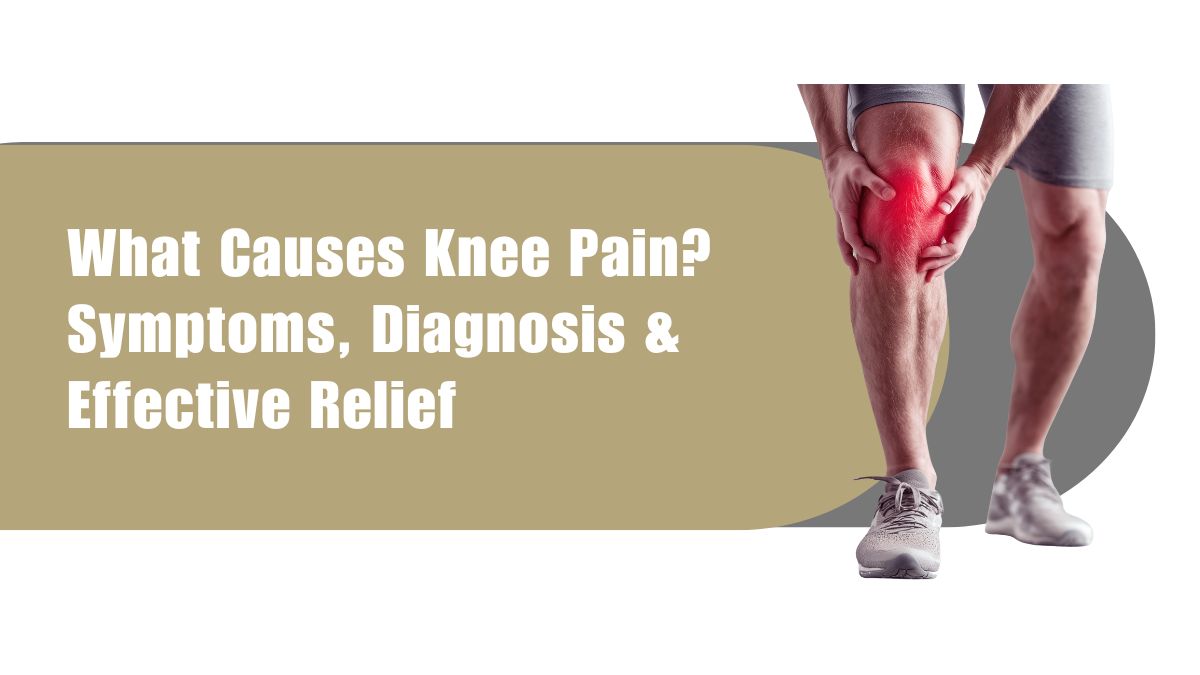 What Causes Knee Pain? Symptoms, Diagnosis & Effective Relief
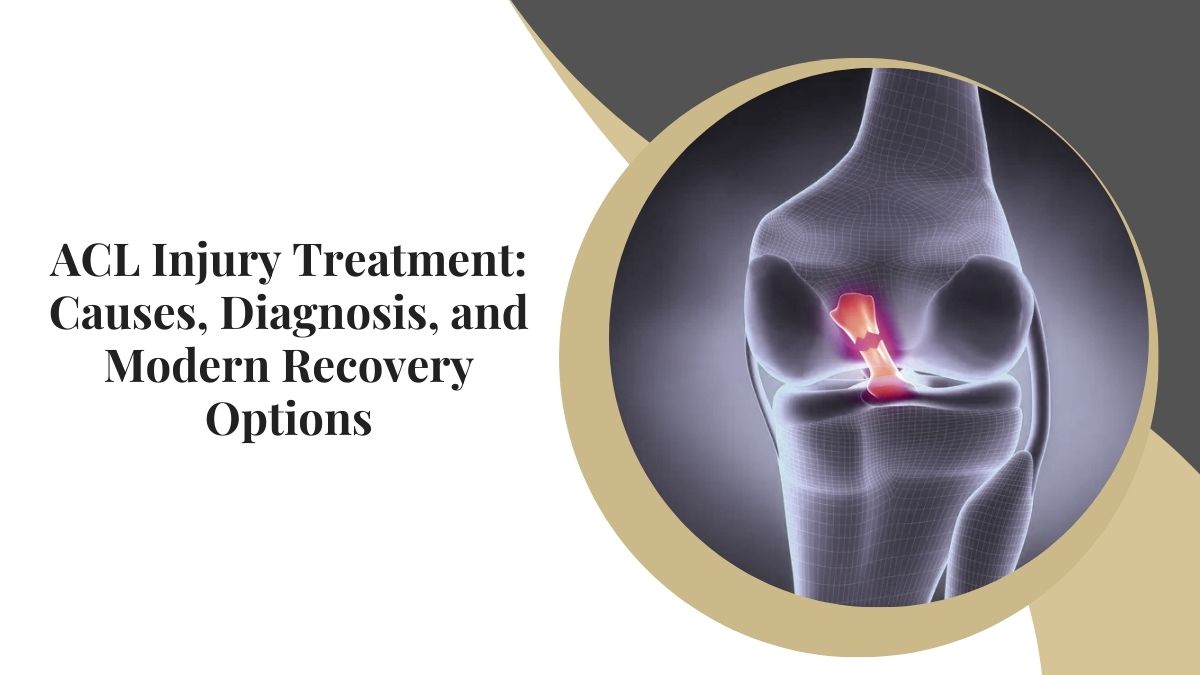 ACL Injury Treatment: Causes, Diagnosis, and Modern Recovery Options
.jpg) How Lifestyle Choices Impact Your Risk of Stroke
How Lifestyle Choices Impact Your Risk of Stroke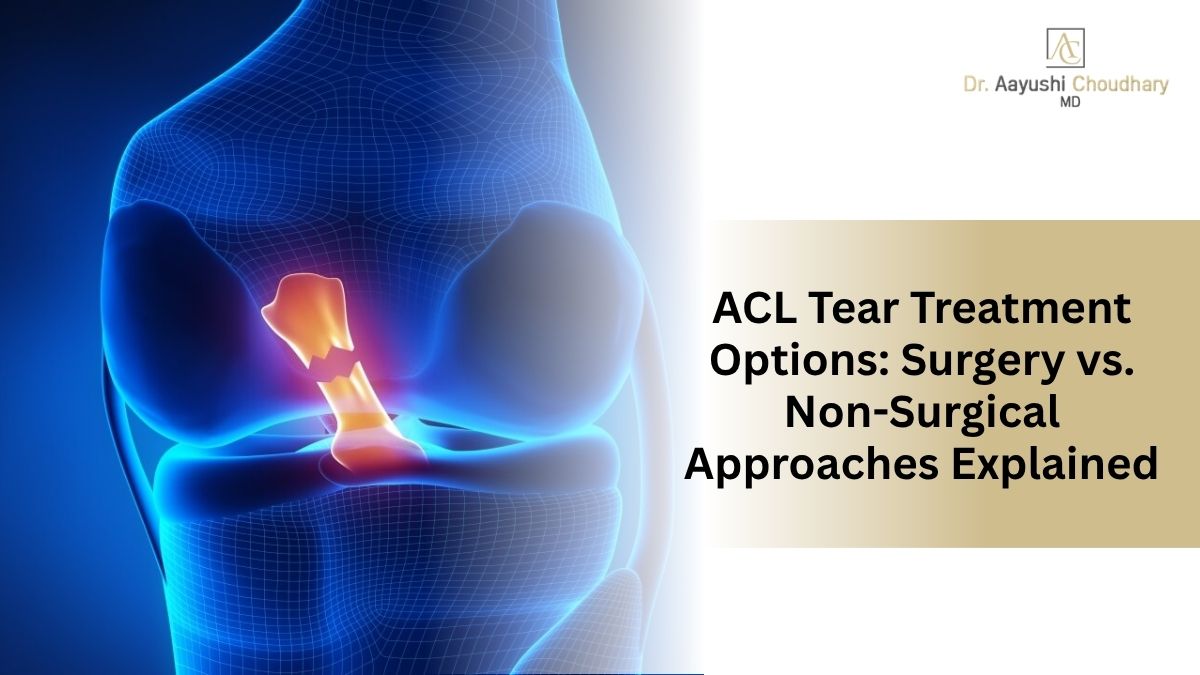 ACL Tear Treatment Options: Surgery vs. Non-Surgical Approaches Explained
 How Do You Know If Knee Pain Is Serious?
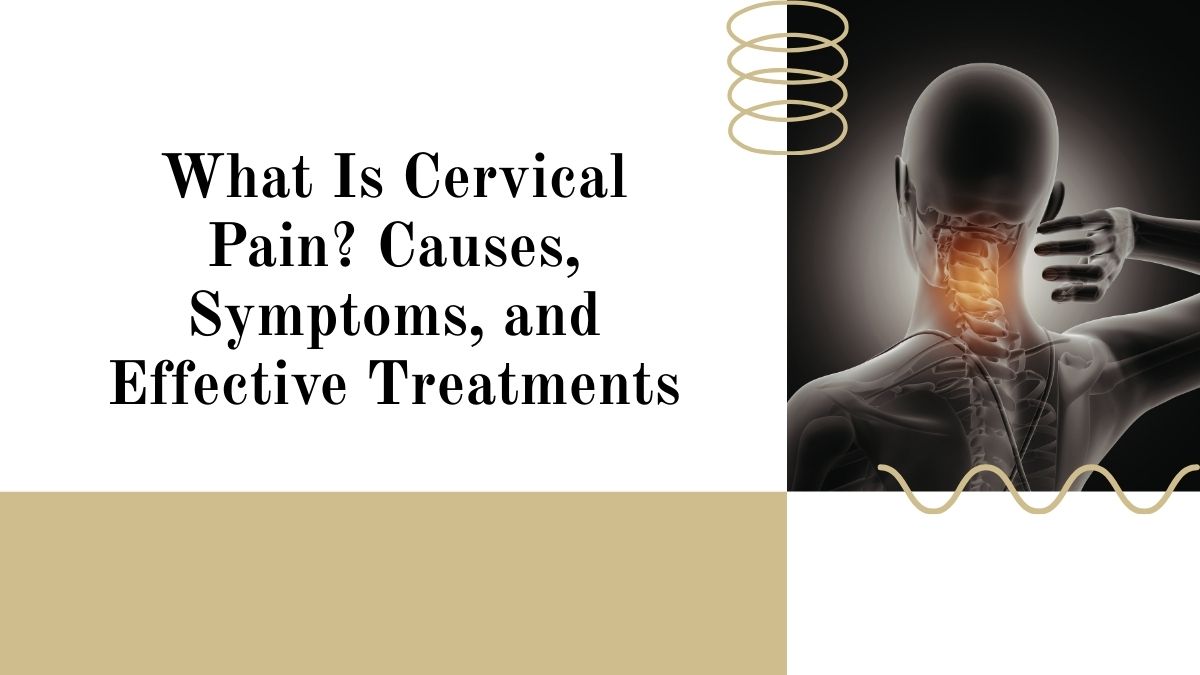 What Is Cervical Pain? Causes, Symptoms, and Effective Treatments
 When Should You Consult a Pain Specialist? Signs You Should Not Ignore
 What Causes Shoulder Pain? Symptoms & Treatment
 Common Sports Injuries and How to Prevent Them: A Complete Guide
 Don’t Ignore These Signs of Paralysis – It Could Be Serious
 Paralysis Treatment & Neurorehabilitation: A 360° Approach to Spastic and Flaccid Paralysis Recovery
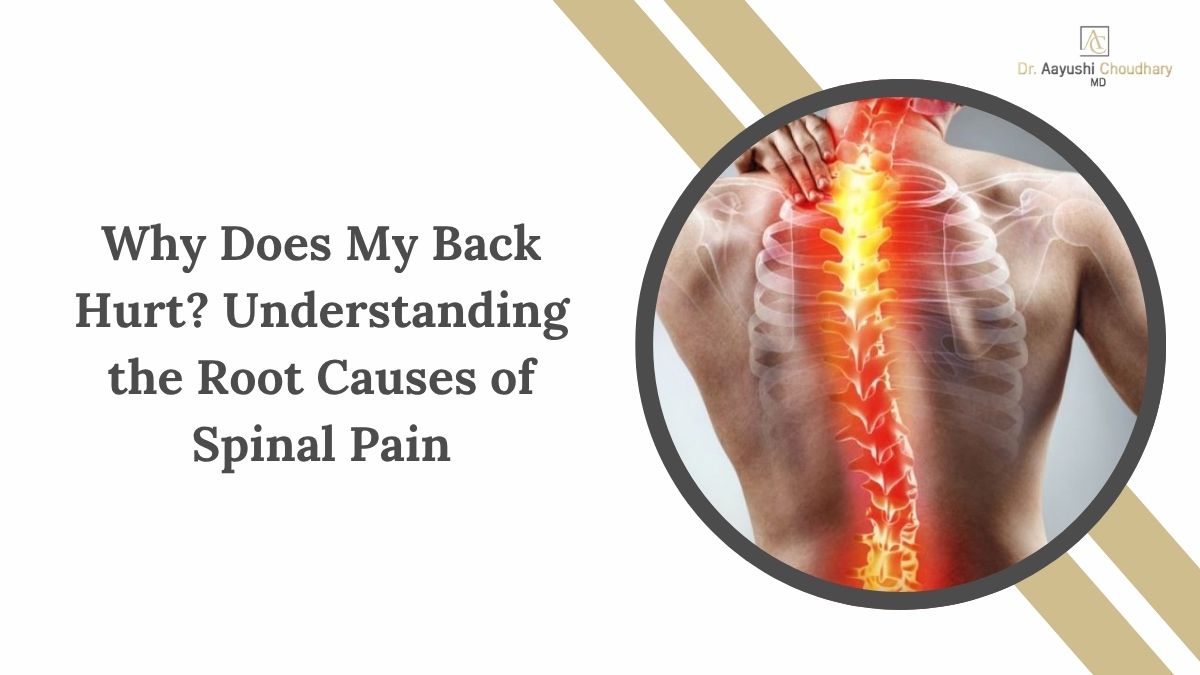 Why Does My Back Hurt? Understanding the Root Causes of Spinal Pain
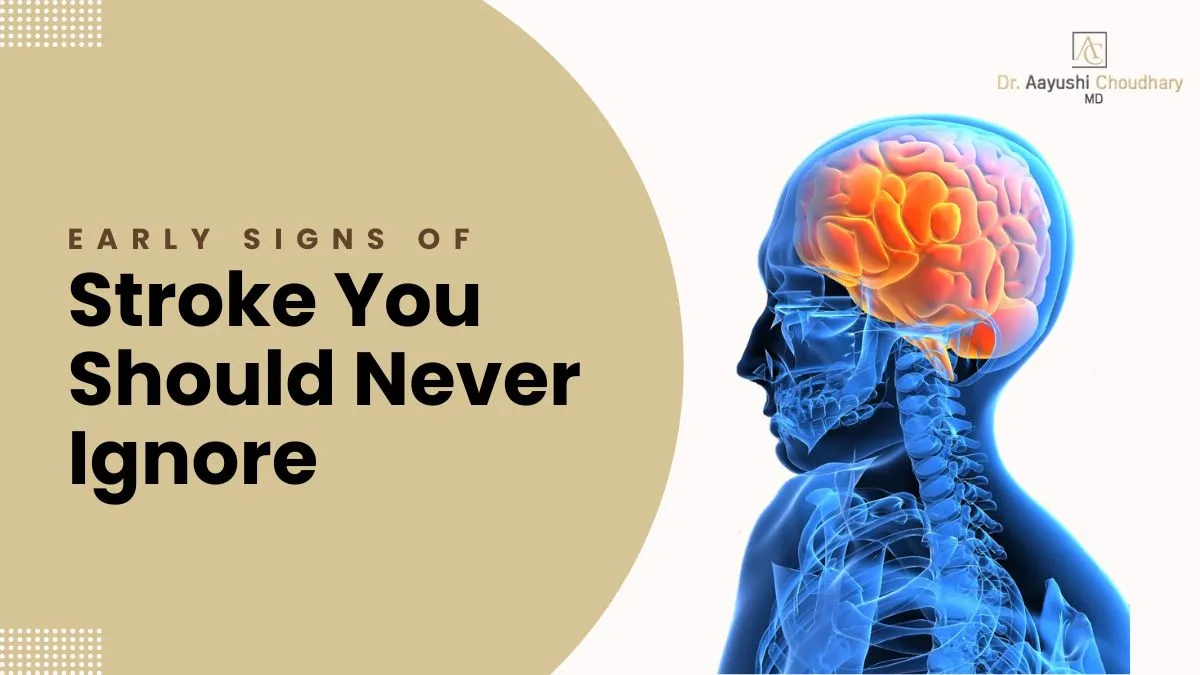 Top 10 Early Signs of Stroke You Should Never Ignore
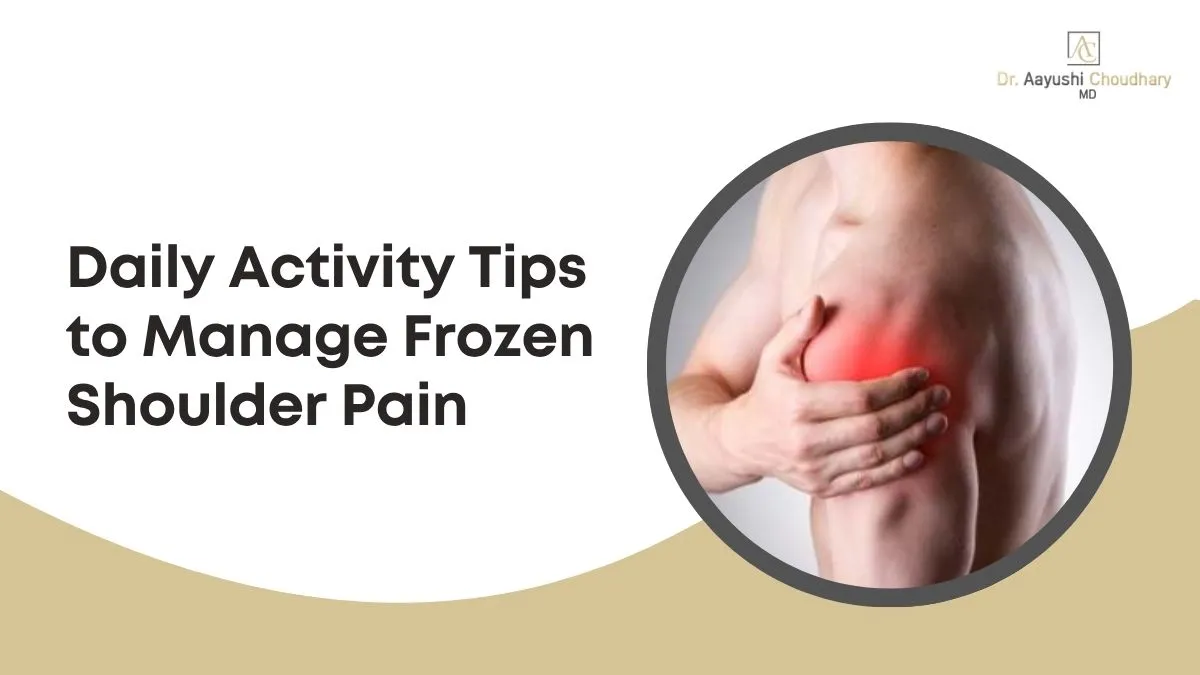 Daily Activity Tips to Manage Frozen Shoulder Pain
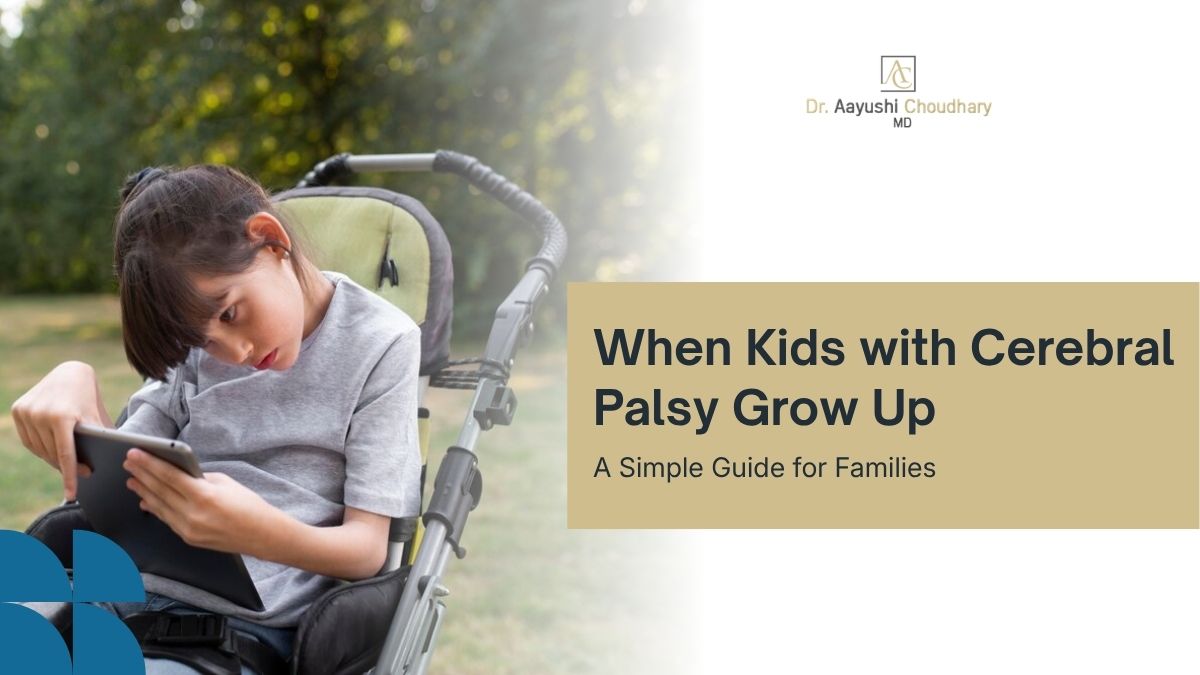 When Kids with Cerebral Palsy Grow Up: A Simple Guide for Families
 How to Safely Return to Sports After an ACL Injury
 Knee Pain Dos and Don’ts: Best Practices for Pain Management
 Why Are Young People Suffering from Chronic Back Pain?
 8 Common Causes of Neck Pain & Effective Treatment Options
 Pain Management: When to Visit a Pain Specialist or Pain Hospital
 Comprehensive Guide to Managing Musculoskeletal Pain and Body Aches
 Neck Pain Treatment for Working Professionals: Daily Care Tips
 Got Injured While Playing Sports? Here’s What to Do Next
 Knee Pain While Walking? Here Are The 5 Most Common Causes
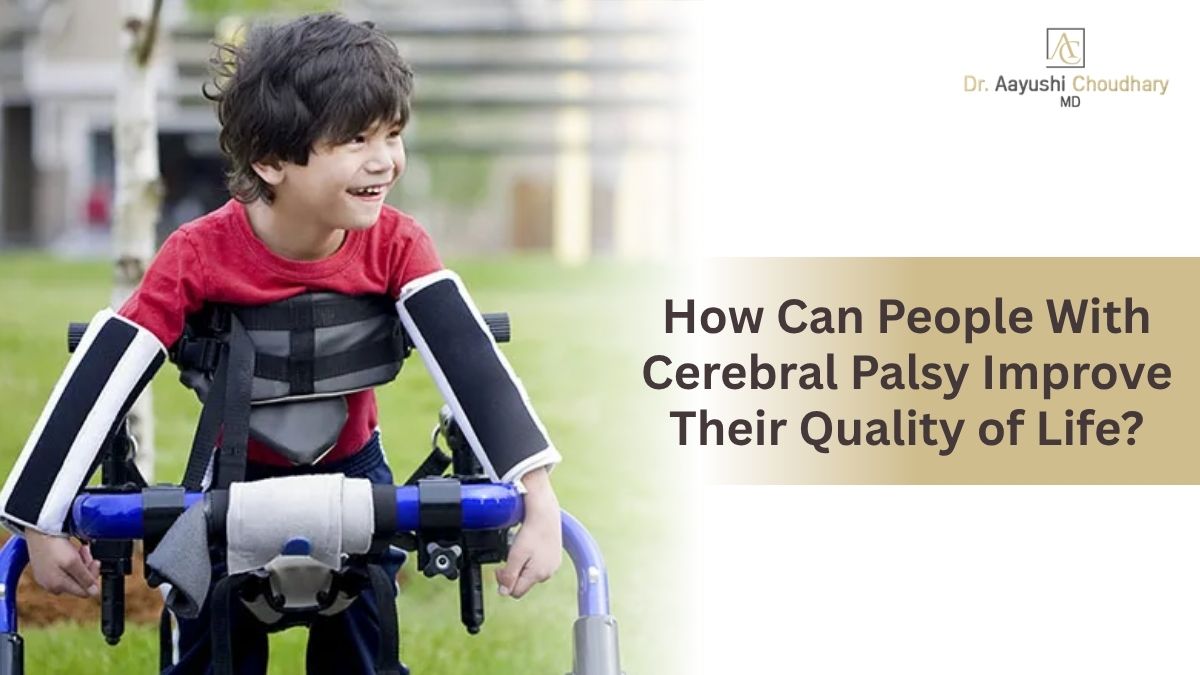 How Can People With Cerebral Palsy Improve Their Quality of Life?
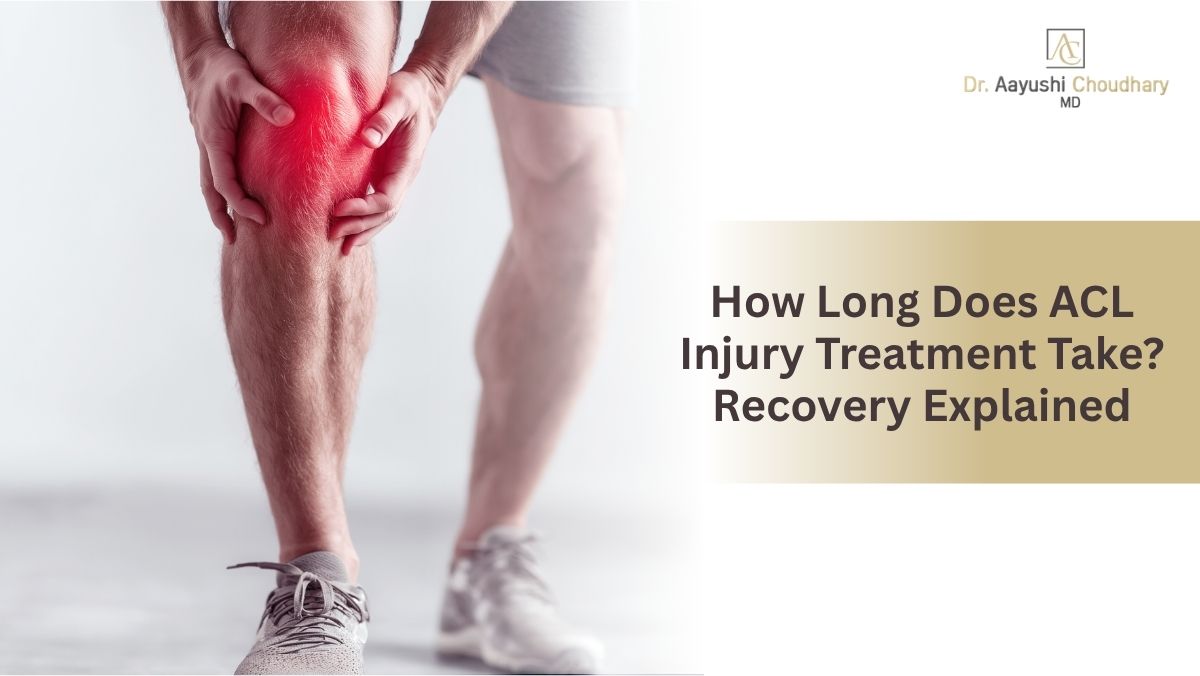 How Long Does ACL Injury Treatment Take? Recovery Explained
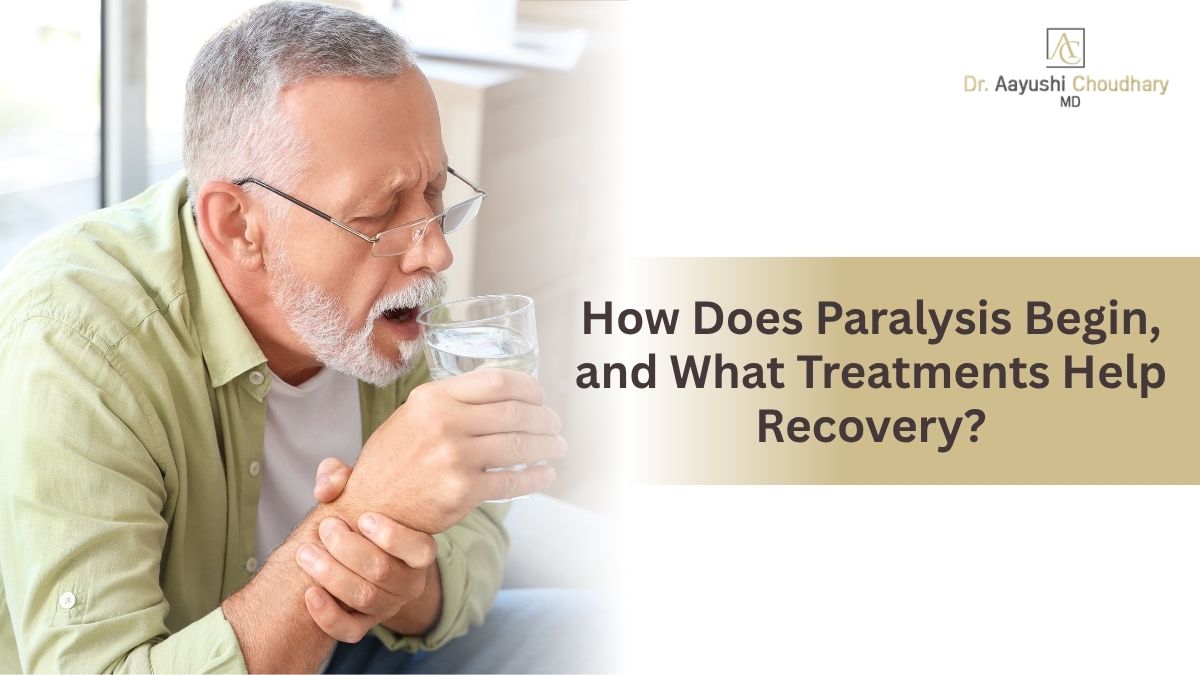 How Does Paralysis Begin & What Treatments Help Recovery?
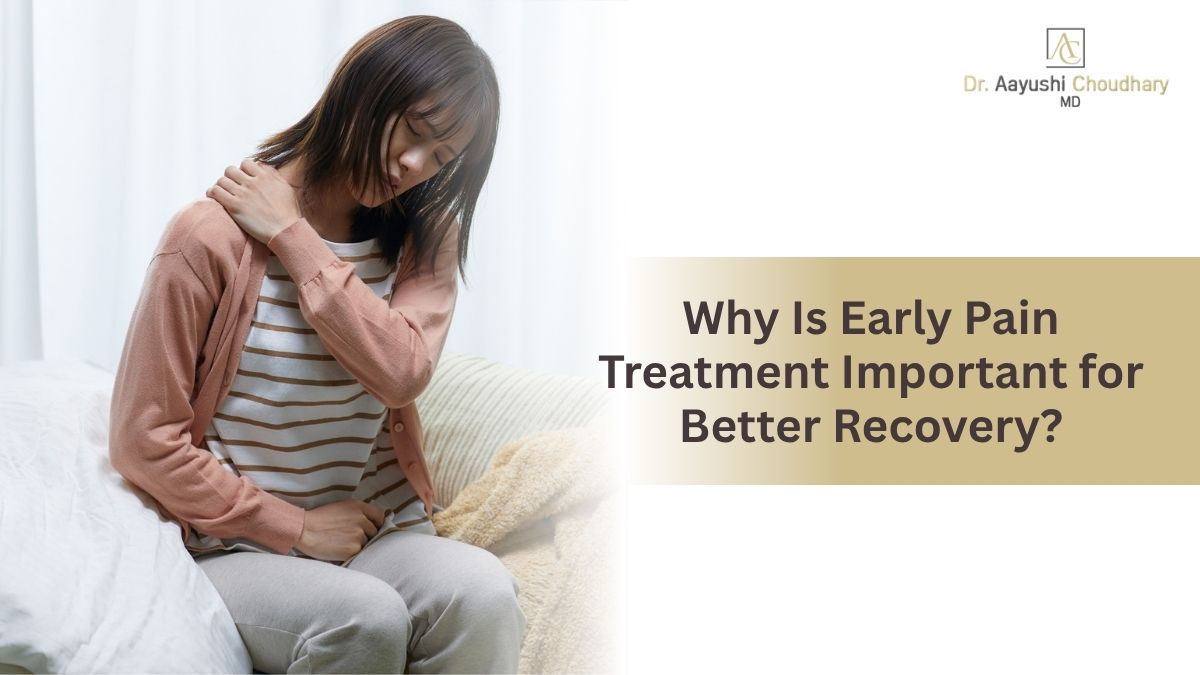 Why Is Early Pain Treatment Important for Better Recovery?
 How Can You Tell If Your Knee Pain Needs Medical Attention?
 How Screen Time and Mobile Usage Trigger Cervical Pain?
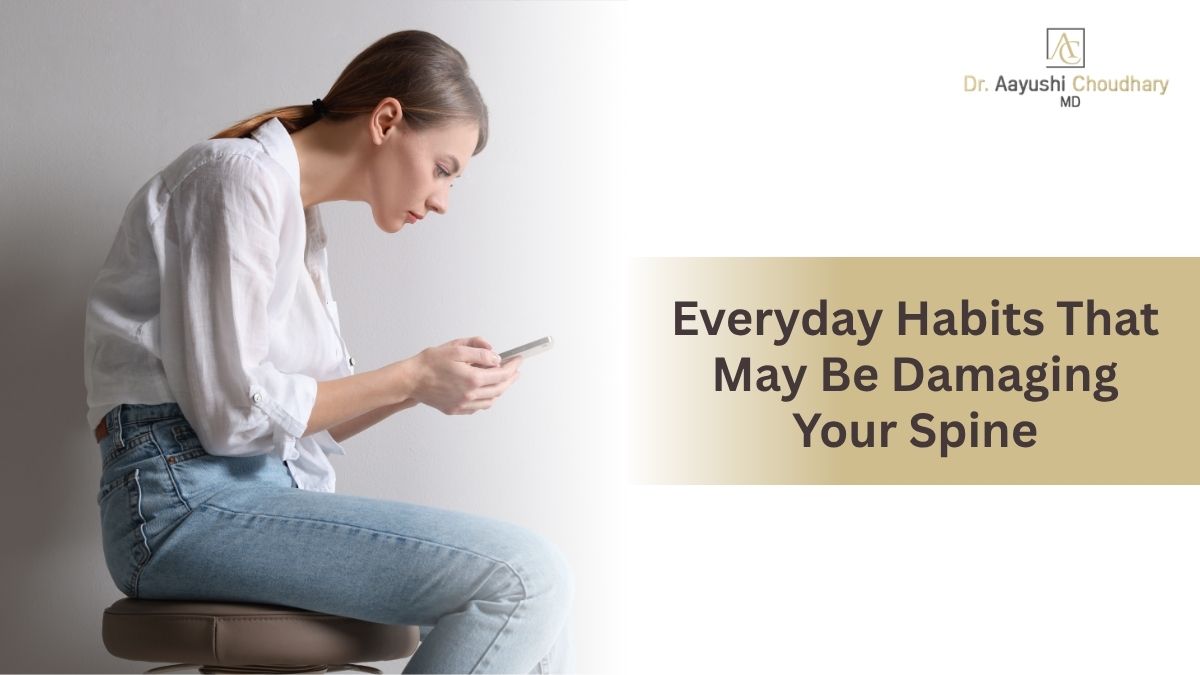 Everyday Habits That May Be Damaging Your Spine
 Best Ways to Manage Slip Disc and Improve Spine Health
 Body Ache: Symptoms, Causes and Treatment Explained
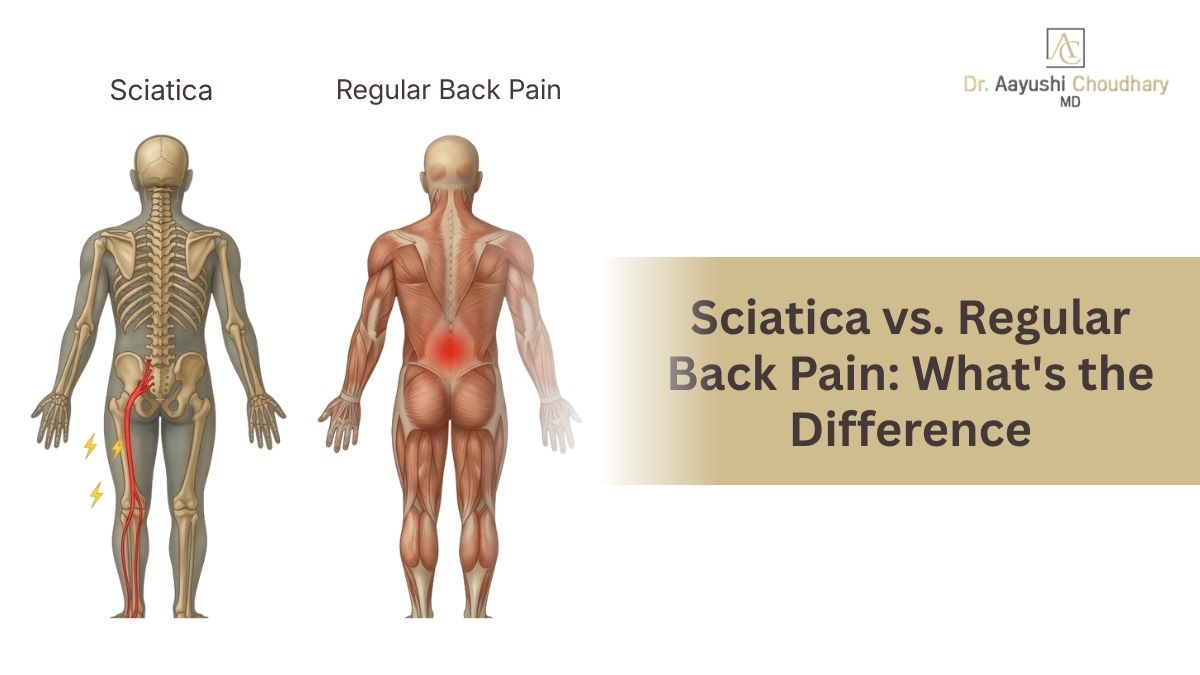 Sciatica vs. Regular Back Pain: What's the Difference? | Expert Guide
 Why Is Joint Pain More Common in Women? | Expert Medical Guide
 Why Do Gym Injuries Happen? | Expert Medical Guide
 Spine Preservation: Why the Future of Medicine Is About Preserving the Human Spine, Not Replacing It
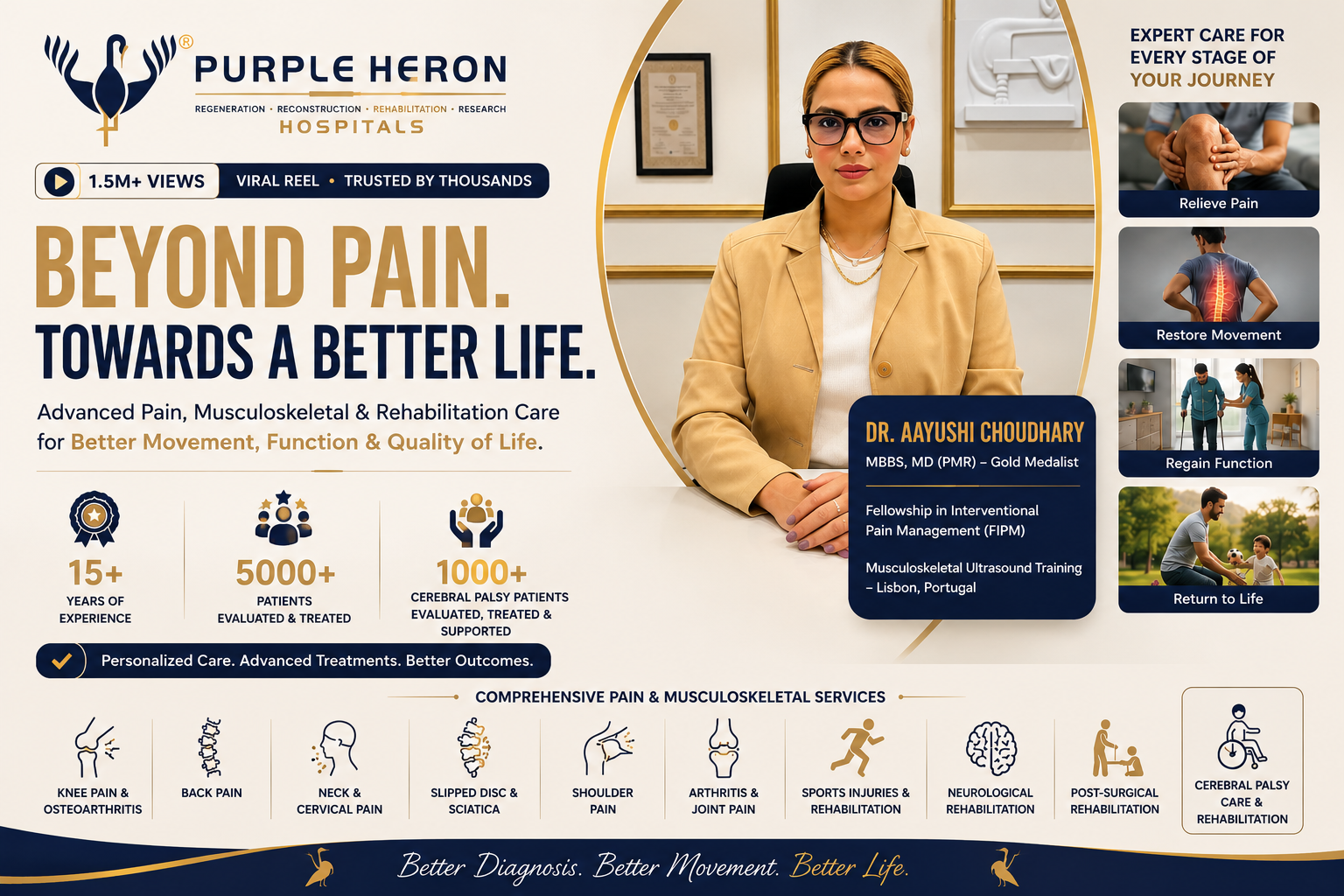 Advanced Pain & Musculoskeletal Care by Dr. Aayushi Choudhary in Jaipur
 Interventional Pain Medicine: Pain Is Not Enemy; Rather Body's Language. Why Does Future of Pain Medicine Lie in Treating Cause, Not Silencing Symptom?
 Cerebral Palsy Is Not a Deformity Problem, a Movement Problem. Why Correcting a Child’s Legs Does Not Always Help Them Walk?
 Regenerative Medicine: The Future of Healthcare Will Not Be Replacement but Preservation. Why Next Decade in Medicine Will Be Defined by Saving Human Tissue, Not Simply Replacing It
 Best ACL Doctor in Jaipur for Complete Musculoskeletal Care
 Neck Pain Treatment in Jaipur: Causes, Symptoms and Care