
 01
01
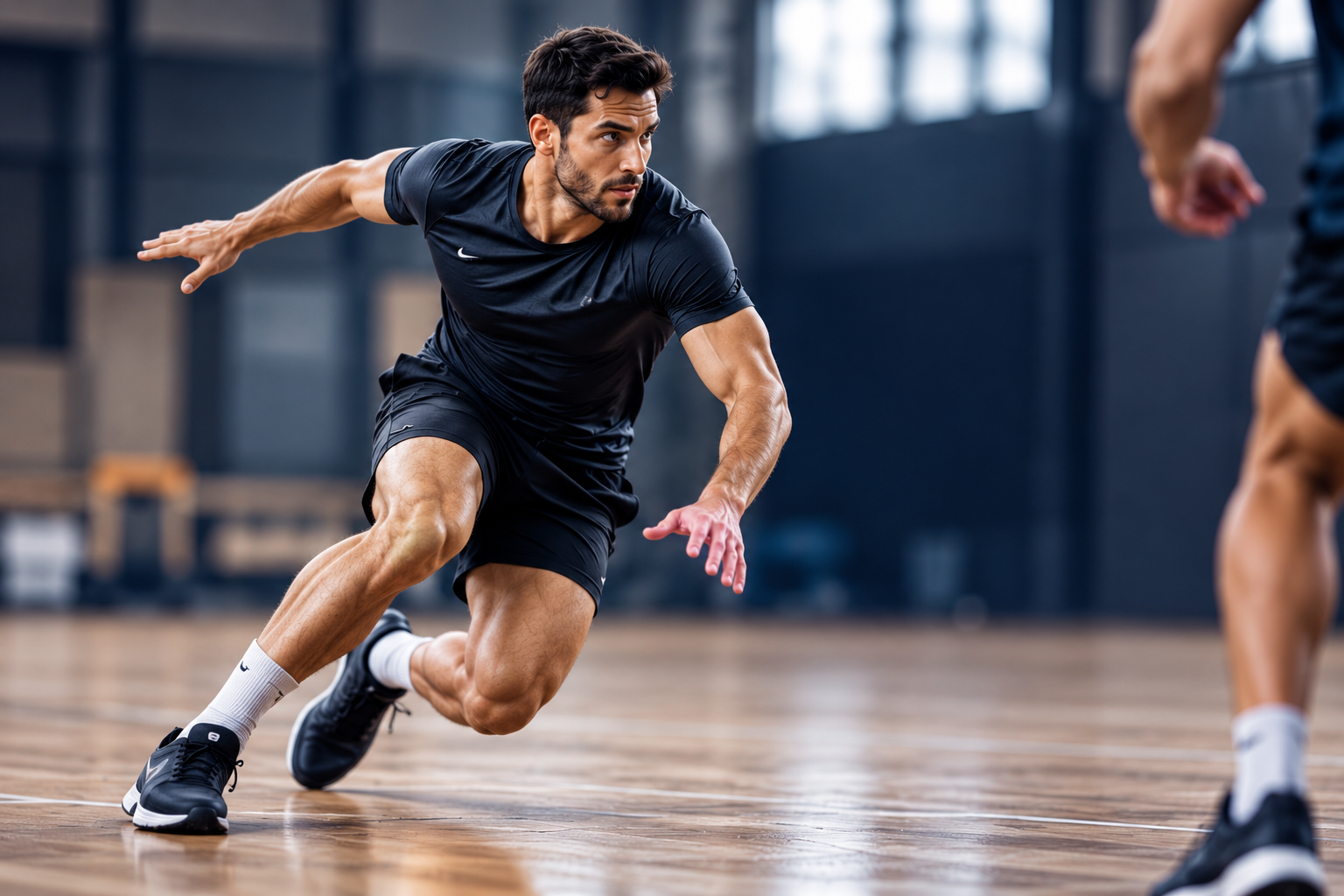
Sudden Change of Direction
Rapid pivoting is one of the classic mechanisms of ACL injury. Athletes may change direction while the foot remains planted, creating combined rotational and deceleration forces across the knee.
The knee is one of the most sophisticated weight-bearing joints in the human body. It allows us to walk, run, jump, climb, squat, turn, accelerate, decelerate, and change direction while continuously balancing stability and movement.
At the centre of this system is the anterior cruciate ligament, commonly known as the ACL.
Dr. Aayushi Choudhary
Understanding ACL Injury: Why We Treat Function, Not Just Form.
The ACL is one of the major stabilising ligaments inside the knee. It helps control forward movement of the shinbone in relation to the thighbone and contributes significantly to rotational stability. When this ligament is overstretched or torn, even ordinary activities can become uncomfortable, uncertain, or frightening.
It can change the way a person moves, exercises, works, participates in sport, and trusts their own body.
For patients seeking ACL injury treatment in Jaipur, the priority should not be rushing towards a procedure. It should be understanding exactly what has happened, assessing the stability and function of the knee, identifying associated injuries, and selecting the most appropriate treatment pathway.
At Purple Heron Hospitals, our approach is built around that principle.
Understand the injury. Restore stability. Rebuild function. Return to life.
Purple Heron Hospitals is led by Dr. Aayushi Choudhary, a Gold Medalist in Physical Medicine & Rehabilitation with specialised training in interventional pain management and musculoskeletal ultrasound
Her qualifications include MBBS, MD in Physical Medicine & Rehabilitation, Fellowship in Interventional Pain Management, and international training in Musculoskeletal Ultrasound in Lisbon, Portugal.
She has also been recognised with the Presidential Award from the European Society of Physical and Rehabilitation Medicine in 2022, along with other healthcare and professional honours.
As a Pain, Musculoskeletal Medicine & Rehabilitation Specialist, Dr. Aayushi Choudhary focuses on understanding movement disorders, musculoskeletal conditions, sports-related injuries, pain mechanisms, functional limitations, and rehabilitation needs.
A ligament injury should never be treated in isolation from the person who has sustained it.
Age, occupation, athletic demands, previous injuries, muscle strength, movement patterns, expectations, and long-term goals all matter when determining the right treatment pathway.
For patients searching for the best ACL doctor in Jaipur, the most important consideration should therefore be more than a procedure or a title.
It should be whether the clinician can accurately understand the injury, explain the available choices, and guide the patient through recovery from diagnosis to restored function.
At Purple Heron Hospitals, that complete journey remains central to our approach.
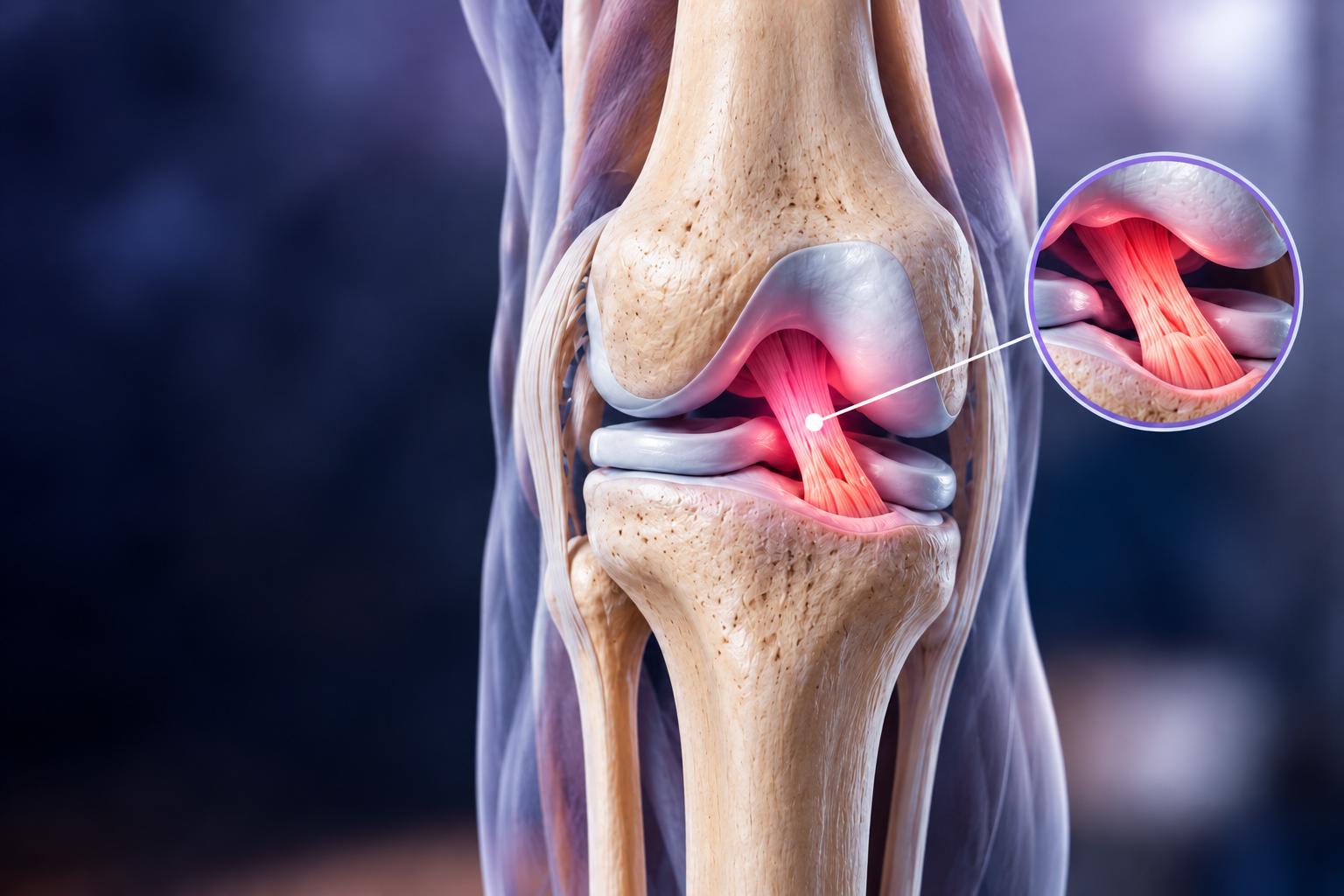
The anterior cruciate ligament is located inside the knee and connects the thighbone to the shinbone. Together with the menisci, collateral ligaments, muscles and joint surfaces, it plays an important role in maintaining knee stability.
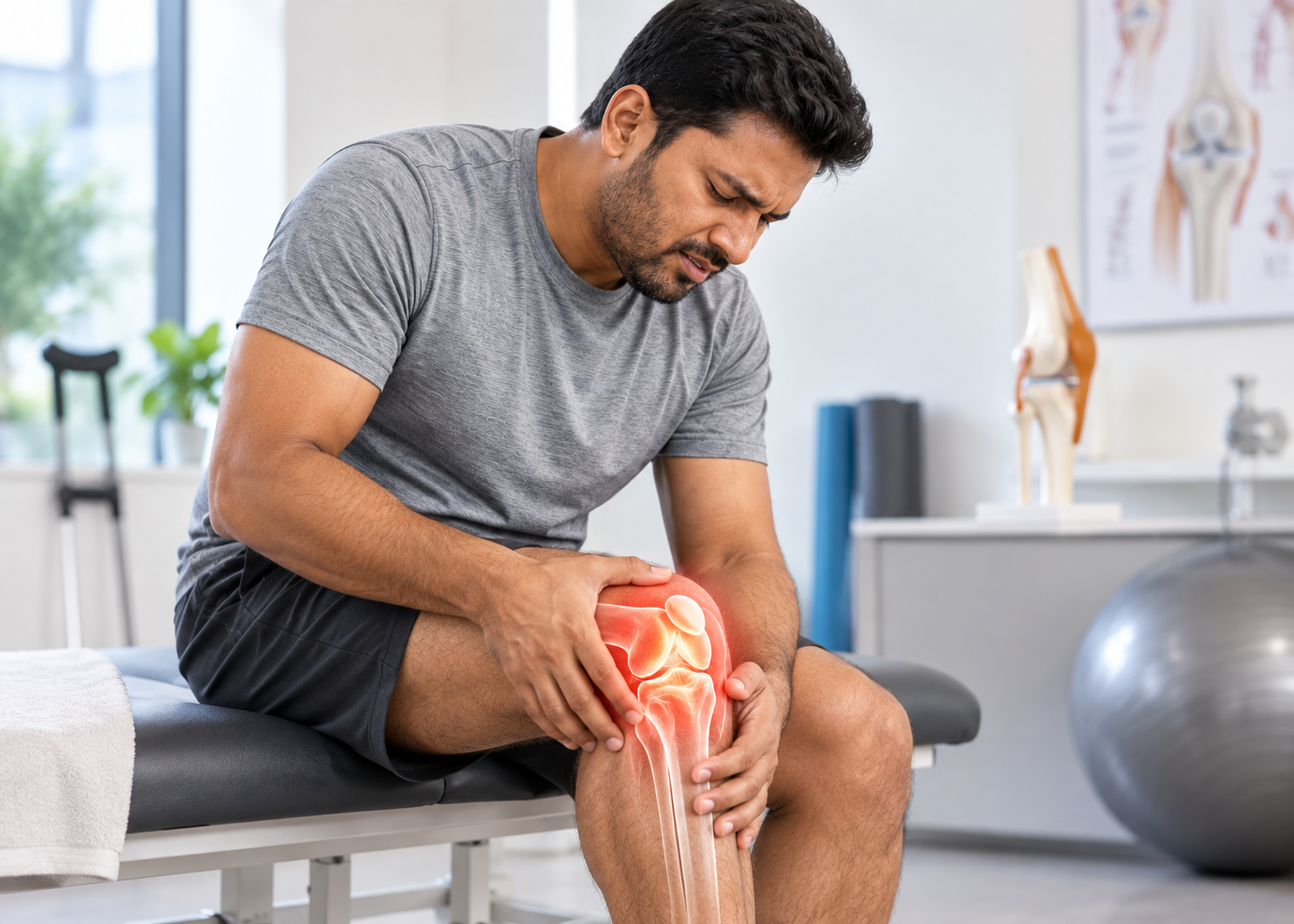
An ACL injury occurs when the ligament is stretched beyond its normal capacity or becomes partially or completely torn. It may happen during a sudden change in direction, an awkward landing, rapid deceleration, twisting movement, direct trauma or an accident.
The foot may remain planted while the body rapidly changes direction, creating excessive rotational force across the knee.
A distinct pop may be heard or felt.
Pain can develop immediately after injury.
The knee may swell soon after trauma.
The knee may feel unreliable or give way.
A torn ACL is not just an image on an MRI. It is an injury affecting an entire movement system.
The knee must provide mobility and stability at the same time. The ACL helps control excessive forward translation and rotational movement of the tibia.
A significant ACL injury does not automatically mean surgery is required. At the same time, an ACL tear should not automatically be ignored simply because the initial pain has improved.
ACL injuries can occur during competitive sports, recreational activities, workplaces, road accidents and everyday movements.
01
Rapid pivoting is one of the classic mechanisms of ACL injury. Athletes may change direction while the foot remains planted, creating combined rotational and deceleration forces across the knee.
 02
02
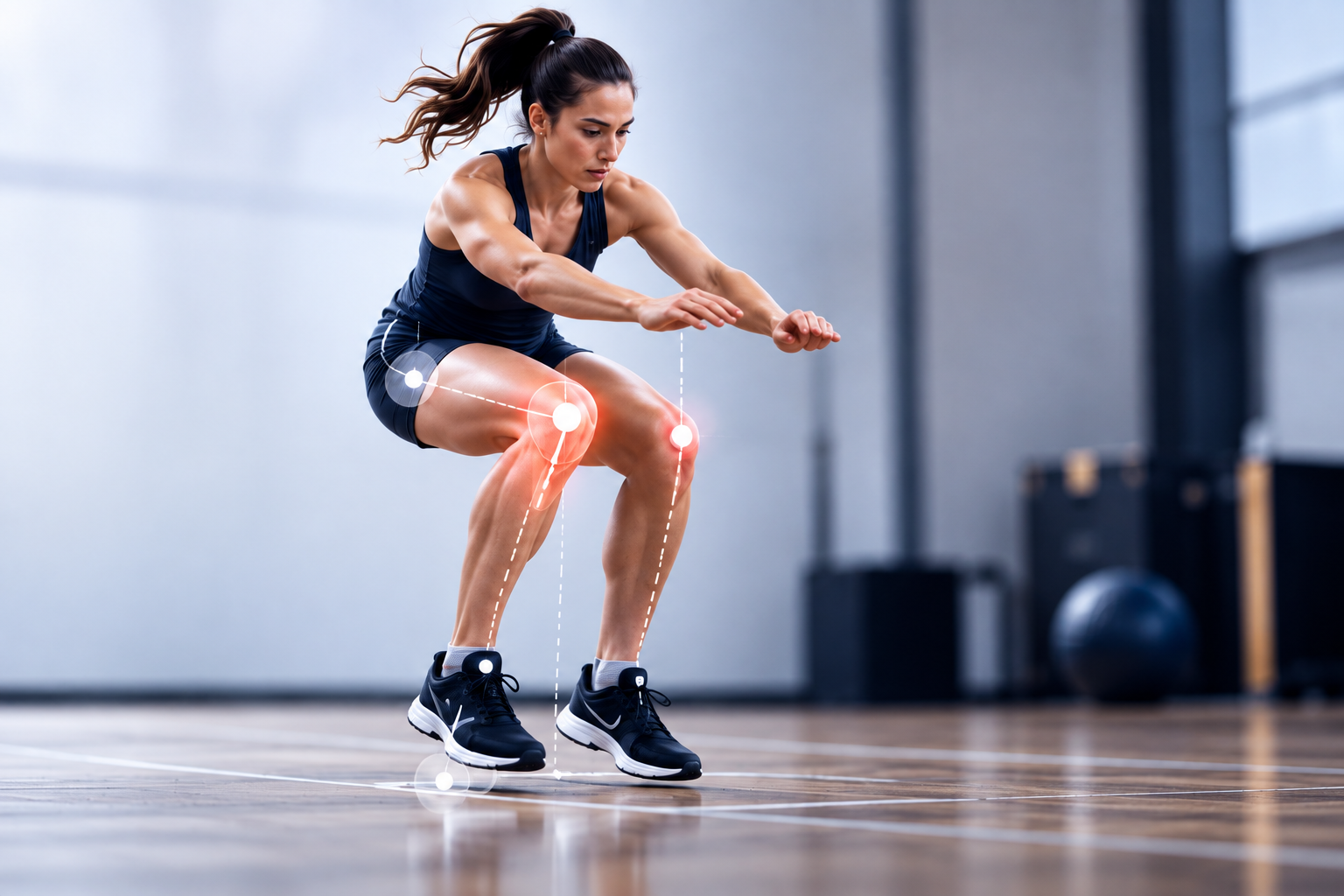
Landing requires coordinated control of the hip, knee and ankle. Poor mechanics, fatigue or inadequate muscular control can increase stress through the knee.
 03
03
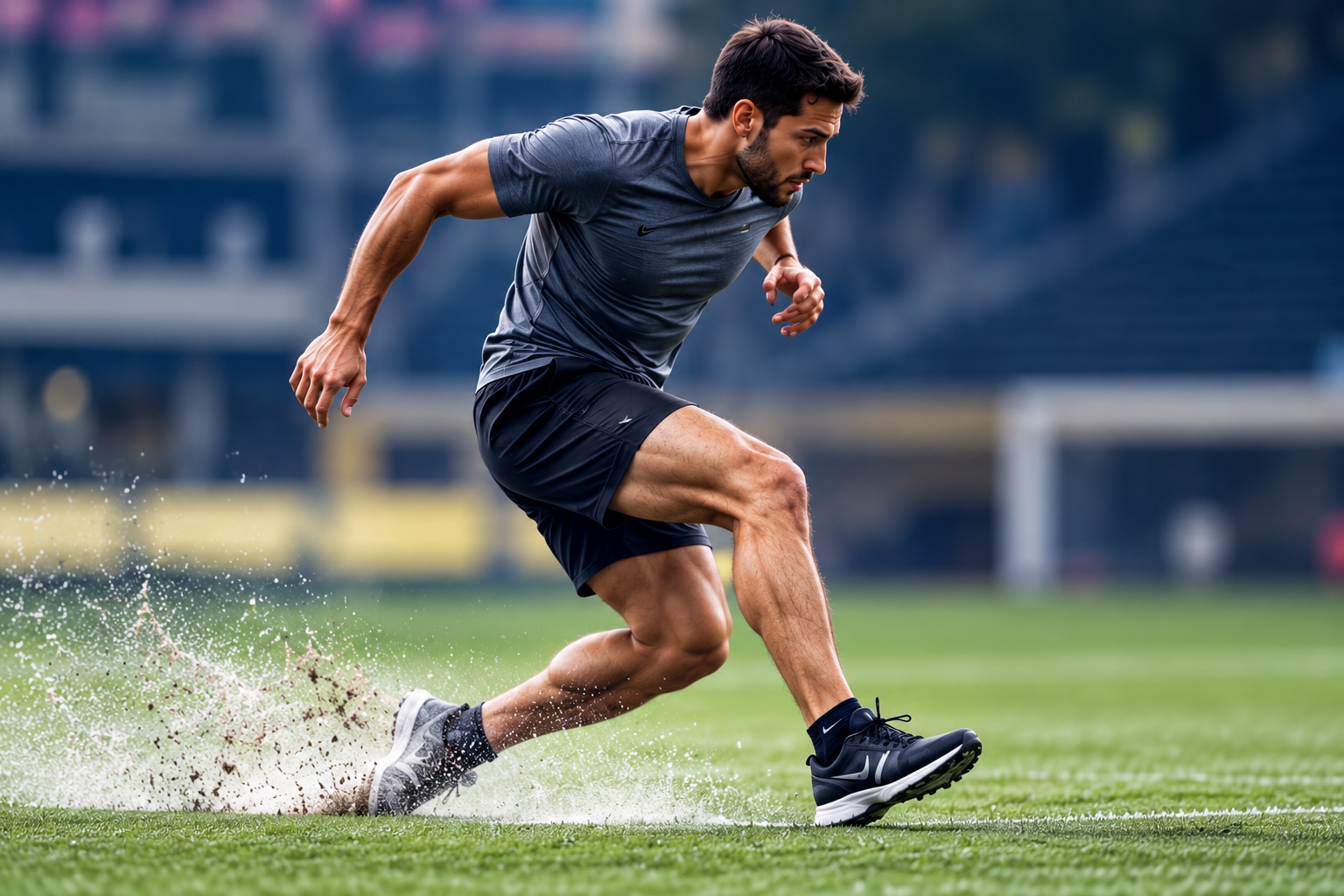
Stopping rapidly while running may create significant forces across the knee, particularly in sports involving repeated acceleration and braking.
ACL injuries are particularly associated with activities involving running, jumping, pivoting and rapid direction changes.
High-energy trauma can affect several structures within the knee and should be assessed beyond the ACL alone.
A fall can produce excessive knee rotation, particularly if the foot remains fixed while the rest of the body twists.
Sudden changes in training load, inadequate conditioning, fatigue and poor movement mechanics may contribute to musculoskeletal injury risk.
Symptoms can vary significantly. Some people experience dramatic symptoms immediately, while others continue walking and only later realise that the knee has become unstable.
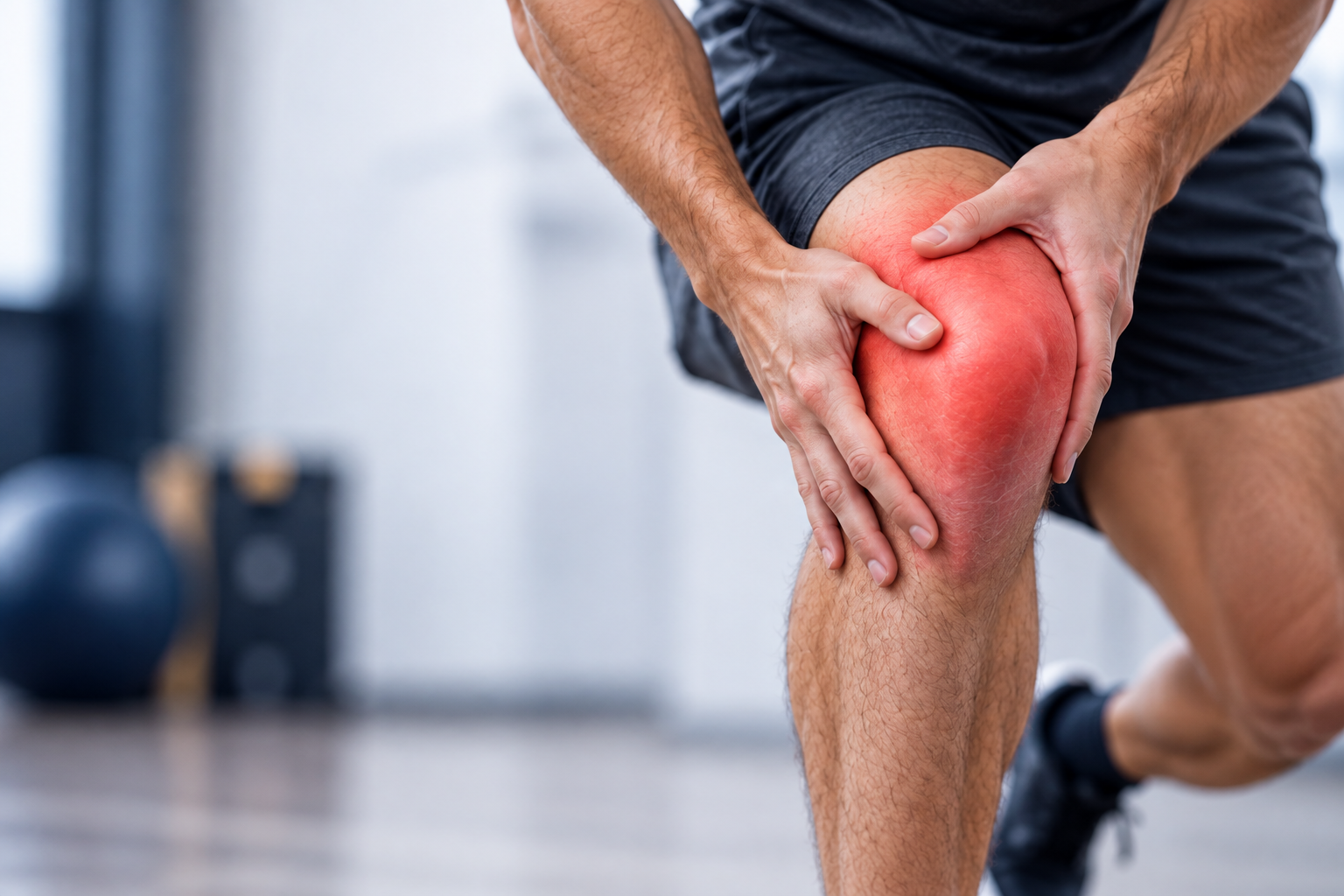
Pain may occur immediately after twisting, landing, falling or another traumatic knee movement.
Swelling developing soon after injury may indicate significant internal knee trauma.
Some patients hear or feel a distinct pop at the moment the injury occurs, although its absence does not exclude ACL damage.
The knee may feel unreliable or suddenly give way during daily or sporting movements.
Pain, swelling or instability may alter the normal walking pattern after an ACL injury.
Swelling and pain may limit the ability to fully bend or straighten the knee.
Athletes may find that pain settles but the knee continues to feel unreliable during demanding movements requiring speed, stability and coordination.
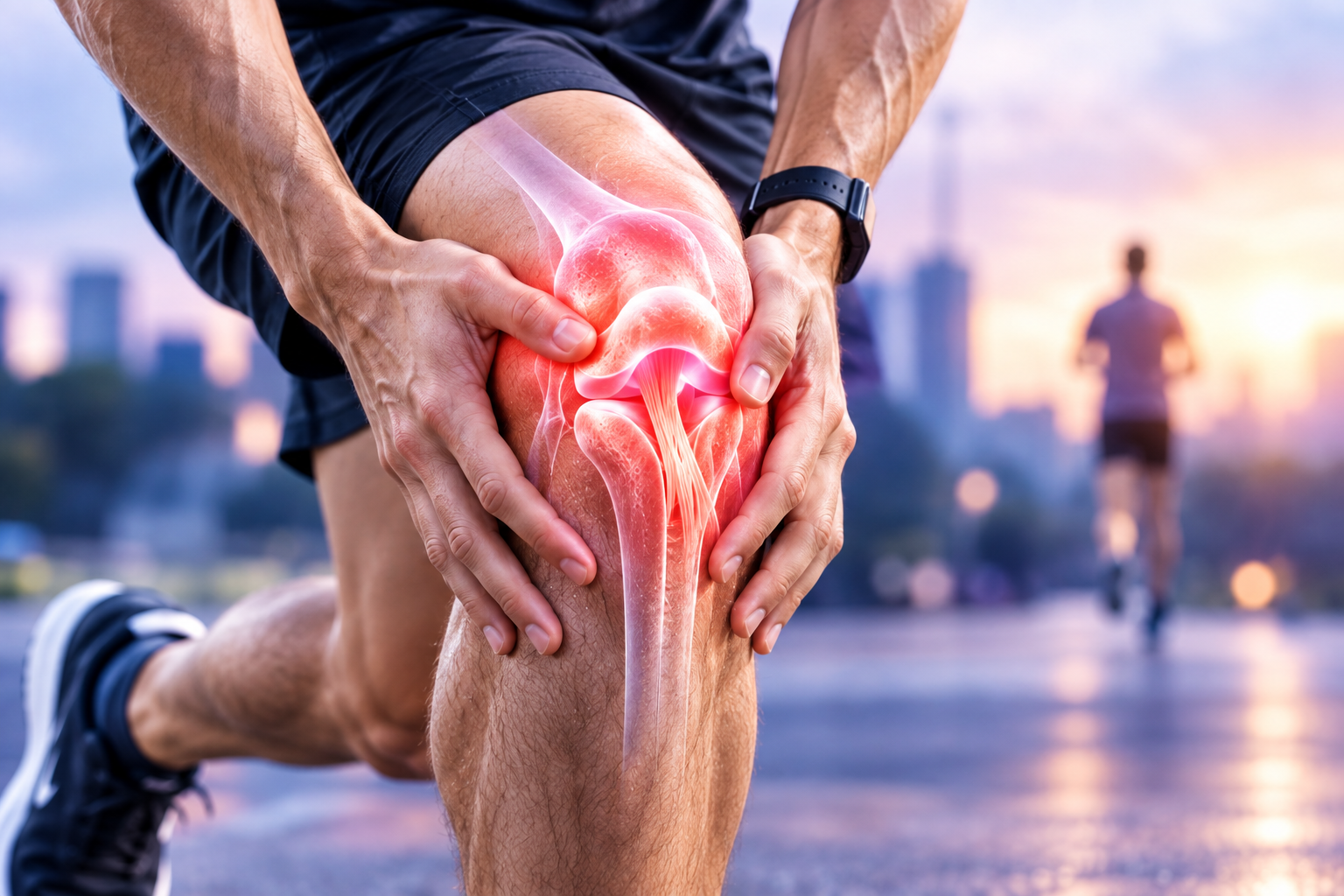
Early assessment can help identify ACL injury, associated knee damage and whether the knee is safe for higher-level activity.
You should consider evaluation by an ACL specialist in Jaipur when knee symptoms persist after a twisting injury, sports injury, fall or accident.
A knee injury cannot be fully understood through symptoms alone. Similar pain can come from different structures, and similar MRI findings can produce very different functional problems.
Pain may come from the ACL, meniscus, cartilage, bone, collateral ligaments, joint lining, surrounding muscles or a combination of structures.
The objective is not simply to identify a torn ligament. It is to understand how the injury has affected the complete knee and the person's ability to move.
At Purple Heron Hospitals, musculoskeletal conditions are approached by connecting the patient's story, clinical examination, imaging and function.
How the injury happened, what changed afterwards and which activities are now limited.
Stability, swelling, movement, strength, gait and functional control are assessed together.
X-ray and MRI findings are interpreted in context rather than used as the diagnosis by themselves.
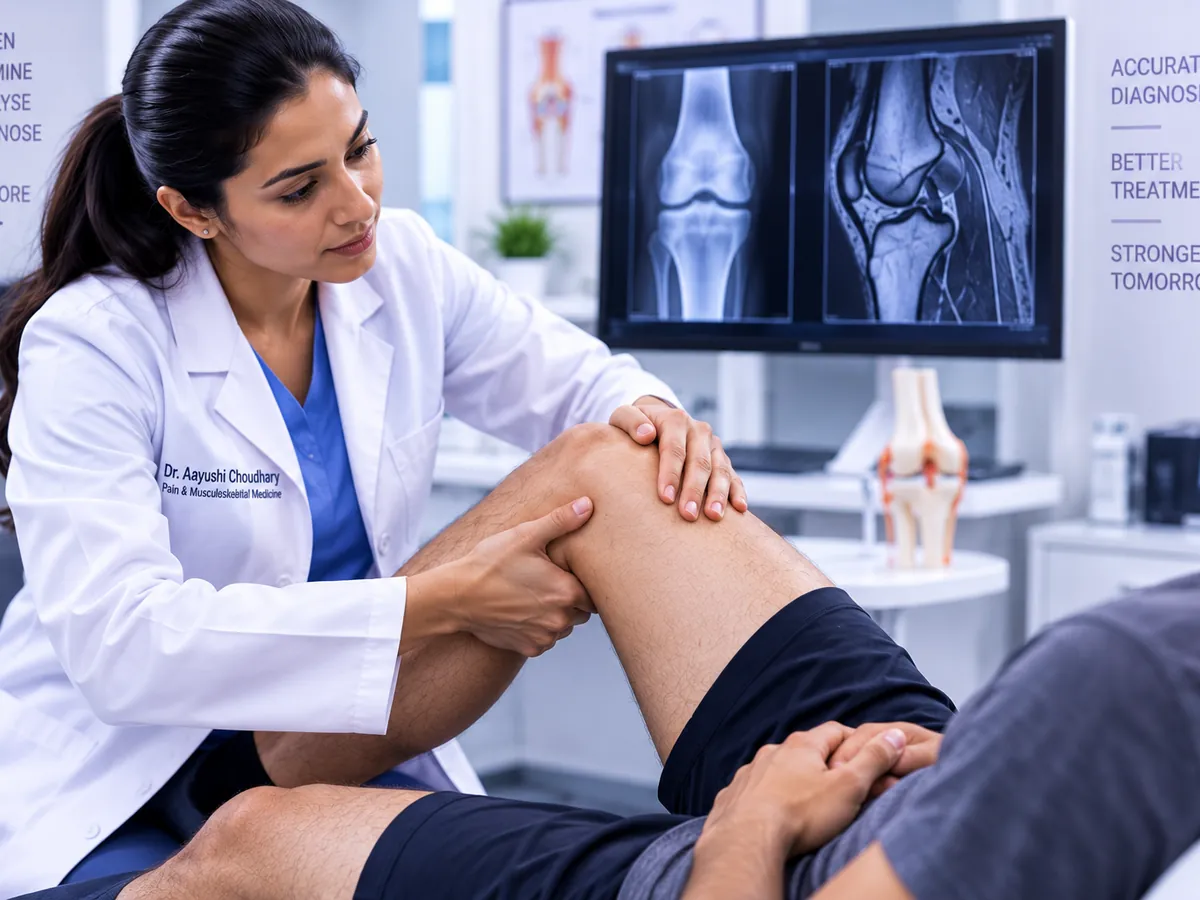
Diagnosis is built by combining the injury mechanism, a comprehensive knee examination and appropriate imaging when required.
The evaluation begins with understanding how the injury happened and how the knee has behaved since.
Physical examination assesses the knee as a movement system rather than focusing on one structure.
Imaging helps identify ligament damage and associated injuries, but it should be interpreted alongside the clinical picture.
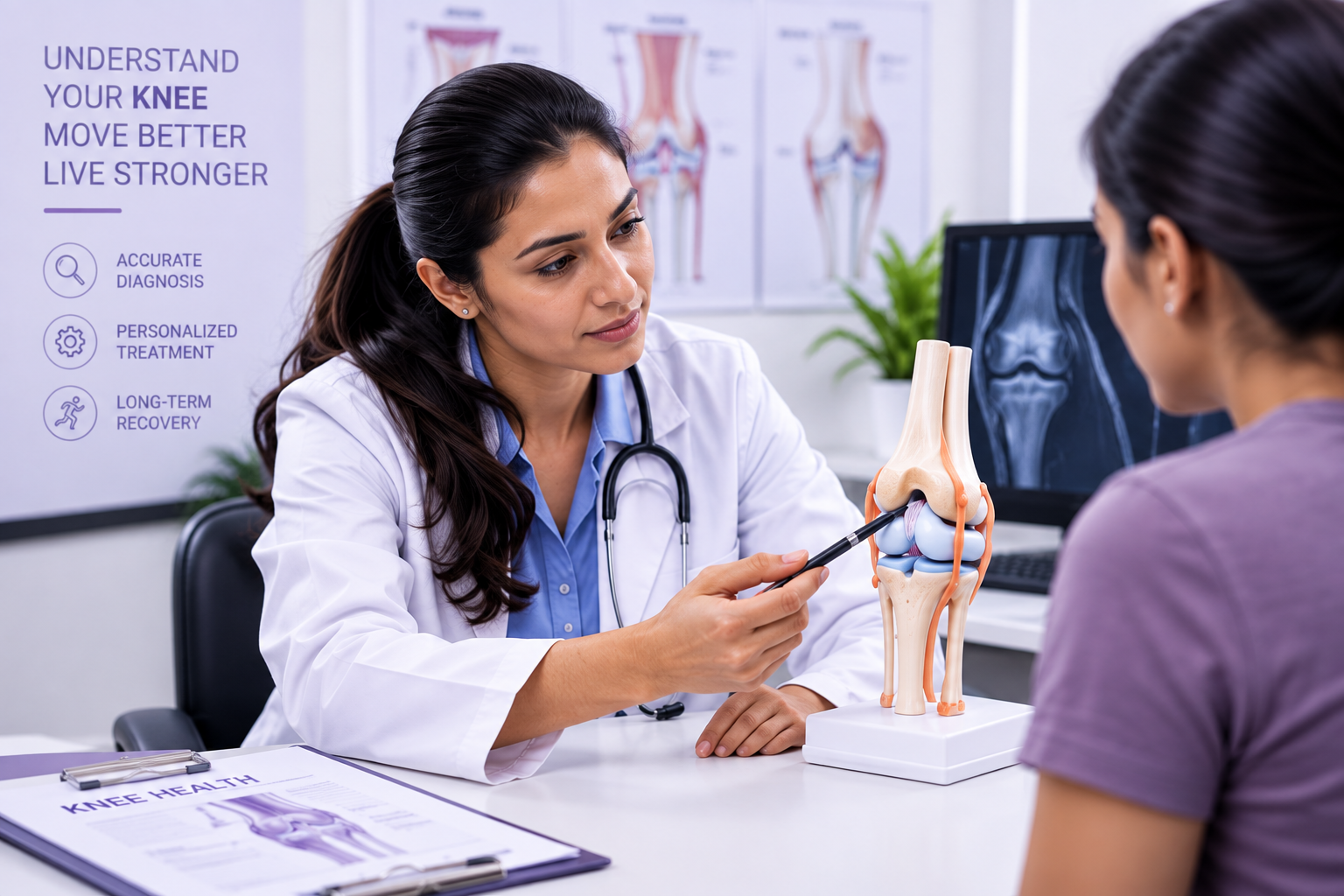
Not every ACL injury requires the same treatment. A partial injury with a stable knee may need a very different pathway from a complete rupture with repeated instability.
An older recreational walker may also have different goals from a young footballer returning to competitive sport. Treatment decisions should consider the whole person.
Treatment may include non-surgical care, structured rehabilitation, activity modification, bracing, targeted pain management or surgical reconstruction when clinically appropriate.
Understand the ACL, injury type, instability, associated injuries, safe movements, rehabilitation expectations and when surgery may be considered.
Selected patients may progress through pain and swelling control, activity modification, bracing, strength work and neuromuscular rehabilitation.
Recovery progresses from basic movement toward running, deceleration, landing, cutting, agility, plyometrics and sport-specific testing.
Surgery may be considered for significant injury with persistent functional instability, high activity demands or recurrent giving-way episodes.
Treatment may include non-surgical care, structured rehabilitation, activity modification, bracing, targeted pain management or surgical reconstruction when clinically appropriate.
Understand the ACL, injury type, instability, associated injuries, safe movements, rehabilitation expectations and when surgery may be considered.
Selected patients may progress through pain and swelling control, activity modification, bracing, strength work and neuromuscular rehabilitation.
Recovery progresses from basic movement toward running, deceleration, landing, cutting, agility, plyometrics and sport-specific testing.
Surgery may be considered for significant injury with persistent functional instability, high activity demands or recurrent giving-way episodes.
Non-surgical care may be appropriate when the knee is relatively stable, sporting demands are limited or the individual responds well to structured rehabilitation.
Conservative care is not passive care. The aim is controlled movement, progressive loading and rebuilding enough strength and control for the patient's real-life demands.
Short-term symptom control may help safe participation in movement and rehabilitation.
Reducing swelling can improve knee movement and muscle activation.
Temporarily reduce movements that provoke instability while progressively restoring load.
A brace may offer additional support in selected stages or activities.
Quadriceps, hamstrings, hips, calves, core and neuromuscular coordination are progressively trained.
Joint-position awareness, balance and nervous-system control are retrained alongside strength.
Athletes need more than a knee that feels comfortable during ordinary walking. The knee must eventually tolerate the real speed, force, fatigue and directional demands of the sport.
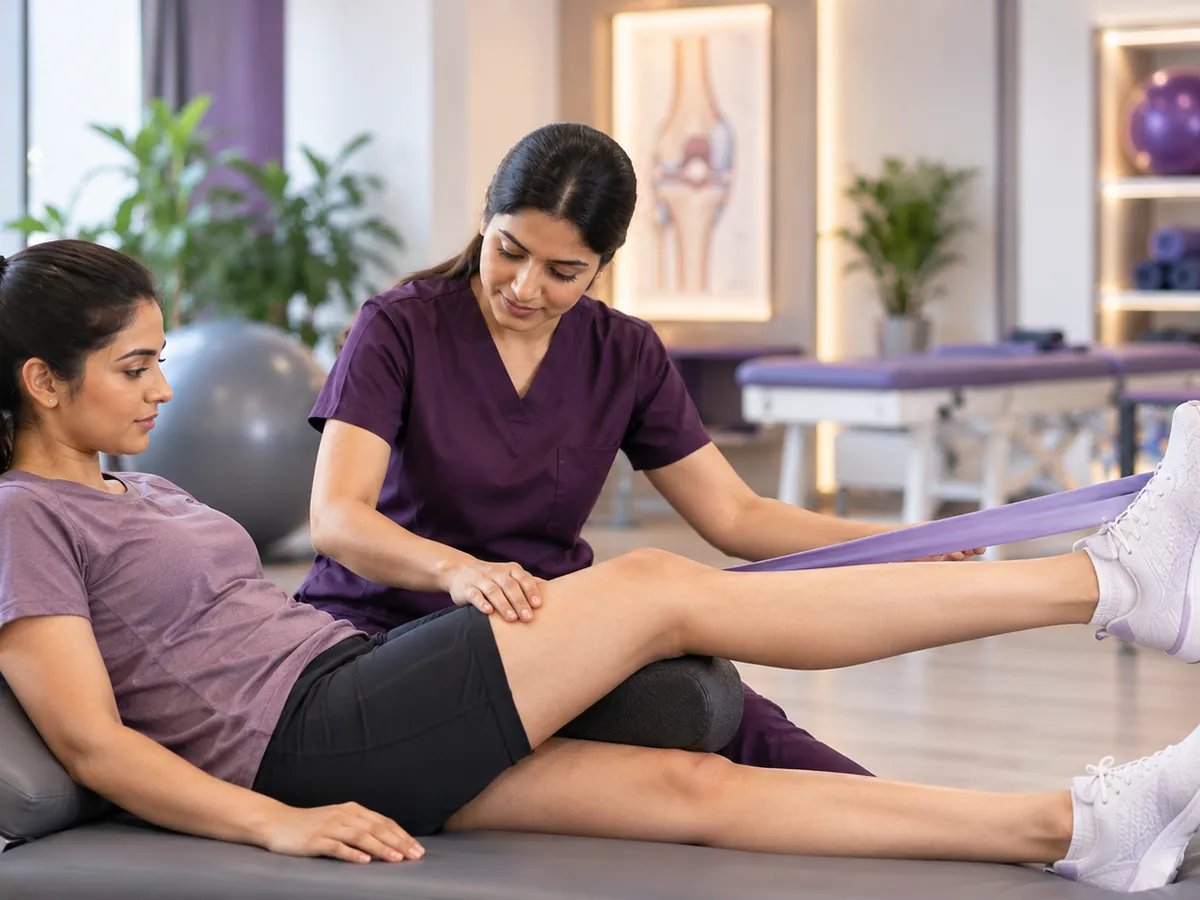
Acceleration, sprinting, cutting and repeated direction changes.
Sprinting, stopping, pivoting, bowling and repeated lower-limb loading.
Repeated lunges, quick lateral movement and rapid deceleration.
Jumping, landing, cutting, acceleration and reactive movement.
Surgery may be considered when the ACL is significantly damaged and the knee remains functionally unstable, particularly for patients returning to pivoting sports or demanding activity.
ACL reconstruction creates a new ligament using a graft to reproduce the stabilising function of the damaged ACL. Graft choice and surgical planning should be individualised according to age, sport, occupation, anatomy, previous surgery and associated injuries.
Arthroscopy uses relatively small access points into the joint.
A camera helps visualise important structures inside the knee.
Intra-articular injuries may be addressed when clinically required.
Recovery milestones remain essential after minimally invasive surgery.
Surgery restores mechanical structure. Rehabilitation restores function. Both matter.
Reconstruction aims to restore the stabilising role of the damaged ACL through a suitable graft and carefully planned surgical positioning.
The knee must progressively regain movement, strength, balance, coordination, running capacity, landing control and sport-specific confidence.
Rehabilitation is treated as a medical process rather than a random collection of exercises. Progression should reflect the diagnosis, functional limitations, lifestyle, occupation, sport and recovery goals.
Control symptoms and restore safe early movement.
Regain normal knee motion and walking mechanics as symptoms settle.
Progress resistance training according to tolerance and objective progress.
Train dynamic knee control rather than strength alone.
Running is introduced after appropriate clinical and functional milestones are met.
The final stage reproduces the specific movement demands of the patient's sport.
The knee is part of a kinetic chain. Hip, pelvis, ankle, foot, trunk and the nervous system all influence how forces travel through the lower limb.
Strength and pelvic control influence knee alignment and load transfer.
Mobility and foot mechanics affect how forces reach the knee.
Core stability supports whole-body control during dynamic movement.
Walking and movement symmetry help reveal persistent compensation.
Landing mechanics and deceleration are retrained progressively.
Training load, fatigue and recovery habits influence safe progression.
Feeling pain-free does not automatically mean an athlete is ready for unrestricted competition. Readiness should be based on functional recovery.
Treatment should reflect what the patient needs the knee to do—not simply the name of the injury.
A 42-year-old who enjoys walking, cycling and occasional activity may prioritise stability for everyday life and recreation.
A 21-year-old footballer may need repeated sprinting, cutting, jumping and rapid direction changes at high intensity.
Some ACL injuries can be managed successfully without surgery. But repeated instability and giving-way episodes should not simply be ignored.
The knee may remain unreliable during turning, stairs or sport.
Recurrent instability may increase load on meniscus, cartilage and surrounding structures.
Evaluation helps identify the most appropriate next step.
There is no single universal price because the treatment journey can differ significantly between patients.
Clear medical guidance matters when patients are uncertain about surgery, sport, recovery timelines or whether rehabilitation will be enough.
Understand the complete knee, not just the scan.
Match treatment to function and goals.
Use clinical reasoning, not one plan for everyone.
Explain treatment choices clearly.
Restore movement, strength and control.
Plan for long-term recovery.
Recovery should rebuild physical capacity, movement confidence and trust in the knee.
The decision should consider knee stability, symptoms, functional demands, associated injuries and patient goals—not the MRI report alone.
Structured rehabilitation may be reasonable in selected patients.
Reconstruction may provide meaningful benefit when function remains limited.
Meniscal or combined ligament injuries may change the treatment strategy.
A swollen, stiff or weak knee may benefit from a pre-operative rehabilitation phase before reconstruction.
Settle the knee before reconstruction.
Improve extension and flexion.
Improve muscle control before surgery.
Create a stronger starting point.
Understand procedure and milestones.
Enter surgery with a clear post-op plan.
Before reconstruction, the patient may be guided through exercises designed to optimise the condition of the knee. Prehabilitation also helps the patient understand what rehabilitation after surgery may involve.
Improve comfortable knee straightening.
Gradually restore appropriate bending.
Improve activation and strength before surgery.
Build balanced muscular support.
Support lower-limb control and stability.
Work towards a more controlled gait.
Reduce swelling and improve knee readiness.
Maintain overall physical capacity.
Prehabilitation creates a stronger and more informed starting point for recovery.
ACL reconstruction recovery is gradual. The exact timeline differs between individuals and depends on surgical details, associated injuries, rehabilitation progress and activity goals.
At Purple Heron Hospitals, our approach to ACL knee injury treatment in Jaipur begins with understanding the patient rather than immediately selecting a procedure.
Protect meaningful movement and everyday ability.
Match treatment to actual knee function.
Support safe return to meaningful activity.
Mechanism, examination, imaging, stability, lifestyle and long-term goals are considered together.
Treatment should continue beyond pain relief until function, confidence and meaningful activity return.
Identify what happened and determine which structures are involved.
Combine history, physical examination, functional assessment and imaging.
Determine whether rehabilitation, intervention or surgery is appropriate.
Rebuild movement, strength, stability and neuromuscular control.
Gradually increase activity according to objective recovery milestones.
Safely return to work, exercise, sport and everyday life.
Address strength, movement patterns, conditioning and training factors.
If you have experienced a twisting knee injury, sports trauma, fall, accident or persistent instability, do not rely only on pain relief to decide whether your knee is healthy.
Rehabilitation medicine, musculoskeletal assessment and functional recovery.
Do not simply treat the injured ligament. Restore the person who depends on that knee.